Espresso Makers

Find espresso makers for your home coffee routine, whether you prefer hands-on brewing or a simpler way to prepare your daily shot. Compare ease of use, machine size, and cleaning requirements, and consider milk-frothing features if you enjoy lattes or cappuccinos.
Read More

Sort

Café-style drinks with as much control as you like

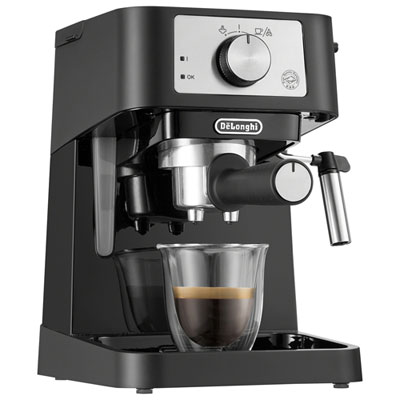
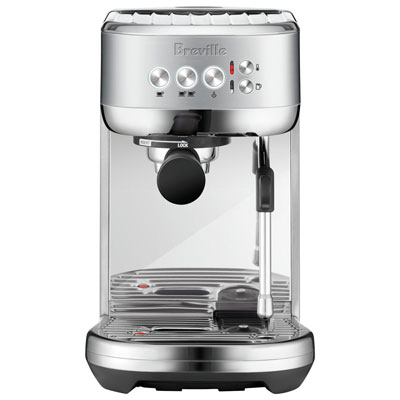
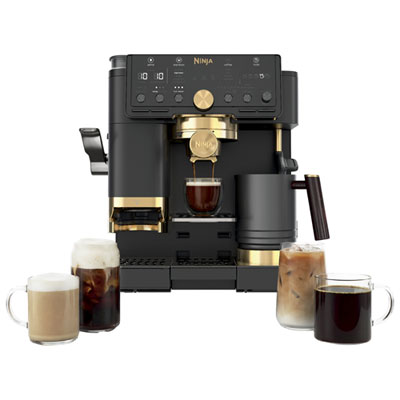
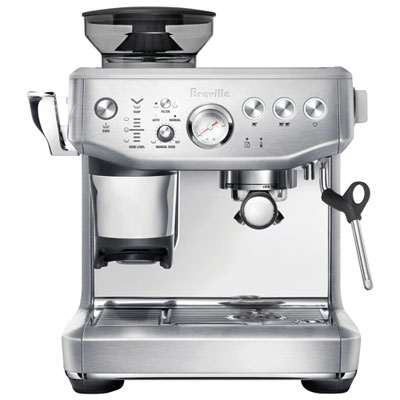
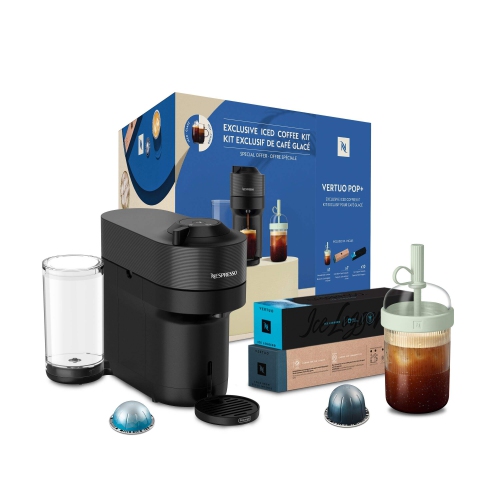
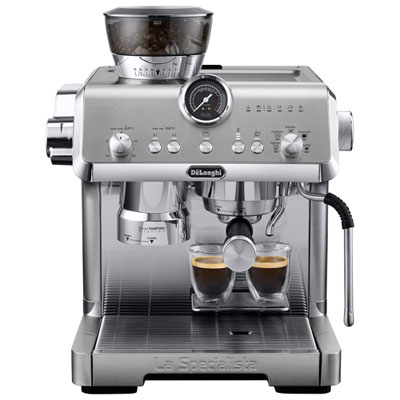
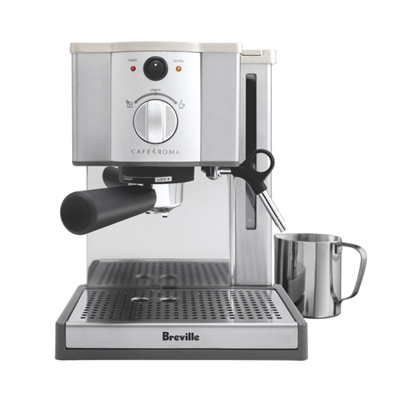
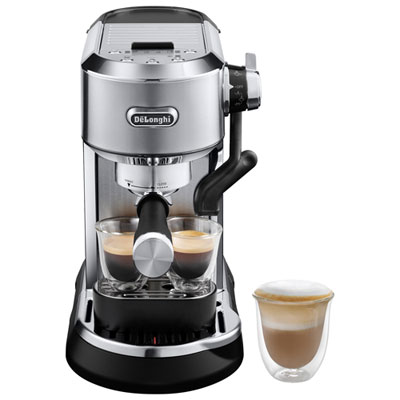
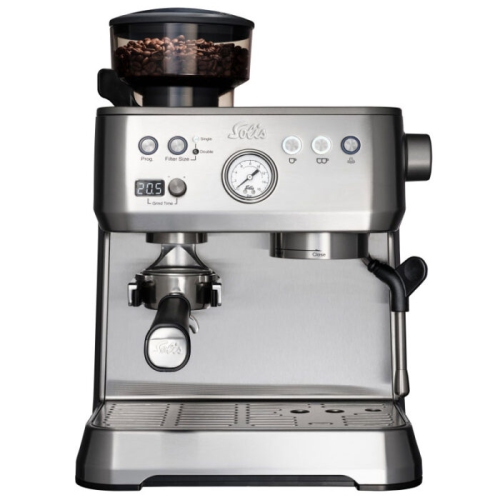
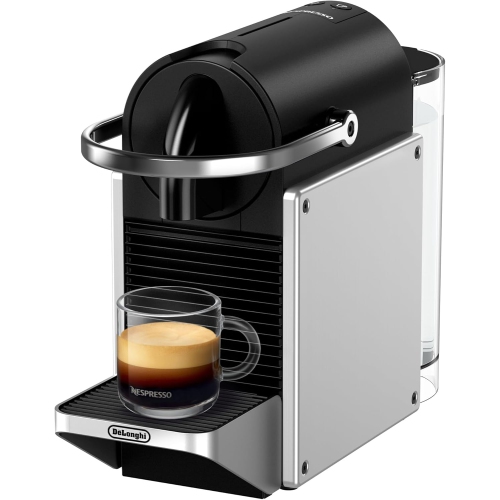
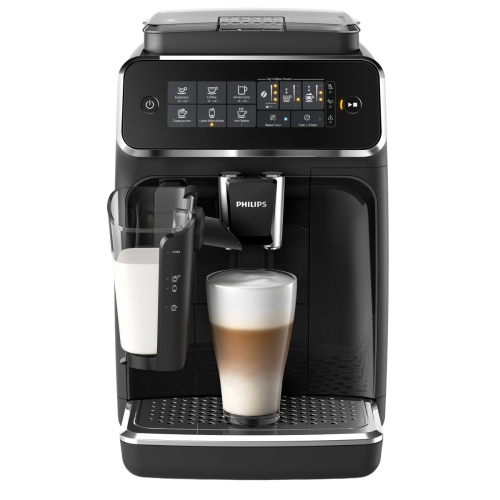
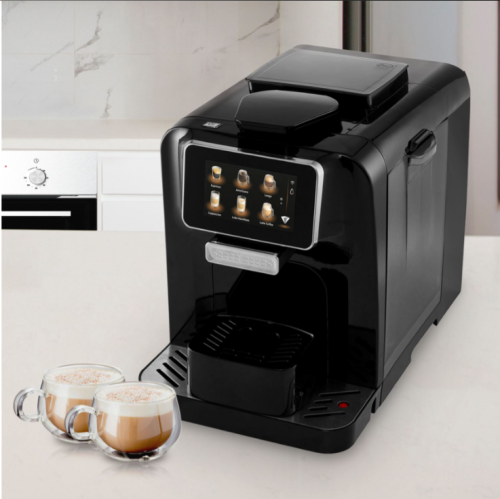
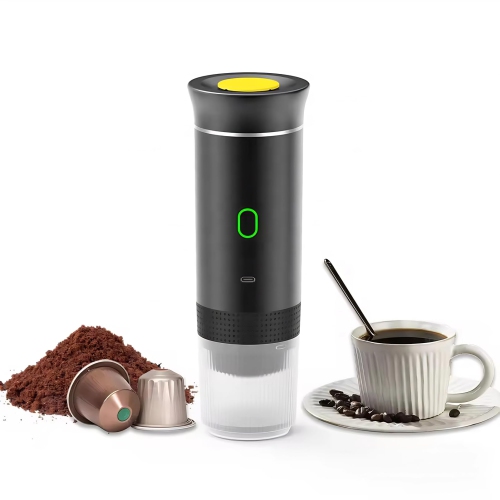
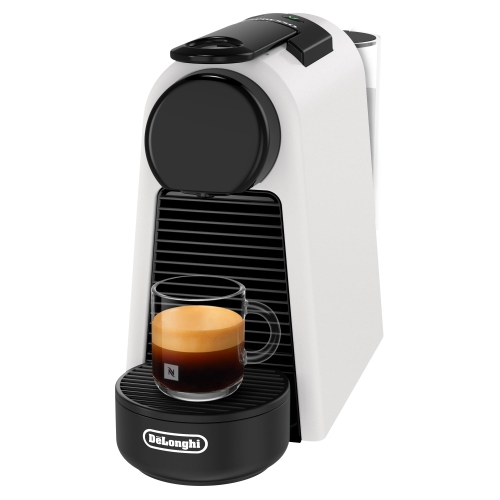
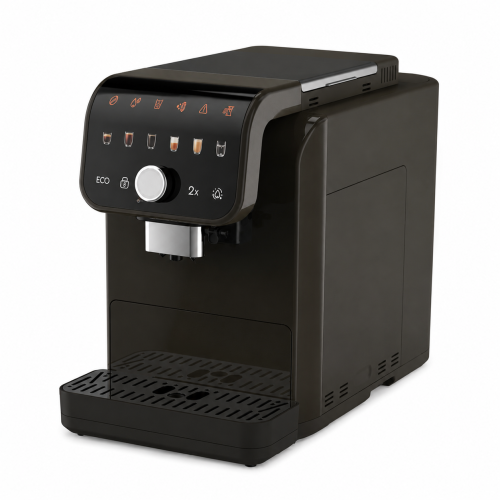
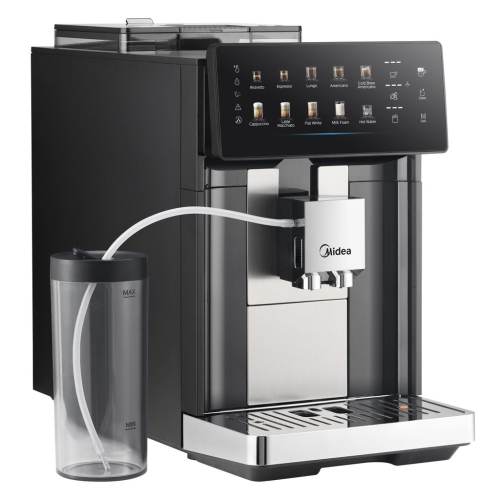
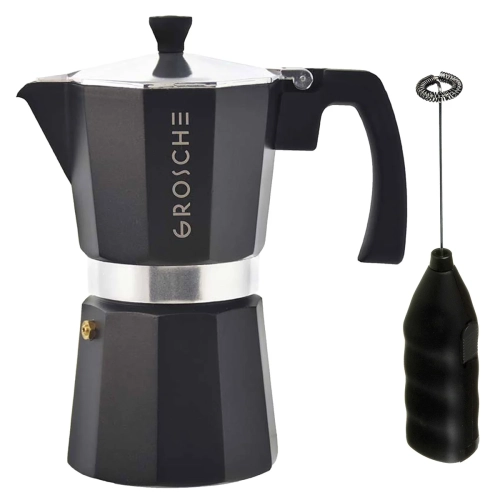
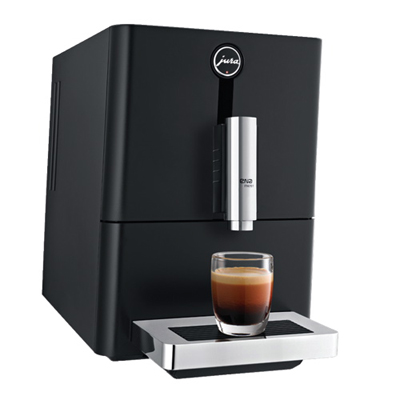
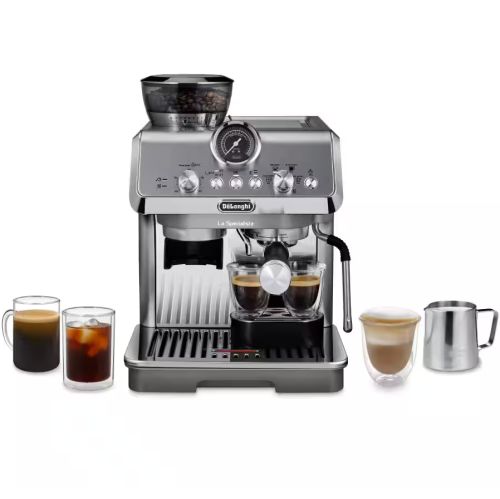
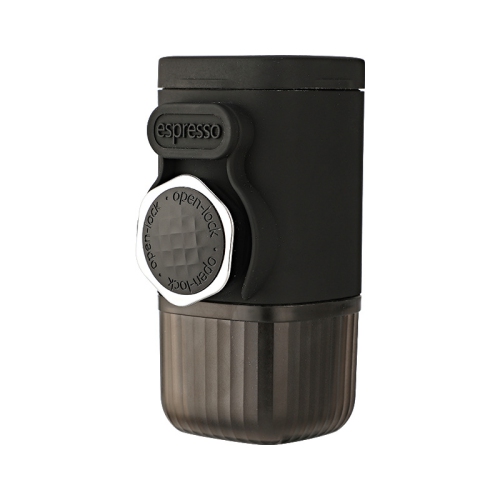
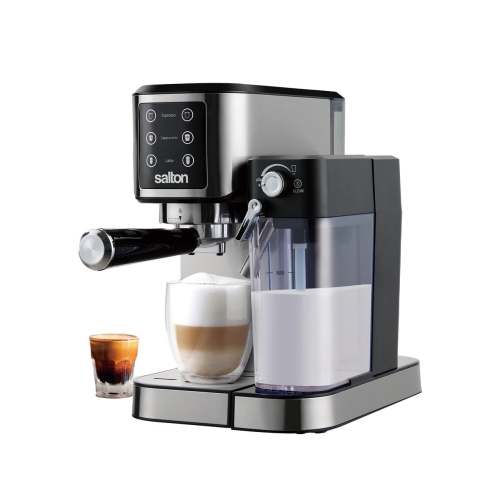
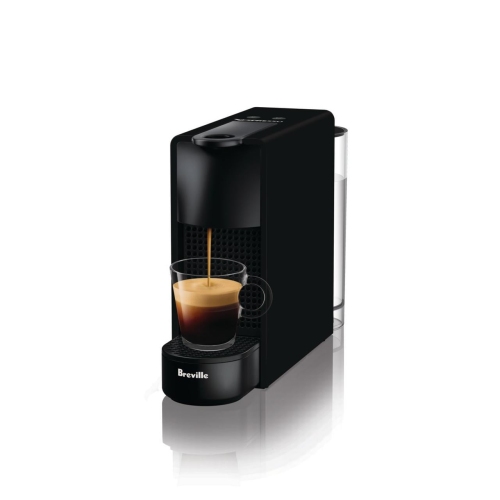
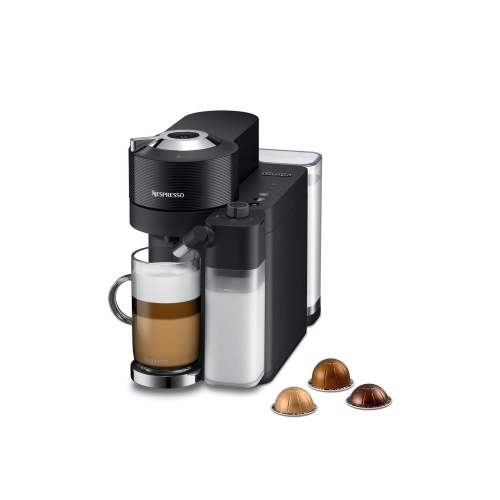
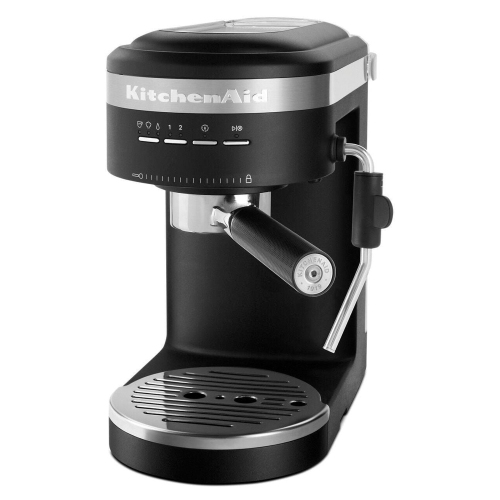
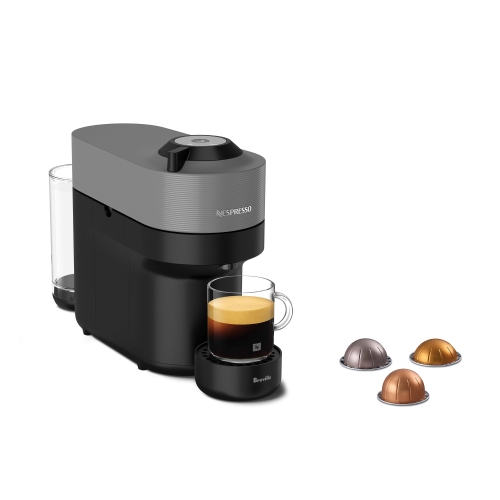
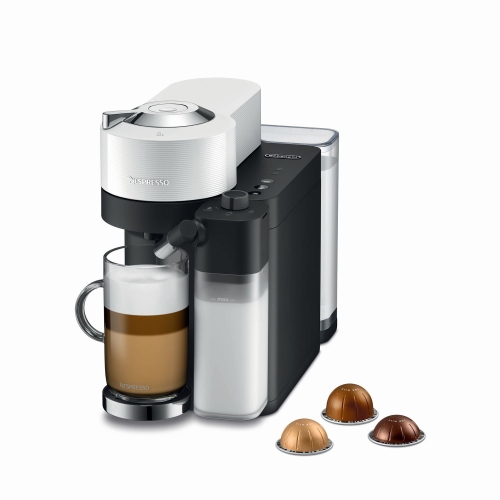
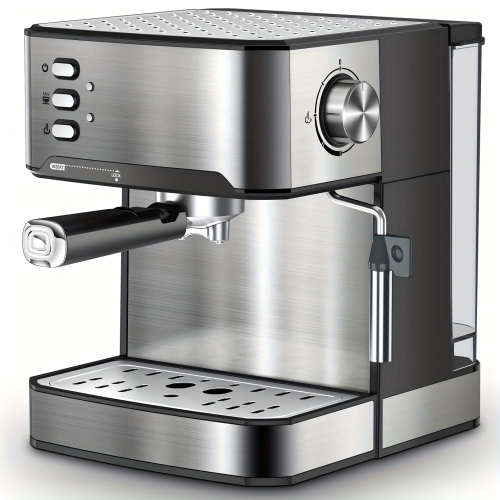
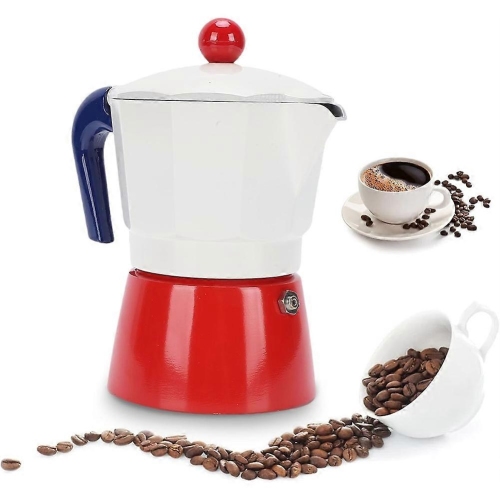
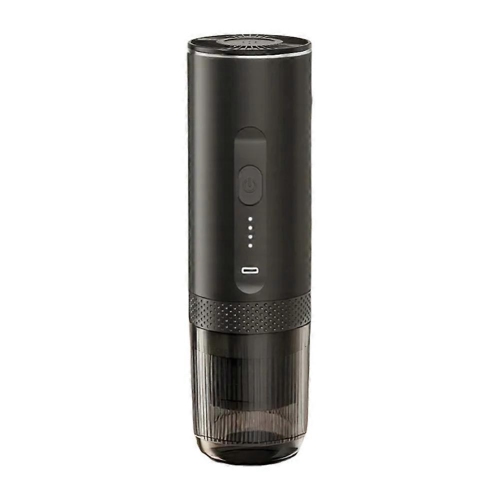
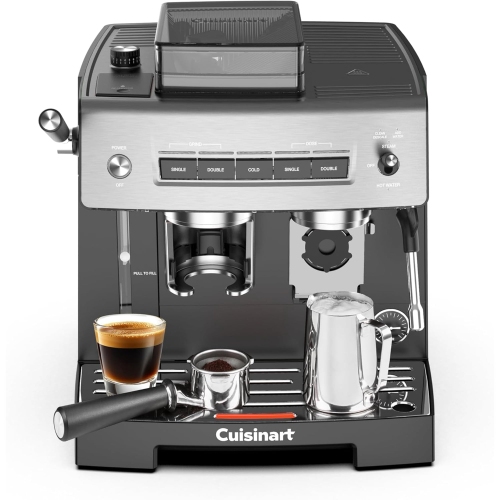
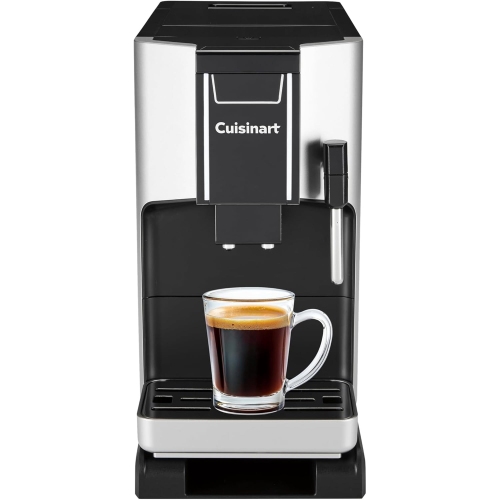
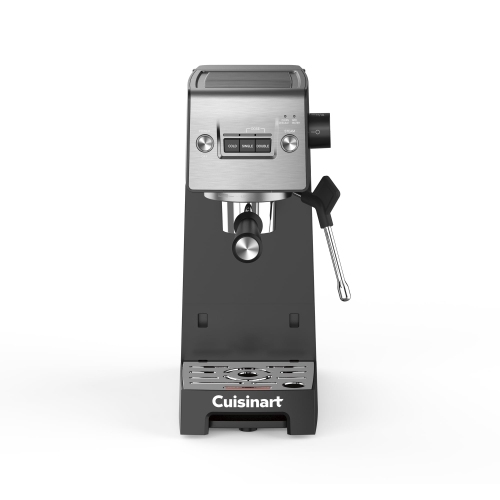
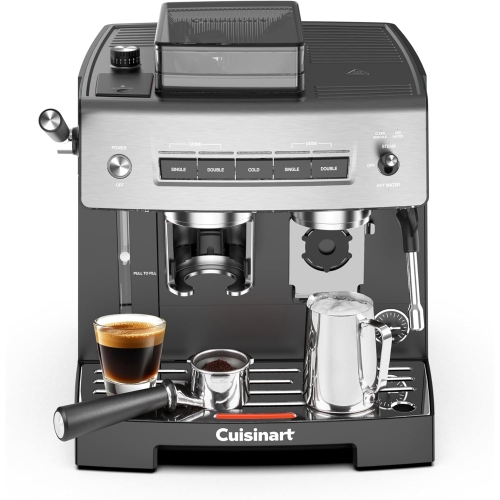
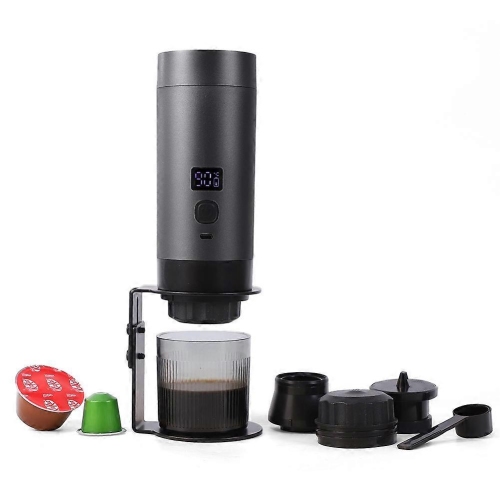
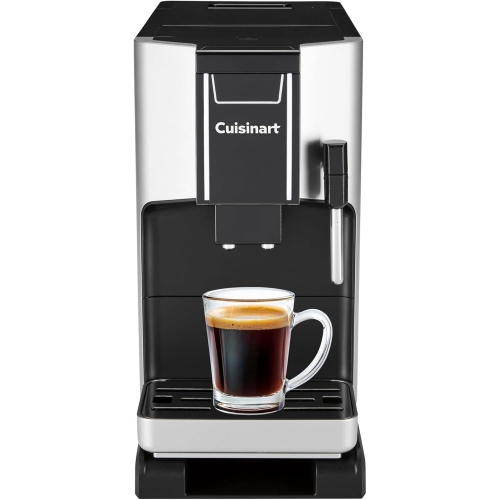
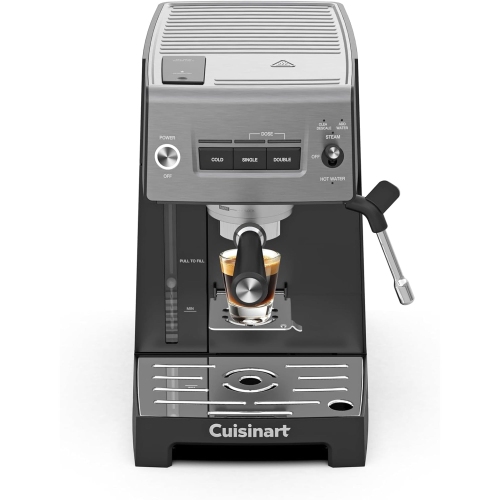
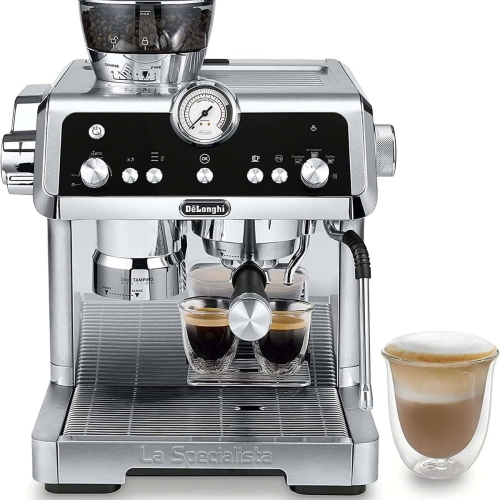
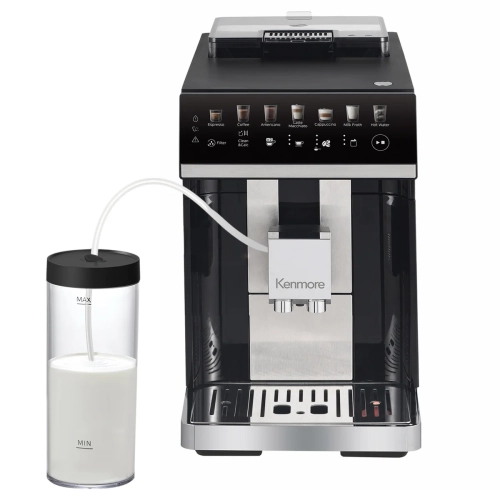
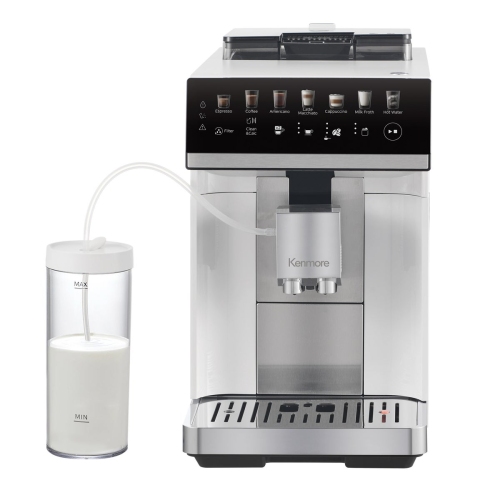
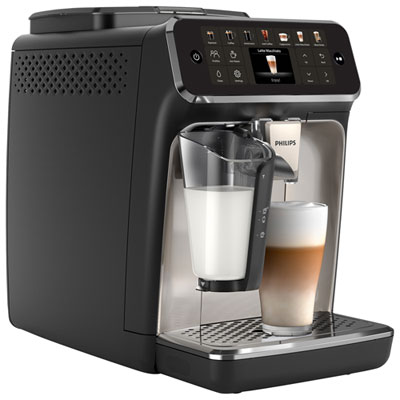
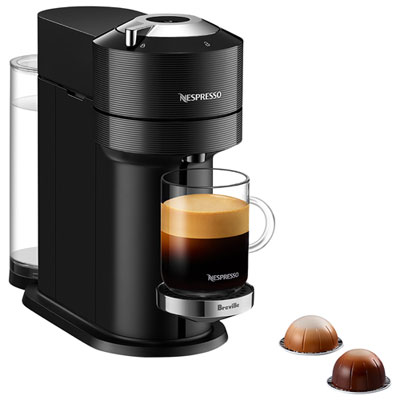
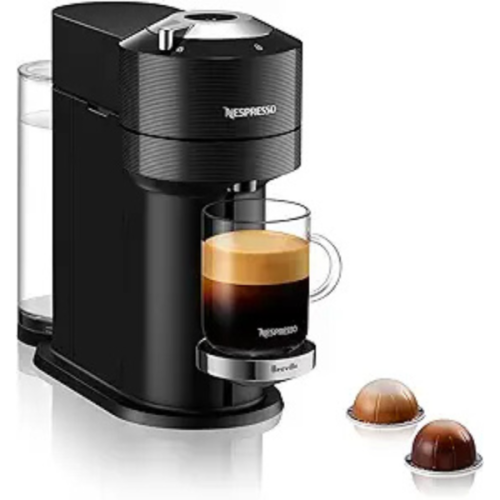
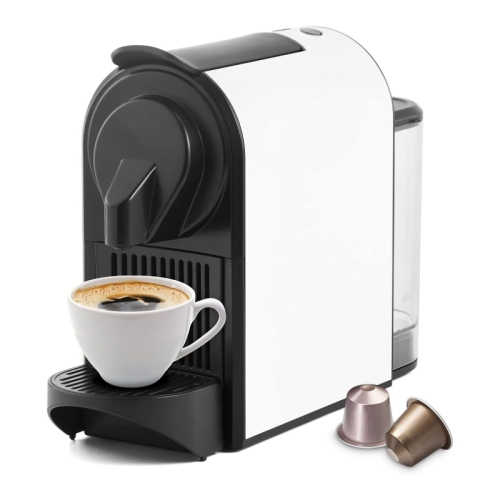
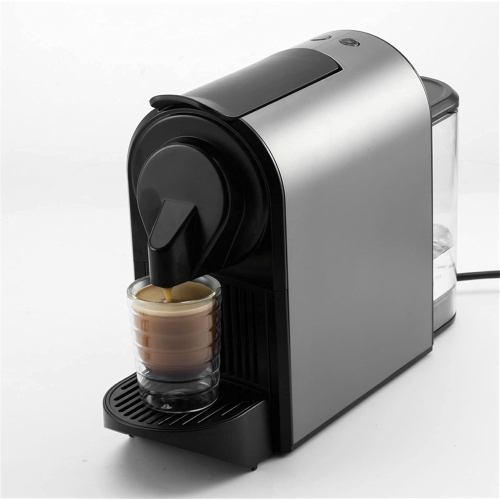
Espresso makers bring concentrated coffee and café-style drinks into a home kitchen, with options ranging from hands-on machines to systems that handle grinding, brewing, and milk preparation automatically. Espresso is made by forcing heated water through finely ground coffee under pressure, producing a small, concentrated drink with a layer of crema on the surface. That espresso can be enjoyed on its own or used as the base for a latte, cappuccino, flat white, or Americano. The main differences between espresso makers come down to how much of the process happens automatically and how much control stays with the person making the drink. A manual lever machine puts more of the extraction process in the user’s hands, while a semi-automatic machine typically uses a pump and leaves grinding, dosing, tamping, and stopping the shot to the user. Some machines stop brewing after a programmed volume, making it easier to repeat a preferred serving size. Super-automatic espresso makers generally grind whole beans and brew with minimal handling, and some also prepare milk drinks through an integrated system. Capsule espresso makers use compatible pre-portioned capsules, offering a simpler routine with less loose coffee to manage. Capsule compatibility varies by system, so the type of coffee a machine accepts matters as much as its controls. For coffee drinkers who enjoy preparing a coffee puck and working with a portafilter, Classic Espresso Machines suit a more hands-on approach. An integrated grinder keeps grinding and brewing together, while a separate grinder gives more flexibility over placement and future changes to the setup. These differences shape everyday use: someone making a quick espresso before leaving home may value a short start-up routine, while someone who enjoys adjusting grind size and tasting the result may prefer direct access to brewing settings. A shared household may benefit from saved drink preferences and straightforward controls that accommodate different coffee habits.
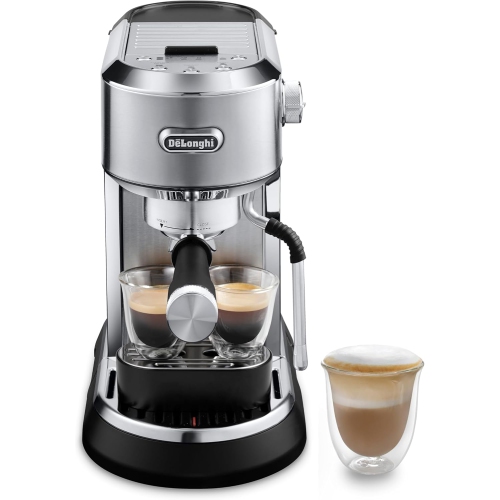
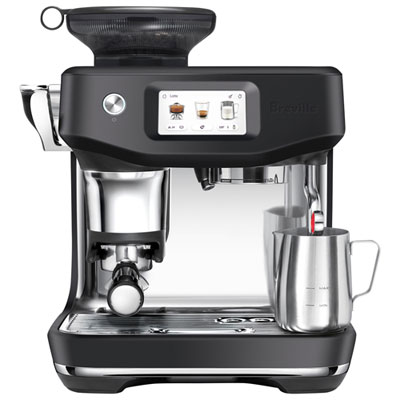
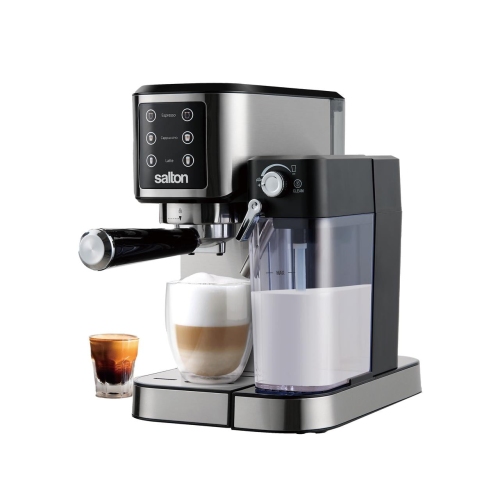
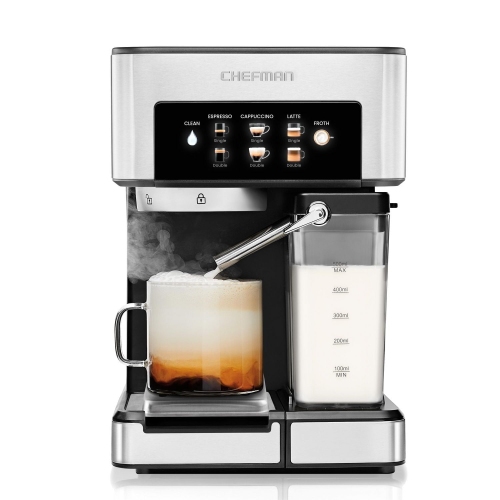
The drinks an espresso maker will prepare most often help define which features matter. For straight espresso, consistent brewing temperature, an appropriate grind, and repeatable dosing have a greater influence on the cup than an impressive maximum pump-pressure figure alone. Advertised pump pressure does not necessarily describe the pressure applied to the coffee during brewing, and a higher number does not automatically mean better espresso. Freshly ground beans and a grinder capable of fine, even adjustments make it easier to balance flavour and control how quickly water passes through the coffee. Traditional single-wall filter baskets usually require more precise grinding and preparation, while pressurized baskets can be more forgiving when using suitable pre-ground coffee. The basket type and size also affect how much coffee the machine is designed to hold. For milk drinks, the steaming system becomes just as important as espresso extraction. A manual steam wand gives the user control over milk texture, from the smooth microfoam associated with a flat white to the airier foam of a cappuccino. Automatic milk systems reduce the amount of hands-on work, though their containers, tubes, and other milk-contact parts still need regular cleaning. Plant-based beverages vary in how they foam, and versions formulated for steaming often produce more consistent texture. A single-boiler machine may need time to switch between brewing and steaming, while some dual-boiler and other heating configurations support both tasks at once. This distinction is especially noticeable when preparing several milk drinks in a row rather than one espresso at a time. Heat-up time and recovery between drinks also affect the pace of a morning routine or coffee served after a meal. Adjustable cup clearance accommodates different drinkware, but a tall travel mug may not fit beneath every spout. A removable drip tray can provide extra room on some machines, while an adjustable spout can help limit splashing into smaller cups. Clear controls and accessible settings make these features easier to use consistently.

An espresso maker also needs to fit the kitchen and the level of care its owner is comfortable maintaining. Counter space includes more than the machine’s footprint: there needs to be room to remove the water tank, refill beans, swing a steam wand, and empty the drip tray without awkward lifting. Overhead cupboards can interfere with top-loading reservoirs or bean hoppers, and a front-access water tank may be easier to manage beneath low cabinetry. Space beside the machine is useful for a grinder, milk jug, and preparing the portafilter. Stainless steel housings offer a sturdy feel and a familiar appliance finish, while machines with plastic exterior panels can be lighter and easier to reposition. Exterior material alone does not establish durability; construction, serviceability, and access to replacement seals, filters, and other wear parts also matter. Handles should feel secure, trays should be easy to remove, and frequently used controls should be comfortable to reach. Regular care helps protect both flavour and day-to-day performance. Coffee oils collect on baskets and brewing components, spent grounds need to be emptied, and milk residue should be removed promptly according to the manufacturer’s directions. Machines with removable brew groups may allow rinsing outside the appliance, while other designs use specified cleaning cycles or procedures. Descaling requirements depend on the machine and local water hardness, and a water filter does not necessarily eliminate the need to descale. Fresh water suitable for the machine is important, since unsuitable water can affect taste or contribute to mineral buildup. Dishwasher suitability varies between removable parts, so care instructions matter even when a component looks simple to wash. Grinder sound, pump noise, and steam can also be noticeable in an open kitchen or shared living space. As a housewarming or milestone gift, an espresso maker is most useful when it matches the recipient’s preferred drinks, available space, and interest in preparation. A keen coffee hobbyist may appreciate adjustable settings and hands-on steaming, while someone who values a tidy, predictable routine may get more enjoyment from automated brewing and easy-to-clean components.
Read More

FAQ

Some products may be subject to Environmental Handling Fees (EHF) depending on your province. Learn more about EHFs.