14K Gold Chains for Women
14K Gold Chains for Women offer a timeless way to elevate any jewelry collection. Perfect for adding a touch of elegance to everyday outfits or enhancing special occasion ensembles, these chains are designed to complement a variety of personal styles. Explore a range of lengths and designs to find the ideal piece that suits your look, whether you prefer something delicate or bold. Discover how 14K Gold Chains for Women can become a cherished staple in your accessory lineup.
Sort










Why similar gold chains can wear so differently
A 14K gold chain for women is a necklace made with a gold alloy containing 14 parts pure gold out of 24, or approximately 58.3% gold, with other metals added to influence its strength and colour. This balance makes 14K gold a practical choice for jewellery worn regularly: it is generally harder than higher-karat gold, while retaining the warmth and character of precious metal. Its durability still depends on the chain’s construction, thickness, and link design, so a delicate chain calls for more gentle handling than a substantial one. Yellow gold has a familiar golden tone that pairs naturally with both casual clothing and dressier outfits. Rose gold gets its pinkish hue from copper in the alloy, while white gold uses alloying metals to create a paler colour and is often finished with rhodium for a bright white surface. That rhodium finish can wear over time and may eventually need professional replating. For anyone with metal sensitivities, the alloy composition matters as much as the karat rating; 14K gold is not automatically nickel-free or suitable for every skin type. The distinction between gold alloy jewellery and gold-coated jewellery also matters. A chain made from 14K gold alloy throughout is different from a gold-plated or gold-filled chain, which has a gold layer over another metal. Hollow construction is a separate consideration: a hollow 14K gold chain can be genuine gold alloy but have empty space inside its links, making it lighter for its visible size. Solid-link construction usually provides more resistance to denting, though no fine chain is immune to damage. These details help explain why two necklaces with a similar appearance can feel quite different in the hand and wear differently over time. A chain’s appeal lies in that combination of material, structure, and proportion, whether it serves as a barely-there accent at the collarbone or a more noticeable piece worn on its own.
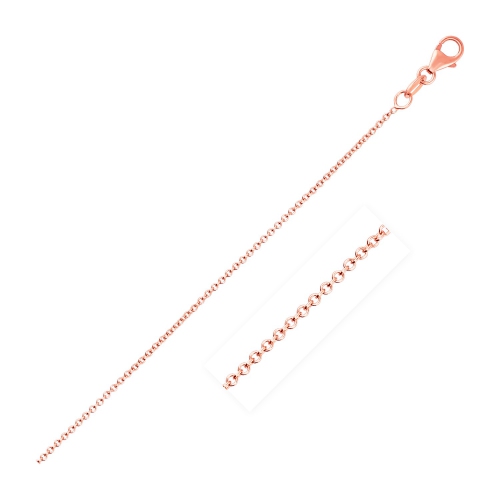
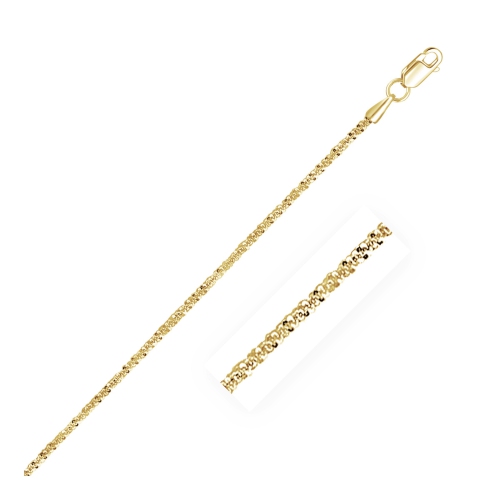
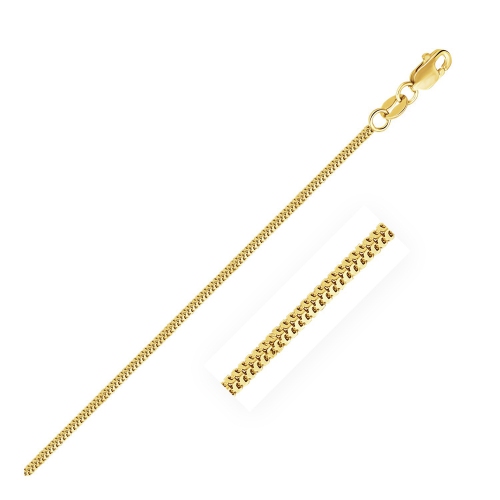
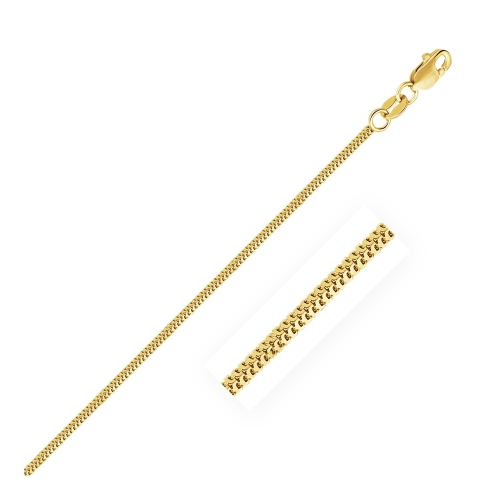
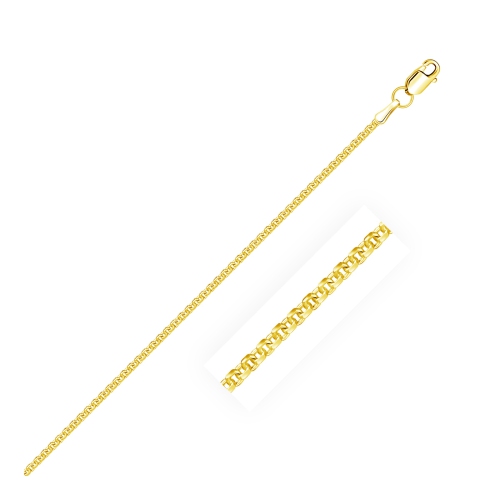
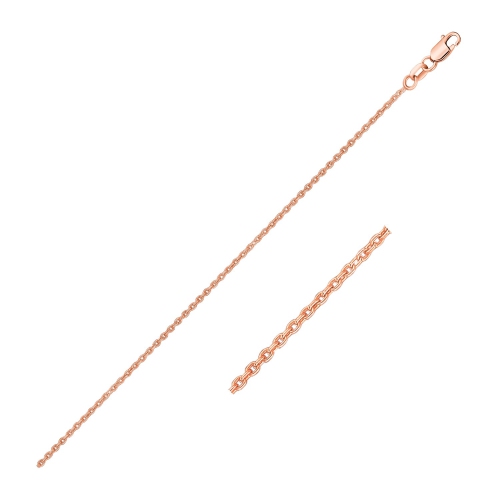
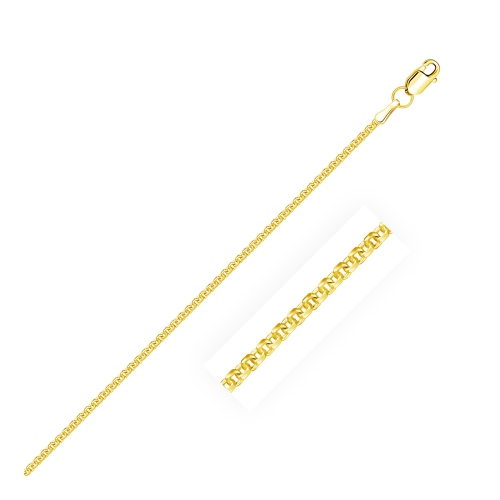
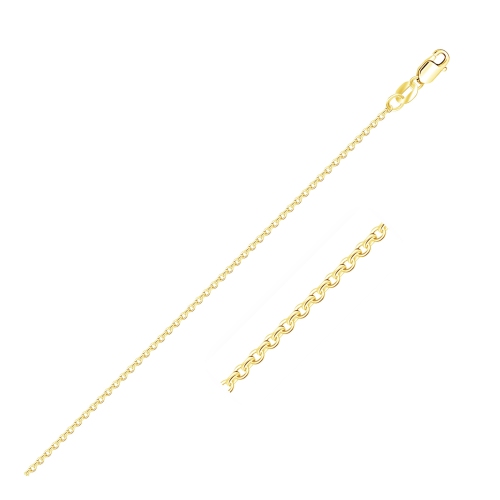
Chain style shapes both the appearance of a necklace and how it works with the rest of a jewellery collection. Cable chains use a repeating pattern of simple links that creates a clean, understated look and often works well with pendants when the chain and pendant are appropriately matched. Curb chains have links that sit relatively flat, while Figaro chains alternate link lengths for a more distinctive rhythm. Rope chains bring a twisted texture that catches light from several angles, giving even a modest width a noticeable presence. Box chains have a squared-link appearance, and wheat chains have an interwoven texture. Smooth snake and herringbone styles offer a fluid surface, but they need particular care because sharp bends can leave lasting kinks; many are better worn alone rather than with a pendant unless expressly designed to support one. Width and length change the effect just as much as the link pattern. A fine chain can frame a small charm without competing with it, while a wider necklace can stand on its own against a simple blouse or dress. A 16-inch chain often sits near the base of the neck, an 18-inch chain commonly falls around the collarbone, and a 20-inch chain usually sits below it, although the exact position varies with neck circumference and body proportions. Measuring an existing necklace that sits comfortably is more reliable than judging length from a photograph. A pendant adds a drop below the chain, and its bail needs enough clearance for the chain’s end fitting to pass through. Its weight should also suit the chain’s strength rather than simply its appearance. For layering, different lengths give each necklace space to show, though chains can still tangle as they move. Clasps deserve attention as well: a lobster clasp often offers a substantial fastening, while a small spring-ring clasp may suit a finer design but feel fiddly to operate. An adjustable extender can provide flexibility across necklines, provided its material and construction are suitable for the necklace.
A 14K gold chain can become part of a daily routine, but regular wear is not the same as leaving it on for every activity. Removing it before exercise, swimming, showering, and sleep helps limit exposure to pulling, chemicals, soap residue, and tangling. Chlorine can damage gold alloys, and repeated friction from other necklaces or pendant bails can gradually wear contact points. Applying perfume, lotion, and hair products before putting on jewellery helps keep deposits off the links. For an unadorned gold chain, occasional cleaning with lukewarm water, a little mild dish soap, and a very soft brush can loosen everyday buildup; rinse carefully in a bowl rather than over an open drain, then dry with a soft, lint-free cloth. Chains with gemstones, pearls, enamel, or other decorative details may need different care, so their cleaning requirements take priority. Abrasive cleaners and forceful polishing can damage surfaces, and ultrasonic cleaning is not appropriate for every construction or attachment. Between wears, fastening the clasp and laying the necklace separately in a lined compartment or soft pouch helps reduce knots and scratches. A quick look at the clasp, connecting rings, and links can reveal problems before a necklace is lost. A clasp that no longer closes fully or a stretched link warrants attention from a jeweller rather than continued wear. With those habits, a well-chosen chain can suit a wide range of occasions, from an everyday accessory to a graduation, birthday, or anniversary gift. For a recipient who already wears jewellery, their usual gold colour, preferred necklace length, and taste for subtle or bold pieces provide useful clues. A simple chain also leaves room for personal expression through a compatible pendant or coordinated accessories. Pairing a necklace with 14K Gold Rings for Women can create a connected look through a shared metal colour, while mixing gold tones offers a less uniform effect. The most wearable combination is one that feels comfortable, sits well with familiar clothing, and matches how the jewellery will actually be used.
Top selling and popular products
-
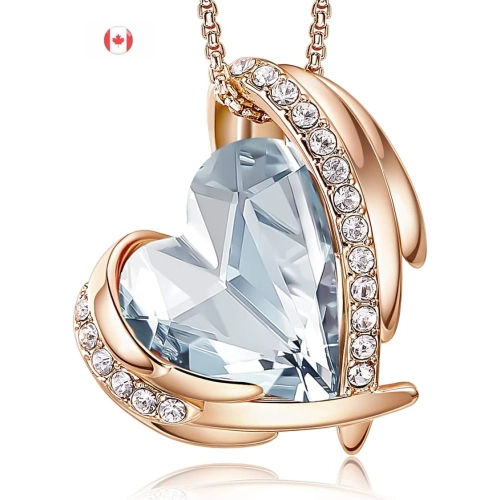 Your price for this item is $59.99
-
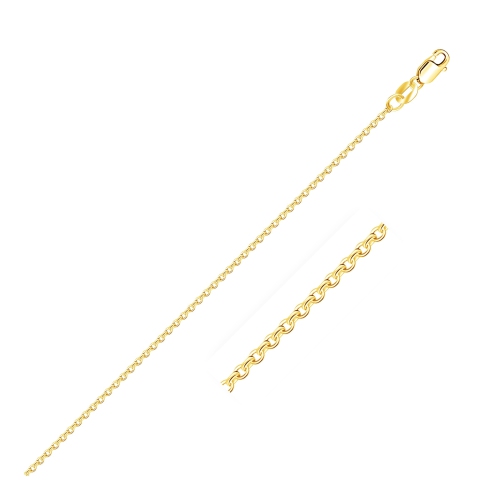 Your price for this item is $1792.5
-
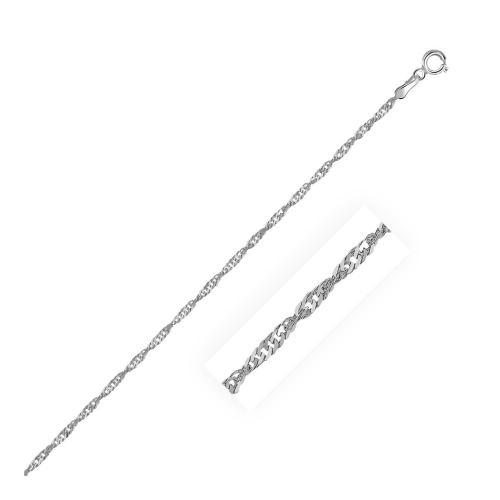 Your price for this item is $1967.36
-
 Your price for this item is $427.88
-
 Your price for this item is $1149.56
-
 Your price for this item is $1399.05
-
 Your price for this item is $344.55
-
 Your price for this item is $1201.24
Discover more categories related to 14K Gold Chains for Women


Top Collections:
Pokemon Centers, Best Cameras for Sports Photography, Kindle Devices, Samsung Galaxy Phones, Canon G7X Cameras, Pokémon 30th Celebration Cards, Refurbished Apple Laptops, iPhone 15 Apple, Laptops for Students, Budget Smartphones
Some products may be subject to Environmental Handling Fees
(EHF) depending on your province.
Learn more about EHFs.