20mm Nato Straps
Upgrade your watch game with our collection of 20mm NATO straps. Designed to add a touch of style and versatility to your timepiece, these durable and adjustable straps are perfect for any occasion. Whether you're looking to switch up your look or simply need a replacement strap, our selection offers a variety of colors and materials to suit your style. Explore our range of 20mm NATO straps and elevate your wristwear today.
Sort


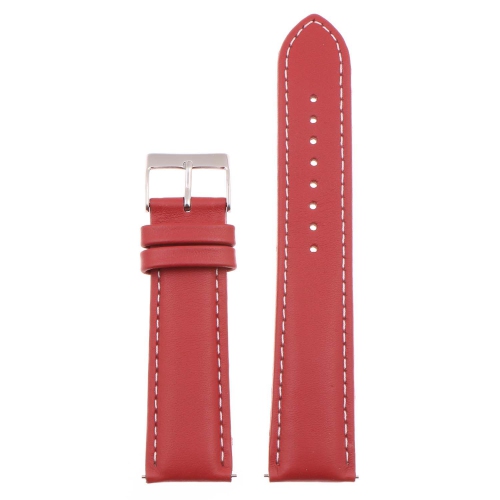


How pass-through straps change your watch’s everyday feel
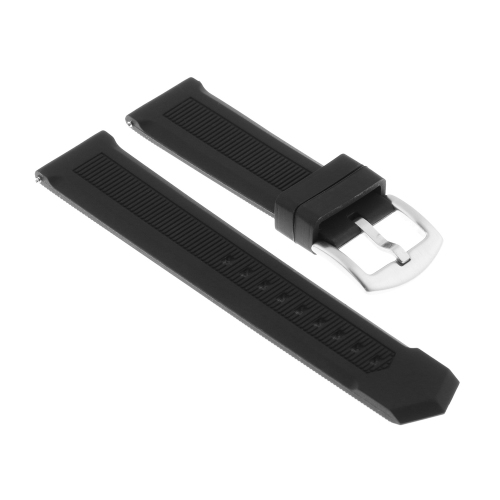
20mm NATO straps are watch bands made to fit watches with a 20 mm gap between the lugs, the projections on the watch case that hold the strap in place. That measurement describes the strap’s width at the attachment point, not its length, the watch case diameter, or the size of the wrist it fits. Most traditional NATO straps use a continuous woven nylon band that passes beneath the watch case and through both spring bars, with an additional short section of material and metal keepers to help hold the watch in position. This construction gives them a distinctive layered appearance and separates them from conventional two-piece bands that attach independently to either side of the case. Their roots in military-issued watch straps help explain their practical design: adjustable buckle fastening, straightforward construction, and fabric that suits regular wear. A correctly fitted traditional NATO strap can also help keep a watch attached to the wrist if one spring bar fails, although that benefit depends on the strap layout and the remaining attachment point being secure. For everyday use, the appeal is just as much about comfort and personal style. A plain black or grey strap can give a simple dial a restrained look, while navy, olive, or striped fabric can bring out details in a field-style or sports watch. A contrasting stripe may pick up the colour of a seconds hand without making the whole watch feel overly coordinated. The broader Nato Watch Straps category includes this familiar pass-through style in different widths and finishes, but a 20 mm version is appropriate only when the watch’s attachment spacing and construction support it. For someone changing from a bracelet or leather band, the difference is noticeable: woven fabric has a less rigid feel, the buckle offers several adjustment positions, and the strap can shift a watch’s character from polished to casual without changing the watch itself.
Material, weave, and thickness all influence how a 20mm NATO strap feels through a full day. Nylon is common because it combines flexibility with resistance to everyday abrasion, but not every nylon weave has the same texture. Some straps have a coarse, firmly structured surface, while others use a finer weave with a smoother feel against the skin. Polyester and other textile variations may also appear in NATO-style designs, and leather versions have different care needs from washable fabric. A dense weave can feel substantial and help the band hold its shape, though thickness matters as much as texture. There needs to be enough clearance between the spring bars and the case for the material to pass through without being forced or scraped. Extra fabric beneath the watch also raises it slightly on the wrist, which can be noticeable with an already tall case or a close-fitting shirt cuff. Traditional designs with an additional retaining section usually create more layering than simpler single-pass alternatives, so the construction is worth considering alongside the stated width. Strap length is another separate measurement: two bands labelled 20 mm can have different overall lengths and buckle-hole ranges. On a smaller wrist, a longer tail may fold back through the keepers; on a larger wrist, sufficient length is needed to fasten securely while leaving the tail properly contained. Closely spaced adjustment holes can make a comfortable fit easier to achieve without wearing the watch too tightly. Hardware adds both function and visual detail. Stainless steel buckles and keepers are common, with brushed, polished, or coated finishes that can complement the watch case. Smooth edges, neatly finished holes, and secure stitching or bonded joins matter more than an elaborate appearance. A rough keeper can catch the fabric as the tail moves through it, while poorly finished edges may feel irritating against the wrist. For office wear, commuting, travel, or casual outings, a comfortable weave and tidy fit often make more difference than a bold pattern.
Compatibility and care help determine whether a 20mm NATO strap will remain a useful part of a watch rotation. A watch with standard exposed lugs and suitable spring-bar clearance is often a good match, but integrated bracelets, recessed attachment points, or proprietary connectors may prevent a conventional pass-through strap from fitting. Smartwatches need particular attention because fabric running beneath the case can cover optical sensors or interfere with charging contact. A 20 mm width alone does not establish compatibility with those features. For a compatible watch, the strap can be a practical choice for someone who likes changing colours, prefers textile against the skin, or wants an alternative to the weight and feel of a metal bracelet. It can also make a thoughtful gift for a watch enthusiast when the lug width, preferred strap length, and attachment style are known. A neutral colour is easy to pair with several outfits, while a distinctive stripe suits someone who enjoys making a familiar watch look different. Everyday durability depends on the fabric, hardware, workmanship, and how the band is worn. Fraying around adjustment holes, loose keepers, damaged stitching, or sharp buckle edges are signs that deserve attention rather than being dismissed as cosmetic wear. Many plain nylon straps can be cleaned by hand with mild soap and water, following the maker’s care directions, then rinsed thoroughly and left to air-dry completely. Leather trim, coatings, or mixed-material construction may call for a different approach, so machine washing should not be assumed to be suitable. Removing the strap before cleaning also avoids exposing the watch to water unnecessarily; a washable band does not make the watch itself water-resistant. After exercise or prolonged wear, cleaning away perspiration and residue can help keep the fabric comfortable against the skin. Letting a damp strap dry fully before putting it away prevents moisture from remaining trapped in the weave. With the correct fit, smooth hardware, and care suited to its material, a 20 mm NATO strap offers a straightforward way to personalize a compatible watch while keeping everyday comfort at the centre of the choice.
Top selling and popular products
-
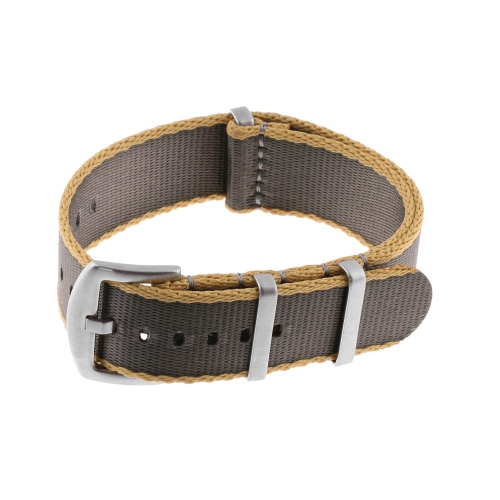 Your price for this item is $18.99
-
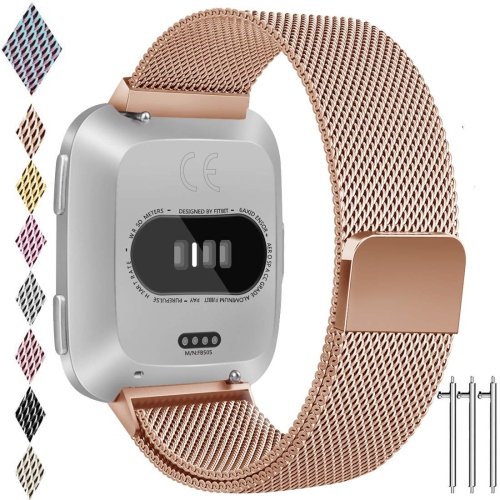 Your price for this item is $16.95
-
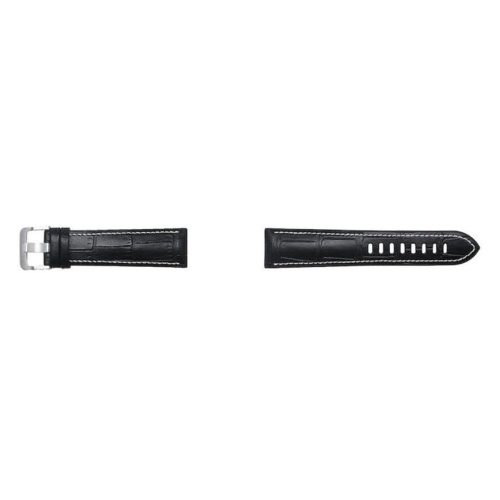 Your price for this item is $53.99
-
 Your price for this item is $29
-
 Your price for this item is $6.89
-
 Your price for this item is $18.99
-
 Your price for this item is $33.96
-
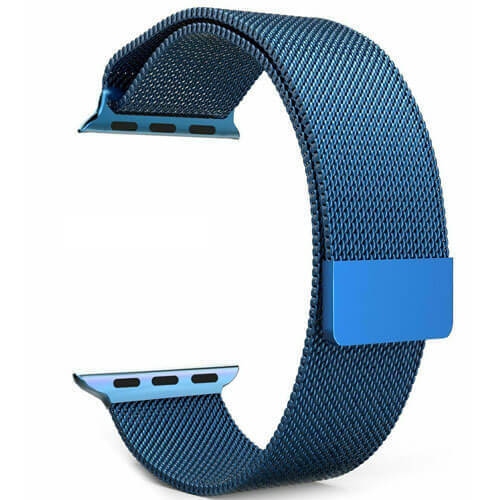 Your price for this item is $6.89
Discover more categories related to 20mm Nato Straps
Top Collections:
Pokemon Centers, Best Cameras for Sports Photography, Kindle Devices, Samsung Galaxy Phones, Canon G7X Cameras, Pokémon 30th Celebration Cards, Refurbished Apple Laptops, iPhone 15 Apple, Laptops for Students, Budget Smartphones
Some products may be subject to Environmental Handling Fees
(EHF) depending on your province.
Learn more about EHFs.