925 Sterling Silver Pendants
Looking to add a touch of elegance to your jewelry collection? Look no further than our extensive selection of 925 sterling silver pendants. Crafted with precision and intricate details, these pendants are the perfect accessory to elevate any outfit. Whether you prefer a minimalist design or something more elaborate, our collection offers a wide range of styles to suit every taste. From classic symbols to nature-inspired motifs, these sterling silver pendants are the epitome of timeless beauty. Explore our selection today and find the perfect pendant to express your unique style.
Sort


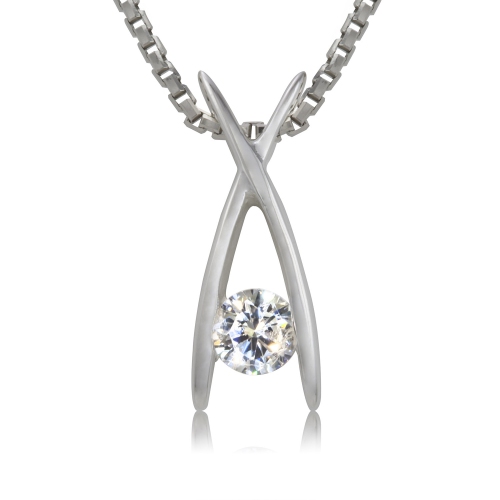


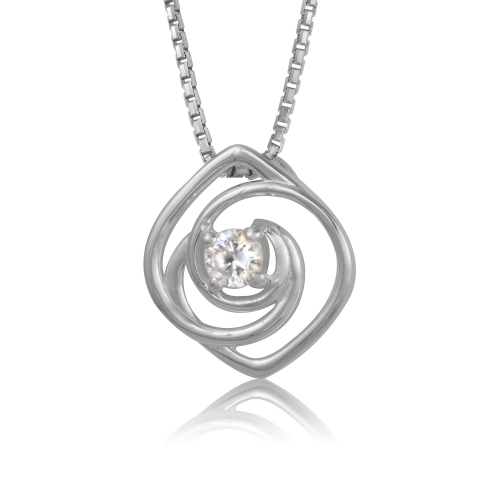


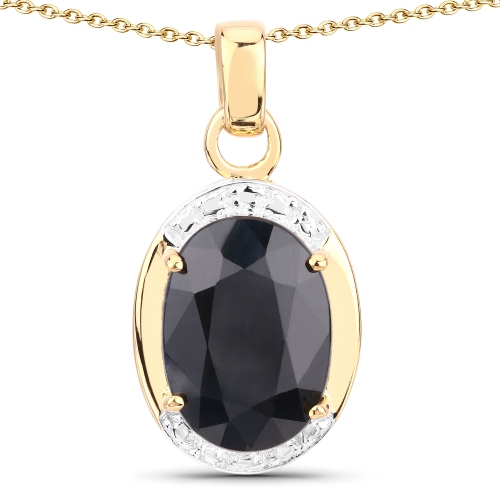


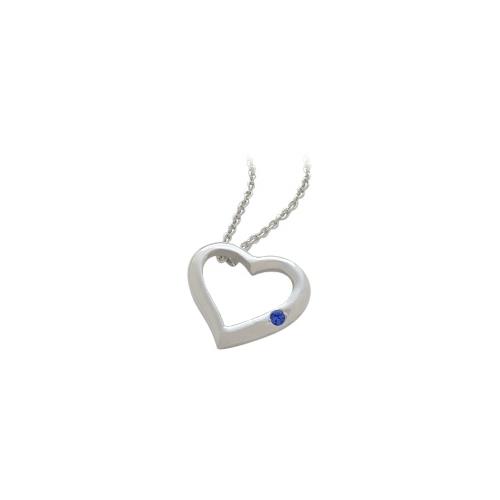


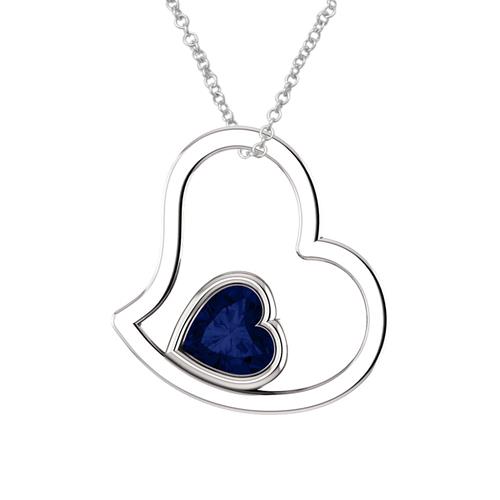


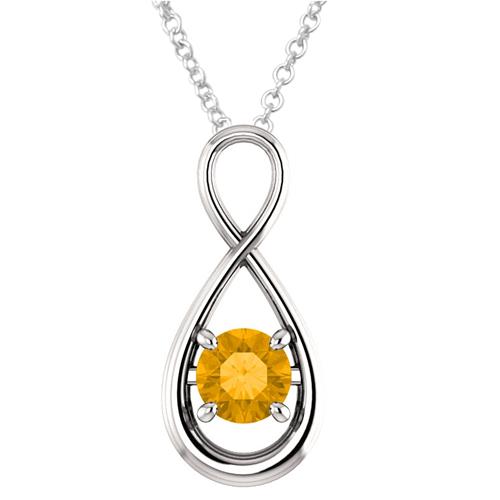


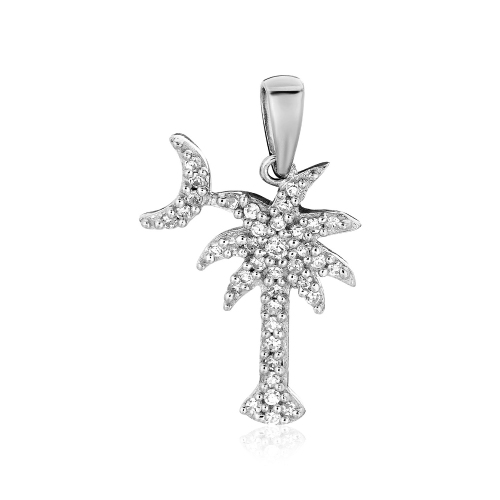




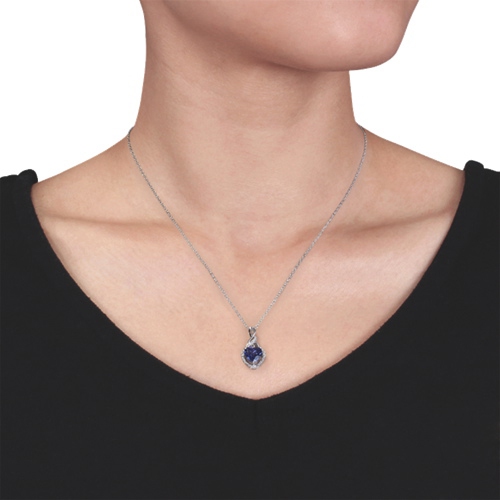
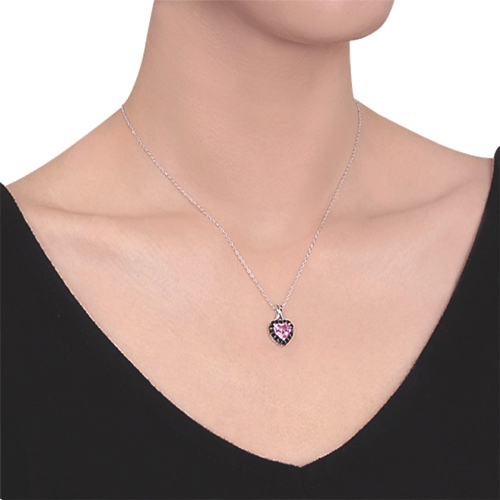


What lies beneath a silver pendant’s shine
925 sterling silver pendants combine the bright appearance of silver with an alloy suited to jewellery that can be worn regularly. The number 925 means the metal contains 92.5% pure silver and 7.5% other metals, usually copper, which adds hardness because pure silver is relatively soft. This composition distinguishes sterling silver from silver-plated jewellery, where a thin layer of silver covers a different base metal. A sterling silver pendant may also have a surface treatment, such as rhodium plating for a brighter finish or deliberate oxidation that darkens recessed details. These finishes affect appearance and care, but the underlying metal should still be clearly identified in the description. Among Silver Necklace Pendants, sterling silver offers a neutral metallic colour that works with casual clothing, office outfits, and dressier looks. Its surface can be polished to a mirror-like shine, brushed for a softer texture, or detailed with engraving and sculpted patterns. Common markings include 925, .925, S925, and STERLING, often found on the back of the pendant or its bail, the loop through which a chain passes. A mark on a necklace clasp may identify the chain rather than the pendant, so the material description for each component matters. A hallmark is useful supporting information, not conclusive proof of composition on its own. Sterling silver itself is not attracted to a magnet, but a lack of magnetic attraction does not establish authenticity, since other metals can also be non-magnetic. Some clasps contain steel springs that may react even when the surrounding jewellery is silver. For sensitive skin, the alloy and any plating deserve attention as well: sterling silver should not automatically be assumed to be nickel-free or suitable for every wearer. Clear material details help distinguish the metal, finish, and decorative elements without relying on appearance alone.
The appeal of a pendant often comes from how its shape, scale, and meaning fit the person wearing it. Small geometric forms, initials, hearts, and simple symbolic designs can sit quietly against a plain shirt, while larger sculpted shapes or stone-set designs create a more noticeable focal point. Religious symbols may carry personal significance, and birthstones or meaningful motifs can make a pendant a thoughtful gift for a birthday, graduation, anniversary, or other milestone. Style need not be limited by gender; a clean-lined silver shape, textured medallion, or decorative gemstone setting can suit anyone whose taste it reflects. For a recipient who wears the same necklace most days, a familiar symbol or restrained design may feel more personal than an elaborate statement piece. For someone who enjoys changing accessories, an expressive shape can add variety without requiring a completely new necklace. Pendant dimensions are particularly helpful because close-up photographs can make delicate jewellery look much larger than it is. Width, height, thickness, and weight give a clearer sense of whether a design will feel light and unobtrusive or substantial against the chest. The listed height may include the bail, so the measurement details matter when comparing proportions. Chain compatibility is another practical consideration: the bail opening needs to accommodate both the chain and any end fitting that must pass through it. A wider chain may not fit a narrow bail, even if its overall style looks appropriate. A heavier pendant also benefits from a chain and clasp capable of supporting its weight. A delicate chain can visually balance a small pendant, while a more substantial chain may better complement a larger design. Chain length changes where the pendant rests, with a shorter necklace drawing attention near the collarbone and a longer one sitting farther down the chest. Neckline, body proportions, and comfort all influence that placement. When layering necklaces, different lengths give each pendant room rather than allowing several pieces to collect in one spot. The description should also clarify whether a chain is included, since a pendant and a complete necklace are not necessarily the same purchase.
With suitable care, sterling silver pendants can retain their appearance through repeated wear, although silver is not scratch-proof and naturally develops tarnish. Tarnish is a surface reaction involving sulphur-containing substances; it can appear as a yellowish cast or darker film and does not, by itself, mean the metal is poor quality. Raised edges, smooth surfaces, and detailed recesses may age differently, giving some designs a softer, more lived-in appearance. Removing a pendant before swimming, showering, exercising, or using household cleaners helps limit exposure to moisture, chemicals, and accidental knocks. Perfume, lotion, and hairspray are best applied before putting jewellery on, allowing them to dry first. After wear, a gentle wipe with a clean, soft cloth removes oils and residue before storage. Plain sterling silver may be suitable for cleaning with mild soap and lukewarm water when the care instructions permit it, followed by thorough drying. Pieces with stones, adhesives, plating, or intentionally darkened details can need a different approach. Pearls and some porous gemstones are particularly sensitive, while vigorous polishing may wear away a plated finish or remove decorative oxidation. A silver polishing cloth can help with ordinary tarnish on suitable uncoated surfaces, but abrasive household remedies, toothpaste, and harsh dips can damage finishes or settings. Ultrasonic cleaning is not appropriate for every pendant, especially when delicate stones or bonded components are involved. Storing pendants separately in soft pouches or divided compartments reduces rubbing against other jewellery; a dry, closed storage space also helps slow tarnishing. Checking the bail, connection rings, and stone settings periodically can reveal looseness before a pendant is lost or damaged. Designs with projecting points or openwork may catch on knitted clothing, scarves, or hair, whereas smoother profiles can be easier for frequent wear. Matching the design to everyday habits, and following the care information for its particular materials, helps preserve both the pendant’s appearance and the personal meaning attached to it.
Top selling and popular products
-
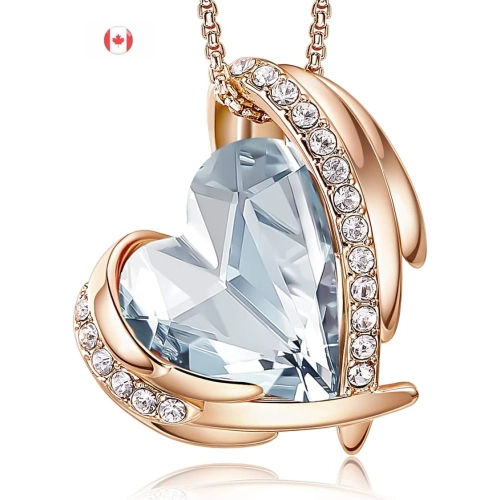 Your price for this item is $59.99
-
 Your price for this item is $1399.05
-
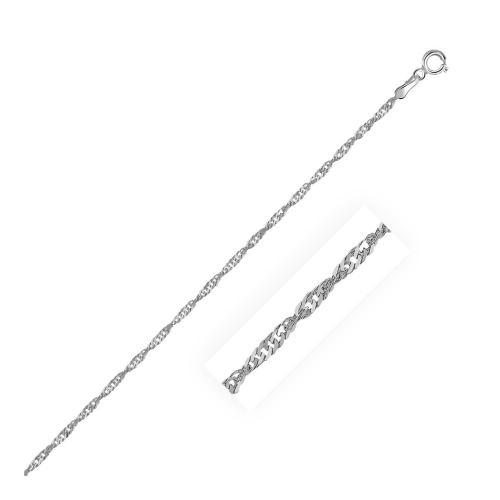 Your price for this item is $1967.36
-
 Your price for this item is $427.88
-
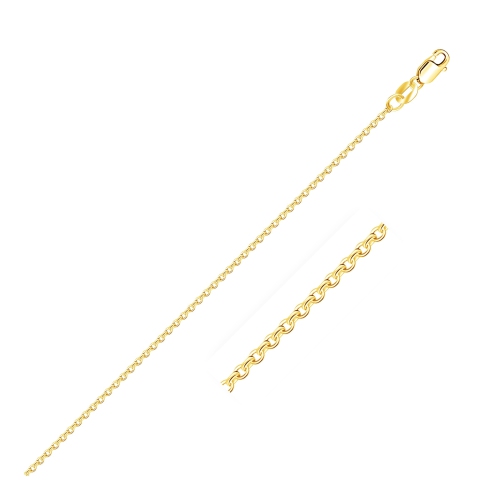 Your price for this item is $1792.5
-
 Your price for this item is $1149.56
-
 Your price for this item is $344.55
-
 Your price for this item is $1201.24
Discover more categories related to 925 Sterling Silver Pendants


Top Collections:
Pokemon Centers, Best Cameras for Sports Photography, Kindle Devices, Samsung Galaxy Phones, Canon G7X Cameras, Pokémon 30th Celebration Cards, Refurbished Apple Laptops, iPhone 15 Apple, Laptops for Students, Budget Smartphones
Some products may be subject to Environmental Handling Fees
(EHF) depending on your province.
Learn more about EHFs.