Accessory Organizers
Stay organized and keep your accessories in check with this range of accessory organizers. From sleek tech organizers to versatile travel pouches, we have everything you need to declutter your space and simplify your daily routines. Whether you're looking to tidy up your workspace or streamline your travel essentials, this collection of accessory organizers offers practical solutions to help you stay on top of your game.
Sort
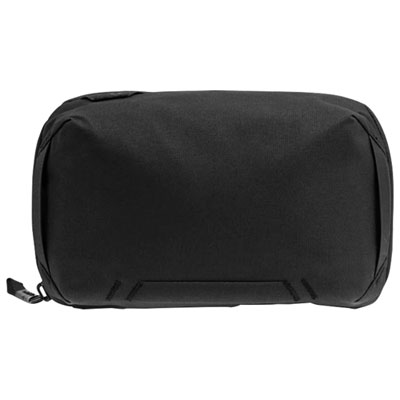
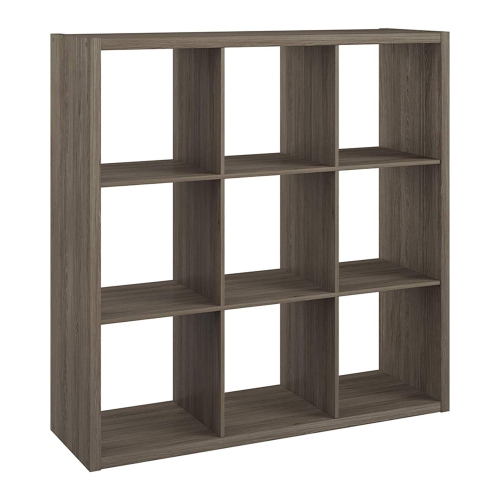

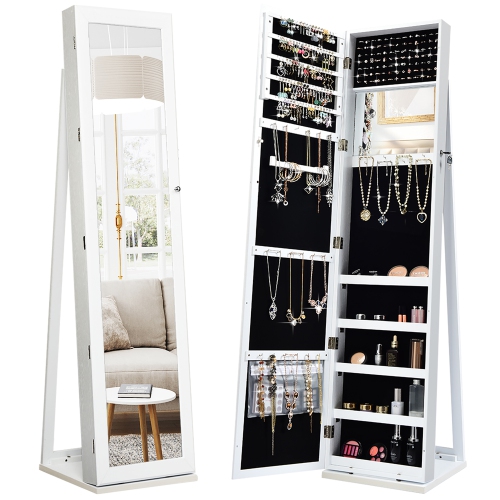
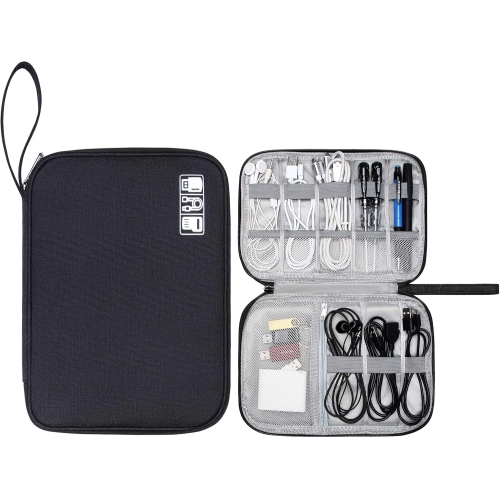
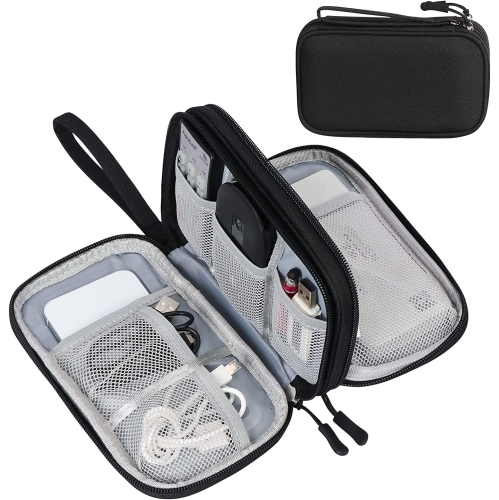
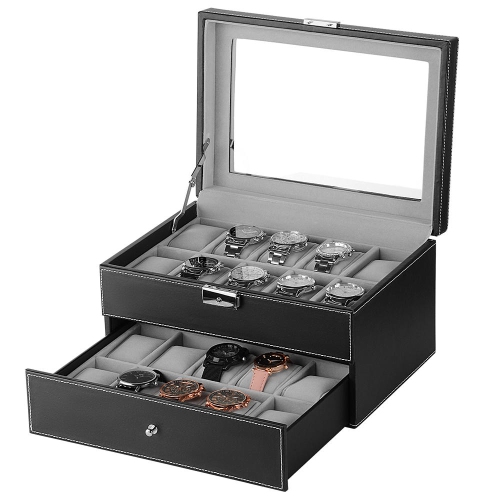
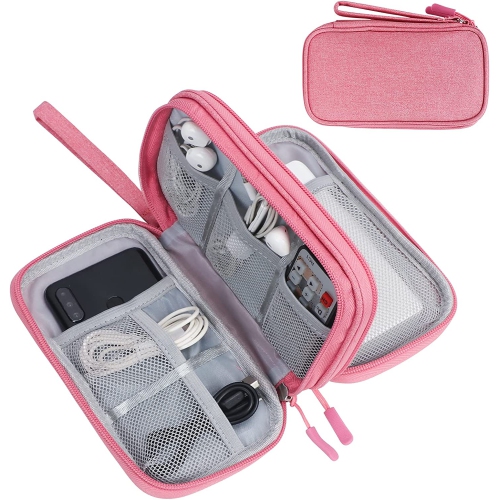
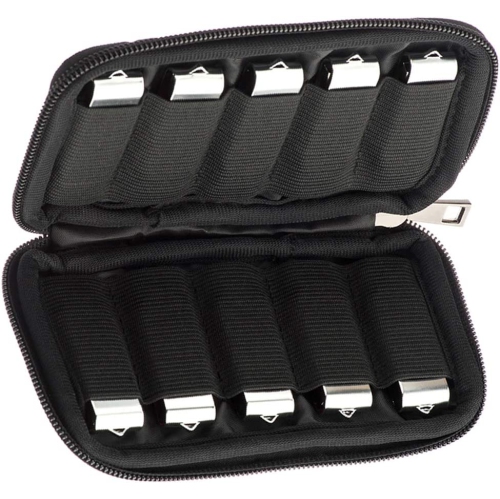

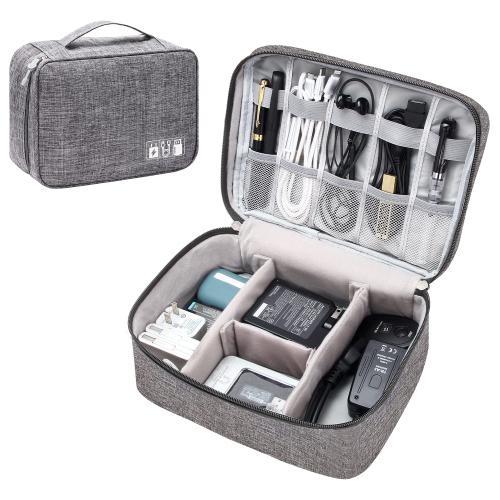
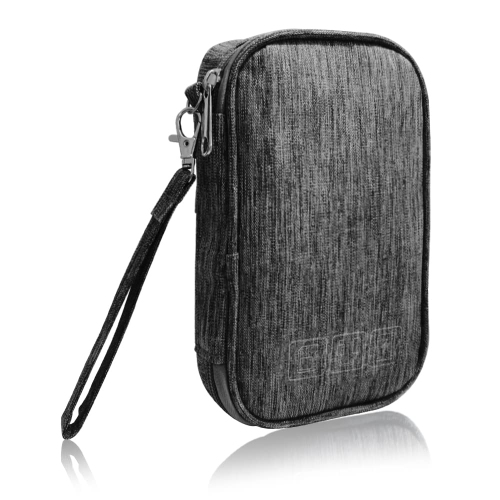
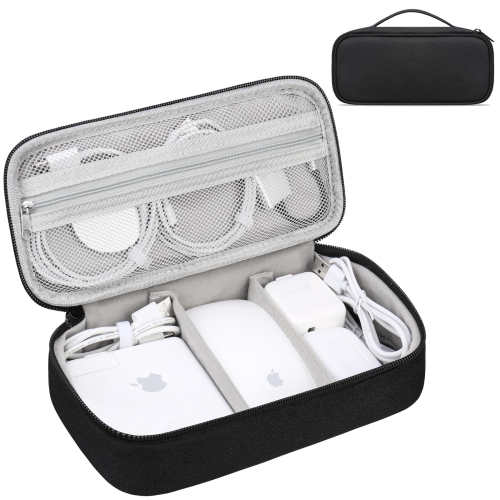
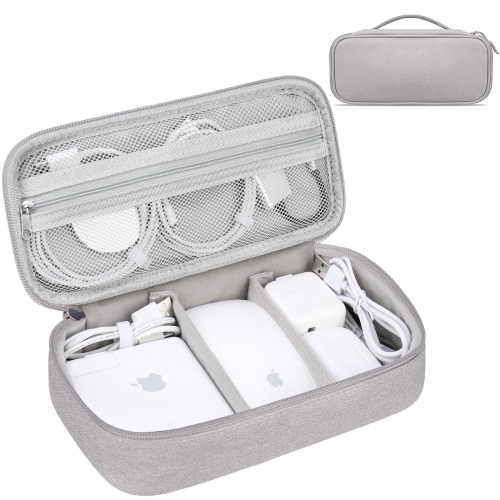
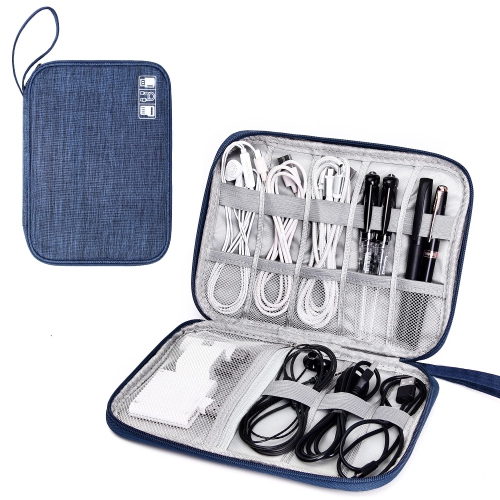
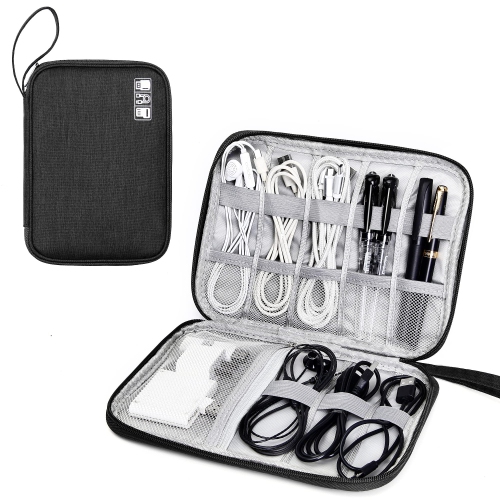
Less rummaging and fewer tangles for everyday essentials
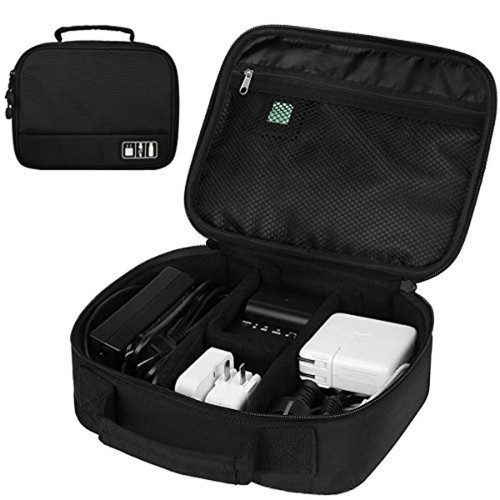
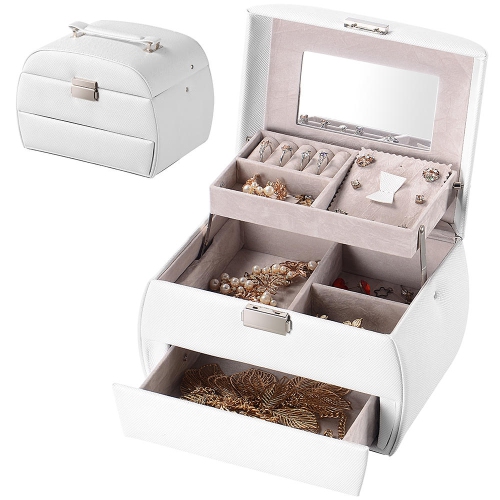
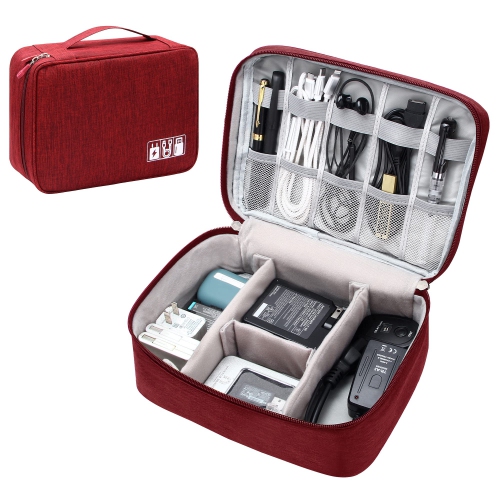
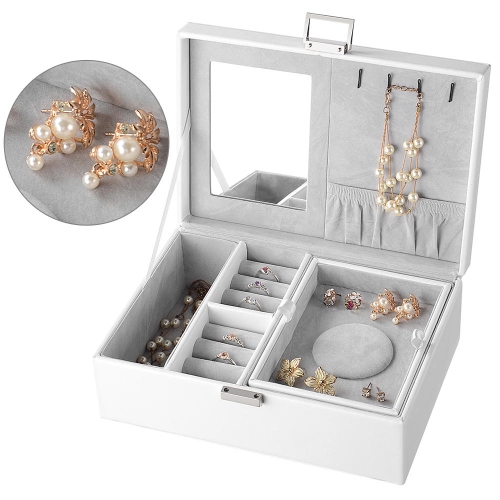
Accessory organizers are storage solutions that keep small personal belongings separated, easy to find, and less likely to become tangled or scratched. Common formats include tabletop organizers, drawer inserts, hanging storage, and travel cases, each suited to a different part of a daily routine. A tabletop design keeps frequently used accessories within reach on a dresser, vanity, or desk, while a drawer insert divides an open space into smaller sections without adding anything to the surface above it. Hanging organizers make use of vertical space inside a wardrobe or behind a door, and portable cases keep essentials together when moving between home, work, and other destinations. The most useful layout depends on what needs a place: shallow compartments make small pieces easier to see, longer channels help separate chains, and deeper sections accommodate bulkier accessories without forcing them into a tight fit. For jewellery, individual spaces can reduce contact between pieces, while hooks or hanging sections help keep necklaces apart. Hair accessories benefit from a mix of open compartments and upright storage, so a brush does not bury a handful of clips. At a desk, divided storage can separate charging cables, adapters, and other small essentials that otherwise disappear beneath paperwork. Visibility matters as much as capacity. Clear compartments offer a quick view of the contents, open trays make daily essentials easy to retrieve, and lidded boxes create a tidier-looking surface while helping limit dust. A practical arrangement often combines a small, accessible section for everyday favourites with enclosed storage for less frequently used belongings. Someone getting ready at a shared bathroom counter may value a compact footprint and a handle, while someone organizing a dressing area may prefer a wider tray with several distinct sections. Neither layout needs to hold every accessory in one place; keeping frequently used belongings close to where they are needed can make storage easier to maintain.
Materials influence an accessory organizer’s appearance, weight, cleaning needs, and ability to stand up to repeated use. Wood brings texture to a dresser or bedside table and can provide a sturdy structure, though its finish and care requirements matter near sinks or other sources of moisture. Acrylic and other clear plastics make contents visible from several angles and can suit a clean, understated setup. Their surfaces may show fingerprints or fine scratches, so gentle cleaning and careful placement help preserve their appearance. Metal frames can support open shelves and hanging sections, with smooth edges and a sound finish being important around delicate accessories. Woven storage adds texture and can work well for larger belongings, but small pieces may need a separate insert to prevent them from slipping into gaps. Fabric-covered boxes and padded compartments offer a softer contact surface, although a lining should be smooth, securely attached, and appropriate for the belongings it will hold. For delicate jewellery, separation remains important even when compartments are lined; pieces that rub against one another can still become marked or tangled. Fit deserves just as much attention as material. An organizer’s exterior dimensions need to work with the available space, while its internal dimensions determine whether accessories sit comfortably inside. In a drawer, allow enough clearance for both the organizer and its contents so that taller pieces do not catch when the drawer closes. On a shelf, a hinged lid needs room to open, and pull-out sections need unobstructed space in front. Rotating designs require clearance around their full turning area, not just their base. Check that handles, hinges, dividers, and drawer stops feel suited to frequent handling. Removable sections can make cleaning easier, while adjustable dividers offer flexibility as storage needs change. Follow the material’s care instructions, remove belongings before cleaning, and let surfaces dry fully before refilling. A quick clean of empty compartments also helps prevent dust, hair, or residue from collecting beneath small accessories.
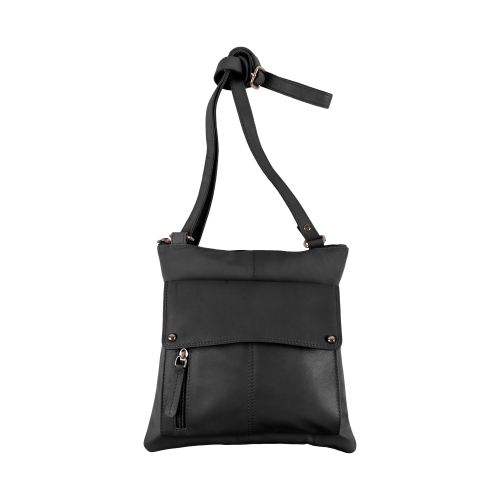
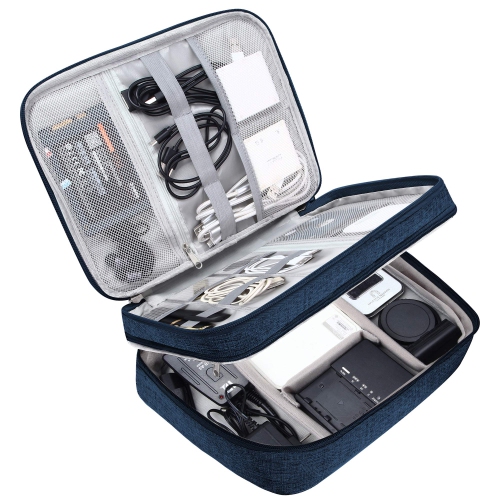
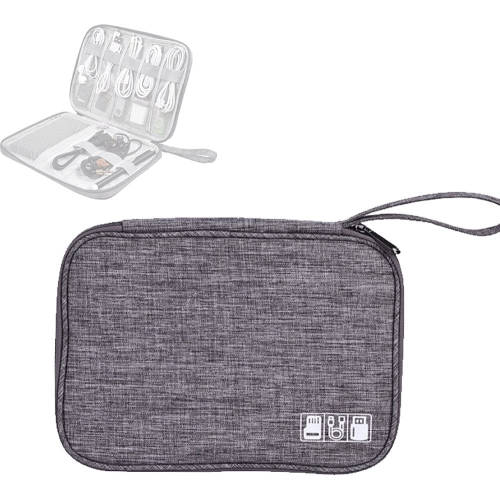
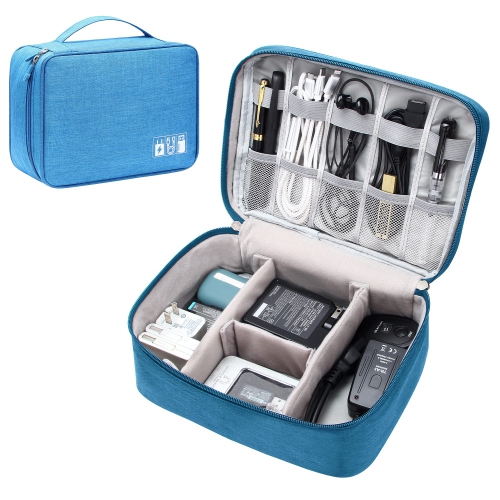
Portable accessory organizers bring the same separation to handbags, backpacks, work bags, and luggage, but their priorities differ from those of a stationary tray. A travel case needs to contain its contents when tipped or carried, so secure closures and well-proportioned compartments are especially useful. Zipped sections keep loose pieces enclosed, elastic loops can hold selected accessories in place, and fold-out panels let several compartments remain visible while packing. A slim pouch may be enough for a short commute, whereas a structured case can provide more separation for belongings that should not press against one another. For broader packing needs, organizer bags offer another way to group essentials within a larger bag. The right size leaves enough room to retrieve an accessory without unpacking everything, yet avoids excess empty space that allows contents to shift. Soft-sided designs can fit around other belongings, while firmer panels may help a case hold its shape; neither should be assumed to protect fragile contents from heavy pressure. For cables, compartments should allow loose coils rather than sharp bends, with enough space around connectors to avoid strain. Washable linings or removable inserts can be helpful for frequently handled contents, provided the care label permits the intended cleaning method. Accessory organizers can be useful for students sharing a room, commuters carrying small tech essentials, and anyone dividing storage between a bedroom and a bathroom. They can also make thoughtful gifts for someone who enjoys jewellery, keeps a carefully arranged workspace, or travels regularly. A gift is more likely to fit into everyday life when its layout matches the recipient’s habits rather than simply offering the greatest number of compartments. An open tray suits someone who puts things away in one quick motion; individual zipped pockets suit someone who prefers each group fully contained. Colour, finish, and shape can complement nearby furniture or make a case easier to spot inside a dark bag. Above all, useful accessory storage gives belongings a clear place without making them harder to reach.
Materials influence an accessory organizer’s appearance, weight, cleaning needs, and ability to stand up to repeated use. Wood brings texture to a dresser or bedside table and can provide a sturdy structure, though its finish and care requirements matter near sinks or other sources of moisture. Acrylic and other clear plastics make contents visible from several angles and can suit a clean, understated setup. Their surfaces may show fingerprints or fine scratches, so gentle cleaning and careful placement help preserve their appearance. Metal frames can support open shelves and hanging sections, with smooth edges and a sound finish being important around delicate accessories. Woven storage adds texture and can work well for larger belongings, but small pieces may need a separate insert to prevent them from slipping into gaps. Fabric-covered boxes and padded compartments offer a softer contact surface, although a lining should be smooth, securely attached, and appropriate for the belongings it will hold. For delicate jewellery, separation remains important even when compartments are lined; pieces that rub against one another can still become marked or tangled. Fit deserves just as much attention as material. An organizer’s exterior dimensions need to work with the available space, while its internal dimensions determine whether accessories sit comfortably inside. In a drawer, allow enough clearance for both the organizer and its contents so that taller pieces do not catch when the drawer closes. On a shelf, a hinged lid needs room to open, and pull-out sections need unobstructed space in front. Rotating designs require clearance around their full turning area, not just their base. Check that handles, hinges, dividers, and drawer stops feel suited to frequent handling. Removable sections can make cleaning easier, while adjustable dividers offer flexibility as storage needs change. Follow the material’s care instructions, remove belongings before cleaning, and let surfaces dry fully before refilling. A quick clean of empty compartments also helps prevent dust, hair, or residue from collecting beneath small accessories.
Portable accessory organizers bring the same separation to handbags, backpacks, work bags, and luggage, but their priorities differ from those of a stationary tray. A travel case needs to contain its contents when tipped or carried, so secure closures and well-proportioned compartments are especially useful. Zipped sections keep loose pieces enclosed, elastic loops can hold selected accessories in place, and fold-out panels let several compartments remain visible while packing. A slim pouch may be enough for a short commute, whereas a structured case can provide more separation for belongings that should not press against one another. For broader packing needs, organizer bags offer another way to group essentials within a larger bag. The right size leaves enough room to retrieve an accessory without unpacking everything, yet avoids excess empty space that allows contents to shift. Soft-sided designs can fit around other belongings, while firmer panels may help a case hold its shape; neither should be assumed to protect fragile contents from heavy pressure. For cables, compartments should allow loose coils rather than sharp bends, with enough space around connectors to avoid strain. Washable linings or removable inserts can be helpful for frequently handled contents, provided the care label permits the intended cleaning method. Accessory organizers can be useful for students sharing a room, commuters carrying small tech essentials, and anyone dividing storage between a bedroom and a bathroom. They can also make thoughtful gifts for someone who enjoys jewellery, keeps a carefully arranged workspace, or travels regularly. A gift is more likely to fit into everyday life when its layout matches the recipient’s habits rather than simply offering the greatest number of compartments. An open tray suits someone who puts things away in one quick motion; individual zipped pockets suit someone who prefers each group fully contained. Colour, finish, and shape can complement nearby furniture or make a case easier to spot inside a dark bag. Above all, useful accessory storage gives belongings a clear place without making them harder to reach.
Top selling and popular products
-
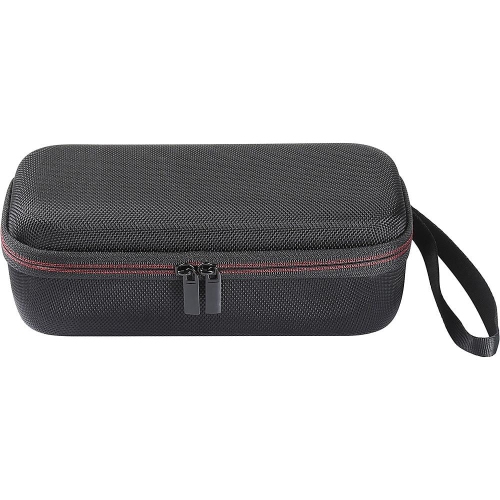 Your price for this item is $59
 -
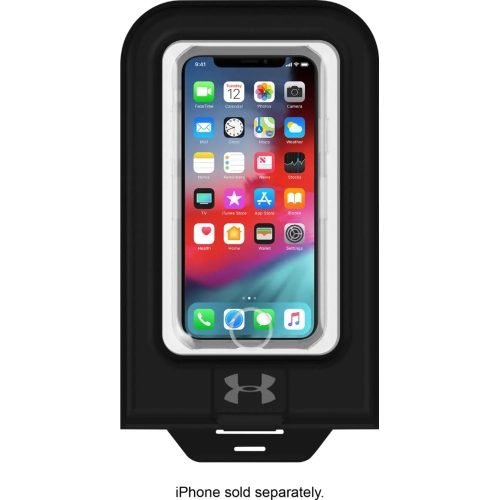 Your price for this item is $35
 -
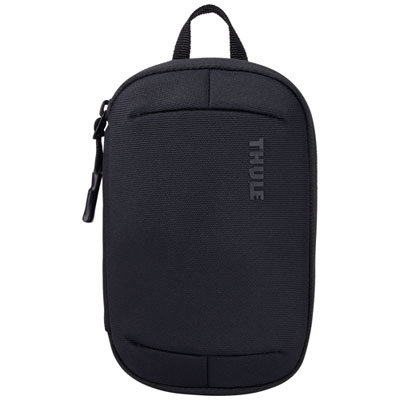 Your price for this item is $29.99
 -
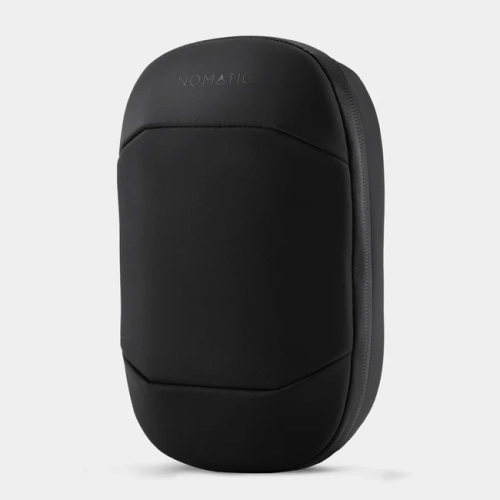 Your price for this item is $89.99
 -
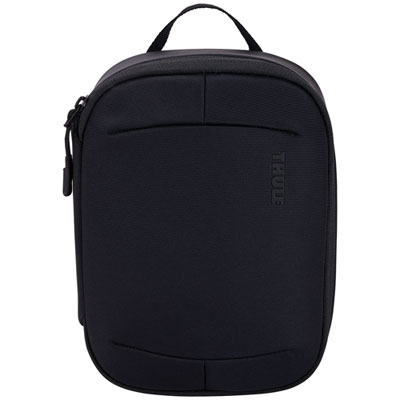 Your price for this item is $39.99
 -
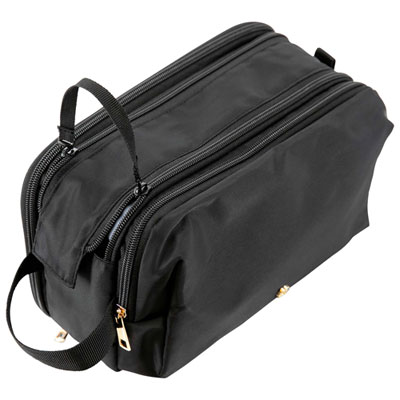 Your price for this item is $49.99
 -
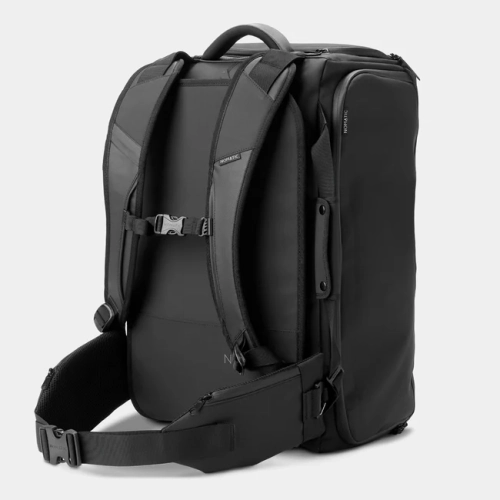 Your price for this item is $49.99
 -
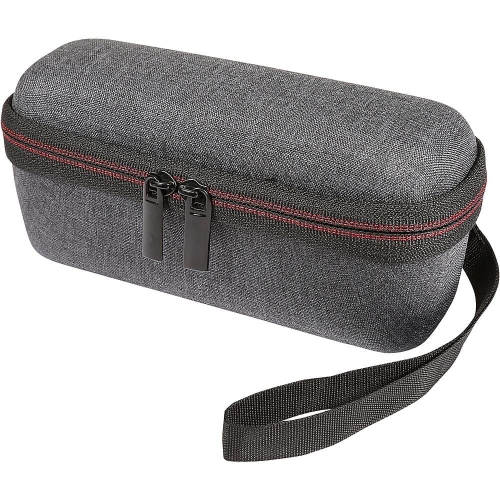 Your price for this item is $59.99
Discover more categories related to Accessory Organizers
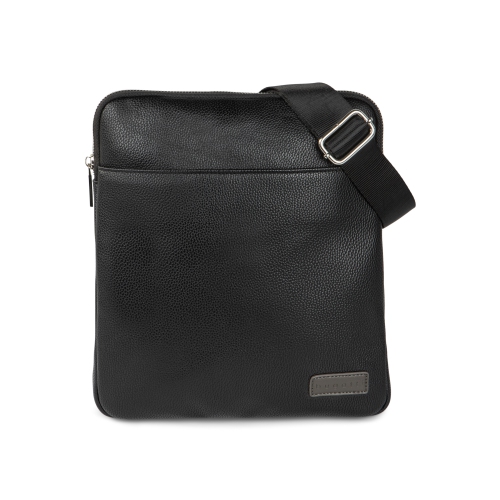

Top Collections:
Pokemon Centers, Budget 4K TVs, Kindle Devices, Canon G7X Cameras, Apple iPhones 16, iPhone 15 Apple, Laptops for Business Work, Flip Phones, Xiaomi Phones, Refurbished Apple Laptops
Some products may be subject to Environmental Handling Fees
(EHF) depending on your province.
Learn more about EHFs.