Birthstone Rings
Celebrate personal milestones and express your unique style with our exquisite collection of birthstone rings. Whether you're marking a birthday, an anniversary, or simply indulging in a piece that resonates with your spirit, these rings offer a meaningful way to wear your heart on your sleeve—or finger. Our selection showcases a stunning array of gemstones, each representing a month of the year and imbued with its own special significance. Discover the perfect birthstone ring that captures your story and adds a touch of elegance to any occasion.
Sort
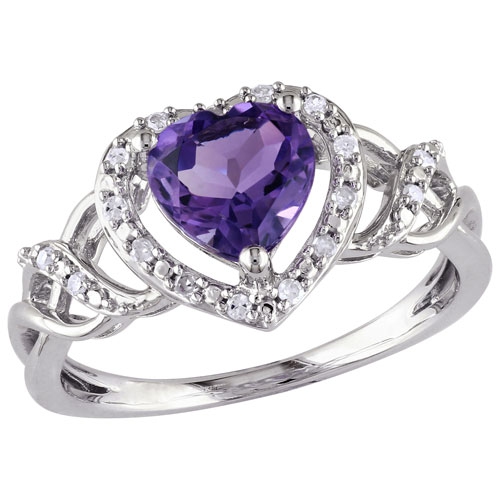


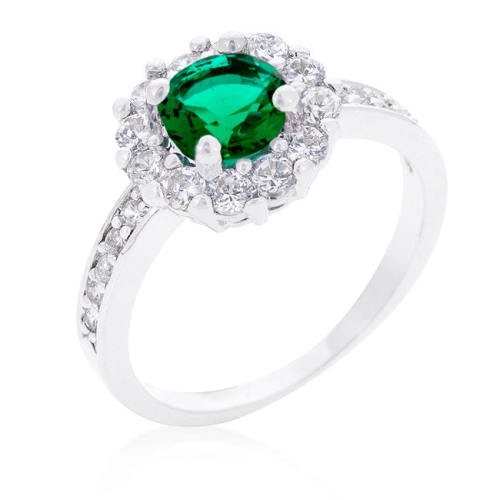


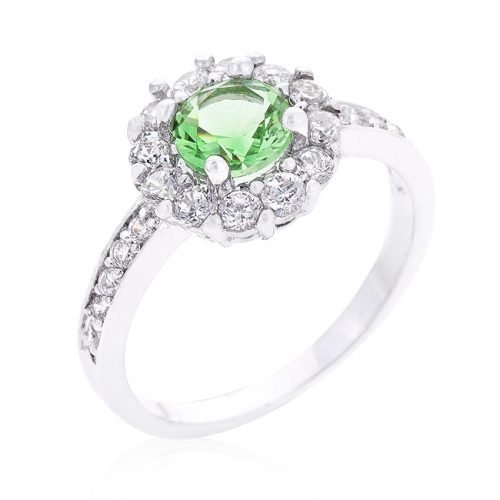
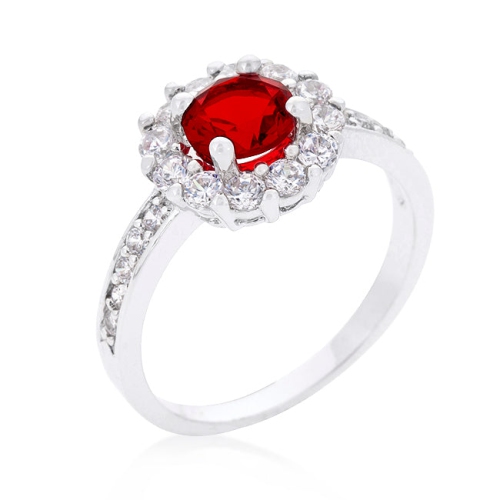


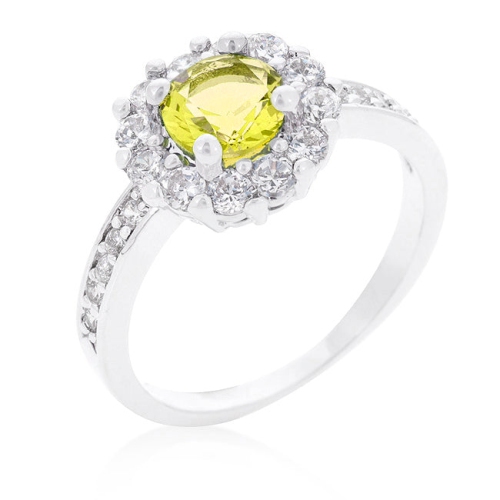


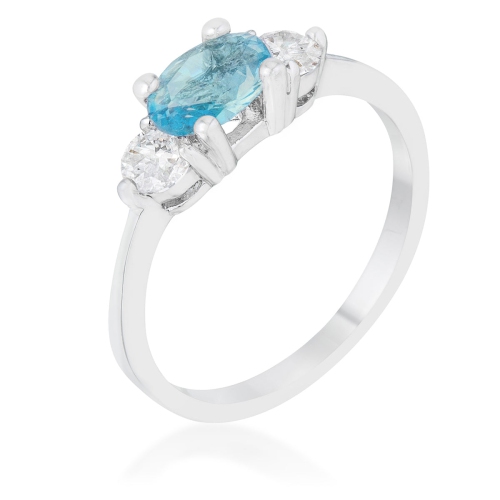


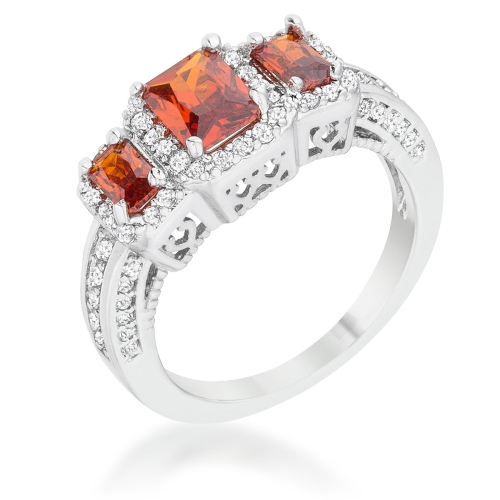


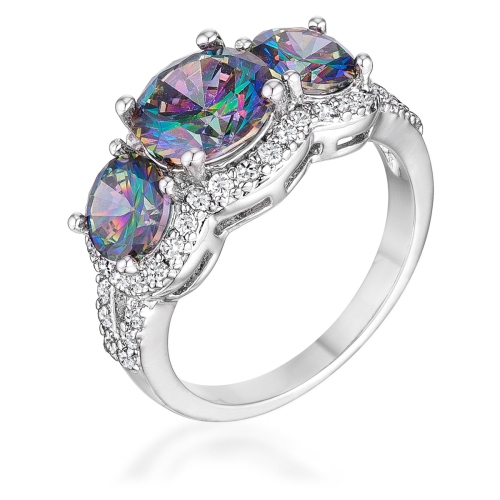


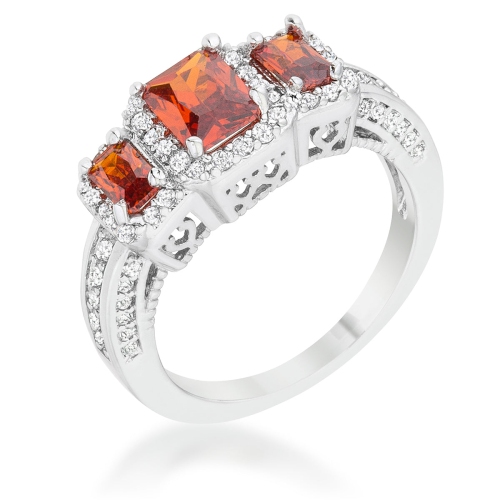


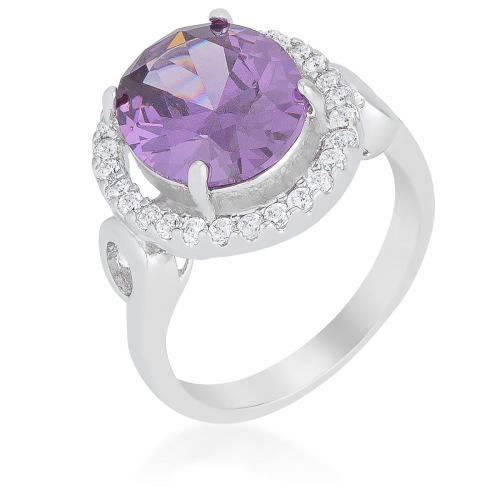


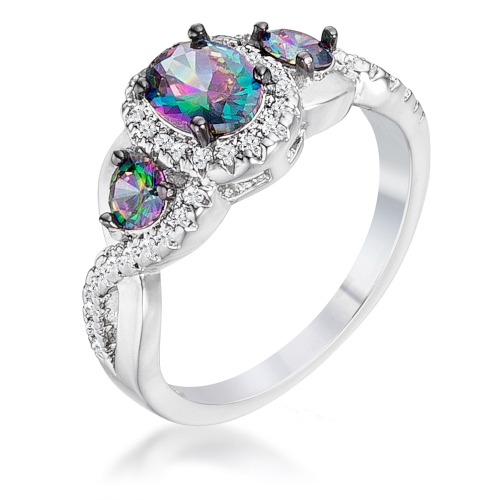


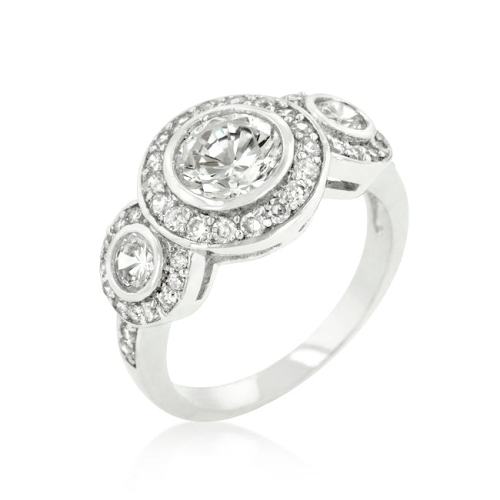
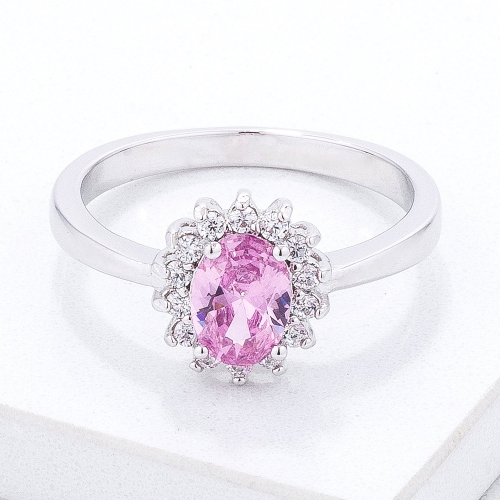
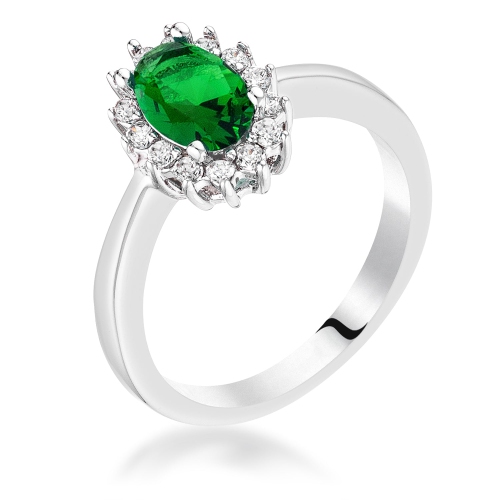
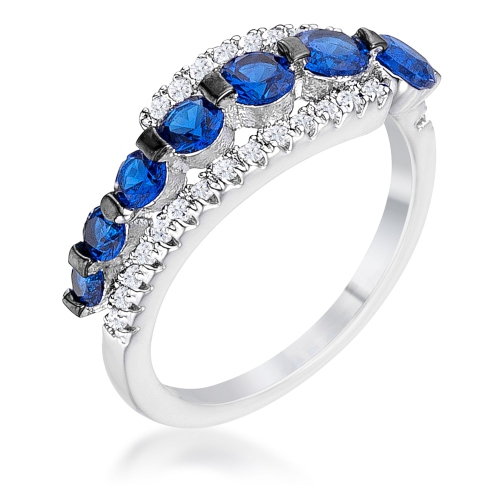

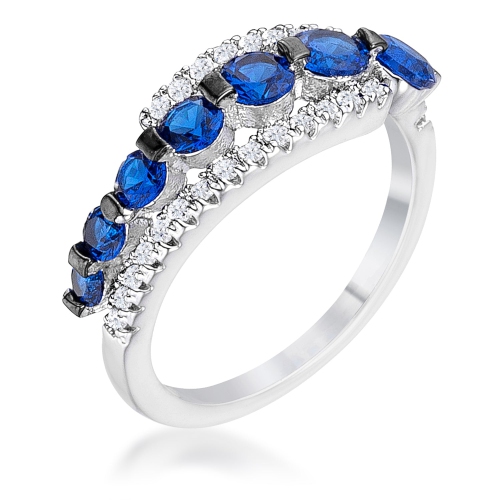


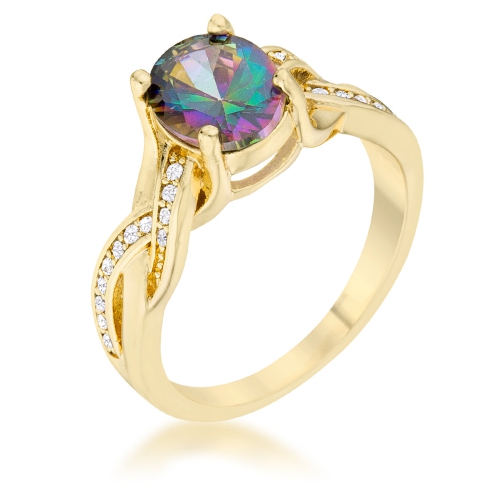
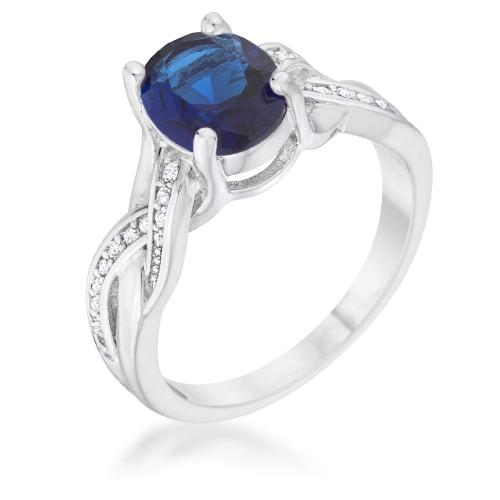

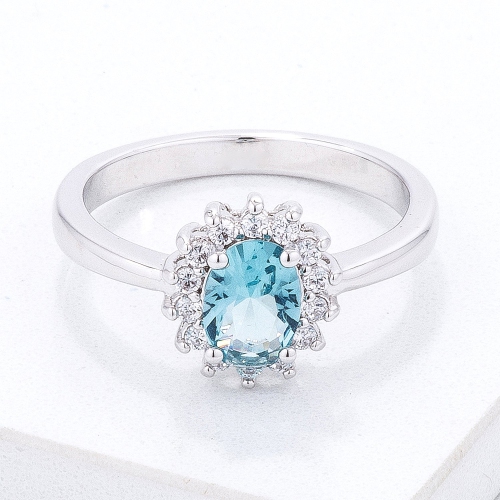


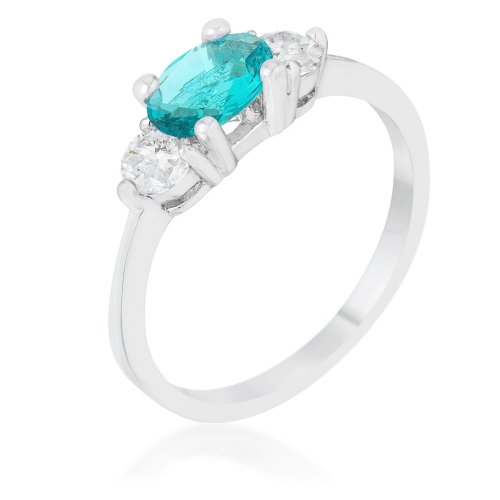


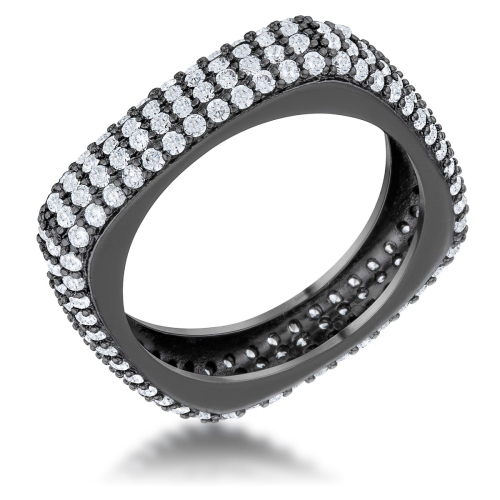


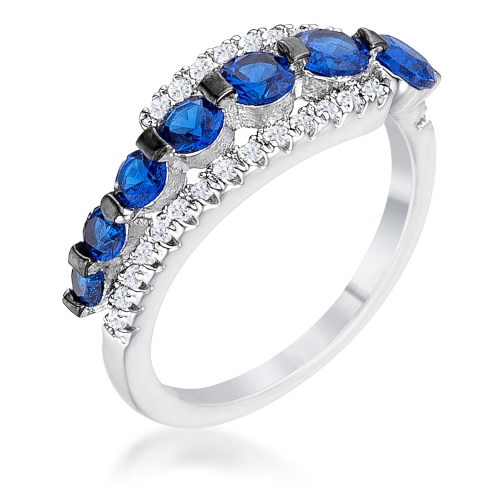


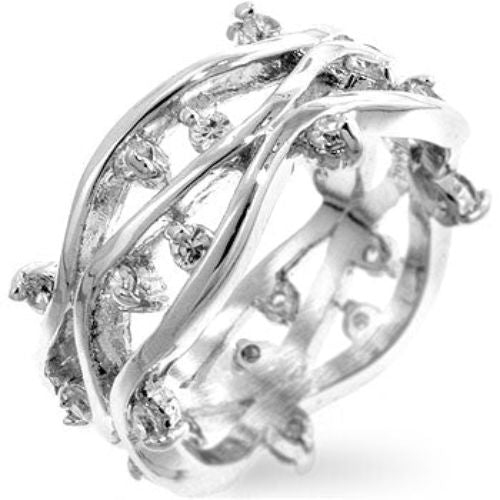
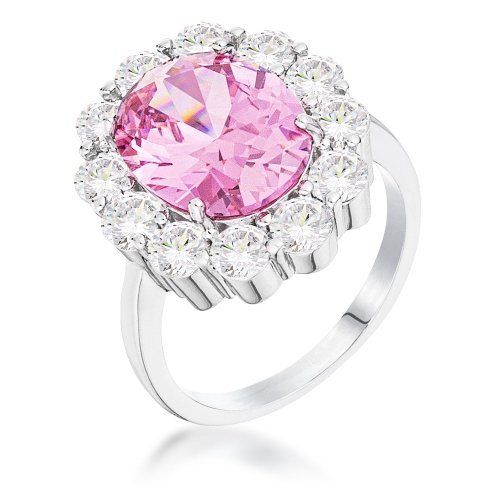


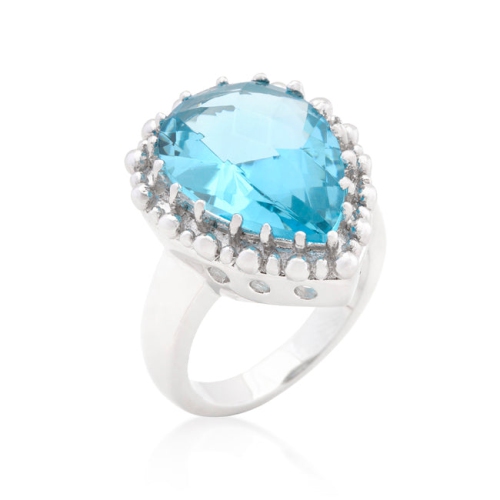
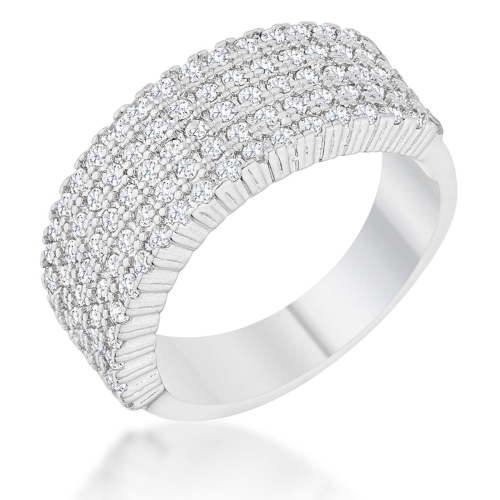
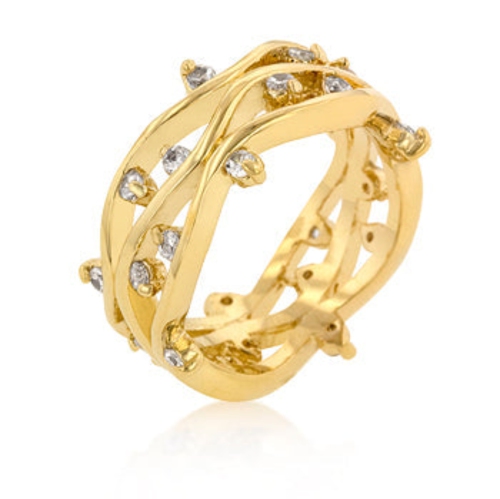

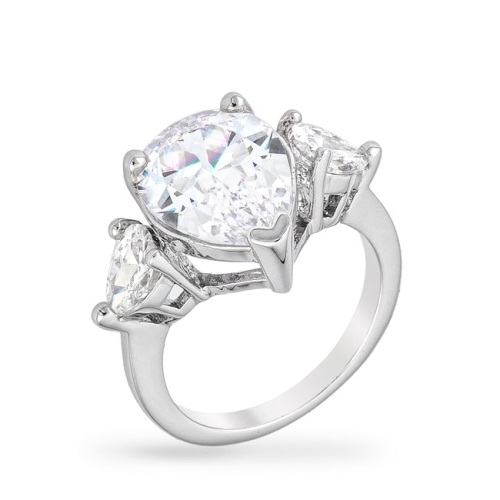
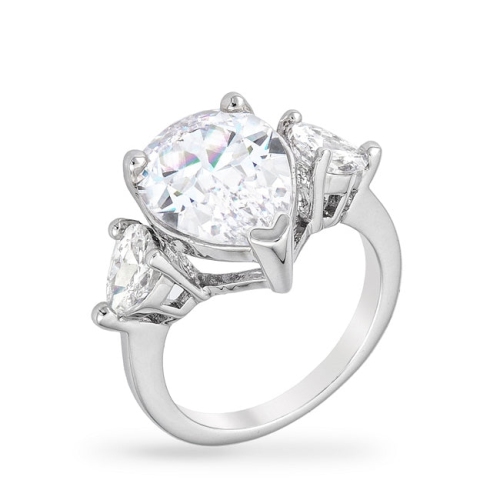


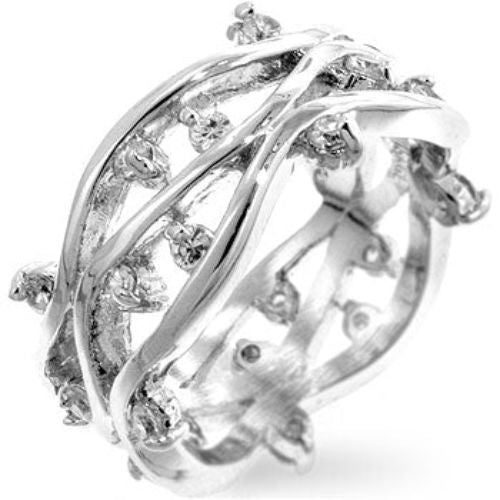
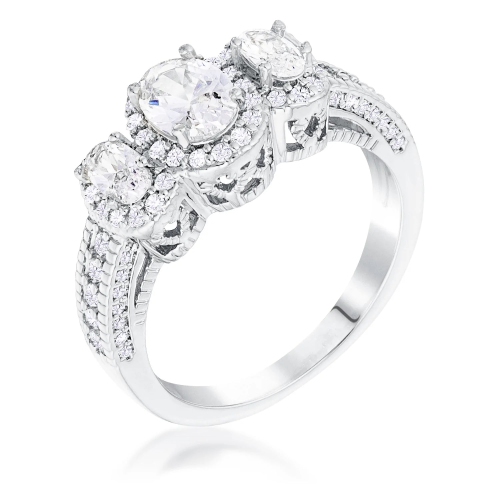
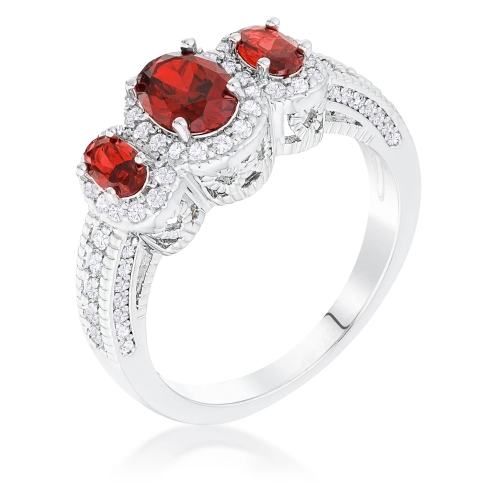


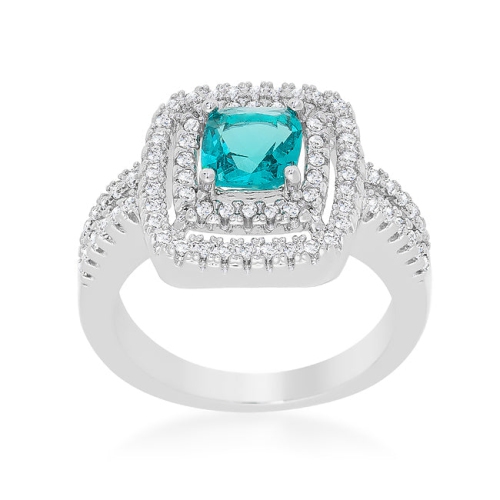



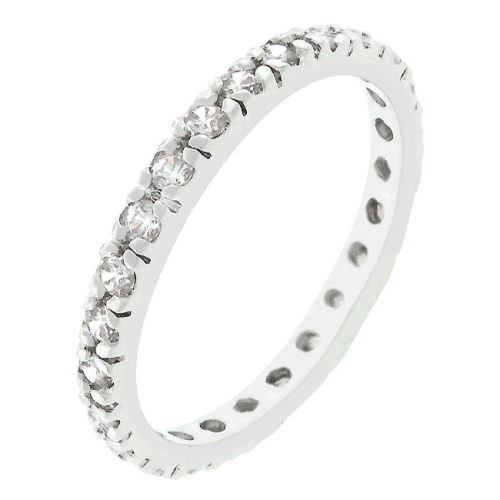


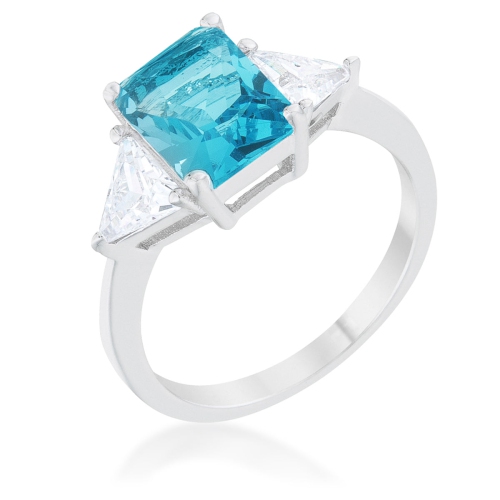


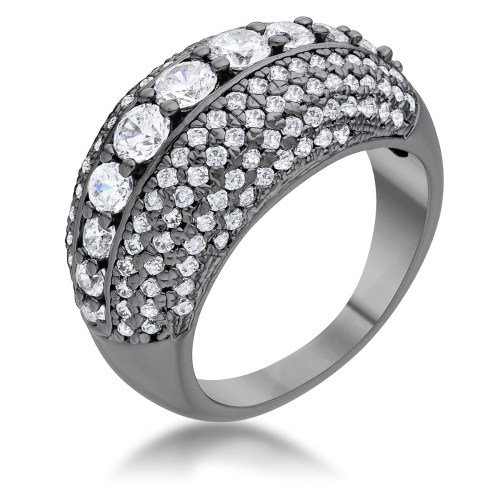


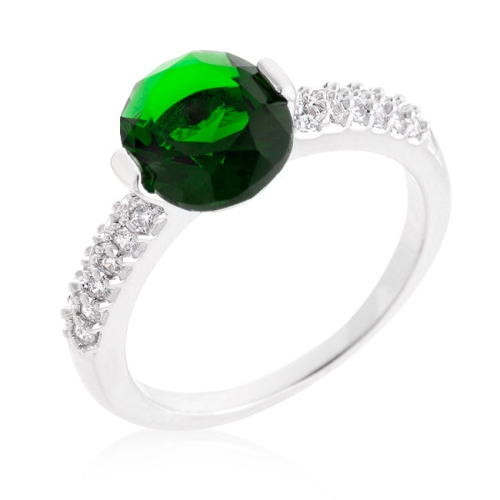
Gemstones that celebrate birth months and family connections
Birthstone rings feature gemstones traditionally associated with a person’s birth month, turning a familiar piece of jewellery into something with a personal connection. A single stone can represent the wearer, while a design with several stones can bring together the birthstones of children, partners, siblings, or other loved ones. That meaning makes these rings thoughtful gifts for birthdays, anniversaries, Mother’s Day, graduations, and the arrival of a child, as well as a way to mark a personal milestone. Birthstone traditions vary, and some birth months have more than one associated gem, leaving room to choose a stone that suits the wearer’s taste. Familiar choices include garnet, amethyst, aquamarine, emerald, ruby, peridot, sapphire, and topaz, alongside options such as diamond, pearl, opal, and turquoise. Their appeal extends beyond the calendar: the deep red of garnet, soft violet of amethyst, or clear blue of aquamarine can feel just as important as the stone’s traditional association. Meanings attached to birthstones come from cultural traditions and personal beliefs rather than proven effects, so the significance of a ring is ultimately the wearer’s to define. Style gives that significance a visible form. A solitaire keeps attention on one gemstone, a halo surrounds the centre stone with smaller accents, and a cluster gathers several stones into a fuller arrangement. A slim band with a small gem can sit quietly beside an everyday wedding band, while an elongated oval or richly coloured centre stone creates a more noticeable focal point. Family birthstone rings may place stones in a row, group them around a central gem, or use an asymmetrical arrangement. Where personalization is offered, the order of the stones or a short engraving can add another layer of meaning. For a gift, the recipient’s existing jewellery offers useful clues: someone who wears smooth, understated pieces may appreciate a low-profile setting more than an ornate ring with a tall centre stone.
Materials influence a birthstone ring’s appearance, weight, and ability to handle regular wear. Sterling silver has a bright white finish and can develop tarnish that needs appropriate cleaning. Gold is commonly used in 10-karat, 14-karat, and 18-karat alloys, with yellow, white, and rose tones created through different metal combinations. Higher-karat gold contains a greater proportion of pure gold, but scratch resistance and strength also depend on the alloy and construction. White gold is often rhodium plated for a bright finish, and that surface may need maintenance over time. Platinum is naturally white, feels relatively substantial, and develops a surface patina with wear. Gold-plated and gold-filled jewellery differ from solid gold in construction; their outer gold layers can wear, particularly where a ring rubs against other surfaces. Anyone with metal sensitivities should check the stated alloy composition rather than relying on colour alone, since nickel and other metals may be present in some alloys. Gemstone descriptions matter just as much. Natural stones form through geological processes, while laboratory-grown stones have essentially the same chemical composition and crystal structure as their natural counterparts. Simulated stones resemble another gemstone but are different materials. Treatments can alter colour or clarity and may affect care requirements, making disclosure useful when comparing birthstone rings. Durability also varies between gems. Diamond, ruby, and sapphire resist scratching well, although none is immune to chipping or damage from a sharp impact. Emeralds often contain inclusions and may have clarity treatments that call for gentler handling. Opal, pearl, and turquoise generally need more protection from scratches, chemicals, and unsuitable cleaning methods. Hardness describes resistance to scratching, not overall toughness, so a hard gemstone still benefits from a secure setting. A bezel surrounds the stone’s edge with metal and can help protect it from knocks, while prongs expose more of the gemstone but require attention if they loosen or catch. For a ring worn while typing, commuting, or handling bags, a smooth profile and protected stone edges can make everyday use more comfortable.
Fit and care help determine whether a meaningful ring becomes a regular companion or a piece saved for special occasions. A comfortable fit should pass over the knuckle with slight resistance and sit securely without pinching. Ring sizes are specific to the intended finger and hand, and a wider band often feels tighter than a narrow one in the same size. Professional sizing is especially useful for broad bands, stacked rings, and gifts intended for a particular finger. For a surprise, measuring a ring the recipient already wears on that finger can provide a starting point, although differences in band shape and width still matter. Resizing is not possible for every design: stones set around the entire band, detailed engraving, certain metals, and some multi-stone arrangements can limit adjustments. A family ring also needs enough space for its gemstones without extending awkwardly across neighbouring fingers. When stacking birthstone bands, smooth edges and compatible heights help them sit together, while exposed gems should not rub against adjacent stones or metal. Intended use is worth weighing alongside appearance. A substantial raised setting may suit occasional wear, whereas a small, secure stone on a smooth band can be easier to wear daily. Rings should generally come off before weight training, swimming, household cleaning, or tasks involving abrasive materials and repeated impacts. For cleaning, follow the guidance for the specific gemstone, metal, and any treatments; a method suitable for a plain gold band may damage a delicate stone. Mild soap, lukewarm water, and a soft brush suit many durable, untreated gemstones, but porous gems, pearls, glued components, and treated stones may require a different approach. Ultrasonic and steam cleaners are not suitable for every birthstone ring. Store rings separately in soft-lined compartments to reduce scratches, and have loose stones, bent prongs, or catching edges checked before further wear. For a coordinated gift, Birthstone Jewelry can extend the same personal meaning to other jewellery styles. Matching the gemstone family or metal tone creates a connection without requiring every piece to look identical.
Top selling and popular products
-
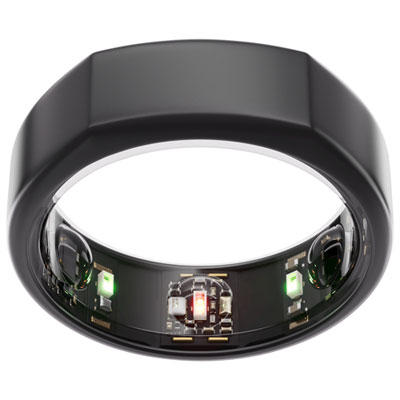 Your price for this item is $369.99
-
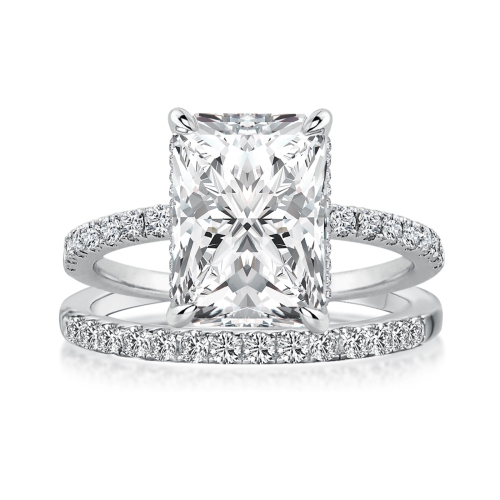 Your price for this item is $801.45
-
 Your price for this item is $133.2
-
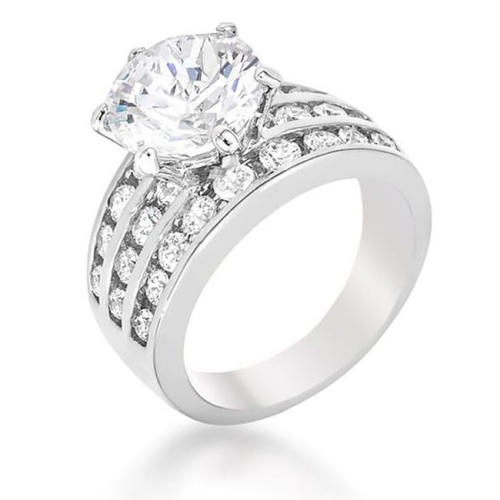 Your price for this item is $151.05
-
 Your price for this item is $123
-
 Your price for this item is $135.75
-
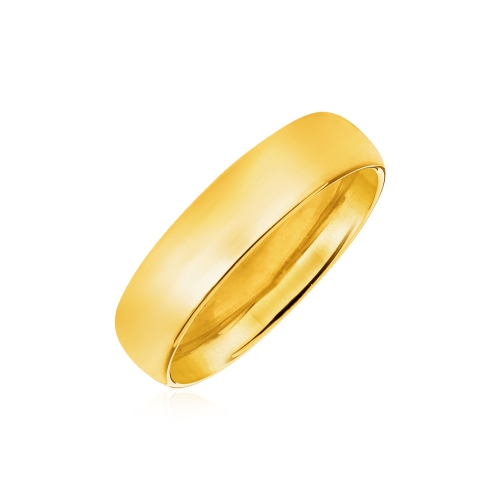 Your price for this item is $486.49
-
 Your price for this item is $969
Discover more categories related to Birthstone Rings


Top Collections:
Pokemon Centers, Best Cameras for Sports Photography, Kindle Devices, Samsung Galaxy Phones, Canon G7X Cameras, Pokémon 30th Celebration Cards, Refurbished Apple Laptops, iPhone 15 Apple, Laptops for Students, Budget Smartphones
Some products may be subject to Environmental Handling Fees
(EHF) depending on your province.
Learn more about EHFs.