Blue Sapphire and Diamond Earrings
Blue Sapphire and Diamond Earrings bring together timeless elegance and captivating sparkle, making them a standout addition to any jewelry collection. Their rich blue hues paired with dazzling diamonds create a sophisticated look that transitions seamlessly from day to night. Whether you’re searching for a statement piece or a refined accessory, Blue Sapphire and Diamond Earrings offer versatility and classic appeal for every occasion. Discover options that complement your unique style and elevate your ensemble with these striking earrings.
Sort




Rich blue colour meets sparkle in distinctive settings
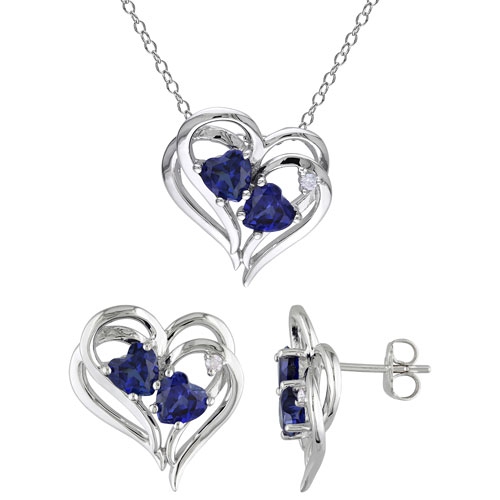
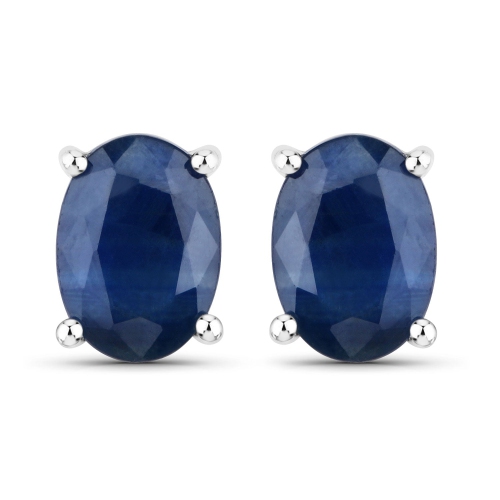
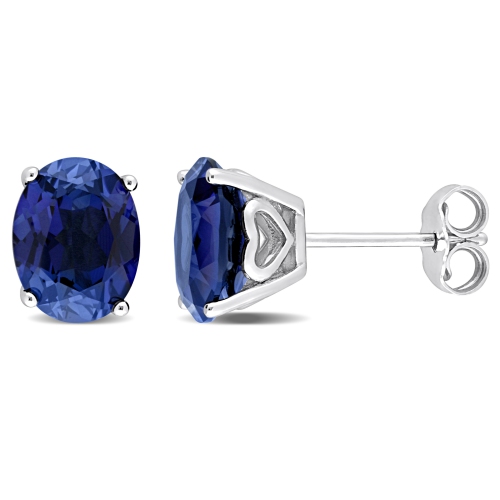
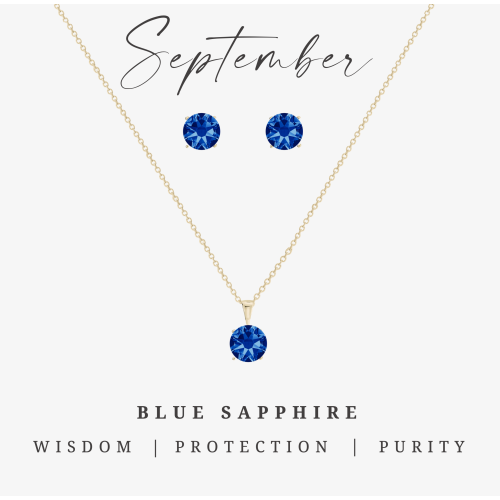
Blue sapphire and diamond earrings combine rich gemstone colour with bright points of sparkle, creating a look that can feel understated, dressy, or distinctly bold depending on the setting. The contrast is central to their appeal: blue sapphires provide depth, while diamonds catch the light around them or along the metalwork. Stud earrings keep that combination close to the earlobe, making them easy to pair with a tailored jacket, an open neckline, or a simple knit top. A sapphire centre framed by a diamond halo has a defined outline, while smaller diamond accents can give the blue stone more visual space. Cluster settings arrange several stones into a fuller shape, sometimes with floral or geometric details. Drop earrings extend below the ear, adding movement that becomes especially noticeable with an updo or hair tucked behind the ears. A short drop offers a subtle change from a stud; a longer design creates a more pronounced line beside the face. Sapphire and diamond hoops bring the same colour contrast to a curved silhouette, with close-fitting huggies offering a compact profile and larger hoops making a stronger statement. Gemstone shape also changes the overall effect. Round sapphires have a balanced, familiar appearance, oval stones create an elongated outline, and pear-shaped stones lend themselves naturally to suspended designs. Rectangular cuts can emphasize clean lines, especially when paired with neatly arranged diamond accents. The visible size of an earring depends on more than the centre stone: a wide halo, decorative border, or open metal framework can make the design appear larger on the ear. For everyday outfits, a compact pair can provide colour without competing with patterned clothing or a necklace. For a wedding, anniversary dinner, or formal celebration, a more detailed setting can serve as the main piece of jewellery. Blue also pairs comfortably with neutrals such as ivory, grey, navy, and black, while offering a clear contrast against warmer clothing colours.
The character of blue sapphire and diamond earrings comes from the stones as well as the metal surrounding them. Sapphire is a variety of corundum, and its blue colour can range from pale and airy to vivid blue or deep, inky tones. Some stones show a violet or greenish influence, so two pairs described simply as blue may have noticeably different appearances. Colour consistency between the earrings matters, particularly in studs where the stones are viewed as a matched pair. Cut, polish, and clarity influence how each sapphire handles light; a very dark stone may reveal more of its blue in brighter lighting than it does indoors. Natural and laboratory-created sapphires share the same basic chemical composition and crystal structure, but their origins differ. Imitation stones are a separate category and should not be confused with either. Heat treatment is common in sapphires, and any stated treatment information is relevant to understanding the gemstone and its care requirements. Diamonds add another set of details, including their shape, colour, clarity, and arrangement. Total carat weight can refer to multiple stones across both earrings, rather than the weight of a single centre stone, so the wording of the specifications matters. Carat weight also differs from gold karat, which describes the proportion of gold in an alloy. White gold gives blue sapphires a crisp backdrop, yellow gold creates a warmer contrast, and rose gold introduces a softer pink tone. Gold alloys vary in composition, which can affect colour, hardness, and suitability for sensitive ears. Sterling silver contains 92.5% silver and has a bright appearance that complements blue gemstones; this pairing also features in Blue Sapphire Silver Earrings. Rhodium plating, when present, affects the surface finish and may need attention as it wears. Metal descriptions are particularly important for earrings because posts and backs remain in close contact with the skin. A familiar metal that has been comfortable in other jewellery can be a useful starting point, though individual sensitivities vary.
Comfort and secure fastening help determine how often a pair of sapphire and diamond earrings becomes part of a regular jewellery rotation. Smaller studs generally have less movement, while drops and hoops may be more noticeable during a long day. Overall weight, the position of the post, and how the back supports the earring all contribute to how it sits. A broad design can tilt forward if the backing does not provide enough support, and a close-fitting hoop needs enough clearance to sit comfortably around the earlobe. Butterfly backs, screw backs, and hinged closures each fasten differently; the most practical option depends on the wearer's dexterity, routine, and preferences. Smooth edges and neatly finished settings also matter when earrings sit beside a scarf, collar, or loose hair. Sapphire ranks 9 on the Mohs hardness scale and diamond ranks 10, making both resistant to scratching, but hardness does not prevent chips, damage from impact, or wear to metal claws. Removing earrings before swimming, contact sports, and sleep reduces exposure to chemicals, knocks, and snagging. For many designs, gentle cleaning with lukewarm water, mild soap, and a soft brush can lift residue from behind the stones, provided the stated care instructions permit it. Ultrasonic and steam cleaning are not suitable for every treatment or setting, so professional advice is useful before either method is used. Separate storage in a lined compartment helps prevent stones and metal surfaces from rubbing against other jewellery. Periodic checks of posts, hinges, and stone settings can identify looseness before an earring or gemstone is lost. As gifts, blue sapphire and diamond earrings suit birthdays, anniversaries, bridal occasions, and personal milestones. The most thoughtful match reflects the recipient's habits: a compact stud for someone who rarely changes earrings, a gentle drop for someone who enjoys movement, or a more elaborate silhouette for someone who likes statement jewellery. Matching their preferred metal colour and usual earring size makes the gift feel personal as well as attractive.
Top selling and popular products
-
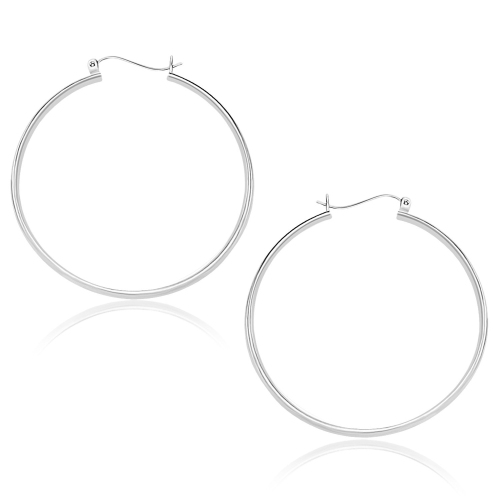 Your price for this item is $311.18
-
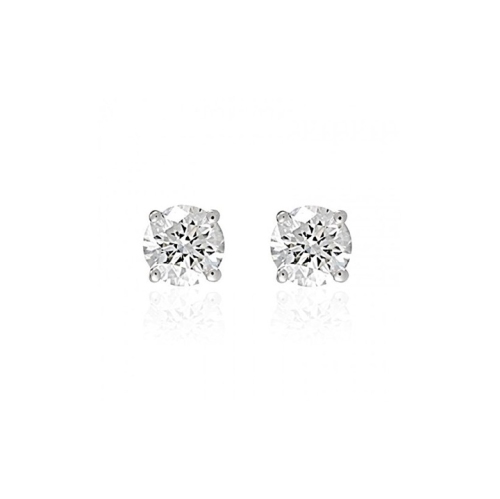 Your price for this item is $1750
-
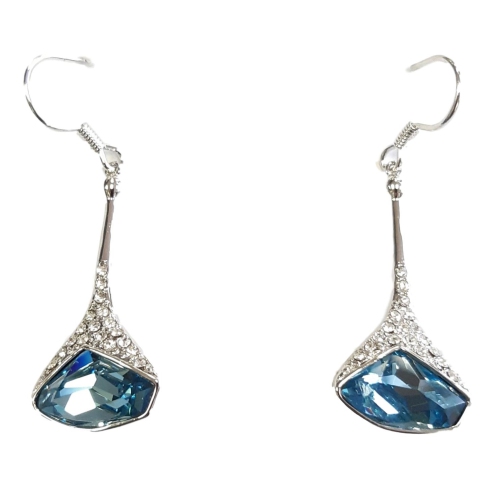 Your price for this item is $49.97
-
 Your price for this item is $1194.19
-
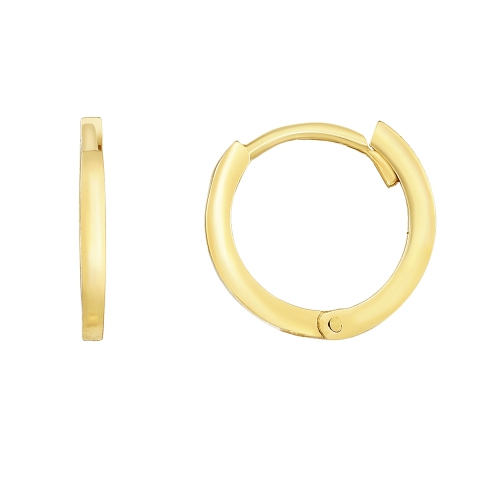 Your price for this item is $165.96
-
 Your price for this item is $849
-
 Your price for this item is $1099
-
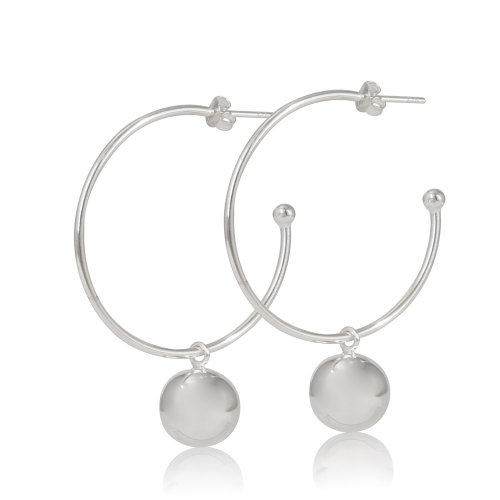 Your price for this item is $110
Discover more categories related to Blue Sapphire and Diamond Earrings
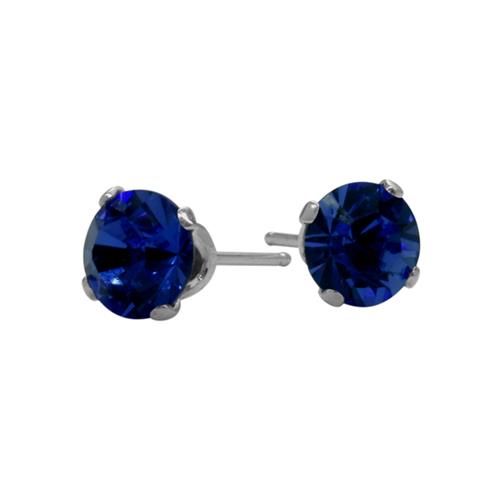
Top Collections:
Pokemon Centers, Best Cameras for Sports Photography, Kindle Devices, Samsung Galaxy Phones, Canon G7X Cameras, Pokémon 30th Celebration Cards, Refurbished Apple Laptops, iPhone 15 Apple, Laptops for Students, Budget Smartphones
Some products may be subject to Environmental Handling Fees
(EHF) depending on your province.
Learn more about EHFs.