Bracelets for Girlfriends
Looking to surprise your significant other with a thoughtful gift? Our collection of bracelets for girlfriends is designed to make her smile from ear to ear. Whether you're celebrating a special milestone or simply want to show your love and appreciation, these stylish and elegant bracelets are sure to capture her heart. From delicate charms to dazzling gemstones, each piece in our selection is carefully curated to add a touch of sparkle to her everyday look. Explore our range of bracelets that are perfect for any occasion and let your girlfriend know just how much she means to you.
Sort


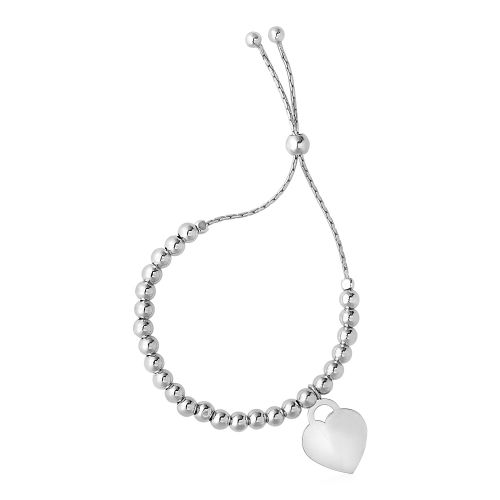


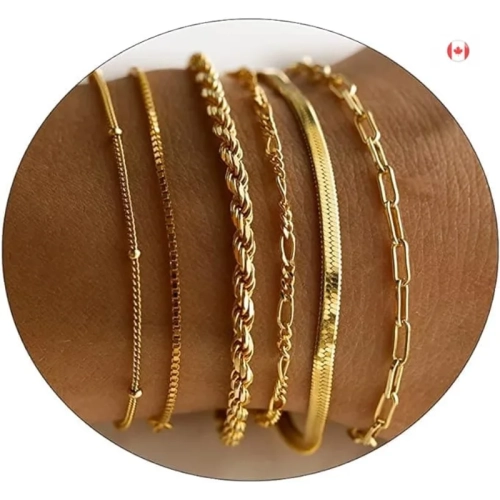

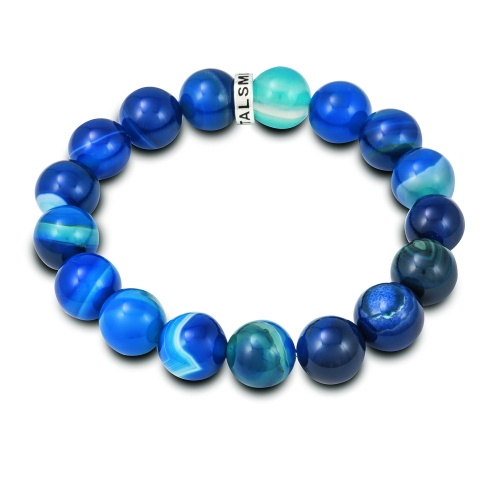


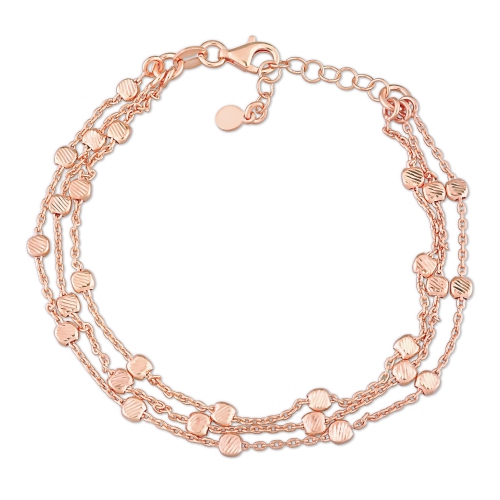


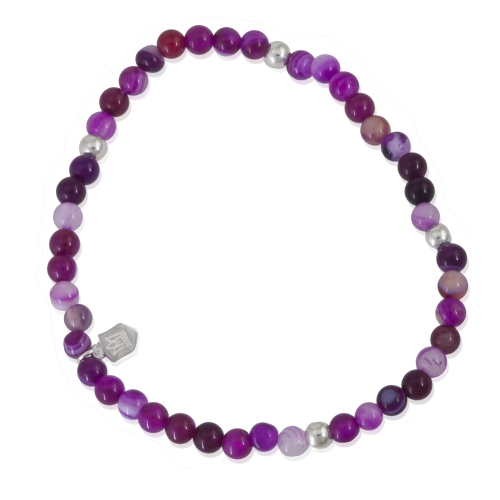
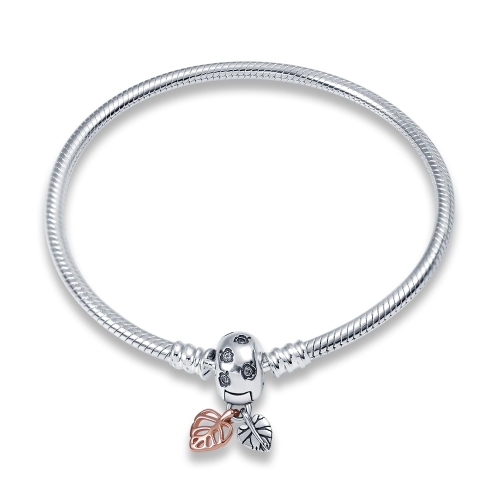
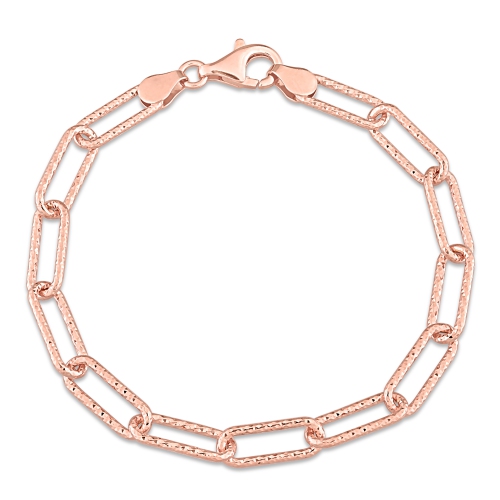


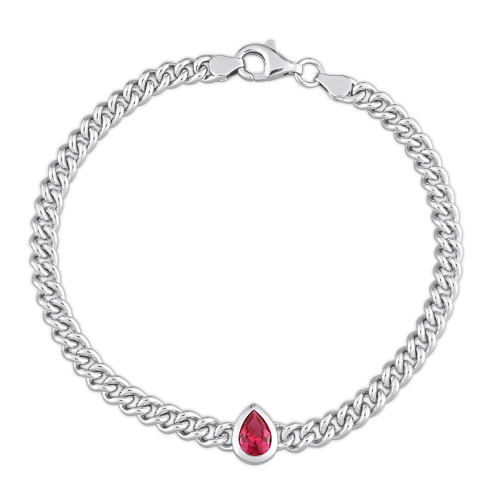
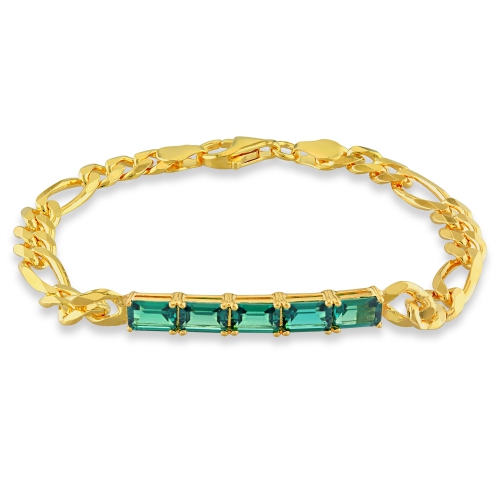


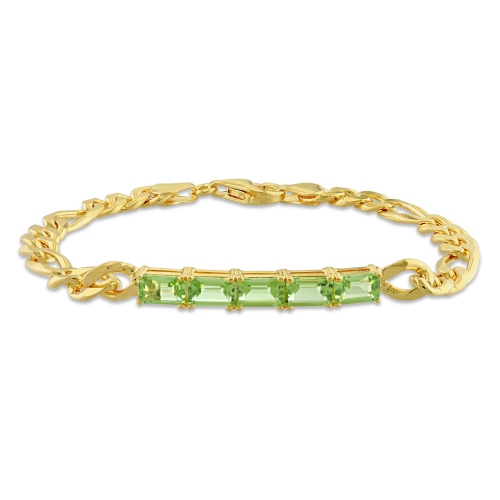

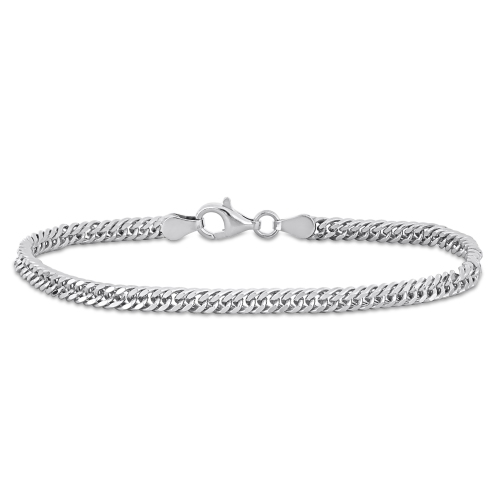
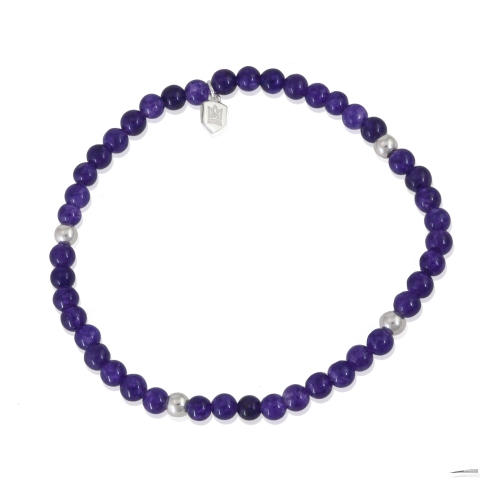


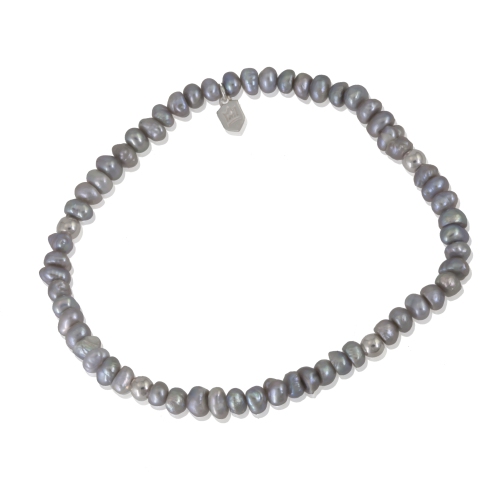


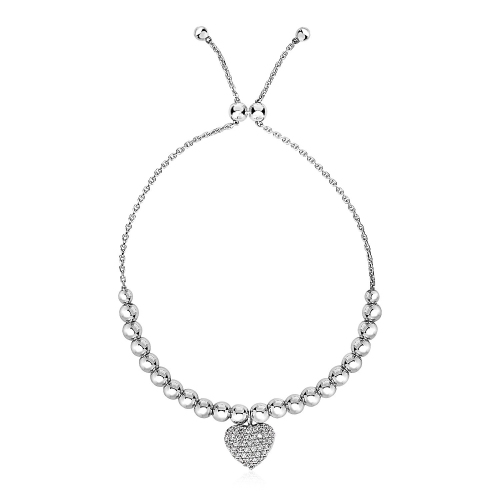


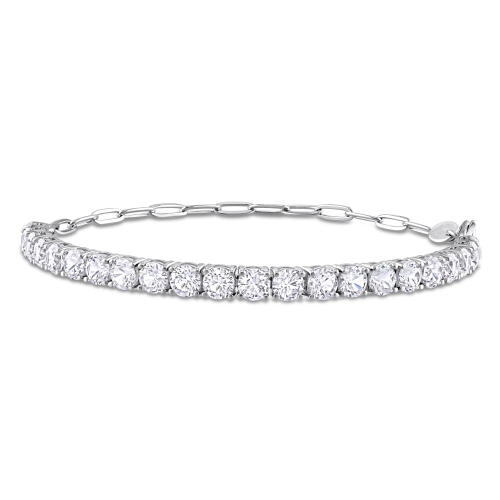


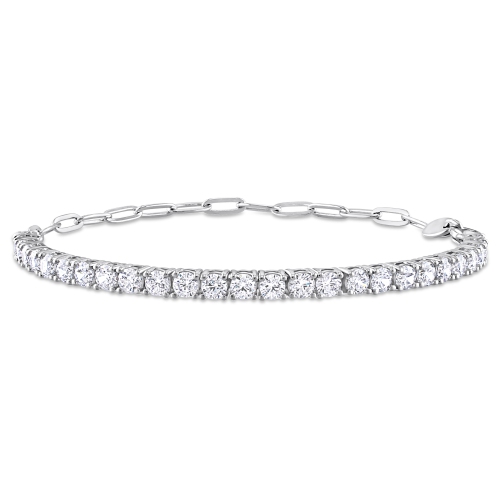


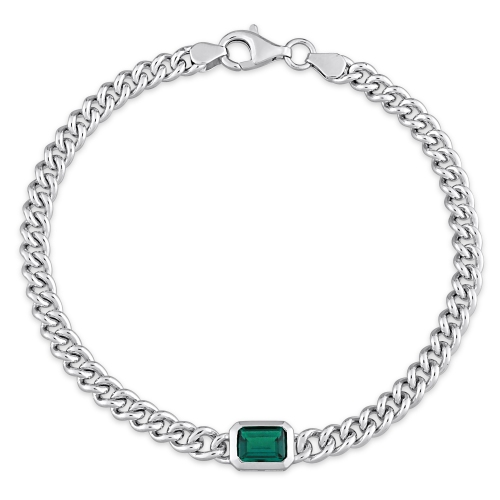


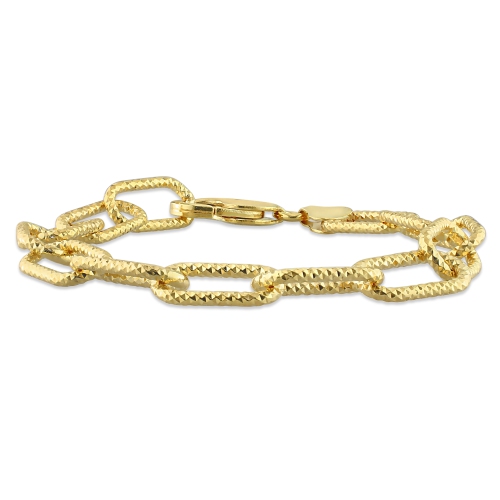


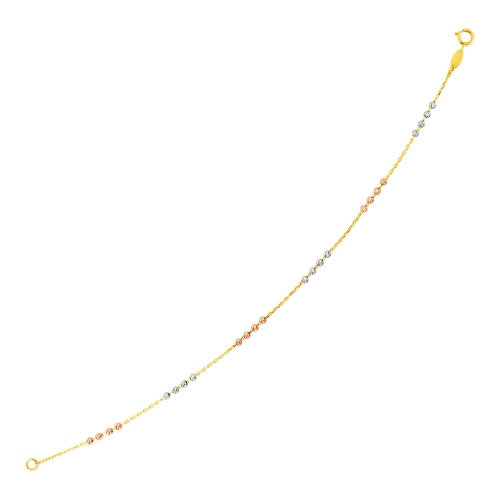


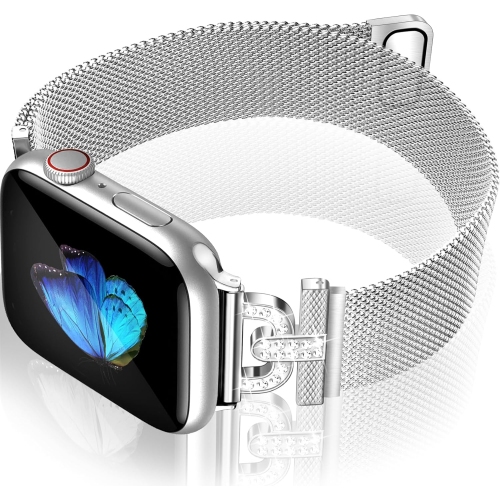

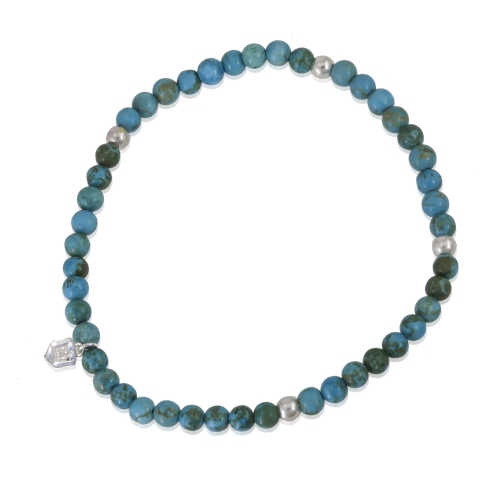


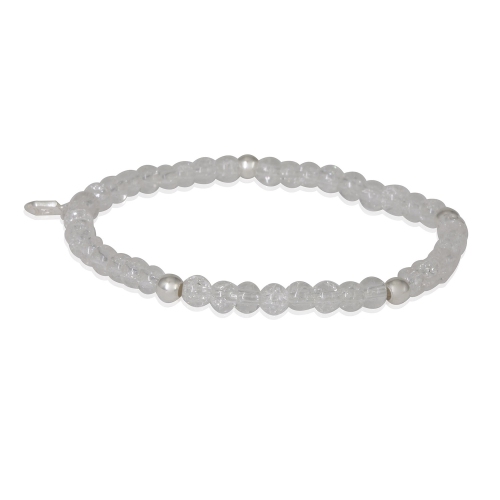
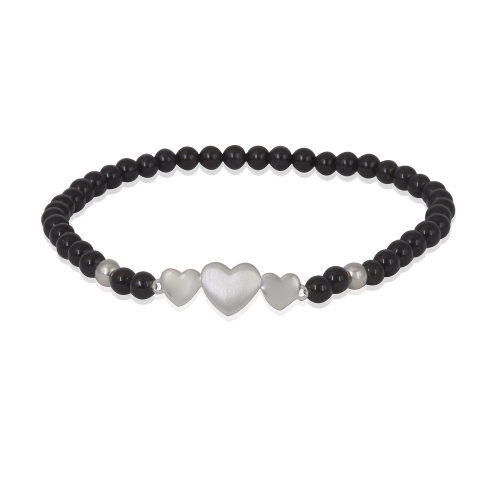


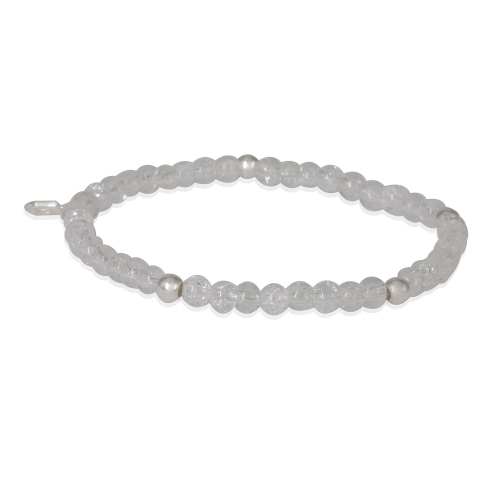
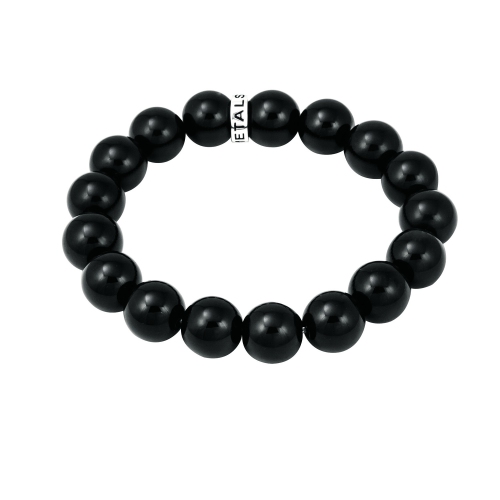
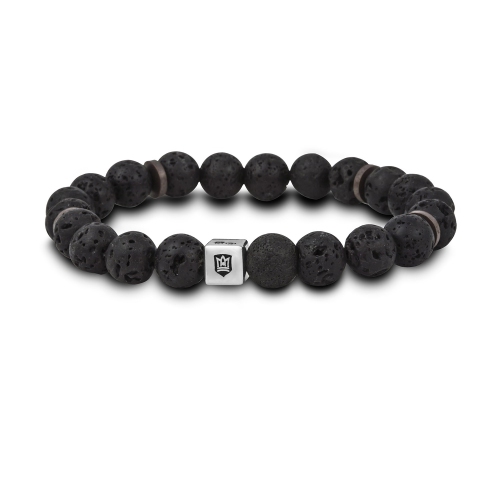
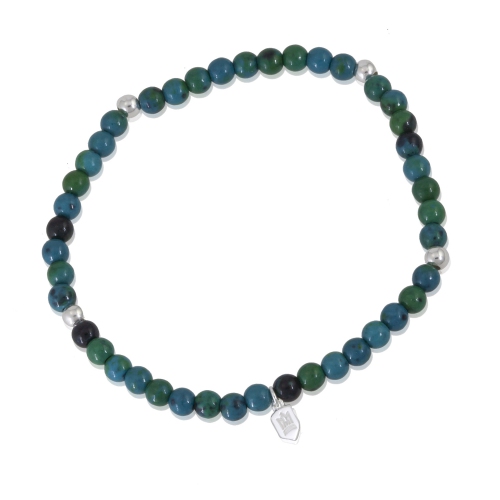
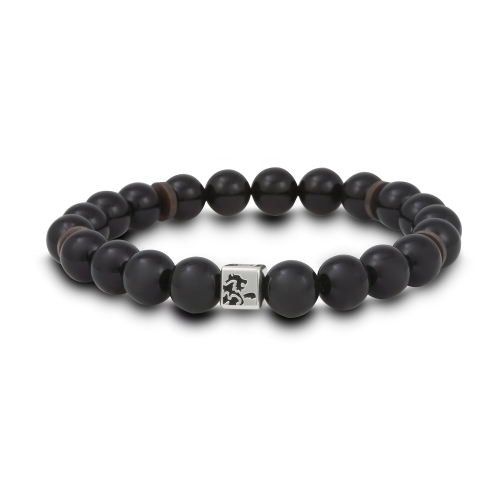
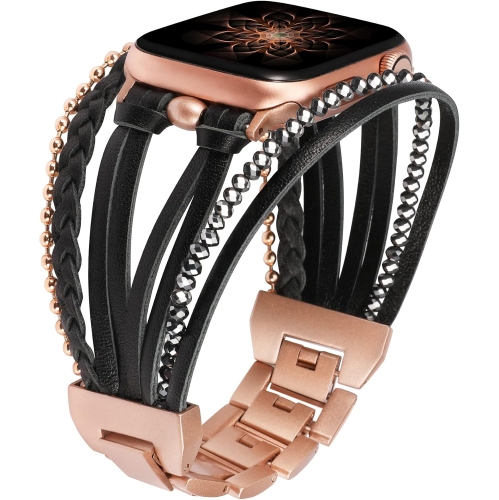
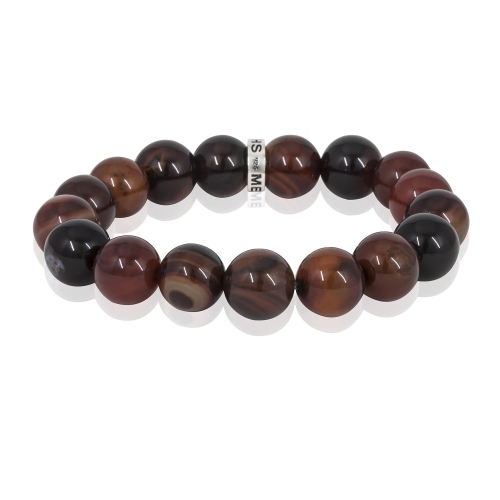
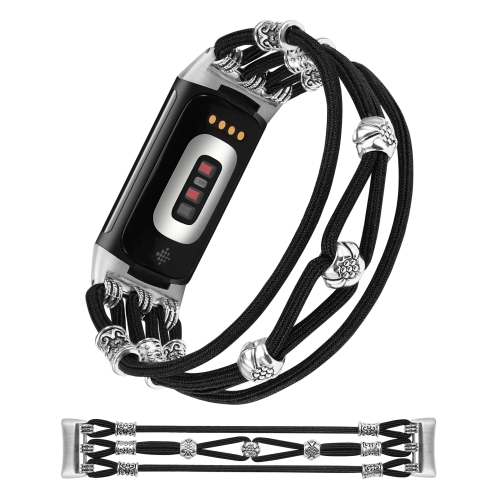


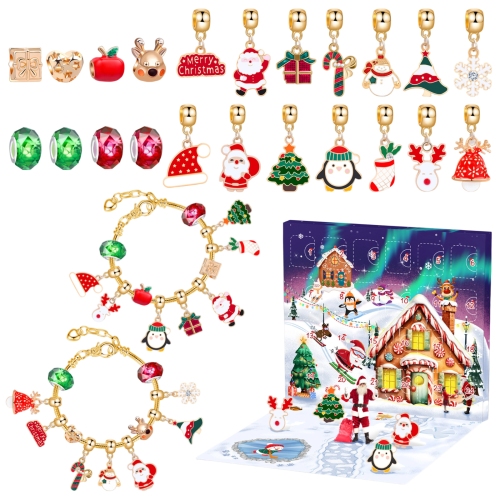

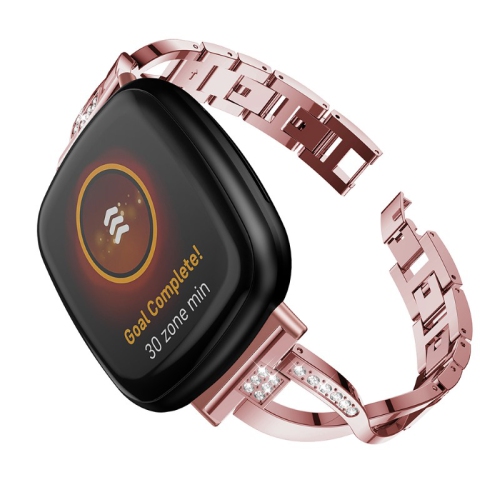

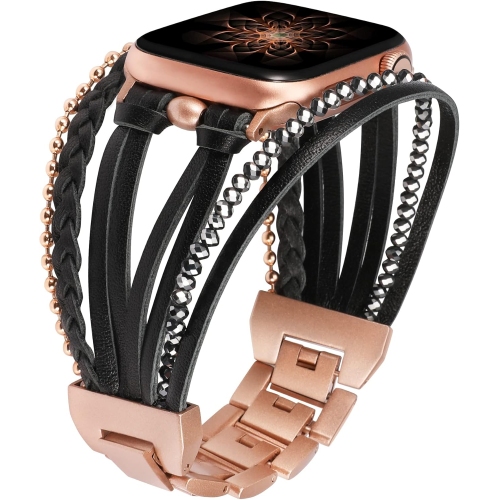


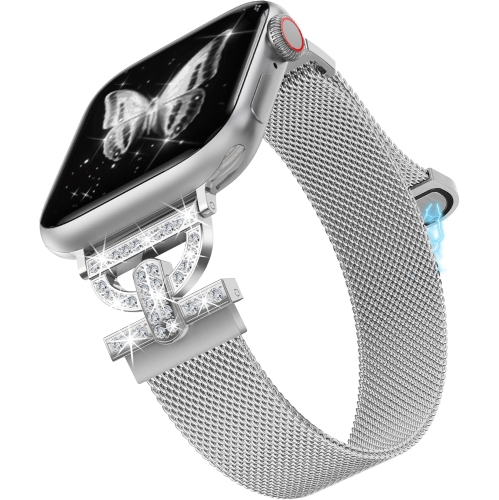
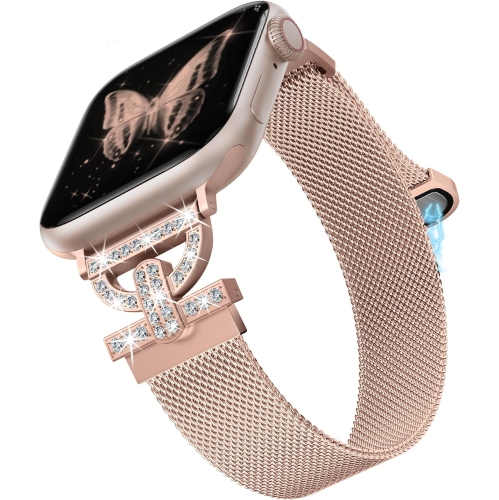
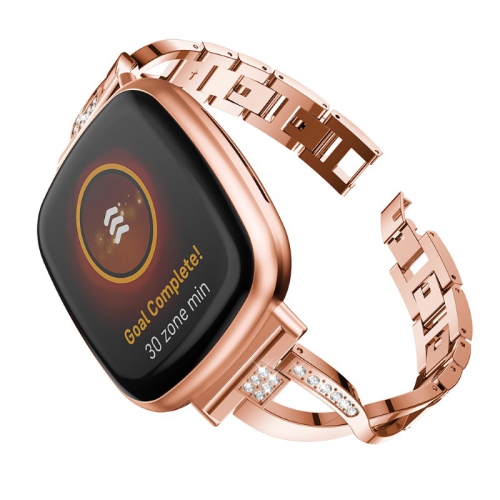

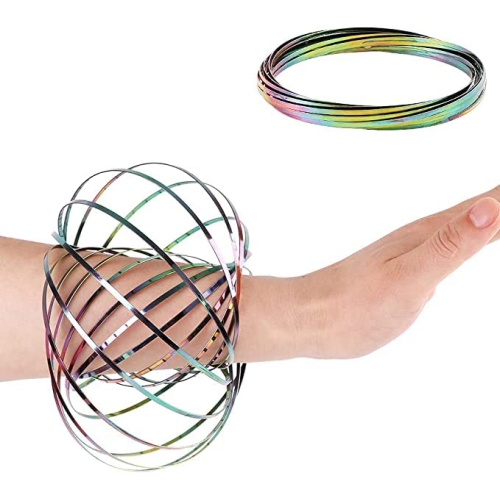
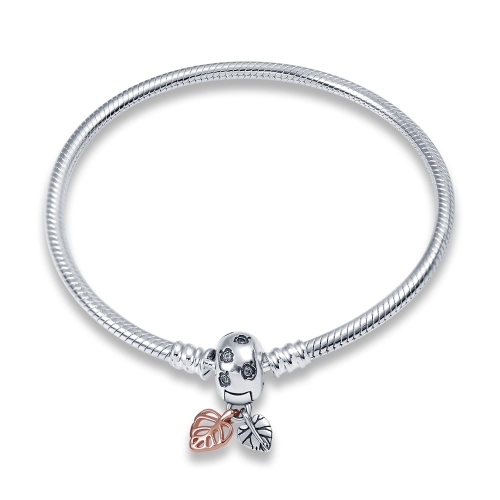
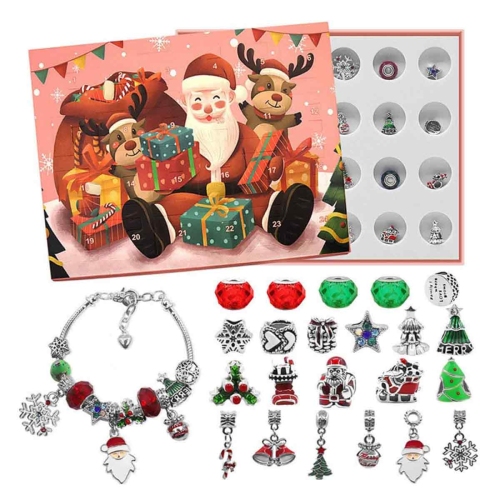
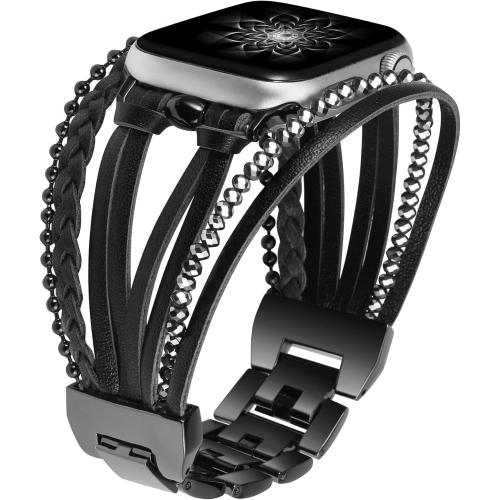
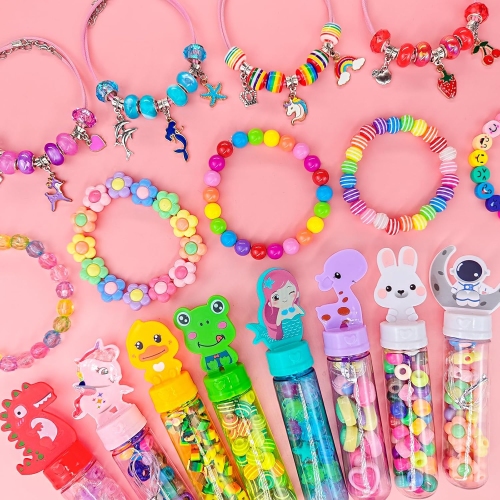
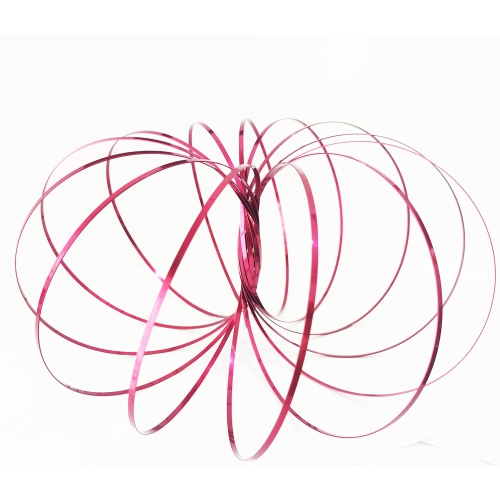

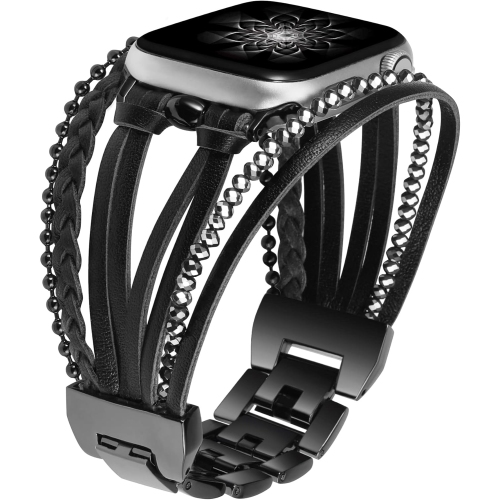


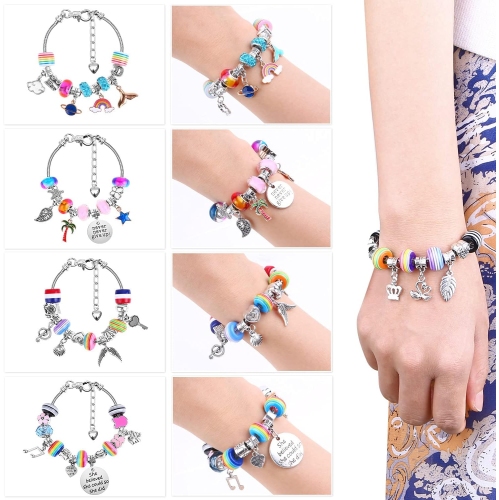
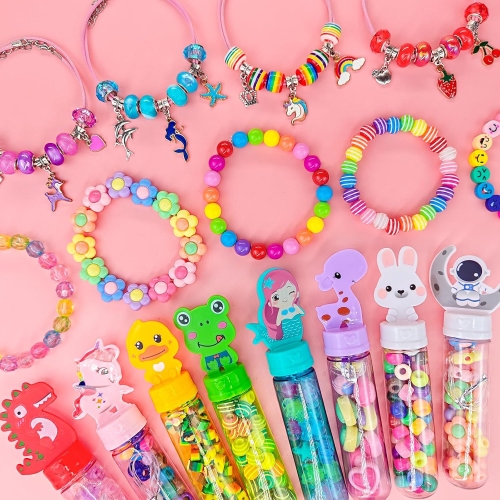




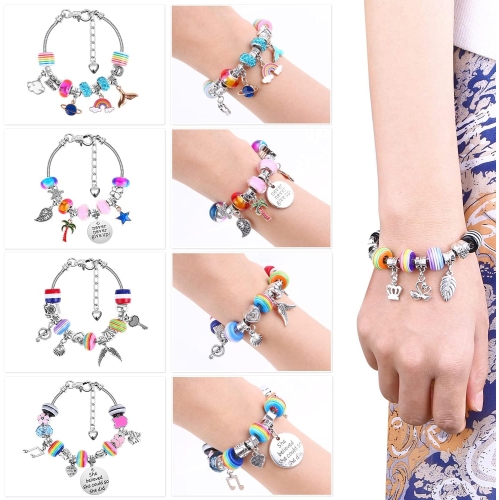
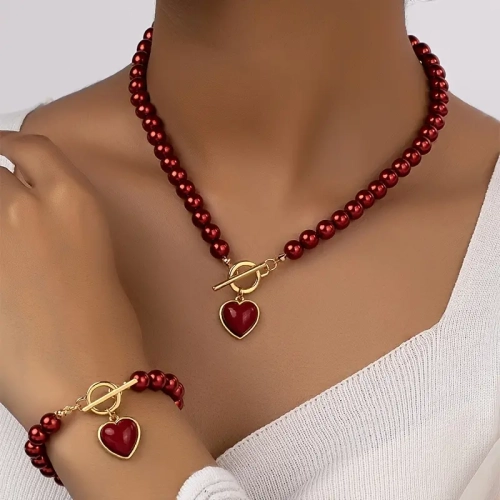


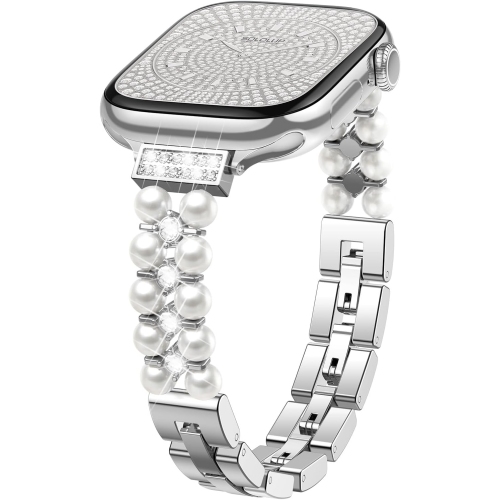
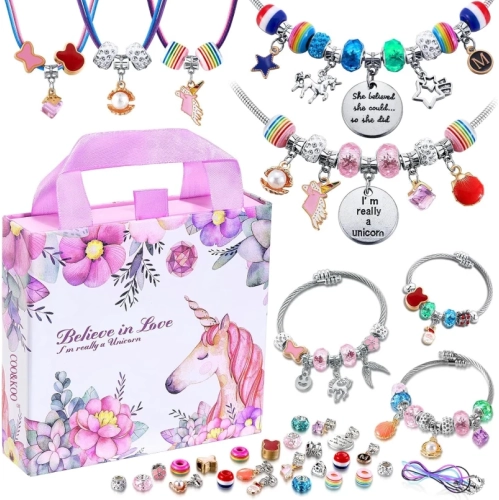





Personal meaning meets her style and everyday comfort
Bracelets for girlfriends are wearable gifts that can celebrate a relationship while reflecting the recipient’s own taste. A meaningful bracelet might feature a heart, an infinity symbol, an initial, or a detail associated with a shared memory, but romance does not have to mean an obvious motif. A simple chain in her favourite metal colour can feel just as personal when it fits naturally alongside the jewellery she already wears. Fine chains create a subtle line around the wrist, while bangles, cuffs, and wider links have a more noticeable presence. Beaded designs introduce texture and colour, and charm bracelets can carry several small reminders of people, places, or milestones. The distinction is often in how the bracelet feels in everyday life: a delicate piece may suit someone who prefers understated accessories, while a sculptural cuff may appeal to someone whose jewellery is part of a bold outfit. Heart and infinity designs commonly express affection and lasting connection, whereas initials or engraved details make the meaning more individual. Birthstone-inspired jewellery adds a personal colour reference, although natural gemstones, laboratory-created stones, and simulated stones are different materials and should be described accordingly. Clear stones can bring a little sparkle without introducing another colour into an outfit. A girlfriend who wears silver-coloured earrings every day may appreciate a bracelet in a similar tone; someone who enjoys mixing metals may welcome a contrasting finish. Matching bracelets can represent a shared bond without requiring both partners to wear exactly the same design. Differences in chain width, length, or finish allow each person’s bracelet to suit their style. For an anniversary, a birthday, or a gesture of affection without a formal occasion, the most thoughtful detail is often the connection between the design and the person receiving it. A small symbol linked to a favourite memory can carry more significance than an elaborate design chosen only for its appearance.
Materials influence a bracelet’s appearance, weight, care requirements, and suitability for regular wear. Sterling silver contains 92.5% silver, with other metals added for strength, and offers a bright finish that can develop tarnish over time. Solid gold and gold-plated jewellery are different constructions: solid gold uses a gold alloy throughout, while plating adds a layer of gold over another material. With plated jewellery, friction and repeated exposure to moisture or personal-care products can gradually affect the finish, particularly around areas that rub against the wrist or a clasp. Stainless steel is generally durable and resistant to corrosion, though it can still scratch and is not automatically suitable for every skin sensitivity. Leather, textile cords, and elastic beaded bracelets offer different textures and levels of flexibility, with care needs that differ from those of metal chains. For someone with a known metal allergy, the complete material description matters more than the colour of the finish; a silver-coloured bracelet is not necessarily sterling silver, and a gold-coloured surface does not identify the metal beneath it. Nickel-free claims should be confirmed in the product information rather than assumed. Fit is equally important because a bracelet needs to stay secure without pressing into the skin or slipping over the hand. Wrist circumference provides a useful starting point, but chain thickness, bead size, and the intended amount of movement also affect how a bracelet sits. Adjustable chains allow some flexibility, while fixed bangles need an opening that accommodates the hand as well as a comfortable internal size. Cuffs depend on their opening and shape, and should not be repeatedly bent unless their construction is intended for adjustment. Clasps affect daily convenience, especially when putting a bracelet on one-handed. A secure fastening, smooth edges, and neatly finished links can make a noticeable difference during ordinary activities. Someone who types for much of the day may prefer a low-profile design that does not knock against a desk, while dangling charms may be better suited to occasions when they are less likely to catch on clothing.
A bracelet’s durability also depends on how its design matches its intended use. Very fine chains and projecting stone settings can be more vulnerable to snagging than smoother, sturdier designs, and no jewellery material is completely resistant to damage. Bracelets worn beside a watch may rub against its case or strap, so the spacing and surfaces of both pieces matter. Removing jewellery before activities that expose it to heavy impacts, repeated friction, or chemicals can help protect the finish and construction. Water resistance should never be assumed from appearance alone, particularly with plated metals, leather, glued components, or electronic jewellery. Connected bracelets form a separate category: depending on their features, they may use a paired phone and companion app to exchange light or vibration signals between partners. Their everyday use depends on device compatibility, connectivity, charging, and the manufacturer’s care requirements, rather than jewellery care alone. For traditional bracelets, gentle cleaning suited to the stated material is preferable to a one-size-fits-all treatment. A soft cloth can remove surface marks, while silver-polishing products may be appropriate for some silver pieces but unsuitable for certain finishes, stones, or coatings. Separate storage helps prevent chains from tangling and harder pieces from scratching softer surfaces. Beaded bracelets benefit from occasional checks of the cord or elastic, and clasps, jump rings, and stone settings should remain secure. These practical details matter most when a gift is intended to become part of a daily routine rather than something worn only on special occasions. A thoughtful presentation can include a short message explaining the significance of a symbol or recalling a moment shared together, without making the jewellery feel overly formal. The same emphasis on personal meaning connects with Silver Bracelets for Best Friend, where a bracelet celebrates a close friendship rather than a romantic relationship. Whether the design is expressive or understated, a bracelet feels personal when its symbolism, comfort, and appearance suit the person who will wear it.
Top selling and popular products
-
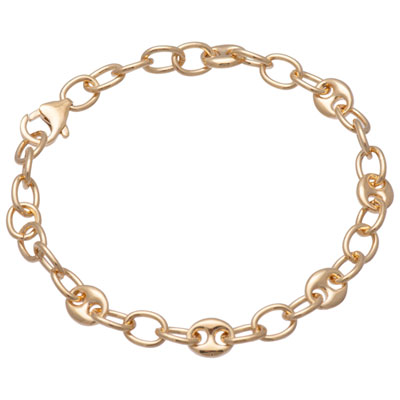 Your price for this item is $59.95
-
 Your price for this item is $1890.38
-
 Your price for this item is $112
-
 Your price for this item is $1224.56
-
 Your price for this item is $771.23
-
 Your price for this item is $320.74
-
 Your price for this item is $61.06
-
 Your price for this item is $22.49
Discover more categories related to Bracelets for Girlfriends
Top Collections:
Pokemon Centers, Kindle Devices, Best Cameras for Sports Photography, Pokémon 30th Celebration Cards, Apple iPhones 16, Canon G7X Cameras, iPhone 15 Apple, Flip Phones, Samsung Galaxy Phones, Alarm Clock
Some products may be subject to Environmental Handling Fees
(EHF) depending on your province.
Learn more about EHFs.