Chain Necklaces
Elevate your accessory game with our collection of chain necklaces that effortlessly blend style and sophistication. From delicate chains to bold statement pieces, our selection offers a variety of designs to suit every taste and occasion. Whether you're looking to add a touch of elegance to your everyday ensemble or make a fashion-forward statement at a special event, these chain necklaces are the perfect choice to elevate your look. Discover the perfect piece to complement your personal style and add a touch of glamour to any outfit.
Sort
























How link design shapes your necklace’s look and feel
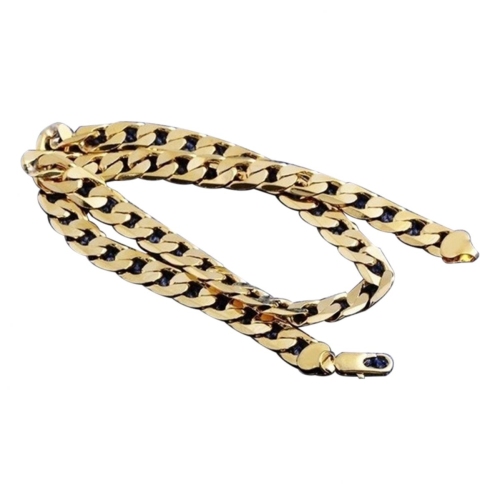
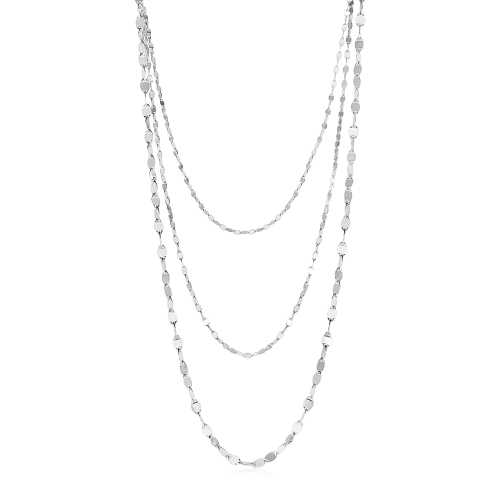
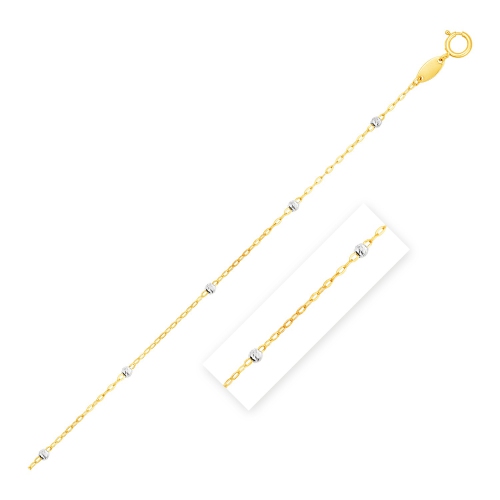
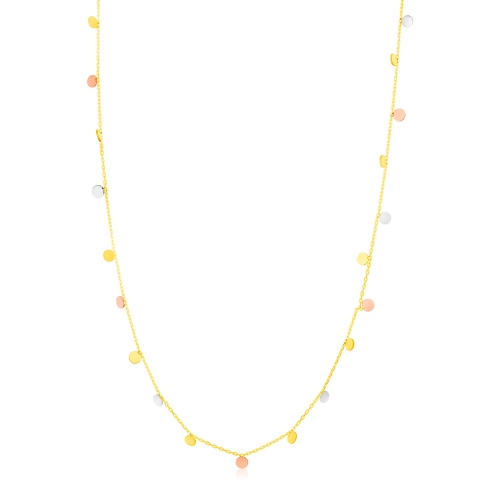
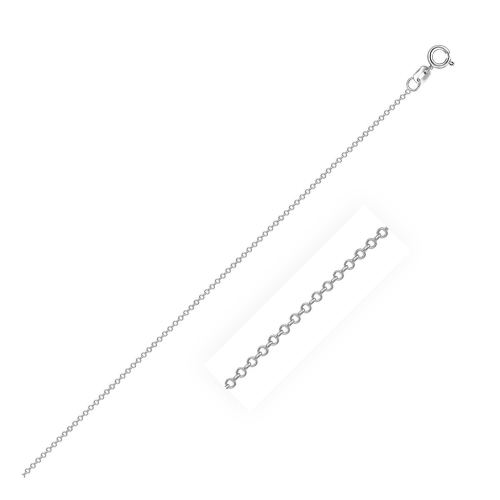
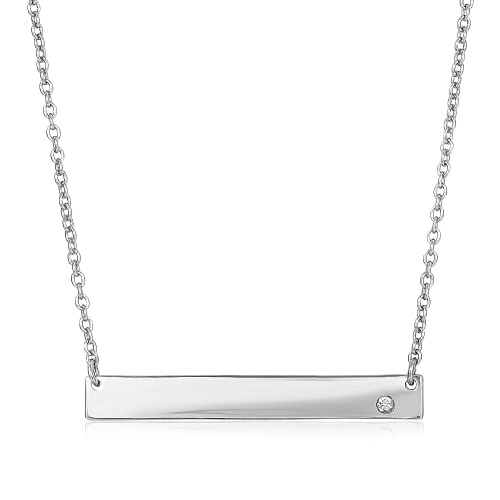
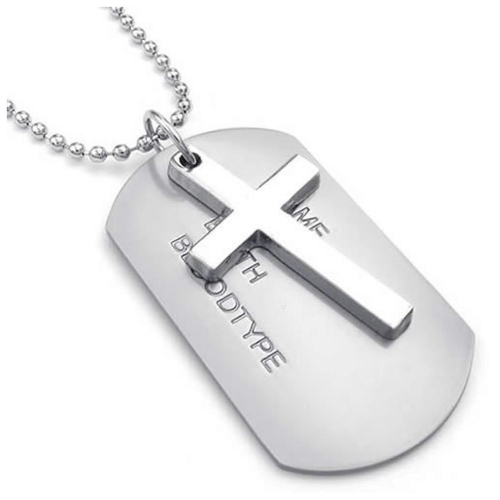
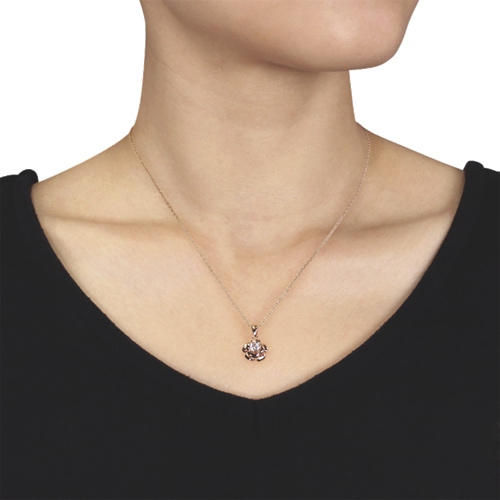
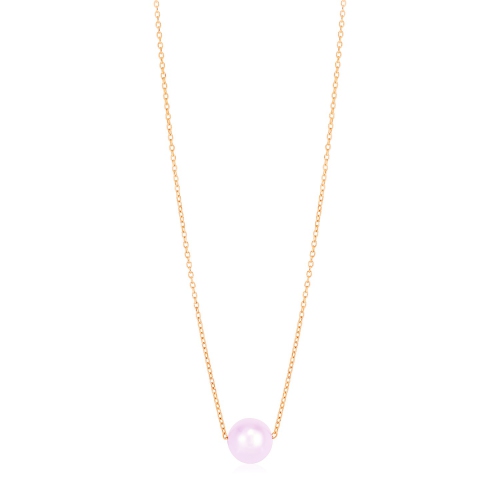
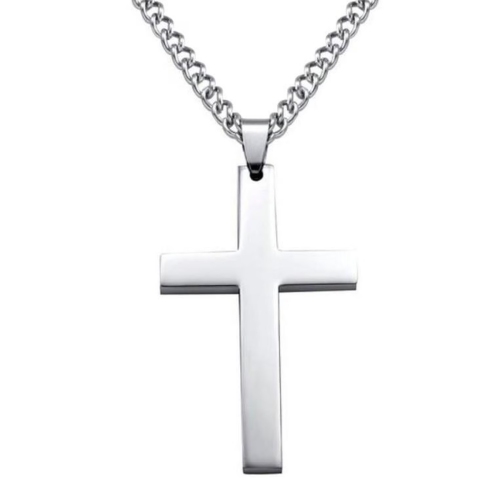
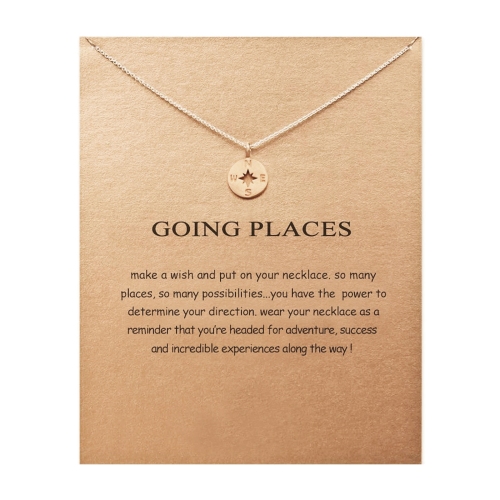
Chain necklaces are jewellery pieces made from connected metal links, with each link’s shape, size, and arrangement contributing to the necklace’s appearance and feel. They can sit close to the collarbone, fall over a shirt, or hold a pendant, making them adaptable accessories for everyday outfits and dressier occasions. A fine chain adds a subtle line of shine beside an open collar, while wider links create a stronger focal point against a plain top. Cable chains have repeating oval or round links and a balanced, familiar appearance that works well alone or with a compatible pendant. Box chains use squared links to create a neat, geometric profile, while curb chains have twisted links that lie flat against one another. Figaro chains alternate shorter links with an elongated link, creating a distinct rhythm without needing an added charm. Rope chains bring together closely arranged links in a spiralling pattern that catches light from different angles. Snake chains have closely fitted sections that form a smooth, flexible surface, and herringbone chains create a flat, closely woven appearance. These smoother constructions have a different feel from open-link designs and need particular care to avoid sharp bends. Link style also changes how a necklace pairs with clothing: a slim box chain can look understated with a crew neck, while an elongated-link chain gives a simple blouse or T-shirt more definition. Chain necklaces suit a broad range of personal styles, from minimal jewellery worn daily to bold pieces reserved for an evening out. The distinction is often less about who the necklace is intended for than its proportions, finish, and placement. Polished links reflect light clearly, brushed finishes offer a softer effect, and textured surfaces add detail that remains visible even without a pendant. Worn on its own, a chain lets the link pattern take centre stage; layered with other necklaces, it provides structure and contrast.
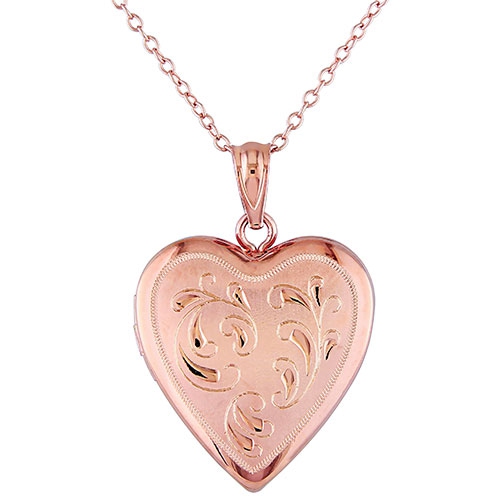
Materials influence a chain necklace’s colour, weight, care requirements, and suitability for frequent wear. Yellow gold has a warm tone, white gold has a pale finish, and rose gold gains its pinkish colour from the metals used in its alloy. Gold’s karat marking describes its gold content rather than the necklace’s size or weight. Higher gold content does not automatically mean greater resistance to scratches, since the alloy and construction also matter. White gold is often rhodium-plated for a bright surface, and that plating can wear over time. Sterling silver contains 92.5 per cent silver, with other metals added for strength; it has a bright appearance but can develop tarnish that requires suitable cleaning. Stainless steel is generally resistant to corrosion and offers a practical option for regular wear, although its finish and any applied coating still need appropriate care. Gold-plated chains have a surface layer of gold over another metal, so friction, moisture, and repeated exposure to personal care products can gradually affect their appearance. Gold-filled jewellery has a mechanically bonded gold layer that is generally thicker than conventional plating, but it also benefits from gentle handling. For people with metal sensitivities, the full material description matters more than colour alone. Nickel may be present in some alloys, and a plated surface does not necessarily prevent contact with the underlying metal as it wears. Solid and hollow construction are another important distinction: solid links contain metal throughout their cross-section, while hollow links can create a substantial look with less weight but may dent more easily. Durability also depends on link thickness, how the links are joined, and the clasp’s construction. A delicate chain is not automatically suited to a heavy pendant, even if the pendant can slide onto it. The pendant’s weight and the clearance inside its bail, the loop that attaches it to the chain, both affect compatibility. A good match moves freely without forcing the clasp or end fittings through a narrow opening.
Length and width determine how a chain necklace sits, but the same measurement can look different depending on neck size, body proportions, and clothing. An 18-inch chain may rest near the collarbone on one person and sit higher on another, so a measurement alone is not a guarantee of placement. Comparing the stated length with a necklace that already fits comfortably gives a more useful reference. Adjustable extensions offer flexibility, especially when alternating between open necklines and higher collars. Width matters just as much: a narrow chain feels visually light, while broader links have more presence and may add noticeable weight. Clasps affect everyday handling, too. Lobster clasps and spring rings use spring-loaded closures, although ease of fastening depends on their size and the wearer’s dexterity. For layering, clearly separated lengths help each chain remain visible, while differences in texture keep the arrangement from looking repetitive. Chains can still tangle during wear, particularly when their lengths are similar. Black Necklaces offer a darker visual direction for those who prefer contrast against pale clothing or a less traditional finish. As gifts, chain necklaces can mark birthdays, graduations, anniversaries, or personal milestones without relying on a specific motif. The recipient’s usual metal colour, preferred necklace length, and comfort with heavier jewellery are useful details to consider. Care should follow the necklace’s material and construction: a soft cloth can remove surface residue, but abrasive polishing products may damage plated finishes. Cleaning methods suitable for an uncoated metal chain may not suit attached stones, coatings, or other details. Removing a necklace before swimming, showering, exercise, or sleep can reduce exposure to chemicals, snagging, and unnecessary strain. Storing chains separately, with clasps fastened and delicate styles laid without tight bends, helps limit tangles. Occasional checks for thinning links, gaps, or a clasp that no longer closes securely can catch wear before a necklace or pendant is lost.
Top selling and popular products
-
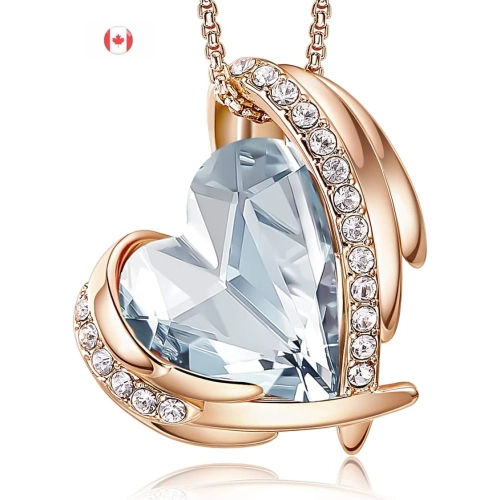 Your price for this item is $59.99
-
 Your price for this item is $1399.05
-
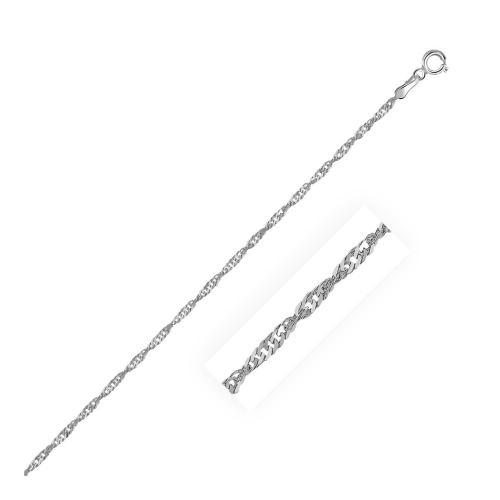 Your price for this item is $1967.36
-
 Your price for this item is $427.88
-
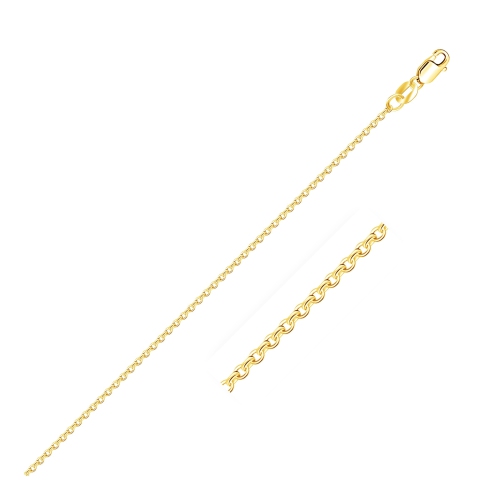 Your price for this item is $1792.5
-
 Your price for this item is $1149.56
-
 Your price for this item is $344.55
-
 Your price for this item is $1201.24
Discover more categories related to Chain Necklaces


Top Collections:
Pokemon Centers, Best Cameras for Sports Photography, Kindle Devices, Samsung Galaxy Phones, Canon G7X Cameras, Pokémon 30th Celebration Cards, Refurbished Apple Laptops, iPhone 15 Apple, Laptops for Students, Budget Smartphones
Some products may be subject to Environmental Handling Fees
(EHF) depending on your province.
Learn more about EHFs.