Cubic Zirconia Jewelry
Elevate your style with our stunning collection of cubic zirconia jewelry. Crafted with precision and brilliance, these dazzling pieces are the perfect addition to any outfit. Whether you're looking for a statement necklace, elegant earrings, or a sparkling ring, our wide range of cubic zirconia jewelry offers something for everyone. With their striking resemblance to diamonds, these affordable and versatile pieces are sure to turn heads and make you feel like a true fashion icon. Explore our selection now and discover the beauty and allure of cubic zirconia jewelry.
Sort


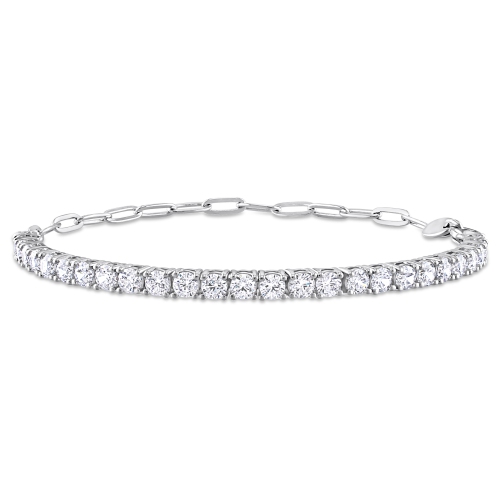


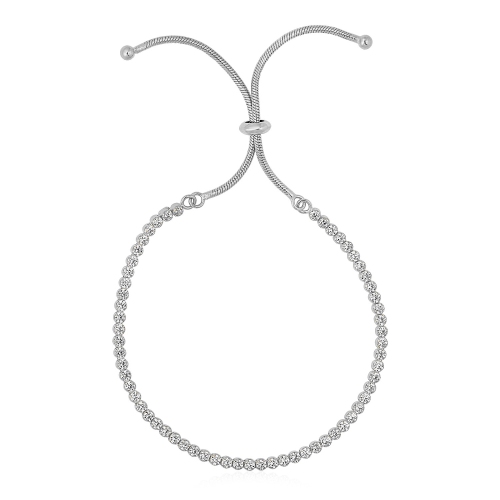


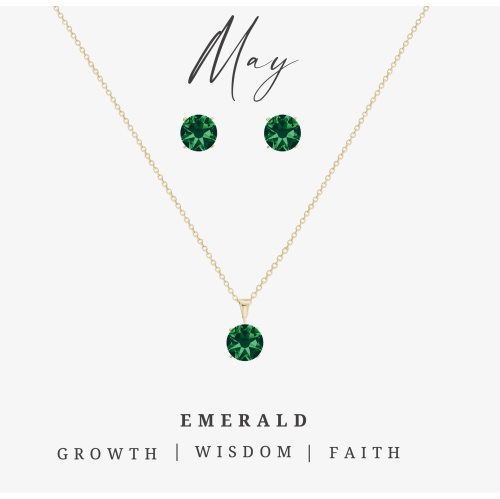


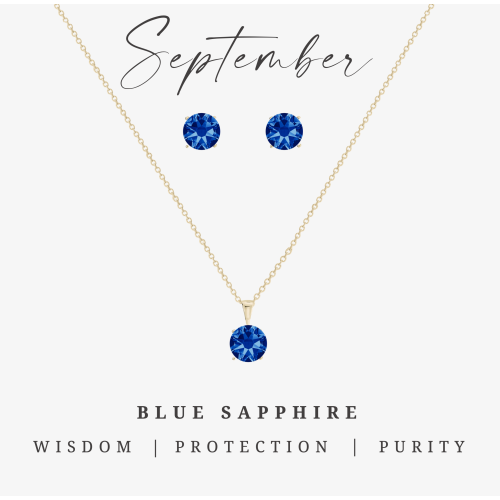


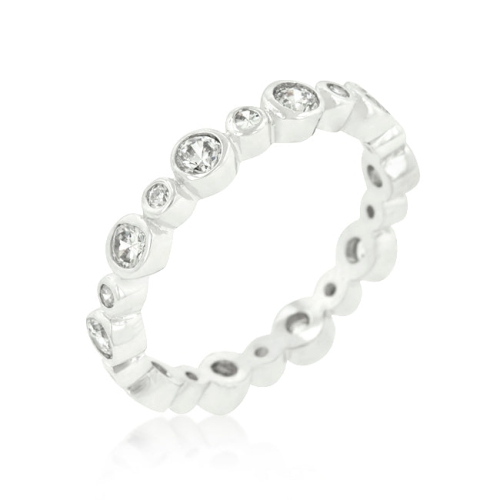


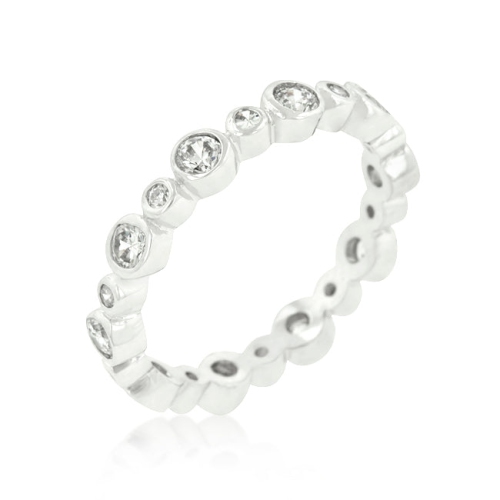

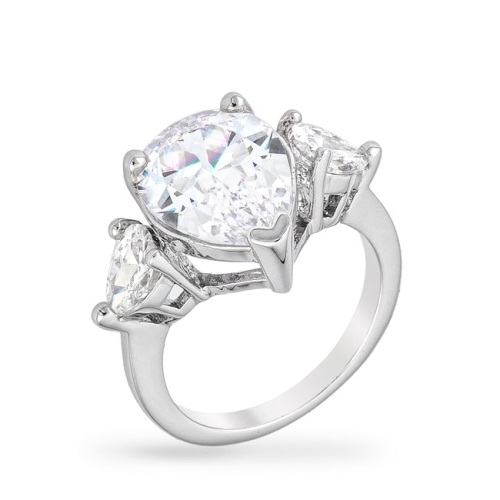

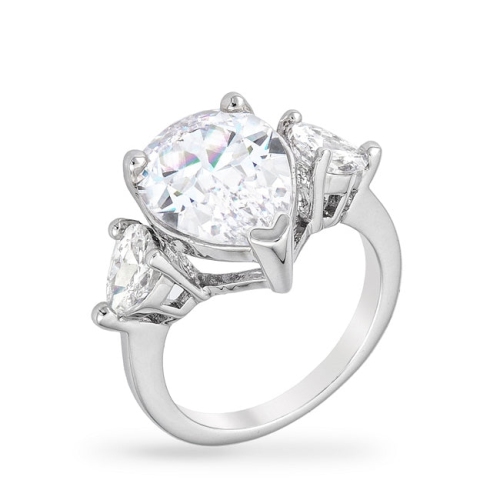


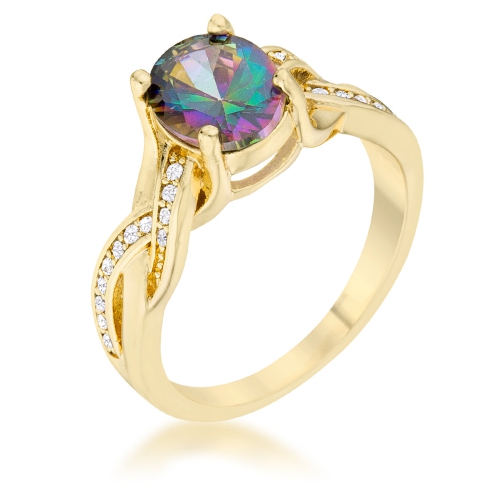


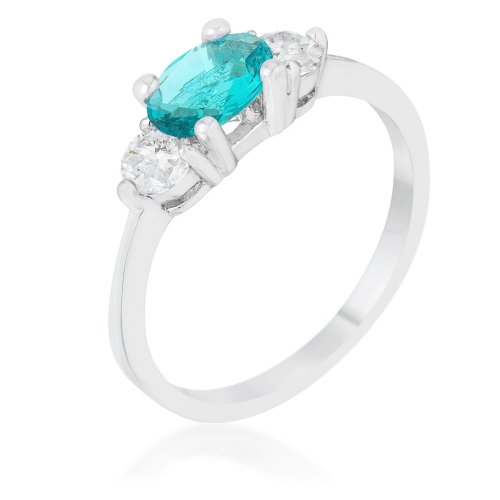


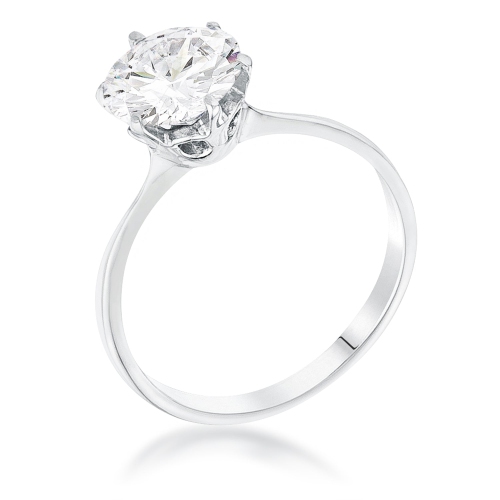


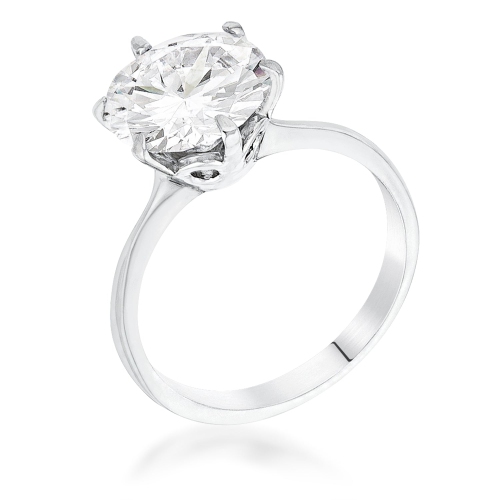


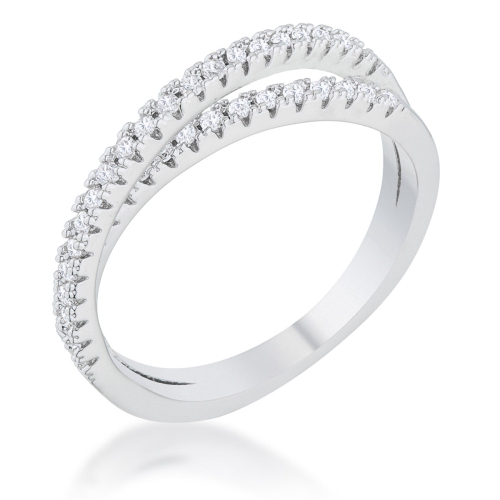


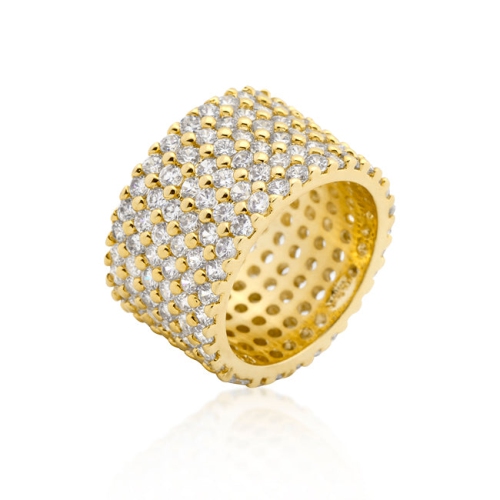


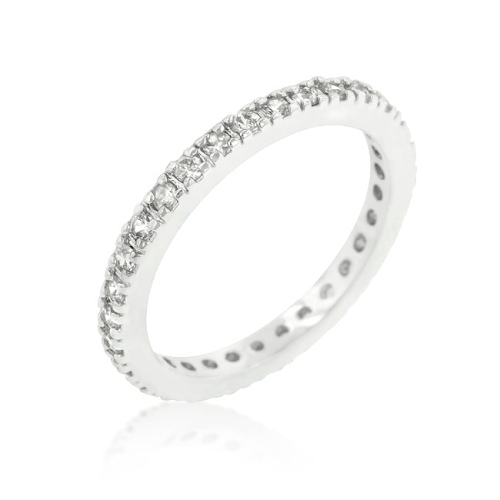


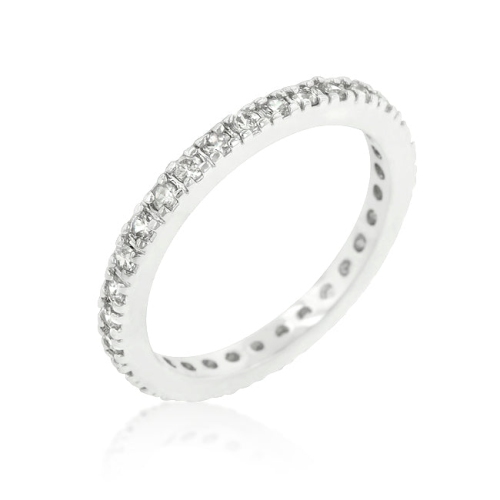


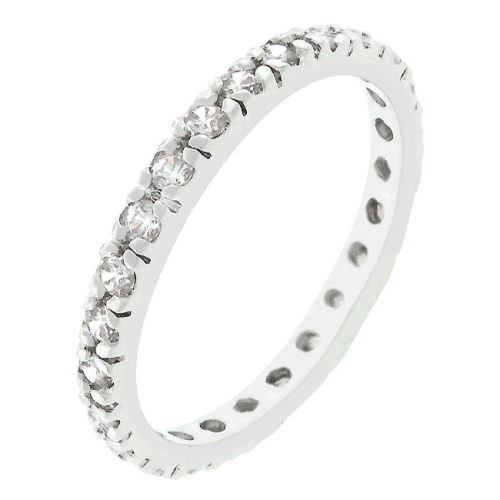


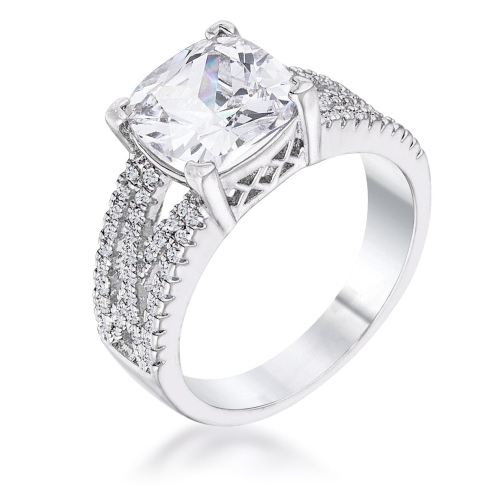
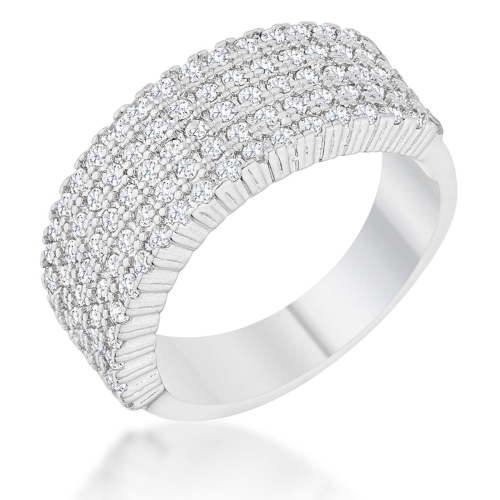
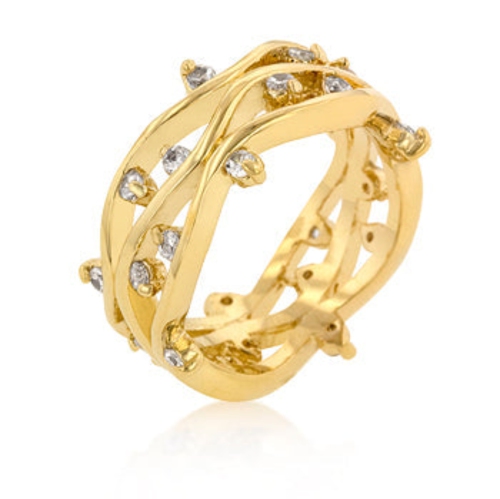


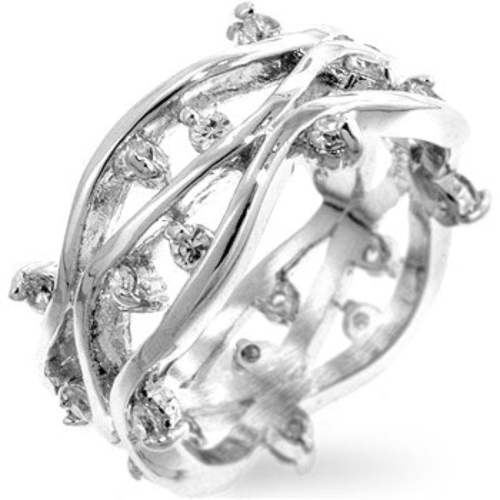


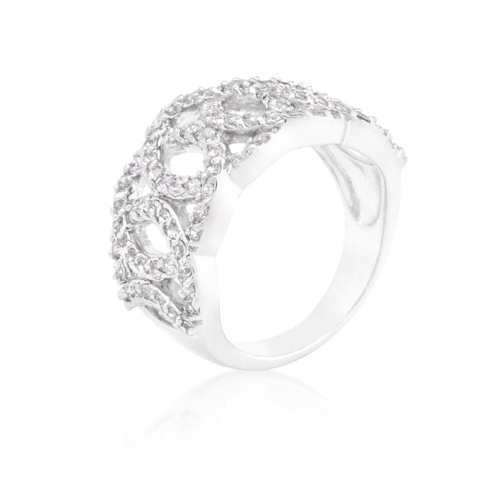


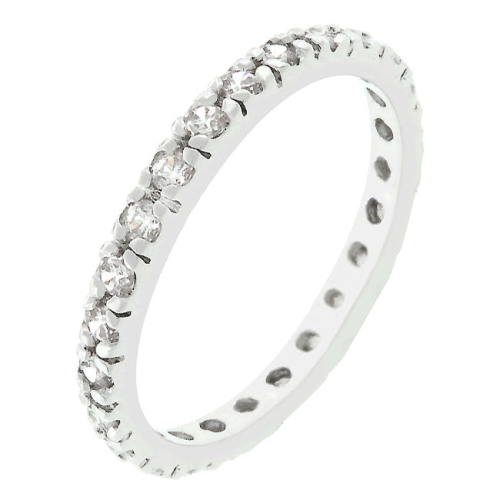


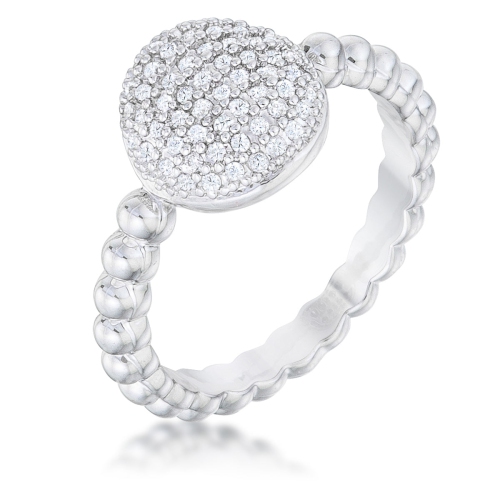


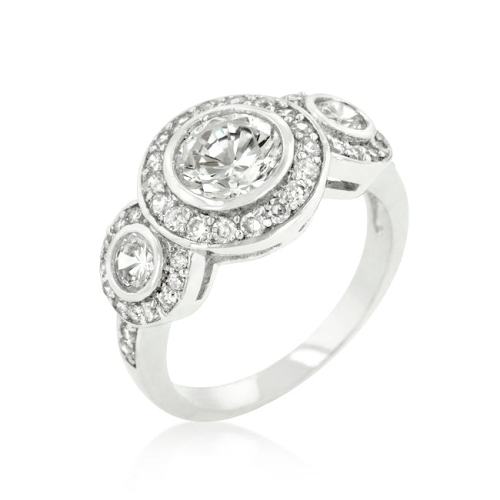


The details behind diamond-like sparkle and everyday comfort
Cubic zirconia jewellery combines a bright, diamond-like appearance with a wide range of shapes, settings, and colours. Often abbreviated to CZ, cubic zirconia is a laboratory-created gemstone made from crystalline zirconium dioxide. It is a diamond simulant, meaning it resembles a diamond without having the same chemical composition or physical properties; it is not a natural or laboratory-grown diamond. It is also different from zircon, which is a separate gemstone. Colourless cubic zirconia is known for its clarity and lively sparkle, including flashes of rainbow colour that can become especially noticeable under direct lighting. Coloured versions offer another way to express personal style, from soft pink and blue tones to deeper, more saturated shades. The stone’s cut influences its appearance as much as its colour. Round brilliant cuts create a familiar, sparkling look, while oval and pear shapes give rings and pendants an elongated outline. Rectangular step cuts, such as emerald cuts, have broader flashes of light and a more geometric character. Settings change the overall impression, too: a solitaire keeps attention on one stone, a halo adds a border of smaller stones, and pavé details create a closely set surface of sparkle. These details make cubic zirconia suitable for understated everyday jewellery as well as more decorative accessories for celebrations. Small studs can add a point of light beside the face without competing with a patterned blouse, while a simple pendant can sit neatly at an open neckline. A larger drop earring or a line bracelet creates a more noticeable accent with dressier clothing. Stone measurements are useful when imagining scale, since cubic zirconia is denser than diamond and a stone of the same dimensions weighs more. A description that includes length and width can therefore be more informative than weight alone when judging how prominent a design may look when worn.
The metal surrounding cubic zirconia affects comfort, appearance, and long-term care. Sterling silver contains 92.5% silver, with other metals added for strength, and has a bright finish that complements colourless stones. Solid gold settings vary in composition according to their karat designation, while gold-plated jewellery has a layer of gold over a different base metal. Plating can gradually wear at points that experience frequent friction, particularly the underside of a ring or the links beside a bracelet clasp. Rhodium plating is another finish used to create a bright white surface, but it does not make the metal beneath it irrelevant. For anyone with metal sensitivities, the full material description matters more than the colour of the setting, since alloys, posts, backs, and clasps may contain different metals. The stone itself is generally not the main source of metal-related skin reactions. Fit is equally important to how often jewellery gets worn. A ring should sit securely without pinching, and wider bands can feel snugger than narrow ones in the same stated size. Necklace length determines whether a pendant rests near the collarbone or falls farther down the chest; the pendant’s own dimensions also affect where it sits. Bracelet length needs enough allowance for wrist movement without leaving so much room that the clasp repeatedly catches on a desk edge. With earrings, the combined weight of the stones and setting can matter more than the visual size, especially during a long workday or an evening event. Cubic zirconia jewellery can mark birthdays, graduations, anniversaries, or personal milestones, with the recipient’s habits providing useful clues about style. Someone who wears a watch every day may prefer a delicate bracelet on the opposite wrist, while a person with a signature necklace might appreciate coordinating studs. For couples considering commitment jewellery, cubic zirconia engagement rings offer familiar solitaire, halo, and multi-stone design possibilities. Band profile, setting height, and compatibility with another ring all influence how comfortably an engagement ring fits into daily routines.
Cubic zirconia is hard enough for many jewellery uses, but it still benefits from thoughtful handling. It typically measures about 8 to 8.5 on the Mohs hardness scale, compared with diamond at 10. That scale describes resistance to scratching rather than resistance to every kind of damage, so a hard stone can still chip if struck against a hard edge. Rings and bracelets usually encounter more contact than earrings or pendants, making secure settings and sensible wear habits particularly relevant. Raised prongs can catch on knitted fabric, and an exposed stone edge can meet a countertop when a hand reaches into a cupboard. Removing jewellery before lifting weights, doing household repairs, or handling abrasive materials reduces unnecessary knocks and friction. Everyday lotions, soap residue, and skin oils can leave a film that dulls the stone’s appearance; this surface buildup is different from permanent wear. When the metal, finish, and any other stones allow it, gentle cleaning with lukewarm water, a little mild soap, and a soft brush can remove residue around the setting. A thorough rinse and drying with a soft, lint-free cloth help prevent leftover soap and water marks. Cleaning over a bowl rather than an open drain also makes small earrings and loose backs easier to keep track of. The jewellery’s care instructions take priority, especially for plated finishes, mixed materials, or settings that use adhesives. Harsh household cleaners, abrasive pastes, and automatic assumptions about ultrasonic cleaning can put a finish or setting at risk. Separate storage in a lined compartment or soft pouch helps limit rubbing, scratches, and tangled chains. Occasional attention to loose prongs, worn clasps, or a stone that moves in its setting can prevent a small problem from becoming a lost piece. With care suited to both the stone and its surrounding materials, cubic zirconia jewellery can remain a bright, versatile part of a jewellery wardrobe.
Top selling and popular products
-
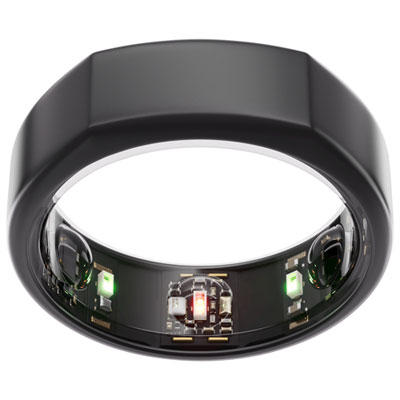 Your price for this item is $369.99
-
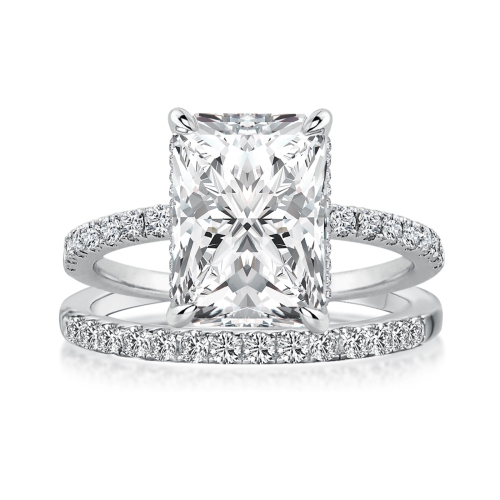 Your price for this item is $801.45
-
 Your price for this item is $133.2
-
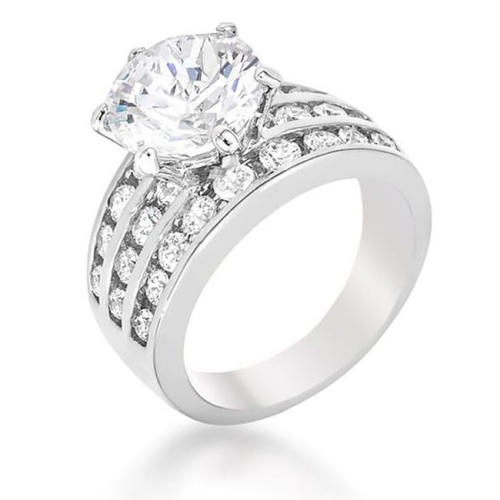 Your price for this item is $151.05
-
 Your price for this item is $123
-
 Your price for this item is $135.75
-
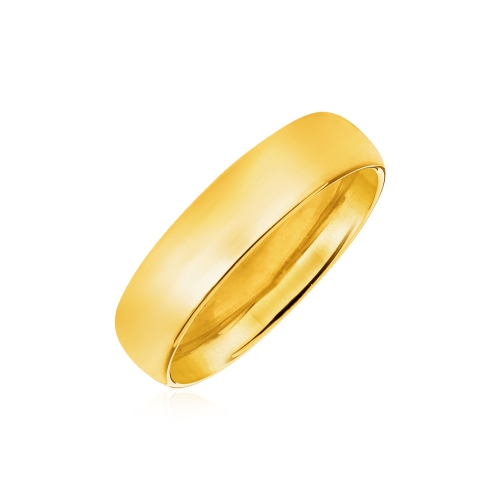 Your price for this item is $486.49
-
 Your price for this item is $969
Discover more categories related to Cubic Zirconia Jewelry
Top Collections:
Pokemon Centers, Best Cameras for Sports Photography, Kindle Devices, Samsung Galaxy Phones, Canon G7X Cameras, Pokémon 30th Celebration Cards, Refurbished Apple Laptops, iPhone 15 Apple, Laptops for Students, Budget Smartphones
Some products may be subject to Environmental Handling Fees
(EHF) depending on your province.
Learn more about EHFs.