Diamond Stud Earrings Canada
Discover the timeless elegance and understated sophistication of diamond stud earrings, a must-have accessory for any jewelry collection. Perfect for both everyday wear and special occasions, these stunning pieces effortlessly enhance any ensemble with their brilliant sparkle. Whether you're looking to treat yourself or find the perfect gift for a loved one, diamond stud earrings are a versatile choice that never goes out of style. Explore a dazzling array of options in Canada to find the perfect pair that reflects your unique taste and personality.
Sort




The details behind a balanced pair of diamond studs
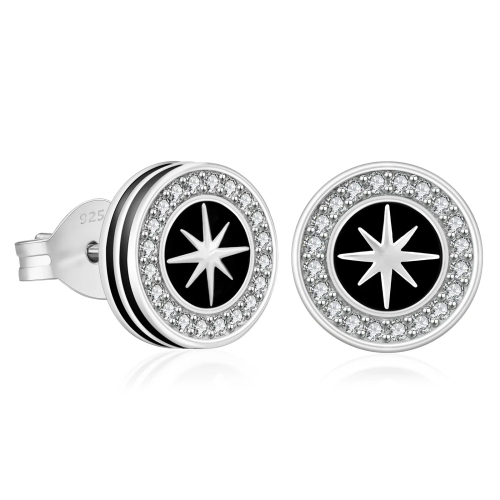
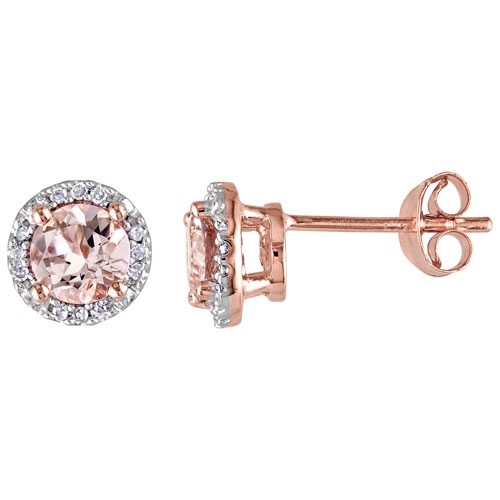
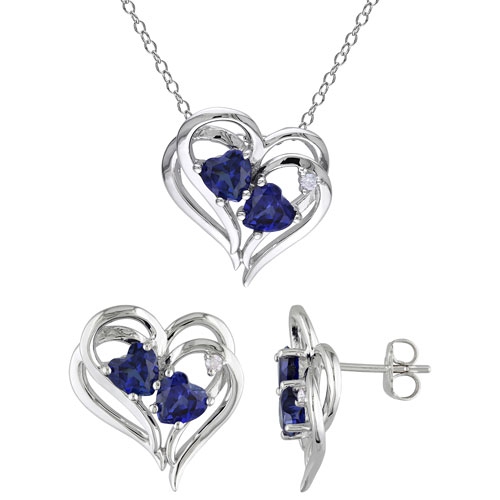
Diamond stud earrings bring a concentrated point of light to the ear, with a compact shape that works as naturally with a simple shirt as it does with formal clothing. For shoppers exploring diamond stud earrings in Canada, the main distinctions are the diamond’s origin, its shape and quality characteristics, the setting metal, and the way the earring sits on the ear. The appeal of diamond stud earrings lies partly in this versatility: a small solitaire can feel understated for daily wear, while a larger stone or a halo of smaller diamonds creates a more noticeable presence. Natural diamonds form through geological processes, while lab-grown diamonds are produced using controlled technological processes and have essentially the same chemical composition, crystal structure, and physical properties. Lab-grown diamonds are diamonds, unlike simulants such as cubic zirconia. Canadian-mined diamonds are natural diamonds with a documented Canadian origin; buying earrings from a Canadian retailer does not, by itself, establish where the stones were mined. Origin documentation and diamond grading reports serve different purposes, so a statement about provenance should not be confused with an assessment of quality. Diamond descriptions commonly refer to the four Cs: cut, colour, clarity, and carat weight. Cut concerns how a diamond’s proportions and workmanship affect its interaction with light, whereas shape describes its outline, such as round, oval, or princess. Colour grades describe the degree of colour in diamonds assessed on the standard colourless-to-light scale, and clarity concerns internal inclusions and surface blemishes. Carat measures weight rather than diameter. For a pair of earrings, total carat weight generally combines the weight of all diamonds across both earrings, including any accent stones. A pair described as one carat total weight therefore does not mean each earring contains a one-carat centre diamond. When two studs are worn together, a close match in visible size, colour, and brightness helps the pair look balanced, even when individual grading details differ slightly.
The setting shapes both the appearance and the everyday feel of diamond studs. Prong settings hold the stone with small metal claws, leaving much of its outline visible for an open, delicate look. Bezel settings surround the diamond’s edge with a metal rim, creating a smooth profile and offering protection around the girdle, the narrow boundary between the upper and lower portions of the stone. Halo settings add smaller diamonds around a centre stone, increasing the overall face-up dimensions without making the centre diamond itself larger. Round diamonds have a familiar, symmetrical appearance, while square and elongated shapes can give the same basic stud design a distinctly different character. For pointed shapes, protective prong placement matters because exposed corners can be vulnerable to damage. Metal choice adds another layer of distinction. Yellow gold brings a warm contrast to a diamond, white gold gives a pale frame, and rose gold introduces a pink tone from its alloy composition. Gold purity is expressed in karats, which is different from the carats used to measure diamond weight: 14-karat gold contains 58.5% gold, while 18-karat gold contains 75%. Their wear characteristics also depend on the other metals in the alloy and the construction of the setting. White gold is often rhodium-plated, and that finish can wear over time and require professional replating. Platinum is naturally white and develops a surface patina with wear. For sensitive ears, the exact alloy and the materials used in both posts and backs matter more than colour alone; some gold alloys contain nickel. Fit depends on post length, setting height, earring weight, and the position of the piercing. A low-profile setting may feel less obtrusive during a phone call, while a taller or heavier stud may lean forward on some earlobes. Friction backs slide onto a post, screw backs thread into place, and locking backs use a release mechanism. Each needs to fit its matching post correctly, with enough room to avoid pinching the lobe.
Diamond studs suit a wide range of personal styles and can be worn alone, paired with a pendant, or arranged alongside smaller earrings in multiple fully healed piercings. Their suitability for a particular piercing depends on the post dimensions, backing, and placement; a conventional lobe stud is not automatically appropriate for cartilage or a new piercing. For workdays involving headsets or protective equipment, a compact setting with a smooth back may be more comfortable than a projecting design. For dinners, weddings, and other dressed-up occasions, diamond studs can add brightness near the face without competing with a detailed neckline. As gifts, they can mark a graduation, anniversary, birthday, or personal achievement, especially when the recipient already wears pierced earrings. Matching the metal colour to jewellery they wear often is a practical starting point, but preferred size and fastening style matter just as much. Someone who favours barely noticeable jewellery may appreciate a different profile from someone who enjoys a prominent sparkle. Keeping any grading reports, origin records, and care information with the gift preserves useful details for later maintenance. Although diamond is highly resistant to scratching, it is not immune to chipping, and the surrounding metal and fastenings need regular attention. Earrings are best removed before contact sports, swimming, and activities that could expose them to hard knocks or harsh chemicals. Lotions, hair products, and soap residue can leave a film that dulls their appearance, particularly beneath the stones. For untreated diamonds in suitable gold or platinum settings, gentle cleaning with warm water, mild dish soap, and a soft brush is often appropriate, followed by thorough rinsing and drying with a soft, lint-free cloth. Care directions for the complete piece take priority, especially if it includes treated stones or other materials. A closed bowl is safer for rinsing than an open sink drain. Separate storage helps prevent diamonds from scratching other jewellery, while occasional professional checks can identify worn prongs or loose fittings. A stud that rattles, catches unexpectedly, or no longer fastens securely should be set aside until it has been inspected.
Top selling and popular products
-
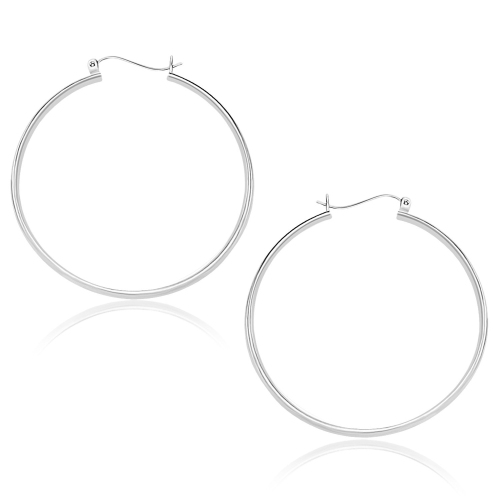 Your price for this item is $311.18
-
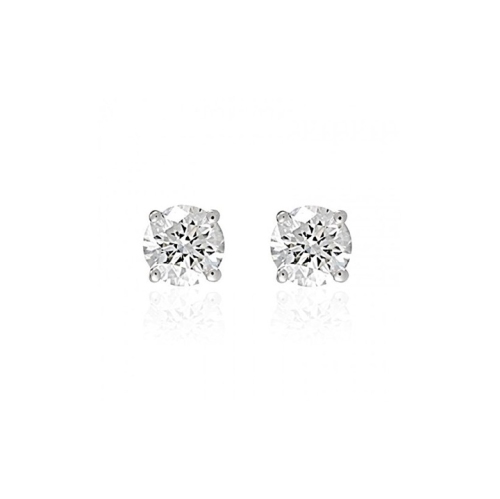 Your price for this item is $1750
-
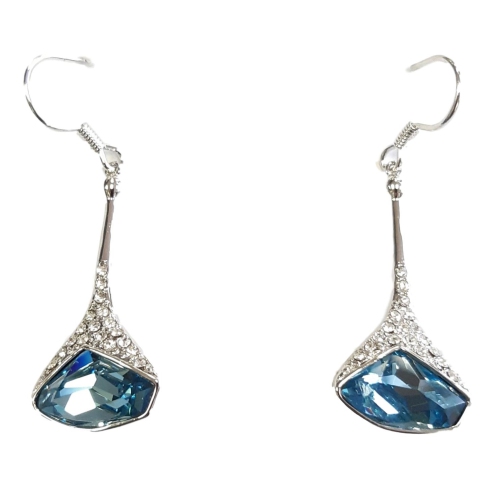 Your price for this item is $49.97
-
 Your price for this item is $1194.19
-
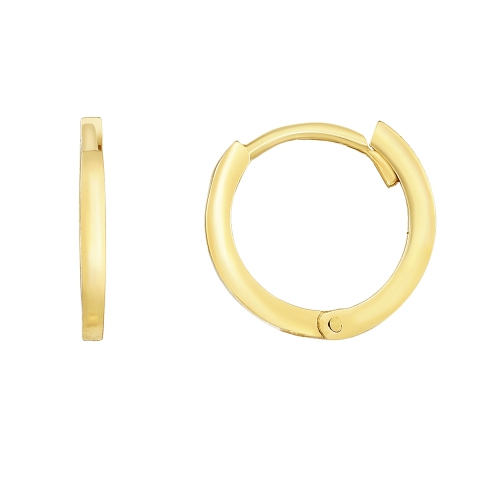 Your price for this item is $165.96
-
 Your price for this item is $849
-
 Your price for this item is $1099
-
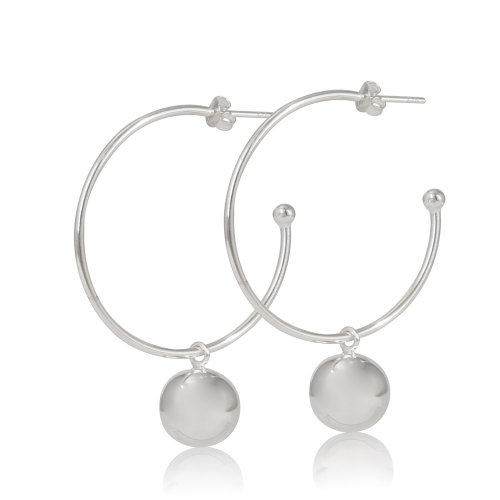 Your price for this item is $110
Discover more categories related to Diamond Stud Earrings Canada

Top Collections:
Pokemon Centers, Best Cameras for Sports Photography, Kindle Devices, Samsung Galaxy Phones, Canon G7X Cameras, Pokémon 30th Celebration Cards, Refurbished Apple Laptops, iPhone 15 Apple, Laptops for Students, Budget Smartphones
Some products may be subject to Environmental Handling Fees
(EHF) depending on your province.
Learn more about EHFs.