Fashionable Diamond Rings
Fashionable diamond rings add a touch of elegance and sophistication to any look, making them a timeless choice for special occasions or everyday style. Whether you’re searching for a statement piece or a subtle accent, these rings offer stunning designs that reflect the latest trends. Explore an array of options to find the perfect fashionable diamond rings that suit your personal taste and elevate your jewelry collection.
Sort








How sculptural settings give diamond rings their character
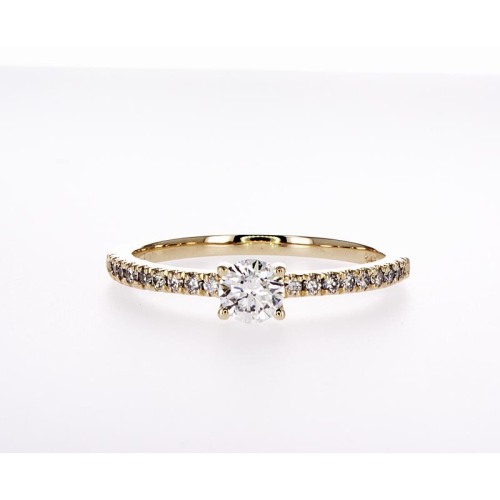
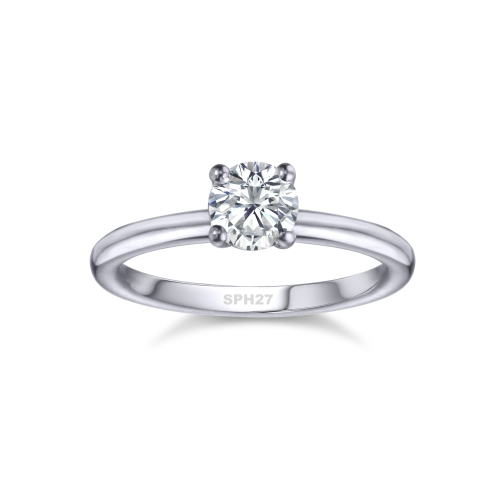
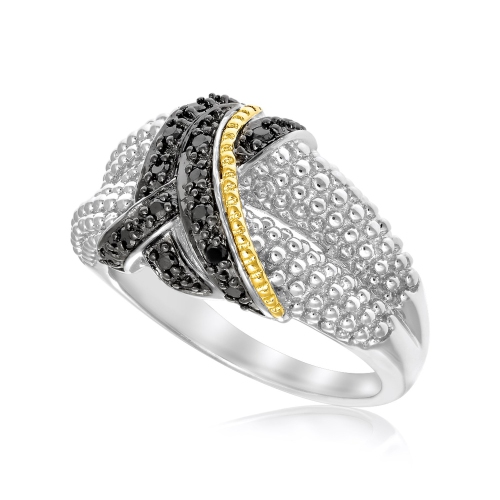
Fashionable diamond rings combine the sparkle of diamonds with expressive shapes, textured metals, and distinctive stone arrangements. Their appeal lies as much in the silhouette of the ring as in the diamonds themselves: a curved band can trace the finger, an open design can create a light, airy effect, and a broad sculptural setting can make a statement without relying on one large centre stone. Crossover and bypass styles bring separate lines of metal together, while wave designs and multi-row bands create movement across the hand. Cluster settings gather smaller diamonds into a concentrated pattern, and pavé details add closely spaced points of light along a band or around a central shape. Geometric arrangements feel crisp and architectural; floral motifs and softly rounded curves have a more fluid character. Diamond shape also influences the overall impression. Round diamonds bring a familiar sparkle, oval shapes introduce elongated curves, and emerald-cut or baguette-cut diamonds emphasize clean lines and broader flashes of light. A ring with a low profile can feel understated enough for a workday, while a taller setting or a wider diamond arrangement has a more pronounced presence for dinners and celebrations. Stackable diamond bands allow for a different kind of expression, combining slender silhouettes, varied textures, and complementary metal colours. The result can be delicate and restrained or richly layered, depending on the width and spacing of the rings. A single distinctive ring can also stand on its own, leaving the shape and setting clearly visible rather than competing with neighbouring jewellery. These styles suit personal milestones, anniversary gifts, birthdays, or simply an appreciation for jewellery that reflects an individual sense of style. For a more traditional expression of diamond jewellery, Classic Diamond Rings offer a useful contrast to sculptural bands and more unconventional arrangements.
The metal beneath the diamonds contributes to both appearance and everyday performance. Yellow gold brings a warm backdrop to diamond settings, white gold creates a bright, silvery finish, and rose gold adds a softer pink tone. Platinum has a naturally white appearance and a substantial feel, developing a surface patina with wear. Gold jewellery is made with alloys that influence its colour and hardness; its purity is expressed in karats, whereas diamond weight is measured in carats. White gold is often finished with rhodium plating, which may need periodic renewal as the surface wears. Anyone with a metal sensitivity benefits from knowing the alloy composition, particularly whether nickel is present. Polished surfaces reflect light sharply, while brushed or textured finishes give a ring a quieter sheen and can make the contrast with diamonds more noticeable. Natural and laboratory-grown diamonds share the same essential chemical composition and crystal structure, although their origins differ; diamond simulants, such as cubic zirconia, are different materials. Across diamond types, cut quality affects how light moves through the stone, while colour, clarity, and carat weight contribute to its appearance. Carat weight alone does not describe how large a diamond looks from above, and a ring’s stated total carat weight may refer to several stones combined rather than one diamond. Setting style matters just as much in daily use. Prongs leave more of a diamond visible but can catch on fine knits if they become lifted or damaged. A bezel surrounds the stone’s edge with metal for a smoother outline, while channel settings hold a row of diamonds between metal walls. Closely set pavé diamonds create fine sparkle but still need careful handling and occasional inspection. Diamonds resist scratching exceptionally well, yet they can chip from a sharp impact, especially at exposed points or edges. Durability depends on the whole ring, including the band, stone placement, and condition of the setting.
Comfort becomes especially important when a diamond ring is worn often. A broad band covers more of the finger and may feel snugger than a narrow one, while an openwork design can offer visual width with less metal against the skin. The inside contour, setting height, and balance of the ring all affect how naturally it sits on the hand. A smooth inner edge can feel comfortable during long periods of wear, and a well-proportioned setting is less likely to rotate or press against adjacent fingers. Fit is best assessed with the intended band width in mind, allowing the ring to pass over the knuckle without feeling loose at the base of the finger. When rings are stacked, the combined width changes the fit, and neighbouring settings should not scrape against one another. A raised diamond can also leave a gap beside a straight band, whereas a curved companion band may follow its outline more closely. For gifts, knowing the recipient’s usual ring size and preferred finger helps avoid guesswork; resizing possibilities depend on the design, and bands with diamonds extending all the way around can be difficult to alter. Personal routines matter, too. A low-profile ring may be more comfortable for someone who frequently wears gloves, while a dramatic setting can suit occasional wear. Rings are best removed before weight training, contact sports, heavy lifting, or tasks that could bend the band or strike a stone. Cleaning products, chlorine, and abrasive surfaces can also damage metals or finishes. For many diamond rings, gentle cleaning with lukewarm water, a little mild soap, and a soft brush helps lift residue from beneath the setting, followed by thorough rinsing and careful drying. The care method should suit every material in the ring, especially if it includes other gemstones or special finishes. Ultrasonic cleaning is not appropriate for every design, so professional advice is worthwhile before using it. Separate storage helps prevent jewellery from rubbing together, and periodic checks by a jeweller can identify worn prongs or loose stones before they lead to damage.
Top selling and popular products
-
 Your price for this item is $362.03
-
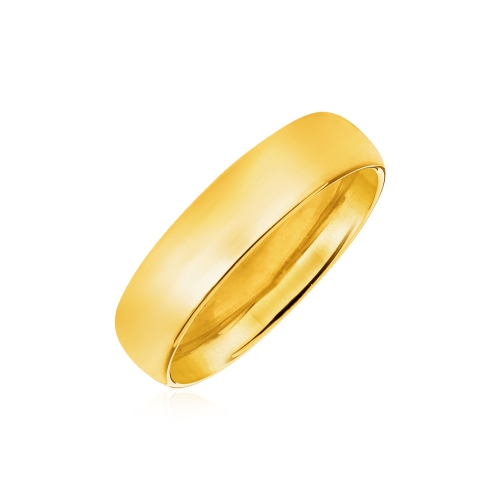 Your price for this item is $486.49
-
 Your price for this item is $105.15
-
 Your price for this item is $153.6
-
 Your price for this item is $378.53
-
 Your price for this item is $125.55
-
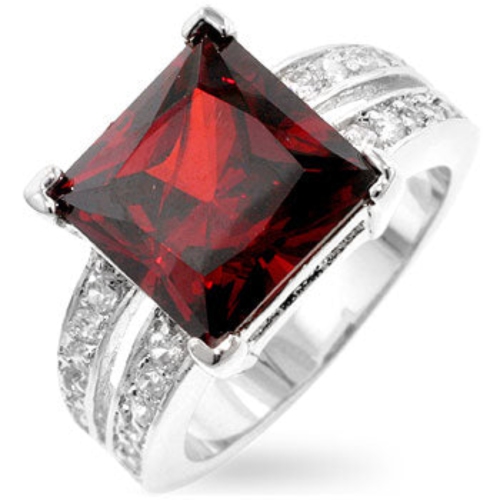 Your price for this item is $143.4
-
 Your price for this item is $393.45
Discover more categories related to Fashionable Diamond Rings

Top Collections:
Pokemon Centers, Best Black Friday Deals This Year, Best Black Friday Deals On Electronics, Kindle Devices, Best Budget Office Chairs, Best Black Friday Deals On Apple Products, Best Cameras for Sports Photography, Pokémon 30th Celebration Cards, Dyson Airwrap, Canon G7X Cameras
Some products may be subject to Environmental Handling Fees
(EHF) depending on your province.
Learn more about EHFs.