Fine Jewelry Diamond Stud Earrings
Elevate your style with fine jewelry diamond stud earrings, a timeless accessory designed to add sophistication to any look. Whether you’re searching for the perfect gift or treating yourself to a classic piece, diamond studs offer effortless elegance and versatility for every occasion. Discover a wide selection of shapes and settings to complement your personal taste, making it easy to find the ideal pair that shines as brightly as you do.
Sort


Small details shape how diamond studs look and feel
Fine jewellery diamond stud earrings pair the brightness of diamonds with a compact shape that sits close to the earlobe, making them easy to wear with everything from a knitted sweater to formal evening clothes. Their appeal comes from proportion and simplicity: a well-matched pair adds a point of light near the face without the movement or length of drop earrings. Classic solitaire studs feature one diamond in each ear, while halo designs surround a centre stone with smaller diamonds for a broader, more detailed appearance. Cluster styles bring several stones together to create a distinct outline or the impression of a larger centre. Round brilliant diamonds are a familiar choice for their lively sparkle and circular shape; princess cuts offer a square silhouette, while oval and emerald cuts create different proportions and patterns of reflected light. The setting also helps define the look. Prong settings hold a diamond with small metal claws, leaving much of the stone visible. Bezel settings surround its edge with a metal rim, giving the earring a smooth outline that can be practical around scarves and high collars. Halo settings add sparkle around the centre, though their overall dimensions may be noticeably larger than those of solitaire studs with a similar centre-stone weight. For a closer look at this understated style, Elegant Diamond Stud Earrings bring the focus to balanced proportions and refined details. Small studs can feel at home in a workplace or as part of a layered ear arrangement, while a larger face-up size may suit someone who wants their earrings to stand out against long hair or dressier clothing. There is no single size that suits everyone: earlobe shape, piercing placement, hairstyle, and personal taste all influence how a pair looks when worn. Even a subtle change in setting height can make the difference between a close-fitting accent and a more prominent profile.
The materials and diamond details behind that appearance are worth understanding, particularly for earrings intended for frequent wear. Yellow gold offers a warm contrast to diamonds, white gold creates a bright, silver-toned frame, and rose gold adds a soft pink tone. Gold karat describes the proportion of pure gold in the alloy, rather than the weight or quality of the diamond. Both 14-karat and 18-karat gold are used in fine jewellery, with hardness, colour, and wear characteristics also depending on the alloy composition. White gold is often rhodium plated for a bright finish, and that plating can wear over time and need professional attention. Platinum has a naturally white colour and is dense and durable, although it can still scratch and develop a soft patina with wear. Anyone with sensitive ears should check the stated metal composition of the posts and backs as well as the decorative setting; white gold alloys can contain nickel, and a metal name alone does not establish how a particular person will tolerate it. Diamond descriptions introduce another set of distinctions. Carat measures weight, not diameter, and the total carat weight for a pair generally combines all the diamonds in both earrings. A pair of solitaire studs described as 0.50 carat total weight would typically contain two diamonds of approximately 0.25 carat each. With halos or clusters, part of that total belongs to the surrounding stones rather than the centres. Measurements in millimetres therefore offer useful context for visual size. Cut quality influences how a diamond handles light, while colour and clarity describe other aspects of its appearance. For a pair, a similar face-up size, colour, and overall brightness help the earrings look balanced together. Natural and laboratory-grown diamonds share essentially the same chemical composition and crystal structure, but differ in origin; laboratory-grown diamonds are not the same as diamond simulants such as cubic zirconia. Clear material descriptions and any accompanying grading information help establish what the earrings contain without relying on sparkle alone.
Comfort and security depend on the parts that are less visible once diamond studs are in place. Post length, setting depth, backing size, and the weight of the front all affect how the earrings sit. A prominent stud may tip forward if its backing provides too little support, while a post that presses into the skin behind the ear can become uncomfortable under headphones or a close-fitting winter hat. Pushbacks slide onto a post and are convenient to handle, but their fit should remain firm. Screwbacks use threaded posts and take longer to fasten and remove; they can provide a secure fit when properly engaged, though no fastening removes the need for regular checks. Other locking mechanisms have their own release methods, so ease of use matters, especially for someone with limited finger dexterity. Backs should hold earrings comfortably rather than pinch the lobes. For a gift, an existing favourite pair can offer clues about preferred metal colour, size, and fastening style, and confirming that the recipient has pierced ears avoids an obvious mismatch. Diamond studs can mark a graduation, anniversary, birthday, or personal milestone, with a simple design often lending itself to years of repeat wear. That longevity still depends on sensible care. Diamonds resist scratching exceptionally well, but they can chip from a hard impact, and the metal securing them can bend or wear. Removing earrings before contact sports, swimming, showering, and sleeping reduces unnecessary exposure to knocks, chemicals, and snagging. For routine cleaning, many untreated diamond studs in solid gold or platinum can be gently cleaned with mild soap, lukewarm water, and a soft brush, then rinsed and dried with a lint-free cloth; any care directions supplied with the jewellery take priority. Work over a bowl rather than an open drain, and store each earring separately to prevent rubbing against other pieces. A loose back, bent post, or catching prong warrants attention from a jeweller before further wear. These small habits help preserve both the clean sparkle and comfortable fit that make diamond studs such an enduring choice.
Top selling and popular products
-
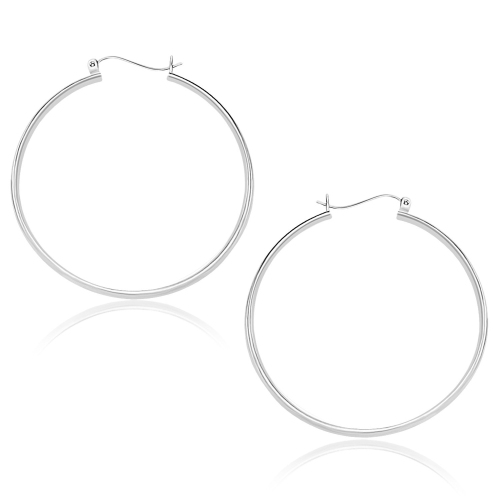 Your price for this item is $311.18
-
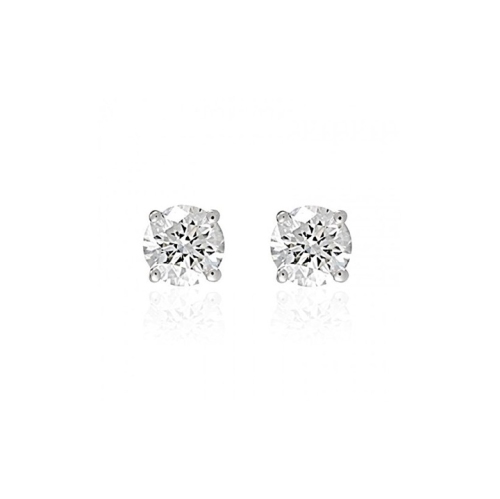 Your price for this item is $1750
-
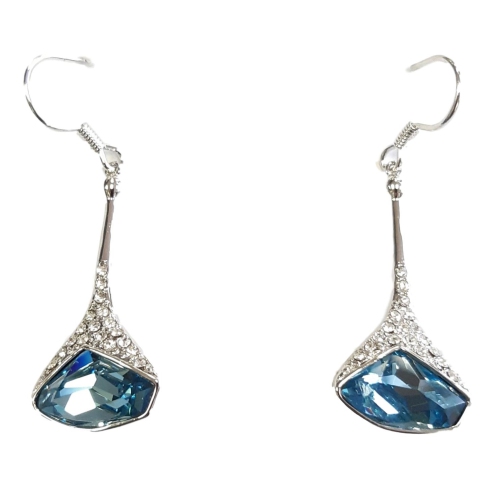 Your price for this item is $49.97
-
 Your price for this item is $1194.19
-
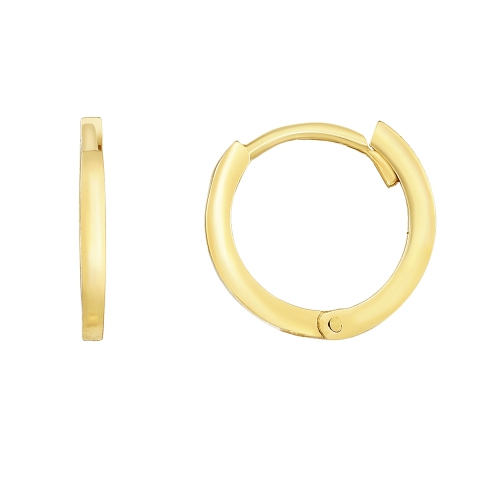 Your price for this item is $165.96
-
 Your price for this item is $849
-
 Your price for this item is $1099
-
 Your price for this item is $110
Discover more categories related to Fine Jewelry Diamond Stud Earrings


Top Collections:
Pokemon Centers, Best Cameras for Sports Photography, Kindle Devices, Samsung Galaxy Phones, Canon G7X Cameras, Pokémon 30th Celebration Cards, Refurbished Apple Laptops, iPhone 15 Apple, Laptops for Students, Budget Smartphones
Some products may be subject to Environmental Handling Fees
(EHF) depending on your province.
Learn more about EHFs.