Gemstone Engagement Rings
Gemstone engagement rings offer a vibrant and unique alternative to traditional styles, making every proposal truly memorable. With a stunning array of colors and designs, these rings allow you to express your personal taste and celebrate your love story in a one-of-a-kind way. Explore the captivating selection of gemstone engagement rings to find the perfect symbol of your commitment and create a moment that will be cherished forever.
Sort



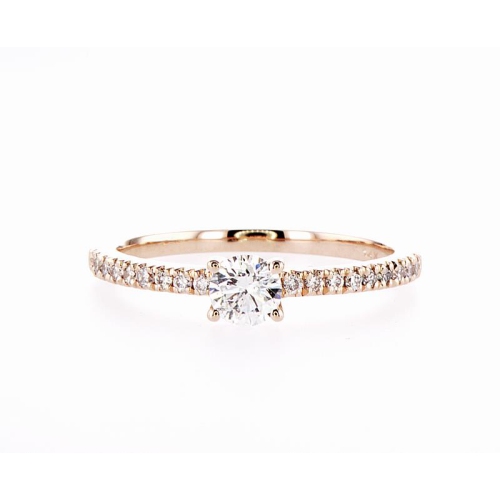
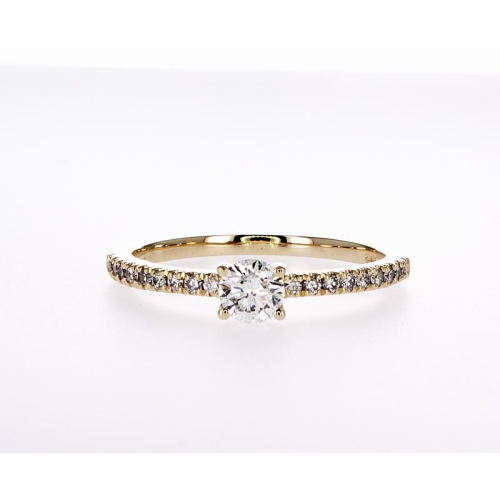


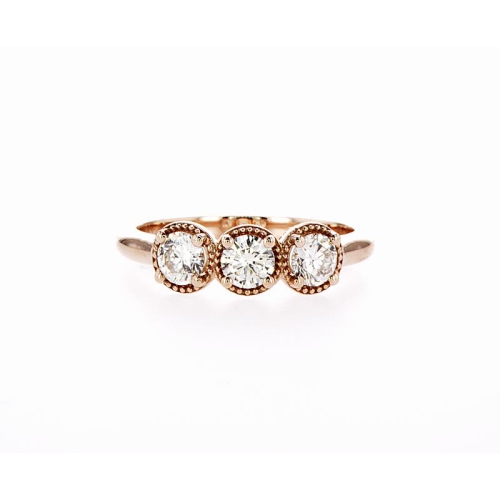


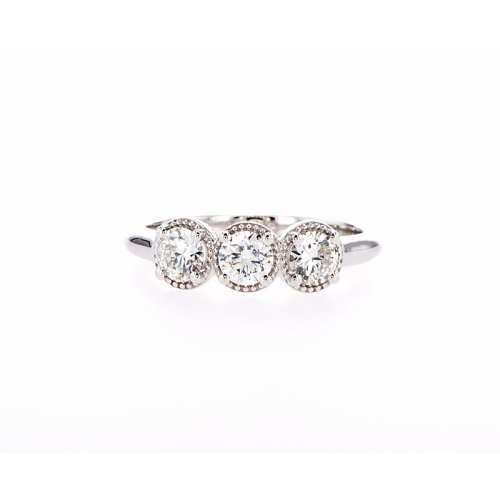
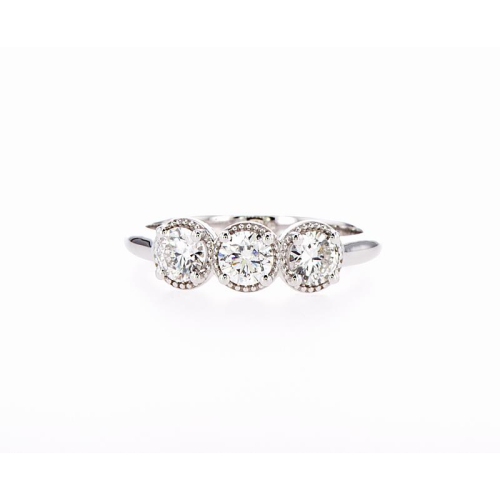


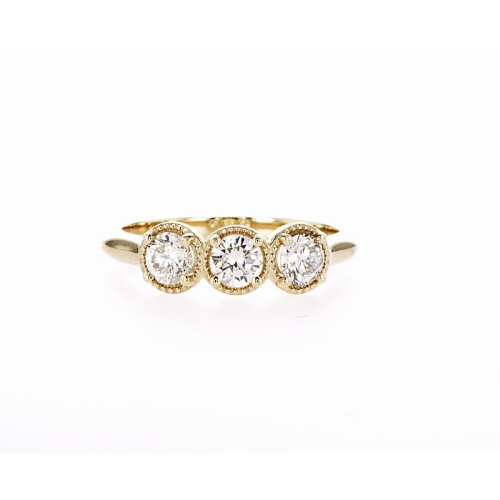

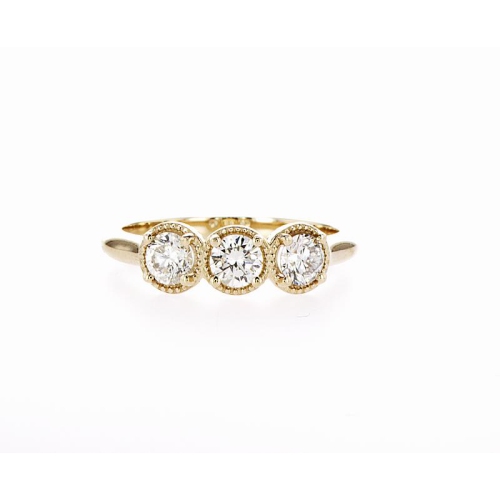
How a coloured centre stone makes a ring personal
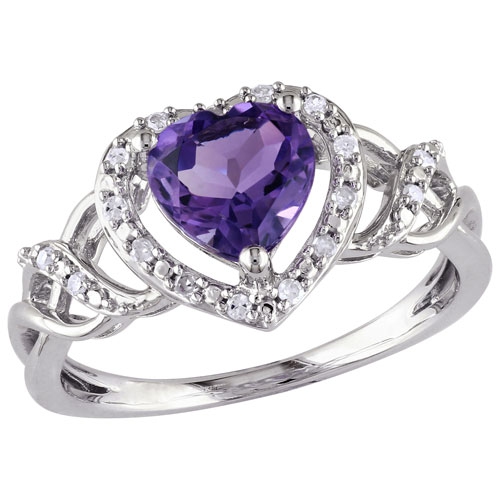
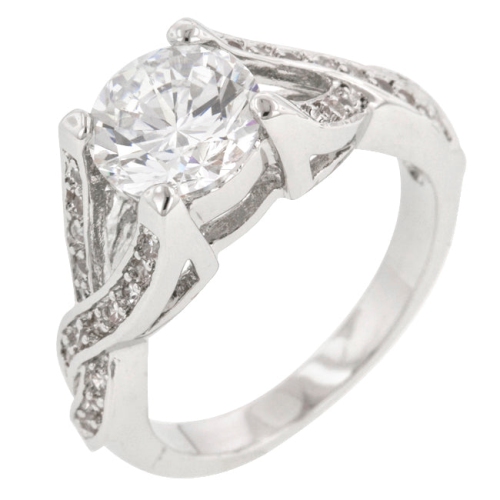
Gemstone engagement rings bring colour and individuality to a piece of jewellery intended to mark a lasting commitment. A blue sapphire can lend a ring a crisp, composed look, while a ruby adds a vivid red focal point and an emerald offers a distinctive green. Other gemstones introduce softer shades, from pale aquamarine to peach-toned morganite, allowing the ring to reflect the wearer’s tastes rather than a single traditional style. Colour can carry personal meaning, too: a birthstone, a shade connected with a shared memory, or simply the colour someone has always loved wearing. The deep red tones associated with garnet engagement rings suit both understated settings and more ornate designs, illustrating how a coloured centre stone can shape the character of the entire ring. Cut and proportion add another layer of expression. An oval stone creates an elongated outline, a round cut offers familiar symmetry, and an emerald cut shows broad flashes of light through its stepped facets. The name of a cut does not necessarily identify the gemstone: an emerald-cut ring may feature a sapphire or another stone. A solitaire keeps attention on the centre gem, while a halo frames it with smaller stones and a three-stone design creates a broader presence across the finger. Cluster settings can blend colours or form floral shapes, and details such as milgrain edges or engraved shoulders give a ring a vintage-inspired finish. The same gemstone may look different in daylight and warm indoor lighting, with subtle shifts in tone or brightness. Inclusions and variations in colour can also contribute to its appearance, although their effect on strength depends on their type and position. For a proposal, an anniversary upgrade, or a ring chosen together after an engagement, the most meaningful design is often one that feels recognizably suited to the person who will wear it.
The materials in a gemstone engagement ring influence both its appearance and how comfortably it fits into daily life. Yellow gold brings warmth to coloured stones, white gold offers a pale backdrop, and rose gold introduces a pinkish tone that can complement both muted and saturated colours. Gold fineness describes the proportion of pure gold in the alloy, but wear characteristics also depend on the other metals used and the ring’s construction. White gold is often finished with rhodium plating, which may need periodic renewal as the surface wears. Platinum has a naturally white appearance and a substantial feel; with wear, its polished finish can develop a patina. For someone with a metal sensitivity, the alloy matters as much as the metal name, since some gold alloys contain nickel. Gemstone durability deserves similar attention. Sapphire and ruby are varieties of corundum and resist scratching well, making them practical possibilities for frequent wear, though neither is immune to chips or damage from a hard knock. Emeralds often contain inclusions and may have received clarity treatments, so protective settings and careful handling can be particularly important. Garnet, amethyst, aquamarine, and other coloured gems have different resistance to scratching and impact; softer stones such as opal require greater care in an everyday ring. Hardness measures resistance to scratching, not resistance to every kind of damage. A pointed corner, exposed edge, or thin section may remain vulnerable even in a relatively hard gemstone. Natural and laboratory-grown stones can share the same essential chemical composition and crystal structure, while an imitation resembles another gem without being the same material. Treatments can affect care requirements, making the stone’s stated identity and treatment information useful details to understand. The setting also plays a practical role: a bezel surrounds the stone’s edge with metal, while prongs leave more of it visible but need checks for wear or loosening. A lower-profile design may be easier to wear beneath gloves or close-fitting sleeves, whereas a raised setting gives the centre stone more height and presence.
Fit is especially important for jewellery worn through ordinary routines, from typing at a desk to carrying groceries or pulling on a winter coat. A well-fitting engagement ring should pass over the knuckle with some resistance and sit comfortably at the base of the finger without pinching. Fingers can change size with temperature and throughout the day, so a measurement taken with very cold hands may not reflect a comfortable everyday fit. Wider bands often feel snugger than narrow ones, and a top-heavy setting may turn more readily on the finger. The inside shape of the band, the height of the centre stone, and any texture along the shoulders can all influence comfort. For a surprise proposal, an accurate measurement from a ring worn on the intended finger is more useful than an estimate based on appearance. Resizing possibilities vary with the metal, setting, and arrangement of stones, particularly when gems extend around much of the band. A future wedding band introduces another consideration: some engagement ring settings allow a straight band to sit closely alongside them, while others pair more naturally with a curved or contoured band. Daily care helps preserve the finish and keeps small issues from turning into lost stones. Removing rings before weight training, gardening, handling harsh cleaners, or working with tools limits exposure to pressure, abrasion, and chemicals. Separate storage in a soft-lined compartment or pouch reduces contact with other jewellery that could scratch the metal or gemstone. Many rings tolerate gentle cleaning with lukewarm water, mild soap, and a soft brush, but porous, treated, glued, or particularly delicate stones may need a different approach. Ultrasonic and steam cleaning are not suitable for every gemstone or setting, so cleaning methods should match the materials. A catching prong, a new rattle, or a stone that appears to move calls for a jeweller’s attention rather than continued wear. With a comfortable fit, suitable construction, and care matched to its gemstone, an engagement ring can retain its personal character through both milestone occasions and familiar daily moments.
Top selling and popular products
-
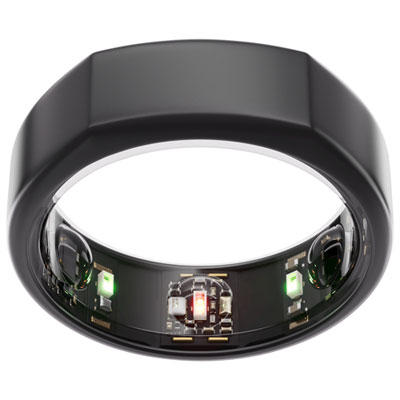 Your price for this item is $369.99
-
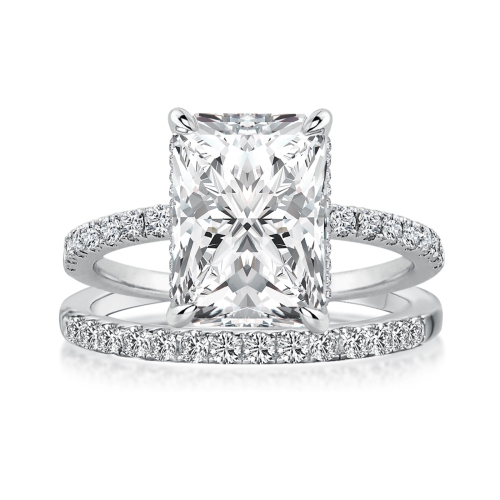 Your price for this item is $801.45
-
 Your price for this item is $133.2
-
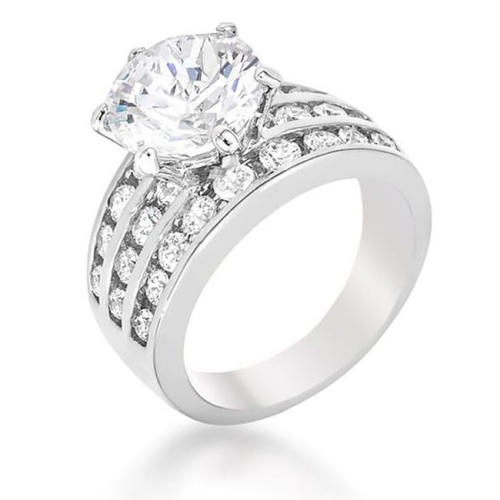 Your price for this item is $151.05
-
 Your price for this item is $123
-
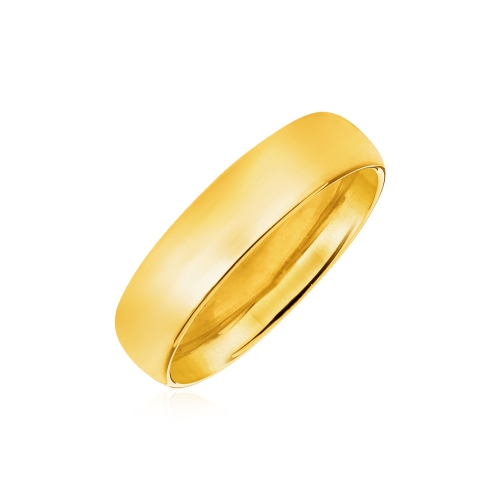 Your price for this item is $486.49
-
 Your price for this item is $135.75
-
 Your price for this item is $969
Discover more categories related to Gemstone Engagement Rings


Top Collections:
Pokemon Centers, Best Cameras for Sports Photography, Kindle Devices, Samsung Galaxy Phones, Canon G7X Cameras, Pokémon 30th Celebration Cards, Refurbished Apple Laptops, iPhone 15 Apple, Laptops for Students, Budget Smartphones
Some products may be subject to Environmental Handling Fees
(EHF) depending on your province.
Learn more about EHFs.