Interval Timer Watches
Interval timer watches are essential tools for anyone looking to optimize their workouts and track their progress effectively. These handy devices allow users to set specific intervals for their training sessions, whether it be for high-intensity interval training, circuit training, or timed rest periods between sets. With features like customizable intervals, multiple alarms, and easy-to-read displays, interval timer watches are the perfect companion for enhancing your fitness routine and achieving your goals. Browse our selection of interval timer watches to find the perfect one to take your workouts to the next level.
Sort

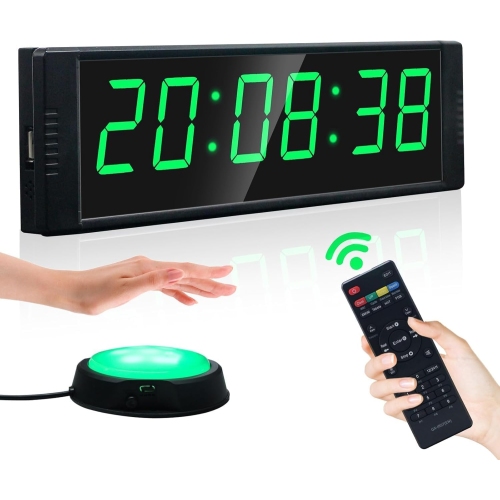


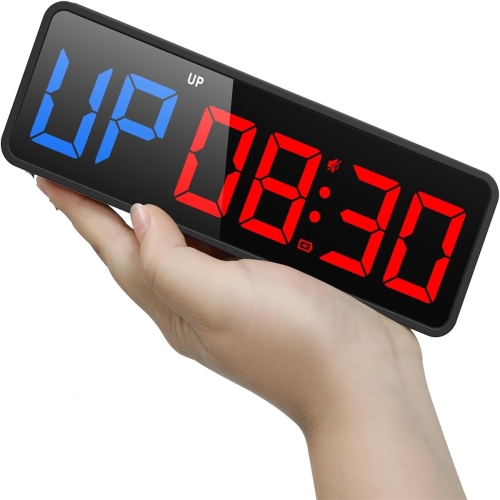


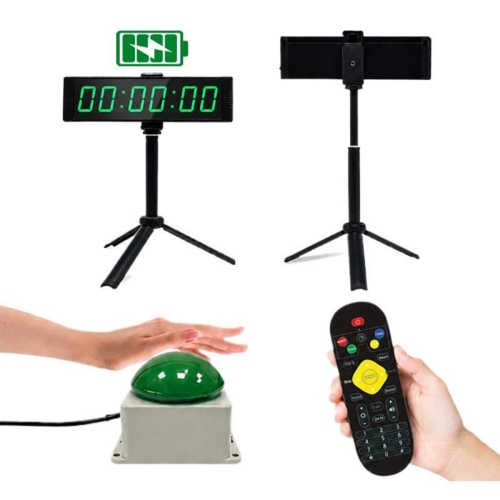



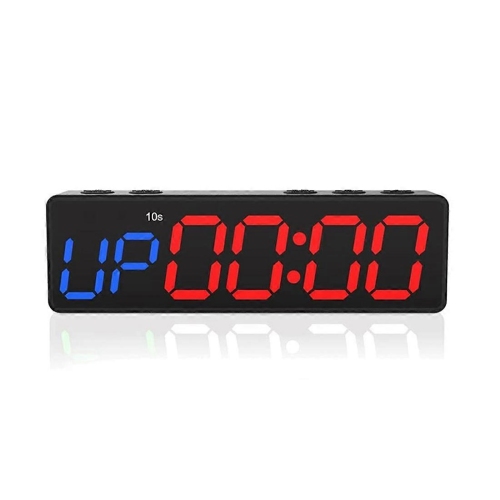
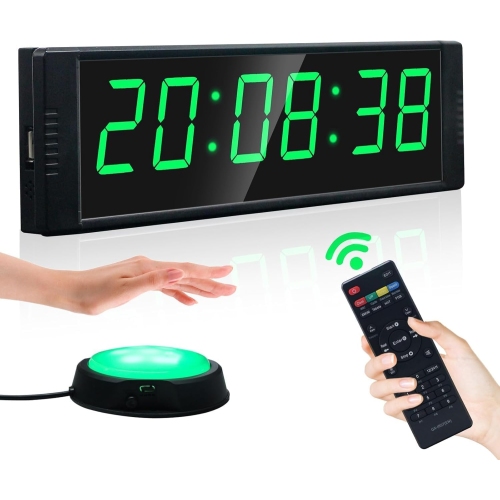


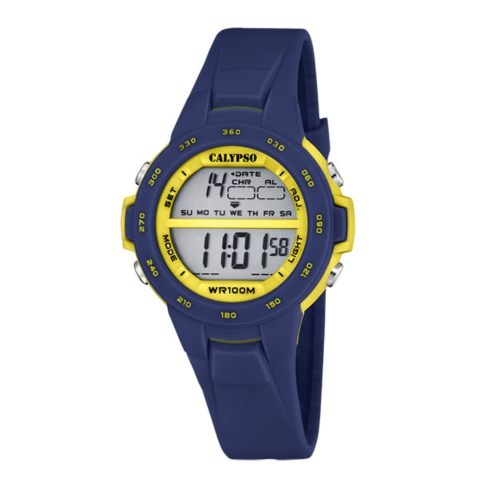
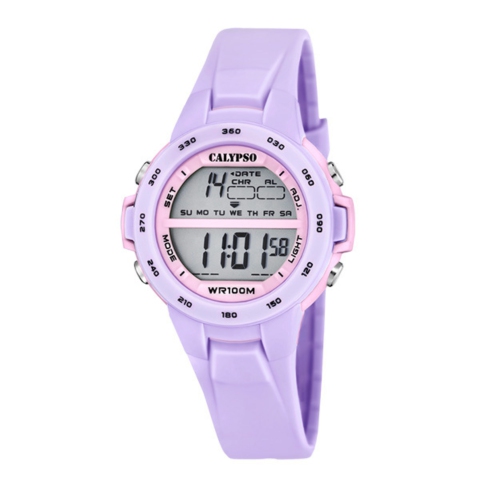


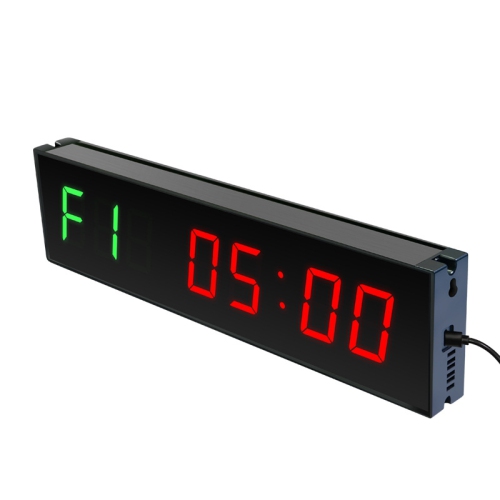


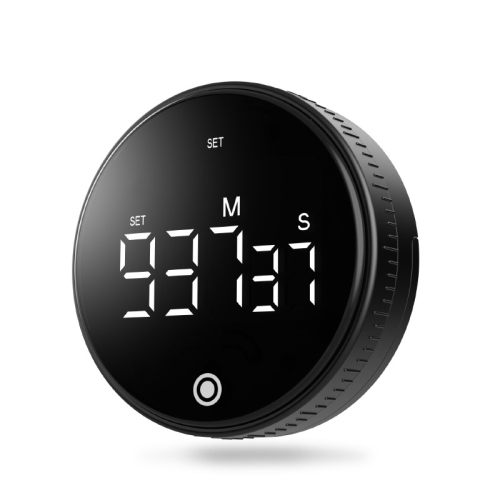


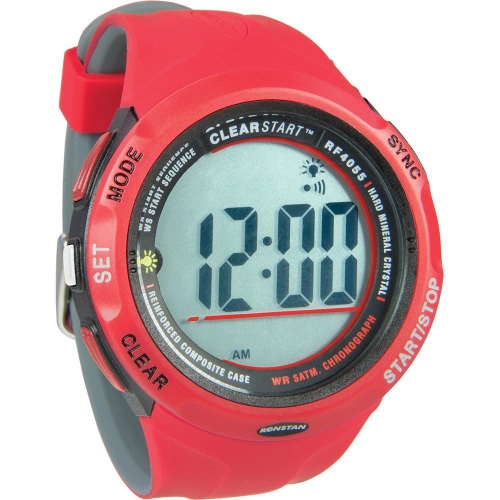
Work and rest intervals without watching the clock
Interval timer watches are digital sports watches or smartwatches that track a sequence of timed activity and rest periods, with alerts marking the change from one phase to the next. Unlike a basic stopwatch, which measures elapsed time, an interval timer can count down through programmed segments and repeat them for a set number of rounds. That makes it useful for run-walk sessions, circuit training, skipping, strength workouts, and other activities where regularly checking a clock would interrupt the rhythm. A runner might alternate three minutes of jogging with one minute of walking, while someone training at home could set 40 seconds of movement followed by 20 seconds to rest and change positions. The watch keeps those transitions on schedule without requiring a phone to remain in view. Timer capabilities vary: some watches provide a repeating countdown, others support two alternating intervals, and more advanced options allow several phases with different durations. Warm-up and cooldown segments may also be included where the timer supports them. The distinction matters because repeating one countdown is not the same as automatically alternating unequal work and rest periods. For a straightforward routine, a simple two-phase timer may be enough; a session with several exercises and different rest lengths calls for more flexible programming. The wider category of Digital Timer Watches includes timepieces with countdown functions, while interval-focused features are particularly relevant when a routine depends on repeated transitions. Useful display details include the time remaining in the current phase, the round count, and a clear indication of whether the watch is timing activity or rest. Saved routines can make regular sessions easier to start, especially when switching between a short circuit and a longer running workout. For anyone following a structured plan, the main benefit is consistent timing: each segment has a defined beginning and end, leaving more attention for movement, breathing, and technique.
The most useful interval timer watch is one whose controls, alerts, and fit suit the activity. Physical buttons can make it easier to pause or advance a timer when fingers are damp, although button size, spacing, and resistance all affect handling. Touchscreen controls offer another way to build and review routines, but their usefulness during exercise depends on screen responsiveness and any available touch-lock function. A clearly labelled pause control helps when a shoelace needs attention or a piece of gym equipment is occupied; protection against accidental resets helps preserve the session. Audible alerts can signal a transition without looking down, while vibration alerts are helpful in a shared workout space or when an audible tone would be difficult to hear. Neither should be assumed to be equally noticeable on every watch, and a brief trial session can reveal whether the alert is distinct enough during movement. Large digits, strong contrast, and accessible illumination make a display easier to read at a glance. Case dimensions deserve attention alongside screen size: a broad display may be appealing, but a bulky case can press against the back of the hand during push-ups or exercises that bend the wrist. Lightweight resin or polymer cases are common in sports-oriented designs, while metal cases can provide a different feel and finish. Silicone and other flexible straps are often practical for exercise because they can be wiped clean, while woven straps may feel soft but take longer to dry after washing. A secure fit should keep the watch from sliding without pinching or leaving the strap uncomfortably tight. Multiple adjustment positions help accommodate different wrist sizes, and replaceable straps offer flexibility if a band wears out or a different fit is needed. For strength training, a lower-profile watch may sit more comfortably beside a wrist wrap. For running, a stable strap and an easily read countdown can matter more than a long list of extra functions. Comfort over a full session is just as important as the timer settings.
Durability and care also shape how well an interval timer watch fits into a regular routine. Water resistance should be checked against the manufacturer’s stated uses rather than inferred from a sporty appearance. Resistance to splashes does not automatically make a watch suitable for swimming, and controls may have restrictions on operation while submerged. Sweat, soap residue, and repeated friction can affect straps and finishes, so cleaning should follow the care instructions for the case and band materials. Wiping away perspiration with a soft cloth, allowing the strap to dry, and keeping charging contacts clean and dry can help maintain everyday comfort and reliable charging. Harsh cleaners and abrasive cloths may damage surfaces or seals. Battery arrangements differ as well: a dedicated digital watch may use a replaceable battery, while a smartwatch usually needs regular charging. Actual battery life depends on the model and how features such as screen illumination, satellite tracking, and connected functions are used. For longer sessions, sufficient charge and an interval routine that works without an active phone connection can be valuable. Some smartwatches support custom intervals through built-in workout tools; others rely on compatible apps, so phone compatibility, setup requirements, and standalone operation are worth checking. Heart rate monitoring, distance tracking, and workout history can add context, but they are separate capabilities from the interval timer itself. Someone who only needs alternating work and rest alerts may prefer a simpler watch with fewer steps between selecting a routine and starting it. Beyond exercise, repeating timers can support stretching breaks, timed practice drills, or alternating periods of focused work and short pauses. They can also make thoughtful gifts for runners, gym-goers, coaches, or people beginning a structured activity routine, particularly when wrist size and preferred controls are known. A watch that matches familiar habits is often more useful than one that adds unnecessary setup. Whether the routine involves measured walking intervals or repeated training rounds, clear timing, dependable alerts, and comfortable wear are the features that make the watch easy to use again.
Top selling and popular products
-
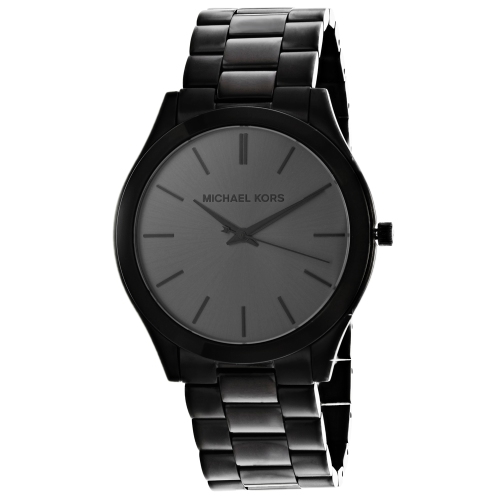 Your price for this item is $325
-
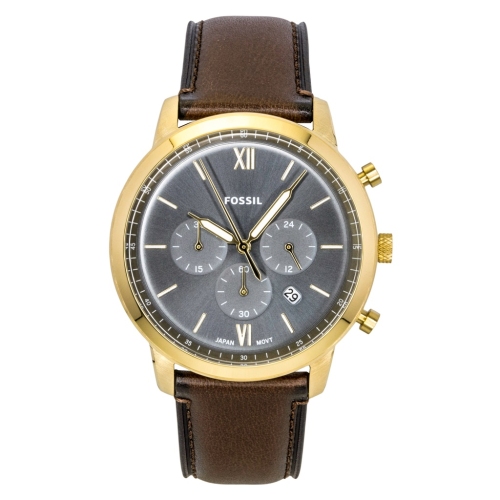 Your price for this item is $218.83
-
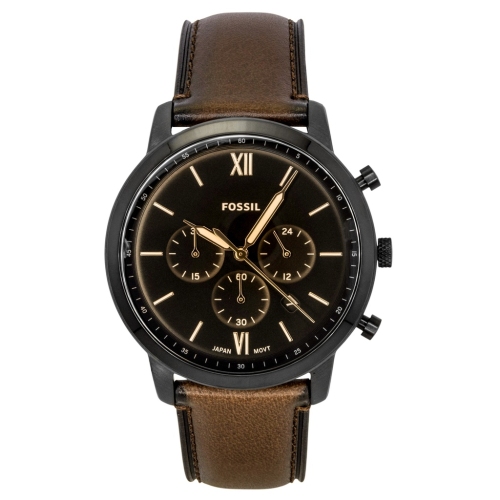 Your price for this item is $218.83
-
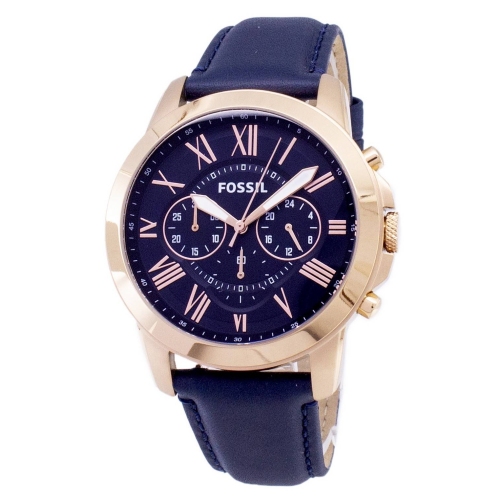 Your price for this item is $223.38
-
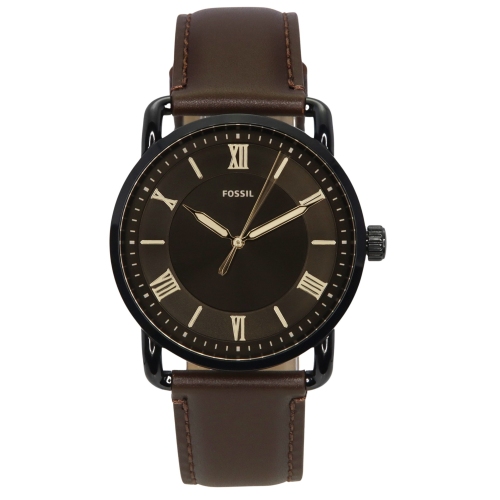 Your price for this item is $185.16
-
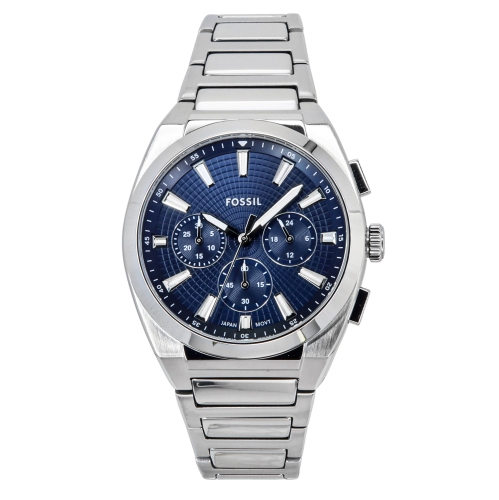 Your price for this item is $266.65
-
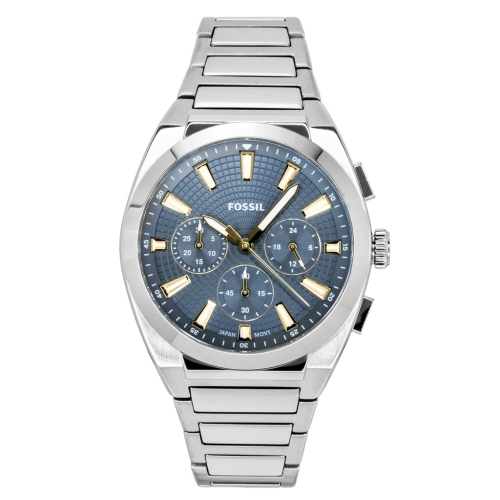 Your price for this item is $260.93
-
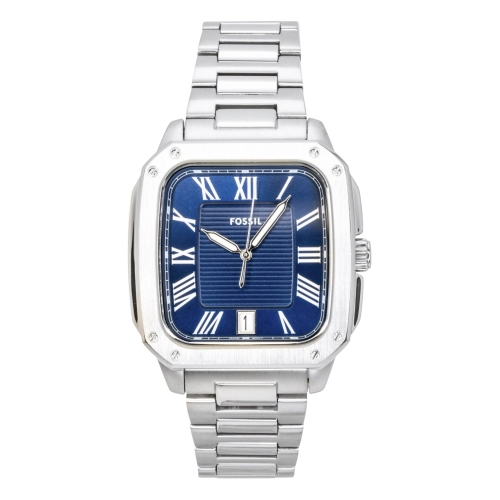 Your price for this item is $227.25
Discover more categories related to Interval Timer Watches
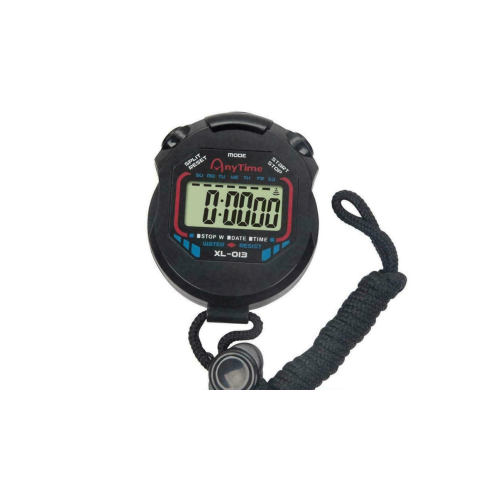
Top Collections:
Pokemon Centers, Best Cameras for Sports Photography, Kindle Devices, Samsung Galaxy Phones, Canon G7X Cameras, Pokémon 30th Celebration Cards, Refurbished Apple Laptops, iPhone 15 Apple, Laptops for Students, Budget Smartphones
Some products may be subject to Environmental Handling Fees
(EHF) depending on your province.
Learn more about EHFs.