Jewelry for Daughters
Jewelry for Daughters captures the joy of celebrating meaningful milestones and cherished moments. Whether marking a birthday, graduation, or simply showing your love, discover a thoughtfully curated selection designed to make her feel special. Explore pieces that add a touch of elegance and sparkle to every occasion, helping you find the perfect way to express how much she means to you.
Sort


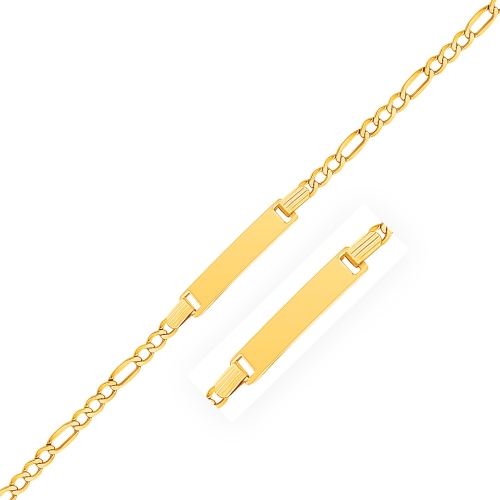
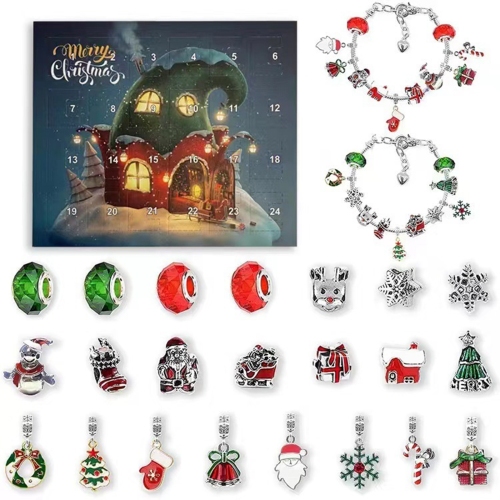

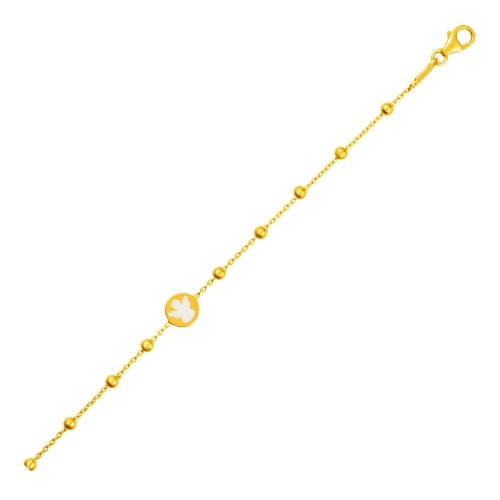


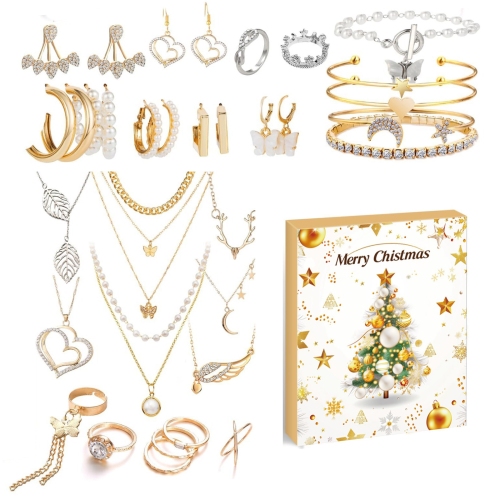
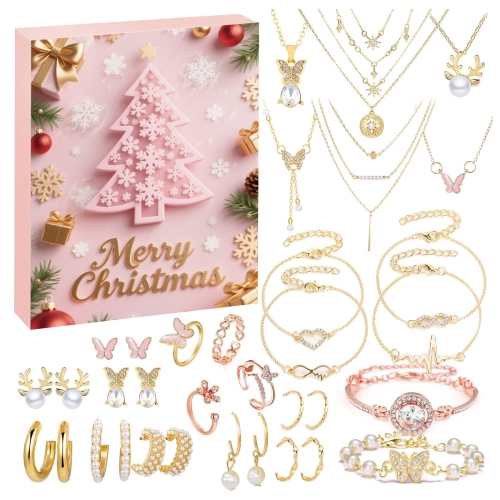


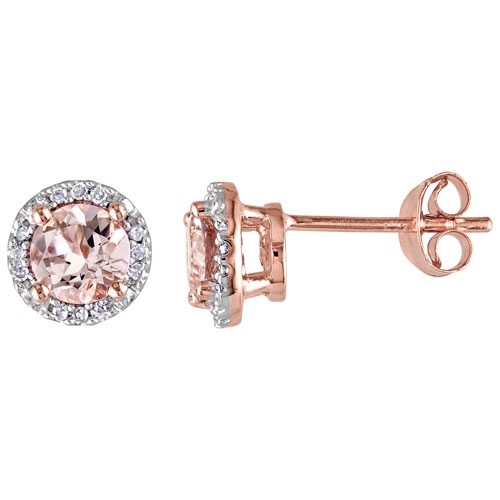


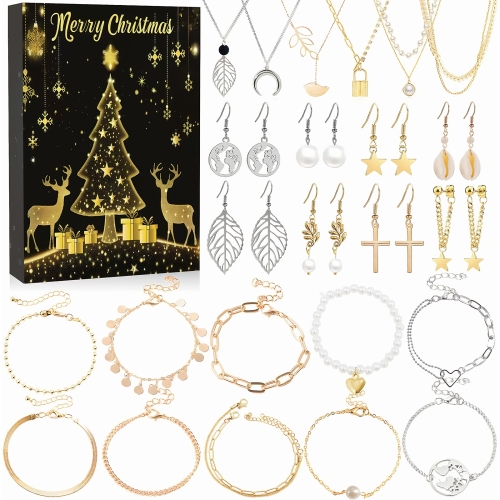


Birthstones and engravings tell a story she can wear
Jewellery for daughters brings together personal style and the meaning behind a gift, whether it marks a birthday, a graduation, a new job, or a family milestone. Meaningful charms, initial pendants, birthstone designs, and engraved necklaces are popular choices because they connect something wearable with a name, memory, or message. A small heart can express affection without needing an inscription, while a star or floral motif may reflect a daughter’s interests or favourite shapes. Initial jewellery offers a personal detail that still feels understated, and an engraving can keep a meaningful date or a few carefully chosen words close at hand. The strongest connection often comes from noticing what she already enjoys wearing. A daughter who favours simple outfits may appreciate a fine chain or small studs that fit naturally into her daily routine; someone who enjoys expressive accessories may prefer layered necklaces, colourful stones, or a bracelet with room for meaningful charms. Jewellery can carry the same sentiment at very different ages, but its proportions and styling should suit the recipient rather than the occasion alone. A delicate pendant might celebrate a teenager’s achievement, while a more substantial necklace could suit an adult daughter who likes a defined focal point. Matching or complementary jewellery can also represent a shared bond without requiring identical tastes: a similar motif in different finishes allows each wearer to keep her own style. For anyone considering jewellery alongside other Gifts for Daughter, her routines, hobbies, and preferences provide a useful starting point. A gift intended for frequent wear benefits from comfortable proportions and an easy fastening, while jewellery reserved for celebrations can have a more decorative presence. The lasting appeal lies in that balance between personal meaning and genuine wearability, so the gift feels like something chosen for her rather than simply something associated with a milestone.
Materials, construction, and fit shape how jewellery looks and feels long after it is unwrapped. Sterling silver has a bright finish and can develop tarnish that requires appropriate cleaning, while gold jewellery varies in composition and hardness according to its karat and alloy. Gold-plated jewellery has a layer of gold over another metal, so its appearance over time depends partly on the plating, the underlying material, and how often it encounters friction or moisture. Stainless steel is often valued for durability and relatively straightforward care, although metal sensitivities still deserve attention. For a daughter with sensitive skin, the stated composition matters more than colour alone; a silver-coloured finish does not identify the metal underneath, and a general claim of suitability for sensitive skin is not a guarantee for every wearer. Nickel content and known individual reactions are useful considerations, particularly for earrings and pieces worn against the skin for long periods. Gemstones, pearls, glass, and other decorative materials each have different care needs, and an attractive setting should also hold its accents securely. Smooth edges, well-finished links, and a clasp that closes firmly can make a noticeable difference during ordinary wear. Necklace length affects where a pendant rests, with the same chain sitting differently according to neck size, pendant weight, and clothing neckline. An adjustable chain offers flexibility, but the adjustment range still needs to suit the wearer. Bracelets should allow comfortable movement without slipping over the hand, and charm weight can change how a bracelet drapes. Rings require a more precise fit; a ring borrowed from the correct finger can offer a better sizing reference than a guess based on appearance. Earring weight and fastening style are equally important, especially for someone who wears earrings throughout the day. Small studs may feel less intrusive than swinging drops, while larger backs can provide support for some designs. For younger daughters, age suitability, secure components, and any stated safety guidance deserve particular attention; jewellery with small detachable parts is not appropriate for very young children.
Intended use helps distinguish jewellery that becomes part of a daily routine from jewellery kept for special occasions. A daughter who spends much of her day typing may find a slim bracelet more comfortable than one with large dangling charms, while someone who frequently wears knitwear may prefer smooth settings that are less likely to catch on fabric. Long pendants and loose bracelets can interfere with sport, hands-on work, or activities around moving equipment, making removal more practical than trying to wear the same accessory everywhere. Durability is not simply a matter of choosing the hardest-looking metal: fine chains can snag, hollow forms can dent, and raised settings can take knocks even when the materials themselves are strong. A low-profile design with sturdy connections may therefore suit frequent wear better than an intricate piece with delicate extensions. Care habits also help preserve both the finish and the significance of a gift. Jewellery generally benefits from being removed before swimming, bathing, exercise, or household cleaning, unless its care instructions specifically allow those uses. Perfume, lotions, perspiration, and cleaning chemicals can affect some metals, coatings, and stones, so putting jewellery on after personal care products have dried can reduce contact. After wear, a gentle wipe with a soft cloth may remove surface residue; abrasive cleaners and polishing products should only be used when appropriate for the material. Pearls, plated surfaces, and certain gemstones need particular caution, and ultrasonic cleaning is not suitable for every design. Separate storage helps prevent scratches and tangled chains, while fastening necklaces before placing them in individual compartments can make them easier to retrieve. Engraved jewellery deserves the same thoughtful handling as any other piece, with occasional checks of clasps, links, and stone settings before wear. A short note explaining the meaning of an initial, symbol, or date can add context without making the jewellery itself overly elaborate. Whether the recipient prefers a quiet personal detail or a more noticeable accessory, jewellery for a daughter feels especially considered when its message, fit, and everyday practicality all reflect the person who will wear it.
Top selling and popular products
-
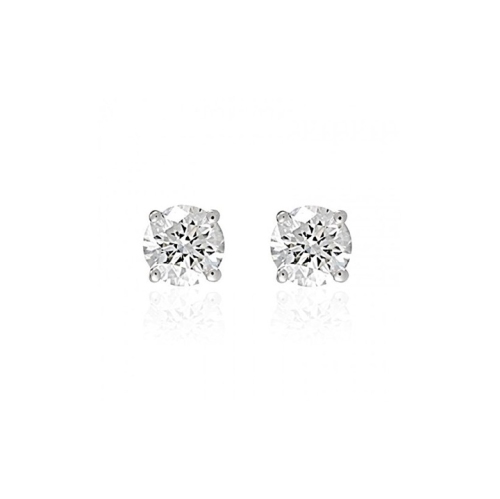 Your price for this item is $1750
-
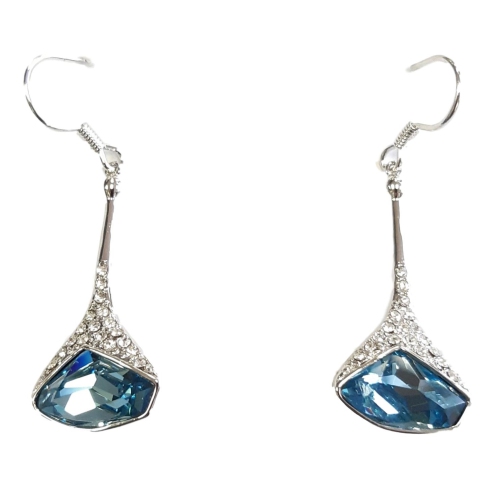 Your price for this item is $49.97
-
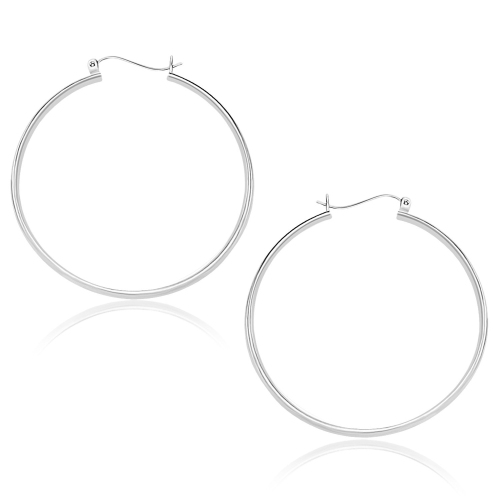 Your price for this item is $311.18
-
 Your price for this item is $2164.8
-
 Your price for this item is $64.99
-
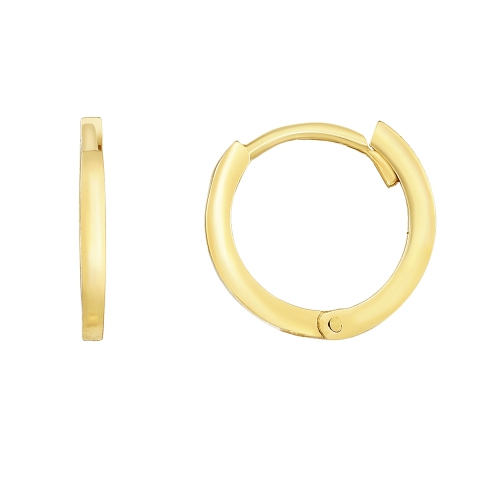 Your price for this item is $165.96
-
 Your price for this item is $225
-
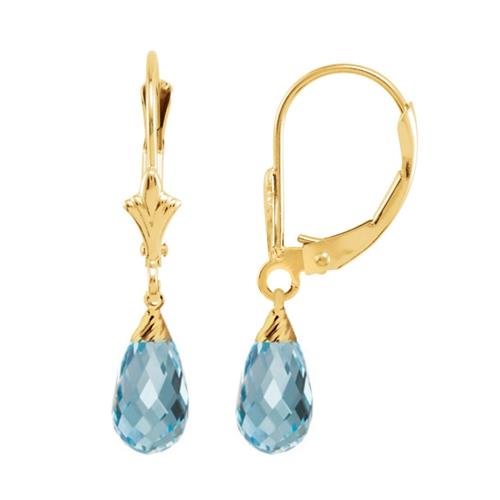 Your price for this item is $300
Discover more categories related to Jewelry for Daughters


Top Collections:
Pokemon Centers, Best Budget Office Chairs, Kindle Devices, Best Cameras for Sports Photography, Pokémon 30th Celebration Cards, Best Laptops for Writers, Canon G7X Cameras, iPhone 15 Apple, Best Cell Phones Under $300, Apple iPhones 16
Some products may be subject to Environmental Handling Fees
(EHF) depending on your province.
Learn more about EHFs.