Jewelry Gifts for Friends
Jewelry gifts for friends are a thoughtful way to celebrate special moments and show appreciation. Whether it's for a birthday, holiday, or just because, the right piece of jewelry can make your friend feel truly cherished. Explore a variety of beautiful options that suit every style and occasion, making it easy to find something meaningful. With so many choices available, finding jewelry gifts for friends that reflect your unique bond has never been simpler.
Sort


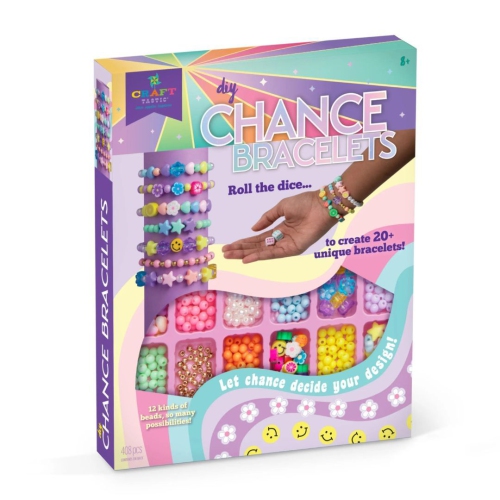
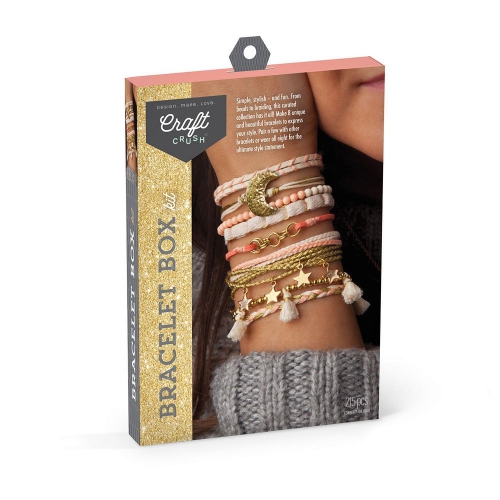


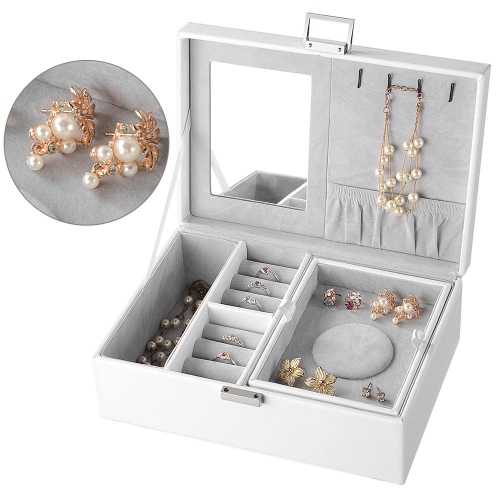


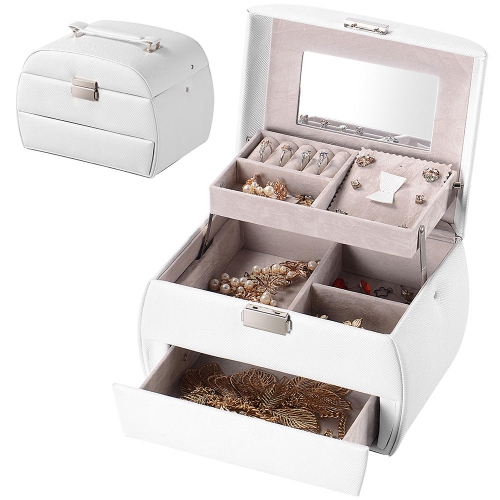


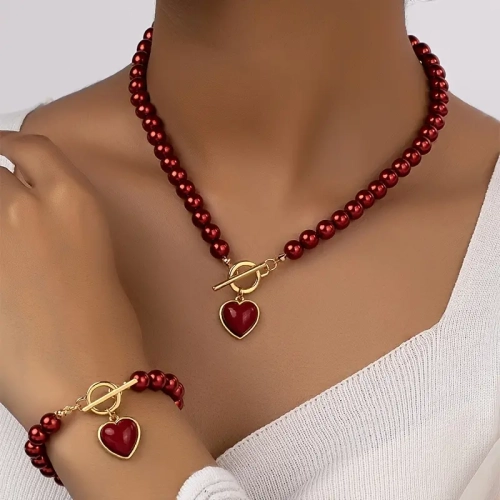

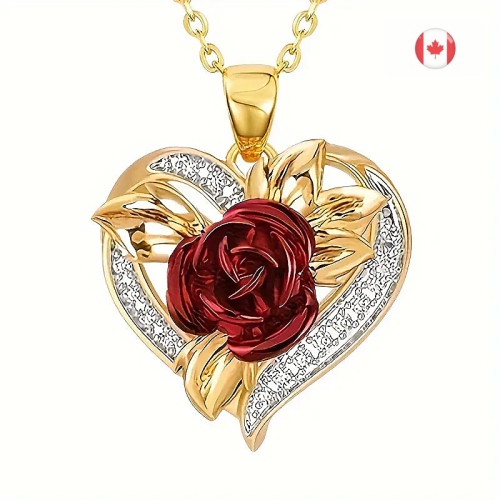

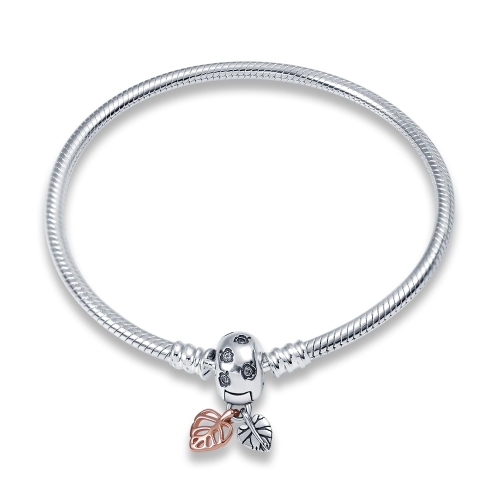


Jewellery that reflects their style and your shared memories
Jewellery gifts for friends can range from simple necklaces and everyday earrings to engraved bracelets, birthstone pendants, and matching pieces that mark a shared connection. The most meaningful choice often reflects something already familiar about the recipient: the silver hoops worn almost every day, a fondness for colourful stones, or a preference for one understated necklace rather than several layers. A small initial pendant can feel personal without being elaborate, while a birthstone adds colour and a connection to a birthday. Symbolic designs offer another way to express friendship. Hearts can convey affection, interlocking circles can suggest connection, and tree motifs are often associated with growth and belonging. These meanings are open to interpretation, so a design that relates to a shared memory may feel more personal than a symbol chosen purely for its traditional meaning. Engraved jewellery can carry initials, a meaningful date, or a short phrase that makes sense only to the friends involved. For a friend moving away, a discreet inscription can become a reminder of familiar company; for a graduation or career milestone, a simple pendant or bracelet can acknowledge the achievement without feeling too formal. Matching friendship jewellery does not have to mean identical pieces. A shared motif in different metal colours, or coordinating necklaces with different chain lengths, can preserve the connection while respecting individual taste. This approach also suits a trio or a larger friendship group, where each person may prefer a different scale or finish. Everyday studs, slim bangles, and delicate chains generally suit someone who likes subtle details, while larger hoops, textured cuffs, and bold pendants may appeal to a friend who treats jewellery as the centrepiece of an outfit. The gift feels most considered when its style belongs naturally in the recipient’s routine, whether that means a polished accent for work, a familiar piece worn with jeans, or something reserved for celebrations.
Materials affect a piece’s appearance, feel, and care needs, making them worth considering alongside its symbolism. Solid gold is an alloy whose gold content is expressed in karats; its hardness and colour also depend on the other metals used. Sterling silver contains 92.5% silver and has a bright finish that may gradually tarnish, particularly with exposure to moisture and certain substances. Gold-plated jewellery has a surface layer of gold over another metal, and that finish can wear with friction and repeated contact with water or personal care products. Gold vermeil uses a sterling silver base with gold plating, but it still benefits from gentle handling. Stainless steel can offer good resistance to everyday wear, although its composition matters for anyone with a metal sensitivity. A label such as “hypoallergenic” should not replace checking the stated metal content, especially for earrings that remain in close contact with the skin. If a friend has previously reacted to jewellery, a known, tolerated material is a better starting point than a new finish chosen only for its colour. Fit matters just as much. Necklace length determines whether a pendant sits near the collarbone or lower on the chest, and the pendant’s size can change how comfortably it works with shirt collars and other necklaces. Bracelet measurements should account for the wrist and the space needed for comfortable movement; rigid bangles must also pass over the hand. Adjustable chains offer flexibility, but their adjustment range is still worth checking. Rings require a more precise size, and wider bands may feel tighter than narrow ones. For earrings, consider whether the recipient has pierced ears, along with their preferred weight and fastening style. Small clasps and earring backs can be fiddly for someone with limited hand mobility. Smooth edges, secure closures, and a comfortable weight often make a greater difference to regular wear than an intricate design that catches on clothing or feels distracting by the end of the day.
Intended use helps distinguish jewellery that will become a daily favourite from a piece best kept for occasional wear. A friend who works with their hands may find a low-profile design more practical than a raised stone setting, while someone who wears headphones for long stretches may prefer earrings that do not press behind the ears. Long chains and loose bracelets can catch during exercise or hands-on tasks, so a gift does not need to be worn constantly to become meaningful. Durability depends on construction as well as material: fine chains can snag, hollow forms may dent, and stone settings need care even when the stone itself is hard. Gemstones also differ in their resistance to scratching, impact, heat, and cleaning products. Pearls and opals, for example, need gentler treatment than many harder stones, and harsh cleaners or ultrasonic cleaning may be unsuitable. Following the care information supplied with the jewellery is more reliable than applying one cleaning method to every material. A soft cloth after wear can help remove surface residue, while separate storage reduces tangling and contact scratches. Fastening necklaces before putting them away and keeping earrings paired in a compartmented box makes the next wear easier. Jewellery is generally best put on after lotions, fragrance, and hair products, with removal before swimming, bathing, or activities that could damage it unless its care directions specifically state otherwise. A protective pouch or jewellery box can make the presentation useful beyond the moment of gifting, and a handwritten note can explain a symbol or inscription without needing a grand statement. For ideas across other relationships and occasions, the Jewelry Gifts collection offers a broader starting point. For a friend, the strongest connection is usually in the details: a familiar metal colour, a comfortable shape, an inscription with genuine meaning, and a design that feels like something they would have chosen for themselves.
Top selling and popular products
-
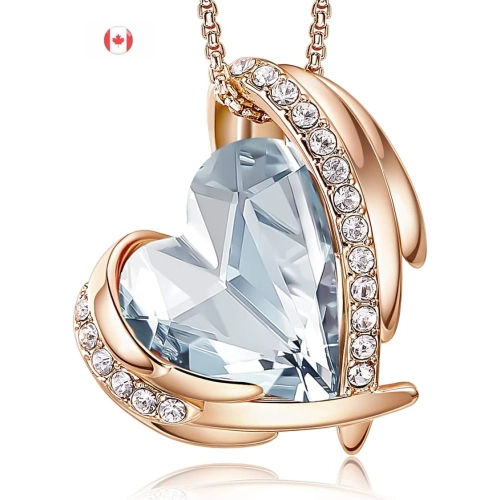 Your price for this item is $59.99
-
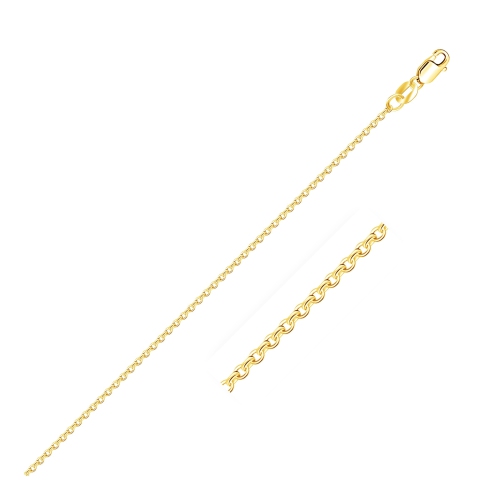 Your price for this item is $1792.5
-
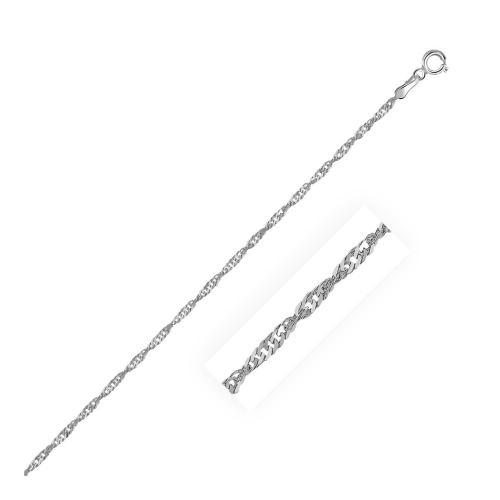 Your price for this item is $1967.36
-
 Your price for this item is $427.88
-
 Your price for this item is $1149.56
-
 Your price for this item is $1399.05
-
 Your price for this item is $344.55
-
 Your price for this item is $1201.24
Discover more categories related to Jewelry Gifts for Friends
Top Collections:
Pokemon Centers, Best Cameras for Sports Photography, Kindle Devices, Samsung Galaxy Phones, Canon G7X Cameras, Pokémon 30th Celebration Cards, Refurbished Apple Laptops, iPhone 15 Apple, Laptops for Students, Budget Smartphones
Some products may be subject to Environmental Handling Fees
(EHF) depending on your province.
Learn more about EHFs.