Jewelry Packaging
Jewelry packaging plays a crucial role in elevating the presentation and protection of your cherished pieces. Whether you're gifting a sparkling surprise or organizing your personal collection, the right packaging ensures your jewelry is stored safely while adding an extra touch of elegance. Explore a variety of options that cater to different styles and needs, from classic boxes to modern pouches, each designed to enhance the beauty and longevity of your accessories. Let your jewelry shine with packaging that reflects its true allure.
Sort


A thoughtful presentation starts with a secure fit
Jewellery packaging includes boxes, pouches, wrapping, and protective inserts designed to hold delicate pieces securely and give them a finished presentation. Its purpose goes beyond concealing a gift: a well-fitted box keeps a ring upright, a necklace insert helps prevent a fine chain from shifting, and a soft pouch separates polished surfaces from neighbouring objects. The right format depends on what is being packed and how it will be handled. A small hinged box creates a clear focal point for a ring or pair of stud earrings, while a longer presentation box gives a pendant room to lie flat without folding its chain into a tight bundle. Drawstring pouches suit informal gifting and can be useful for keeping individual pieces separate inside a larger bag or drawer. For matching sets, divided packaging allows earrings, a bracelet, and a necklace to sit together without rubbing against one another. These formats serve gift-givers, jewellery makers, small businesses, and anyone passing along a treasured piece. An anniversary necklace, a graduation bracelet, or a family heirloom can each call for a different balance of presentation and practical protection. Packaging that reveals the piece clearly can make the moment feel thoughtful without relying on elaborate decoration. A plain exterior, a neatly seated insert, and enough room to lift the jewellery out comfortably often make a stronger impression than layers that are difficult to open. Size matters just as much as appearance. Exterior measurements describe the overall package, but usable interior space determines whether a setting, clasp, or curved bangle will actually fit. Raised stones and sculptural designs need clearance above them, while long earrings need support that keeps their posts and decorative elements from pressing against the lid. A snug fit should come from the insert holding the piece gently, not from closing the box tightly over it.
Materials influence how jewellery packaging feels in the hand, how well it holds its shape, and how it stands up to repeated handling. Rigid paperboard provides structure for presentation boxes, while lighter cardstock is often used for folding cartons, sleeves, and earring cards. A thicker wall can help a box resist bending, although construction, corners, and the way the lid fits are also important. Wooden cases have a firmer feel and may suit keepsake presentations, but the interior still needs an appropriate lining or insert to prevent hard surfaces from contacting delicate jewellery. Fabric pouches vary considerably: a smooth lining can be gentle on polished metal, while a textured weave or exposed seam may catch on a fine chain or an intricate setting. Velvet-style finishes create a plush backdrop, though lint and dust can be more noticeable against dark fabric. Satin offers a smooth presentation surface but may allow a piece to slide unless it is secured. Foam and padded inserts add support, with slots, tabs, and cut-outs intended for different shapes. Earring posts need enough depth behind their mounting card, and necklace tabs should hold the chain without pulling it taut. Closures also affect everyday use. A lift-off lid offers a simple reveal, a hinge keeps the lid attached, and a drawstring gathers a pouch around its contents. None of these features alone establishes that a package is suitable for shipping or long-term storage. For jewellery that will remain packed for extended periods, lining composition matters; a soft-looking fabric is not necessarily tarnish-resistant or suitable for every metal and gemstone. Anti-tarnish protection should be treated as a specific material feature rather than an assumption. Packaging care is generally straightforward: clean hands help keep pale surfaces free of marks, and gentle dusting is preferable to wet cleaning unless the maker’s care directions allow it. Inserts that become rough, loose, or misshapen may no longer support a piece properly.
Presentation packaging and transit packaging perform different jobs, even when they are used together. A decorative box may hold jewellery neatly on a table but still need cushioning and a sturdy outer carton before travelling through a parcel network. For mailed gifts or customer orders, movement inside the package is a useful consideration: a securely seated insert helps keep the piece in place, while cushioning around the presentation box limits contact with the outer walls. Extra space is not automatically extra protection if the contents can slide from side to side. Chains are particularly prone to tangling when left loose, and separating a pendant from spare chain length helps keep the arrangement tidy when the lid is opened. Individual compartments or separate pouches are also useful when several pieces share one package, especially when a hard gemstone setting could rub against a softer metal surface. For jewellery makers preparing several gifts or orders, consistent box dimensions and a designated space for a small care card can make packing more orderly without overwhelming the jewellery itself. Handwritten messages, restrained ribbon, or a simple sleeve can add a personal touch, provided these details do not interfere with the closure or catch on exposed settings. Once the gift has been opened, its packaging may remain useful for occasional storage, but a presentation box is not always the most practical home for a growing collection. Dedicated jewellery storage boxes can provide organized compartments that make frequently worn pieces easier to see and separate. Original packaging can still be worth keeping for sentimental gifts, matching sets, or pieces that are worn only occasionally. Before reusing a box or pouch, checking for trapped grit, torn lining, or exposed adhesive helps avoid contact with delicate surfaces. Thoughtful jewellery packaging balances a few clear needs: enough structure for the intended handling, a gentle interior, a shape that suits the piece, and a presentation that feels appropriate to the recipient and occasion.
Top selling and popular products
-
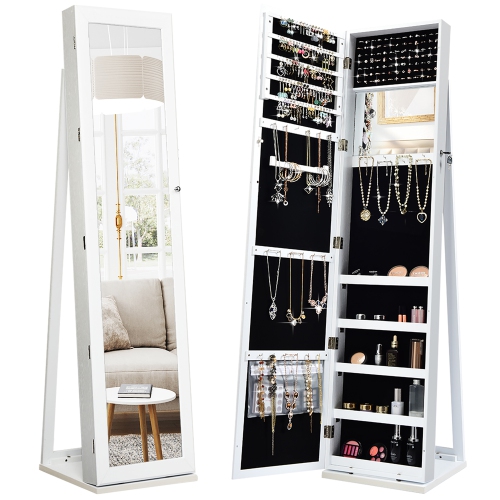 Your price for this item is $199.99
-
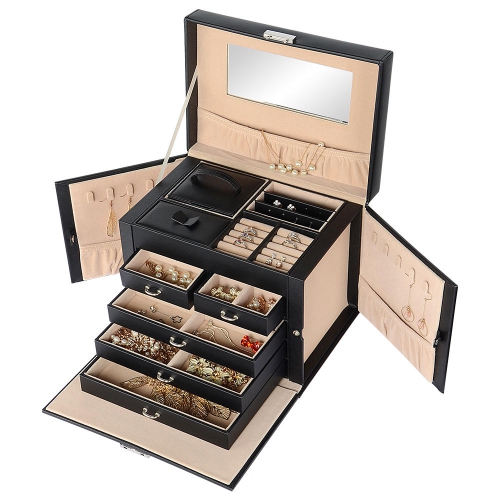 Your price for this item is $59.99
-
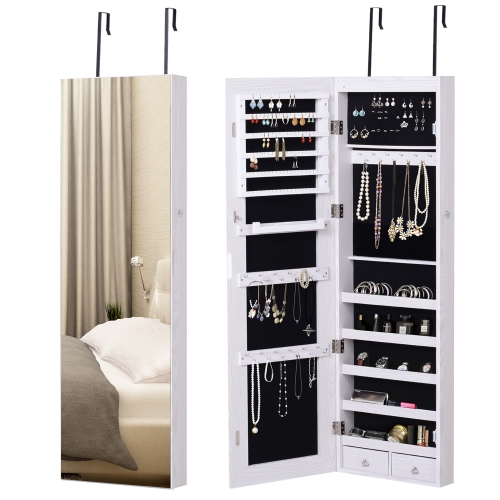 Your price for this item is $136.99
-
 Your price for this item is $108.14
-
 Your price for this item is $32.99
-
 Your price for this item is $85.96
-
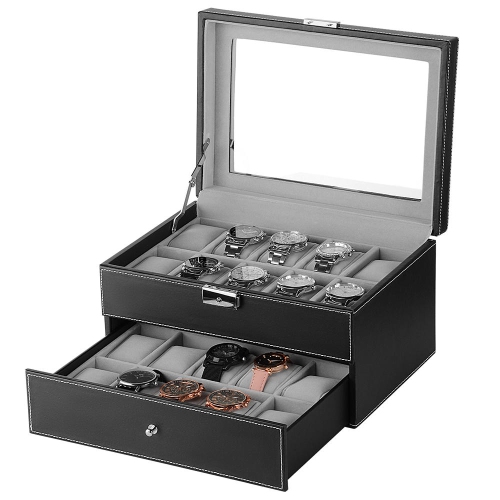 Your price for this item is $39.99
-
 Your price for this item is $46.96
Discover more categories related to Jewelry Packaging
Top Collections:
Pokemon Centers, Kindle Devices, Best Cameras for Sports Photography, Pokémon 30th Celebration Cards, Apple iPhones 16, Canon G7X Cameras, iPhone 15 Apple, Flip Phones, Samsung Galaxy Phones, Alarm Clock
Some products may be subject to Environmental Handling Fees
(EHF) depending on your province.
Learn more about EHFs.