Lab Created Diamond Rings
Discover the brilliance and beauty of lab-created diamond rings, where innovation meets elegance. Perfect for those seeking a sustainable and ethically sourced alternative to traditional diamonds, these stunning pieces offer the same sparkle and sophistication without compromising on quality. Whether you're looking for a timeless solitaire ring or a glamorous halo setting, our collection of lab-created diamond rings showcases exquisite craftsmanship and exceptional design. Elevate your style with a touch of eco-friendly luxury that shines as brightly as your love and commitment.
Sort
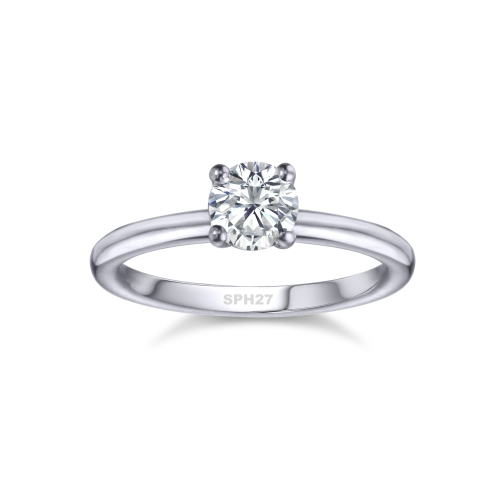


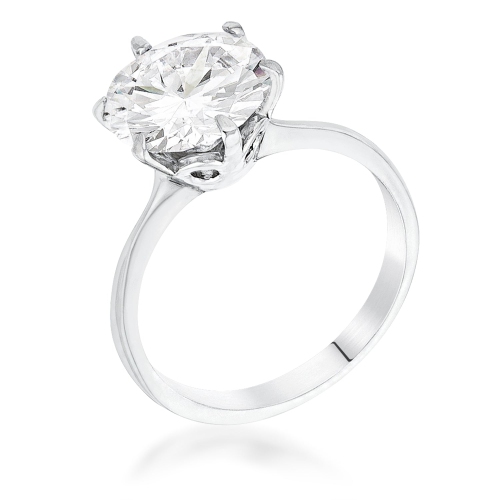


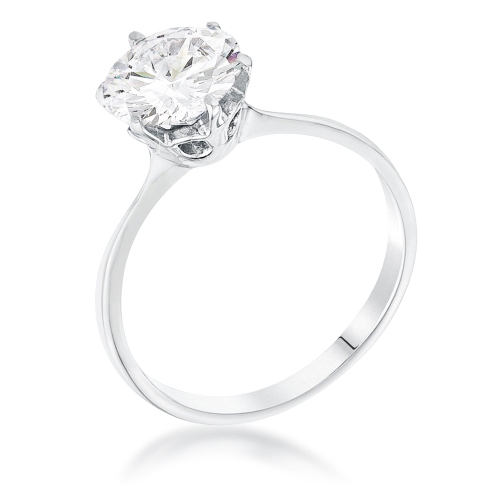
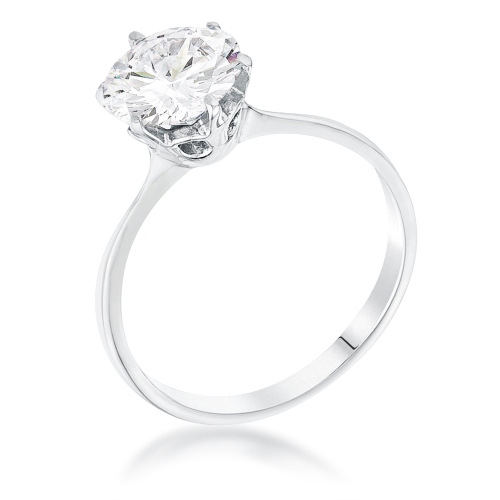
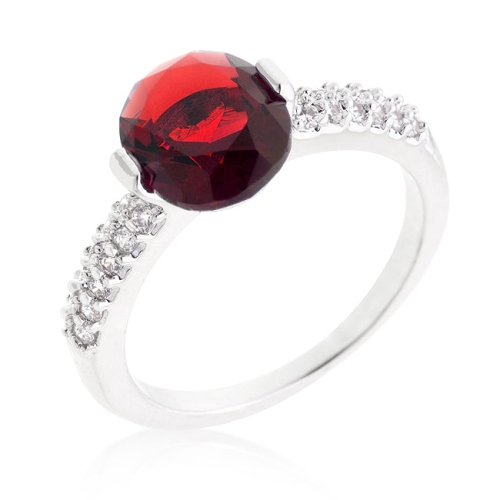


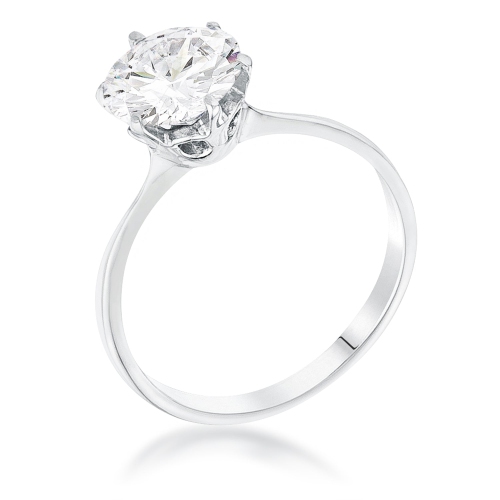


Real diamond brilliance with a different origin
Lab-created diamond rings feature diamonds grown through controlled technological processes rather than formed underground. These stones have the same essential chemical composition, crystal structure, hardness, and optical properties as mined diamonds: they are crystalline carbon, with the brilliance and flashes of colour associated with diamond jewellery. Their origin is different, but they are diamonds, not diamond simulants such as cubic zirconia or moissanite. Two principal methods, high pressure and high temperature growth and chemical vapour deposition, create conditions in which diamond crystals can develop. The resulting stones are cut and polished for jewellery, including engagement rings, wedding bands, anniversary rings, and designs worn simply for personal enjoyment. As with mined diamonds, individual lab-created diamonds vary in cut, colour, clarity, and carat weight. Cut describes how a diamond’s proportions, symmetry, and polish influence its interaction with light; it is distinct from shape, which refers to an outline such as round, oval, pear, or emerald cut. Colour grades describe the degree of colour present within a grading scale, while clarity addresses internal inclusions and surface characteristics. Carat measures weight rather than visible dimensions, so two diamonds of equal carat weight may look different in size when viewed from above. A well-proportioned centre stone can show lively sparkle without relying on an especially large outline, while an elongated shape may offer a different presence across the finger. Where supplied, a grading report from an established gemmological laboratory can document a stone’s laboratory-grown origin and assessed characteristics. That information is distinct from an appraisal and does not describe every aspect of the finished ring’s workmanship. The setting, band proportions, and quality of the finishing also shape how a ring looks and feels. Together, these details give lab-created diamond rings a broad range of expressions, from a slim solitaire with an open, airy setting to a substantial band with diamonds arranged across its surface.
The metal and setting are as important to everyday wear as the diamond itself. Yellow gold brings warmth to a ring, rose gold has a pink tone created by its alloy composition, and white gold provides a pale finish that is often enhanced with rhodium plating. That plating can wear over time and may need professional attention to maintain its appearance. Gold purity affects both composition and wear characteristics: 14-karat and 18-karat gold contain different proportions of gold and alloying metals, and durability also depends on the particular alloy and construction. Platinum is another jewellery metal, valued for its naturally white colour and density; it can develop a soft patina with wear rather than retaining a freshly polished surface indefinitely. For anyone with metal sensitivities, the full alloy composition matters, particularly whether nickel is present, rather than the colour of the metal alone. Setting style influences both appearance and practicality. Prongs leave much of a stone visible, while a bezel surrounds its edge with metal and can offer a smoother outline against clothing. A high-set centre diamond has a distinct profile, but it may catch on knitted cuffs or feel noticeable when pulling on gloves. A lower-profile ring can be more comfortable for someone whose hands are busy throughout the day, although any fine jewellery benefits from removal during heavy manual tasks. Pavé and other small-stone settings add detail along a band, with more individual settings to keep clean and inspect. Fit deserves similar attention. Wider bands often feel snugger than narrow ones in the same stated size, and fingers can change slightly with temperature and daily activity. A comfortable ring should pass over the knuckle with gentle resistance without pinching at the base of the finger. Measuring the intended finger using the sizing system stated for the ring helps avoid assumptions based on another piece of jewellery. Resizing possibilities depend on the design, metal, and placement of stones; bands with diamonds around the entire circumference can be particularly difficult to alter. When two rings will be worn together, their profiles also matter, since a raised setting, curved band, or wider shank can affect whether they sit neatly side by side.
Lab-created diamond rings can mark a proposal, a marriage, a meaningful anniversary, or a personal milestone, and the most suitable design often reflects the wearer’s habits as much as the occasion. Someone who wears little jewellery may appreciate an uncomplicated band and a smooth setting, while someone who enjoys layering rings may prefer proportions that work alongside existing favourites. For couples planning a coordinated pairing, lab-created diamond wedding rings bring the same diamond characteristics to styles intended to accompany an engagement ring or stand on their own. Matching metals can create a unified appearance, while contrasting tones offer a more individual combination. A gift ring also calls for attention to the recipient’s preferred finger, usual jewellery colour, and comfort with prominent settings; these details are often more useful than judging a design by sparkle alone. With regular wear, care helps preserve both that sparkle and the security of the setting. Diamond ranks 10 on the Mohs hardness scale, meaning it is highly resistant to scratching, but hardness does not make it immune to chipping or fracture from a sharp impact. Ring metals can scratch, prongs can wear, and stones can loosen if the setting is damaged. Removing rings before lifting weights, handling abrasive materials, swimming, or working with strong household cleaners helps limit unnecessary stress and exposure. For routine cleaning, many uncomplicated diamond rings can be gently washed with lukewarm water, mild dish soap, and a soft brush, then rinsed carefully and dried with a lint-free cloth. Any additional gemstones, coatings, or special finishes may require different care, so the ring’s own care directions take precedence. Ultrasonic cleaning is not suitable for every setting or accompanying gemstone. Separate storage in a soft pouch or divided jewellery box helps prevent diamonds from scratching neighbouring pieces. Periodic inspection by a qualified jeweller can identify worn prongs or loose stones before they lead to damage, helping a ring remain comfortable, secure, and bright through years of wear.
Top selling and popular products
-
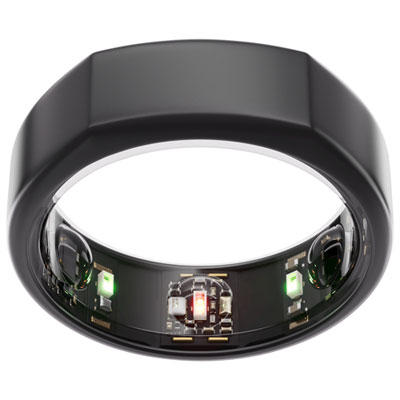 Your price for this item is $369.99
-
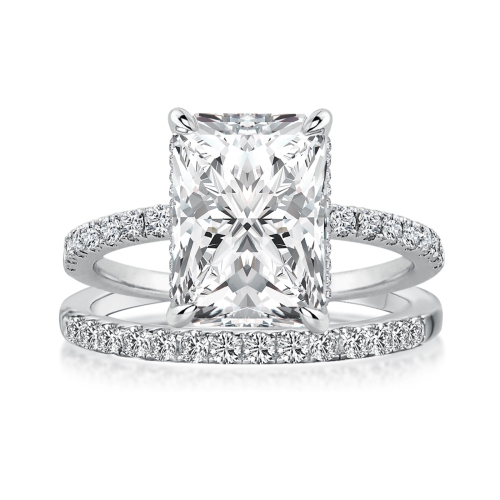 Your price for this item is $801.45
-
 Your price for this item is $133.2
-
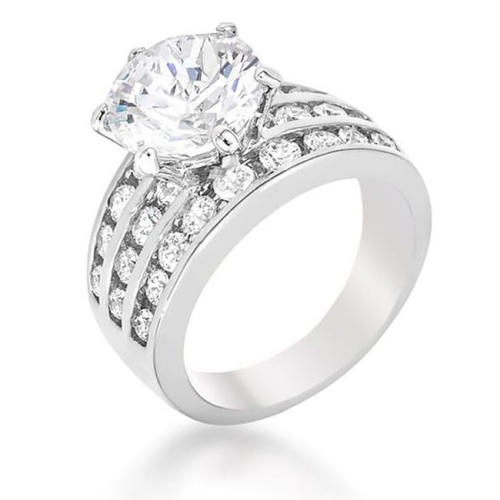 Your price for this item is $151.05
-
 Your price for this item is $123
-
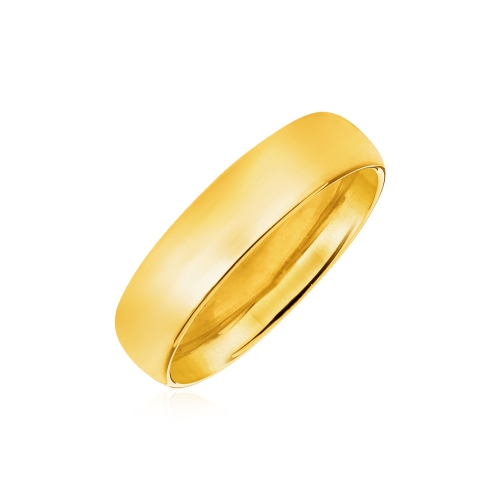 Your price for this item is $486.49
-
 Your price for this item is $135.75
-
 Your price for this item is $969
Discover more categories related to Lab Created Diamond Rings

Top Collections:
Pokemon Centers, Best Cameras for Sports Photography, Kindle Devices, Samsung Galaxy Phones, Canon G7X Cameras, Pokémon 30th Celebration Cards, Refurbished Apple Laptops, iPhone 15 Apple, Laptops for Students, Budget Smartphones
Some products may be subject to Environmental Handling Fees
(EHF) depending on your province.
Learn more about EHFs.