Lab Grown Emerald Earrings
Lab Grown Emerald Earrings bring a vibrant touch of elegance to any jewelry collection. These stunning pieces offer the classic beauty and captivating green hue emerald lovers adore, perfect for elevating your everyday style or adding a sophisticated accent to special occasions. Explore a diverse selection of designs to find the ideal pair of Lab Grown Emerald Earrings that suits your personal taste and enhances your unique look.
Sort


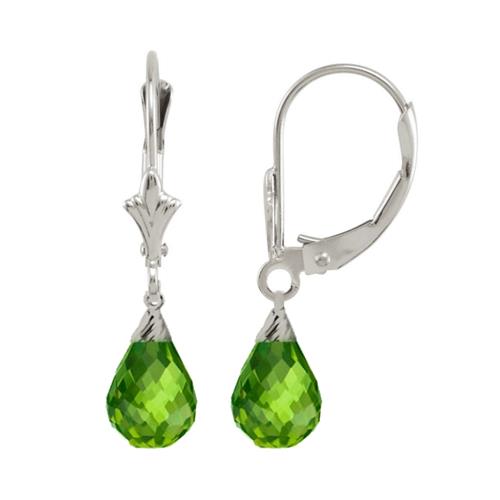


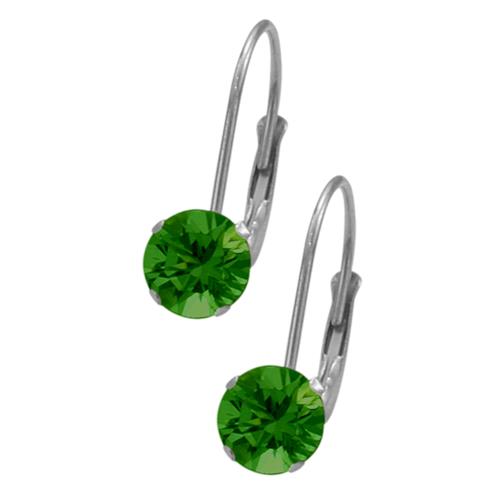
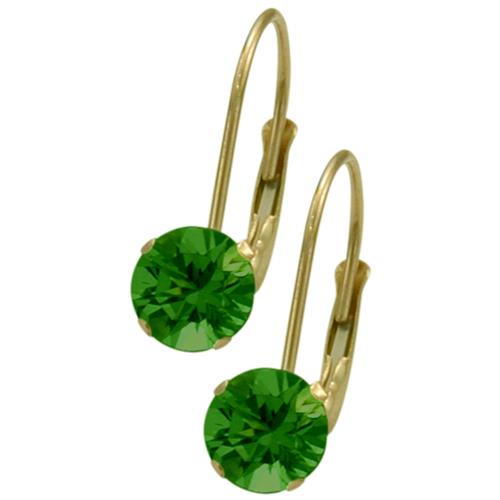


The genuine emerald behind the laboratory-grown label
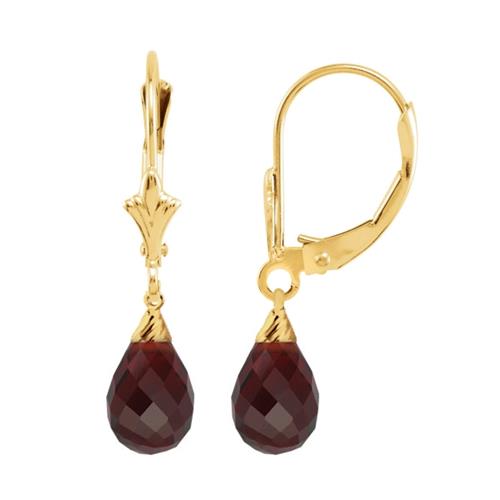
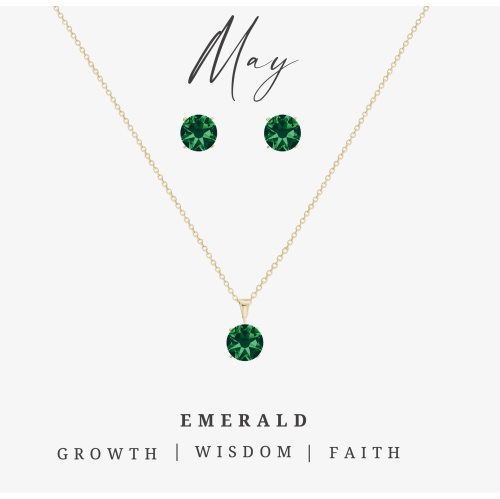
Lab-grown emerald earrings bring the rich green colour of emerald to jewellery made for everything from a simple everyday outfit to a formal celebration. Their gemstones are genuine emeralds grown under controlled laboratory conditions, with the same essential chemical composition, crystal structure, and optical properties as mined emeralds. Both belong to the beryl family, with their green colour arising from trace elements such as chromium or vanadium. A lab-grown emerald is different from green glass or a gemstone simulant: the term describes how the emerald was formed, rather than an imitation of its appearance. Laboratory growth can produce stones with strong colour and relatively few visible inclusions, though clarity, tone, and internal characteristics still vary. Some emeralds have a fresh, bright green appearance, while others show a deeper green with a blue undertone. The cut helps shape that impression. An emerald cut has a rectangular outline, clipped corners, and step-like facets that create broad flashes of light, drawing attention to the stone’s colour and clarity. Round and oval cuts offer softer outlines, while pear shapes bring a tapered silhouette that works especially well in drop earrings. Emerald-cut describes a cutting style, not the gemstone’s origin, so a lab-grown emerald can have any of these shapes. In a pair of earrings, a close match in colour, dimensions, and cutting style contributes to a balanced look. Carat weight measures gemstone mass rather than visible size, and a stated total carat weight may refer to both earrings together. Measurements in millimetres provide a clearer sense of how much of the ear a stone will cover. A shallow, broad stone can appear larger from the front than a deeper stone of similar weight. Those details matter whether the intended effect is a discreet point of green beside the face or a more noticeable jewel that stands out against dark hair and a simple neckline.
The setting and metal give lab-grown emerald earrings much of their character, while also influencing comfort and everyday practicality. Yellow gold lends warmth to the green stones, white gold and sterling silver provide a bright contrast, and rose gold adds a soft pink-toned frame. Solid gold, gold-plated silver, and other plated metals differ in construction and care requirements; a surface layer of gold can gradually wear at points of frequent contact. Gold purity also affects the balance of gold and alloying metals, but neither gold colour nor karat alone establishes whether a pair will suit sensitive ears. For pierced ears, the composition of the posts and backs deserves as much attention as the decorative setting. Anyone with a known metal allergy benefits from clear material information rather than relying on a broad description such as gold-tone. Design makes an equally noticeable difference. Solitaire studs keep the focus on a single emerald in each ear and can sit neatly beside a shirt collar or beneath loosely worn hair. A bezel surrounds the stone’s edge with metal, giving it a smooth outline and some protection from accidental knocks. Prongs expose more of the gemstone, although raised claws can catch on fabric or hair if they become bent or loose. Halo settings frame the emerald with smaller accent stones, creating a larger overall outline and contrast around the green centre. The accent stones should be identified separately, since their material and origin need not match those of the emerald. Drop earrings add movement, while hoops or huggies with emerald accents offer a rounded shape close to the lobe. Earring weight, drop length, post position, and fastening style all affect how a pair feels over several hours. Push backs, screw backs, and hinged closures involve different handling, particularly for someone who finds small jewellery components difficult to manage. A low-profile stud may be comfortable for a day at a desk, whereas a longer drop can give an evening outfit more presence without needing a necklace to complete it.
Emerald’s beauty comes with a few practical care considerations, including for stones grown in a laboratory. Emerald measures approximately 7.5 to 8 on the Mohs hardness scale, but resistance to scratching is not the same as resistance to chipping or breaking. Inclusions, surface-reaching fractures, and any clarity treatments can affect how a stone responds to impacts, heat, and cleaning. Lab-grown origin does not automatically mean an emerald is flawless, untreated, or suitable for every cleaning method. Earrings generally encounter fewer hard knocks than rings, yet exposed corners and edges still deserve care when jewellery is handled or stored. For many emerald earrings, gentle cleaning with lukewarm water, a little mild soap, and a soft cloth or very soft brush is appropriate, provided it agrees with the maker’s instructions for the stones, treatments, and metal. Prolonged soaking, steam cleaners, ultrasonic machines, and harsh chemicals are best avoided unless a qualified jeweller confirms that they are suitable for the particular piece. Applying hairspray, perfume, and cosmetics before putting on earrings helps limit residue around the settings. Removing them before swimming, showering, exercise, or sleep reduces contact with chemicals, moisture, and unnecessary pulling. Separate storage in a soft pouch or lined compartment helps prevent scratches from harder gemstones and keeps posts from tangling with chains. Periodic checks of backs, hinges, and prongs can catch a loose fastening before an earring is lost. With that care, lab-grown emerald earrings can become a familiar part of a jewellery collection or a thoughtful gift for a birthday, graduation, anniversary, or wedding celebration. The recipient’s habits are useful clues: someone who wears small studs daily may appreciate a compact green pair, while someone drawn to expressive jewellery may prefer an elongated cut or a moving drop. Matching an existing metal colour can make a gift easier to wear with favourite pieces, though mixed-metal combinations can feel just as personal. For a wider look at gemstone colours and styles, Lab Created Gemstone Earrings offers a related category to explore. Emerald’s distinctive green remains the defining feature here, whether framed simply for frequent wear or given a more elaborate setting for special occasions.
Top selling and popular products
-
 Your price for this item is $311.18
-
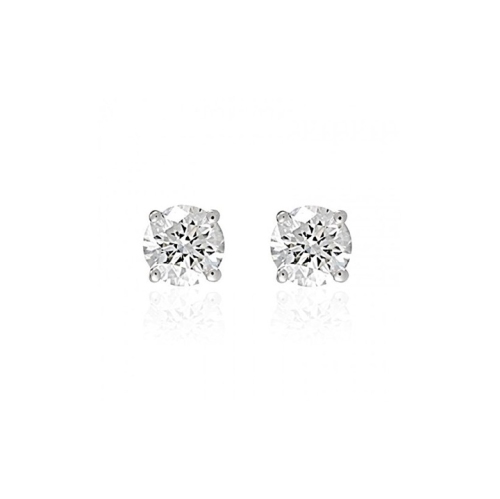 Your price for this item is $1750
-
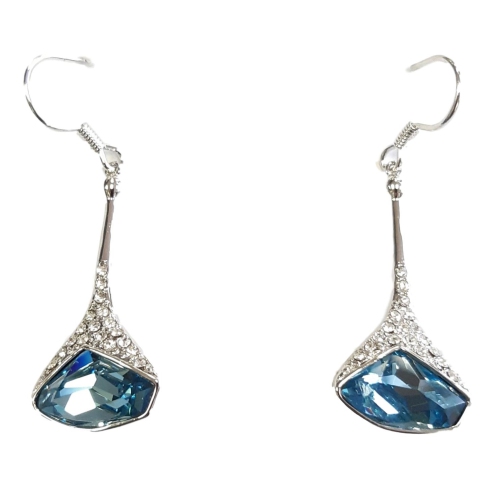 Your price for this item is $49.97
-
 Your price for this item is $1194.19
-
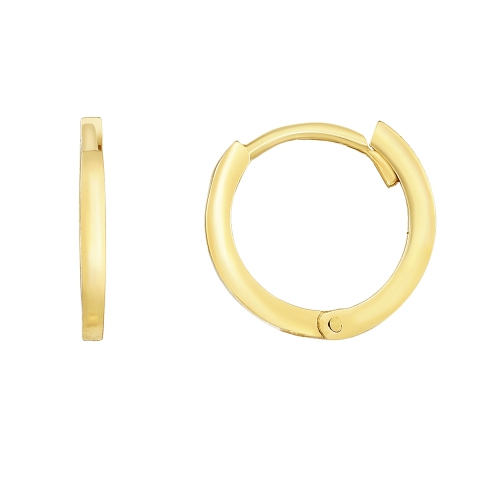 Your price for this item is $165.96
-
 Your price for this item is $849
-
 Your price for this item is $1099
-
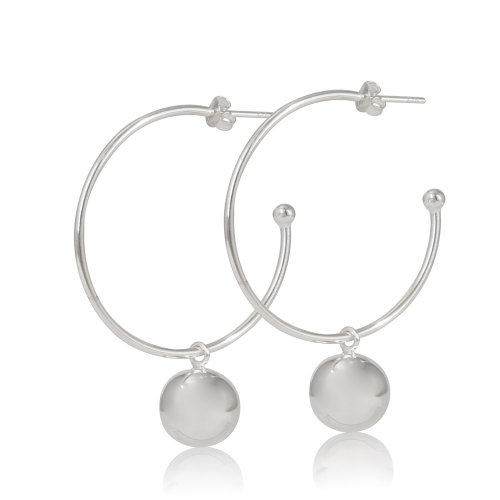 Your price for this item is $110
Discover more categories related to Lab Grown Emerald Earrings

Top Collections:
Pokemon Centers, Best Cameras for Sports Photography, Kindle Devices, Samsung Galaxy Phones, Canon G7X Cameras, Pokémon 30th Celebration Cards, Refurbished Apple Laptops, iPhone 15 Apple, Laptops for Students, Budget Smartphones
Some products may be subject to Environmental Handling Fees
(EHF) depending on your province.
Learn more about EHFs.