Leather Jewelry
Elevate your accessory game with our stunning collection of leather jewelry. Perfect for adding a touch of sophistication and style to any outfit, leather jewelry combines the timeless appeal of leather with intricate designs that cater to both classic and contemporary tastes. Whether you're looking for bracelets, necklaces, or earrings, our selection offers a variety of pieces that showcase the beauty and versatility of leather. Discover the perfect piece to complement your personal style and make a statement with our exquisite range of leather jewelry.
Sort








Where soft leather meets polished metal
Leather jewellery combines flexible leather with details such as metal clasps, beads, stones, and pendants to create bracelets, necklaces, and earrings with a distinctive texture. Its appeal comes from contrast: a smooth cord can soften the look of a polished metal pendant, while a broad cuff brings a bold shape to an otherwise simple outfit. Common styles include braided bracelets, wrap bracelets, flat leather cuffs, cord necklaces, chokers, and earrings cut into geometric, fringe, or feather-like shapes. Each puts the material to a different use. Braiding adds depth and movement, flat bands show off the grain, and thin cut leather can create generously sized earrings without the weight of similarly sized solid metal designs. Black and brown offer familiar, versatile starting points, while tan, burgundy, navy, and brighter colours can make the leather itself the focal point. A matte surface has a quieter appearance than a glossy finish, and stitching, edge treatments, and contrasting hardware influence whether a piece feels understated, rugged, or expressive. Leather jewellery suits a wide range of personal styles rather than belonging to one particular look or gender. A narrow bracelet can sit neatly beside a watch, a pendant on a leather cord can add interest above a plain neckline, and sculptural earrings can stand on their own without other accessories. For a more coordinated look, repeating a metal tone across a clasp, pendant, and earring hook creates a connection without requiring every piece to match. Those drawn to simple wrist accessories can also explore Leather Wristbands for a related way to wear leather. The distinction between a wristband and a bracelet is often a matter of styling, although some wristbands serve a functional purpose and require attention to their intended use. Across these forms, the most useful details to compare are leather composition, dimensions, fastening style, and any materials that touch the skin. Together, those features determine how a piece looks, feels, and fits into everyday wear.
Material descriptions help explain the differences between pieces that may look similar in a photograph. Full-grain leather retains the hide’s grain surface and may show natural markings, while top-grain leather has generally been sanded or otherwise finished for a more uniform appearance. Suede has a soft, napped surface that gives colour a muted depth, but it can show marks and absorb moisture more readily than many smooth finishes. Bonded leather contains leather fibres held together with a binding material, so its construction differs from a continuous cut of hide. Faux leather is a separate material category, often made with a coated fabric backing, and should not be assumed to have the same wear or care characteristics as animal leather. The term “genuine leather” alone does not establish thickness, softness, or overall quality; construction and finishing still matter. On a bracelet, neatly finished edges, secure stitching, and a firmly attached clasp can make a noticeable difference over time. On a necklace, the connection between the cord and its end fittings deserves similar attention, especially when it carries a heavier pendant. Fit is equally important. A wrist measurement is a starting point, but a wide cuff generally feels more substantial than a narrow cord at the same stated size. A comfortable bracelet should allow natural movement without pinching or sliding so far that it interferes with the hand. Adjustable knots, buckles, and multiple fastening positions offer different ways to fine-tune that fit. Wrap styles need enough length for their intended number of turns, and their total length should not be confused with the wrist size they suit. For necklaces, consider where the cord will sit against both skin and clothing; pendant size and weight can change how it hangs. Earring comfort depends on the complete design, including hooks, posts, beads, and connecting hardware, not just the leather portion. Anyone with a known metal sensitivity should check the stated composition of those components rather than relying on colour or finish as an indication of suitability.
Leather jewellery can work well for regular wear when its care needs match the wearer’s routine. Repeated exposure to water, perspiration, lotions, perfume, and cleaning products can affect the leather, its dyes, or its metal fittings. Removing pieces before showering, swimming, exercising, or washing dishes helps limit that contact. A bracelet worn beside a watch may also rub against the case or strap, while a dangling earring can catch on headphones or a loose knit collar. Small practical details matter in these situations: a low-profile clasp may feel more comfortable at a keyboard, and a shorter necklace may stay more contained than a long pendant during an active day. Cleaning should follow the maker’s directions because smooth leather, suede, painted surfaces, and mixed-material designs do not all tolerate the same treatment. A soft, dry cloth is a useful starting point for light surface dust on many smooth finishes. Avoid soaking leather or using jewellery dips intended for metal, and do not assume a conditioner made for footwear is suitable for a small accessory worn against skin. If leather becomes damp, allow it to dry naturally away from direct heat. Store pieces without sharp folds or tight knots, separate rough metal edges from soft surfaces, and keep earrings positioned so their cut shapes are not crushed. With wear, some leather develops a softer feel and a patina, while other finishes remain more uniform; neither result should be assumed from colour alone. Durability depends on the leather, coating, construction, and frequency of use. For gifting, those same practical considerations are more helpful than choosing by appearance alone. An adjustable bracelet can offer flexibility when an exact wrist measurement is unknown, whereas a fitted choker needs closer attention to sizing and comfort preferences. Birthdays, anniversaries, graduations, and personal milestones can all be fitting occasions for leather jewellery. Matching the recipient’s usual metal tones, preferred colours, and appetite for bold or subtle accessories helps make the gift feel personal and easy to wear.
Top selling and popular products
-
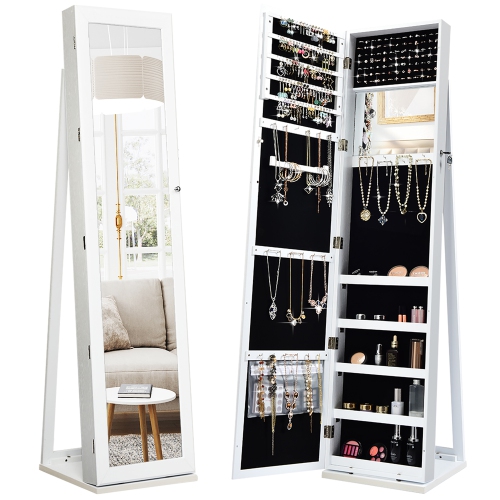 Your price for this item is $199.99
-
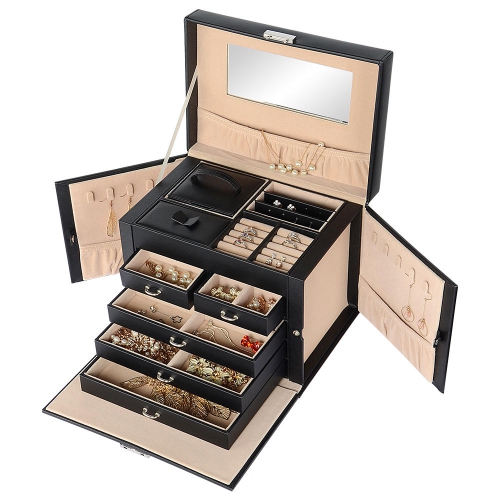 Your price for this item is $59.99
-
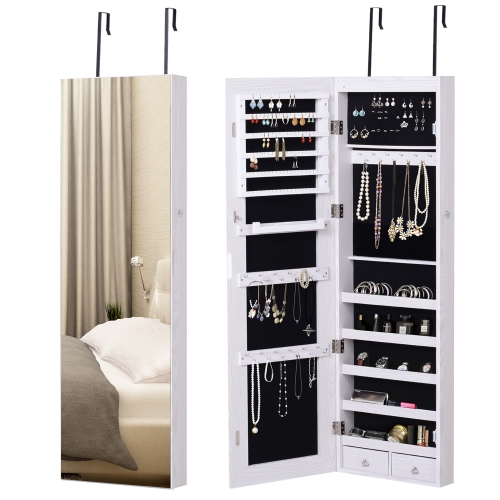 Your price for this item is $136.99
-
 Your price for this item is $32.99
-
 Your price for this item is $108.14
-
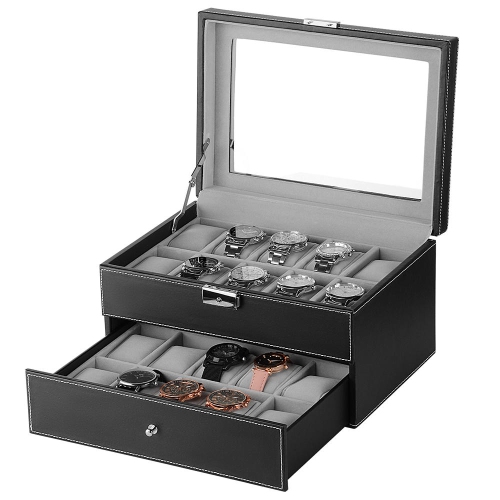 Your price for this item is $39.99
-
 Your price for this item is $39.77
-
 Your price for this item is $32.99
Discover more categories related to Leather Jewelry


Top Collections:
Pokemon Centers, Best Cameras for Sports Photography, Kindle Devices, Samsung Galaxy Phones, Canon G7X Cameras, Pokémon 30th Celebration Cards, Refurbished Apple Laptops, iPhone 15 Apple, Laptops for Students, Budget Smartphones
Some products may be subject to Environmental Handling Fees
(EHF) depending on your province.
Learn more about EHFs.