Luxury Engagement Rings
Discover a stunning collection of luxury engagement rings that exude elegance and timeless beauty. Each piece in this curated selection is crafted with exquisite attention to detail, showcasing the finest materials and expert craftsmanship. Whether you're searching for a classic solitaire diamond ring or a unique design that reflects your individual style, our range of luxury engagement rings offers something special for every love story. Elevate the moment of proposal with a symbol of everlasting love and commitment that will be cherished for a lifetime.
Sort

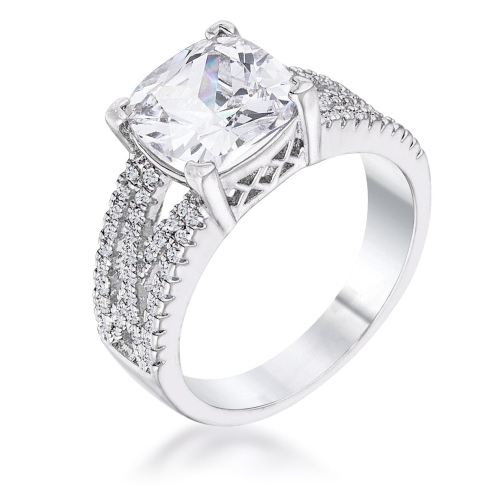


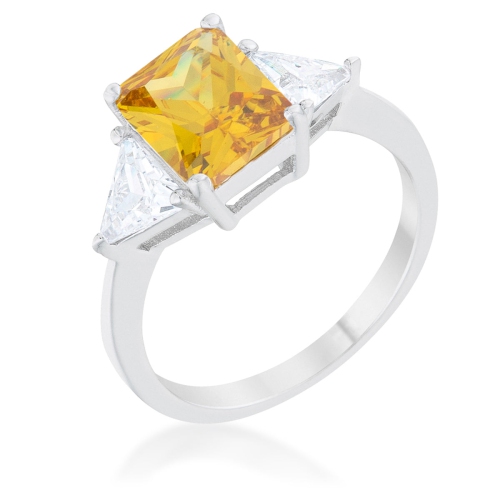


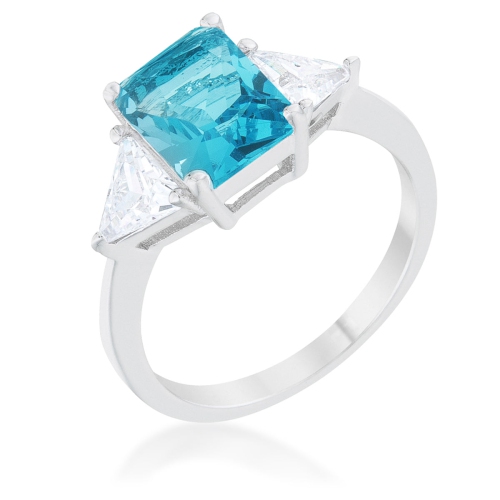
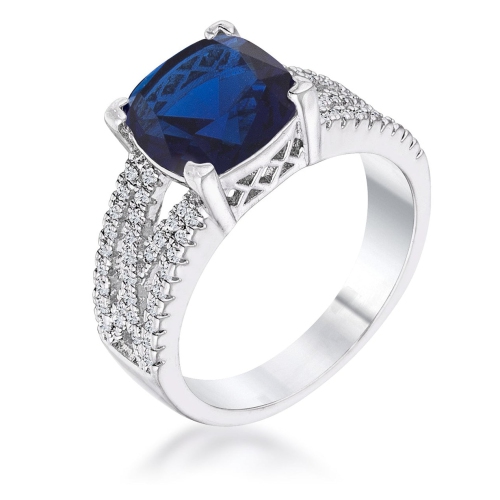






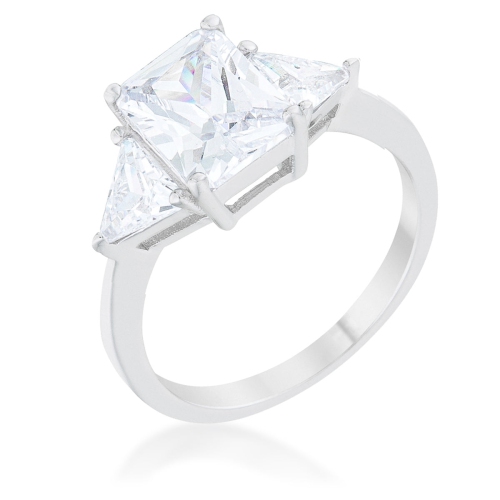


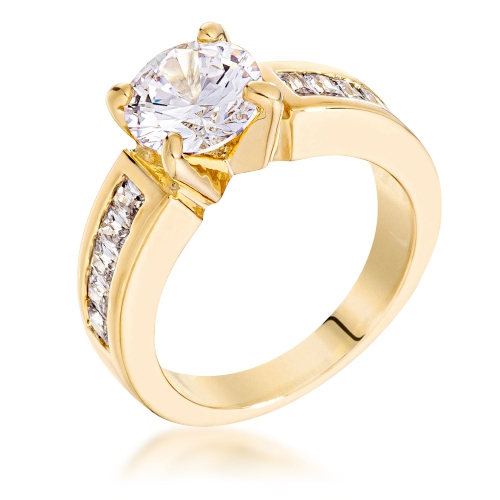


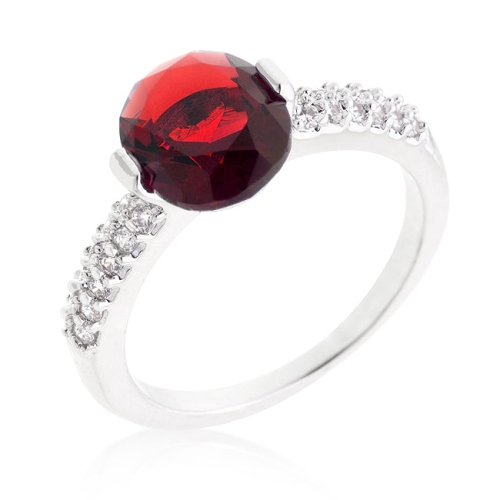
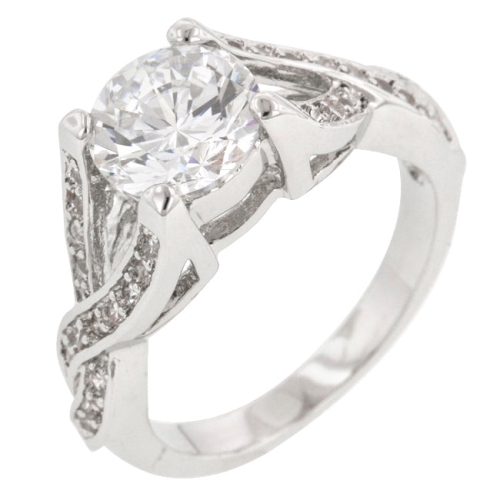

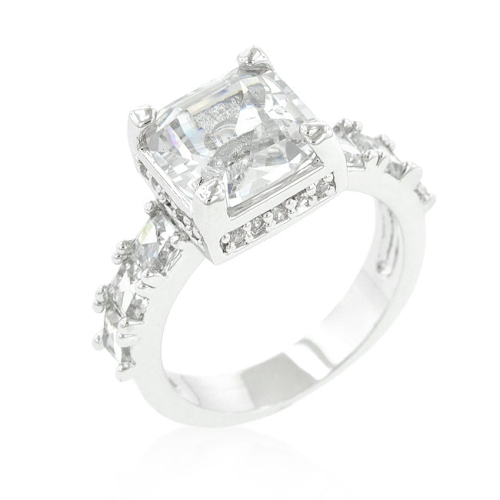


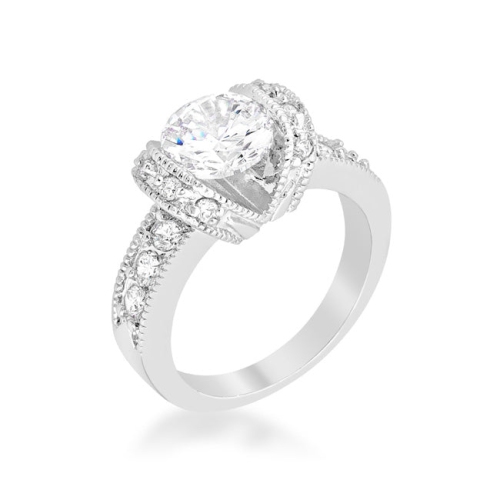


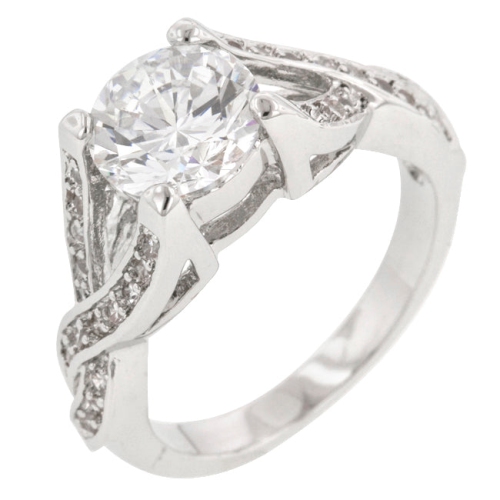
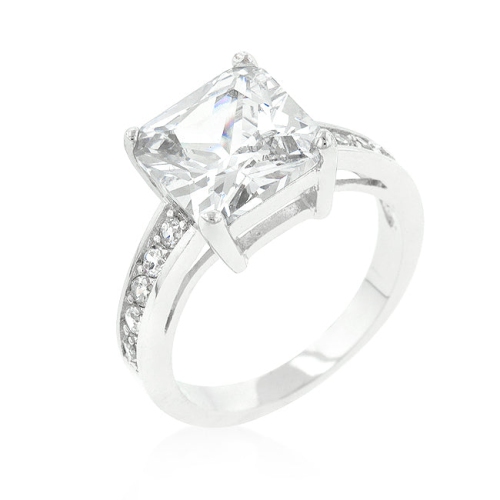


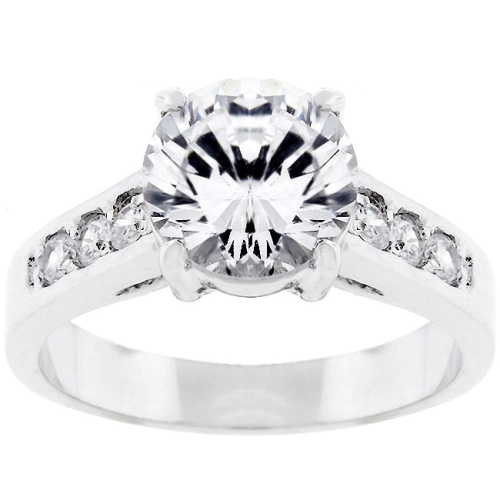

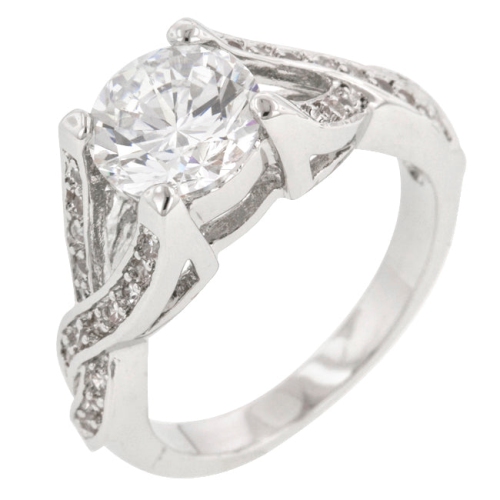

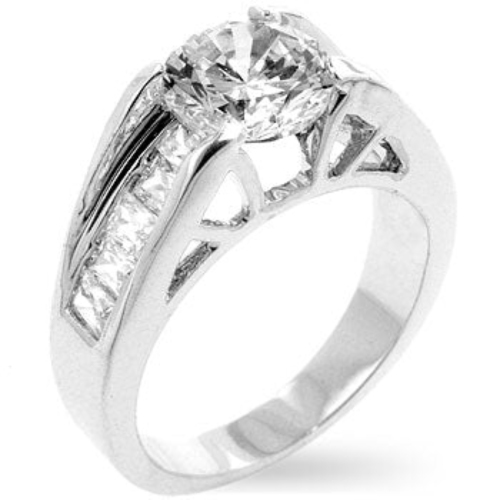



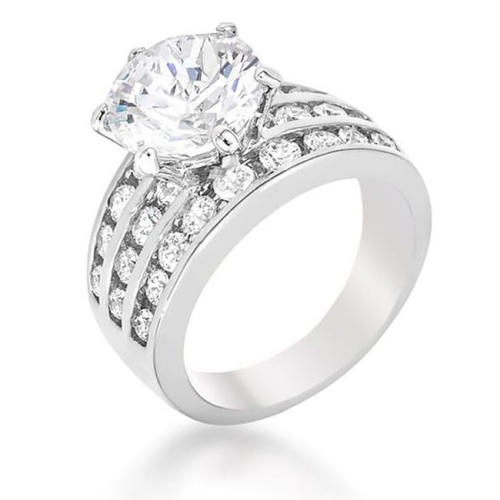


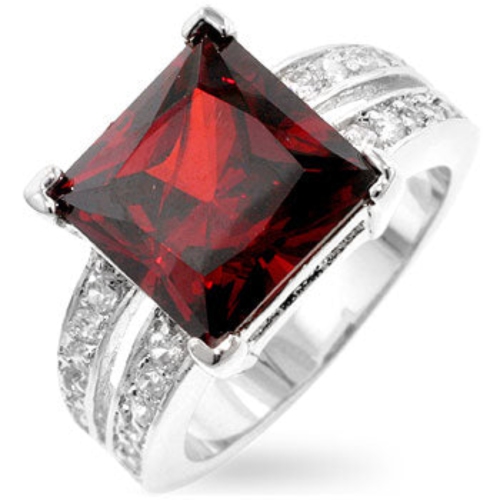


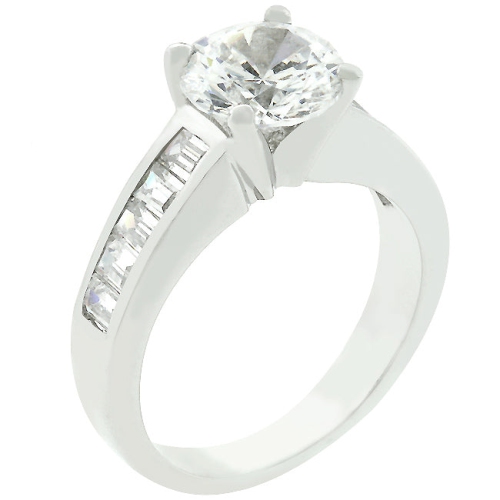


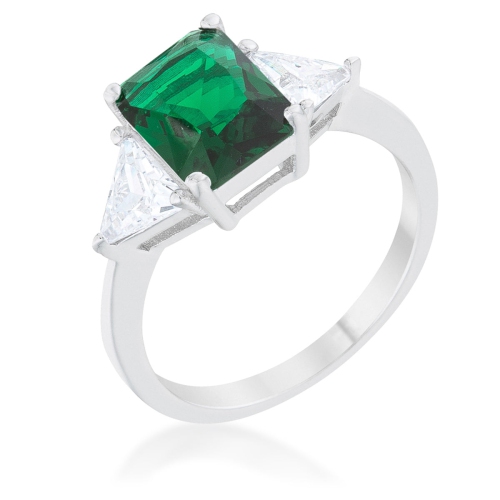






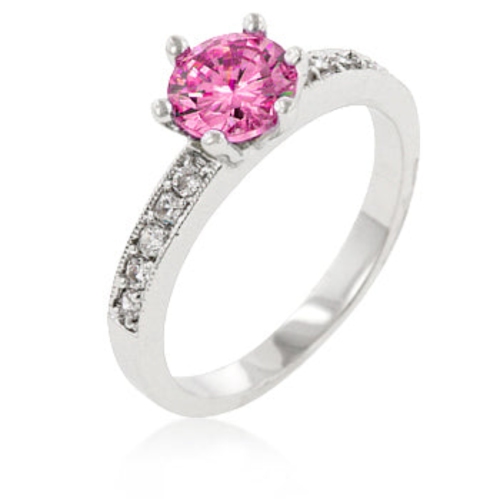


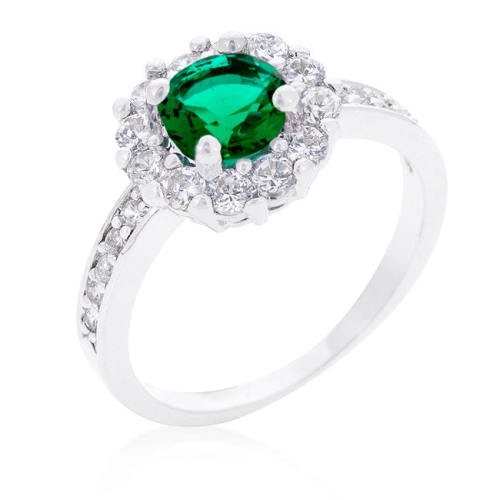


How stone proportions and settings shape a ring’s character
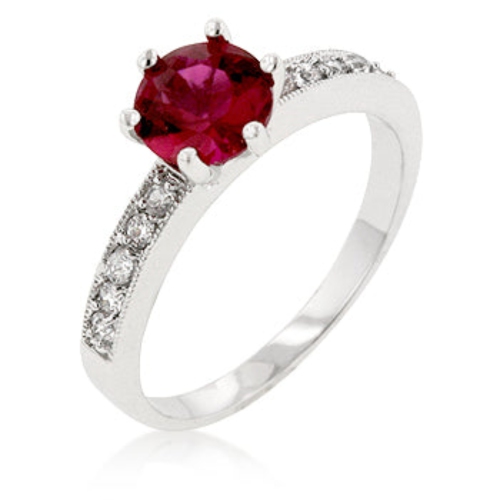
Luxury engagement rings bring together fine gemstones, precious metals, and carefully finished settings to mark a lasting commitment. Their distinction lies in the relationship between the stone and its setting: balanced proportions, secure stone placement, smooth edges, and details that remain beautiful when viewed from the side as well as from above. A striking centre stone may draw attention first, but the shape of the claws, the finish inside the band, and the symmetry of the surrounding stones all contribute to the ring’s character. Diamond engagement rings are often assessed through the four Cs: cut, colour, clarity, and carat weight. Cut describes how successfully a diamond’s proportions and finish interact with light, while colour and clarity describe characteristics that can influence its appearance. Carat measures weight rather than face-up size, so two diamonds of equal weight can look different on the hand. Round brilliant diamonds are known for lively sparkle; oval and pear shapes create an elongated outline; emerald and Asscher cuts reveal broad, orderly flashes through their stepped facets. Cushion shapes combine softened corners with a silhouette that can suit both traditional and contemporary settings. Neither size nor a high grading result alone defines a luxurious ring. A thoughtfully proportioned stone in an expertly finished setting can have a presence that feels refined rather than overstated. Natural and laboratory-grown diamonds share essentially the same chemical composition, crystal structure, and physical properties, although their origins differ and should be clearly disclosed. Diamond grading reports from an independent gemmological laboratory can document characteristics that are difficult to assess through photographs alone. Coloured gemstones offer another form of distinction, from the deep blue of sapphire to the vivid red of ruby. For a ring intended for frequent wear, gemstone hardness, toughness, and any treatments matter alongside colour. The most personal designs balance these practical qualities with the recipient’s taste, whether that means a crisp, architectural profile or a softer arrangement of rounded stones and delicate metalwork.
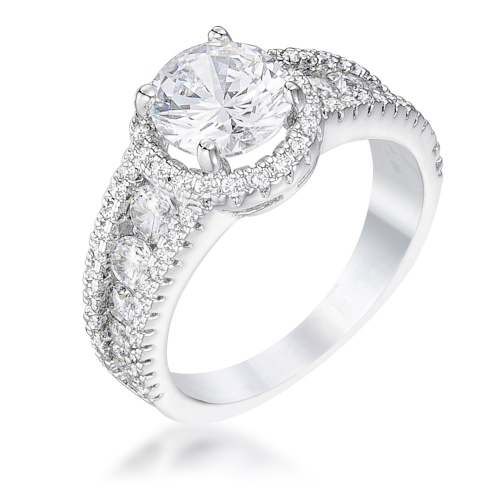
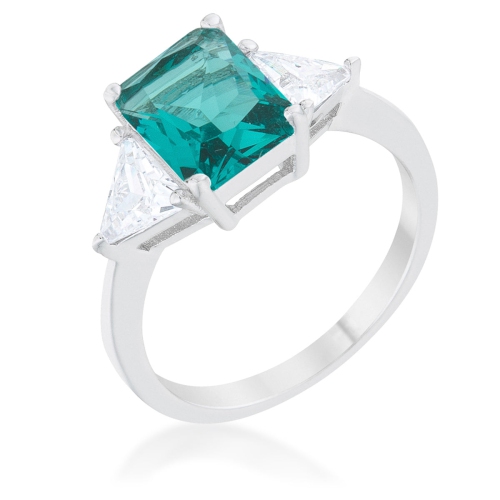
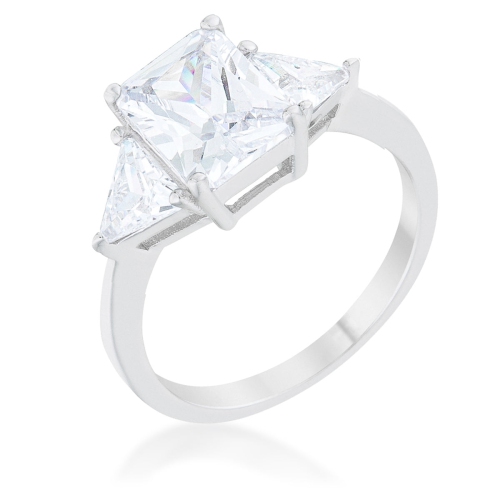
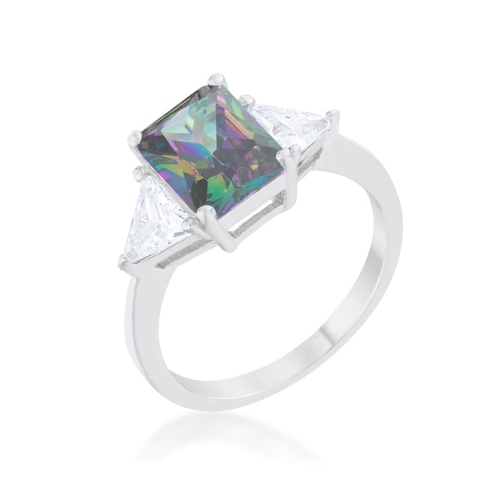
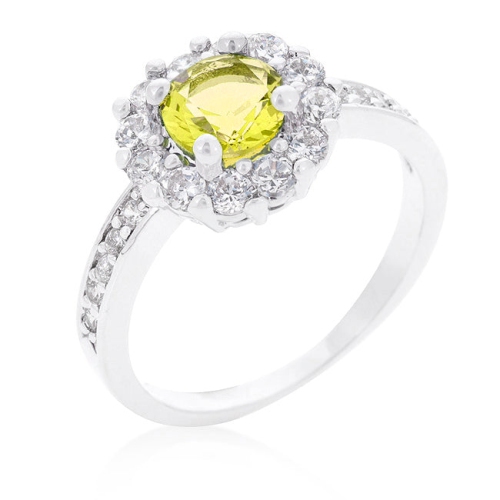
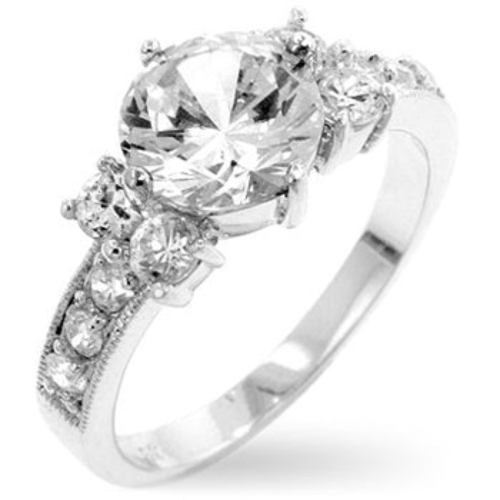
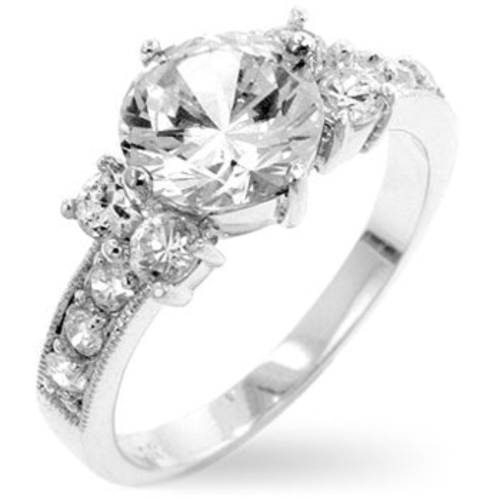
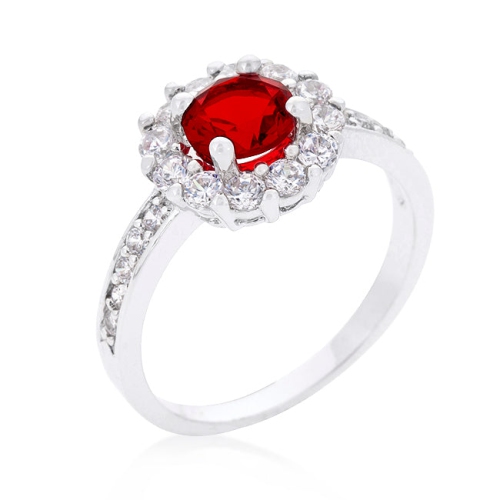
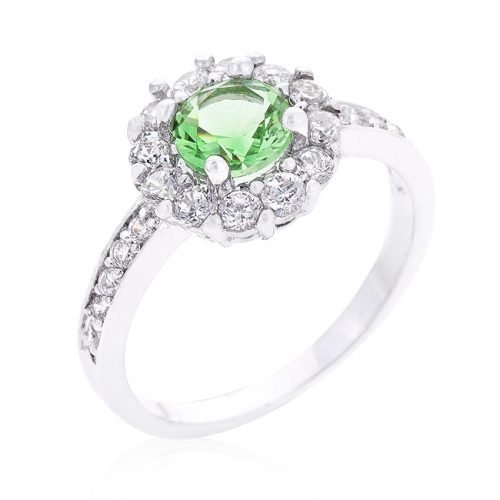
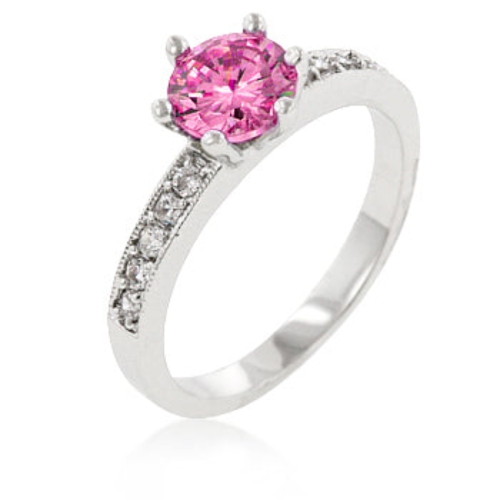
The setting gives a luxury engagement ring much of its personality and influences how comfortably it fits into daily life. A solitaire places one centre stone at the heart of the design, allowing its outline and the surrounding metalwork to stand out. Halo settings frame the centre with smaller stones, creating a broader sparkling outline, while hidden halos place that detail beneath the centre stone, where it is more apparent from an angle. Three-stone engagement rings pair a central gem with two side stones and are often associated with a couple’s past, present, and future. Pavé bands add closely set accents along the shoulders; plain polished bands offer a quieter contrast that keeps attention on the main stone. For a similarly refined aesthetic, Elegant Engagement Rings offer a related point of inspiration, particularly when clean lines and balanced proportions appeal more than elaborate decoration. Metal choice shapes the overall impression just as strongly. Yellow gold has a warm tone that pairs naturally with traditional detailing, rose gold brings a pink hue, and white gold or platinum provides a pale frame around the stones. Gold jewellery is made using alloys, and the karat designation identifies its proportion of pure gold. Alloy composition affects colour, hardness, and suitability for someone with metal sensitivities; white gold, in particular, may contain nickel, depending on the alloy. Many white gold rings have rhodium plating, which can wear with use and may need periodic replating to maintain a bright white finish. Platinum is naturally white, feels relatively substantial, and develops a surface patina through everyday wear. No precious metal is scratch-proof, and a highly polished band will show contact marks differently from a textured finish. For someone who prefers discreet jewellery, a lower-profile setting can feel less intrusive during ordinary tasks. A taller setting gives the centre stone greater elevation but may catch on knitted sleeves or gloves. These small differences help determine whether a ring feels as pleasing to wear as it looks in a presentation box.
An engagement ring is both a meaningful gift and an object that may be worn for decades, making fit and long-term care part of its appeal. The band should pass over the knuckle with gentle resistance and sit securely without pinching at the base of the finger. Wider bands can feel tighter than narrow ones in the same stated size, while a substantial centre setting may turn on the finger if the fit is too loose. A professional sizing assessment is especially useful when the wearer has a pronounced knuckle or plans to wear the engagement ring beside a wedding band. The two rings need enough room to sit comfortably together, and their profiles determine whether they meet flush or leave a gap. Some settings accommodate a straight wedding band beneath the centre stone; others suit a curved or contoured companion. Resizing possibilities also vary by design, particularly with stones extending around the full band or intricate details continuing across the shank. For a surprise proposal, an existing ring worn on the intended finger can provide a useful starting point, although a jeweller should confirm the final fit. Everyday routines deserve equal consideration. Someone who lifts weights, handles tools, or works frequently with their hands may prefer a streamlined setting and will still benefit from removing the ring during activities that could bend the band or strike the stones. Diamonds resist scratching exceptionally well, but a hard impact can chip them, especially at exposed points or edges. Prongs and small accent stones benefit from periodic inspection by a qualified jeweller. Cleaning should suit the metal, gemstone, and any treatments: mild soap, lukewarm water, and a soft brush are appropriate for many diamond rings, while ultrasonic or steam cleaning is not suitable for every gemstone or setting. Separate, padded storage helps prevent jewellery from rubbing together. With thoughtful attention to design, fit, and upkeep, luxury engagement rings can retain their beauty while carrying the significance of a proposal into anniversaries, shared milestones, and ordinary days together.
Top selling and popular products
-
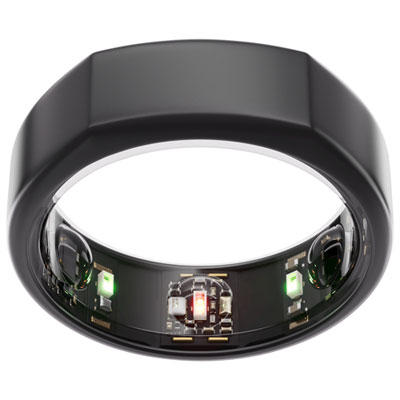 Your price for this item is $369.99
-
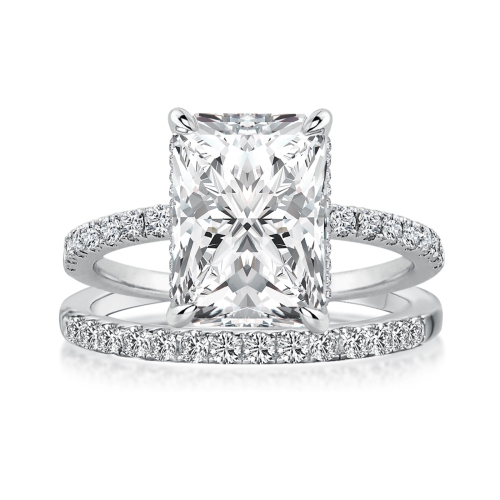 Your price for this item is $801.45
-
 Your price for this item is $362.03
-
 Your price for this item is $71
-
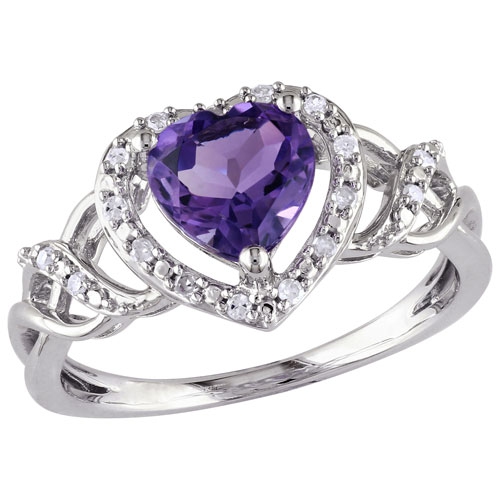 Your price for this item is $95
-
 Your price for this item is $139.99
-
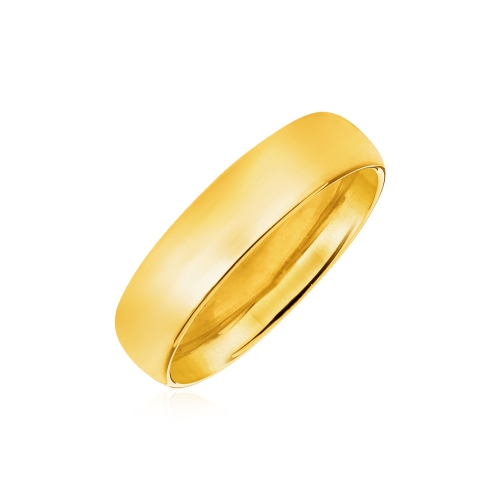 Your price for this item is $486.49
-
 Your price for this item is $969
Discover more categories related to Luxury Engagement Rings


Top Collections:
Pokemon Centers, Kindle Devices, Best Budget Office Chairs, Canon G7X Cameras, Apple iPhones 16, Samsung Galaxy Phones, Refurbished Apple Laptops, Laptops for Students, iPhone 15 Apple, Budget Smartphones
Some products may be subject to Environmental Handling Fees
(EHF) depending on your province.
Learn more about EHFs.