Mens Luxury Diamond Rings
Elevate your style with Mens Luxury Diamond Rings, designed to make a lasting impression at any occasion. Whether you’re searching for a statement piece or a refined accent, discover an array of expertly crafted rings that blend sophistication and timeless appeal. Explore options that capture attention and express individuality, making it easy to find the perfect ring to complement your look.
Sort


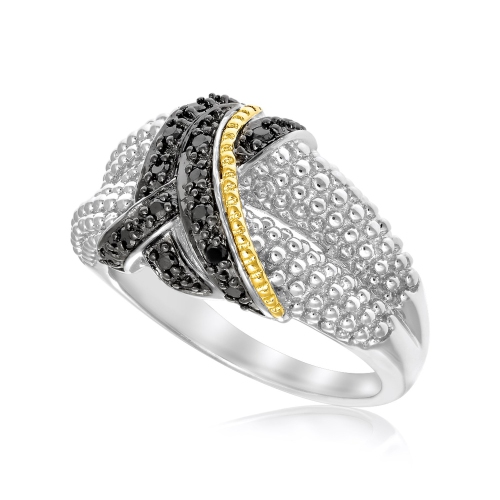
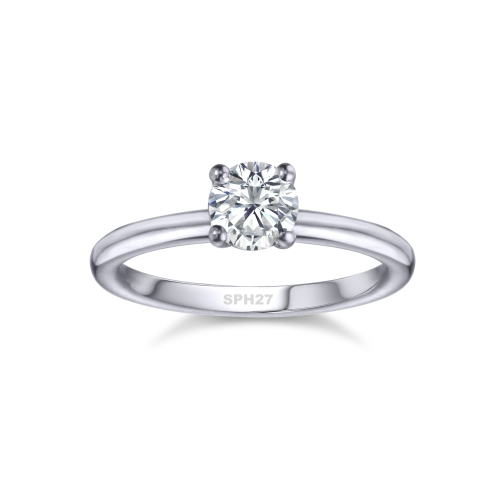


A diamond ring’s character goes beyond stone size
Men’s luxury diamond rings bring together precious metals, carefully set stones, and distinctive proportions in jewellery that can carry personal meaning as well as visual impact. A narrow band with a single inset diamond offers a quiet accent beside a watch or cuff, while a substantial signet-style ring with a diamond-set face makes a more pronounced statement. Between those extremes are bands with continuous rows of stones, sculpted shoulders, geometric settings, and contrasting polished and brushed surfaces. The character of a ring depends on how these details work together, not simply on the size of its diamonds. A crisp edge, a smoothly finished interior, and stones arranged with consistent spacing all contribute to a refined appearance. Yellow gold gives diamonds a warm backdrop and suits both traditional and contemporary designs. Rose gold has a copper-toned hue that creates a softer contrast, while white gold and platinum provide a white-metal setting that lets the outline and sparkle of each stone stand out. Gold purity is expressed in karats: 14K gold contains approximately 58.3% gold, and 18K gold contains 75%. The remaining metals influence colour, hardness, and suitability for daily wear. Although 14K gold is generally harder than 18K gold, the exact alloy and construction also matter. Platinum is naturally white and relatively dense, giving a comparable ring a noticeably weightier feel; it develops a surface patina with use rather than retaining a permanently mirror-like finish. White gold is often rhodium plated, and that bright surface may need periodic replating as it wears. For someone sensitive to nickel, the specific alloy deserves attention, since some white gold contains nickel. An interior purity mark such as 14K, 18K, or Pt950 provides useful information about the metal, though a stamp alone does not establish the quality or authenticity of the entire ring. Together, metal composition, finishing, and construction shape both the appearance and the wearing experience.
The diamonds in a luxury ring can create anything from a restrained glint to a broad field of light. Round brilliant diamonds are known for lively sparkle, while baguette and emerald cuts emphasize straight lines and a more architectural look. Square princess cuts can complement angular bands, and a single larger stone creates a different focal point from several smaller diamonds spread across the ring’s face. Carat refers to diamond weight, not its visible dimensions. Total carat weight describes the combined weight of all diamonds in a ring, so a band with several stones should not be confused with a ring containing one diamond of that weight. Cut, colour, and clarity help explain a diamond’s appearance, but they need to be considered alongside its shape, proportions, and setting. For round brilliant diamonds, cut quality has a major influence on brightness and sparkle. Clarity describes internal inclusions and surface blemishes; their location and visibility can matter as much to the wearer as the grade itself. Colour differences may be subtle, particularly in smaller stones or warmer-toned settings. Natural and laboratory-grown diamonds share essentially the same chemical composition and crystal structure, but they have different origins, which should be clearly disclosed. Treatments affecting a diamond’s colour or clarity should also be identified. An independent grading report can document important characteristics of a centre stone, although it does not assess the craftsmanship of the whole ring, and smaller accent diamonds may not have individual reports. Setting style is equally important to everyday use. A bezel surrounds a stone with a metal rim, a flush setting places it within the surface of the band, and a channel setting holds a row of diamonds between metal walls. These lower-profile arrangements can be practical for someone who frequently slips hands into pockets or wears fitted gloves. Raised prongs give a stone a more prominent profile but may catch on knitted fabric. Pavé creates a closely set, sparkling surface, with small beads of metal securing the stones; those fine details benefit from regular inspection. Across styles, neatly finished edges and secure settings matter as much as the first impression.
Fit determines whether a men’s diamond ring feels like a natural part of daily dress or something reserved for occasional wear. Band width, thickness, interior shape, and the height of the setting all affect comfort. A broad ring generally feels snugger than a narrow band in the same nominal size, so sizing is most useful when assessed with a band of similar width. A comfort-fit interior has rounded inner edges that can make a substantial ring easier to slide over the knuckle, but it does not remove the need for an accurate fit. The ring should pass over the knuckle with some resistance and sit securely without pinching when the hand closes. Someone who spends much of the day typing may prefer a smoother, lower-profile band, while a ring worn mainly for dinners or celebrations can accommodate a more prominent silhouette. Resizing possibilities depend on the metal and design: diamonds extending around the entire band, intricate patterns, and certain constructions can limit adjustments. That detail is particularly relevant when a ring is a gift for a birthday, anniversary, graduation, or personal milestone. A familiar metal colour, a preferred band width, or the recipient’s existing jewellery can offer useful clues to their taste. For a ring intended to mark a marriage, men’s wedding diamond rings connect diamond detailing with the symbolism of a wedding band. Whatever the occasion, thoughtful care helps preserve the finish and protect the setting. Diamonds resist scratching exceptionally well, but they can chip under a sharp impact, and precious metals can scratch or bend. Removing rings before weight training, heavy lifting, or work with tools reduces unnecessary strain. For untreated diamonds in conventional gold or platinum settings, mild soap, lukewarm water, and a soft brush are often suitable for cleaning, subject to the jeweller’s care directions. Treated stones and unusual finishes may require different handling. Separate padded storage helps prevent contact with other jewellery, while periodic professional checks can identify worn prongs or loose stones before a diamond is lost.
Top selling and popular products
-
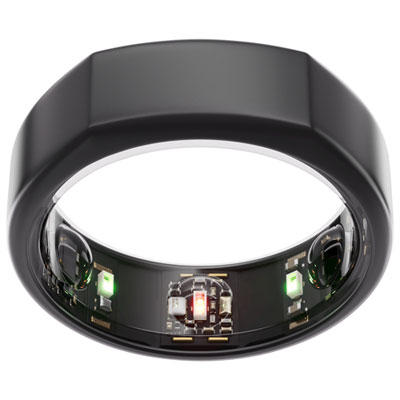 Your price for this item is $369.99
-
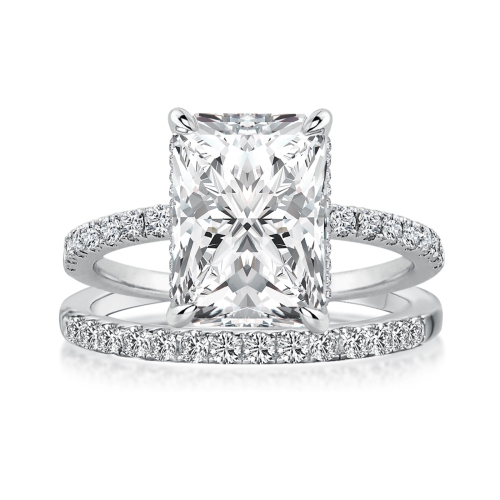 Your price for this item is $801.45
-
 Your price for this item is $133.2
-
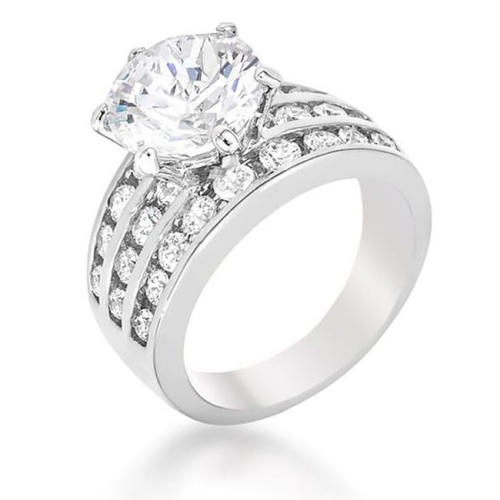 Your price for this item is $151.05
-
 Your price for this item is $123
-
 Your price for this item is $135.75
-
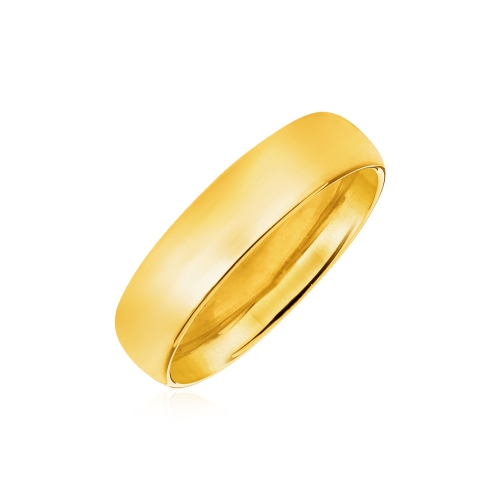 Your price for this item is $486.49
-
 Your price for this item is $969
Discover more categories related to Mens Luxury Diamond Rings


Top Collections:
Pokemon Centers, Best Cameras for Sports Photography, Kindle Devices, Samsung Galaxy Phones, Canon G7X Cameras, Pokémon 30th Celebration Cards, Refurbished Apple Laptops, iPhone 15 Apple, Laptops for Students, Budget Smartphones
Some products may be subject to Environmental Handling Fees
(EHF) depending on your province.
Learn more about EHFs.