Mens Jewelry
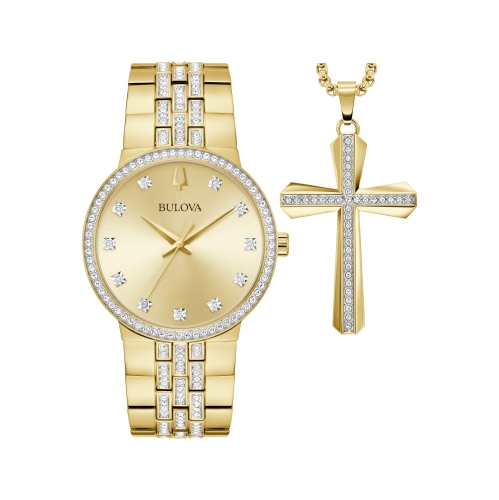
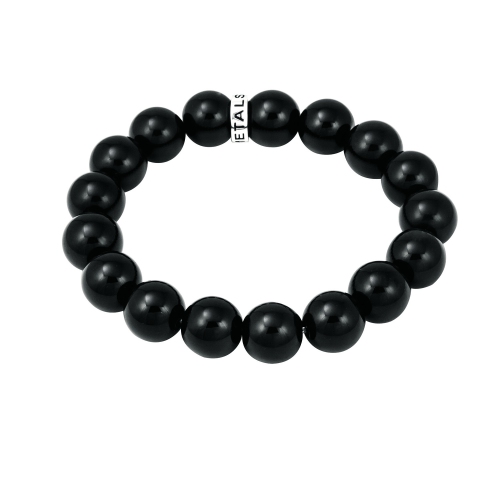
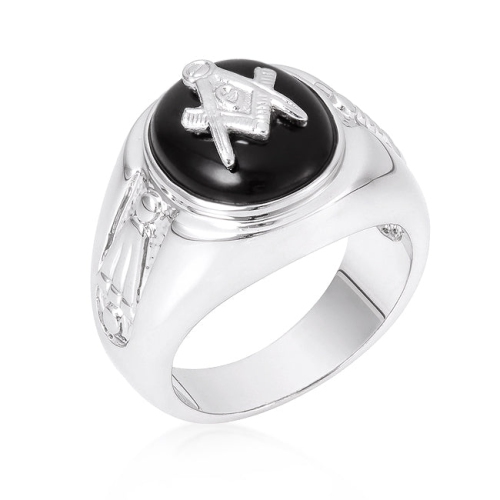
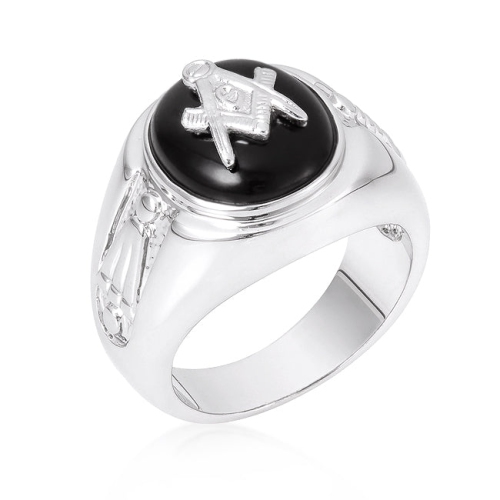
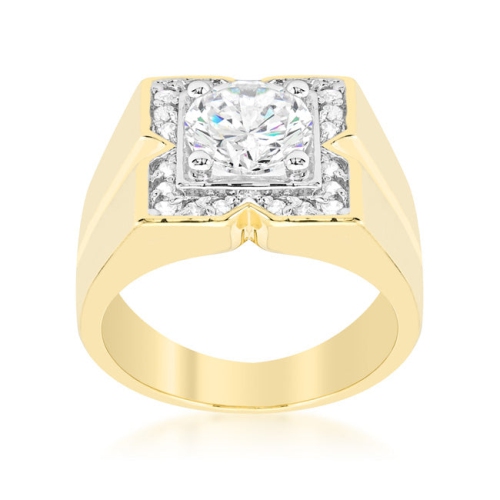
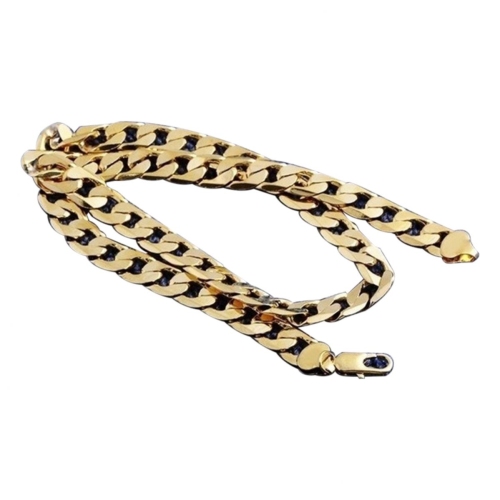
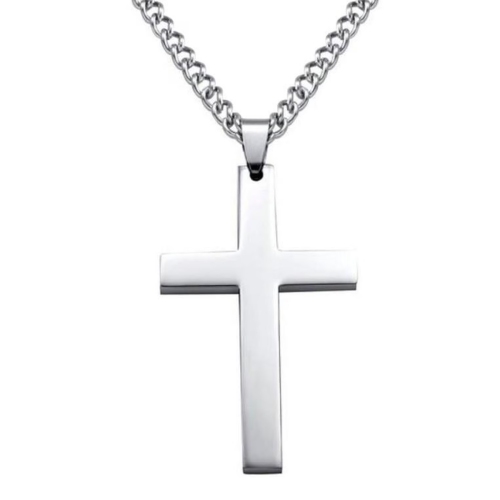
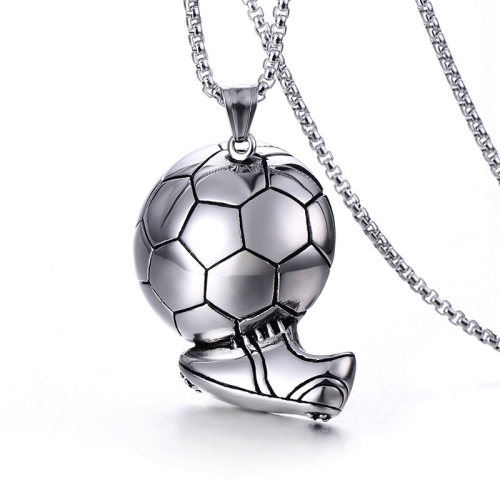
Elevate your style with our collection of sophisticated and on-trend men's jewelry. From sleek and modern designs to classic and timeless pieces, our carefully curated selection offers something for every taste and occasion. Whether you're looking to add a touch of elegance to your everyday look or searching for the perfect gift for that special someone, our men's jewelry range is sure to impress. Explore a variety of bracelets, necklaces, rings, and more to find the perfect accessory to complement your personal style.
Sort
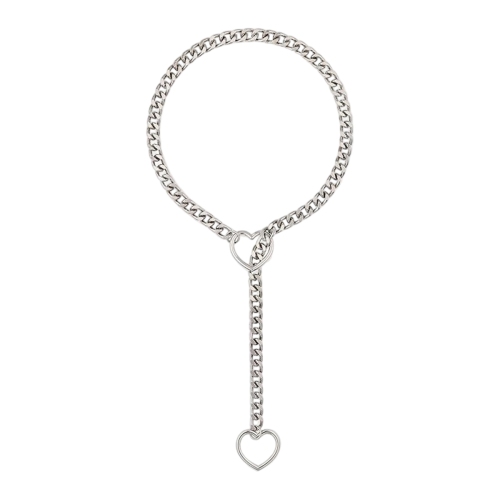
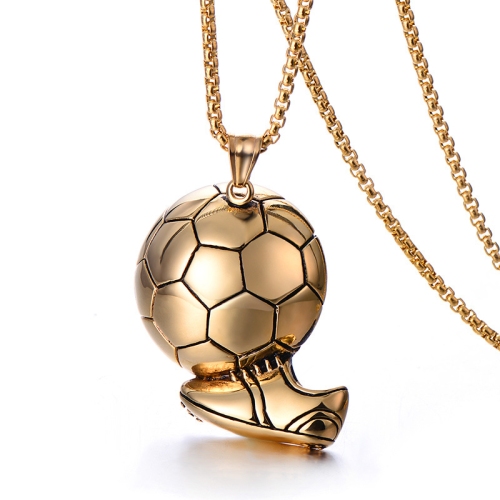
How jewellery feels matters as much as its finish
Men’s jewellery brings a personal touch to everyday clothing, whether that means a simple chain beneath an open collar, a polished ring worn beside a wedding band, or a bracelet that adds texture to a rolled shirt cuff. The appeal often lies in the small details: the shape of a link, the contrast between brushed and polished metal, or the weight of a pendant resting against a T-shirt. Subtle designs can move easily between casual settings and the workplace, while broader chains, sculpted rings, and layered bracelets create a more noticeable accent. Choosing jewellery is as much about daily habits as appearance. Someone who spends much of the day typing may prefer a smooth, low-profile ring and a bracelet that does not press against the desk. A person who wears tailored shirts regularly might appreciate cufflinks that sit neatly through French cuffs without pulling at the fabric. Necklaces can be worn close to the neckline or lower on the chest, with the length changing how the piece works with crewnecks, polos, and button-front shirts. During the cooler months, a pendant worn over a fine-knit sweater can remain visible without competing with heavier layers. Metal colour helps set the overall look, too. Silver-toned finishes offer a crisp contrast against dark clothing, while gold tones bring warmth to neutral outfits and deeper colours. For those drawn to that warmer palette, men’s gold jewellery offers a distinct direction for both understated and more expressive styling. Matching every metal is not necessary; repeating one finish across a ring and necklace can create continuity, while mixing tones can feel intentional when the shapes remain simple. A single meaningful piece may be enough for someone who prefers minimal accessories, whereas a few pieces with different textures can suit a more layered wardrobe. Jewellery can mark personal identity, a milestone, or simply a preference for details that make familiar clothing feel more individual.
Materials influence how jewellery feels, how it wears over time, and how much care it needs. Stainless steel is commonly chosen for its strength and resistance to tarnishing, making it a practical material for frequently worn accessories. Sterling silver has a bright appearance and can develop tarnish with exposure to air and certain substances; careful cleaning with a suitable silver cloth helps maintain its finish. Gold jewellery varies by karat, which describes the proportion of gold in the alloy rather than the thickness or weight of the piece. Higher-karat gold contains more gold, but hardness and resistance to wear also depend on the alloy and construction. Solid gold and gold-plated jewellery require different expectations: a plated surface can gradually wear at points of frequent contact, particularly on rings and bracelets. Titanium is known for its light weight, while tungsten carbide generally has a heavier feel and strong scratch resistance, though it can chip or fracture under a hard impact. Leather bracelets add a softer, more textured element, but repeated soaking can affect their shape and finish. Beads, stones, enamel, and other accents introduce further differences in care, so material descriptions matter beyond the main metal alone. For sensitive skin, the full alloy composition is worth checking, including the metal beneath any plating; a colour description does not establish whether a piece contains nickel. Fit is equally important. A ring should pass over the knuckle with gentle resistance and rest comfortably without pinching, keeping in mind that fingers can change size with temperature and activity. Wider bands may feel snugger than narrow ones of the same stated size. Bracelet fit depends on wrist measurement, link thickness, and the desired amount of movement, while a necklace’s stated length does not always convey where a pendant will sit on different body frames. Measuring an existing piece that fits well can provide a useful comparison. Secure clasps, smoothly finished edges, and clearly described dimensions help distinguish jewellery that merely looks appealing from jewellery that feels comfortable throughout an ordinary day.
Care and intended use play a large part in keeping men’s jewellery looking its best. Even durable metals can pick up scratches where they rub against keys, tools, gym equipment, or other jewellery. Removing rings before weight training or hands-on work can help protect both the finish and the wearer, and workplace safety requirements should take priority around machinery or electrical equipment. Jewellery is also best removed before swimming, showering, or handling household cleaners unless its care instructions specifically allow that exposure. Chlorine, salt water, soaps, and lotions can affect metals, surface treatments, and attached accents in different ways. After wear, a gentle wipe with a soft cloth helps remove surface residue; more involved cleaning should follow the instructions for the particular material and any stones or adhesives. Abrasive cleaners and vigorous polishing can damage delicate finishes or wear through plating. Separate storage in a lined compartment or soft pouch reduces contact between pieces, and fastening necklaces before putting them away can help limit tangling. Occasional checks of clasps, connecting rings, and stone settings are worthwhile, especially for jewellery worn often or valued for sentimental reasons. Those same practical details matter when choosing a gift. A necklace or adjustable bracelet may be easier to fit than a ring when the recipient’s measurements are unknown, though dimensions still deserve attention. Familiar preferences provide useful clues: the colour of a favourite watch, whether the person wears bold or discreet accessories, and whether they favour smooth metal or textured leather. Jewellery can be a thoughtful gift for birthdays, graduations, anniversaries, or other personal milestones without needing an elaborate design to carry meaning. For someone new to accessories, a comfortable piece that suits their usual clothing may become part of a daily routine. For a regular jewellery wearer, a different link pattern, finish, or proportion can add variety while still feeling true to their style. The strongest choices balance visual appeal with comfortable fit, manageable care, and a clear place in the wearer’s life.
Materials influence how jewellery feels, how it wears over time, and how much care it needs. Stainless steel is commonly chosen for its strength and resistance to tarnishing, making it a practical material for frequently worn accessories. Sterling silver has a bright appearance and can develop tarnish with exposure to air and certain substances; careful cleaning with a suitable silver cloth helps maintain its finish. Gold jewellery varies by karat, which describes the proportion of gold in the alloy rather than the thickness or weight of the piece. Higher-karat gold contains more gold, but hardness and resistance to wear also depend on the alloy and construction. Solid gold and gold-plated jewellery require different expectations: a plated surface can gradually wear at points of frequent contact, particularly on rings and bracelets. Titanium is known for its light weight, while tungsten carbide generally has a heavier feel and strong scratch resistance, though it can chip or fracture under a hard impact. Leather bracelets add a softer, more textured element, but repeated soaking can affect their shape and finish. Beads, stones, enamel, and other accents introduce further differences in care, so material descriptions matter beyond the main metal alone. For sensitive skin, the full alloy composition is worth checking, including the metal beneath any plating; a colour description does not establish whether a piece contains nickel. Fit is equally important. A ring should pass over the knuckle with gentle resistance and rest comfortably without pinching, keeping in mind that fingers can change size with temperature and activity. Wider bands may feel snugger than narrow ones of the same stated size. Bracelet fit depends on wrist measurement, link thickness, and the desired amount of movement, while a necklace’s stated length does not always convey where a pendant will sit on different body frames. Measuring an existing piece that fits well can provide a useful comparison. Secure clasps, smoothly finished edges, and clearly described dimensions help distinguish jewellery that merely looks appealing from jewellery that feels comfortable throughout an ordinary day.
Care and intended use play a large part in keeping men’s jewellery looking its best. Even durable metals can pick up scratches where they rub against keys, tools, gym equipment, or other jewellery. Removing rings before weight training or hands-on work can help protect both the finish and the wearer, and workplace safety requirements should take priority around machinery or electrical equipment. Jewellery is also best removed before swimming, showering, or handling household cleaners unless its care instructions specifically allow that exposure. Chlorine, salt water, soaps, and lotions can affect metals, surface treatments, and attached accents in different ways. After wear, a gentle wipe with a soft cloth helps remove surface residue; more involved cleaning should follow the instructions for the particular material and any stones or adhesives. Abrasive cleaners and vigorous polishing can damage delicate finishes or wear through plating. Separate storage in a lined compartment or soft pouch reduces contact between pieces, and fastening necklaces before putting them away can help limit tangling. Occasional checks of clasps, connecting rings, and stone settings are worthwhile, especially for jewellery worn often or valued for sentimental reasons. Those same practical details matter when choosing a gift. A necklace or adjustable bracelet may be easier to fit than a ring when the recipient’s measurements are unknown, though dimensions still deserve attention. Familiar preferences provide useful clues: the colour of a favourite watch, whether the person wears bold or discreet accessories, and whether they favour smooth metal or textured leather. Jewellery can be a thoughtful gift for birthdays, graduations, anniversaries, or other personal milestones without needing an elaborate design to carry meaning. For someone new to accessories, a comfortable piece that suits their usual clothing may become part of a daily routine. For a regular jewellery wearer, a different link pattern, finish, or proportion can add variety while still feeling true to their style. The strongest choices balance visual appeal with comfortable fit, manageable care, and a clear place in the wearer’s life.
Top selling and popular products
-
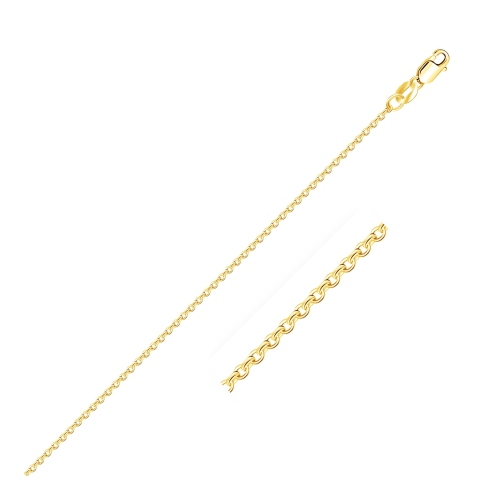 Your price for this item is $1792.5
 -
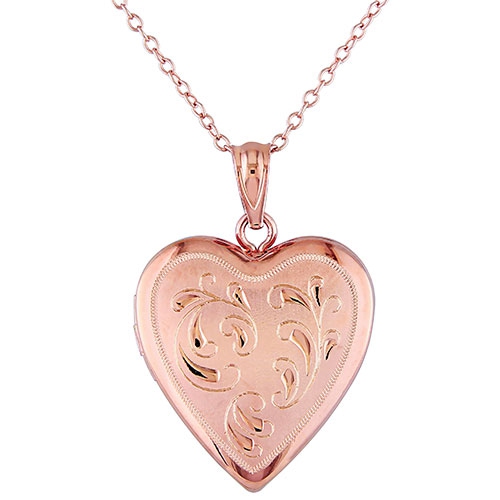 Your price for this item is $41
 -
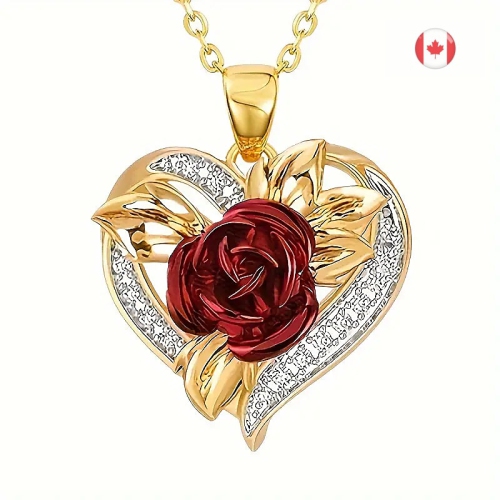 Your price for this item is $29.99
 -
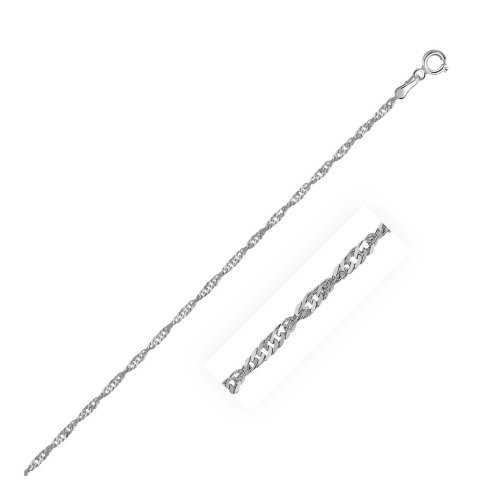 Your price for this item is $1967.36
 -
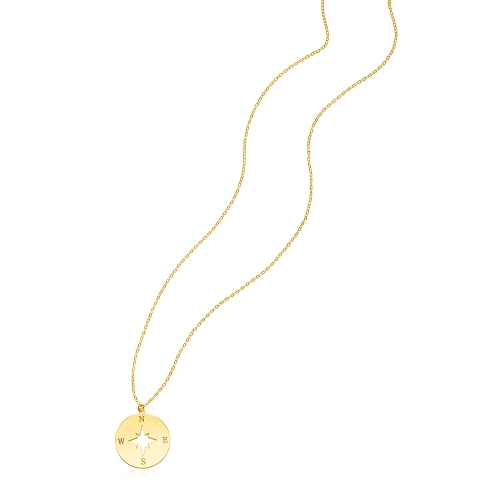 Your price for this item is $2005.43
 -
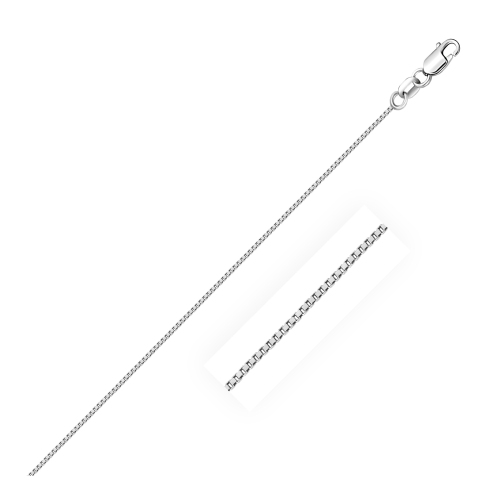 Your price for this item is $1649.18
 -
 Your price for this item is $427.88
 -
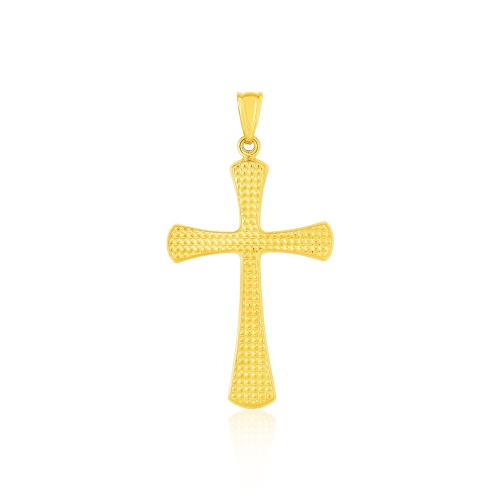 Your price for this item is $1569.94
Discover more categories related to Mens Jewelry
Top Collections:
Pokemon Centers, Budget 4K TVs, Kindle Devices, Canon G7X Cameras, Apple iPhones 16, iPhone 15 Apple, Laptops for Business Work, Flip Phones, Xiaomi Phones, Refurbished Apple Laptops
Some products may be subject to Environmental Handling Fees
(EHF) depending on your province.
Learn more about EHFs.