Music Boxes
Music boxes have long been cherished for their ability to evoke nostalgia and create enchanting atmospheres. These timeless treasures combine intricate craftsmanship with the soothing melodies that captivate hearts of all ages. Whether you're looking to add a touch of elegance to your home décor or searching for a unique gift that resonates with sentiment, music boxes offer an array of designs and tunes to suit every taste. Explore our selection and discover the perfect piece to harmonize with your personal style and musical preferences.
Sort




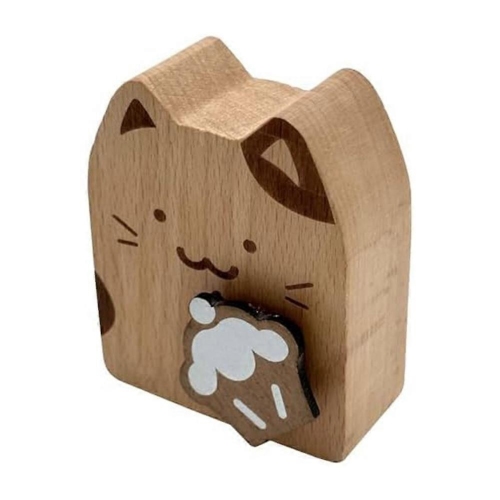

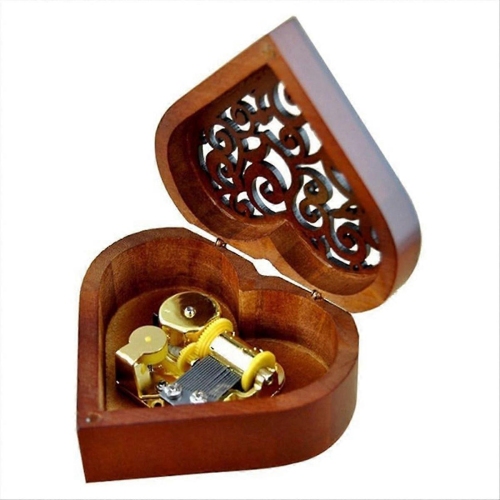
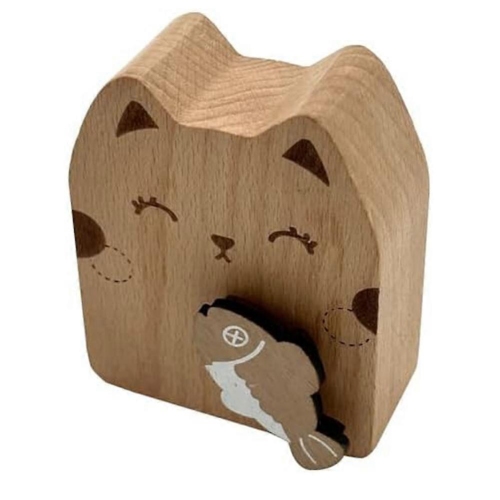
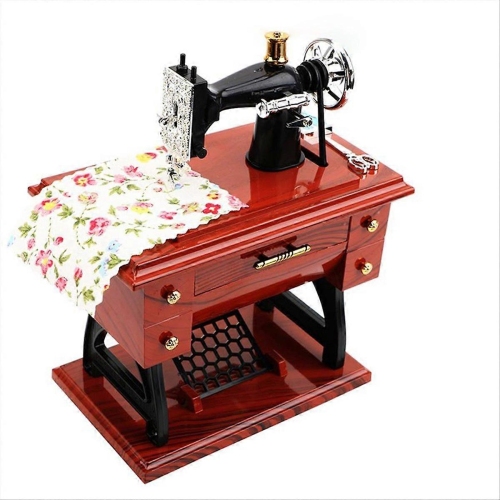

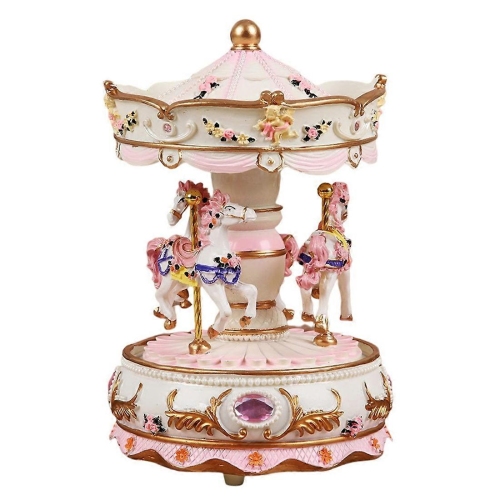

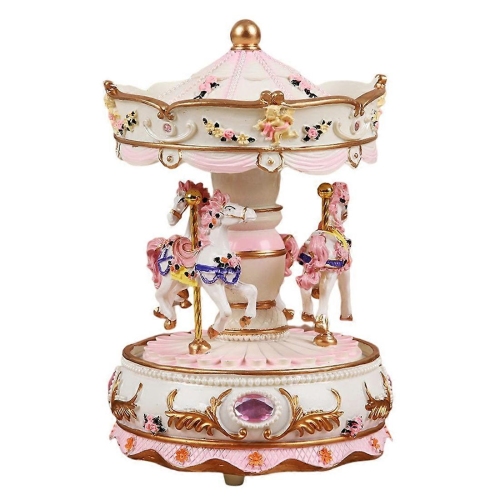
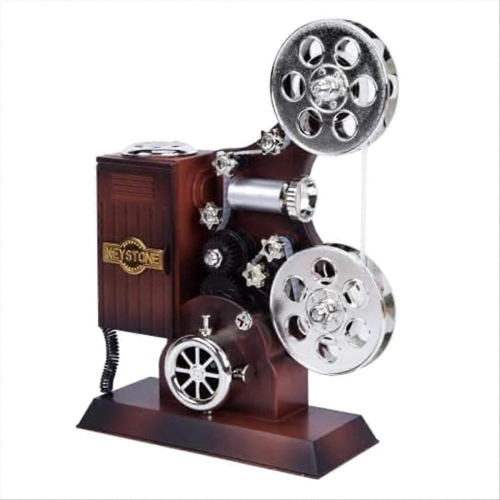
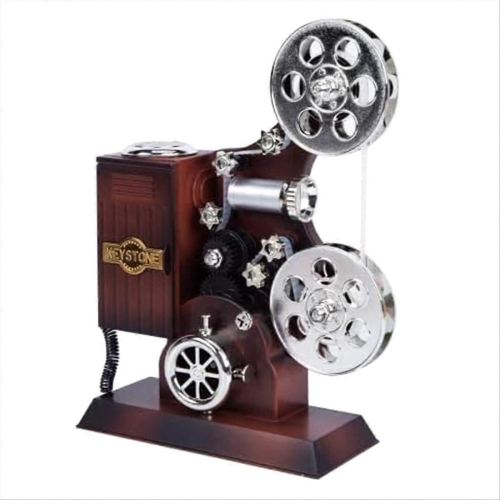



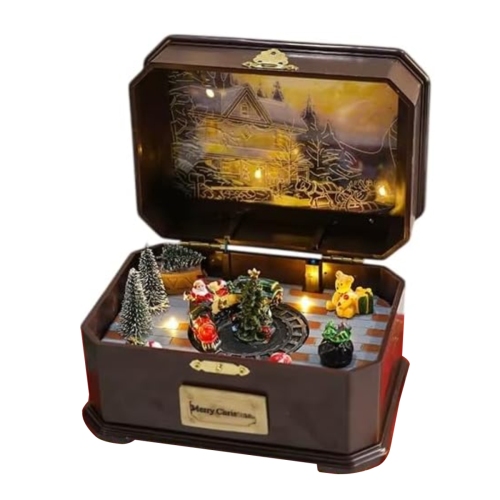
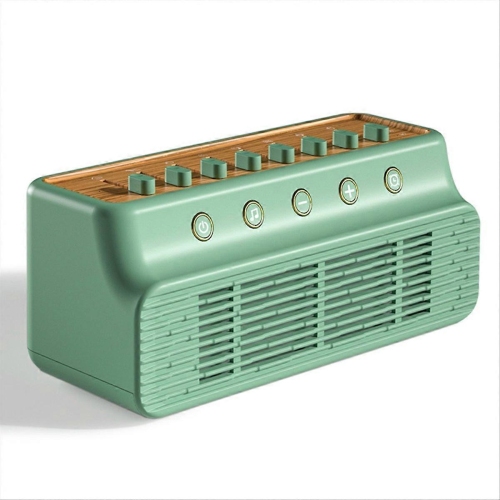
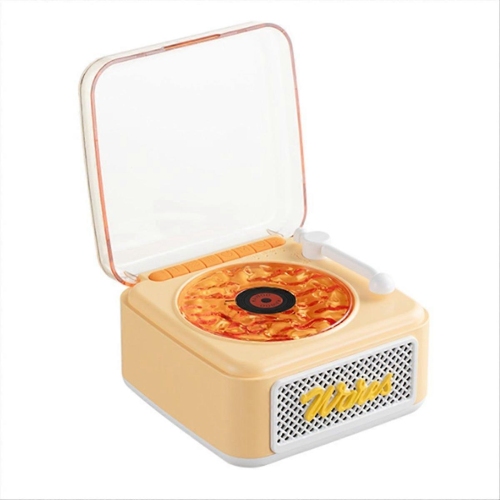
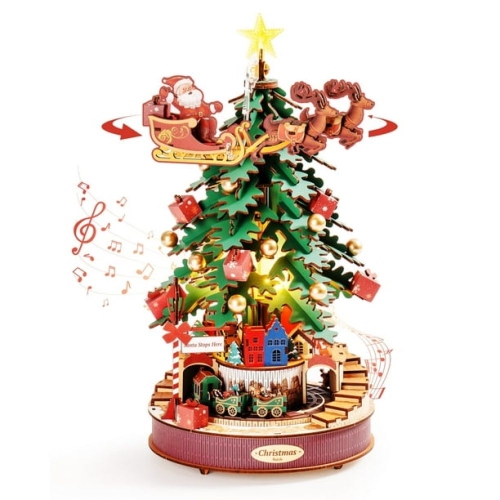



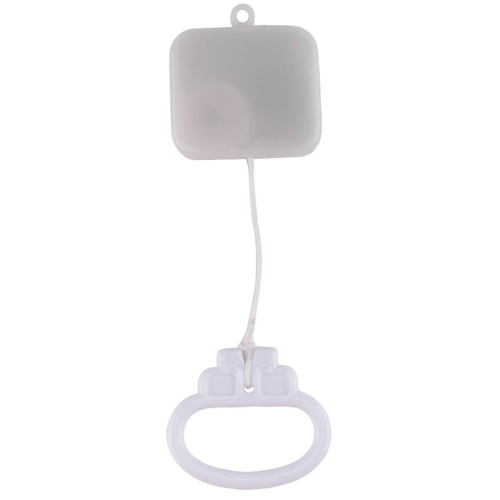
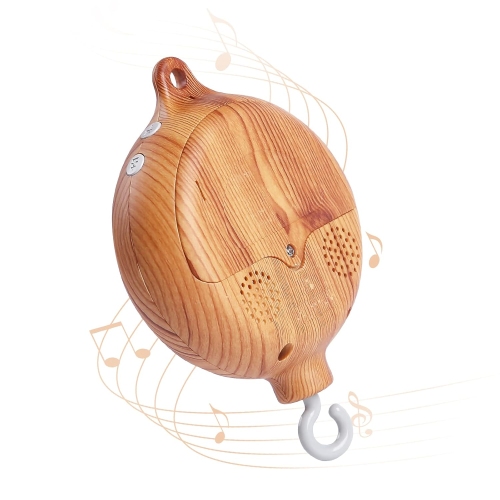
















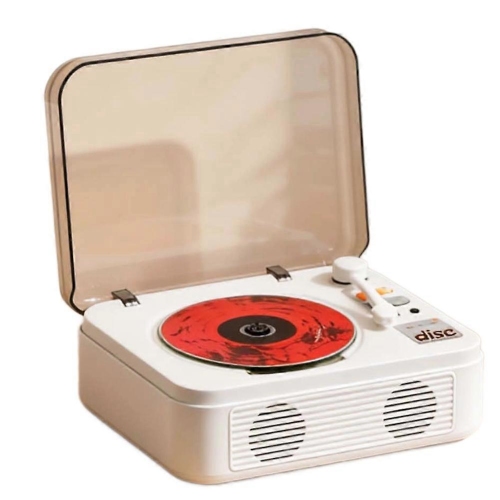
How small mechanisms give familiar melodies their character
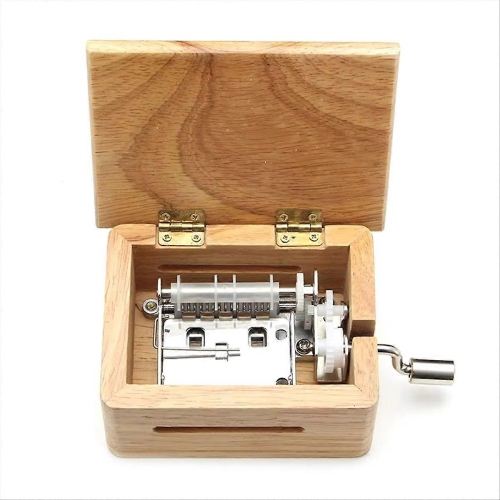
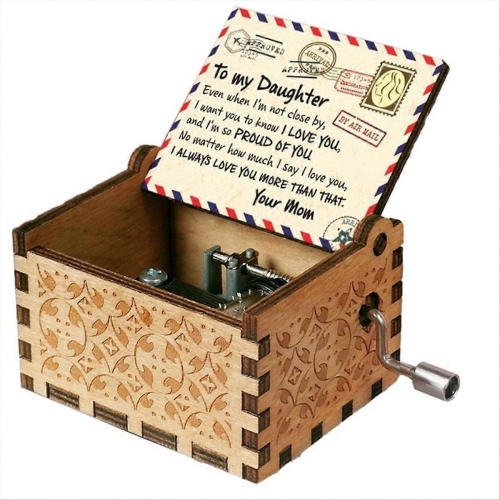
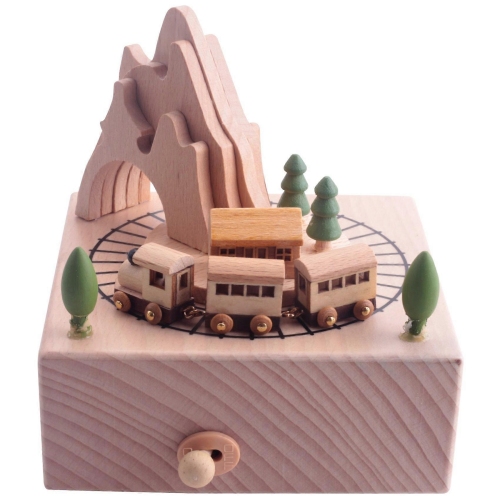
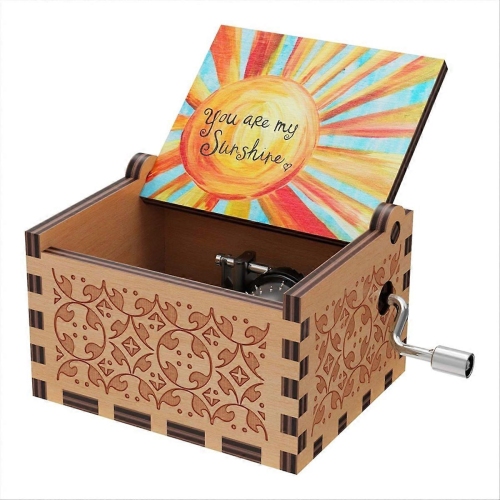
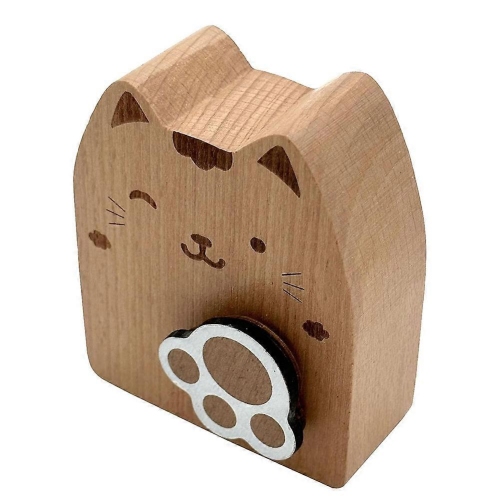
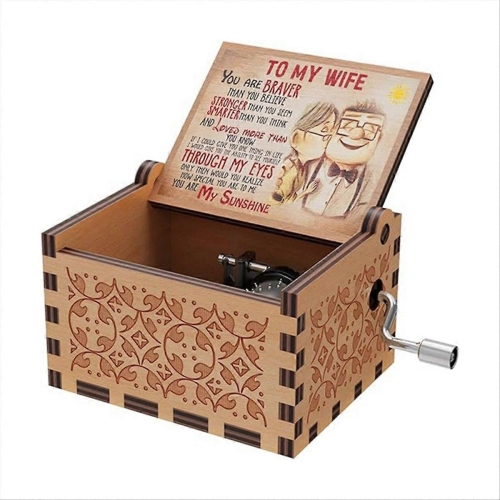
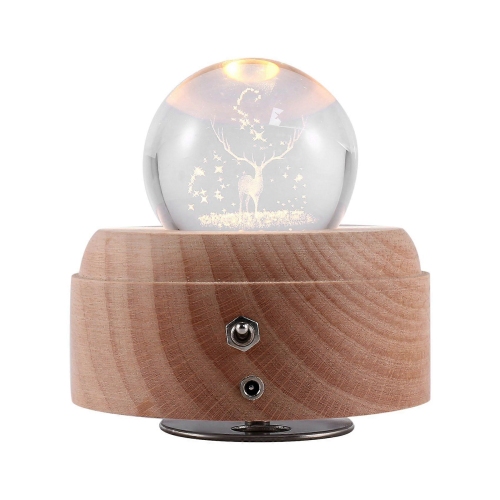
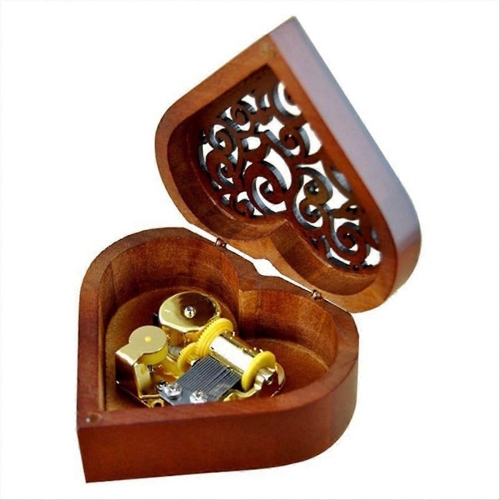
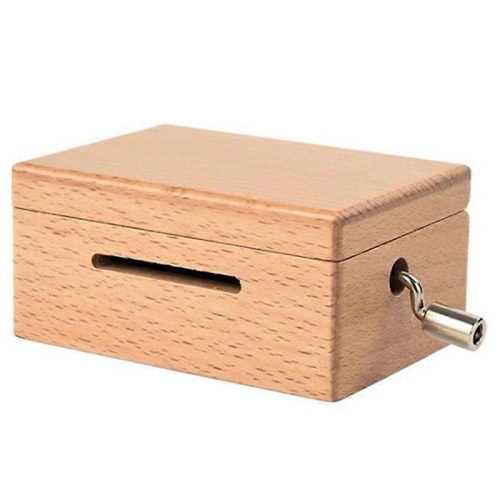
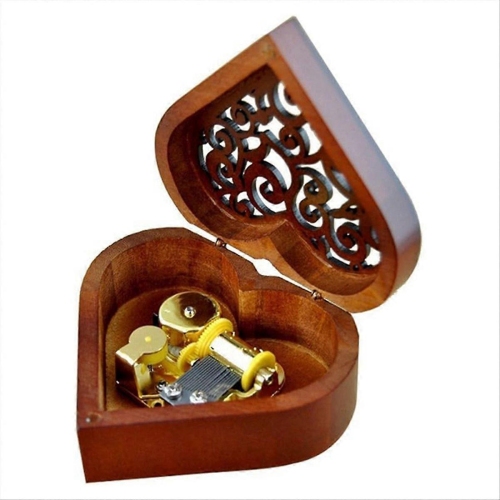
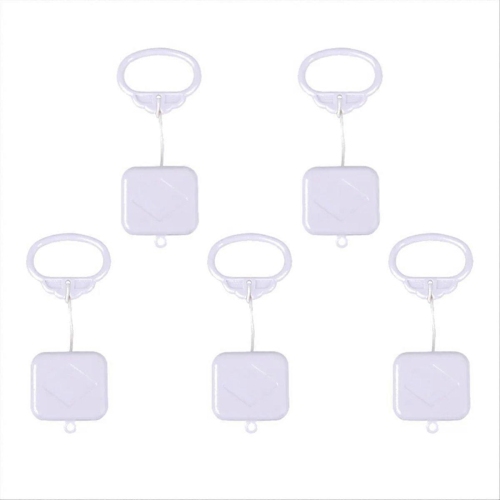
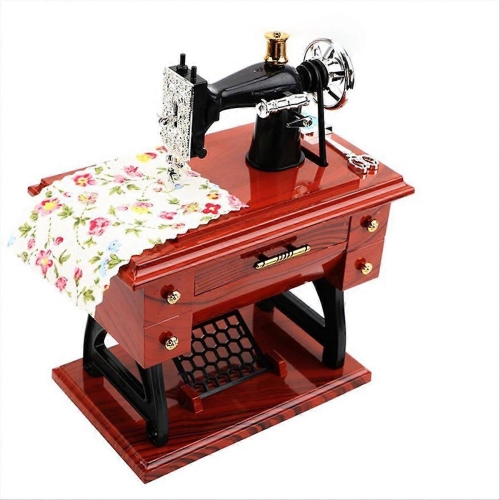
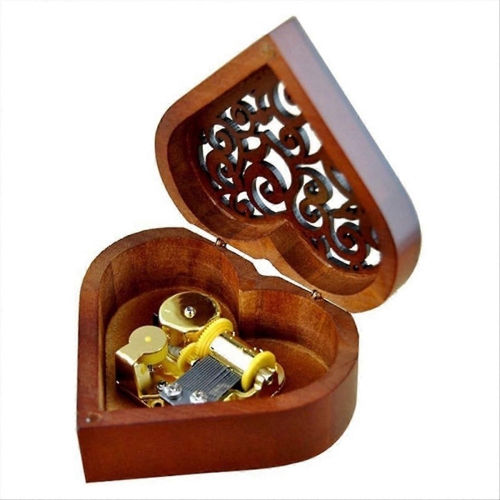
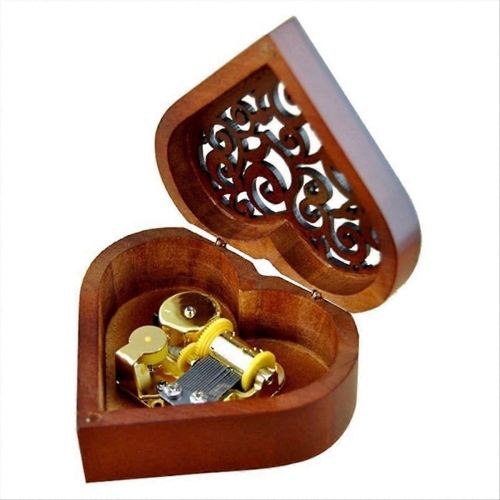
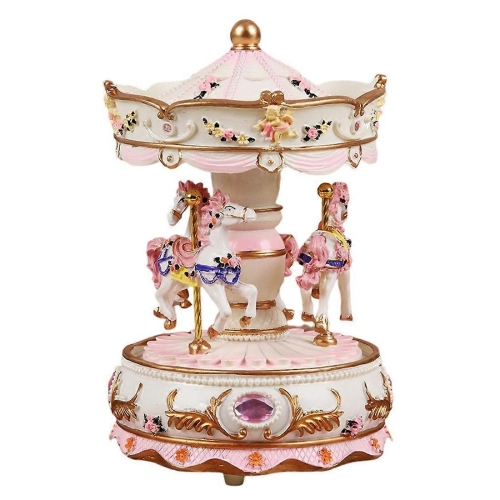
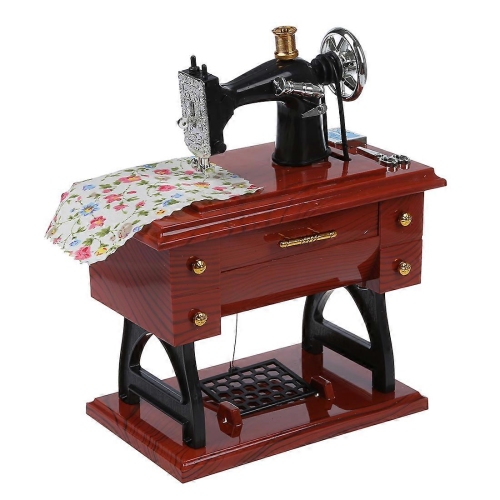
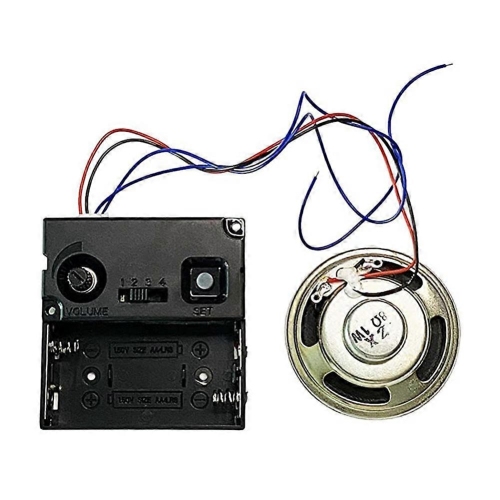
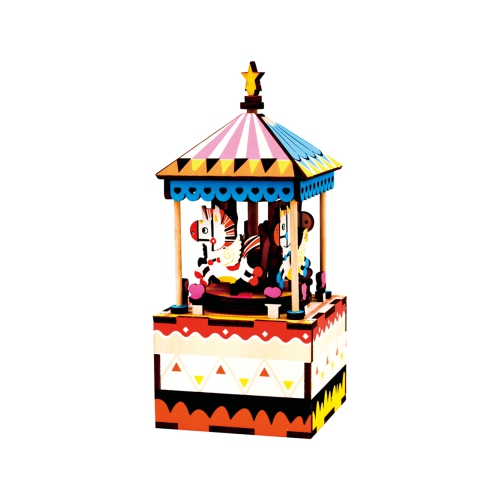
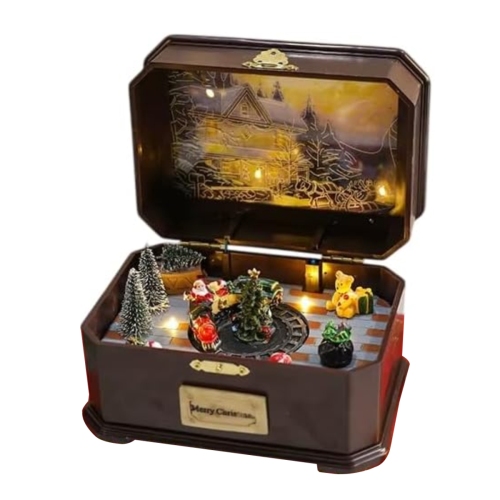
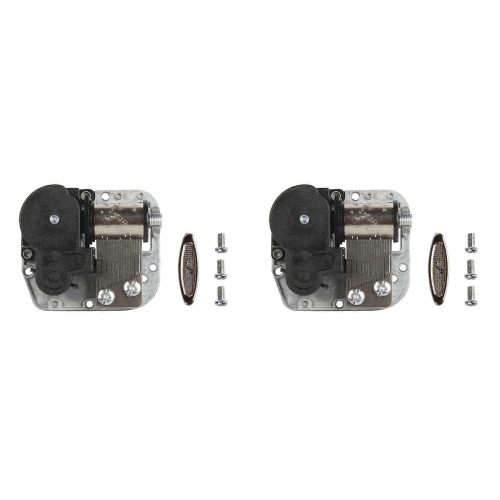
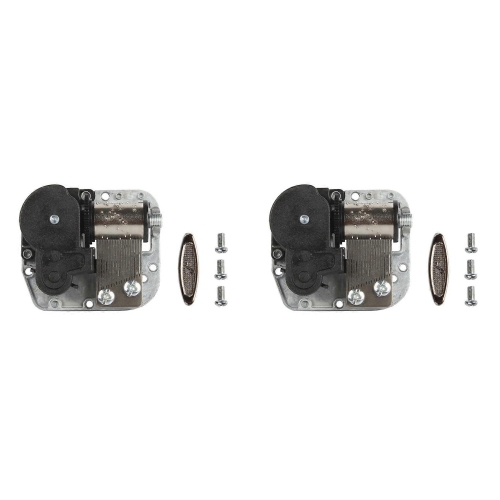
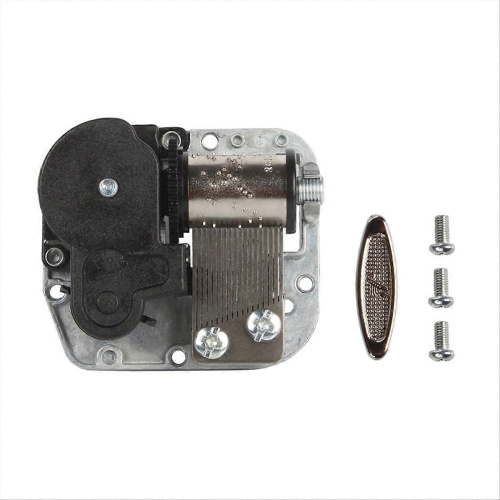
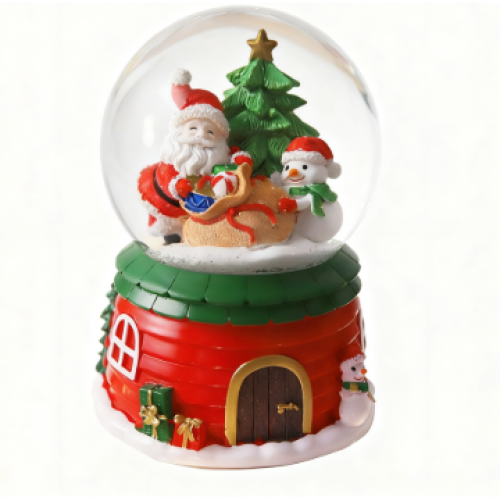
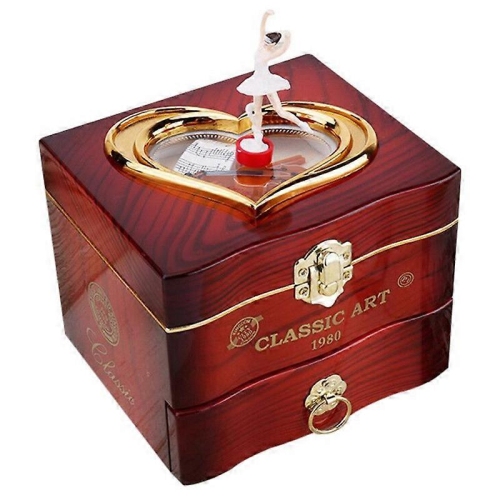
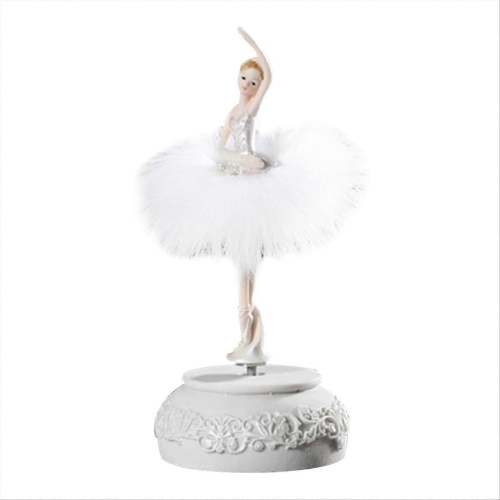
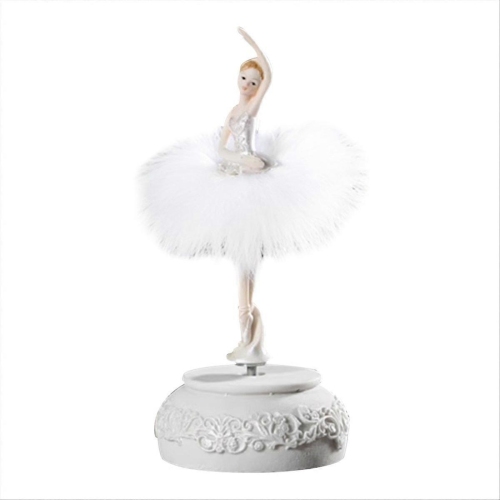
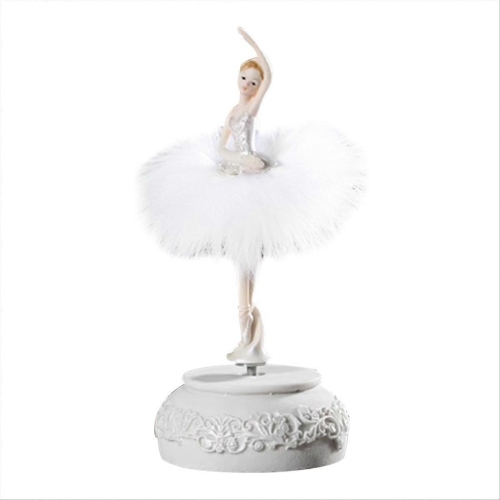
Music boxes are small musical devices that play a tune through a mechanical movement or, in some designs, an electronic sound module. In a traditional mechanical music box, raised pins on a rotating cylinder or projections on a disc pluck the teeth of a tuned steel comb. Each tooth produces a different note, creating the clear, bell-like sound often associated with a familiar lullaby or a treasured childhood keepsake. A wind-up movement stores energy in a spring and plays until that energy is spent, while a hand-cranked movement depends on someone turning a handle to keep the melody going. These differences shape the experience: winding a key lets the listener sit back and enjoy a short musical passage, whereas turning a crank makes the pace part of the interaction. Some designs begin playing when the lid opens; others use a separate switch or lever. Musical jewellery boxes combine this sound with lined compartments, sometimes adding a small figure that turns as the tune plays. Other music boxes focus on the movement itself, with visible gears, a sculpted scene, or a simple case that lets the melody take centre stage. The tune is as much a part of the character as the outer design. A gentle passage can suit a quiet bedroom, while a melody tied to a shared memory can make the box feel personal long after the occasion has passed. Most compact mechanical movements play a short arrangement rather than an entire song, and the number of notes, arrangement, and construction influence how full or delicate it sounds. The case and the surface beneath it can also affect resonance, so the same movement may sound brighter on a wooden table than on a padded surface. Unlike a speaker intended to fill a room, a traditional music box is usually enjoyed nearby, where its individual notes and small mechanical details are easy to appreciate.
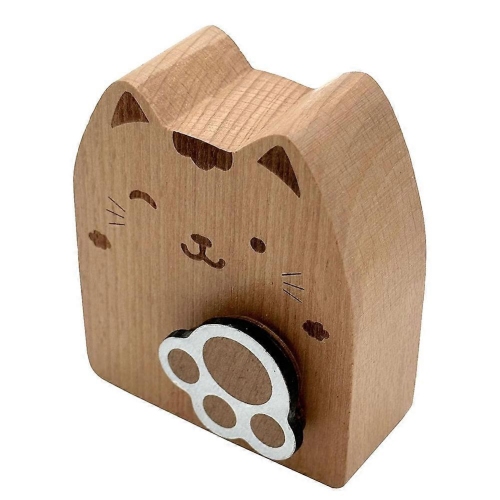
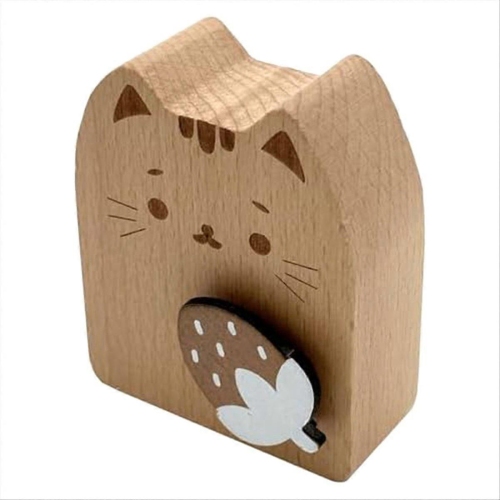
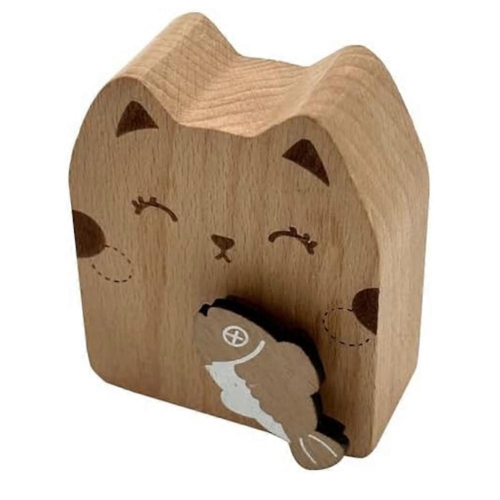
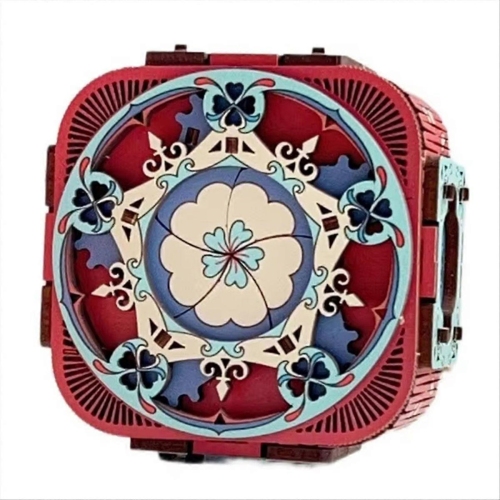
Materials give music boxes much of their visual character and influence how they fit into everyday surroundings. Wooden cases can bring warm grain and a furniture-like presence to a bedside table or shelf, while painted wood lends itself to playful scenes and intricate cut-out details. Metal cases may feature engraved patterns, polished finishes, or substantial hinged lids. Porcelain, ceramic, and glass elements offer a more delicate appearance, but they also call for a stable display spot away from busy edges and frequent handling. Clear panels can reveal the moving parts without leaving them directly exposed to curious fingers. For a box intended to hold jewellery, the interior deserves as much attention as the outside: soft lining helps cushion small pieces, divided sections keep earrings separate, and a deeper compartment may better accommodate a bracelet or a folded keepsake. Music boxes vary in how much usable storage remains around the movement, so outer dimensions alone do not tell the whole story. A lid also needs enough clearance to open fully beneath a shelf or mirror. Where storage matters more than musical playback, Trinket Boxes offer a related way to keep small treasures together. For either style, a smooth interior, secure hinges, and a base that sits evenly contribute to comfortable everyday use. Durability depends on the construction and the way the box is handled, not simply on whether its case is wood or metal. Fine projecting details, moving figures, and exposed cranks are more vulnerable to knocks than a plain enclosed case. A compact box can sit neatly on a dresser, while a larger sculptural design needs space around it to be seen and handled safely. The best fit is often a balance between the melody, the room, and the intended routine: a box opened daily for earrings has different practical demands from a musical keepsake displayed behind glass and played on special occasions.
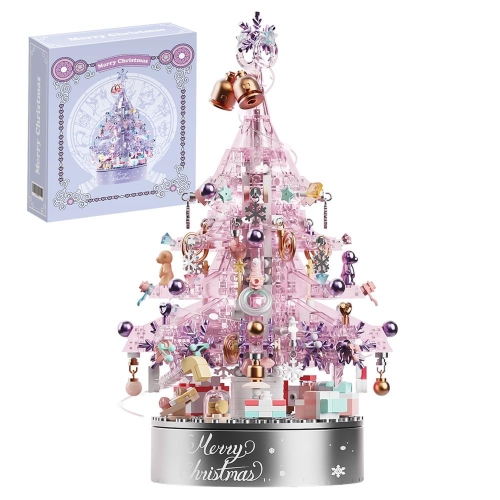
Music boxes can appeal to listeners, collectors, hobbyists, and anyone who enjoys an object with a small ritual attached to it. Opening a lid after taking off a necklace, winding a key before reading, or sharing a remembered tune with a family member gives the box a place in ordinary life. As gifts, they can mark a birthday, anniversary, graduation, or another personal milestone without needing to serve a purely practical purpose. A melody with a meaningful connection often carries more weight than an elaborate exterior, while a restrained case can be easier to place in a recipient’s home. For someone who enjoys making things, a music box construction kit offers a different experience, combining assembly with the satisfaction of seeing a finished mechanism move and play. Age recommendations, required tools, and the complexity of the moving parts matter for kits, especially when an adult and child plan to work together. A musical keepsake should not automatically be treated as a toy: small components, winding keys, glass details, and accessible mechanisms can make some designs unsuitable for young children. In a child’s room, an adult-operated box can remain on a secure surface out of reach and well away from a cot or bed. Gentle handling also helps preserve the sound and finish over time. A winding key should be turned only as directed and never forced past resistance; a hand crank works best with steady, light pressure rather than sudden turns. Dust can usually be lifted from the exterior with a soft, dry cloth, while moisture, cleaning sprays, and household oils should be kept away from the musical movement unless the manufacturer specifically directs otherwise. Strong sunlight, damp conditions, and nearby heat sources can affect finishes, adhesives, and wooden parts. When moving or storing a music box, supporting the base and cushioning fragile details helps protect both the case and the mechanism. With an appropriate place to sit and a little care, its familiar sequence of notes can remain a welcome part of a room for years.
Top selling and popular products
-
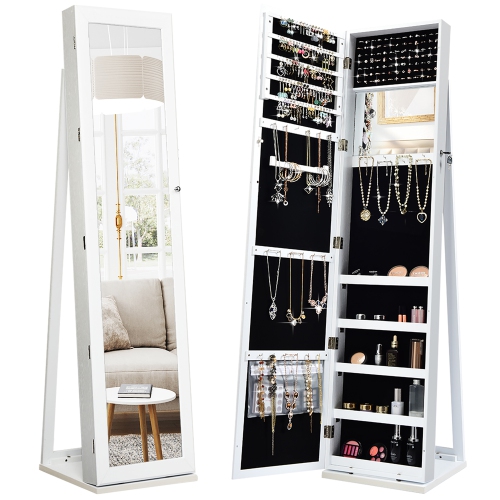 Your price for this item is $199.99
-
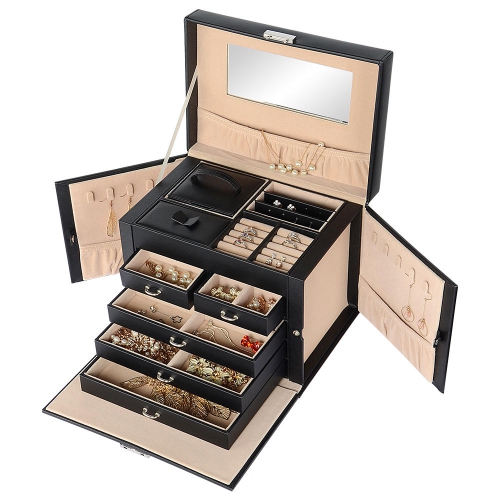 Your price for this item is $59.99
-
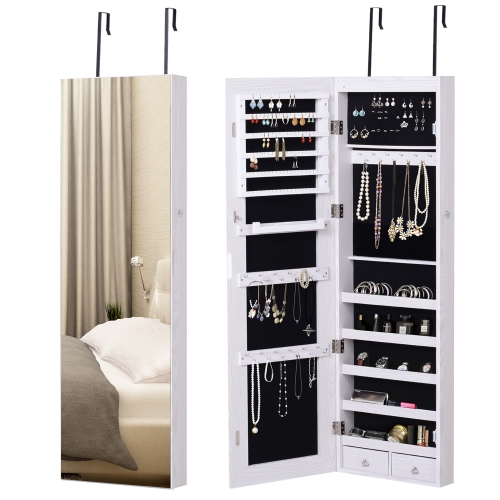 Your price for this item is $136.99
-
 Your price for this item is $32.99
-
 Your price for this item is $108.14
-
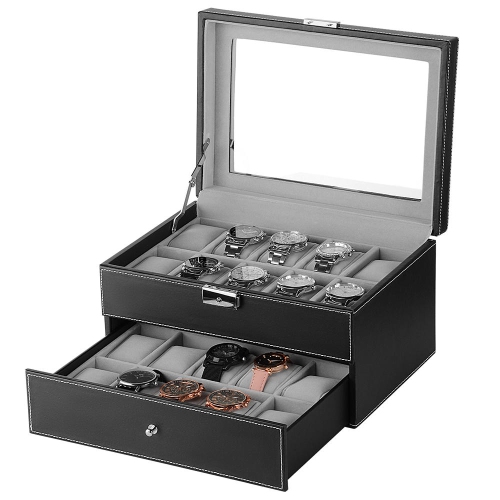 Your price for this item is $39.99
-
 Your price for this item is $39.77
-
 Your price for this item is $32.99
Discover more categories related to Music Boxes
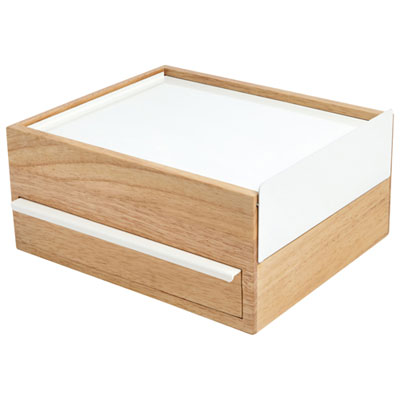
Top Collections:
Pokemon Centers, Best Cameras for Sports Photography, Kindle Devices, Samsung Galaxy Phones, Canon G7X Cameras, Pokémon 30th Celebration Cards, Refurbished Apple Laptops, iPhone 15 Apple, Laptops for Students, Budget Smartphones
Some products may be subject to Environmental Handling Fees
(EHF) depending on your province.
Learn more about EHFs.