Pearl Rings
Pearl rings are a timeless piece of jewelry that makes for a beautiful addition to almost any outfit. Whether you’re looking for a pearl solitaire, a ring with multiple pearls, or a pearl-accented design, there are plenty of options to choose from. Here are some of the best options.
Sort


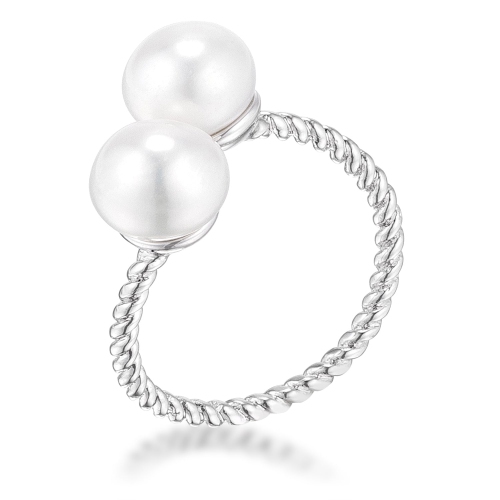


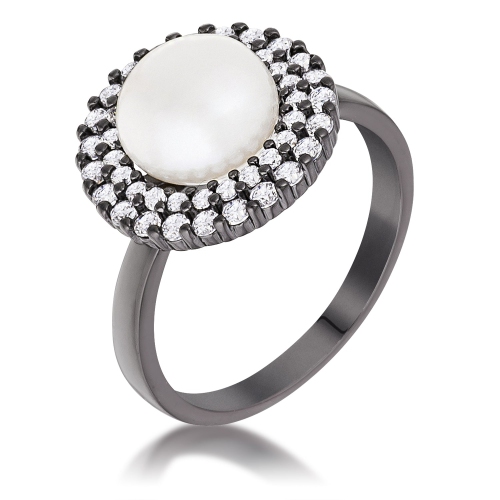



How lustre and setting shape a pearl’s character
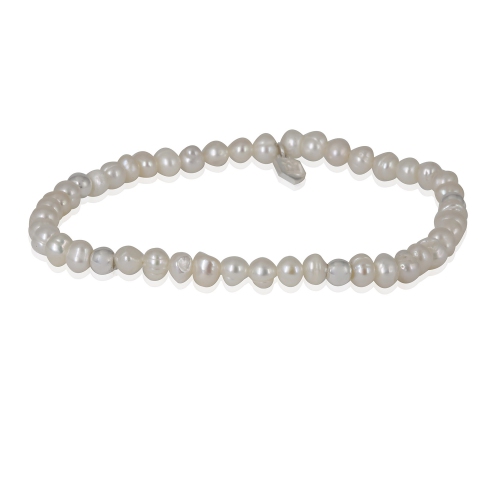
Pearl rings feature a pearl as the central or prominent element of a ring, combining the soft glow of an organic gem with the structure of a metal band. Unlike faceted stones, which catch light in sharp flashes, pearls reflect it through layers of nacre, creating lustre and subtle colour overtones. Their appeal ranges from the symmetry of a round white pearl to the individual character of an irregular baroque shape. Cultured pearls develop in molluscs with human assistance and are genuine pearls; imitation pearls are manufactured to resemble their appearance. Freshwater pearls are known for their variety of shapes and colours, including white, cream, pink and lavender. Akoya pearls are associated with round shapes and bright lustre, while Tahitian pearls often display darker body colours with green, blue or purple overtones. South Sea pearls are generally larger and are associated with white, silvery and golden tones. Individual pearls vary within each type, and some undergo colour treatments, so the stated material and treatment details help explain their appearance. Ring designs can place a single pearl on a simple band, frame it with a halo of smaller gemstones, or combine several pearls or stones across the finger. A solitaire draws attention to the pearl itself, while a more detailed setting adds texture and sparkle around its softer sheen. Metal choice also affects the overall impression and care requirements. Yellow gold brings warmth to creamy tones, white gold and platinum provide a cooler backdrop, and rose gold can complement pink overtones. Sterling silver offers another cool-toned setting, though it may tarnish and needs care suited to both the metal and the pearl. Plated finishes can wear over time, particularly where a band rubs against other surfaces. For someone with metal sensitivities, the alloy composition matters as much as the finish colour. The pearl’s shape, surface markings, lustre and setting all contribute to its character; small natural variations are part of what makes one pearl look different from another.
The best fit for a pearl ring depends on both finger size and how the ring sits during ordinary movement. A comfortable band should pass over the knuckle with gentle resistance and remain secure without pinching at the base of the finger. Band width and the weight of the setting can influence that feel: a broad band may fit more snugly than a narrow one, while a large pearl on a slim band may turn more readily. Sizing details are especially useful when choosing a gift, since borrowing a measurement from a ring worn on a different finger may not give an accurate result. Resizing options depend on the metal and construction, and adjustable bands still need careful handling rather than repeated bending. The height of the pearl matters, too. A raised setting gives the pearl a prominent profile, but it can catch on knitted sleeves or press against objects held in the hand. A lower profile may feel less obtrusive, although no setting makes a pearl resistant to every knock. Pearls may be attached using a cup, peg or other mounting arrangement, so the way the pearl is supported deserves attention alongside the appearance of the band. For someone who spends much of the day typing, a modest profile can be easier to wear than an oversized statement design. For a wedding, dinner or celebration, a larger pearl or decorative setting can become the focal point of an outfit. White and cream pearls work easily with many colours, while darker pearls add contrast against pale fabrics and polished metal. Matching a ring with earrings or a necklace from the Pearl Jewelry collection creates a cohesive look without requiring every pearl to be identical. Similar undertones can tie pieces together, while differences in shape keep the combination from looking overly matched. When worn beside other rings, a little space helps prevent neighbouring bands or gemstones from rubbing against the pearl’s surface.
Pearl rings are well suited to meaningful gifts because their appearance can feel both personal and familiar. A simple pearl solitaire may appeal to someone who prefers understated jewellery, while a sculptural band or baroque pearl may suit a recipient drawn to distinctive shapes. Birthdays, anniversaries, graduations and wedding celebrations are occasions where a pearl ring can mark a milestone without relying on an elaborate design. Pearls also have longstanding associations with wisdom and purity, although their personal meaning varies with the wearer. For an engagement ring, their softer surface is an important practical consideration: a pearl can be a beautiful centrepiece, but it generally needs more protective handling than harder gemstones. Rings expose pearls to more contact than earrings or necklaces, making care particularly relevant to their intended use. Pearls can scratch, and their nacre can be affected by acids, harsh cleaning products and repeated contact with cosmetics. Removing a pearl ring before washing dishes, showering, swimming, exercising or working with tools reduces contact with water, chemicals and impacts. Perfume, hairspray and hand lotion are best allowed to dry before the ring is put on. After wear, a gentle wipe with a soft cloth helps remove surface residue; when necessary, a lightly dampened cloth can be used, followed by drying with a soft cloth before storage. Prolonged soaking can affect some mounting materials, and ultrasonic cleaners, steam cleaning and abrasive jewellery products are unsuitable for pearls. Care instructions for the complete ring take priority, since methods appropriate for the metal alone may damage the pearl. A soft pouch or separate fabric-lined compartment helps keep the surface away from harder gemstones and loose metal jewellery. Occasional inspection by a jeweller can identify movement in the mount or wear around the setting before the pearl becomes loose. With a suitable fit, thoughtful handling and care matched to its materials, a pearl ring can remain a distinctive piece for celebrations and selected everyday moments, whether worn alone or alongside jewellery with personal significance.
Top selling and popular products
-
 Your price for this item is $369.99
-
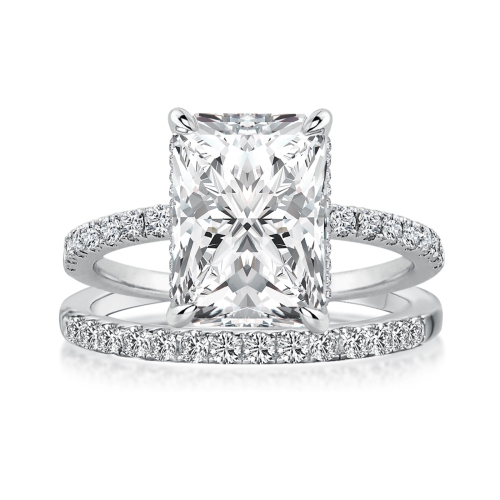 Your price for this item is $801.45
-
 Your price for this item is $133.2
-
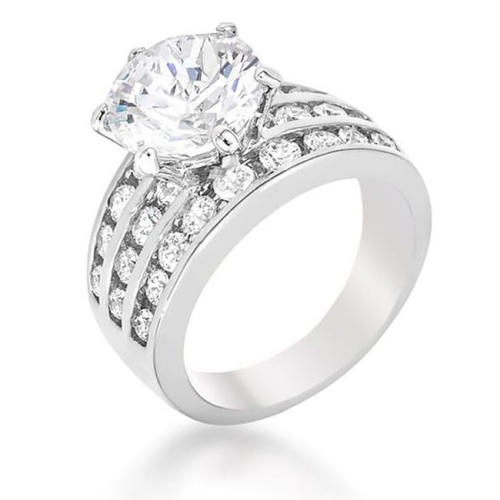 Your price for this item is $151.05
-
 Your price for this item is $123
-
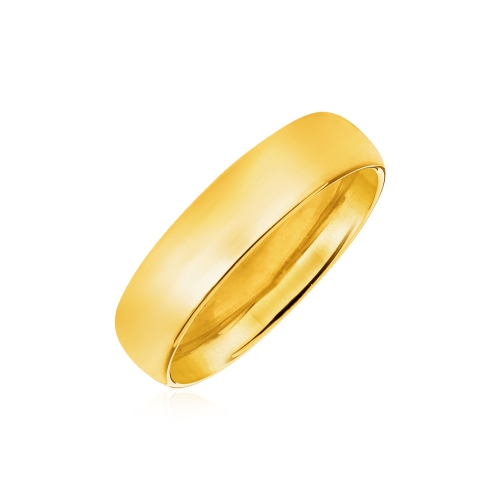 Your price for this item is $486.49
-
 Your price for this item is $135.75
-
 Your price for this item is $969
Discover more categories related to Pearl Rings


Top Collections:
Pokemon Centers, Best Cameras for Sports Photography, Kindle Devices, Samsung Galaxy Phones, Canon G7X Cameras, Pokémon 30th Celebration Cards, Refurbished Apple Laptops, iPhone 15 Apple, Laptops for Students, Budget Smartphones
Some products may be subject to Environmental Handling Fees
(EHF) depending on your province.
Learn more about EHFs.