Peridot Necklaces
Elevate your jewelry collection with a stunning Peridot Necklace, the perfect accessory to add a pop of color and elegance to any ensemble. Known for its vibrant green hue, a Peridot Necklace offers timeless appeal and effortless style for both casual outings and special occasions. Discover a variety of designs and settings that highlight the natural beauty of this captivating gemstone, making it easy to find the ideal piece to express your personal taste or celebrate a memorable moment.
Sort


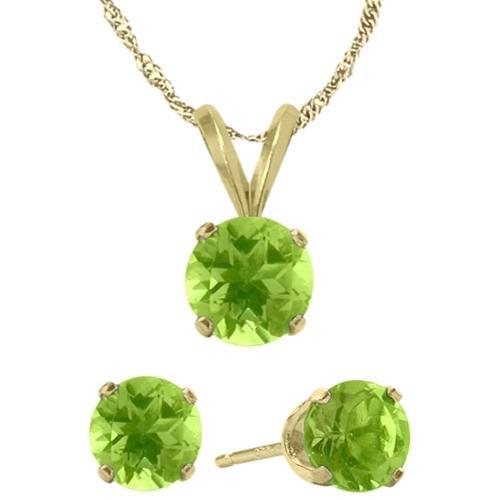


What gives each peridot stone its distinctive green
Peridot necklaces bring a distinctive yellow-green to olive-green colour to fine jewellery, with shades that can look fresh and bright or richly golden depending on the stone. Peridot is the gem-quality variety of the mineral olivine, and its green colour comes from iron within its crystal structure rather than a surface coating. Unlike gemstones that occur in many different colours, peridot is known for its green palette, although the depth and balance of yellow, green, and brownish tones vary naturally. This gives each stone its own character: a pale lime-green pendant offers a subtle touch of colour, while a more saturated stone creates a stronger focal point against a plain blouse or dress. Solitaire necklaces keep the attention on one gemstone, making the stone’s shape, proportions, and setting especially noticeable. Round and oval cuts offer familiar, softly curved outlines, while pear-shaped stones create a tapered drop. Emerald-cut peridot has a rectangular shape and stepped facets that produce broader flashes of light rather than the more scattered sparkle of a brilliant cut. Halo designs surround the centre stone with smaller accents, and vintage-inspired settings may add textured edges, open metalwork, or curved details. Floral, heart, and infinity motifs give the necklace a more expressive shape without relying on a large gemstone. For a closer look at pendant-focused designs, Peridot Pendants offer a related way to explore this green gemstone as the centrepiece of a necklace. The distinction matters when comparing jewellery descriptions, since a pendant may be offered separately from its chain, whereas a necklace generally describes the complete piece. Beyond its appearance, peridot has long been associated with good fortune, strength, and affection. These are symbolic associations rather than properties of the stone, but they can add personal meaning to a gift. A peridot necklace can be chosen for its birthstone connection, for a love of green, or simply because its golden undertones suit the wearer’s favourite jewellery.
The metal and setting influence both the appearance of a peridot necklace and how comfortably it fits into a regular jewellery rotation. Yellow gold echoes the stone’s golden tones, creating a warm, cohesive look, while white gold and sterling silver provide a cooler contrast that makes the green more distinct. Rose gold introduces a pinkish backdrop for a softer contrast. Sterling silver is an alloy containing 92.5% silver, and it can tarnish over time; solid gold jewellery uses gold alloys whose composition and gold content vary by karat. Gold-plated jewellery has a surface layer of gold over another metal, so its finish needs gentler handling to limit wear. White gold may have a rhodium finish that requires periodic attention as it wears. For sensitive skin, the full metal composition matters more than colour alone, especially where the chain and clasp touch the neck. Setting construction is equally important. Prongs leave more of the gemstone visible, while a bezel wraps around its edge and can offer useful protection against incidental knocks. Smooth edges and secure stone placement help a pendant sit comfortably without catching on clothing. Chain length determines where the necklace rests, although neck size, pendant weight, and body proportions all affect the final position. A 16-inch chain often sits near the base of the neck, an 18-inch chain commonly falls around the collarbone, and a 20-inch chain usually rests a little lower. Measuring a necklace that already fits well is more reliable than judging length from a photograph. A small pendant on a fine chain can work neatly with an open shirt collar, while a longer chain gives a larger drop room to hang over a simple top. Adjustable lengths offer flexibility across different necklines. Chain thickness, clasp size, and the pendant’s bail—the loop through which the chain passes—also deserve attention, particularly when pairing a pendant with an existing chain. A secure clasp that the wearer can operate comfortably makes a meaningful difference in everyday use.
Peridot measures approximately 6.5 to 7 on the Mohs hardness scale, making it suitable for necklaces with thoughtful handling, but not immune to scratches or damage. Hardness describes resistance to scratching rather than resistance to every kind of impact, so a stone can still chip if struck against a hard surface. Necklaces generally receive fewer direct knocks than rings or bracelets, which makes them a practical way to wear peridot for dinners, celebrations, office days, and other occasions where the jewellery is unlikely to be bumped or pulled. Removing the necklace before exercise, swimming, showering, or household cleaning helps protect both the gemstone and its metal components. Peridot can be sensitive to heat and sudden temperature changes, and ultrasonic or steam cleaning is generally not recommended. For routine care, lukewarm water, a little mild soap, and a soft brush can loosen residue around the setting; rinse gently and dry with a soft cloth, following any care directions supplied for the complete piece. Jewellery that combines peridot with other gemstones or special finishes may need a different approach based on its most delicate component. Perfume, lotion, and hair products are best applied before putting the necklace on, reducing residue on the stone and chain. Between wears, a separate soft pouch or a fabric-lined compartment helps prevent contact with harder gemstones such as diamonds and sapphires. Fastening the clasp before storage can also help limit tangling. Occasional checks for loose prongs, worn links, or a clasp that no longer closes properly can catch small issues before the necklace is worn again. As a gift, peridot jewellery suits birthdays, anniversaries, graduations, and personal milestones, particularly when the recipient already enjoys coloured gemstones. A restrained solitaire may suit someone who wears the same necklace most days, while a detailed halo or symbolic motif may appeal to someone who dresses around a favourite accessory. Matching their usual metal colour, preferred chain length, and comfort with statement jewellery makes the choice feel personal, allowing peridot’s distinctive green to become a natural part of their style.
Top selling and popular products
-
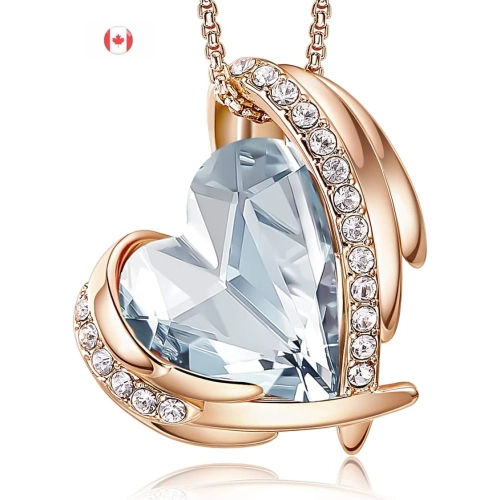 Your price for this item is $59.99
-
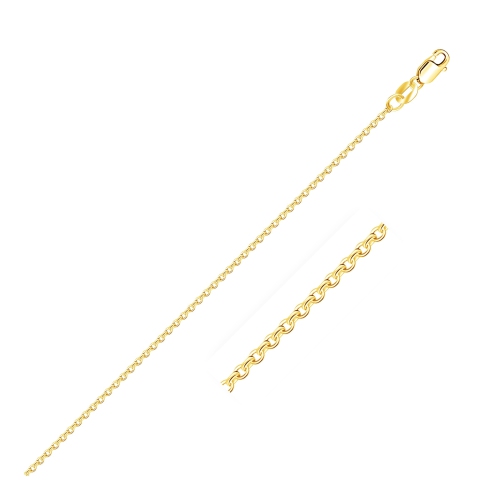 Your price for this item is $1792.5
-
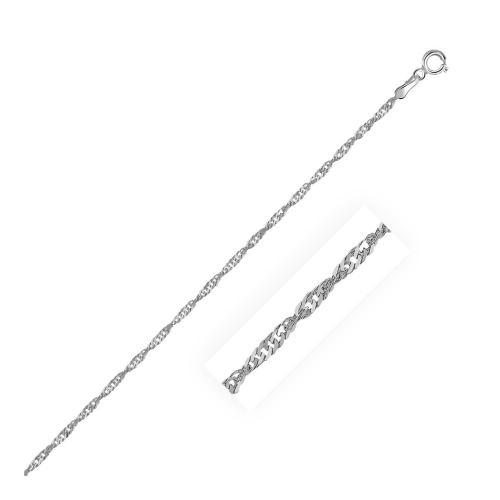 Your price for this item is $1967.36
-
 Your price for this item is $427.88
-
 Your price for this item is $1149.56
-
 Your price for this item is $1399.05
-
 Your price for this item is $344.55
-
 Your price for this item is $1201.24
Discover more categories related to Peridot Necklaces


Top Collections:
Pokemon Centers, Best Cameras for Sports Photography, Kindle Devices, Samsung Galaxy Phones, Canon G7X Cameras, Pokémon 30th Celebration Cards, Refurbished Apple Laptops, iPhone 15 Apple, Laptops for Students, Budget Smartphones
Some products may be subject to Environmental Handling Fees
(EHF) depending on your province.
Learn more about EHFs.