Pink Gemstone Rings
Pink gemstone rings are the perfect blend of elegance and charm, offering a captivating splash of colour that adds a touch of sophistication to any jewellery collection. Whether you're looking for a stunning piece to celebrate a special occasion or simply want to treat yourself to something beautiful, these rings provide an exquisite option that stands out with their unique hues and sparkling allure. From soft blush tones to vibrant magentas, pink gemstone rings capture the essence of timeless beauty and modern style, making them an ideal choice for those who appreciate the finer things in life. Explore our selection and find the perfect ring that speaks to your personal taste and style.
Sort

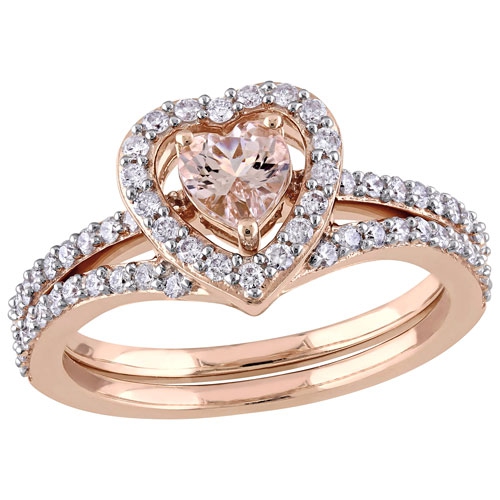


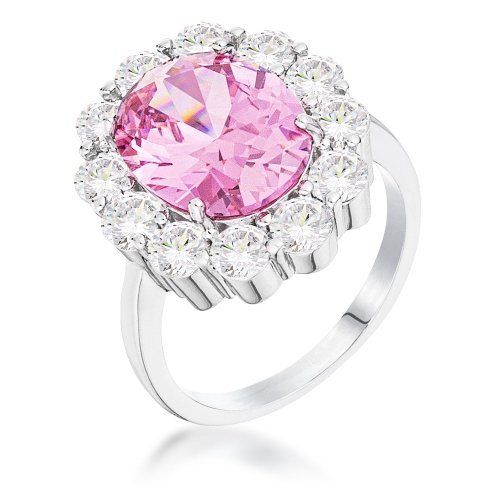
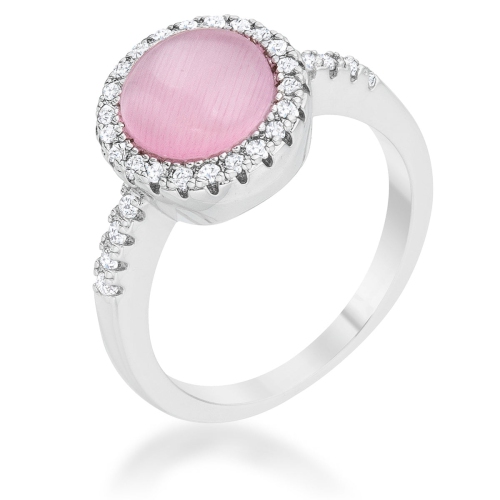




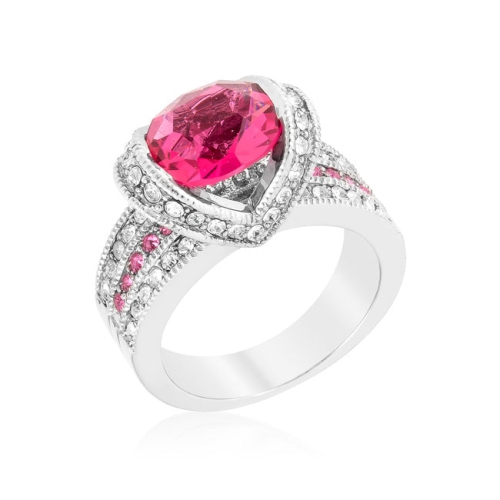


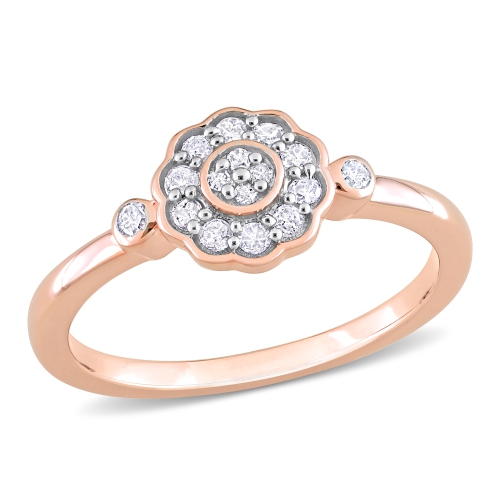
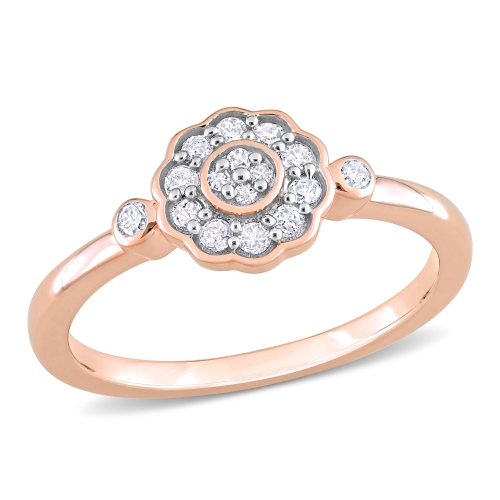
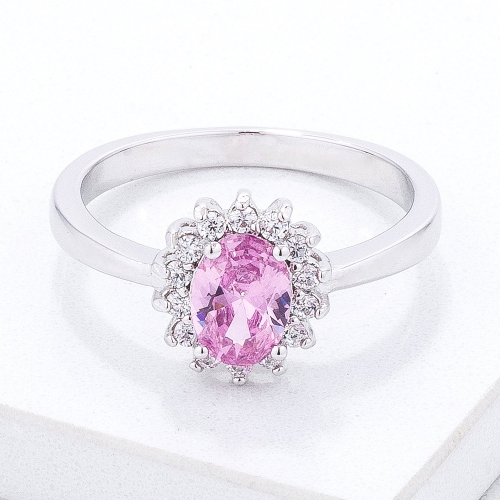


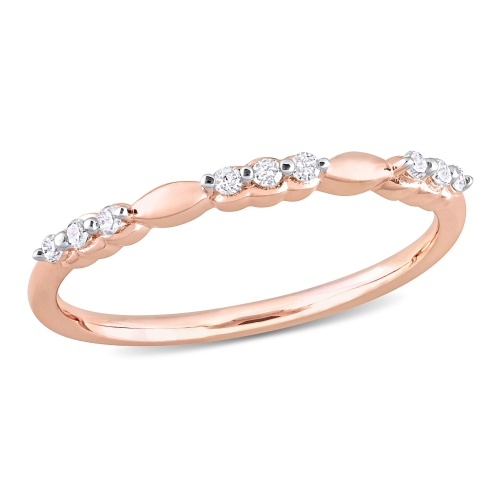
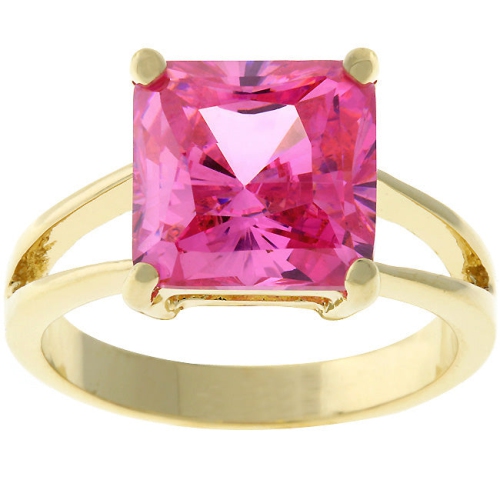


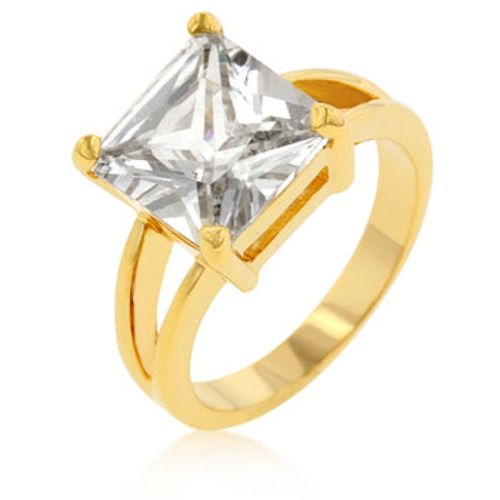


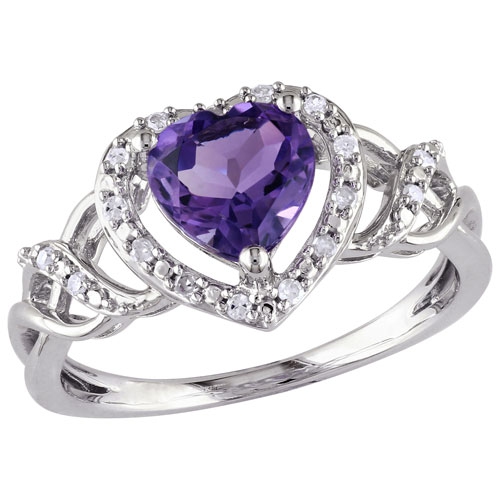


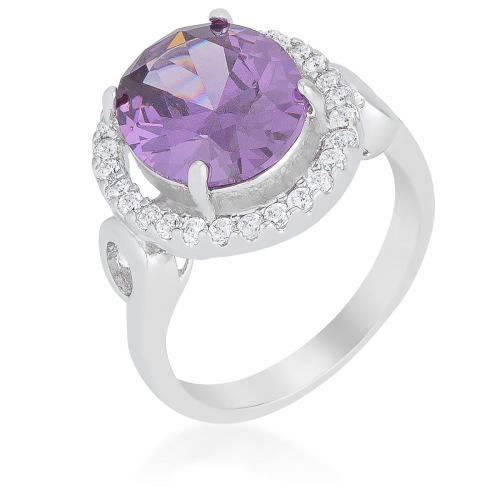


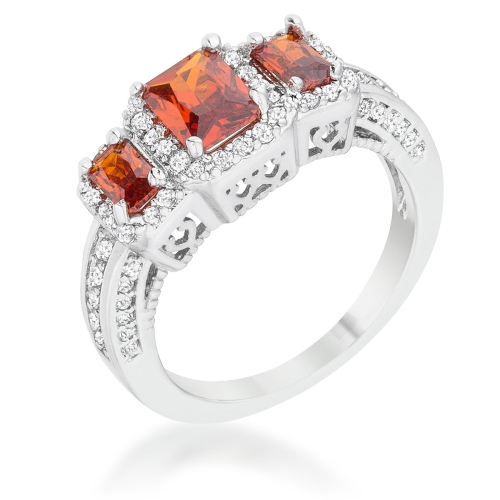
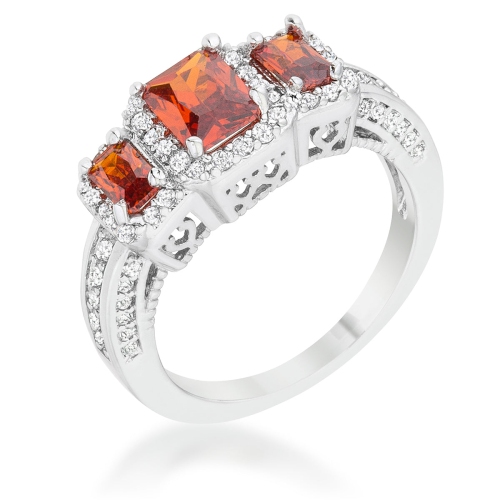


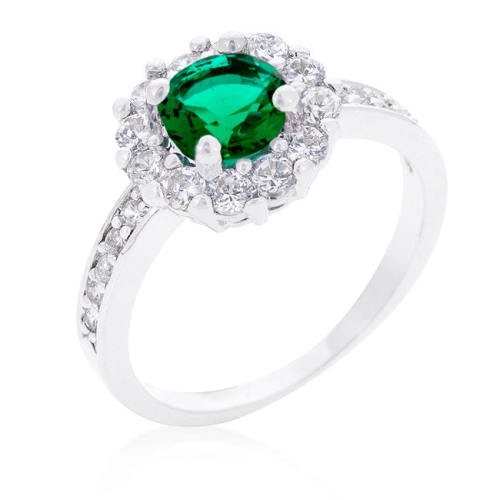


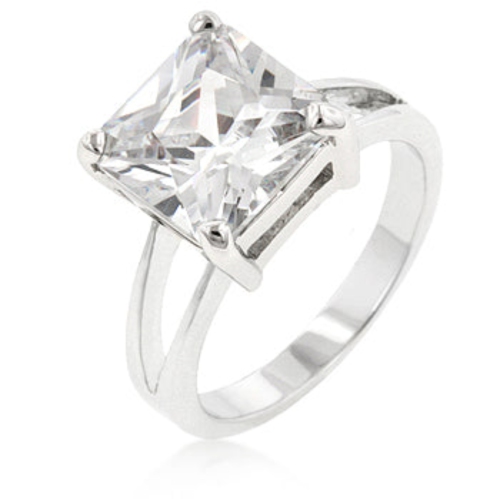
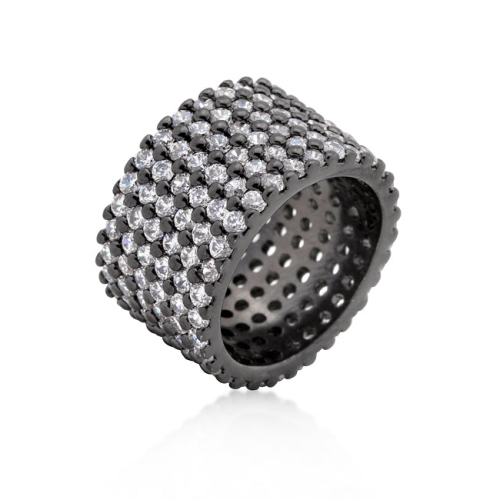
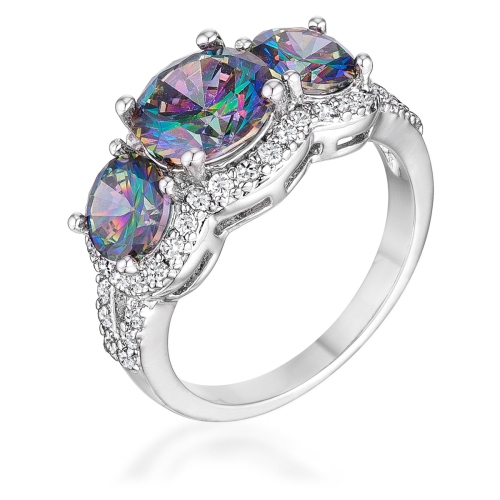


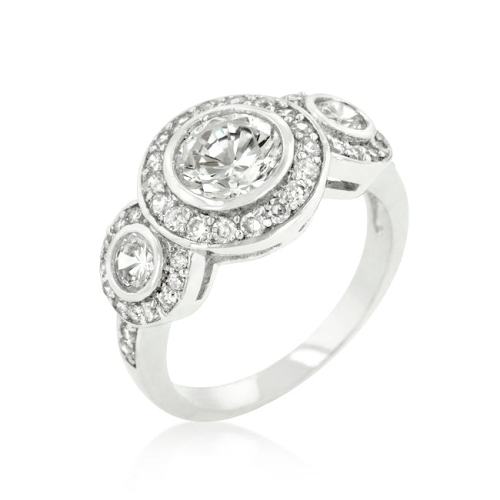
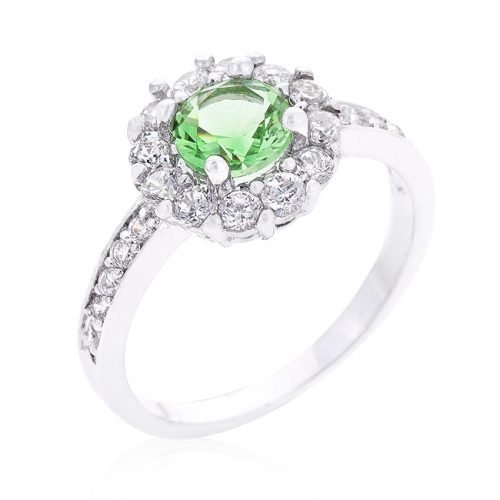

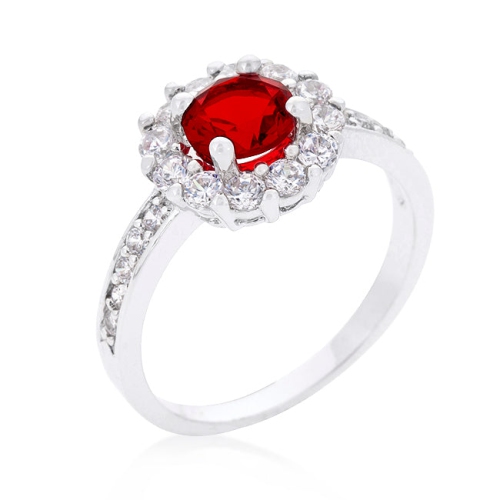


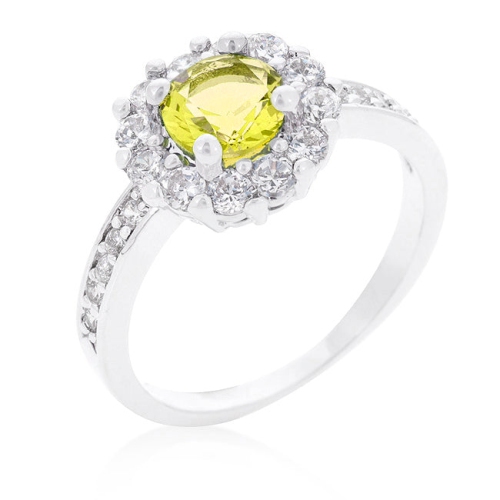


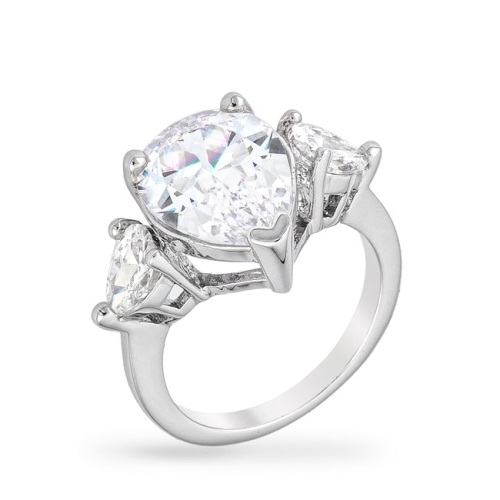
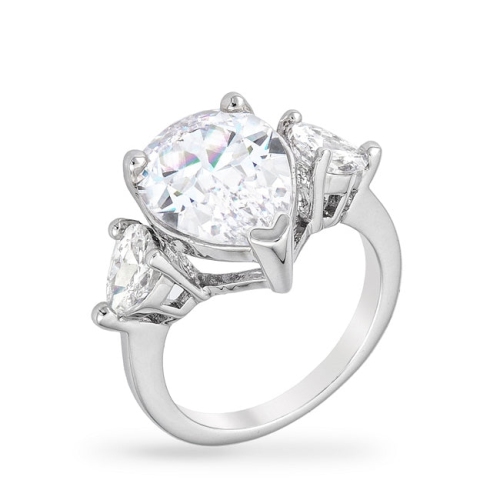

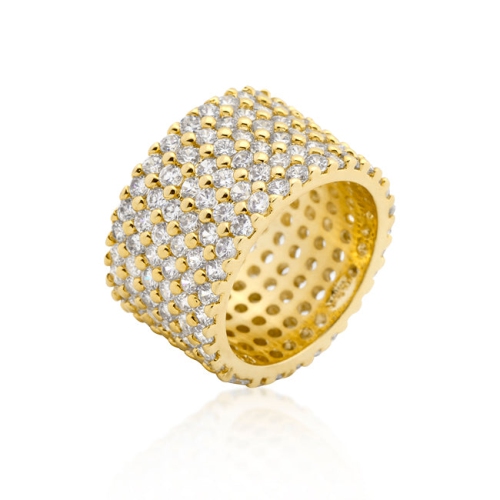


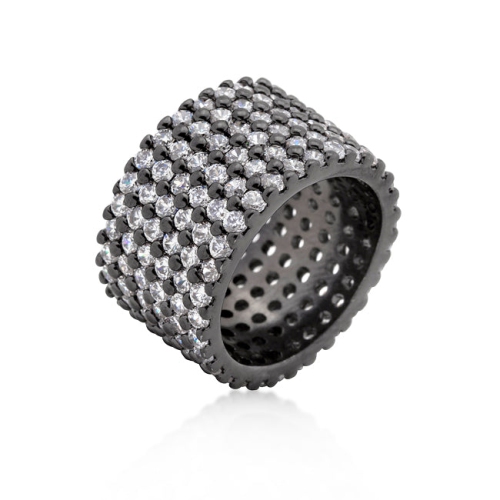


From subtle blush to pink that takes centre stage
Pink gemstone rings bring colour to jewellery in shades ranging from barely-there blush and peach to raspberry and vivid fuchsia. That range gives pink a versatility that is easy to overlook: a pale stone can sit quietly beside a wedding band, while a richly coloured centre stone can stand out against a dark knit or a crisp white shirt. The gemstone itself shapes both the appearance of a ring and how it suits daily wear. Morganite, a member of the beryl family, is known for delicate pink to peach-pink tones that pair particularly well with rose gold. Pink tourmaline offers a broader spread of pink shades, including lively, saturated colours, and often appeals to someone who wants the stone’s colour to be the main feature. Pink sapphire combines shades from light pink to intense magenta with excellent hardness, making it a strong choice for a ring worn frequently. Rose quartz has a softer, often cloudy appearance, lending itself to rounded, polished shapes rather than the crisp sparkle associated with transparent faceted stones. Pink topaz can offer a bright, clear look, although its colour may result from treatment, so the stone description matters. Pink is often associated with affection, compassion, and emotional connection, but its significance can be personal rather than traditional. A pink gemstone ring might mark an anniversary, a graduation, a promise, or simply a preference for colour over a clear centre stone. It can also serve as a non-traditional engagement ring when its construction and gemstone suit the wearer’s routine. Natural, laboratory-grown, and simulated stones are distinct categories: laboratory-grown gemstones share the essential properties of their natural counterparts, while simulants resemble another gem without being the same material. Descriptions of stone identity, treatments, and care requirements help clarify those differences. Colour intensity, transparency, cut, and inclusions all contribute to a gemstone’s character, so two pink stones with the same name may have noticeably different personalities.
The setting and band influence how that colour appears on the hand. Rose gold can draw out the warmth in peach-pink morganite, yellow gold creates a warmer contrast with cool pink tones, and white gold or sterling silver gives many pink gemstones a crisp outline. Gold karat describes the proportion of gold in an alloy, rather than the quality of the gemstone. For example, 10K, 14K, and 18K gold differ in gold content and alloy composition, which can affect colour, hardness, and suitability for someone with metal sensitivities. Sterling silver is another familiar jewellery material, though it can tarnish and benefits from appropriate cleaning and storage. White gold is often rhodium-plated, and that surface finish may need attention as it wears. For sensitive skin, the full metal composition matters more than the colour of the band alone. Design details are equally practical. A solitaire setting places the emphasis on one centre stone, whereas a halo surrounds it with smaller accent stones for a broader outline and added sparkle. Three-stone and other multi-stone rings spread colour and detail across the finger, while a slim band with a small pink accent offers a subtler finish. Oval, pear, and elongated rectangular shapes can create a lengthened look; round and cushion cuts offer different balances of curves and symmetry. A faceted stone reflects light through its cut surfaces, while a cabochon has a smooth, rounded top that highlights colour and texture. Prong settings leave more of the stone visible but need occasional inspection for wear or catching. A bezel wraps a rim of metal around the gemstone and can offer useful edge protection, although no setting makes a stone damage-proof. A low-profile ring may feel more comfortable under gloves during the cooler months, while a raised centre setting brings extra height and presence. For a contrasting colour pairing, Green Gemstone Rings offer another way to bring gemstone colour into a jewellery collection, whether worn separately or alongside pink accents.
Comfort and durability help determine whether a pink gemstone ring becomes an everyday favourite or a piece reserved for special occasions. A well-fitting band should pass over the knuckle with gentle resistance and sit securely without pinching; it should not spin constantly or leave the finger feeling restricted. Finger size can vary with temperature and activity, and a wider band may feel tighter than a narrow one in the same size. Measuring the intended finger, rather than relying on a ring worn on the other hand, gives a more useful starting point. For gifts, an accurately measured ring worn on that finger can offer a reference, but resizing depends on the metal, setting, and placement of stones around the band. Someone who types throughout the day may prefer a smooth band and modest setting height, while someone who enjoys dressing for dinners or celebrations may welcome a larger centre stone. For engagement rings or other frequent-wear jewellery, pink sapphire’s Mohs hardness of 9 offers strong resistance to scratching. Morganite measures about 7.5 to 8, and tourmaline about 7 to 7.5, so both merit care around abrasive surfaces. Hardness is not the same as toughness: even a hard gemstone can chip from a sharp impact, and topaz needs protection from knocks because of its cleavage. Removing rings before lifting weights, gardening, handling cleaning chemicals, or doing tasks that put pressure on the setting helps protect both stone and metal. Cleaning should follow the gemstone’s treatment history and the jewellery maker’s directions. For many rings, lukewarm water, mild soap, and a very soft brush are suitable, followed by careful rinsing and drying with a soft cloth. Ultrasonic and steam cleaners are not appropriate for every gemstone or treatment. Separate storage in a lined compartment or soft pouch helps prevent harder jewellery from scratching softer surfaces. Occasional checks for loose stones, worn prongs, and thinning bands are worthwhile, especially for a ring worn daily. With a suitable gemstone, thoughtful setting, and comfortable fit, a pink ring can be an expressive accessory or a meaningful gift that feels natural to wear.
Top selling and popular products
-
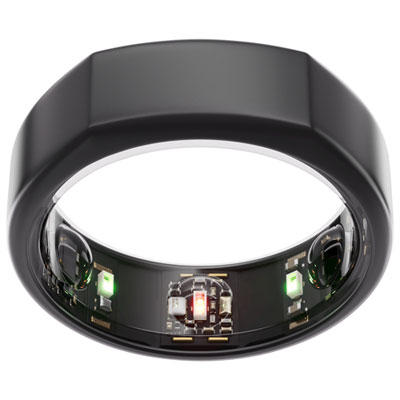 Your price for this item is $369.99
-
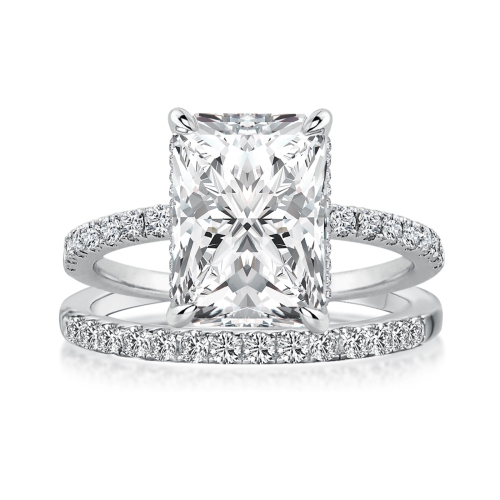 Your price for this item is $801.45
-
 Your price for this item is $133.2
-
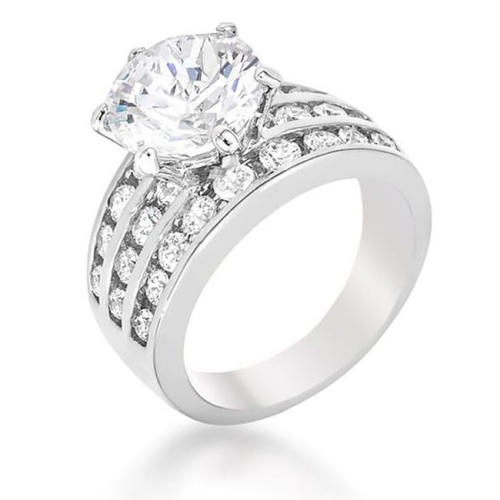 Your price for this item is $151.05
-
 Your price for this item is $123
-
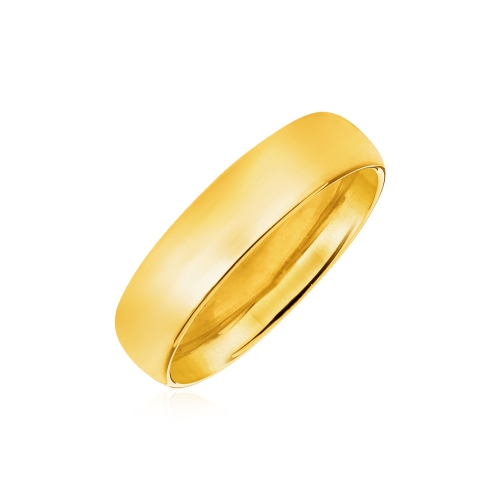 Your price for this item is $486.49
-
 Your price for this item is $135.75
-
 Your price for this item is $969
Discover more categories related to Pink Gemstone Rings

Top Collections:
Pokemon Centers, Best Cameras for Sports Photography, Kindle Devices, Samsung Galaxy Phones, Canon G7X Cameras, Pokémon 30th Celebration Cards, Refurbished Apple Laptops, iPhone 15 Apple, Laptops for Students, Budget Smartphones
Some products may be subject to Environmental Handling Fees
(EHF) depending on your province.
Learn more about EHFs.