Princess Style Engagement Rings
Princess Style Engagement Rings capture the essence of timeless romance and modern elegance, making them a popular choice for couples celebrating their love. With their striking geometric lines and sophisticated allure, these rings offer a stunning way to mark life’s most cherished moments. Explore a beautiful selection of Princess Style Engagement Rings that combine classic charm with contemporary style, perfect for symbolizing your unique commitment.
Sort



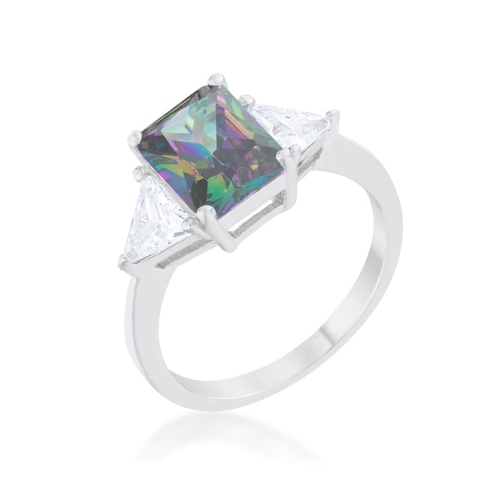


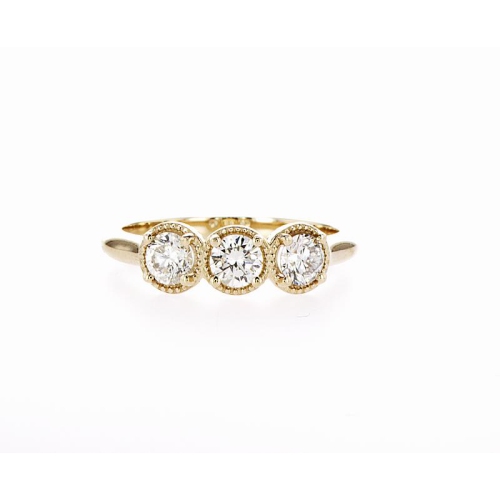
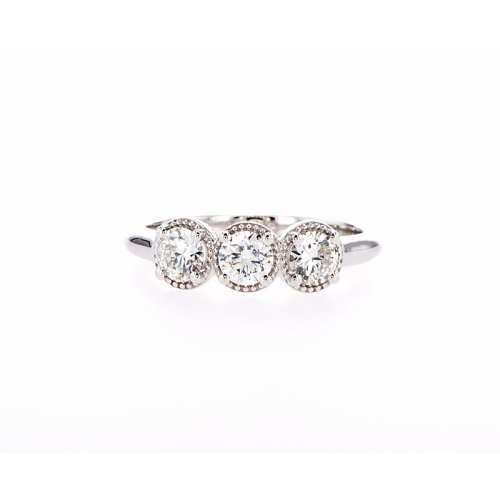
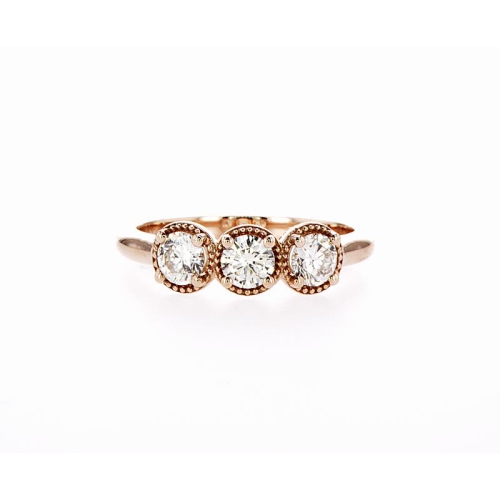


How settings shape the look of a square-cut stone
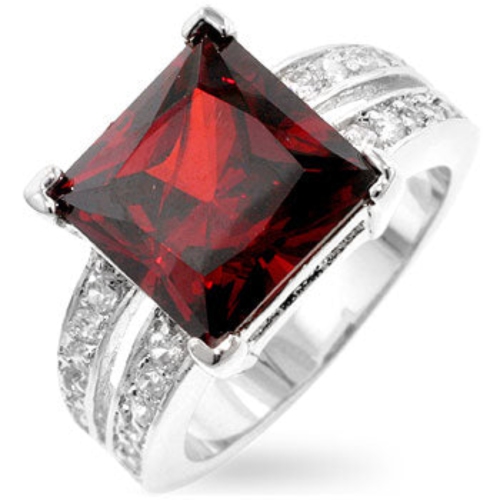
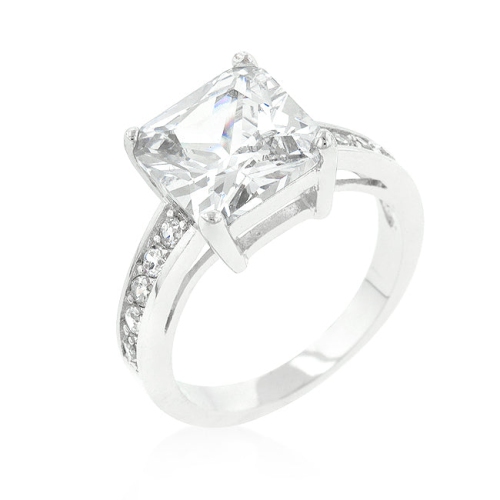
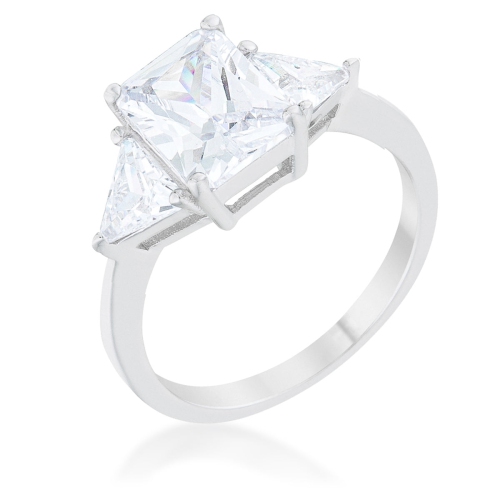
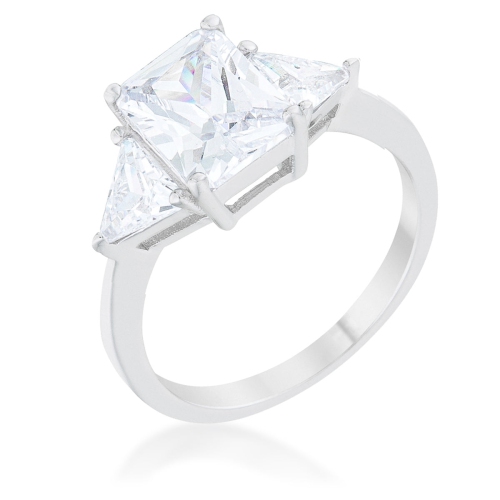
Princess-style engagement rings bring crisp geometry and bright sparkle to a piece of jewellery chosen to mark a lasting commitment. The look is most closely associated with a princess-cut centre stone: a square or slightly rectangular shape with pointed corners and a faceting pattern designed to reflect light with brilliance. Unlike the softened outline of a cushion cut or the stepped facets of an emerald cut, a princess cut combines straight edges with lively flashes across the face of the stone. That balance gives these engagement rings a modern character while remaining easy to pair with classic wedding bands. The setting shapes the overall impression as much as the centre stone itself. A solitaire places the emphasis on the stone’s outline, with a plain band leaving its angular silhouette clearly visible. A halo frames the centre with smaller stones, adding sparkle around the edges and creating a broader appearance on the finger. A hidden halo places accents beneath the centre stone, where they are more noticeable from the side than from above. Pavé bands carry small, closely set stones along the shank, while channel-set accents sit between metal edges for a more structured finish. Three-stone arrangements introduce extra width and can symbolize a couple’s past, present, and future, although their meaning remains personal to the wearer. A slender band can make a square centre appear more prominent; a wider band gives the design greater visual weight. Symmetry, the proportions of the stone, and the space around it all influence how the ring looks when worn. For someone who favours clean lines in everyday jewellery, a simple princess-cut solitaire may feel familiar from the first fitting. Someone drawn to intricate detail may prefer milgrain edges, a split shank, or accent stones visible along the sides. The shared appeal is a defined centre shape that can anchor both understated and more elaborate designs without losing its distinctive outline.
Materials influence the colour, feel, and long-term care of princess-style engagement rings. Natural and laboratory-grown diamonds share essentially the same chemical composition and crystal structure, although their origins differ. Both can be fashioned into princess cuts, and appearance depends on factors such as proportions, polish, symmetry, colour, and clarity rather than origin alone. Diamond’s resistance to scratching makes it well suited to frequent wear, but hardness does not make a stone immune to damage. The pointed corners of a princess cut are particularly vulnerable to chips if struck, so protective setting details matter. V-shaped prongs cover the tips, while a bezel surrounds the stone with a metal rim; the security of either design also depends on workmanship and condition. Cubic zirconia offers another way to enjoy the square-cut look, with bright sparkle and its own material characteristics. It is less resistant to scratching than diamond and may show surface wear more readily with frequent use. For this interpretation of the style, Princess Cut Cubic Zirconia Engagement Rings feature the same angular shape in a different centre-stone material. Metal choice adds another layer of character. Yellow gold creates a warm contrast against a colourless stone, white gold offers a bright backdrop, and rose gold brings a pink tone from copper in the alloy. Gold karat indicates the proportion of pure gold, not a guarantee of durability; the alloy and construction also affect how a ring wears. White gold is often rhodium plated, and that finish can wear with use and need professional attention. Platinum is naturally white and develops a surface patina over time, while sterling silver can tarnish and needs appropriate cleaning. For wearers with metal sensitivities, the full alloy composition is more useful than colour alone, particularly where nickel may be present. A ring intended for daily wear benefits from a well-supported centre, a sturdy shank, and a finish whose maintenance needs suit the recipient’s habits.
Fit and setting height affect how comfortably an engagement ring becomes part of everyday life. A properly fitted band should pass over the knuckle with slight resistance and sit securely at the base of the finger without pinching. Wider bands can feel tighter than narrow ones in the same stated size, and a prominent centre setting may rotate if the fit is too loose. Finger size can fluctuate during the day, making more than one professional measurement useful before settling on a size. Resizing possibilities depend on the metal, construction, and placement of accent stones; designs with stones around the entire band often leave less room for adjustment. The ring’s profile matters during familiar tasks, too. A raised centre may leave space for a straight wedding band to sit close beside it, but it can also catch on knitwear or interfere with close-fitting work gloves. A lower setting keeps the stone nearer the finger, although a curved or contoured wedding band may be needed to follow its outline. For a surprise proposal, details from jewellery the recipient already wears can reveal preferences for metal colour, band width, and decorative touches, while an accurate measurement is still the best basis for sizing. These rings can also mark an anniversary, a renewed commitment, or the replacement of an original engagement ring. Whatever the occasion, regular care helps preserve both appearance and security. Removing a ring before lifting weights, handling abrasive materials, or using harsh cleaning chemicals reduces unnecessary strain on the setting and finish. For many uncoated diamond rings, lukewarm water, mild soap, and a soft brush can lift residue from beneath the stone, but cleaning should always follow the care requirements of every material in the piece. Plated finishes, treated stones, and delicate accents may need different handling. Separate storage in a soft-lined compartment helps prevent contact with other jewellery. Periodic professional checks can identify worn prongs or loose accents before a stone is lost, keeping the ring ready for the ordinary moments and meaningful occasions that follow the proposal.
Top selling and popular products
-
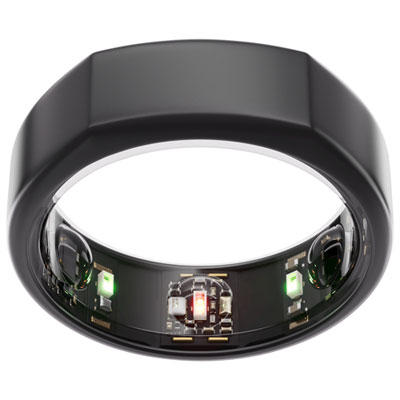 Your price for this item is $369.99
-
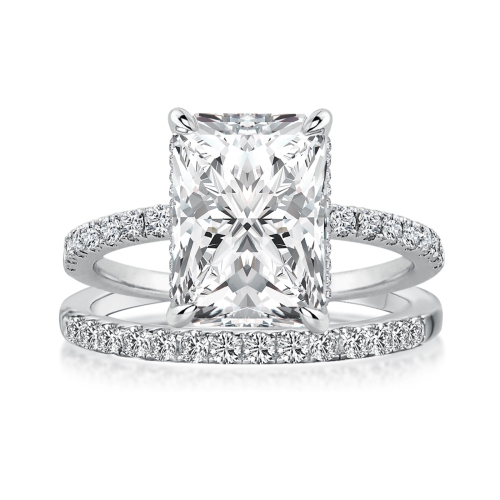 Your price for this item is $801.45
-
 Your price for this item is $133.2
-
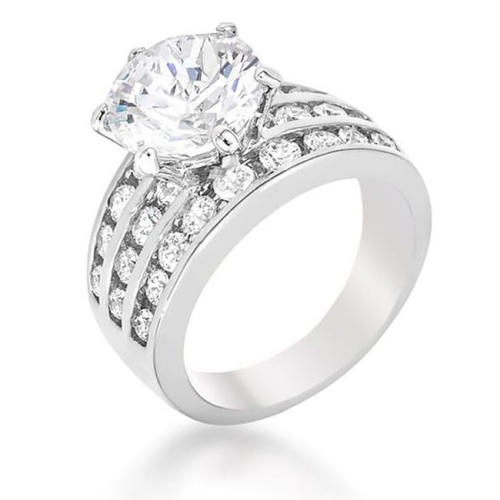 Your price for this item is $151.05
-
 Your price for this item is $123
-
 Your price for this item is $135.75
-
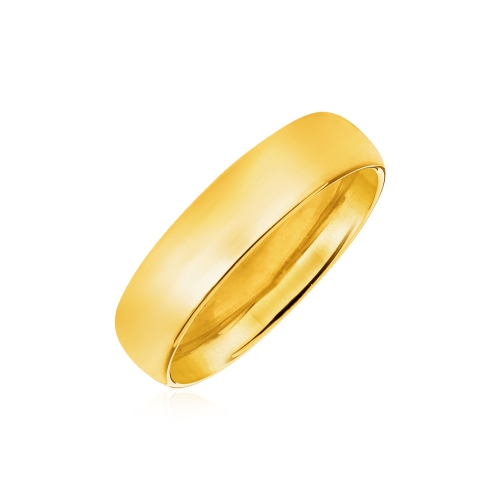 Your price for this item is $486.49
-
 Your price for this item is $969
Discover more categories related to Princess Style Engagement Rings


Top Collections:
Pokemon Centers, Best Cameras for Sports Photography, Kindle Devices, Samsung Galaxy Phones, Canon G7X Cameras, Pokémon 30th Celebration Cards, Refurbished Apple Laptops, iPhone 15 Apple, Laptops for Students, Budget Smartphones
Some products may be subject to Environmental Handling Fees
(EHF) depending on your province.
Learn more about EHFs.