Reading Glasses for Elders
Reading glasses are a great way to keep your eyes healthy as you age. They can help prevent eye strain and headaches, and they look stylish too. Here are some great reading glasses for seniors.
Sort
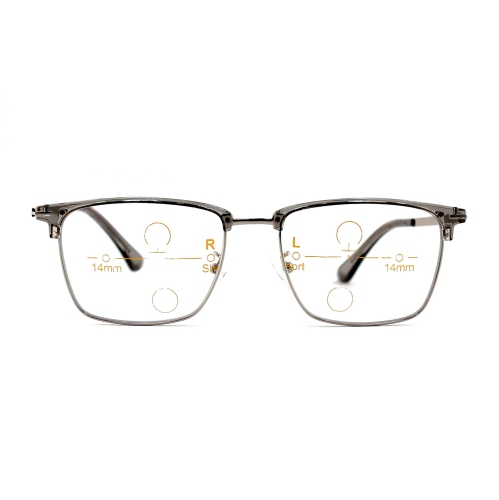
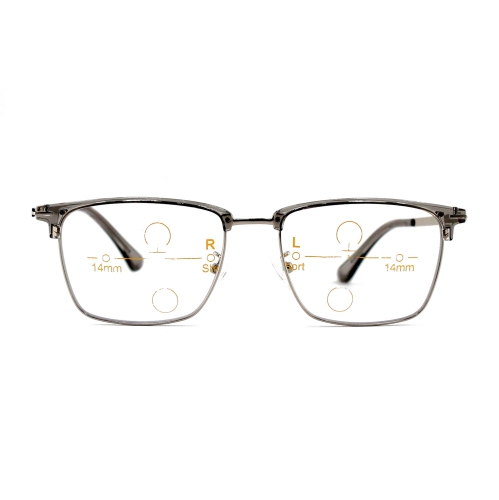
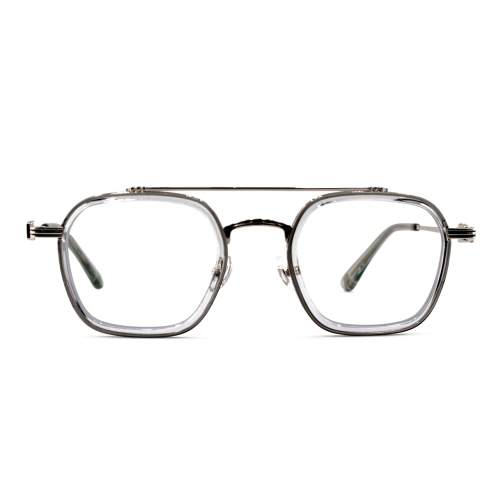
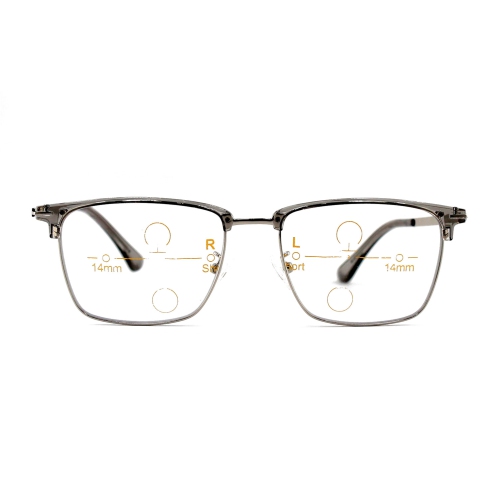
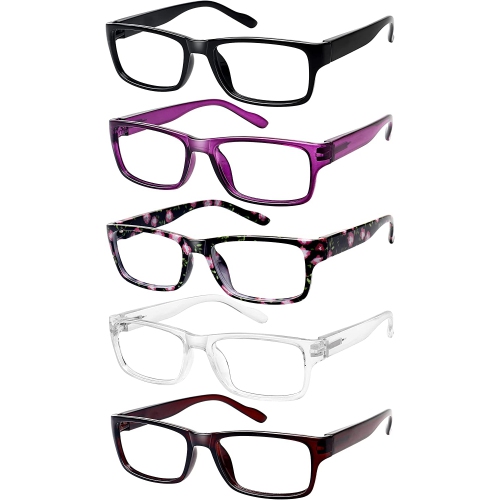
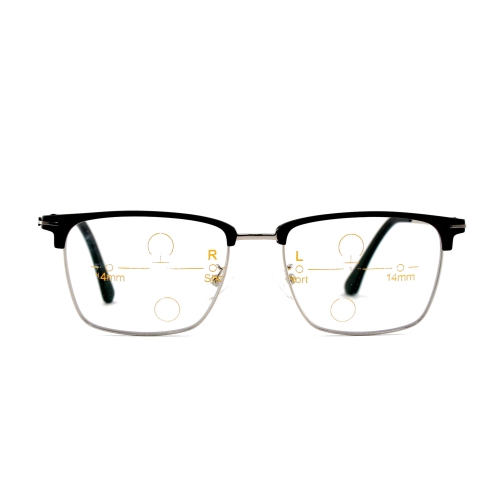
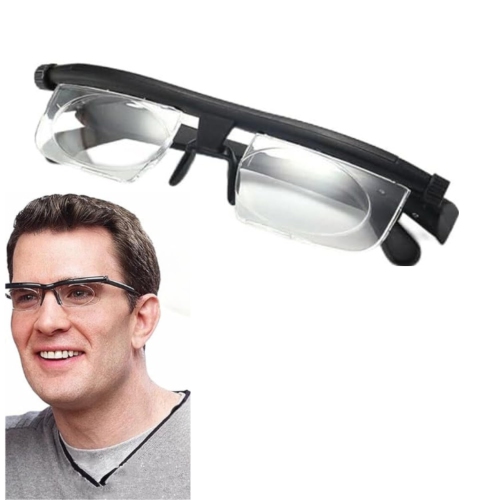
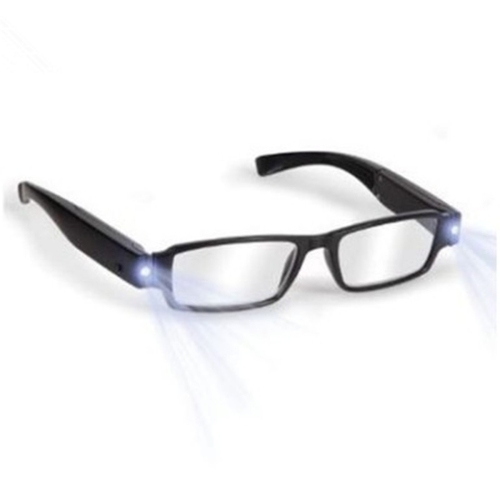
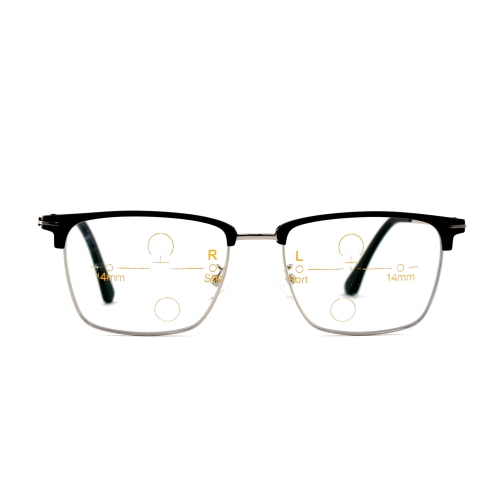
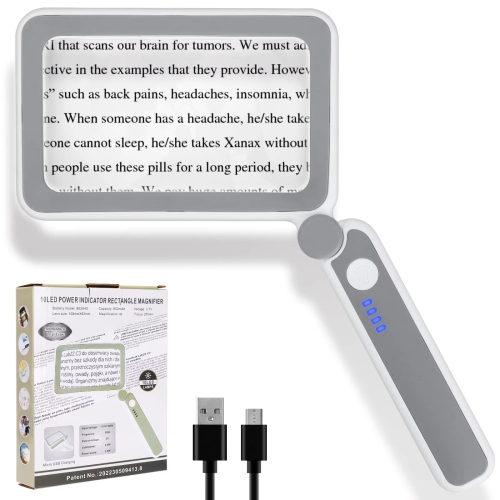
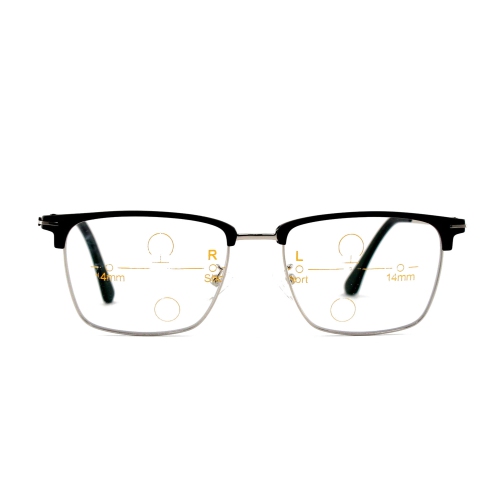
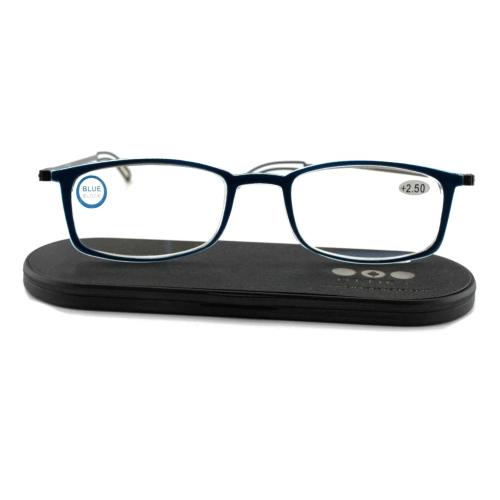
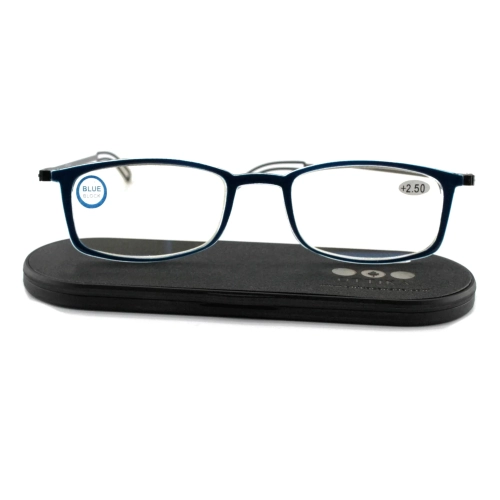
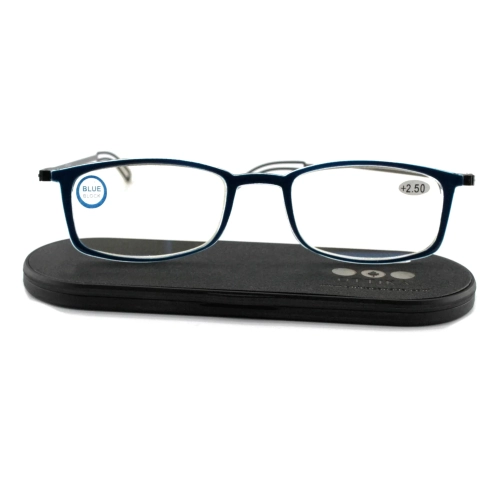
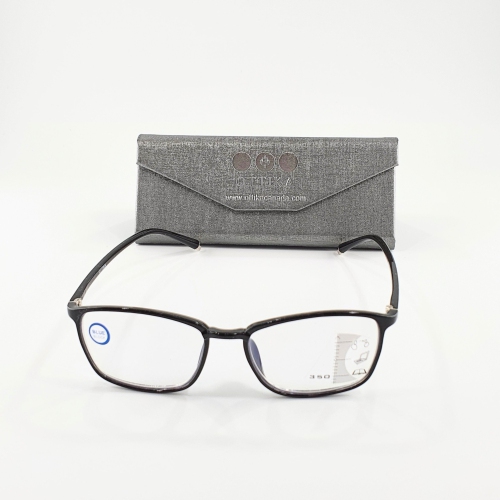
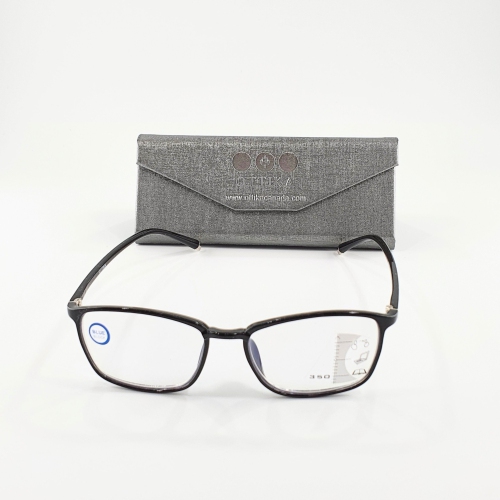
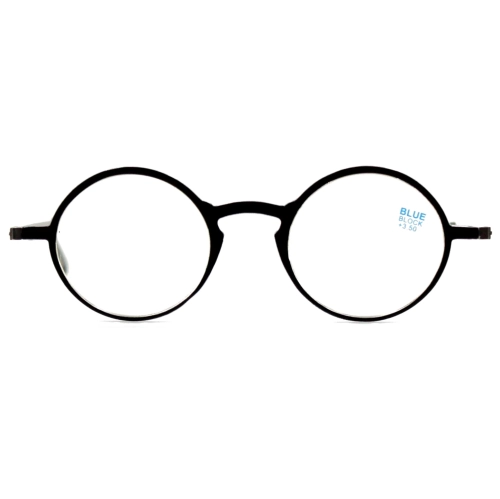
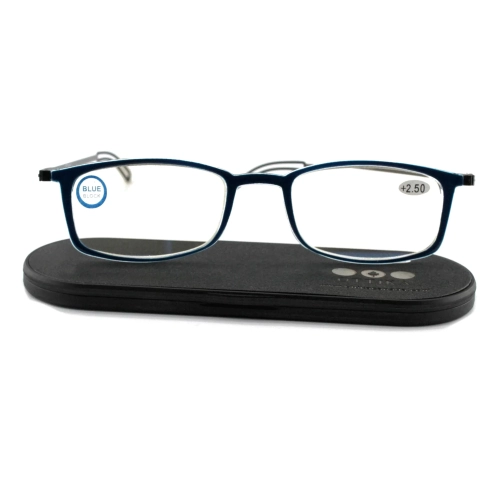
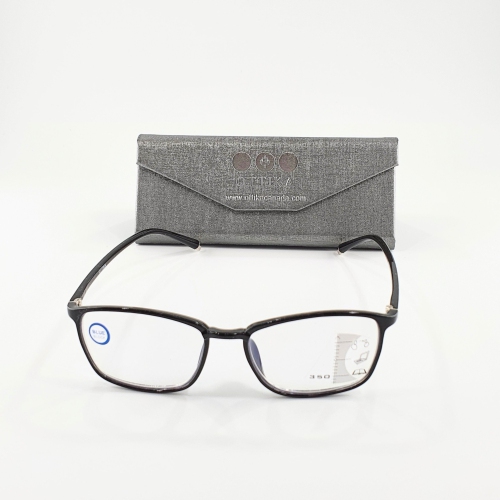
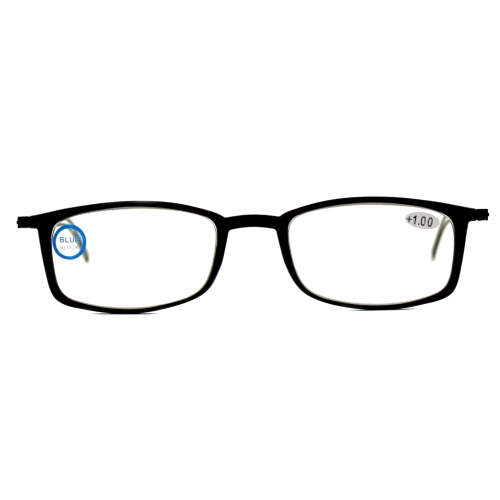

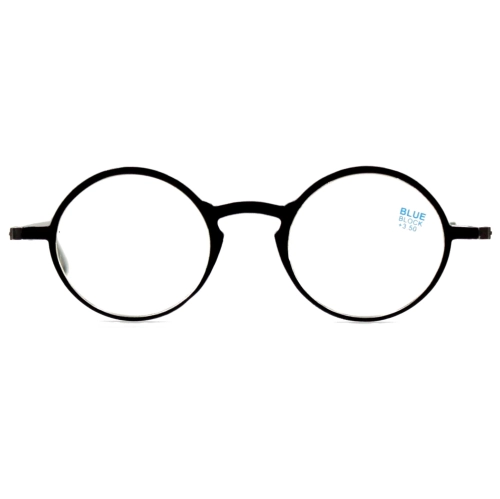
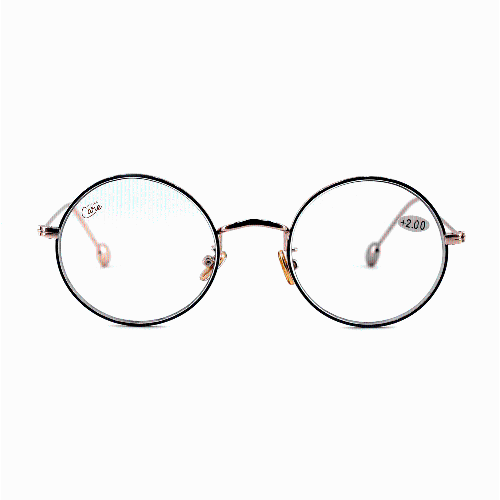
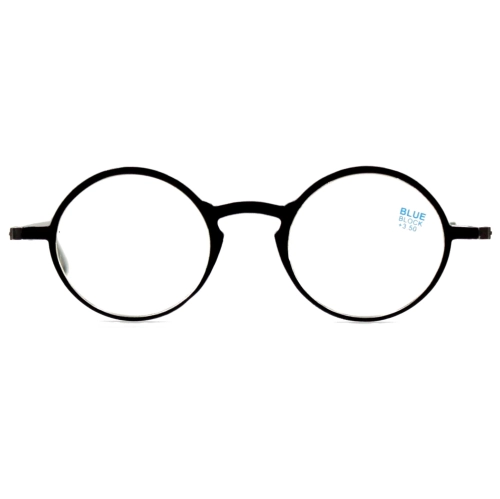
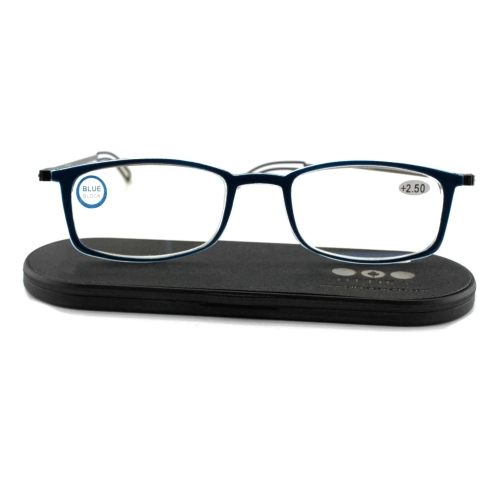
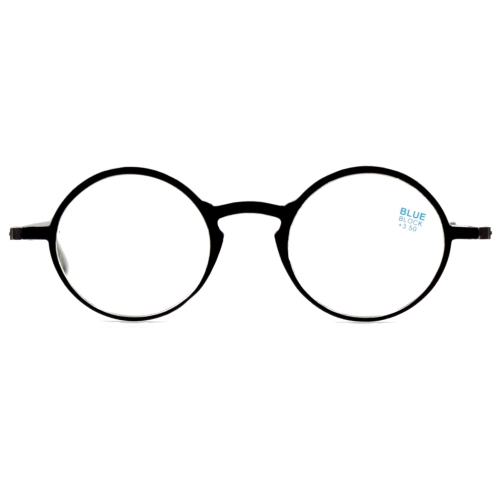
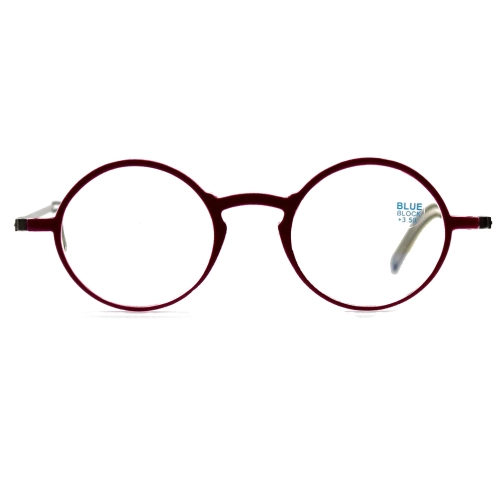
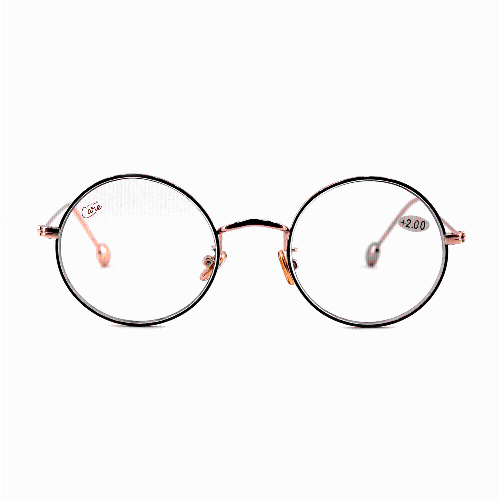
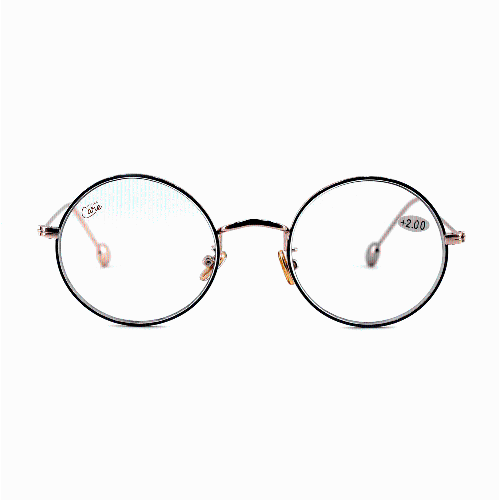
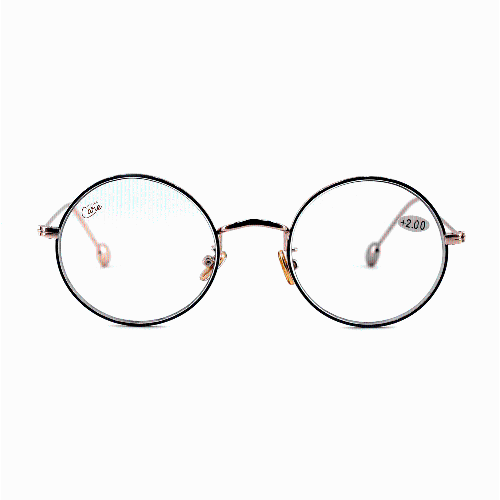

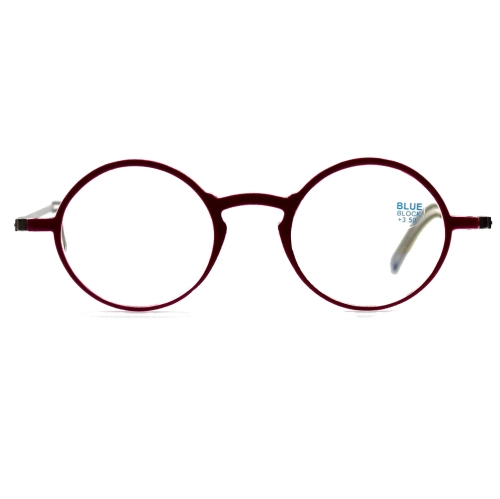
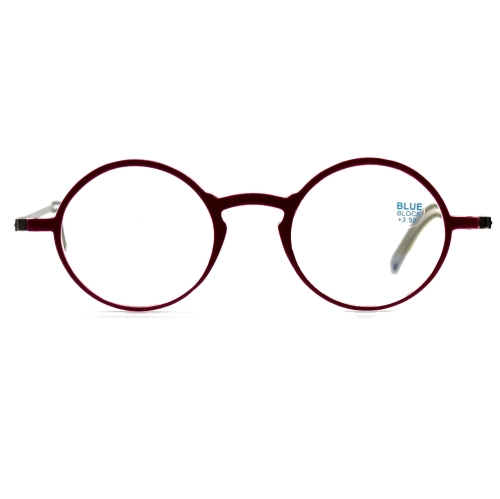
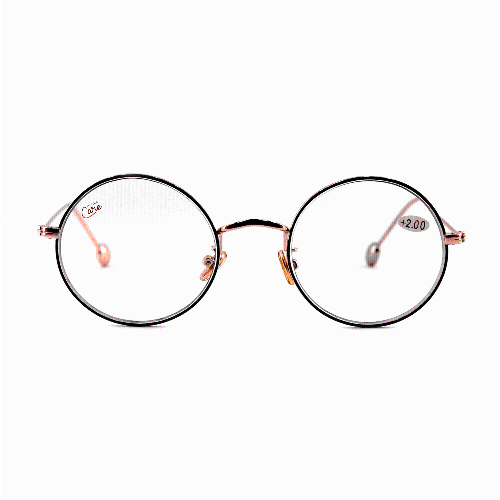
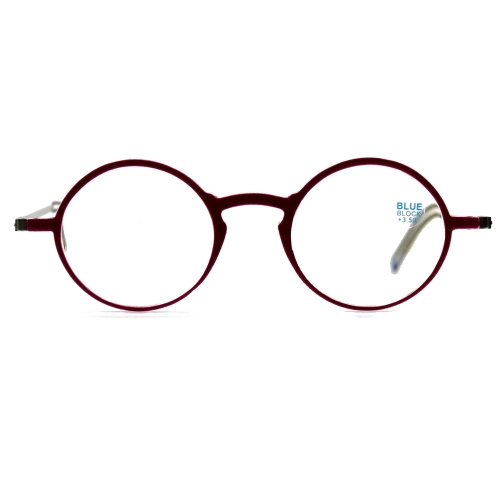
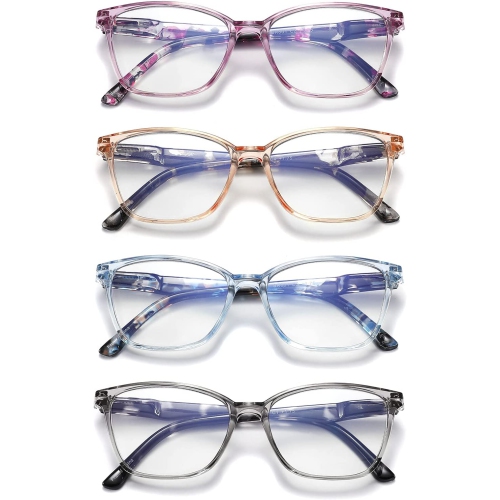
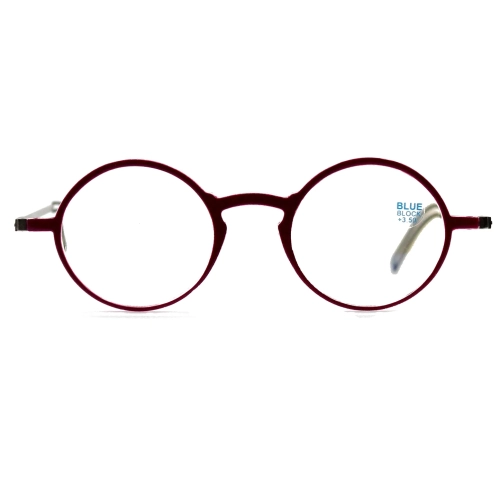
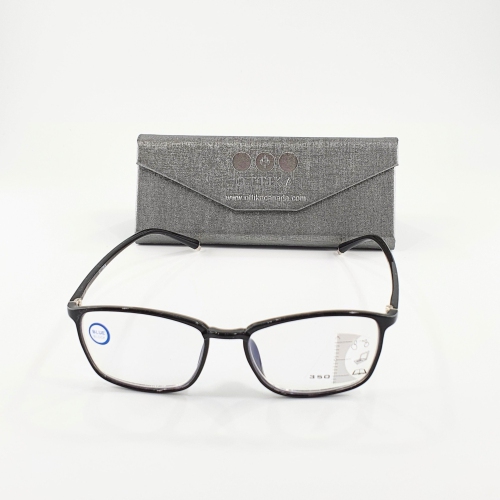
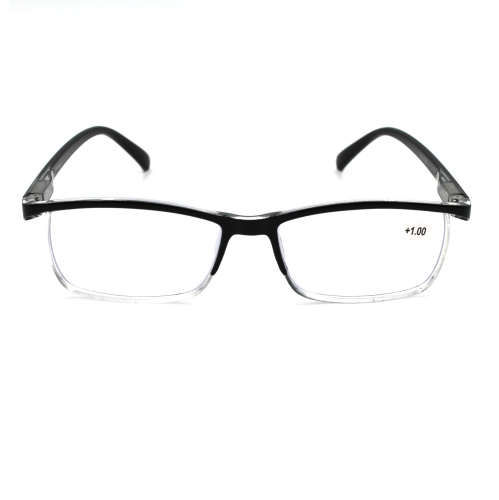
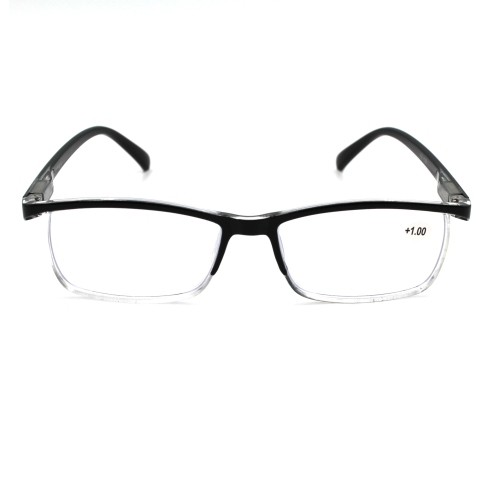
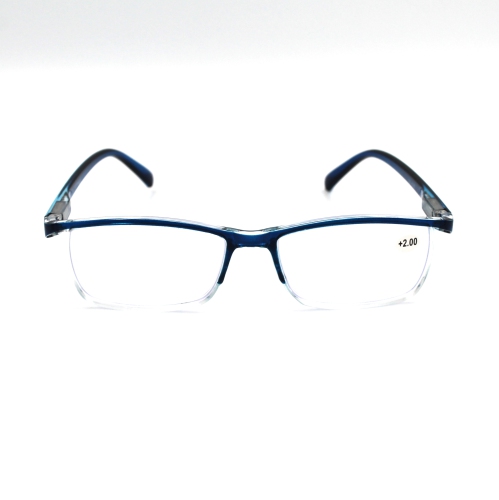
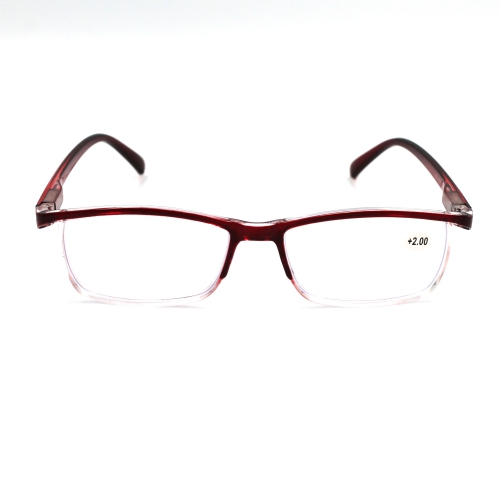
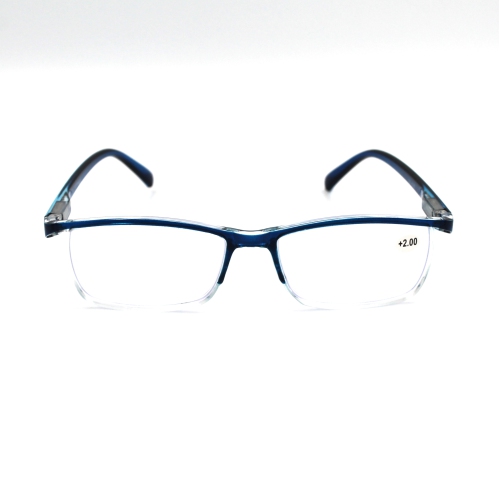
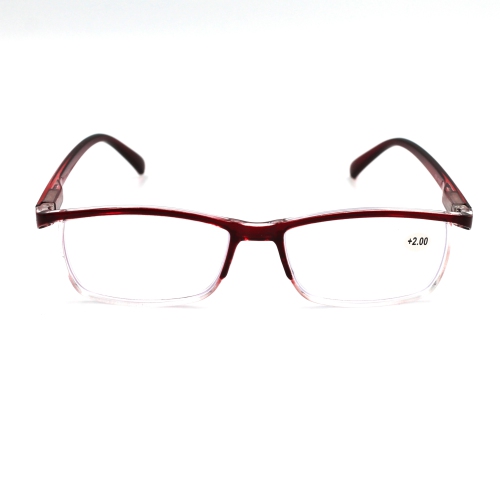
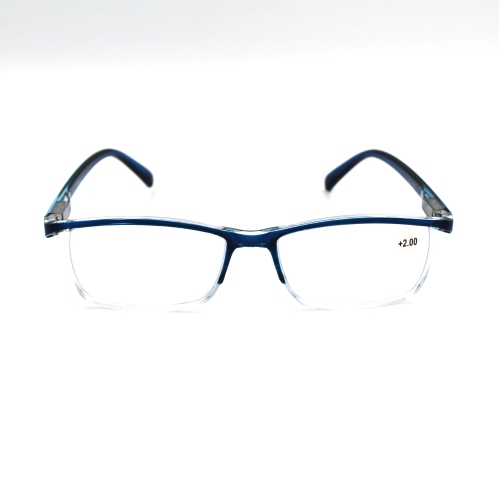
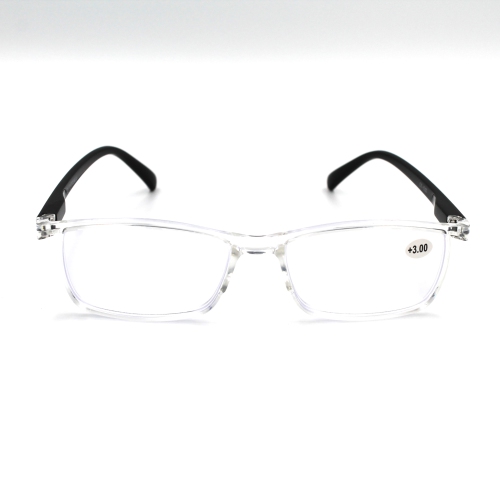
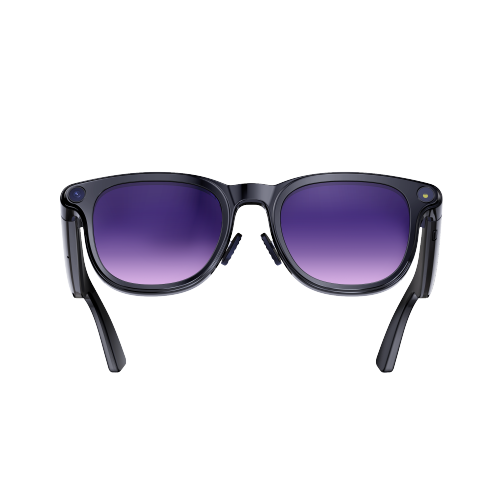
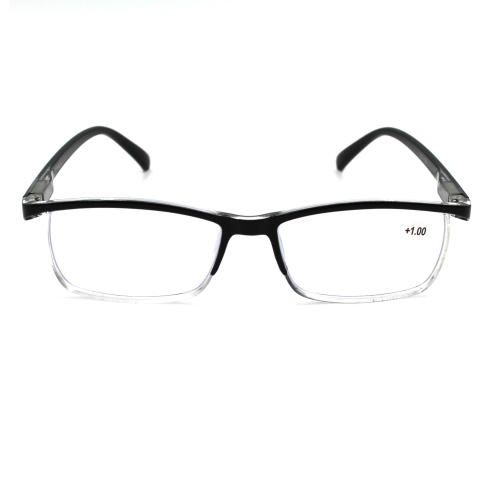
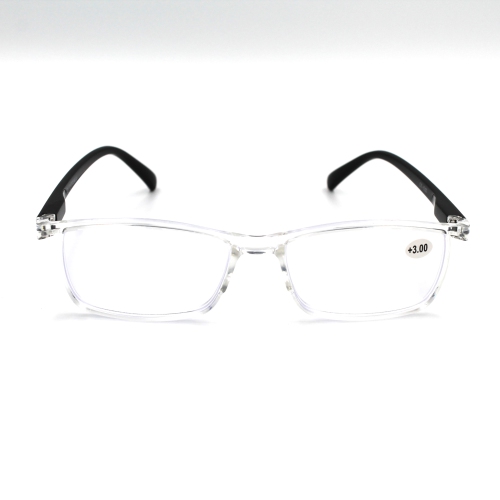
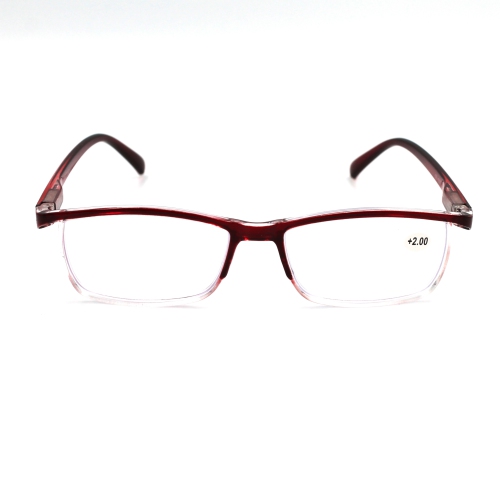
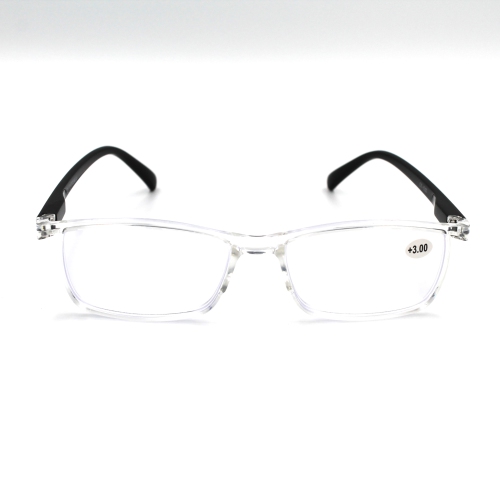
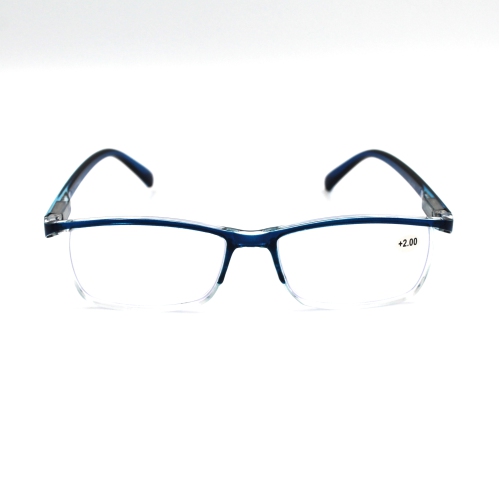
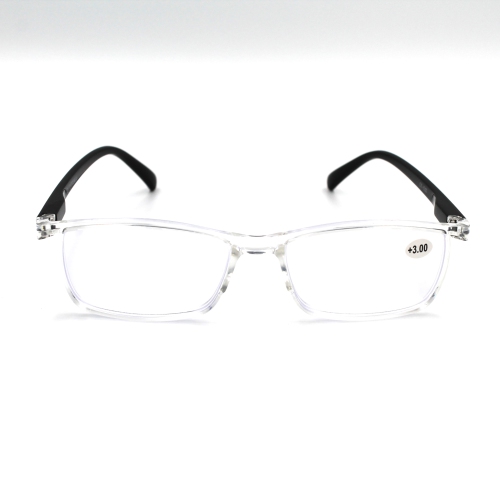
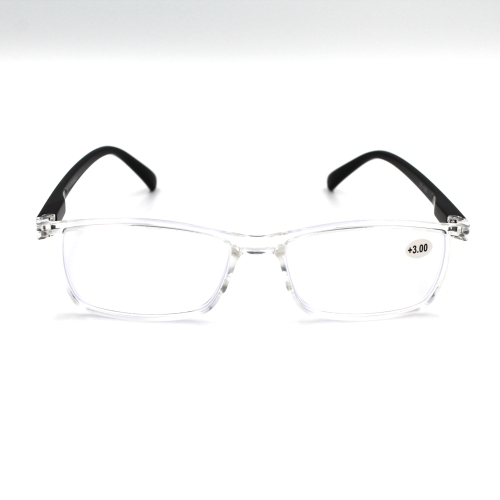

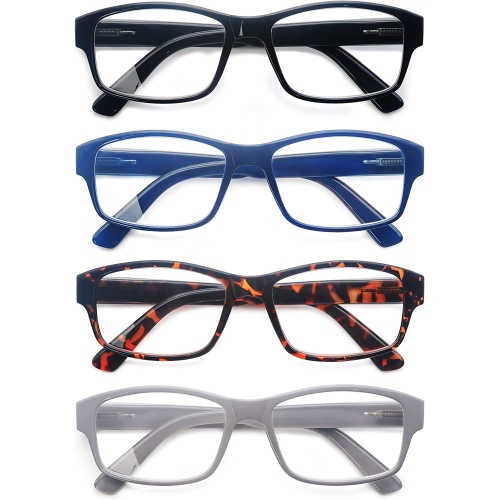
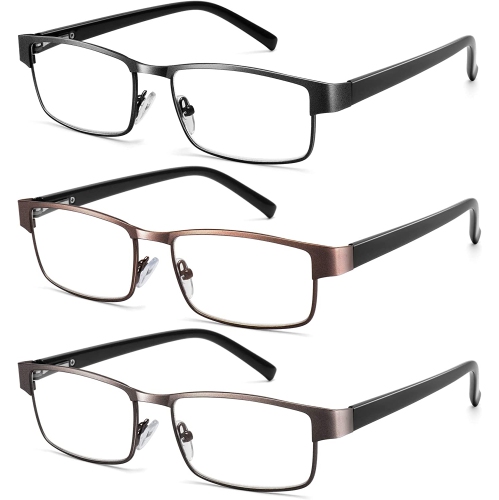
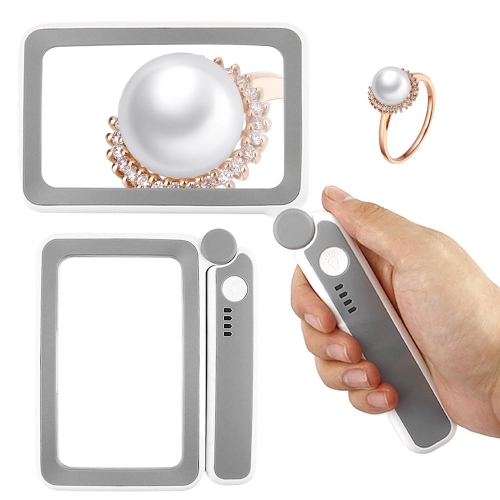
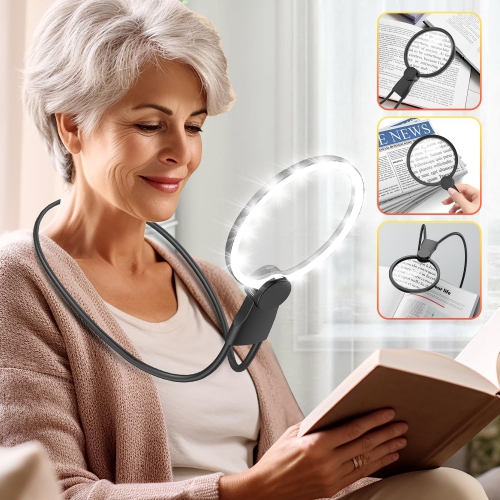

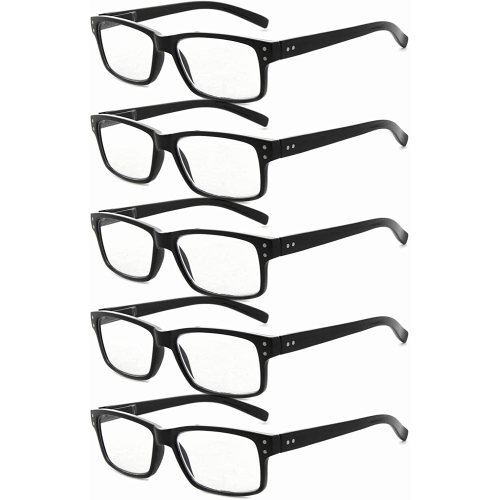
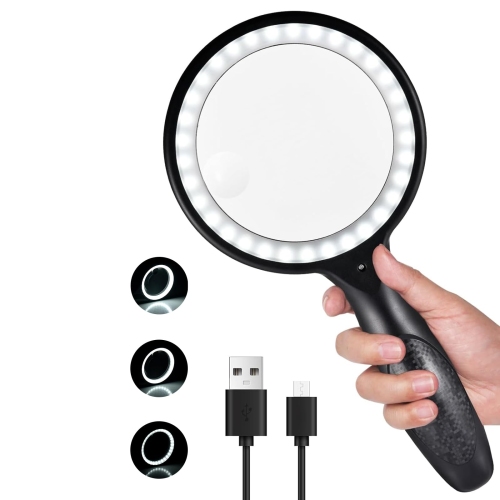
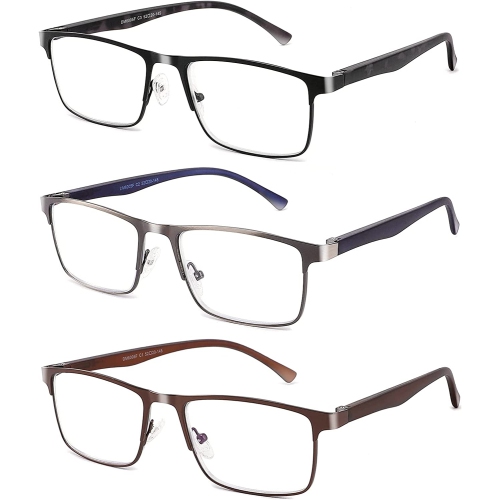
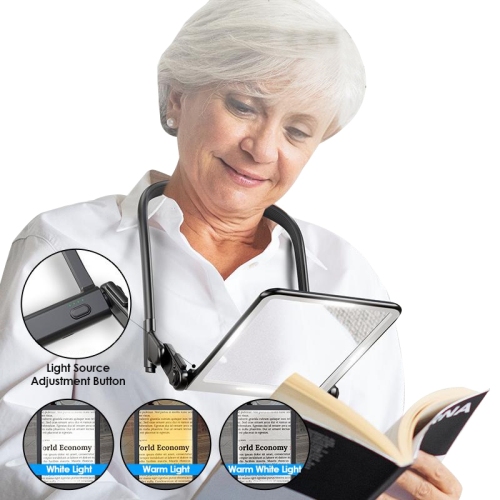
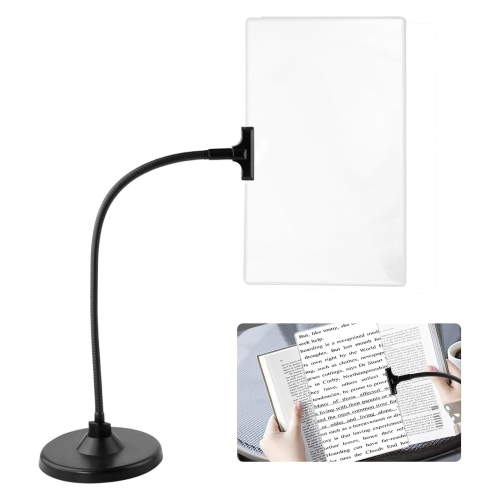
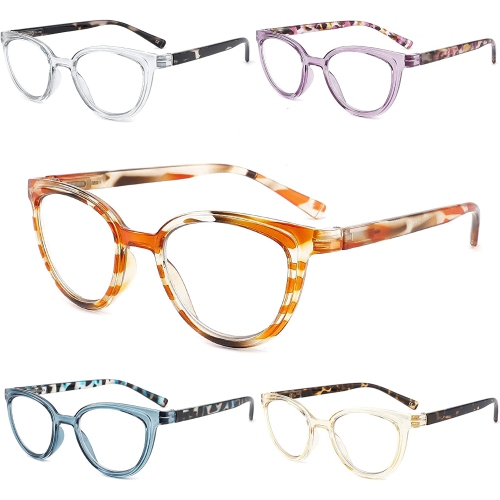
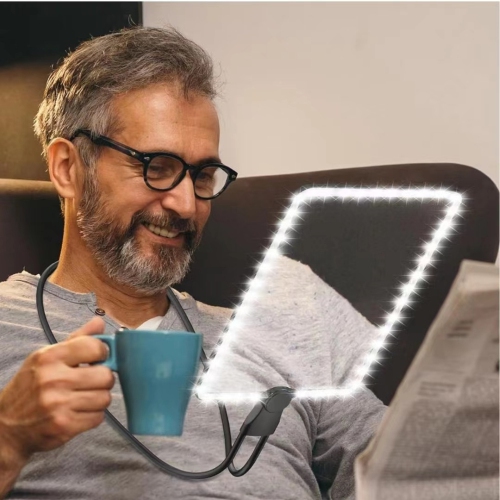
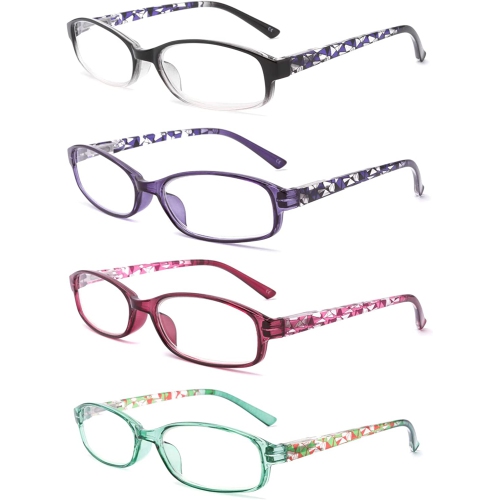
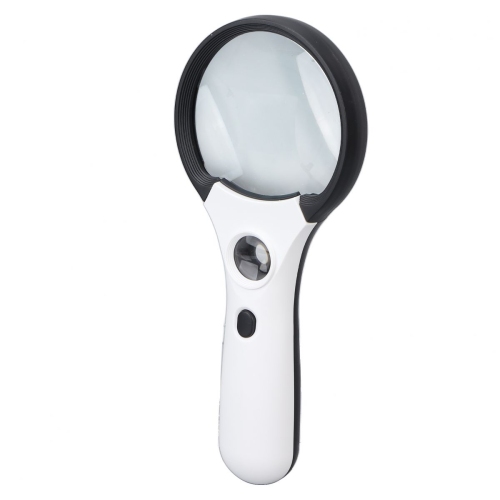
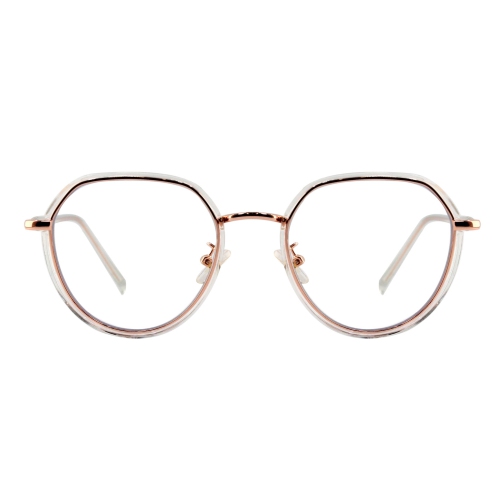
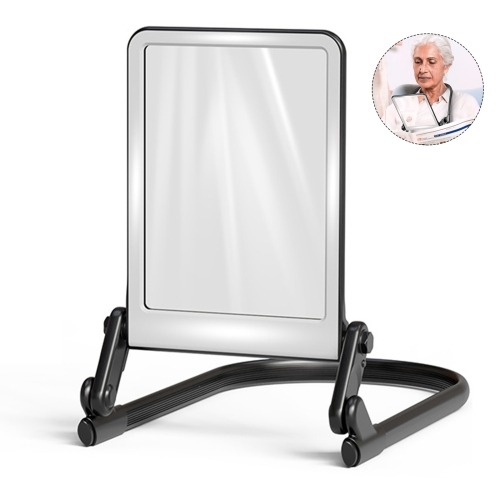
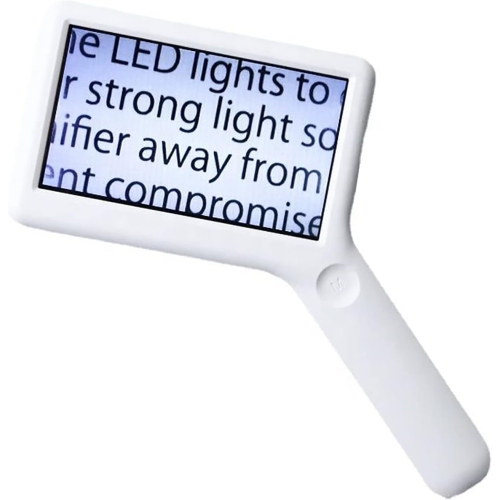
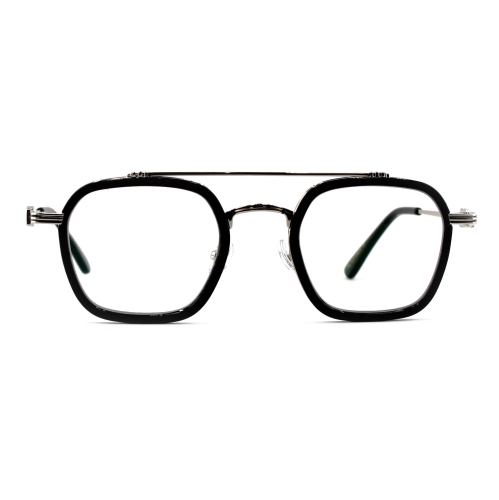

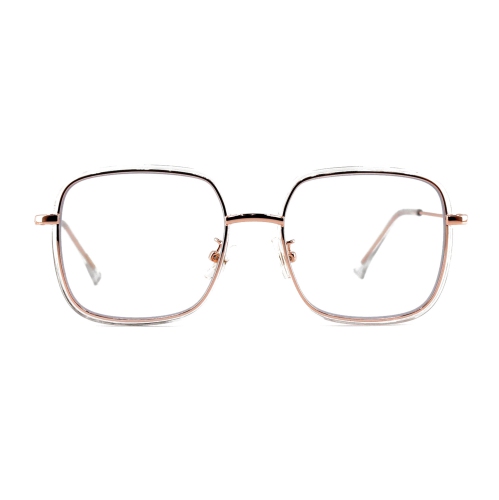
What matters in lens strength, comfort, and daily use
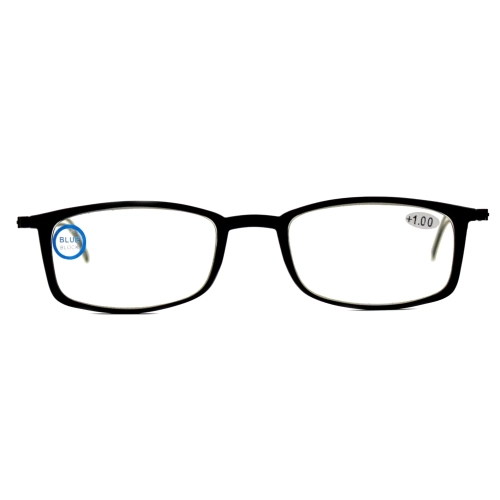
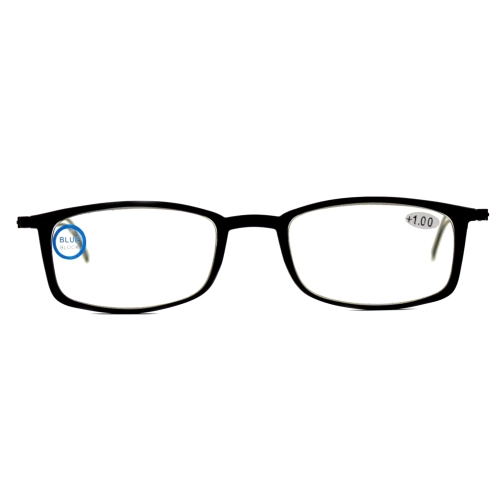
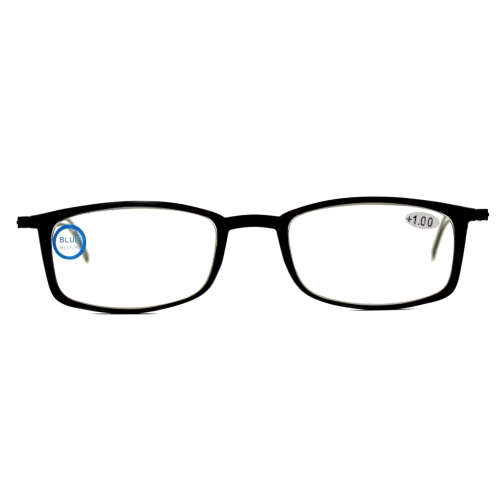
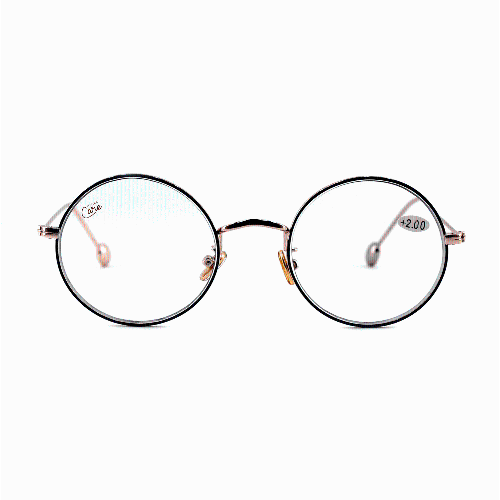
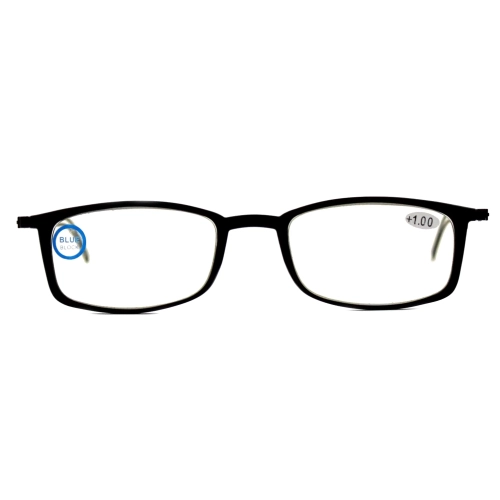
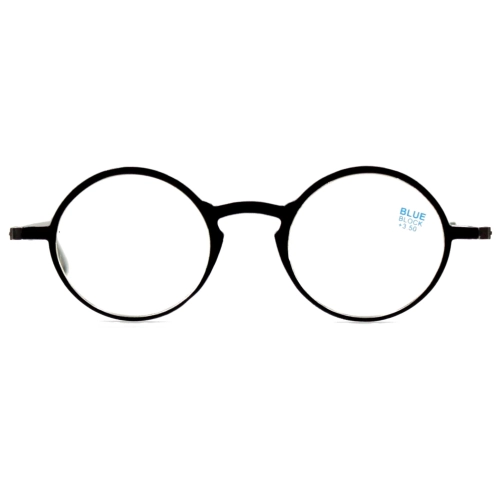
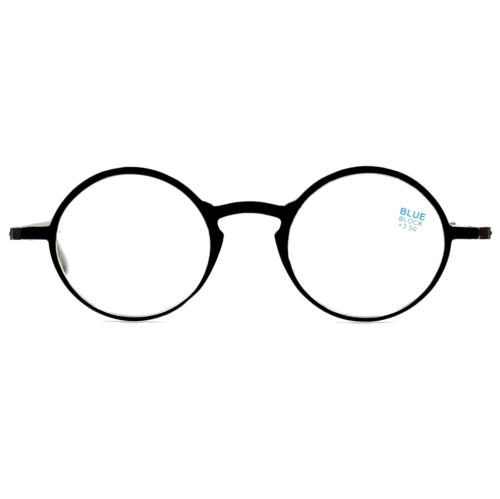
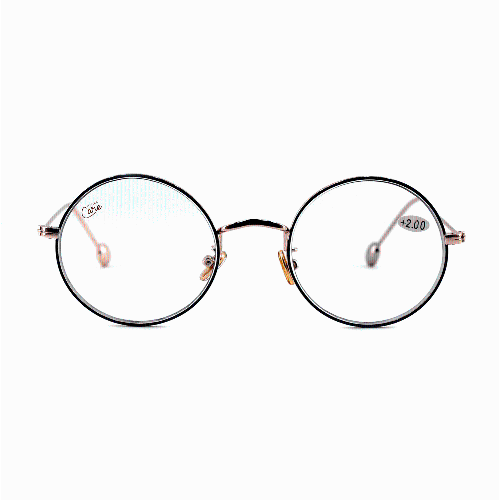
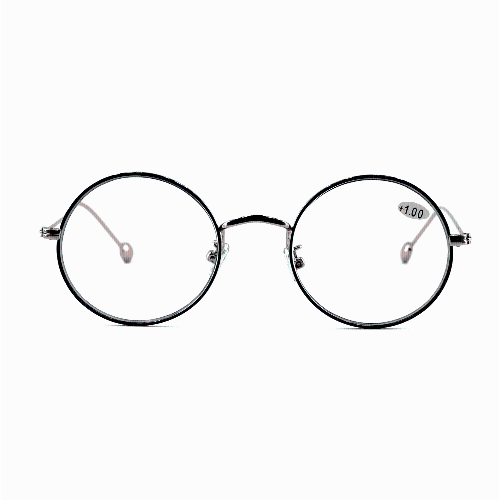
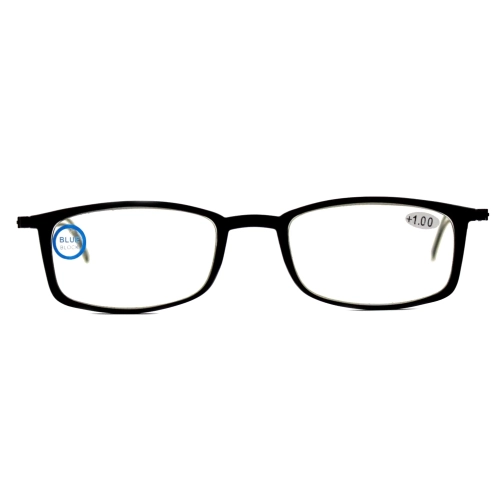
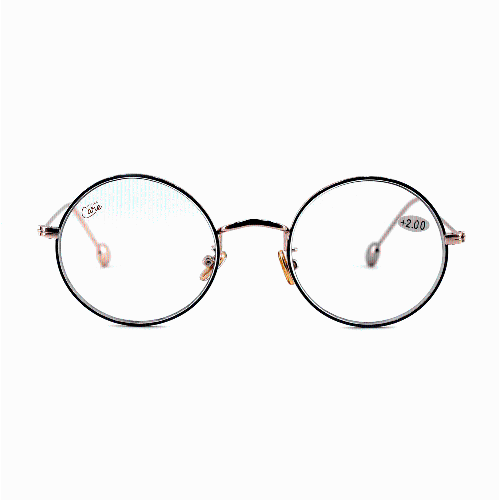
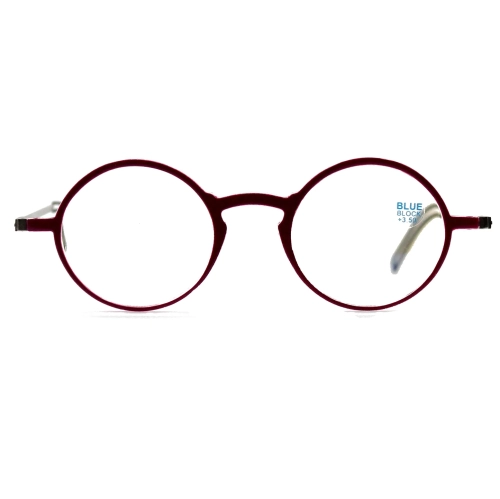
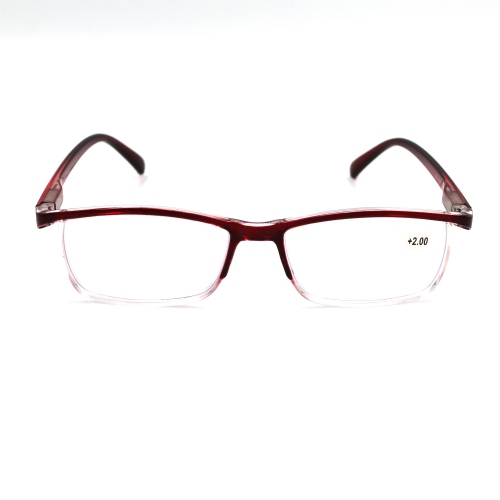
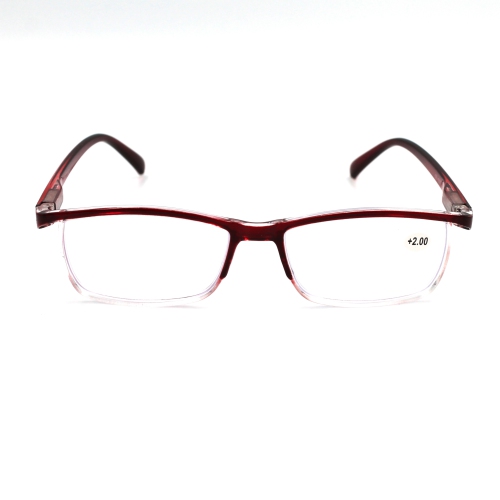
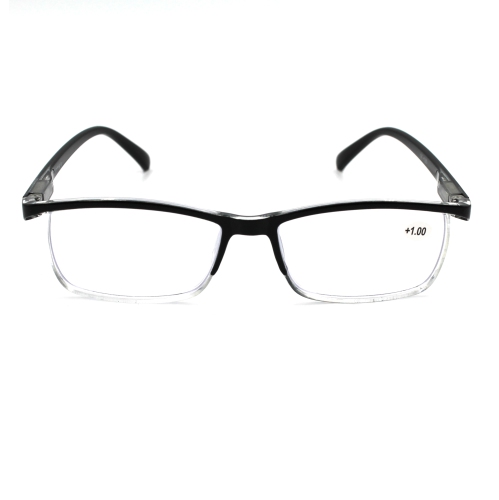
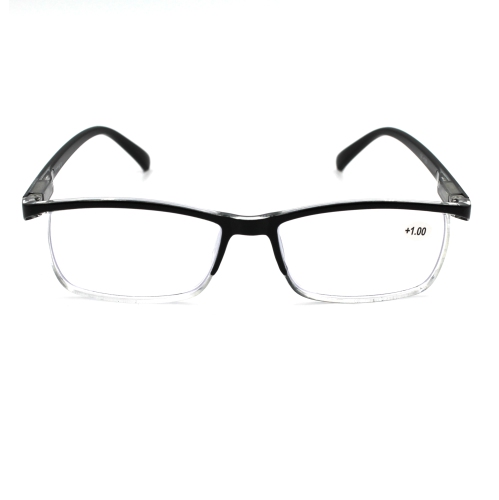
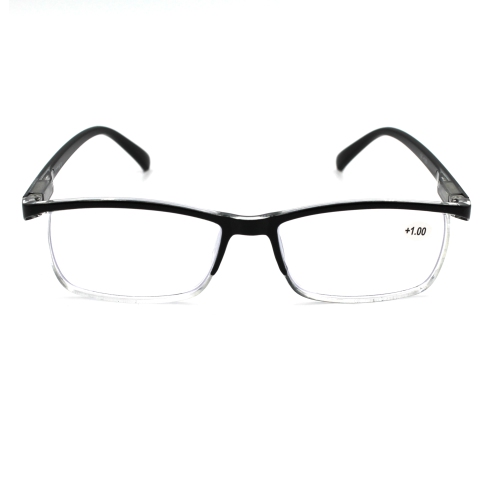
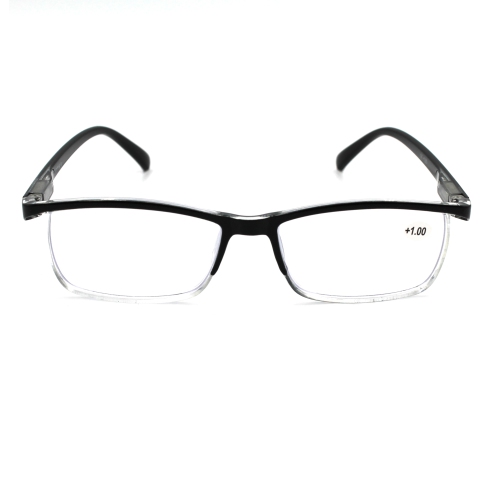
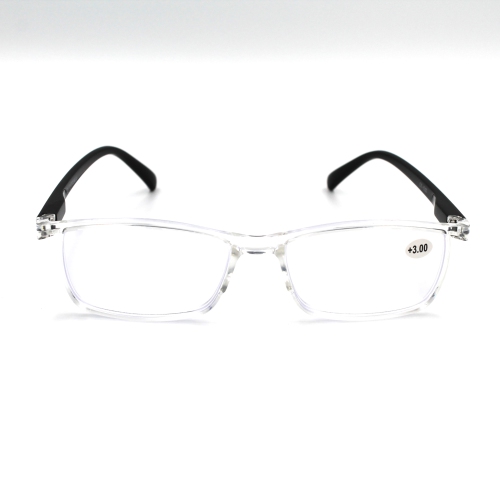
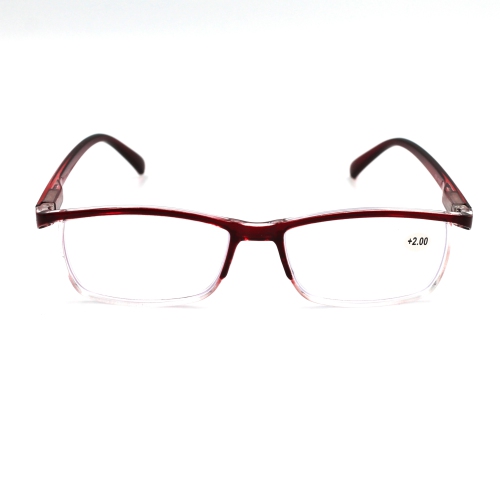
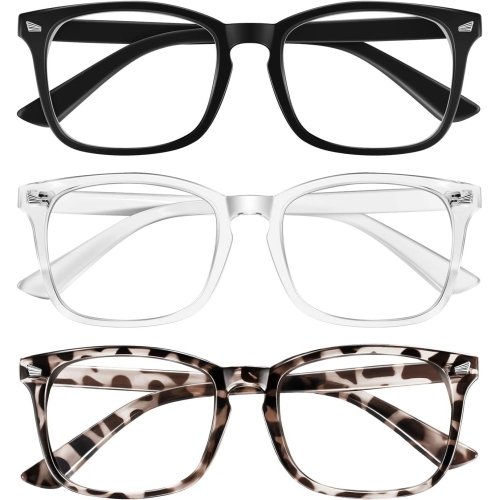
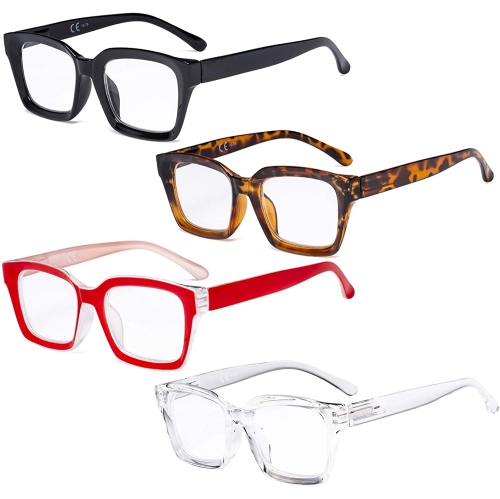
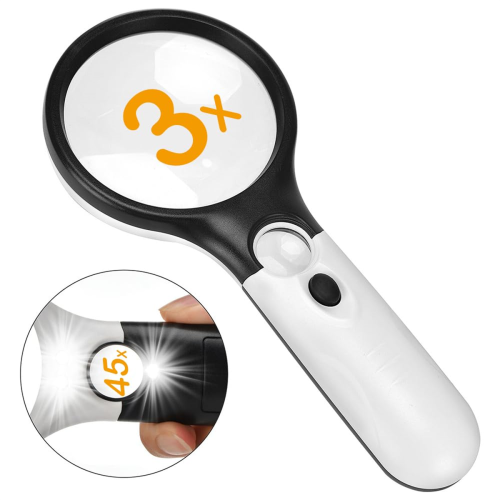
Reading glasses for elders can make everyday close-up tasks feel more comfortable and natural, whether the goal is enjoying a favourite novel, checking a recipe, sorting mail, completing a crossword, or reading messages on a phone. As people age, presbyopia—the gradual, age-related loss of the eye’s ability to focus on nearby objects—can make small print appear blurred or cause the eyes to feel tired during reading. Over-the-counter readers are designed to add magnification for close work and are commonly labelled with a plus sign and diopter strength, such as +1.00, +1.50, +2.00, +2.50, or +3.00. The right strength depends on the individual rather than age alone. A practical way to compare options is to hold text at a comfortable reading distance, usually about 14 to 16 inches away, and try a lower strength first. Letters should look sharp without forcing the eyes to work, and the glasses should not cause headaches, dizziness, or a need to hold reading material unusually close. Someone buying a thoughtful gift for a parent, grandparent, neighbour, or friend may appreciate having a few pairs placed in the rooms where reading happens most often: beside a favourite chair, near the bedside table, in a desk drawer, or in a handbag or jacket pocket. For shoppers comparing styles for different preferences, our selection of Reading Glasses for Men can also provide another convenient place to browse.
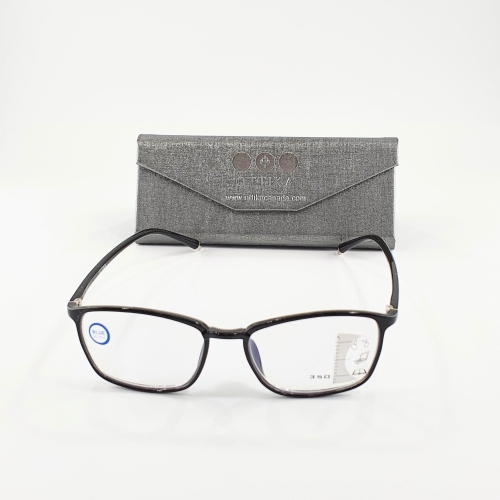
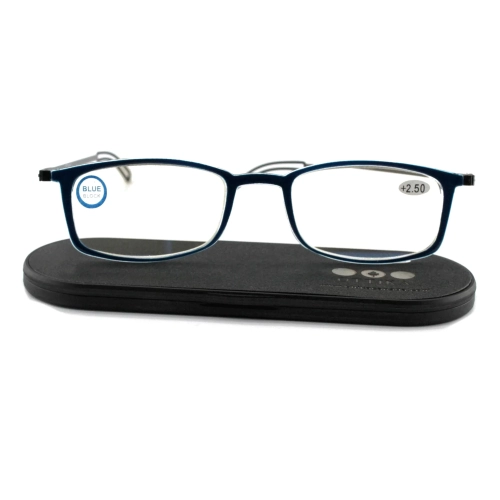
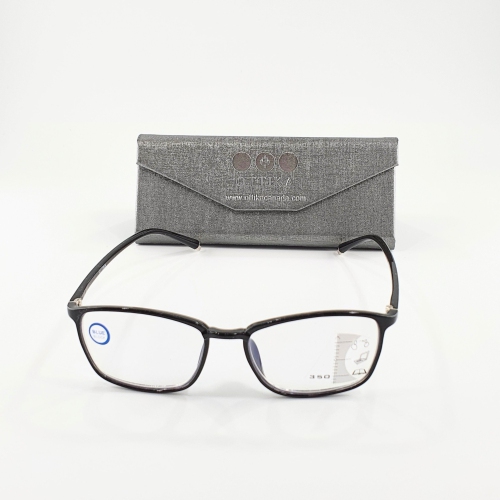
The lens design should match the way the glasses will be used. Single-vision readers provide one consistent magnification across the lens and are well suited to dedicated close-up activities such as reading a book, writing a note, examining a label, or working on a hobby. Progressive or multifocal readers offer a gradual change in magnification, allowing the wearer to move between distance viewing and close work without repeatedly taking the glasses on and off. This can be helpful for someone who moves around a room while following a recipe, glancing at a television, or speaking with someone nearby. Readers with blue-light filtering lenses may appeal to people who spend time viewing phones, tablets, e-readers, or computer screens, although good screen habits remain important. Regular breaks, comfortable lighting, reduced glare, and a sensible viewing distance can all contribute to a more pleasant experience. Frame comfort matters just as much as lens strength. Lightweight materials can reduce pressure around the nose and ears, while flexible frames may suit someone who frequently removes and replaces their glasses. Spring hinges can make frames easier to put on and take off and may help them sit securely during everyday use. A wider frame can provide a broad viewing area, while compact or folding designs are convenient for a pocket, purse, travel case, or bedside drawer. Clear lenses and simple frame shapes can suit a classic look, while colourful or distinctive frames may make reading glasses feel more like an enjoyable accessory than something kept out of sight.
A comfortable pair is most useful when it is easy to find, clean, and store. Keeping readers in a protective case helps reduce scratches and makes them simpler to carry during errands, visits, travel, or quiet afternoons at home. A soft lens cloth can remove fingerprints without damaging the surface, and glasses should be held by the frame rather than placed lens-down on a table. It is also worth checking that the frame rests evenly, does not pinch behind the ears, and stays in place when the wearer looks down at a page. Reading glasses are intended for close-up assistance and are not a substitute for prescription eyewear needed for distance vision, astigmatism, or different correction in each eye. Anyone experiencing persistent headaches, double vision, eye pain, sudden changes in sight, flashes, or difficulty reading even with suitable magnification should arrange a comprehensive eye examination with an optometrist or other qualified eye-care professional. An eye exam is particularly important before choosing stronger or specialized lenses, as blurred near vision can sometimes have causes that ordinary readers will not address. With the right strength, comfortable fit, and lens style suited to daily routines, reading glasses can help older adults return to the small pleasures that fill a day: following a handwritten recipe, reading the morning paper, studying a family photograph, or settling into a well-loved book as the weather shifts through the seasons.
The lens design should match the way the glasses will be used. Single-vision readers provide one consistent magnification across the lens and are well suited to dedicated close-up activities such as reading a book, writing a note, examining a label, or working on a hobby. Progressive or multifocal readers offer a gradual change in magnification, allowing the wearer to move between distance viewing and close work without repeatedly taking the glasses on and off. This can be helpful for someone who moves around a room while following a recipe, glancing at a television, or speaking with someone nearby. Readers with blue-light filtering lenses may appeal to people who spend time viewing phones, tablets, e-readers, or computer screens, although good screen habits remain important. Regular breaks, comfortable lighting, reduced glare, and a sensible viewing distance can all contribute to a more pleasant experience. Frame comfort matters just as much as lens strength. Lightweight materials can reduce pressure around the nose and ears, while flexible frames may suit someone who frequently removes and replaces their glasses. Spring hinges can make frames easier to put on and take off and may help them sit securely during everyday use. A wider frame can provide a broad viewing area, while compact or folding designs are convenient for a pocket, purse, travel case, or bedside drawer. Clear lenses and simple frame shapes can suit a classic look, while colourful or distinctive frames may make reading glasses feel more like an enjoyable accessory than something kept out of sight.
A comfortable pair is most useful when it is easy to find, clean, and store. Keeping readers in a protective case helps reduce scratches and makes them simpler to carry during errands, visits, travel, or quiet afternoons at home. A soft lens cloth can remove fingerprints without damaging the surface, and glasses should be held by the frame rather than placed lens-down on a table. It is also worth checking that the frame rests evenly, does not pinch behind the ears, and stays in place when the wearer looks down at a page. Reading glasses are intended for close-up assistance and are not a substitute for prescription eyewear needed for distance vision, astigmatism, or different correction in each eye. Anyone experiencing persistent headaches, double vision, eye pain, sudden changes in sight, flashes, or difficulty reading even with suitable magnification should arrange a comprehensive eye examination with an optometrist or other qualified eye-care professional. An eye exam is particularly important before choosing stronger or specialized lenses, as blurred near vision can sometimes have causes that ordinary readers will not address. With the right strength, comfortable fit, and lens style suited to daily routines, reading glasses can help older adults return to the small pleasures that fill a day: following a handwritten recipe, reading the morning paper, studying a family photograph, or settling into a well-loved book as the weather shifts through the seasons.
Top selling and popular products
-
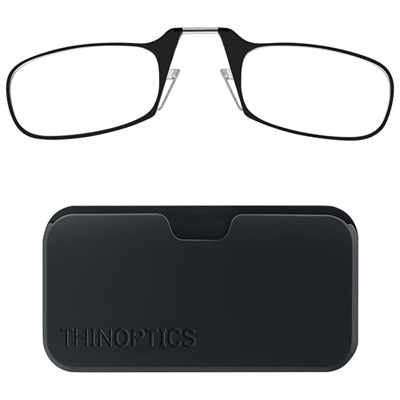 Your price for this item is $23.97
 -
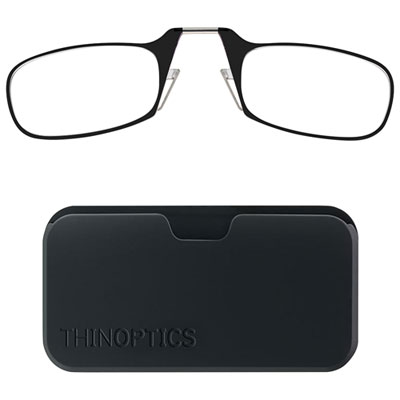 Your price for this item is $24.99
 -
 Your price for this item is $59.99
 -
 Your price for this item is $59.99
 -
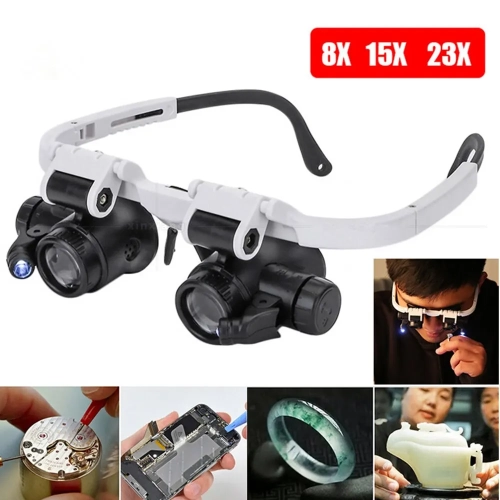 Your price for this item is $32.99
 -
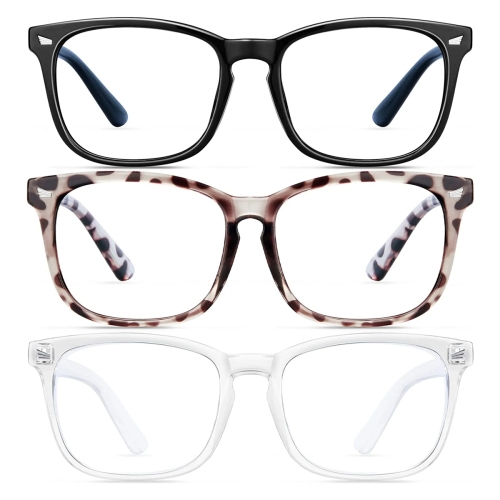 Your price for this item is $23.75
 -
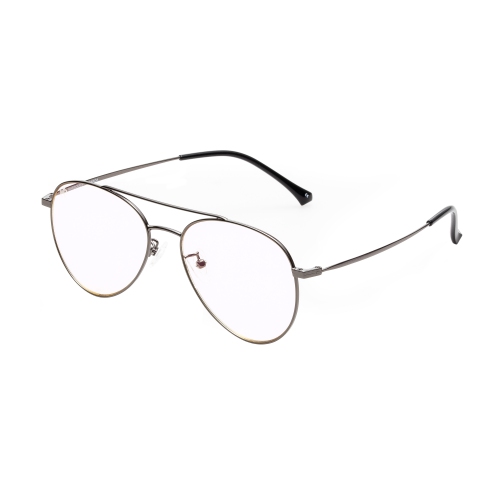 Your price for this item is $59.5
 -
 Your price for this item is $41.99
Discover more categories related to Reading Glasses for Elders
Top Collections:
Pokemon Centers, Best Cameras for Sports Photography, Kindle Devices, Samsung Galaxy Phones, Canon G7X Cameras, Pokémon 30th Celebration Cards, Refurbished Apple Laptops, iPhone 15 Apple, Laptops for Students, Budget Smartphones
Some products may be subject to Environmental Handling Fees
(EHF) depending on your province.
Learn more about EHFs.