Red Stone Earrings
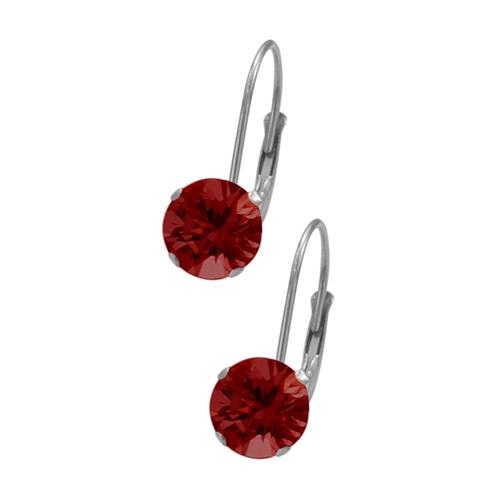
Add a touch of elegance and vibrancy to your jewelry collection with stunning red stone earrings. Perfect for any occasion, these exquisite pieces effortlessly blend timeless sophistication with a bold pop of color. Whether you're looking to make a statement at an event or simply want to elevate your everyday style, red stone earrings are a versatile and captivating choice. Explore our selection and discover the perfect pair that captures your unique personality and flair.
Sort

![Stone Temple Pilots - Stone Temple Pilots - (Colored Vinyl, Red) - [Vinyl] in Multicolor](https://multimedia.bbycastatic.ca/multimedia/products/500x500/194/19498/19498478.jpeg)



![The Rolling Stones - Foreign s (Ltd Digi CD) - [CD] in Red](https://multimedia.bbycastatic.ca/multimedia/products/500x500/201/20194/20194799.jpeg)
Why red gemstones shine differently in every setting
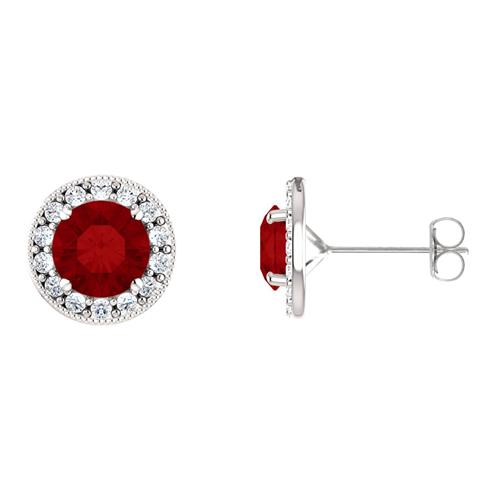
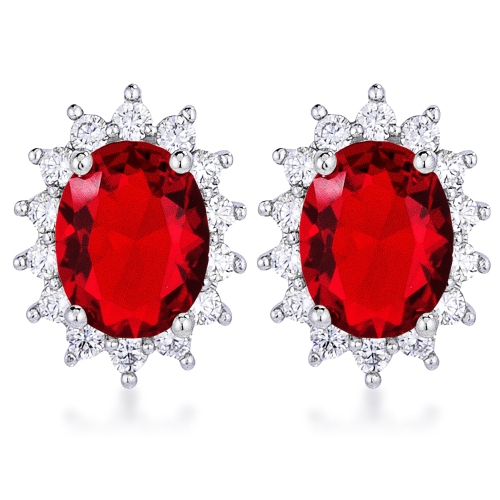
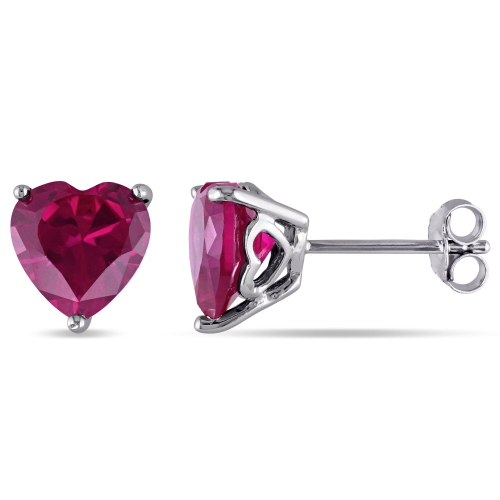
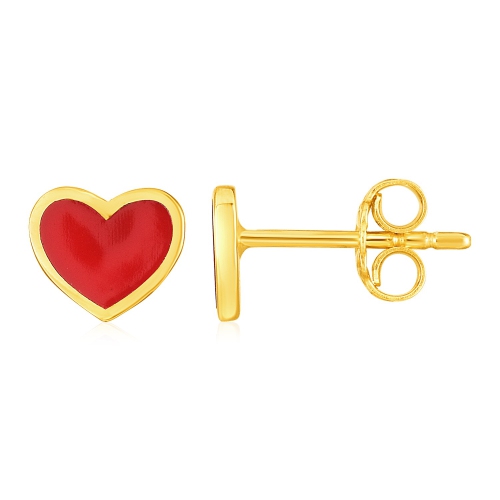
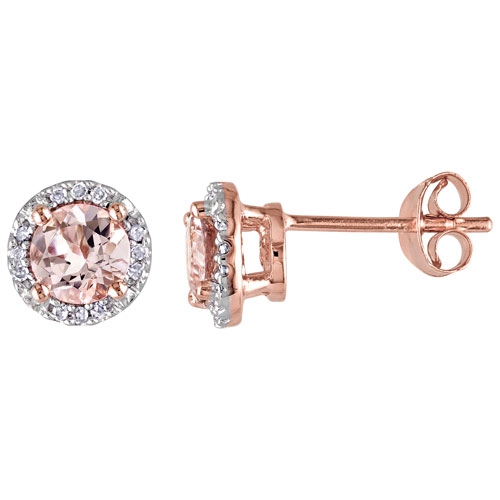
Red stone earrings bring colour to the face in shades that range from bright cherry and raspberry to deep wine and burgundy. The category includes earrings set with ruby, garnet, red spinel, coloured cubic zirconia, glass, and crystal, with each material offering a different balance of colour, sparkle, and translucency. Ruby is a red variety of corundum, often valued for its vivid colour and suitability for frequently worn jewellery. Garnet can have a rich, wine-red appearance, although its colour varies by variety and individual stone. Red spinel can offer lively brilliance, while coloured crystal and cubic zirconia create a sparkling red accent in many shapes and settings. Opaque materials such as red jasper have a different character, showing colour across a smooth surface rather than through flashes of reflected light. A stone’s name alone does not describe its full appearance: two red stones may look quite different depending on their saturation, clarity, cut, and size. Transparent faceted stones catch light across small, polished surfaces, while rounded cabochons have a softer gleam that suits simple metal settings and sculptural designs. Natural gemstones, laboratory-grown gemstones, and simulated stones are also distinct categories. A laboratory-grown ruby has essentially the same chemical composition and crystal structure as a natural ruby, whereas a ruby-coloured glass or crystal is a different material made to resemble its colour. Descriptions of stone type and any disclosed treatments help clarify those differences. The metal surrounding a red stone adds another layer of contrast. Yellow gold can bring out a warm, glowing effect, while sterling silver and white gold provide a cooler-toned frame that makes the red stand out. Rose gold offers a gentle pink backdrop, particularly alongside berry-coloured stones. For someone who usually wears neutral clothing, a small pair of red gemstone earrings can provide a clear focal point without changing the overall feel of an outfit. Deeper reds tend to create a subtle accent beside charcoal, navy, or cream, while brighter shades make a more pronounced statement.
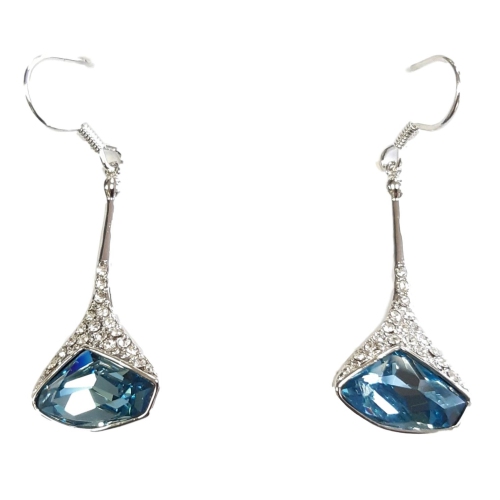
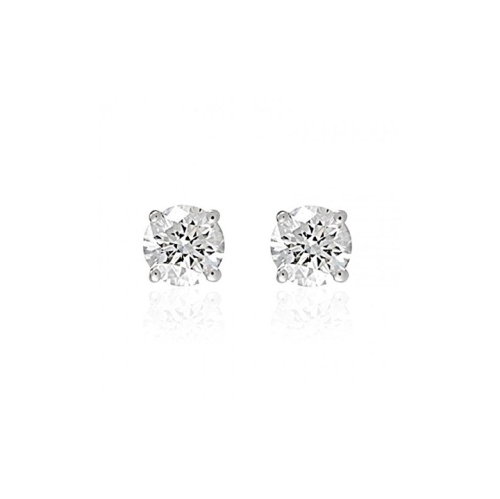
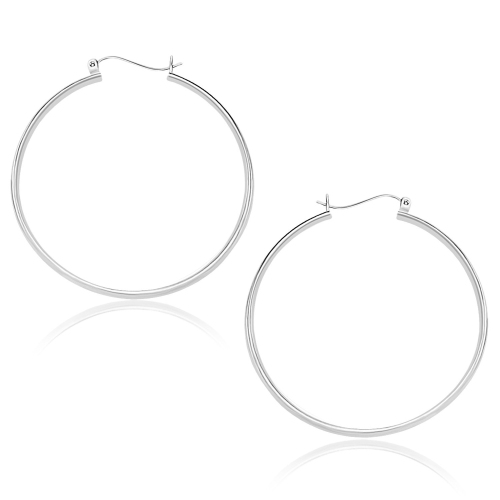
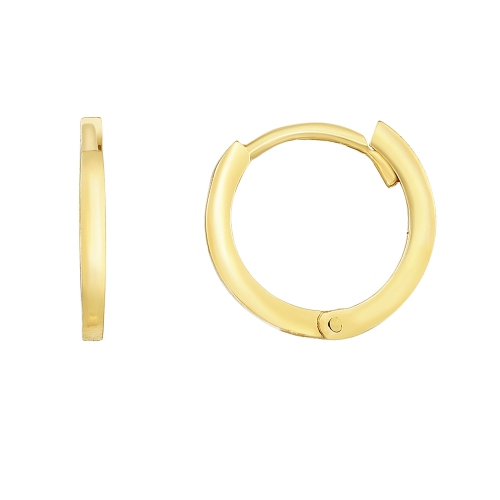
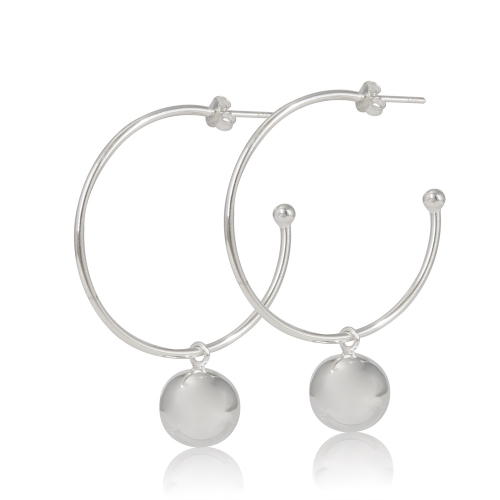
Shape, setting, and proportions determine how red stone earrings feel as much as how they look. Stud earrings sit close to the earlobe and are a practical choice for someone who prefers a compact accessory for work, dinners, or everyday dressing. A small round or oval stone gives a restrained touch of colour, while a square or rectangular cut introduces sharper lines. Halo settings surround a centre stone with smaller accents, increasing the visible area and adding sparkle without necessarily increasing the size of the red stone itself. Drop earrings extend below the lobe, creating movement that becomes especially noticeable with an updo or shorter hairstyle. Longer drops can complement an open neckline, although their overall weight matters more for comfort than length alone. Hoops with red stone accents offer another option, combining a familiar curved shape with colour along the front edge or in a suspended charm. Measurements are useful for judging scale because close-up photography can make a delicate stud appear much larger than it is. Overall earring dimensions, stone dimensions, and weight, when provided, give a clearer sense of how a pair may sit on the ear. Carat weight describes a gemstone’s mass rather than its visible diameter, and stones of the same carat weight can differ in size because of their density and cut. Closures deserve equal attention. Butterfly backs are common on studs, screw backs require a twisting motion, and leverbacks close behind the ear on many drop designs. Clip-on earrings suit ears without piercings, but their pressure and fit can vary. For pierced ears, a secure backing should hold the earring comfortably without squeezing the lobe. Someone with metal sensitivities should check the composition of the post and backing as well as the decorative setting; a plated surface does not identify the metal underneath. Smooth settings can also be more comfortable around scarves, collars, headphones, and hair, whereas raised claws and long hanging elements may catch during ordinary movement.
Materials and construction influence how red stone earrings hold up over time. Ruby resists scratching well, but no gemstone or setting is immune to damage from a hard knock. Garnet and many decorative stone alternatives need particular care around abrasive surfaces, and crystal or glass can chip along exposed edges. A bezel setting wraps a rim of metal around a stone, helping shield its edge, while claw settings leave more of the stone visible and require occasional checks for bent or loosened prongs. Sterling silver may tarnish and benefit from gentle polishing with a suitable cloth. Gold-plated and other plated finishes need a lighter touch because abrasive polishing can wear away the surface layer. Cleaning methods should follow the material and care details supplied with the earrings, especially when stones have treatments, coatings, foil backing, or glued components. A soft, lint-free cloth is a useful starting point for removing fingerprints and everyday residue. Warm water and mild soap may be appropriate for some designs, but soaking, steam, and ultrasonic cleaning are not suitable for every stone or assembly. Removing earrings before swimming, showering, exercise, and sleep helps limit exposure to chemicals, moisture, snagging, and accidental pressure. Letting perfume, hairspray, and skincare products dry before putting earrings on can also reduce residue on stones and metal. Between wears, separate compartments or soft pouches help prevent earrings from rubbing against harder jewellery, and keeping each pair together makes small backs easier to find. As gifts, red stone earrings can mark a birthday, anniversary, graduation, or personal milestone without requiring a ring size. The recipient’s usual metal colour, preference for studs or drops, piercing status, and tolerance for heavier earrings are useful clues to a thoughtful match. A compact pair may suit someone who wears the same jewellery daily, while an expressive drop style may appeal to someone who enjoys dressing for celebrations. For a coordinated look, Red Stone Jewelry offers a related theme for pairing earrings with necklaces, bracelets, or rings. Matching the shade of red and the metal finish creates continuity, while varying the size of each piece keeps the combination balanced.
Shape, setting, and proportions determine how red stone earrings feel as much as how they look. Stud earrings sit close to the earlobe and are a practical choice for someone who prefers a compact accessory for work, dinners, or everyday dressing. A small round or oval stone gives a restrained touch of colour, while a square or rectangular cut introduces sharper lines. Halo settings surround a centre stone with smaller accents, increasing the visible area and adding sparkle without necessarily increasing the size of the red stone itself. Drop earrings extend below the lobe, creating movement that becomes especially noticeable with an updo or shorter hairstyle. Longer drops can complement an open neckline, although their overall weight matters more for comfort than length alone. Hoops with red stone accents offer another option, combining a familiar curved shape with colour along the front edge or in a suspended charm. Measurements are useful for judging scale because close-up photography can make a delicate stud appear much larger than it is. Overall earring dimensions, stone dimensions, and weight, when provided, give a clearer sense of how a pair may sit on the ear. Carat weight describes a gemstone’s mass rather than its visible diameter, and stones of the same carat weight can differ in size because of their density and cut. Closures deserve equal attention. Butterfly backs are common on studs, screw backs require a twisting motion, and leverbacks close behind the ear on many drop designs. Clip-on earrings suit ears without piercings, but their pressure and fit can vary. For pierced ears, a secure backing should hold the earring comfortably without squeezing the lobe. Someone with metal sensitivities should check the composition of the post and backing as well as the decorative setting; a plated surface does not identify the metal underneath. Smooth settings can also be more comfortable around scarves, collars, headphones, and hair, whereas raised claws and long hanging elements may catch during ordinary movement.
Materials and construction influence how red stone earrings hold up over time. Ruby resists scratching well, but no gemstone or setting is immune to damage from a hard knock. Garnet and many decorative stone alternatives need particular care around abrasive surfaces, and crystal or glass can chip along exposed edges. A bezel setting wraps a rim of metal around a stone, helping shield its edge, while claw settings leave more of the stone visible and require occasional checks for bent or loosened prongs. Sterling silver may tarnish and benefit from gentle polishing with a suitable cloth. Gold-plated and other plated finishes need a lighter touch because abrasive polishing can wear away the surface layer. Cleaning methods should follow the material and care details supplied with the earrings, especially when stones have treatments, coatings, foil backing, or glued components. A soft, lint-free cloth is a useful starting point for removing fingerprints and everyday residue. Warm water and mild soap may be appropriate for some designs, but soaking, steam, and ultrasonic cleaning are not suitable for every stone or assembly. Removing earrings before swimming, showering, exercise, and sleep helps limit exposure to chemicals, moisture, snagging, and accidental pressure. Letting perfume, hairspray, and skincare products dry before putting earrings on can also reduce residue on stones and metal. Between wears, separate compartments or soft pouches help prevent earrings from rubbing against harder jewellery, and keeping each pair together makes small backs easier to find. As gifts, red stone earrings can mark a birthday, anniversary, graduation, or personal milestone without requiring a ring size. The recipient’s usual metal colour, preference for studs or drops, piercing status, and tolerance for heavier earrings are useful clues to a thoughtful match. A compact pair may suit someone who wears the same jewellery daily, while an expressive drop style may appeal to someone who enjoys dressing for celebrations. For a coordinated look, Red Stone Jewelry offers a related theme for pairing earrings with necklaces, bracelets, or rings. Matching the shade of red and the metal finish creates continuity, while varying the size of each piece keeps the combination balanced.
Top selling and popular products
-
 Your price for this item is $49.97
 -
 Your price for this item is $1750
 -
 Your price for this item is $311.18
 -
 Your price for this item is $165.96
 -
 Your price for this item is $102
 -
 Your price for this item is $110
 -
 Your price for this item is $635.36
 -
 Your price for this item is $523.43
Discover more categories related to Red Stone Earrings
Top Collections:
Pokemon Centers, Kindle Devices, Best Budget Office Chairs, Apple iPhones 16, Canon G7X Cameras, iPhone 15 Apple, Alarm Clock, Refurbished Apple Laptops, Flip Phones, Best Laptops for Writers
Some products may be subject to Environmental Handling Fees
(EHF) depending on your province.
Learn more about EHFs.