Stone Earrings
Elevate your style with the timeless elegance of stone earrings, a must-have accessory for any jewelry collection. Whether you're dressing up for a special occasion or adding a touch of sophistication to your everyday look, stone earrings offer versatility and charm. With a variety of designs, colors, and stone types to choose from, you can find the perfect pair to complement your unique style. Discover the allure of these exquisite pieces and let them become the statement accessory that enhances your wardrobe effortlessly.
Sort

How gemstone colour and cut shape your look
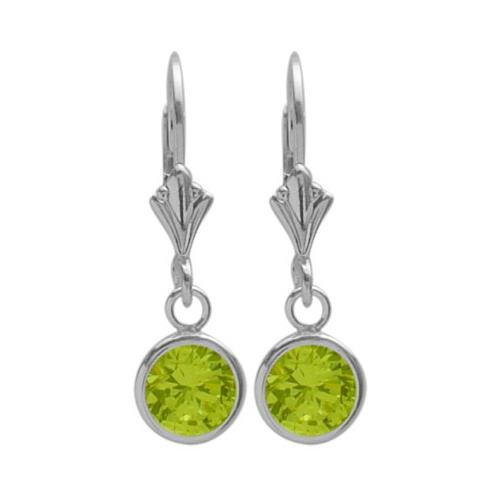
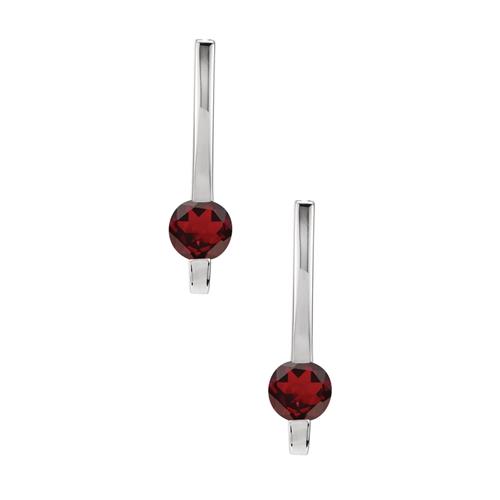
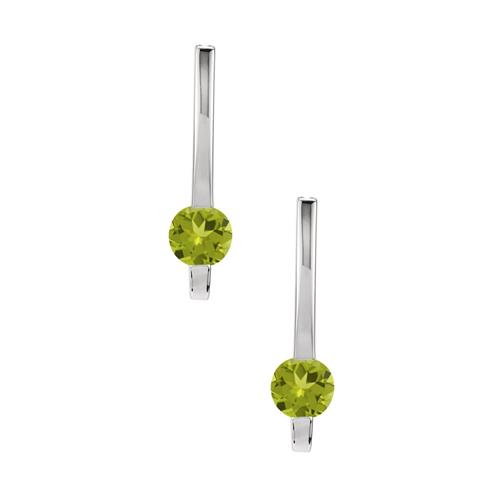
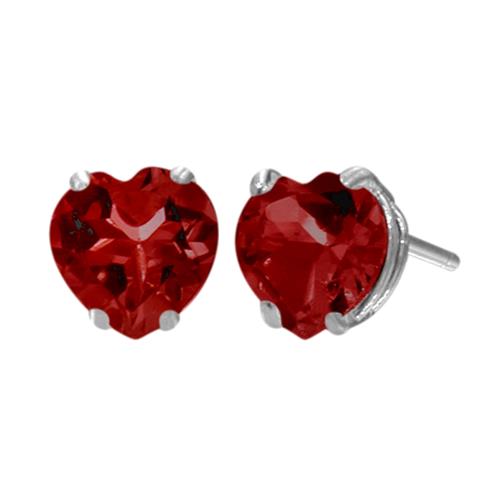
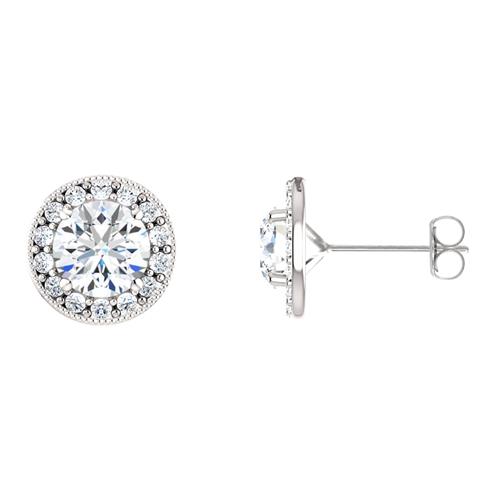
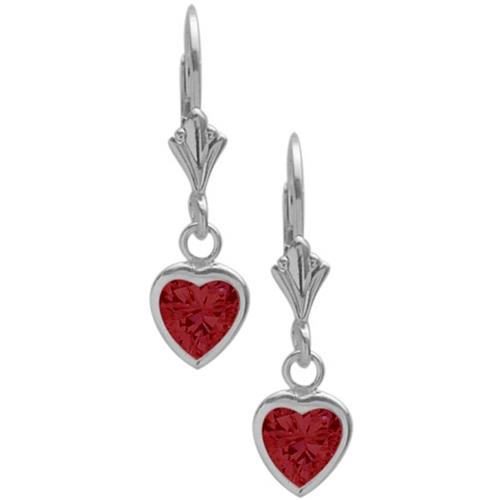
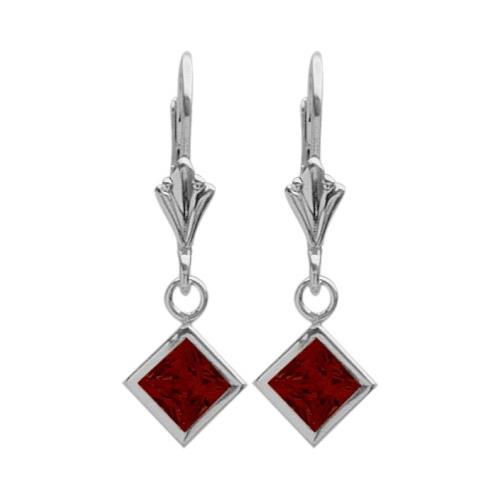
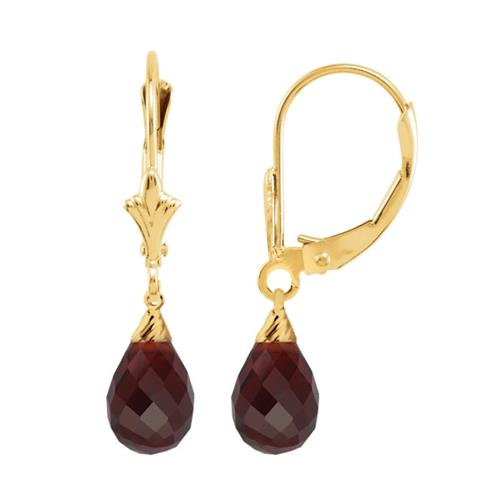
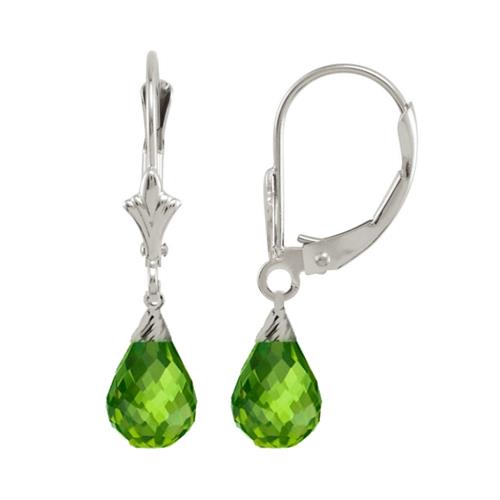
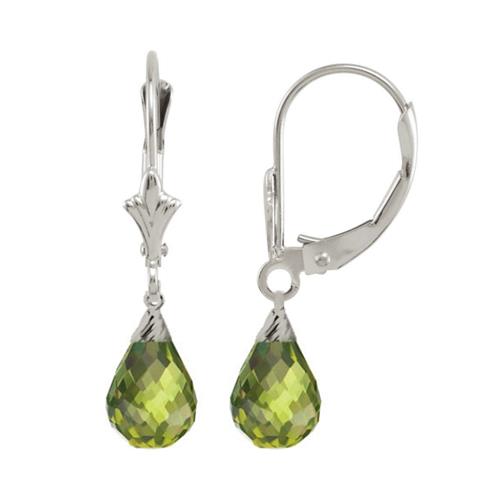
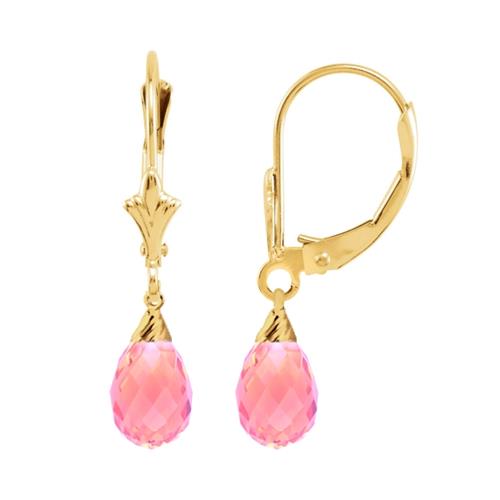
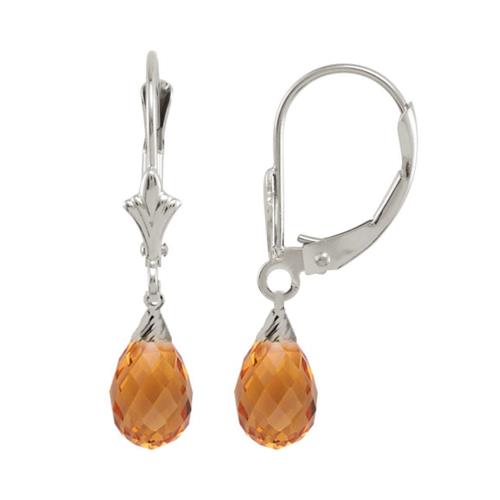
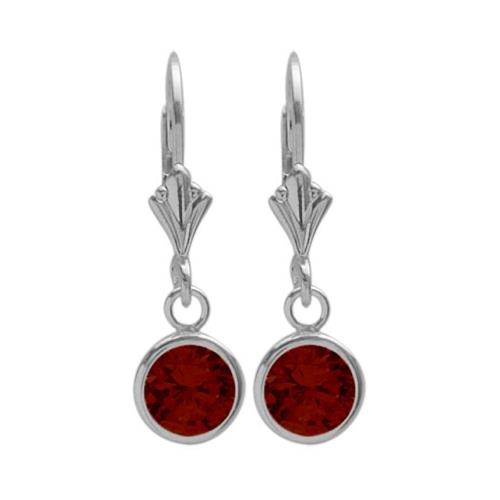
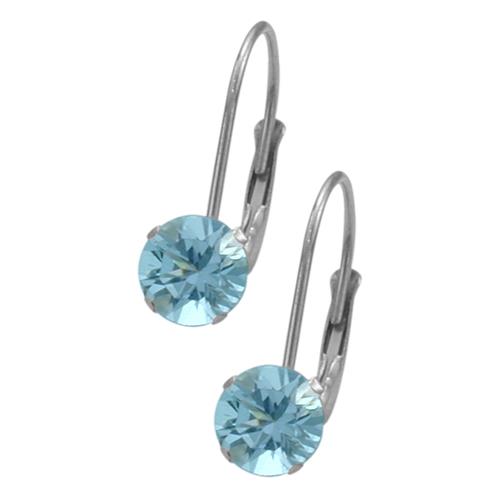
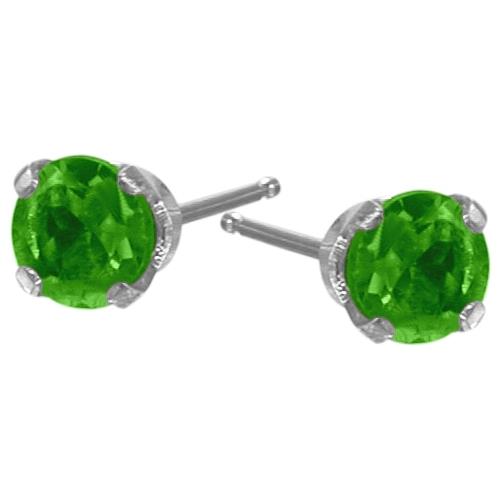
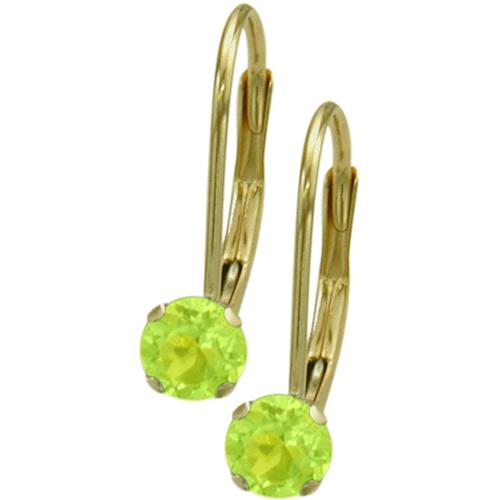
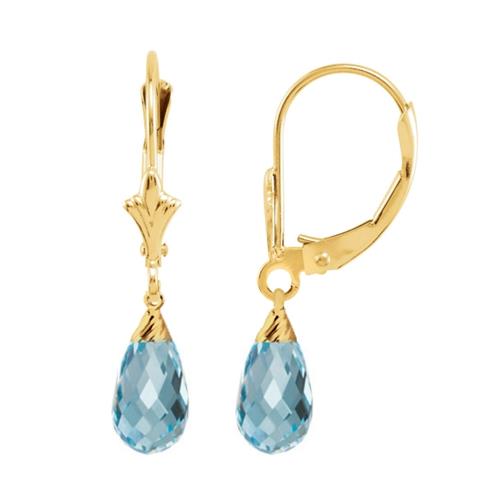
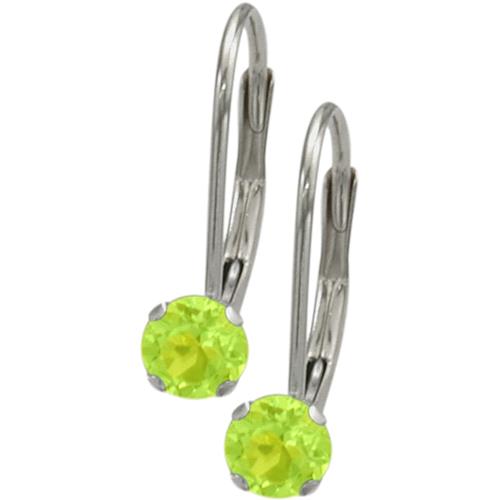
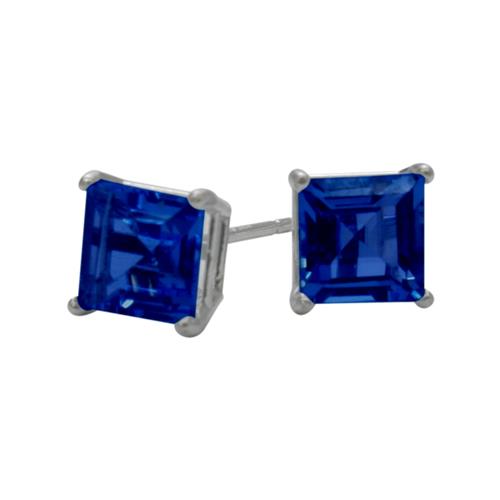
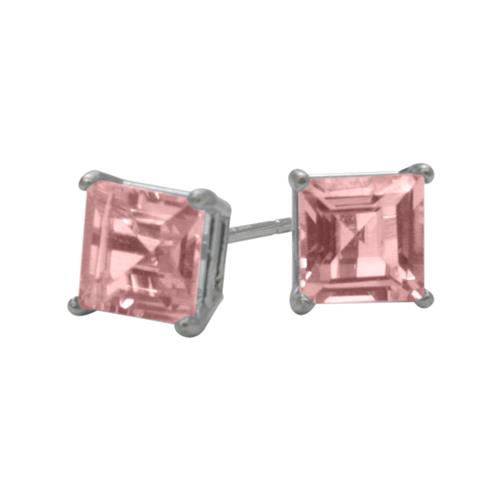
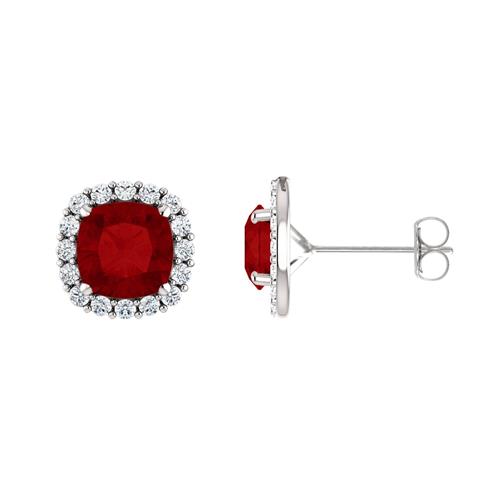
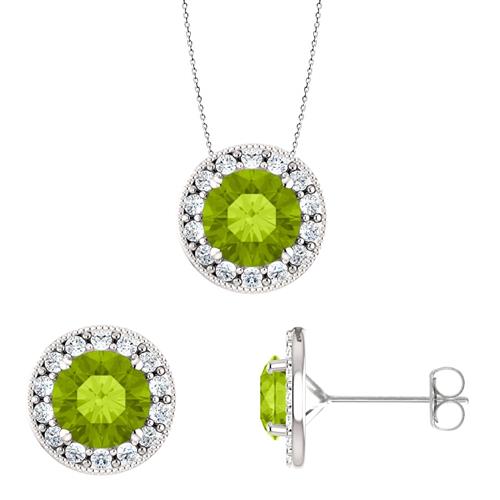
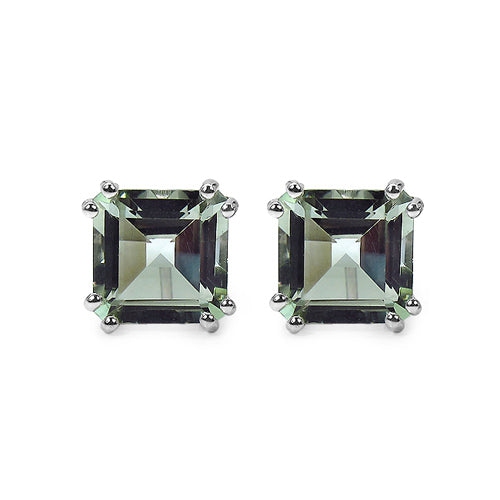
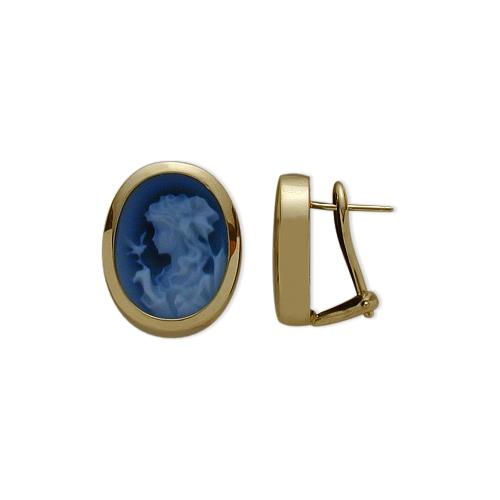
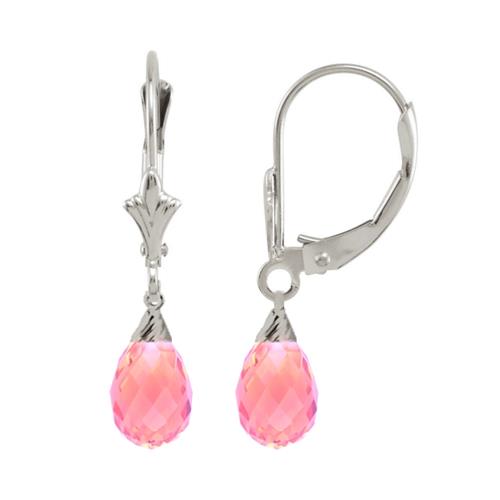
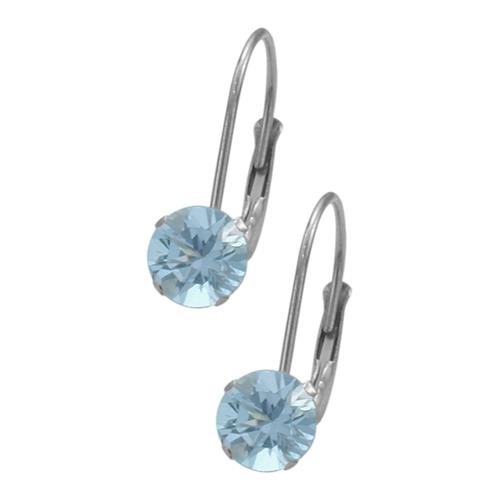
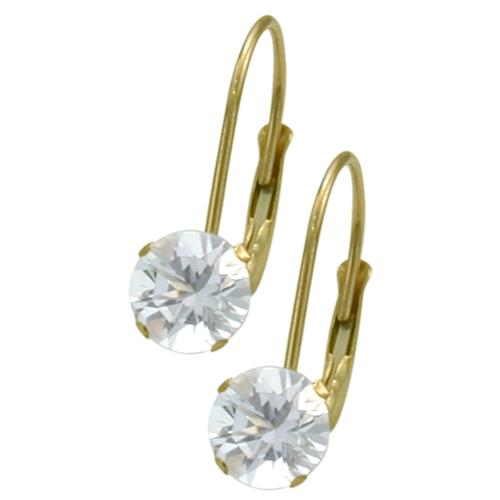
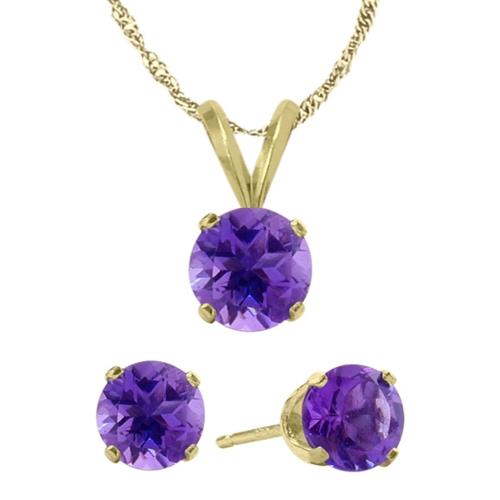
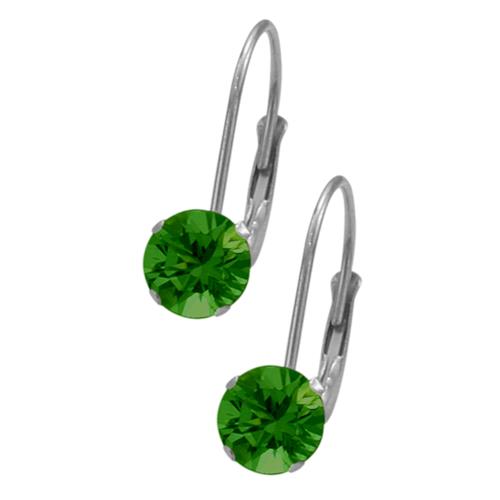
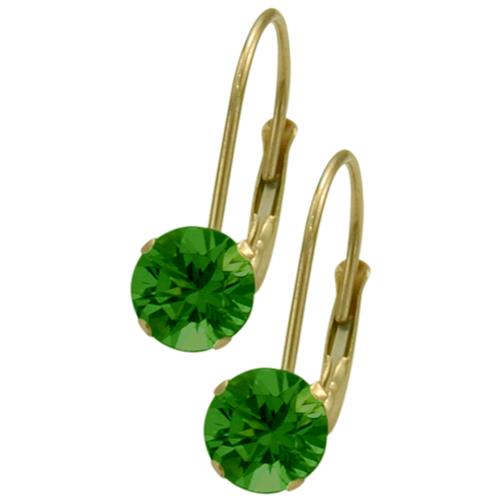
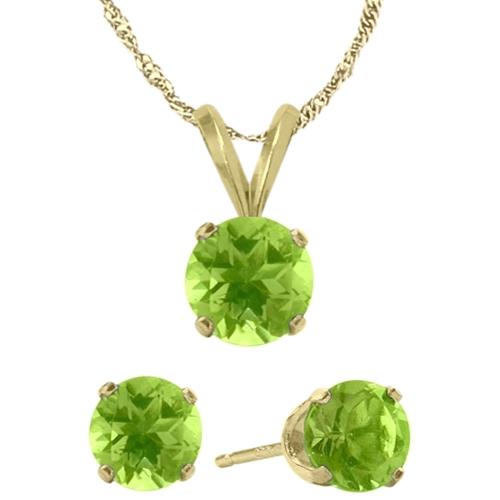
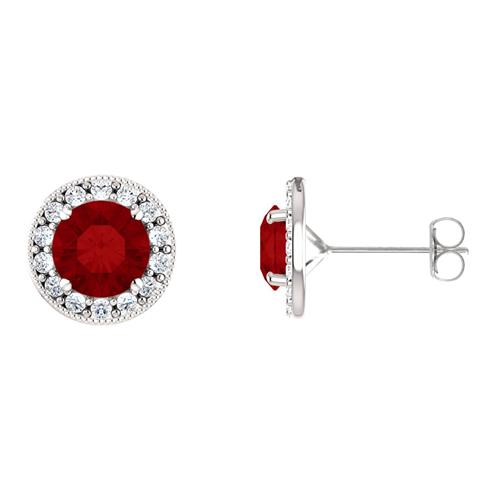
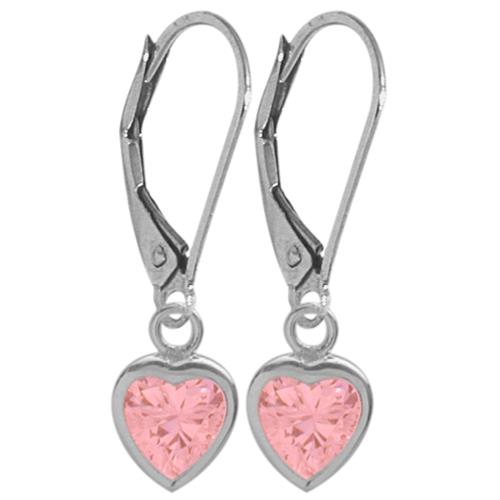
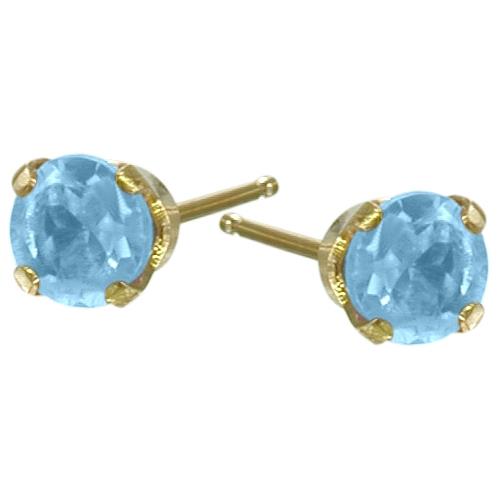
Stone earrings bring colour, texture, and a sense of individuality to jewellery, whether the appeal is a small flash of blue at the earlobe or a polished stone that moves with every turn of the head. The category includes gemstone studs, drops, dangles, hoops with stone accents, and geometric designs, with shapes and settings that range from understated to ornate. Stud earrings sit close to the earlobe and are a practical choice for everyday outfits, particularly when you want jewellery that will not compete with a patterned blouse or a favourite necklace. Drop earrings extend below the lobe, while dangle styles typically have more movement; both can make a stone’s colour more noticeable against hair or clothing. Stone-set hoops offer another balance of shape and sparkle, and circular, square, or angular settings give familiar gems a different character. The stone itself has just as much influence on the overall look. Amethyst is known for its purple tones, rose quartz for its soft pink colour, and lapis lazuli for its rich blue appearance, sometimes marked with golden flecks of pyrite. Turquoise can show distinctive veining, while onyx is often chosen for a smooth, dark contrast. Moonstone may display a floating sheen as the light changes, giving even a simple setting visual depth. Sapphire, ruby, emerald, and topaz offer further choices in colour and finish, with appearance and pricing influenced by quality, size, origin, and treatment. A faceted stone catches light across its cut surfaces; a cabochon has a polished, rounded surface that brings attention to colour, pattern, or optical effects. Neither finish is inherently better for daily wear, but each creates a different mood. Picture a softly glowing stone beside a knit collar compared with a crisp, faceted gem against a dark dress: the difference is less about formality than the detail you want people to notice. Within a broader collection of Beautiful Earrings, stone designs offer especially varied ways to make colour part of a personal jewellery collection.
Choosing stone earrings involves more than finding a colour you love. Measurements, weight, metal composition, and fastening style all affect how a pair feels after several hours. Product photographs can make a modest stud look substantial, so check the stone dimensions and overall earring length rather than relying on the image alone. For drops and dangles, consider where the bottom of the earring will fall and whether it could brush against a scarf or catch in a high collar during the cooler months. Larger stones and substantial metal settings can add weight, which matters if your lobes become uncomfortable easily. A compact design may be more comfortable for a long workday, while a longer style might suit dinners, celebrations, or occasions when you want your earrings to stand out. Push backs, screw backs, hinged closures, and lever backs each have a different feel and fastening method; the most useful choice is one you can handle comfortably and close securely. The metal touching your ear deserves particular attention if you have a known sensitivity. Sterling silver is typically marked 925, indicating 92.5% silver, while gold karat markings describe the proportion of gold in an alloy. Neither sterling silver nor a particular gold karat automatically guarantees freedom from irritation, since alloy ingredients, posts, and backings can vary. Look for clear material details and nickel-free information where relevant, including the composition beneath any plating. Gold-plated and gold-filled jewellery are also different constructions, so their care needs and expected wear should not be treated as identical. For the stone, distinguish between natural, laboratory-grown, and simulated materials. A laboratory-grown gemstone has essentially the same chemical composition and crystal structure as its natural counterpart, whereas a simulant resembles another stone without sharing those properties. Natural stones may have inclusions, colour variation, or patterned markings, so a pair need not look perfectly identical to be thoughtfully matched. Treatments such as heating, dyeing, or filling may affect appearance and care requirements. Clear descriptions of these details, along with dimensions, metal content, and return conditions, make it easier to judge whether a pair fits your preferences and budget.
Stone earrings can become familiar daily companions or jewellery kept for meaningful occasions, and the best choice often comes down to the wearer’s habits. Someone who wears simple silver jewellery may appreciate a cool-toned stone in a restrained setting, while a person drawn to warm metals and richly coloured clothing might prefer a more saturated gem. Matching is optional: green stones can bring depth to cream or navy, pink stones can soften charcoal, and dark stones can create definition against lighter fabrics. Hair length and styling also influence visibility. A small stud can be striking with hair tucked behind the ear, while a longer drop may remain noticeable beneath loose hair. As a gift, stone earrings can mark a birthday, graduation, anniversary, or another personal milestone without needing an elaborate design. Birthstone earrings add a familiar point of connection, though favourite colours and existing jewellery are often just as useful when choosing. Some people enjoy the traditional meanings associated with particular stones; those associations are personal or cultural rather than evidence of health benefits. Before giving earrings, check whether the recipient has pierced ears, prefers studs or hanging styles, or needs to avoid certain metals. It is also worth reviewing any hygiene-related return restrictions before purchasing. Thoughtful care helps preserve both the stone and its setting after the gift has been opened or the first occasion has passed. Gemstone hardness is not the same as resistance to chipping, and porous, treated, or delicate stones may need special handling. Follow the jewellery’s care instructions rather than assuming every stone is suitable for soaking, steam, or an ultrasonic cleaner. A soft cloth is often useful for wiping away surface oils, while separate storage helps prevent earrings from rubbing against harder jewellery. Put them on after applying perfume or hair products, and check posts, backs, and stone settings periodically for looseness. These small habits make it easier to enjoy the details that first drew you to the earrings: a distinctive vein through a polished surface, a gentle sheen, or a colour that feels entirely your own.
Choosing stone earrings involves more than finding a colour you love. Measurements, weight, metal composition, and fastening style all affect how a pair feels after several hours. Product photographs can make a modest stud look substantial, so check the stone dimensions and overall earring length rather than relying on the image alone. For drops and dangles, consider where the bottom of the earring will fall and whether it could brush against a scarf or catch in a high collar during the cooler months. Larger stones and substantial metal settings can add weight, which matters if your lobes become uncomfortable easily. A compact design may be more comfortable for a long workday, while a longer style might suit dinners, celebrations, or occasions when you want your earrings to stand out. Push backs, screw backs, hinged closures, and lever backs each have a different feel and fastening method; the most useful choice is one you can handle comfortably and close securely. The metal touching your ear deserves particular attention if you have a known sensitivity. Sterling silver is typically marked 925, indicating 92.5% silver, while gold karat markings describe the proportion of gold in an alloy. Neither sterling silver nor a particular gold karat automatically guarantees freedom from irritation, since alloy ingredients, posts, and backings can vary. Look for clear material details and nickel-free information where relevant, including the composition beneath any plating. Gold-plated and gold-filled jewellery are also different constructions, so their care needs and expected wear should not be treated as identical. For the stone, distinguish between natural, laboratory-grown, and simulated materials. A laboratory-grown gemstone has essentially the same chemical composition and crystal structure as its natural counterpart, whereas a simulant resembles another stone without sharing those properties. Natural stones may have inclusions, colour variation, or patterned markings, so a pair need not look perfectly identical to be thoughtfully matched. Treatments such as heating, dyeing, or filling may affect appearance and care requirements. Clear descriptions of these details, along with dimensions, metal content, and return conditions, make it easier to judge whether a pair fits your preferences and budget.
Stone earrings can become familiar daily companions or jewellery kept for meaningful occasions, and the best choice often comes down to the wearer’s habits. Someone who wears simple silver jewellery may appreciate a cool-toned stone in a restrained setting, while a person drawn to warm metals and richly coloured clothing might prefer a more saturated gem. Matching is optional: green stones can bring depth to cream or navy, pink stones can soften charcoal, and dark stones can create definition against lighter fabrics. Hair length and styling also influence visibility. A small stud can be striking with hair tucked behind the ear, while a longer drop may remain noticeable beneath loose hair. As a gift, stone earrings can mark a birthday, graduation, anniversary, or another personal milestone without needing an elaborate design. Birthstone earrings add a familiar point of connection, though favourite colours and existing jewellery are often just as useful when choosing. Some people enjoy the traditional meanings associated with particular stones; those associations are personal or cultural rather than evidence of health benefits. Before giving earrings, check whether the recipient has pierced ears, prefers studs or hanging styles, or needs to avoid certain metals. It is also worth reviewing any hygiene-related return restrictions before purchasing. Thoughtful care helps preserve both the stone and its setting after the gift has been opened or the first occasion has passed. Gemstone hardness is not the same as resistance to chipping, and porous, treated, or delicate stones may need special handling. Follow the jewellery’s care instructions rather than assuming every stone is suitable for soaking, steam, or an ultrasonic cleaner. A soft cloth is often useful for wiping away surface oils, while separate storage helps prevent earrings from rubbing against harder jewellery. Put them on after applying perfume or hair products, and check posts, backs, and stone settings periodically for looseness. These small habits make it easier to enjoy the details that first drew you to the earrings: a distinctive vein through a polished surface, a gentle sheen, or a colour that feels entirely your own.
Top selling and popular products
-
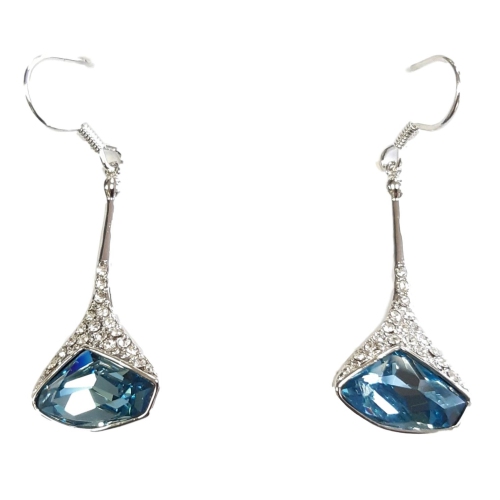 Your price for this item is $49.97
 -
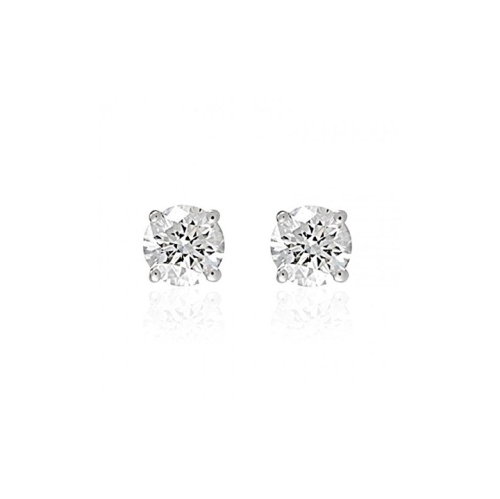 Your price for this item is $1750
 -
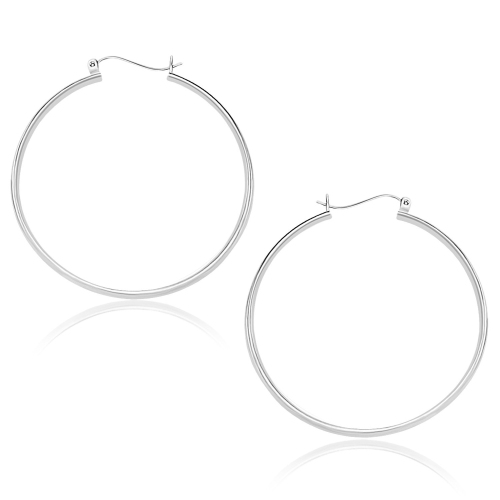 Your price for this item is $311.18
 -
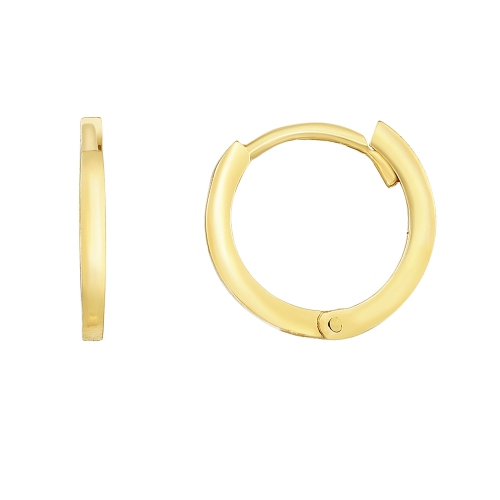 Your price for this item is $165.96
 -
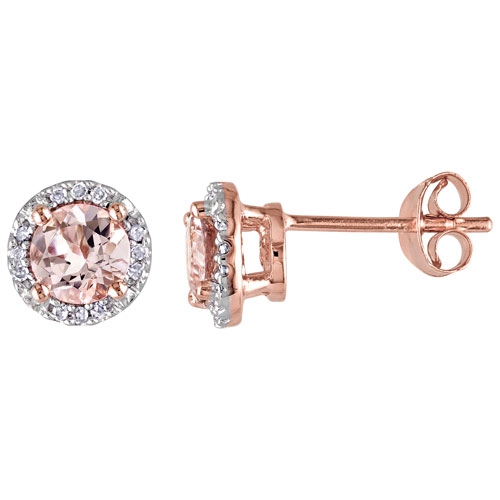 Your price for this item is $102
 -
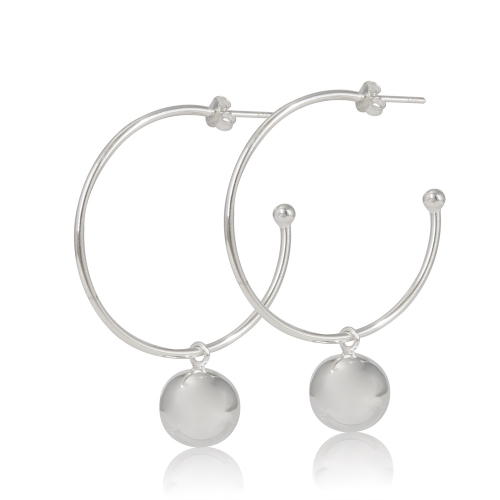 Your price for this item is $110
 -
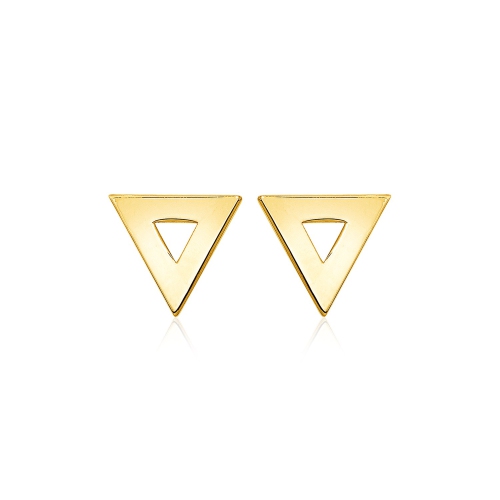 Your price for this item is $635.36
 -
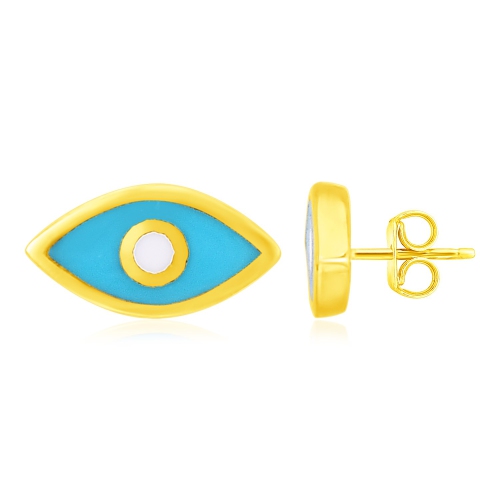 Your price for this item is $523.43
Discover more categories related to Stone Earrings
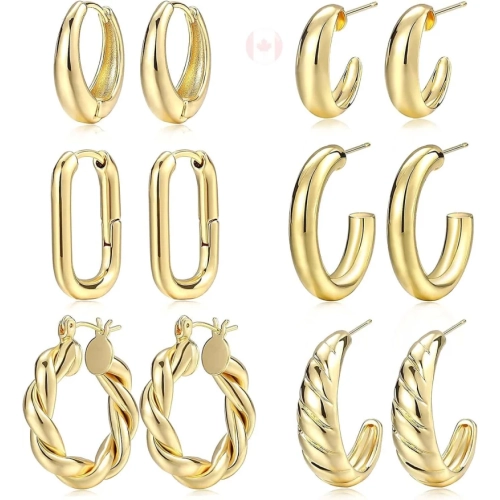
Top Collections:
Pokemon Centers, Kindle Devices, Best Budget Office Chairs, Apple iPhones 16, Canon G7X Cameras, iPhone 15 Apple, Alarm Clock, Refurbished Apple Laptops, Flip Phones, Best Laptops for Writers
Some products may be subject to Environmental Handling Fees
(EHF) depending on your province.
Learn more about EHFs.