Sapphire Necklaces
Sapphire necklaces offer a timeless elegance that effortlessly elevates any ensemble. Known for their stunning deep-blue hues, these exquisite pieces make a captivating statement whether worn for special occasions or as an everyday accessory. Explore our collection of sapphire necklaces to find the perfect piece that complements your style and adds a touch of luxury to your jewelry collection. With a variety of designs to choose from, each necklace showcases the unique beauty and allure synonymous with sapphires. Discover how these enchanting necklaces can become cherished additions to your wardrobe, reflecting both sophistication and personal flair.
Sort
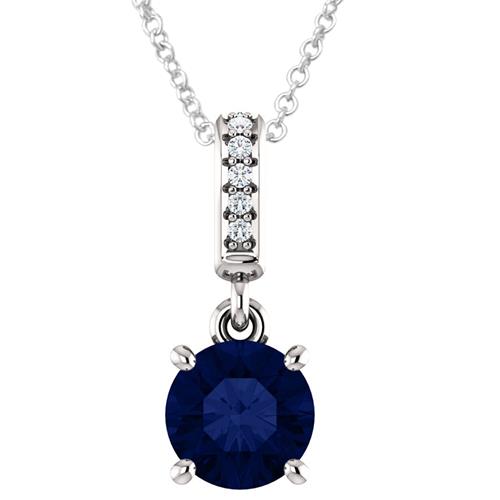

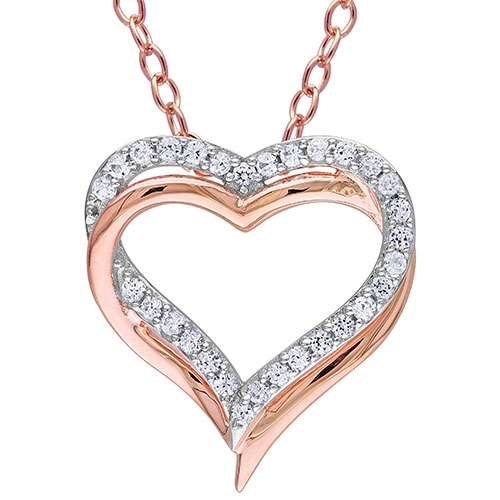
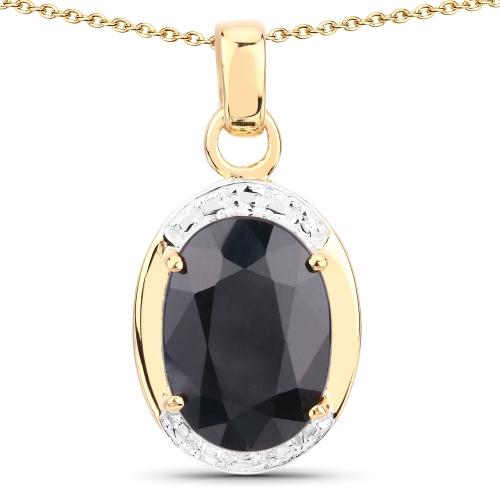
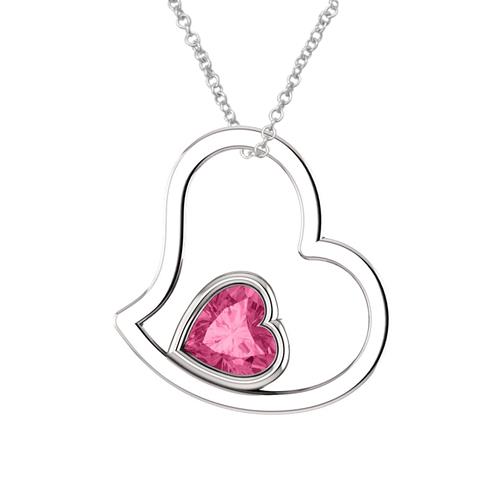
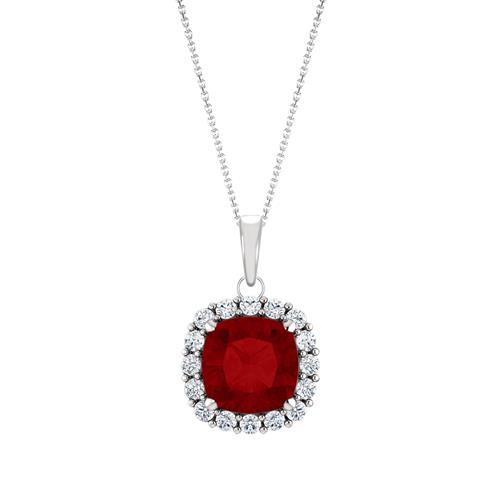

How colour and cut give each sapphire its character
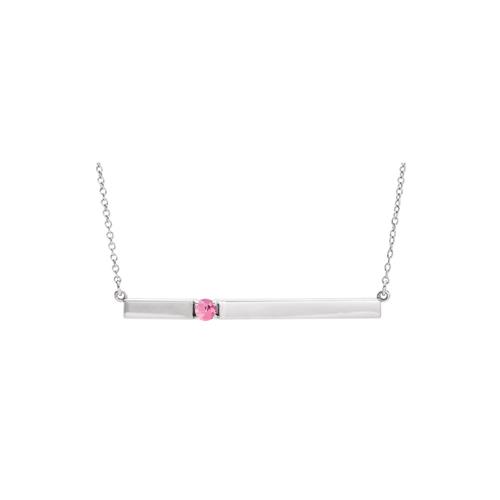
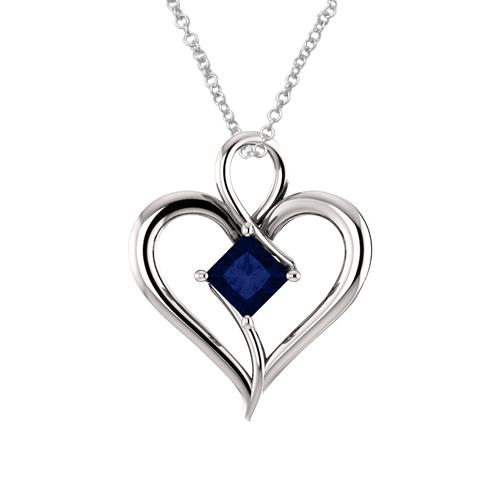
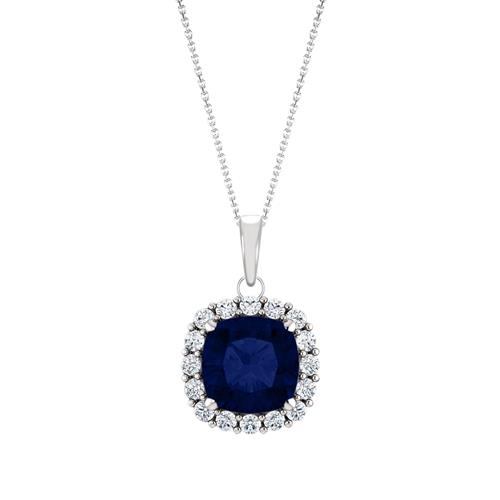
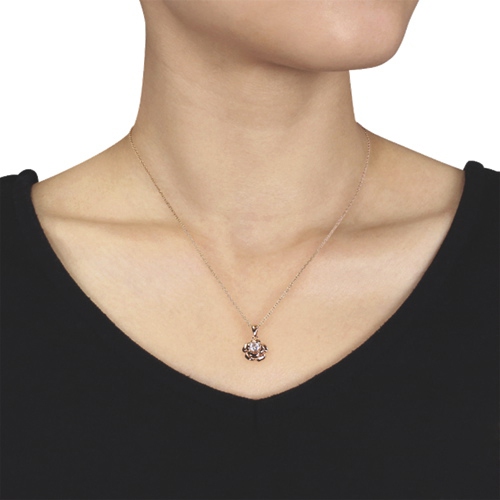
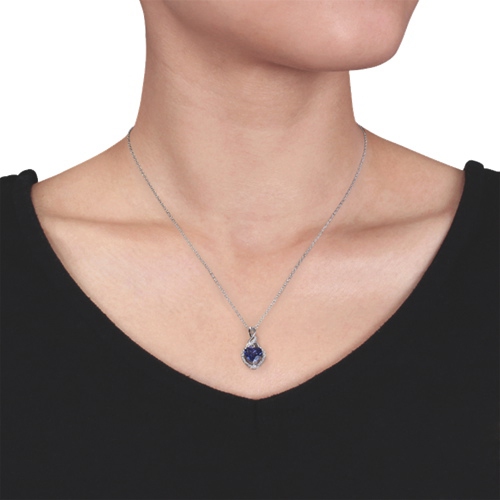
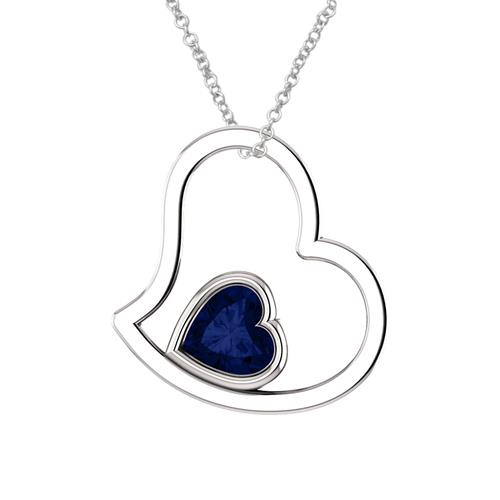
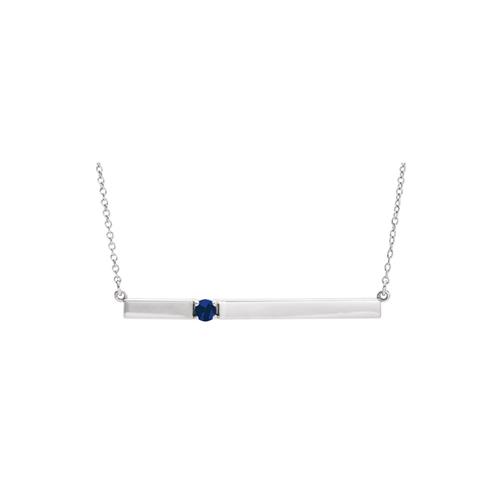
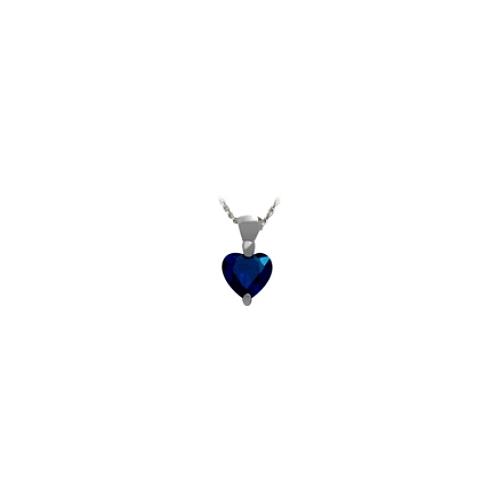
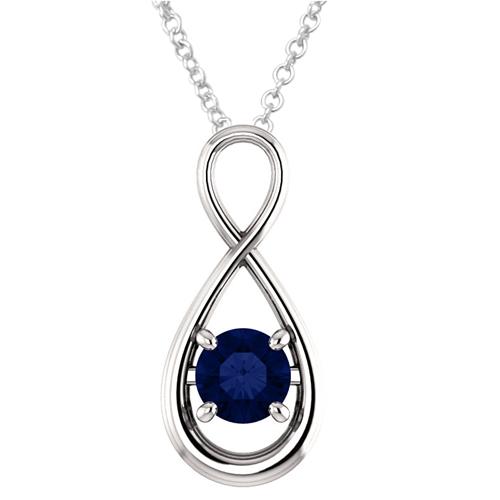
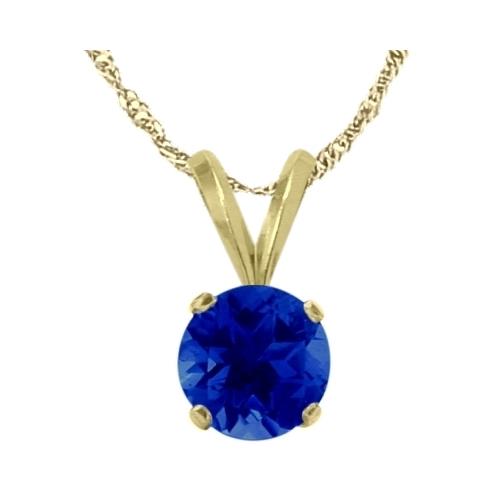
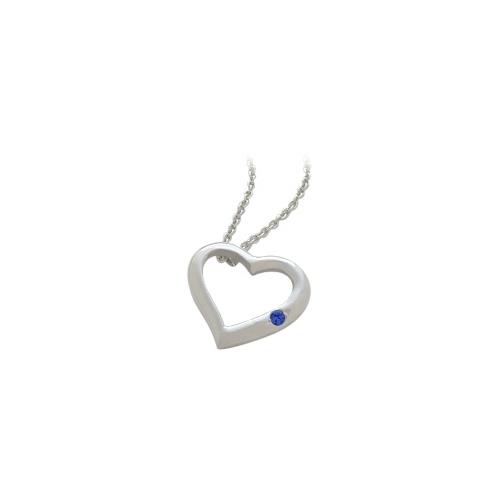
Sapphire necklaces pair the colour and lasting appeal of sapphire with designs ranging from understated solitaire pendants to elaborate arrangements of gemstones. Blue is the colour most closely associated with sapphire, but this member of the corundum family also occurs in pink, yellow, green, purple and other shades. Blue stones can appear pale and airy, bright and velvety, or deep enough to look almost inky in subdued light. Their appearance depends on colour, clarity, cut and lighting, so two sapphires of similar size can have quite different personalities. A well-proportioned cut helps light move through the stone, while facets add flashes of brightness as the wearer turns. Round and oval sapphires lend themselves to classic pendants; pear shapes create a graceful drop, and rectangular cuts bring a more structured look. Smooth, rounded cabochons offer a different effect, emphasizing the stone’s surface and colour rather than faceted sparkle. Some display a star-like optical effect under a direct light source, although this is not a feature of all sapphires. In a solitaire necklace, a single sapphire provides the focal point, making the shape and setting especially noticeable. Halo designs surround a centre stone with smaller accents, often diamonds, to add contrast and a broader outline. Three-stone pendants, clusters and graduated necklaces distribute colour across a larger area, while line designs create a more continuous sweep of gemstones. The scale of the design matters as much as its shape: a petite pendant can add a small point of blue above an open shirt collar, whereas a wider arrangement may sit best against a simple dress or plain knit. Long associated with wisdom, loyalty and royalty, sapphire has a sense of occasion without being reserved for formal wear. Its varied colours and settings allow sapphire necklaces to suit both a familiar everyday jewellery collection and a more expressive personal style.
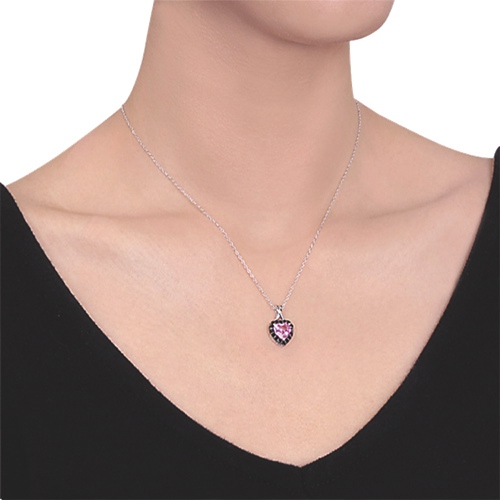
The metal, construction and chain length all influence how a sapphire necklace looks and feels once it is worn. White gold, platinum and sterling silver create a cool-toned frame that can make blue sapphire appear crisp, while yellow gold adds warmth and a distinct contrast. Rose gold introduces a softer pink tone that can complement blue or pink stones. These metals have different care needs: sterling silver can tarnish, rhodium-plated white gold may need its finish refreshed over time, and platinum develops a surface patina with wear. Gold purity also affects composition, and anyone sensitive to nickel or other metals should check the stated alloy details rather than relying on colour alone. Prong settings expose more of a gemstone’s outline, but their small tips need to remain secure and smooth to avoid catching on clothing. A bezel surrounds the stone’s edge with metal, giving it a defined border and some added protection from knocks. Neither setting makes jewellery damage-proof, and the security of the chain, connecting rings and clasp is equally important. Many pendant chains measure 16 to 18 inches, often placing the necklace near the base of the neck or collarbone, though the position varies with neck size, build and pendant dimensions. A longer chain can place a sapphire over a crew-neck top, while an adjustable length offers flexibility for different necklines. Pendant weight and chain thickness should work together so the necklace feels balanced rather than pulling heavily at the front. A fine chain may feel discreet against bare skin, while a more substantial chain changes the visual weight of the whole design. For layering, slightly different lengths help separate pendants, although chains can still twist together during movement. When a coordinated jewellery look is preferred, sapphire earrings can carry the same colour near the face without requiring an exact match in stone shape. A simple pendant with small studs feels restrained, while a larger necklace often leaves little need for additional detail around the neckline.
Sapphire is rated 9 on the Mohs hardness scale, which means it resists scratching well and is suited to jewellery worn frequently. Hardness is not the same as resistance to breakage, however: a sharp impact can chip a stone, loosen a setting or damage a chain. Removing a sapphire necklace before exercise, swimming, sleeping or tasks where it could catch helps protect the entire piece, not just the gemstone. Natural sapphires form in the earth, while laboratory-created sapphires are grown under controlled conditions and share the same basic chemical composition and crystal structure. A simulated sapphire is different: it resembles sapphire but is made from another material, so its durability and care requirements may differ. Natural sapphires are often heat-treated to alter colour or clarity, and some undergo other treatments that call for more cautious handling. Descriptions and any accompanying gemstone documentation help clarify origin and disclosed treatments; colour alone does not reliably establish either. For many sapphire necklaces, gentle cleaning with lukewarm water, mild soap and a soft brush is appropriate, provided the treatment, metal and any accompanying stones allow it. Thorough rinsing and drying with a soft cloth help remove residue, but soaking, steam and ultrasonic cleaning are not suitable for every construction or treatment. A professional jeweller can assess jewellery when those details are uncertain or when a pendant begins to rattle in its setting. Separate storage in a soft pouch or lined compartment prevents chains from tangling and keeps sapphire from scratching softer gems. Beyond daily wear, sapphire necklaces make meaningful gifts for birthdays, graduations and personal milestones. Sapphire is September’s birthstone and is commonly associated with fifth and forty-fifth wedding anniversaries. For a recipient who usually wears delicate jewellery, a modest pendant may fit naturally into an established routine; someone who favours bold colour may prefer a larger stone or a multi-stone design. Familiar metal preferences, comfortable chain lengths and the clothing a person wears most often can make the gift feel personal and easy to enjoy long after the occasion.
The metal, construction and chain length all influence how a sapphire necklace looks and feels once it is worn. White gold, platinum and sterling silver create a cool-toned frame that can make blue sapphire appear crisp, while yellow gold adds warmth and a distinct contrast. Rose gold introduces a softer pink tone that can complement blue or pink stones. These metals have different care needs: sterling silver can tarnish, rhodium-plated white gold may need its finish refreshed over time, and platinum develops a surface patina with wear. Gold purity also affects composition, and anyone sensitive to nickel or other metals should check the stated alloy details rather than relying on colour alone. Prong settings expose more of a gemstone’s outline, but their small tips need to remain secure and smooth to avoid catching on clothing. A bezel surrounds the stone’s edge with metal, giving it a defined border and some added protection from knocks. Neither setting makes jewellery damage-proof, and the security of the chain, connecting rings and clasp is equally important. Many pendant chains measure 16 to 18 inches, often placing the necklace near the base of the neck or collarbone, though the position varies with neck size, build and pendant dimensions. A longer chain can place a sapphire over a crew-neck top, while an adjustable length offers flexibility for different necklines. Pendant weight and chain thickness should work together so the necklace feels balanced rather than pulling heavily at the front. A fine chain may feel discreet against bare skin, while a more substantial chain changes the visual weight of the whole design. For layering, slightly different lengths help separate pendants, although chains can still twist together during movement. When a coordinated jewellery look is preferred, sapphire earrings can carry the same colour near the face without requiring an exact match in stone shape. A simple pendant with small studs feels restrained, while a larger necklace often leaves little need for additional detail around the neckline.
Sapphire is rated 9 on the Mohs hardness scale, which means it resists scratching well and is suited to jewellery worn frequently. Hardness is not the same as resistance to breakage, however: a sharp impact can chip a stone, loosen a setting or damage a chain. Removing a sapphire necklace before exercise, swimming, sleeping or tasks where it could catch helps protect the entire piece, not just the gemstone. Natural sapphires form in the earth, while laboratory-created sapphires are grown under controlled conditions and share the same basic chemical composition and crystal structure. A simulated sapphire is different: it resembles sapphire but is made from another material, so its durability and care requirements may differ. Natural sapphires are often heat-treated to alter colour or clarity, and some undergo other treatments that call for more cautious handling. Descriptions and any accompanying gemstone documentation help clarify origin and disclosed treatments; colour alone does not reliably establish either. For many sapphire necklaces, gentle cleaning with lukewarm water, mild soap and a soft brush is appropriate, provided the treatment, metal and any accompanying stones allow it. Thorough rinsing and drying with a soft cloth help remove residue, but soaking, steam and ultrasonic cleaning are not suitable for every construction or treatment. A professional jeweller can assess jewellery when those details are uncertain or when a pendant begins to rattle in its setting. Separate storage in a soft pouch or lined compartment prevents chains from tangling and keeps sapphire from scratching softer gems. Beyond daily wear, sapphire necklaces make meaningful gifts for birthdays, graduations and personal milestones. Sapphire is September’s birthstone and is commonly associated with fifth and forty-fifth wedding anniversaries. For a recipient who usually wears delicate jewellery, a modest pendant may fit naturally into an established routine; someone who favours bold colour may prefer a larger stone or a multi-stone design. Familiar metal preferences, comfortable chain lengths and the clothing a person wears most often can make the gift feel personal and easy to enjoy long after the occasion.
Top selling and popular products
-
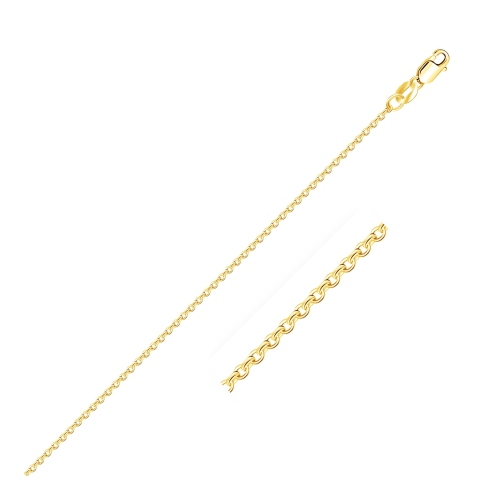 Your price for this item is $1792.5
 -
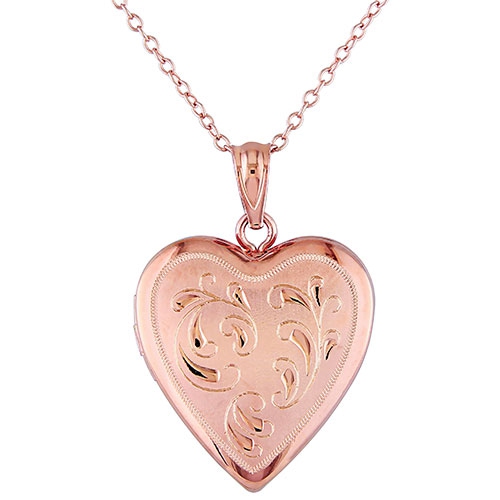 Your price for this item is $41
 -
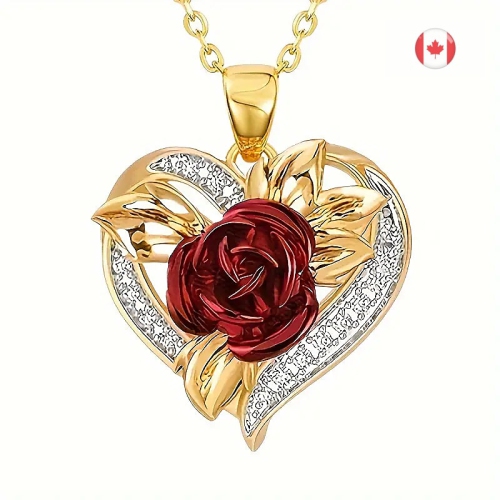 Your price for this item is $29.99
 -
 Your price for this item is $1967.36
 -
 Your price for this item is $2005.43
 -
 Your price for this item is $1649.18
 -
 Your price for this item is $427.88
 -
 Your price for this item is $1569.94
Discover more categories related to Sapphire Necklaces
Top Collections:
Pokemon Centers, Budget 4K TVs, Kindle Devices, Canon G7X Cameras, Apple iPhones 16, iPhone 15 Apple, Laptops for Business Work, Flip Phones, Xiaomi Phones, Refurbished Apple Laptops
Some products may be subject to Environmental Handling Fees
(EHF) depending on your province.
Learn more about EHFs.