Sterling Silver Emerald Engagement Rings
Sterling Silver Emerald Engagement Rings offer a captivating blend of timeless elegance and vibrant color, making them a popular choice for those seeking a unique symbol of love. The striking green hue of emerald stones beautifully complements the sleek shine of sterling silver, creating rings that stand out with sophisticated charm. Explore a variety of styles designed to suit every taste, from classic solitaires to intricate vintage-inspired settings. Discover how Sterling Silver Emerald Engagement Rings can add a touch of luxury and individuality to your special moment.
Sort
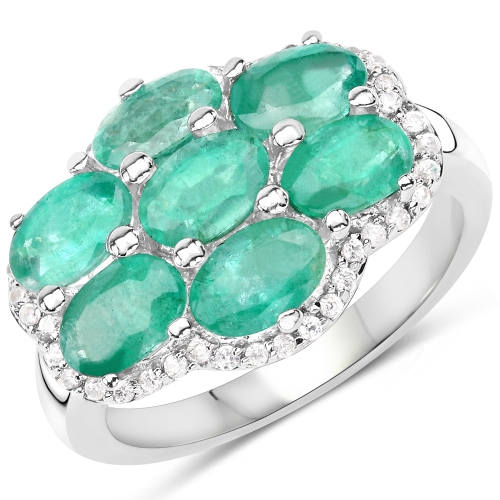
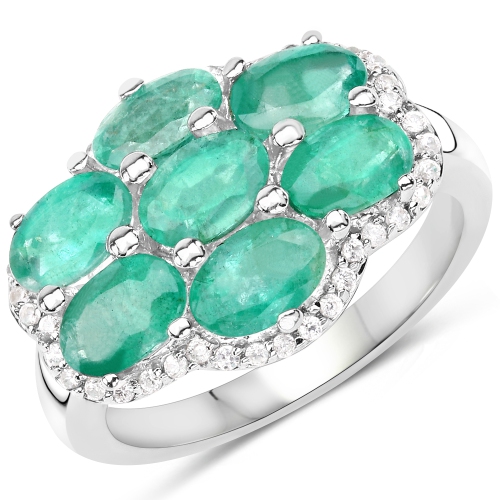
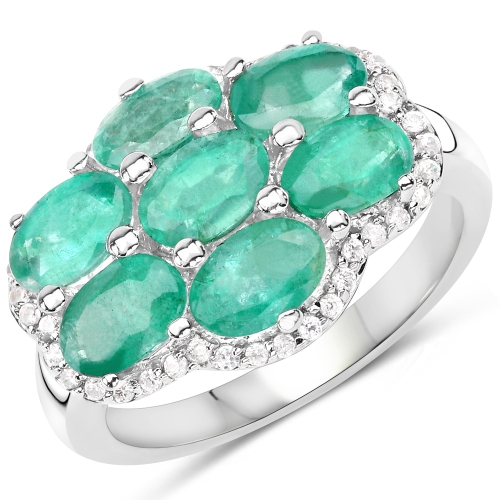
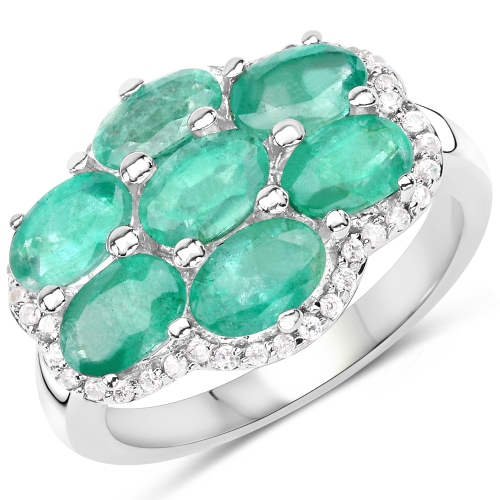
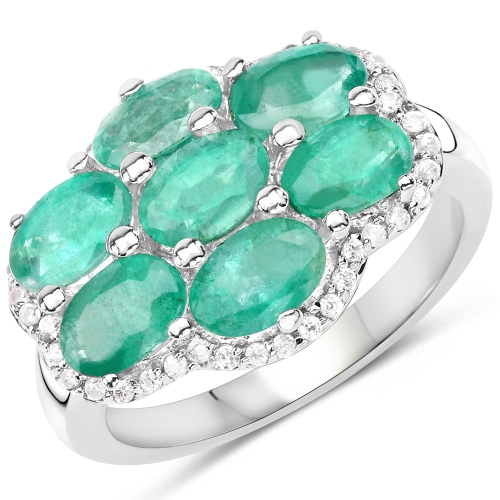
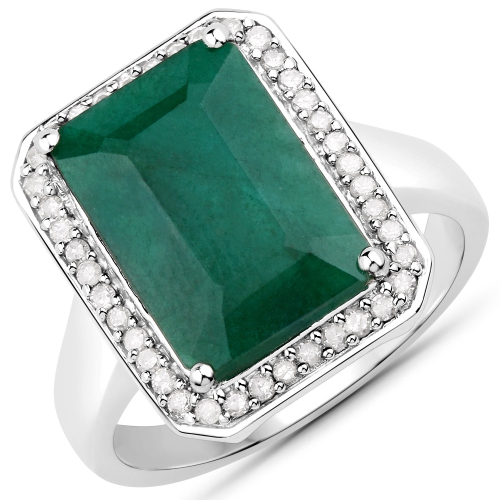
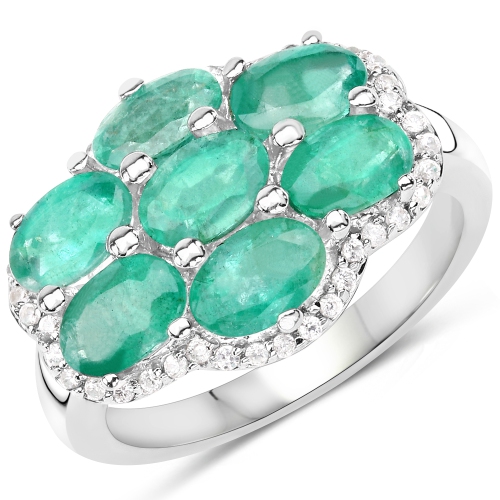
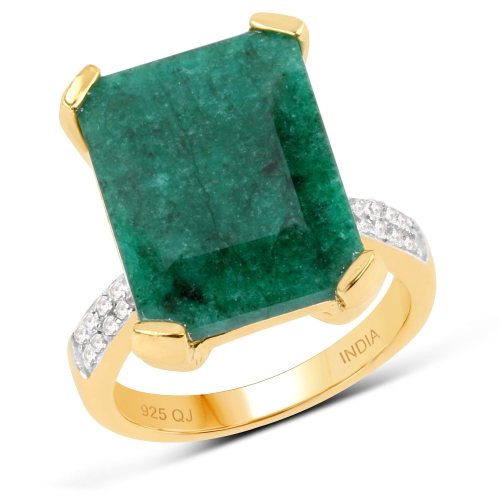
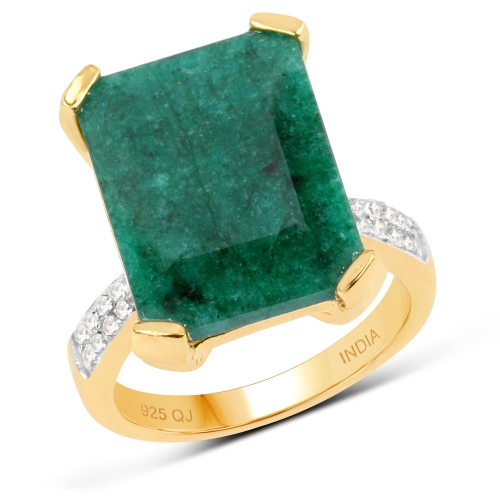
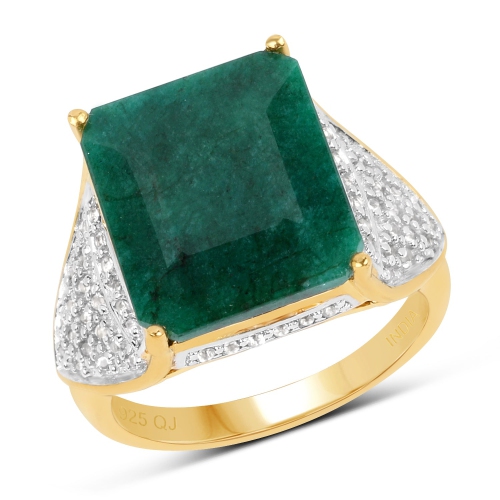
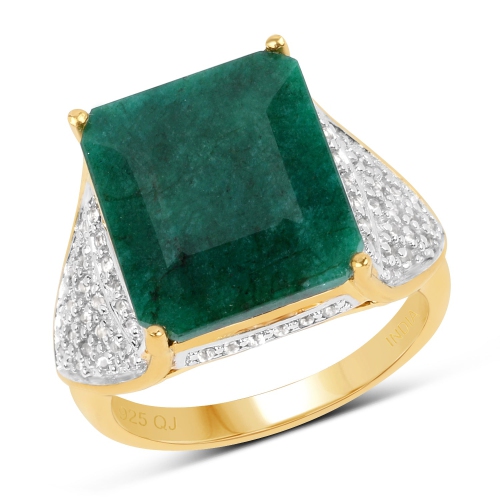
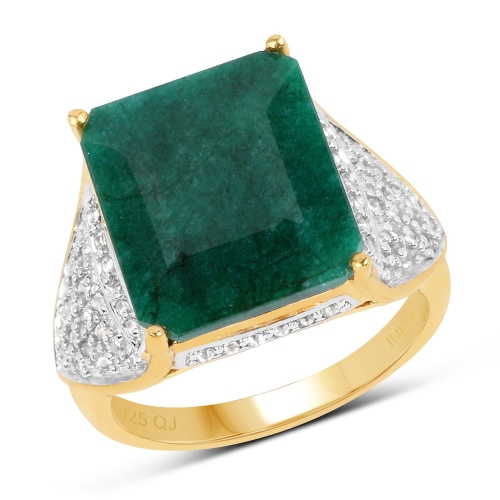
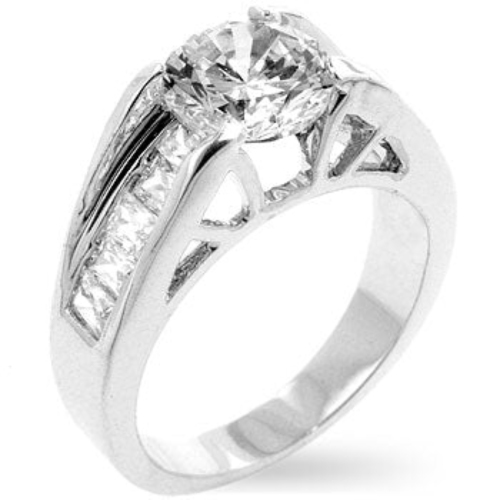
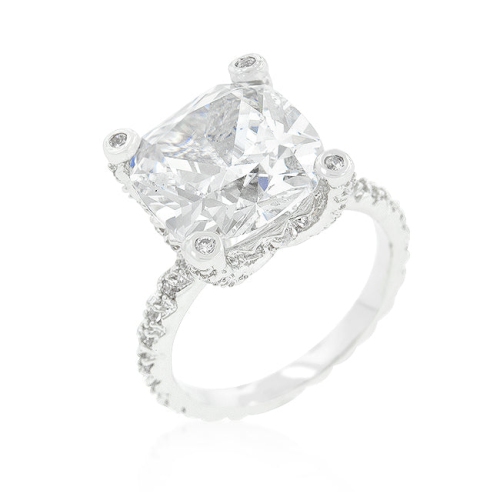
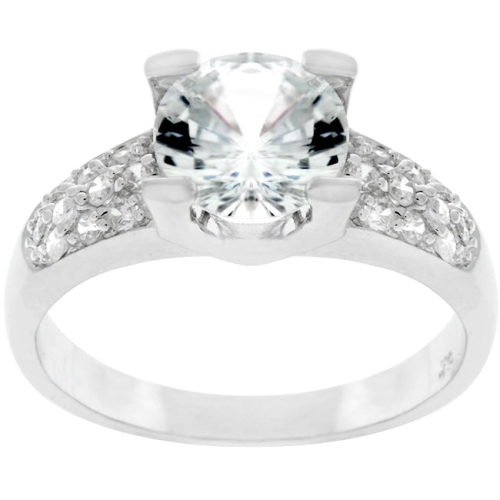
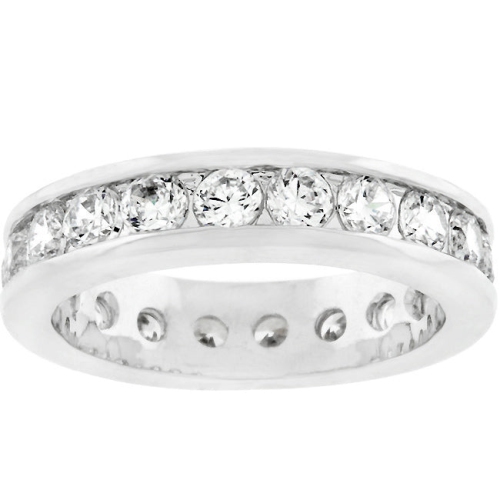
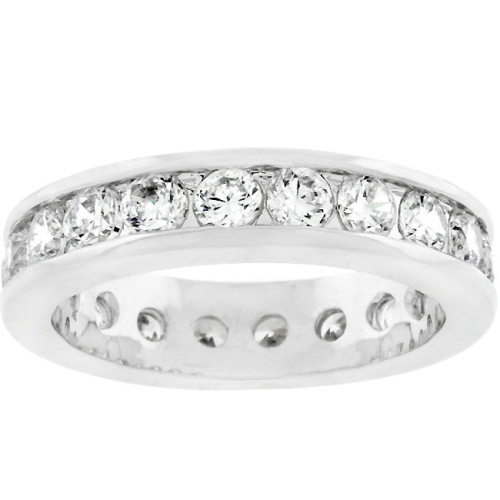
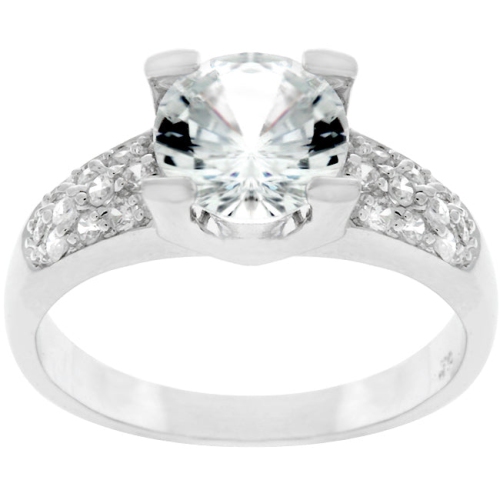
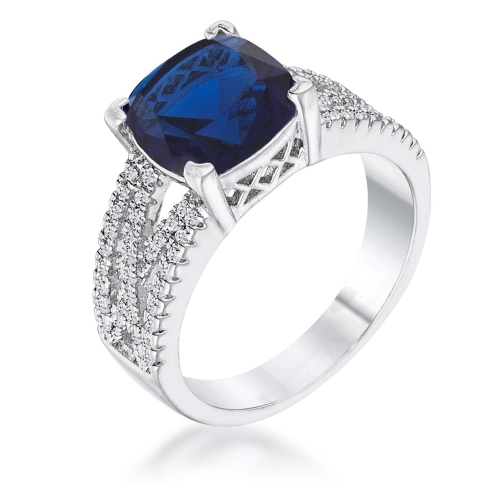
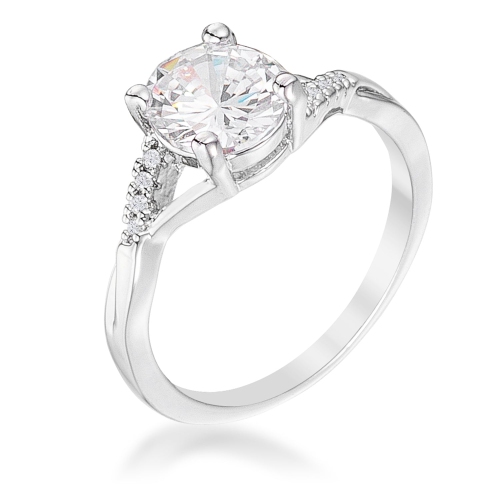
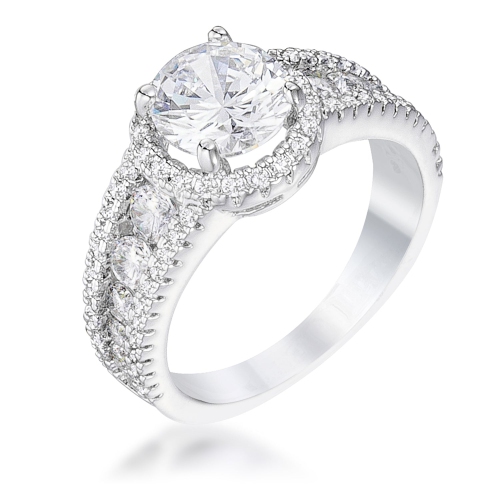
Why emeralds stand out against polished silver bands
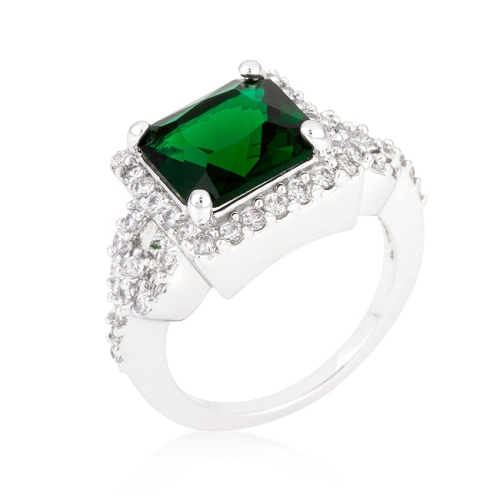
Sterling silver emerald engagement rings pair a vivid green gemstone with the bright, cool-toned finish of silver, creating a distinctive alternative to a traditional diamond-centred design. Sterling silver contains 92.5% silver, with the remaining 7.5% made up of other metals, commonly copper, to give the alloy greater strength than pure silver. A 925 stamp typically identifies this silver content, although the material description remains important when comparing settings and finishes. Against a polished silver band, an emerald’s green colour becomes the visual centre of the ring, whether the design is a simple solitaire or a more detailed setting with accent stones. Emerald is a variety of beryl, and its colour can range from lighter green to deeper green with bluish undertones. Natural emeralds often contain visible inclusions, sometimes described as a jardin, or garden, which give individual stones their own internal character. Laboratory-grown emeralds have essentially the same chemical composition and crystal structure as natural emeralds, but differ in origin; green glass and other look-alike materials are not emeralds. These distinctions matter when interpreting a ring’s gemstone description. Shape also changes the overall impression. An oval emerald can create a flowing, elongated silhouette, a round stone brings softer symmetry, and a rectangular emerald cut offers clean lines and broad flashes of colour. The term emerald cut describes a gemstone’s shape and faceting rather than its identity, so an emerald-cut green stone is not necessarily an emerald. A halo adds a decorative outline around the centre stone, while a three-stone setting gives the ring a wider presence across the finger. A solitaire keeps attention on the green gemstone and the simplicity of the silver band. Emerald designs belong to the broader family of Sterling Silver Engagement Rings, with their colour lending a particularly personal quality to an engagement gift. For someone who regularly wears green, favours coloured gemstones, or prefers silver-toned jewellery, that combination can feel closely connected to their everyday style.
The way an emerald engagement ring sits on the hand is as important as its appearance in a photograph. Band width, setting height, gemstone dimensions, and the shape of the underside all influence comfort. A narrow band creates a delicate outline, while a broader band feels more substantial and may fit more snugly at the same stated size. A smooth inner surface can make frequent wear more comfortable, especially for someone who is not accustomed to wearing rings. Accurate sizing helps the ring stay secure without pinching; ideally, it passes over the knuckle with slight resistance and rests comfortably at the base of the finger. Fingers naturally change slightly in size throughout the day, so measurements taken on more than one occasion can give a clearer picture of fit. Where a proposal is intended as a surprise, the size of an existing ring is useful only if it is worn on the same finger and hand. Resizing possibilities depend on the design, particularly when stones extend around the band or decorative details leave little uninterrupted metal. Setting height deserves similar attention. A raised centre stone can create an airy profile and may leave room for a wedding band underneath, but it can also catch on knitted cuffs, gloves, or pockets. Lower-profile settings tend to feel less intrusive during routine tasks. Prongs reveal more of the gemstone, while a bezel surrounds its edge with metal and can help shield vulnerable areas from knocks. Neither style makes an emerald impact-proof. For someone who types throughout the day, carries bags, or frequently works with their hands, the balance between a striking silhouette and a comfortable profile is especially relevant. The emerald’s visible dimensions also deserve attention rather than relying on carat weight alone, since stones of equal weight can look different depending on their proportions. When an engagement ring will be worn beside a wedding band, the shapes of both rings affect whether they sit flush, leave a small gap, or benefit from a curved companion band.
Sterling silver and emerald both benefit from thoughtful care, particularly when a ring carries the meaning of a proposal or long-term commitment. Sterling silver can develop tarnish as it reacts with substances in the air and on the skin, and its surface can show scratches or small dents with wear. Tarnish is not the same as permanent damage, but the appropriate cleaning method depends on whether the ring has a plain silver finish, plating, or decorative darkened details. Some silver jewellery has rhodium plating for a brighter surface and added resistance to tarnishing; that coating can wear over time and may require professional attention. Emerald measures 7.5 to 8 on the Mohs hardness scale, which describes resistance to scratching, not resistance to breaking. Inclusions and surface-reaching fractures can make an emerald vulnerable to impact despite its relatively high hardness. Many emeralds are treated with oils or resins to improve their apparent clarity, and those treatments affect suitable cleaning methods. Gentle cleaning with lukewarm water, a small amount of mild soap, and a soft cloth is generally preferable to harsh chemical cleaners. Avoid prolonged soaking, steam cleaning, and ultrasonic cleaners, particularly where treatments or fractures are present, and follow any care information supplied with the ring. A jeweller can assess a stone when its treatment history is unclear. Taking the ring off before lifting weights, gardening, cleaning with chemicals, or handling heavy objects helps protect both the setting and gemstone. Applying lotions, fragrance, and hair products before putting it on can also reduce residue around the stone. Between wears, a separate soft pouch or lined compartment prevents contact with harder gemstones and other jewellery; the ring should be dry before storage. Periodic checks for worn prongs, a loose stone, or changes in the band help address small issues before they become more serious. For an engagement gift, details such as the recipient’s preferred gemstone shape, usual jewellery colour, and tolerance for a raised setting make the choice feel considered. A green centre stone and silver band can carry that personal meaning while remaining practical to wear when the design, fit, and care suit the person receiving it.
Top selling and popular products
-
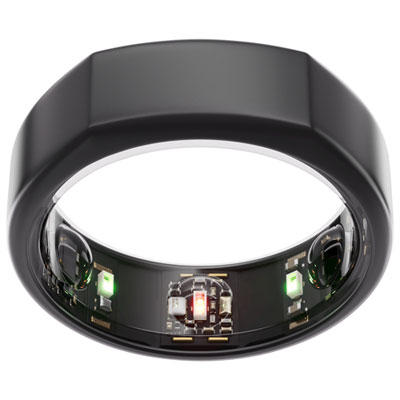 Your price for this item is $369.99
-
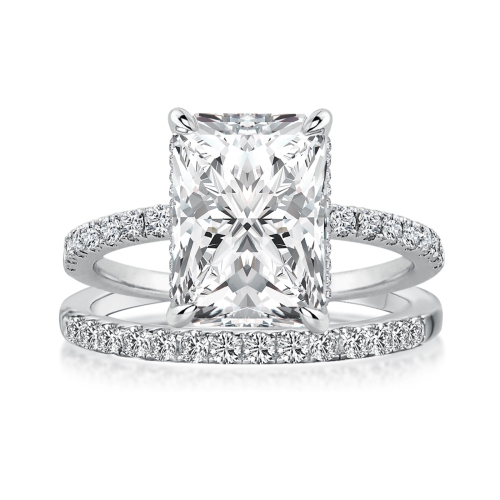 Your price for this item is $801.45
-
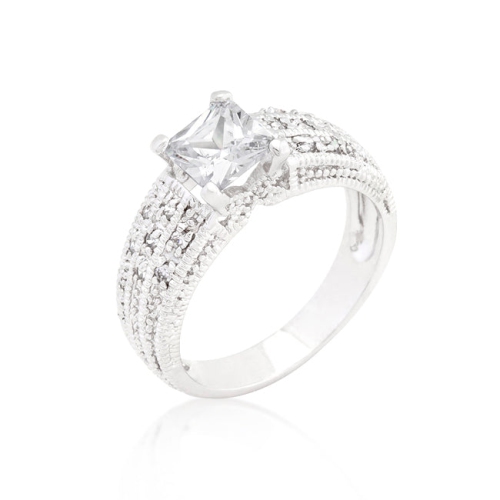 Your price for this item is $133.2
-
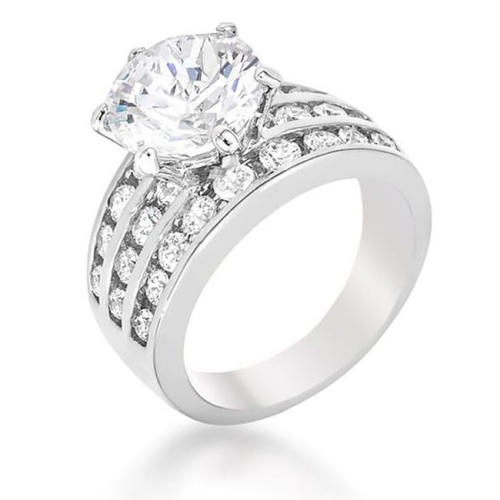 Your price for this item is $151.05
-
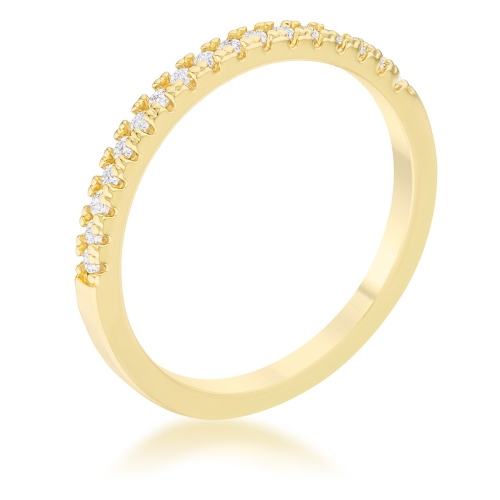 Your price for this item is $123
-
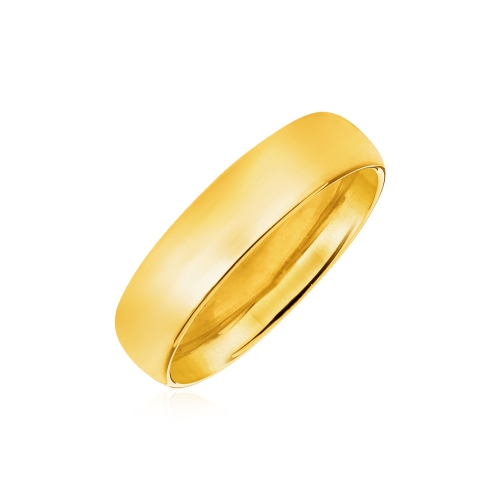 Your price for this item is $486.49
-
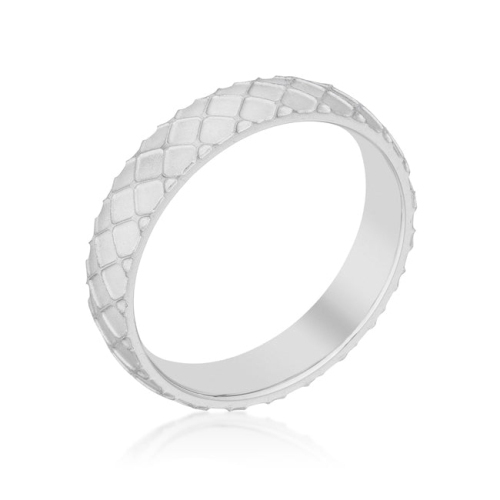 Your price for this item is $135.75
-
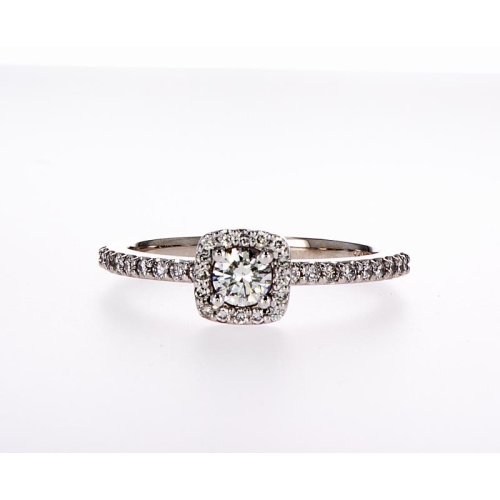 Your price for this item is $969
Discover more categories related to Sterling Silver Emerald Engagement Rings

Top Collections:
Pokemon Centers, Best Cameras for Sports Photography, Kindle Devices, Samsung Galaxy Phones, Canon G7X Cameras, Pokémon 30th Celebration Cards, Refurbished Apple Laptops, iPhone 15 Apple, Laptops for Students, Budget Smartphones
Some products may be subject to Environmental Handling Fees
(EHF) depending on your province.
Learn more about EHFs.