Twisted Band Engagement Rings
Twisted band engagement rings bring a modern twist to timeless romance, featuring uniquely intertwined designs that symbolize the beautiful journey of two lives coming together. These elegant rings offer a captivating alternative for those seeking something distinctive and meaningful. Whether you prefer classic simplicity or intricate detailing, twisted band engagement rings provide a stunning way to celebrate your love story with style and sophistication.
Sort
What gives intertwined rings their meaning and lasting appeal
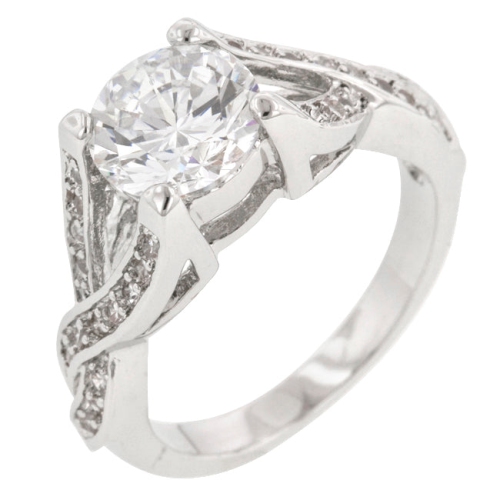
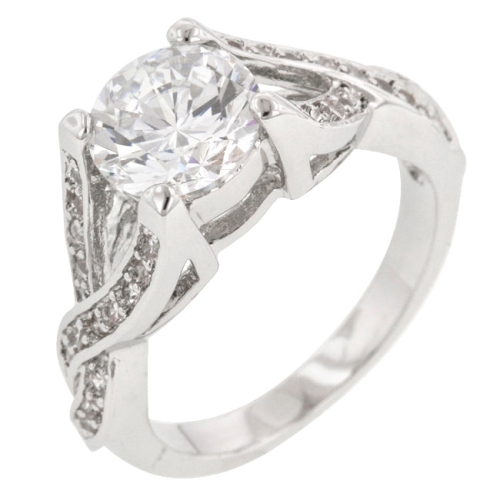
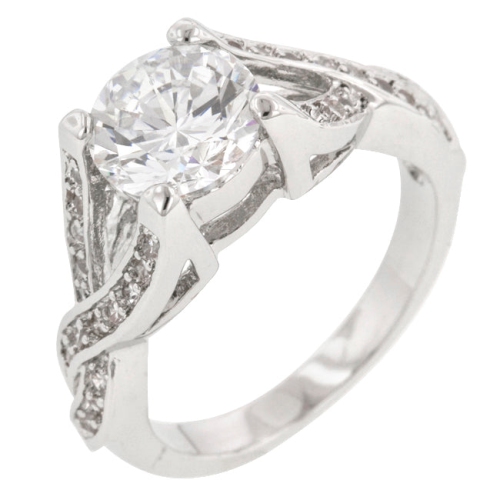
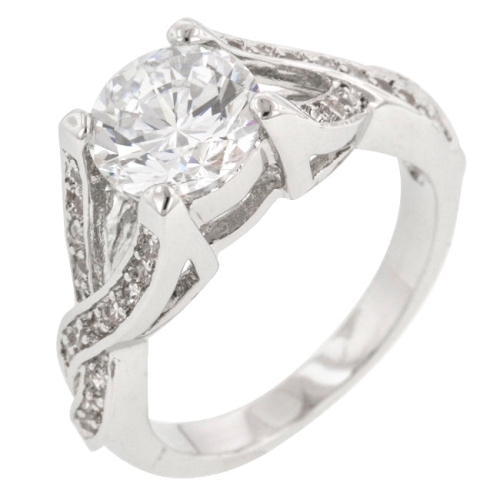
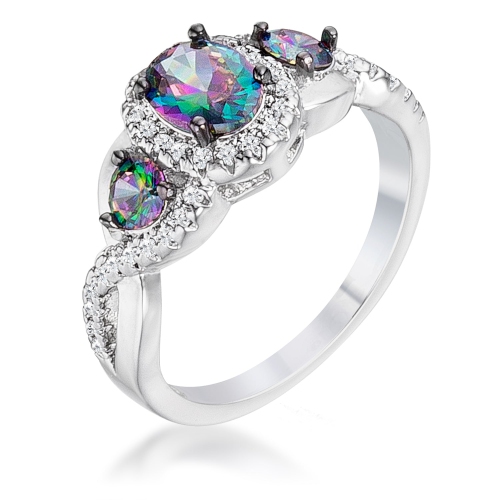
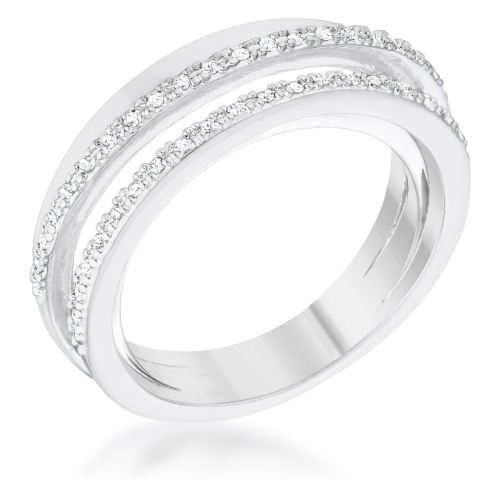
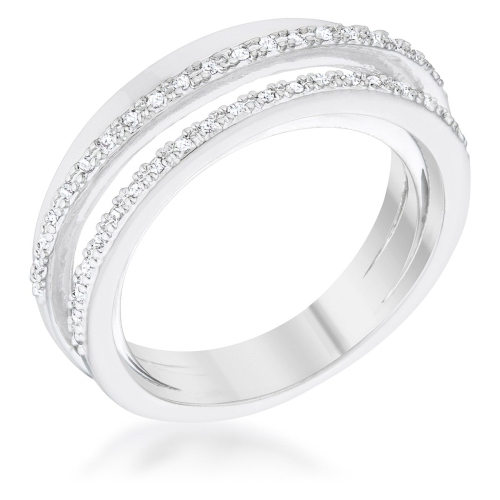
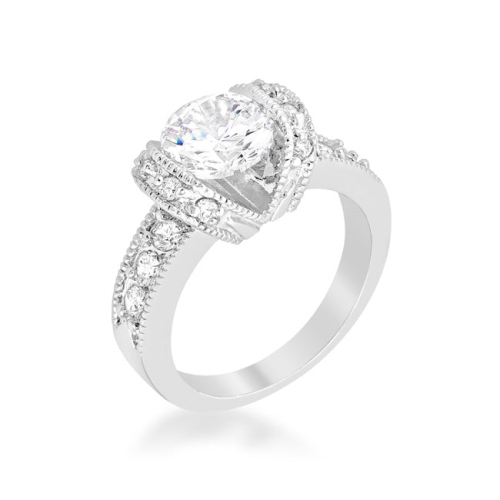
Twisted band engagement rings bring a sense of movement and meaning to a style traditionally associated with lasting commitment. Rather than following a completely straight path, the band features two or more strands that curve, cross, or wind around one another before meeting beneath the centre stone. This intertwined shape can represent two lives coming together, making it a thoughtful choice for a proposal, anniversary, vow renewal, or milestone celebration. Some designs have a softly sculpted twist with a polished finish, while others include small stones along the shoulders for additional shimmer. A classic solitaire centre can look especially striking when framed by flowing metal, as the open lines draw the eye towards the stone without overwhelming it. Vine-inspired details, rounded shoulders, and gently organic curves can create a romantic appearance, while a clean, symmetrical twist may suit someone who prefers contemporary jewellery with a refined finish. These rings can be selected by a partner planning a proposal, by couples shopping together, or by anyone looking for a distinctive alternative to a conventional straight-band setting. They also make meaningful gifts when marking a significant relationship milestone, particularly for someone who appreciates jewellery with a story behind its shape. During the warmer and cooler seasons alike, a twisted band engagement ring can feel equally at home with everyday clothing, formal attire, and other pieces worn for special occasions.
The choice of metal has a noticeable effect on the colour, character, and long-term wear of a twisted band engagement ring. Yellow gold offers a warm, traditional appearance, while white gold creates a bright, silvery look that pairs naturally with clear stones. Rose gold brings a soft blush tone that can emphasize the romantic quality of an intertwined design, and platinum is valued for its naturally white colour and substantial feel. Gold purity, alloy composition, and personal wearing habits are worth considering because the narrow curves and raised details of a twist can be exposed to more contact than a broad, uncomplicated band. Durable precious metals and a well-made setting can help the ring retain its structure through regular wear, while a secure centre setting and carefully finished edges can improve comfort. Examine how the strands meet beneath the stone, whether the shoulders feel smooth against the finger, and whether the design has openings that could collect hand cream, dust, or other residue. Ring size should be chosen carefully, since a ring that is too loose may rotate and place the centre stone off position, while one that is too tight can become uncomfortable as fingers naturally change throughout the day. If the ring is intended as a surprise, discreetly checking the recipient’s existing ring size or asking a trusted friend or family member can provide useful guidance. A ring that has been worn on another finger may not provide a perfect comparison, so professional sizing remains the most reliable option. The centre stone, if included, should also be assessed for its shape, proportions, and visual balance with the twist. Round stones offer a familiar, versatile look, while oval, pear, cushion, and other silhouettes can add a more individual profile. Pavé or accent stones may increase sparkle along the intertwined strands, whereas a largely polished band can place greater emphasis on the metalwork and centre stone.
One of the most important practical considerations is how a twisted band engagement ring will sit with a future wedding band. Because the engagement ring’s strands often rise, cross, or curve around the centre setting, a traditional straight wedding band may not rest flush against it. This is not necessarily a drawback; a small space can highlight the engagement ring’s shape, and some couples enjoy the sculptural outline created when the two rings are worn together. For a closer fit, look for a contoured, curved, or specially shaped wedding band designed to follow the engagement ring’s profile. Couples who prefer a coordinated appearance may choose a matching set or have a band selected with the engagement ring’s height, metal colour, and stone placement in mind. Exploring Unique Design Wedding Bands can also help when considering complementary shapes beyond a standard straight band. Before purchasing, check the ring’s measurements, setting height, care recommendations, resizing options, and any available details about the stones and metal. Intricate designs benefit from gentle cleaning with an appropriate jewellery solution or soft brush, followed by thorough rinsing and drying according to the maker’s instructions. Remove the ring for activities that may expose it to knocks, harsh chemicals, or excessive pressure, and arrange periodic inspections to check the setting and the points where the strands cross. Store it separately from harder jewellery to reduce scratching, ideally in a lined compartment or ring box. With thoughtful selection and regular care, a twisted band engagement ring can remain comfortable, expressive, and easy to wear as part of a daily jewellery collection.
The choice of metal has a noticeable effect on the colour, character, and long-term wear of a twisted band engagement ring. Yellow gold offers a warm, traditional appearance, while white gold creates a bright, silvery look that pairs naturally with clear stones. Rose gold brings a soft blush tone that can emphasize the romantic quality of an intertwined design, and platinum is valued for its naturally white colour and substantial feel. Gold purity, alloy composition, and personal wearing habits are worth considering because the narrow curves and raised details of a twist can be exposed to more contact than a broad, uncomplicated band. Durable precious metals and a well-made setting can help the ring retain its structure through regular wear, while a secure centre setting and carefully finished edges can improve comfort. Examine how the strands meet beneath the stone, whether the shoulders feel smooth against the finger, and whether the design has openings that could collect hand cream, dust, or other residue. Ring size should be chosen carefully, since a ring that is too loose may rotate and place the centre stone off position, while one that is too tight can become uncomfortable as fingers naturally change throughout the day. If the ring is intended as a surprise, discreetly checking the recipient’s existing ring size or asking a trusted friend or family member can provide useful guidance. A ring that has been worn on another finger may not provide a perfect comparison, so professional sizing remains the most reliable option. The centre stone, if included, should also be assessed for its shape, proportions, and visual balance with the twist. Round stones offer a familiar, versatile look, while oval, pear, cushion, and other silhouettes can add a more individual profile. Pavé or accent stones may increase sparkle along the intertwined strands, whereas a largely polished band can place greater emphasis on the metalwork and centre stone.
One of the most important practical considerations is how a twisted band engagement ring will sit with a future wedding band. Because the engagement ring’s strands often rise, cross, or curve around the centre setting, a traditional straight wedding band may not rest flush against it. This is not necessarily a drawback; a small space can highlight the engagement ring’s shape, and some couples enjoy the sculptural outline created when the two rings are worn together. For a closer fit, look for a contoured, curved, or specially shaped wedding band designed to follow the engagement ring’s profile. Couples who prefer a coordinated appearance may choose a matching set or have a band selected with the engagement ring’s height, metal colour, and stone placement in mind. Exploring Unique Design Wedding Bands can also help when considering complementary shapes beyond a standard straight band. Before purchasing, check the ring’s measurements, setting height, care recommendations, resizing options, and any available details about the stones and metal. Intricate designs benefit from gentle cleaning with an appropriate jewellery solution or soft brush, followed by thorough rinsing and drying according to the maker’s instructions. Remove the ring for activities that may expose it to knocks, harsh chemicals, or excessive pressure, and arrange periodic inspections to check the setting and the points where the strands cross. Store it separately from harder jewellery to reduce scratching, ideally in a lined compartment or ring box. With thoughtful selection and regular care, a twisted band engagement ring can remain comfortable, expressive, and easy to wear as part of a daily jewellery collection.
Top selling and popular products
-
 Your price for this item is $369.99
 -
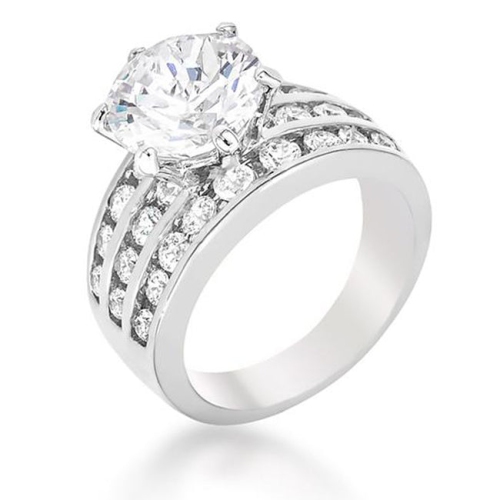 Your price for this item is $151.05
 -
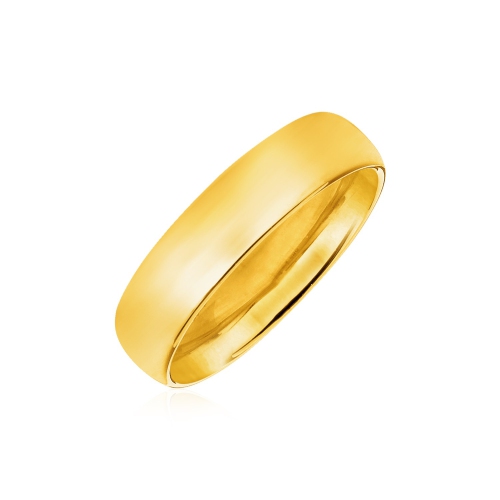 Your price for this item is $486.49
 -
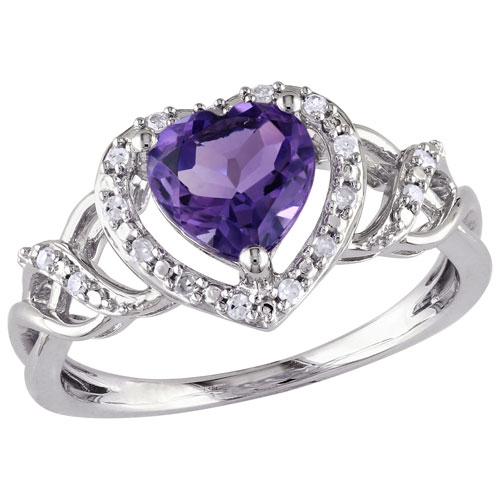 Your price for this item is $95
 -
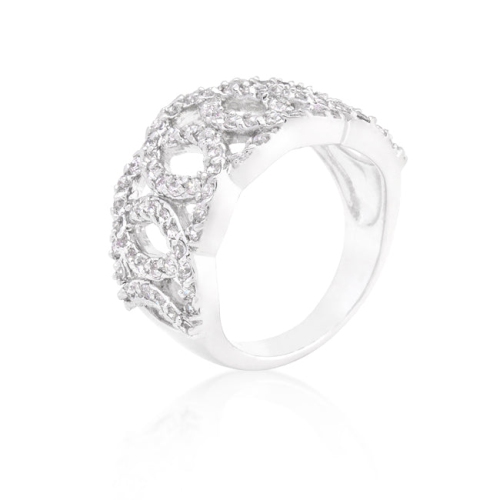 Your price for this item is $145.95
 -
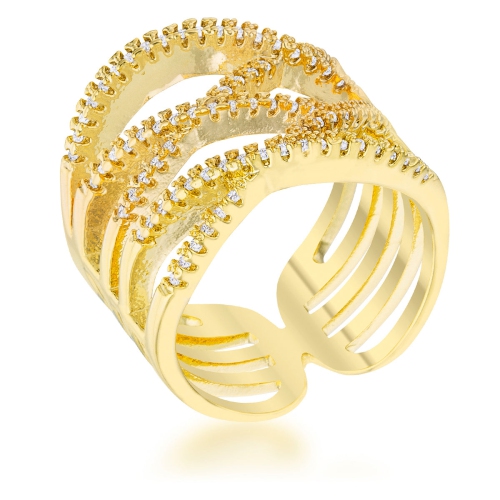 Your price for this item is $158.7
 -
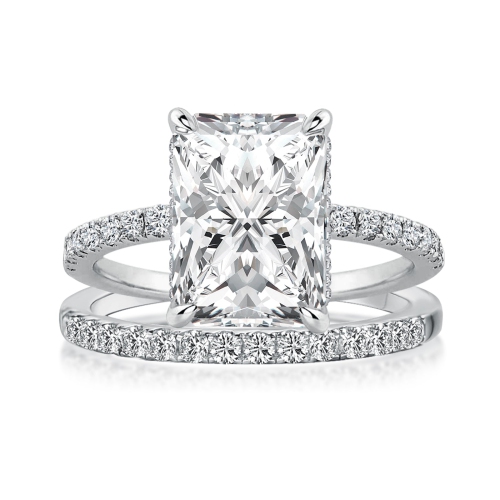 Your price for this item is $801.45
 -
 Your price for this item is $139.99
Discover more categories related to Twisted Band Engagement Rings
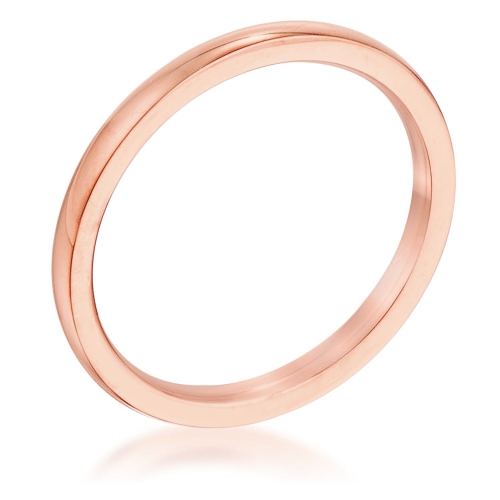
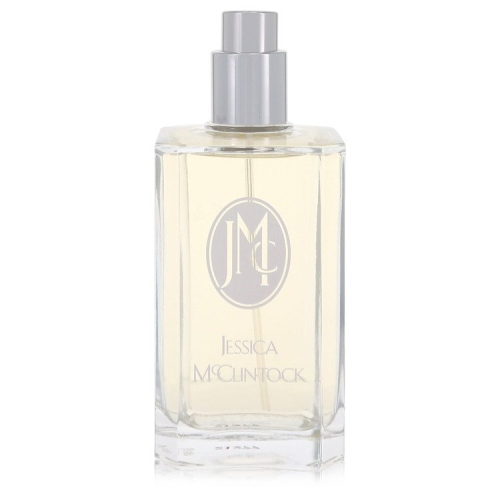
Top Collections:
Pokemon Centers, Budget 4K TVs, Kindle Devices, Canon G7X Cameras, Apple iPhones 16, iPhone 15 Apple, Laptops for Business Work, Flip Phones, Xiaomi Phones, Refurbished Apple Laptops
Some products may be subject to Environmental Handling Fees
(EHF) depending on your province.
Learn more about EHFs.