Watch Winders
A watch winder is an essential accessory for anyone looking to keep their automatic watches running smoothly and ready to wear. Perfect for collectors and enthusiasts alike, a watch winder offers a convenient solution for maintaining the precision of your timepieces when they’re not on your wrist. Explore a range of options designed to complement any style or collection, making it easy to find the ideal watch winder to suit your needs.
Sort

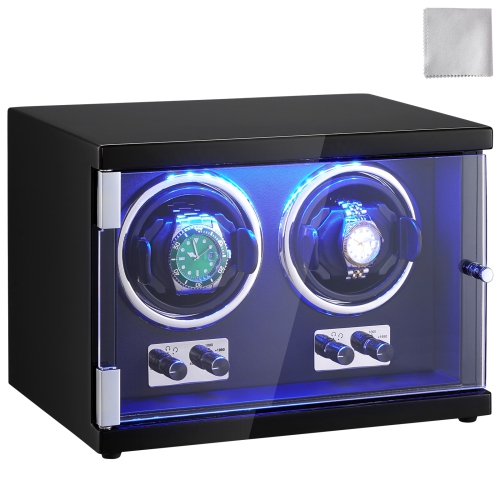
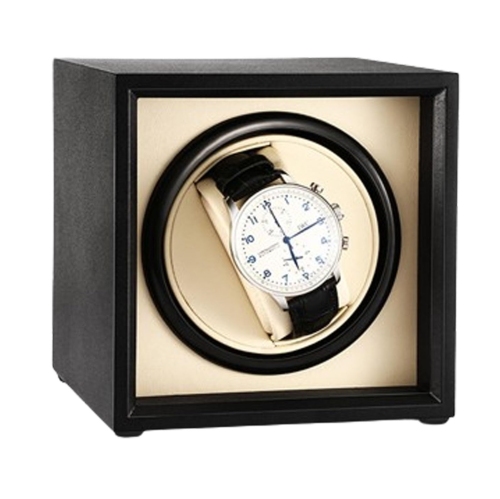

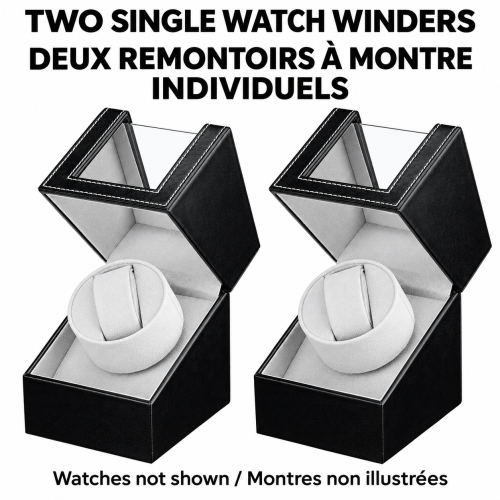

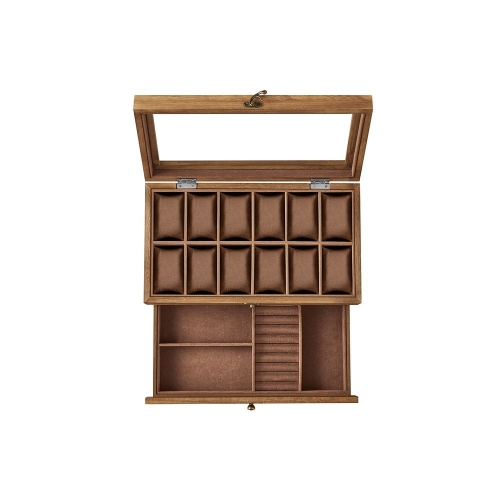

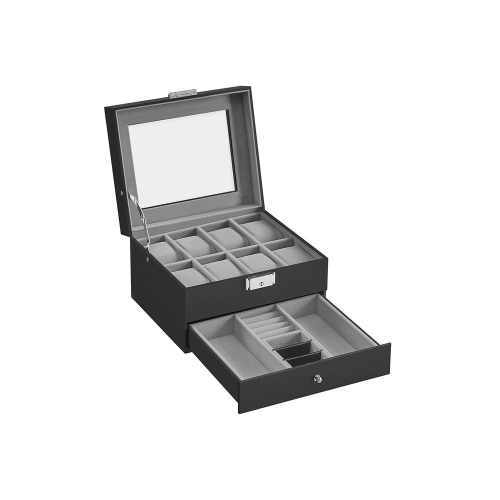
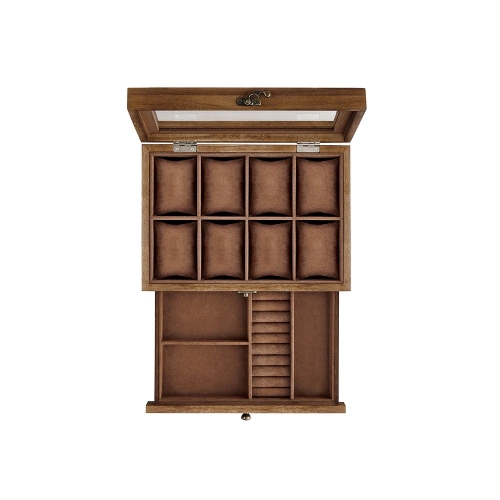
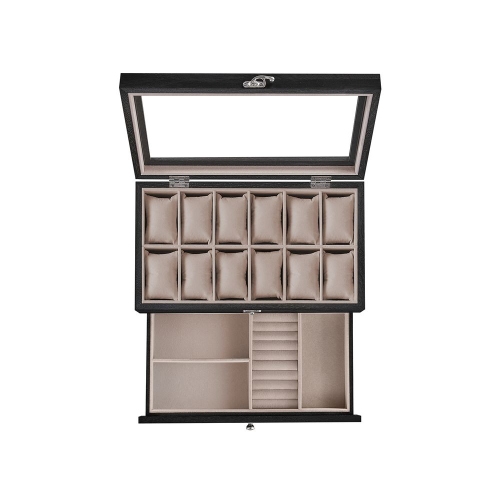
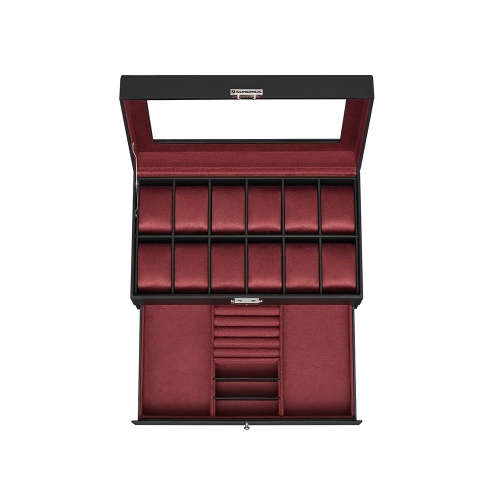



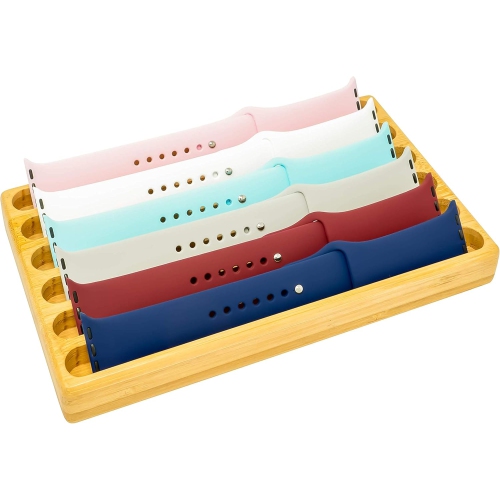
Fewer resets for automatic watches between wears
Watch winders are motorized holders that keep compatible automatic mechanical watches wound while they are not being worn. By turning a watch through programmed cycles, a winder moves the rotor inside the movement, helping maintain the mainspring’s stored energy. This makes a winder a practical accessory for someone who alternates between watches rather than wearing the same one every day. An automatic watch left on a dresser will eventually stop once its power reserve runs out; a suitable winder can keep it running between outings, reducing the need to reset the time and calendar. That convenience is particularly useful with watches that have moon phase displays, annual calendars, or perpetual calendars, where restoring the correct settings can involve more than adjusting the hands. Winders are intended for automatic movements, not ordinary battery-powered quartz watches or mechanical watches that require manual winding alone. Compatibility depends on the movement’s winding requirements, including its preferred rotation direction and turns per day, often abbreviated as TPD. This figure describes how many rotations the winder performs over a day, rather than how quickly the watch itself runs. Some automatic movements wind in one direction, while others accept winding in both directions, so clockwise, counterclockwise, and alternating settings serve different needs. A movement’s manufacturer instructions are the best reference for choosing the appropriate programme. More rotation is not automatically better: the goal is to maintain sufficient power with a suitable winding schedule, not to keep the holder moving continuously. Programmed rest periods spread rotation across the day. Most automatic movements also have a slipping mainspring bridle designed to prevent overwinding, but that protection does not make every winder setting appropriate. A winder should not be expected to improve a watch’s accuracy, repair a movement, or replace servicing. Its main appeal is simpler day-to-day use, especially when a favourite watch would otherwise stop between wears. For an owner with just one automatic watch worn regularly, a winder may be a convenience rather than a necessity.
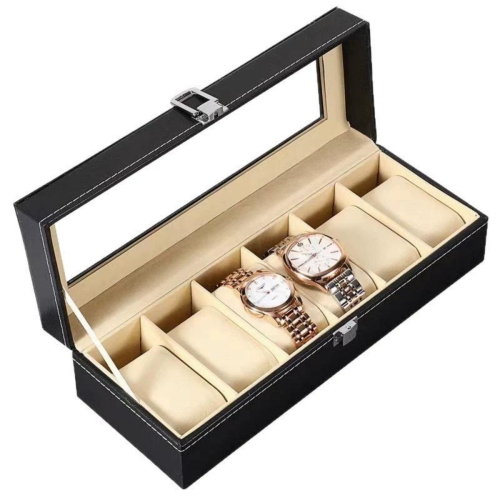
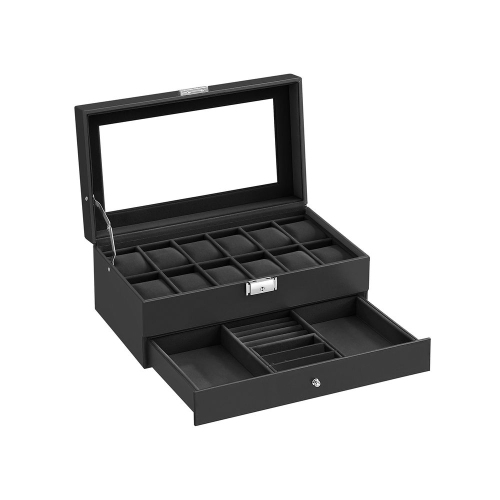
The physical fit matters just as much as the rotation settings. A watch winder needs to hold the watch securely without placing unnecessary tension on its bracelet, strap, clasp, or spring bars. Cushions and holders vary in shape, firmness, and adjustability, making their dimensions worth checking against both the watch and the wrist size it has been fitted to. A metal bracelet sized for a smaller wrist may not close comfortably around a large, firm cushion, while a loosely supported watch can shift as the holder turns. Compressible cushions and adjustable supports can help accommodate different fits, although their usable size range still matters. Case diameter, case thickness, and clearance around the crown are also important, particularly for substantial sports watches or pieces with prominent pushers. In a multi-watch winder, there should be enough space between holders for neighbouring watches to rotate without touching, as well as adequate room beneath the closed lid. A single-watch winder suits a small collection or one automatic watch reserved for particular occasions. Larger designs can support a regular rotation of dress and everyday watches, and independently controlled holders are useful when those movements need different directions or TPD settings. Some designs combine rotating holders with stationary storage compartments; those extra spaces can hold watches without winding them. For watches that only need organized storage and visibility, Watch Display Cases offer a different approach. Placement also shapes the choice of winder. A compact unit can sit neatly on a dresser, while a wider cabinet needs enough surface space and clearance to open its lid fully. Motor and gearbox noise deserve attention when the winder will sit near a bed or work area, since even a soft mechanical hum may be noticeable in a quiet room. Mains-powered designs need access to an outlet and tidy cable routing. Battery-powered designs offer more flexibility in placement, though battery life varies with the mechanism, settings, and number of watches being rotated. Straightforward controls and clearly identified settings make everyday operation easier, particularly when more than one person uses the unit.
Materials and construction influence how a watch winder looks, feels, and holds up to repeated use. Wood and wood-veneer housings can complement traditional furniture, while metal, moulded materials, and leather-look finishes suit a range of other spaces. The outer finish is only part of the picture: a stable base, well-fitted hinges, secure holders, and a smoothly operating lid contribute to a more reassuring experience each time a watch is placed inside. Soft interior linings help limit contact with hard surfaces, but they should remain clean because trapped grit can mark a polished case or bracelet. Transparent glass or acrylic covers allow the watches to remain visible while helping keep dust away from the holders. Acrylic is lightweight but can scratch if cleaned with abrasive materials; glass also needs suitable cleaning and careful handling. Interior lighting can make a collection easier to view, with a separate lighting control offering flexibility when the display is not in use. A lockable lid may discourage casual handling, but it should not be treated as a substitute for secure storage designed to protect valuables. Routine care is usually straightforward: disconnect external power before cleaning, follow the maker’s care instructions, and use a soft cloth appropriate to the finish. Avoid spraying cleaning liquid directly into the housing or mechanism, and keep moisture away from electrical components. Cushions deserve occasional inspection for compressed padding, loose coverings, or wear that could affect how securely they hold a watch. Watches should be clean and dry before being placed inside, with straps arranged so that loose ends cannot catch during rotation. For gift giving, a winder can be a thoughtful choice for an automatic-watch enthusiast celebrating a graduation, anniversary, or retirement, especially when their collection and winding requirements are known. Someone who enjoys selecting a watch to match the day’s plans may appreciate having it running when they open the lid. The most useful watch winders balance that convenience with proper movement compatibility, a comfortable fit, dependable operation, and a size that makes sense for the space where they will be used.
Top selling and popular products
-
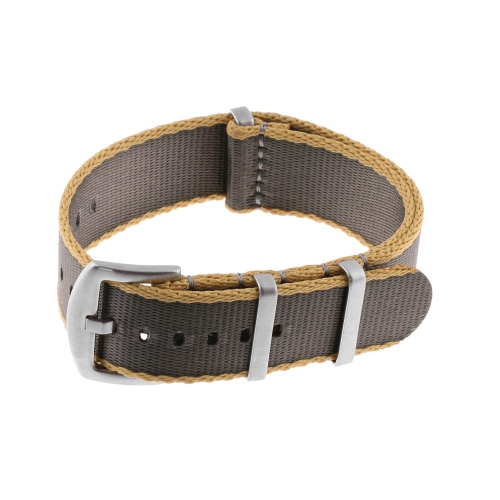 Your price for this item is $18.99
-
 Your price for this item is $44.99
-
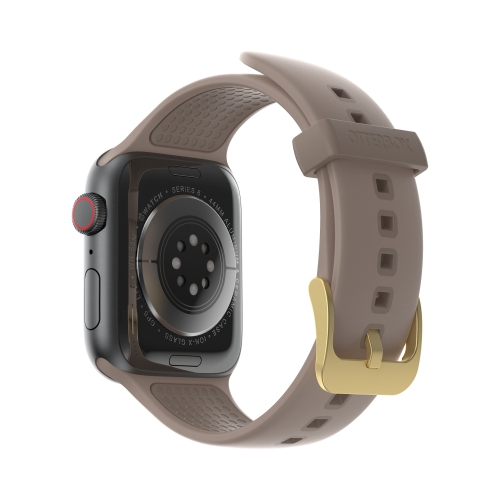 Your price for this item is $44.99
-
 Your price for this item is $59.99
-
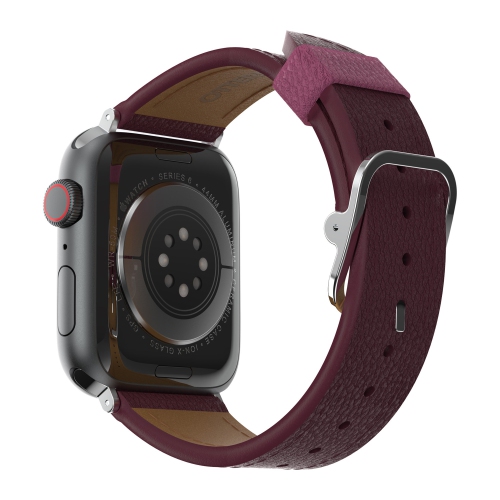 Your price for this item is $59.99
-
 Your price for this item is $16.95
-
 Your price for this item is $6.89
-
 Your price for this item is $19.99
Discover more categories related to Watch Winders


Top Collections:
Best Black Friday Deals This Year, Best Black Friday Deals On Electronics, Kindle Devices, Pokemon Centers, Best Black Friday Deals On Apple Products, Best Cameras for Sports Photography, Dyson Airwrap, Pokémon 30th Celebration Cards, Apple iPhone 17 Pro, Canon G7X Cameras
Some products may be subject to Environmental Handling Fees
(EHF) depending on your province.
Learn more about EHFs.