White Gold Band Rings
Discover the timeless elegance of white gold band rings at Best Buy. Crafted with precision and sophistication, our collection of white gold band rings offers a stunning array of options to suit any style or occasion. Whether you're searching for a classic wedding band, a statement piece to elevate your everyday look, or a thoughtful gift for someone special, our white gold band rings are sure to impress.
Sort
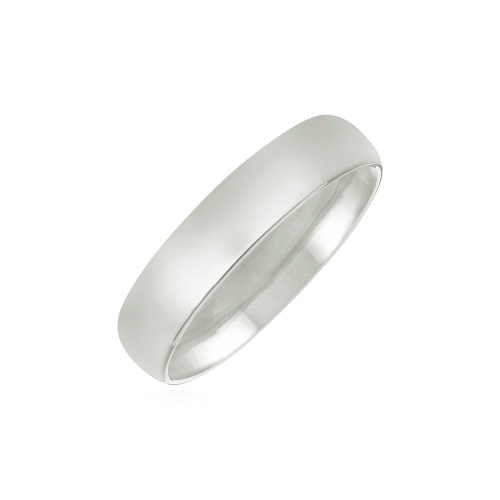
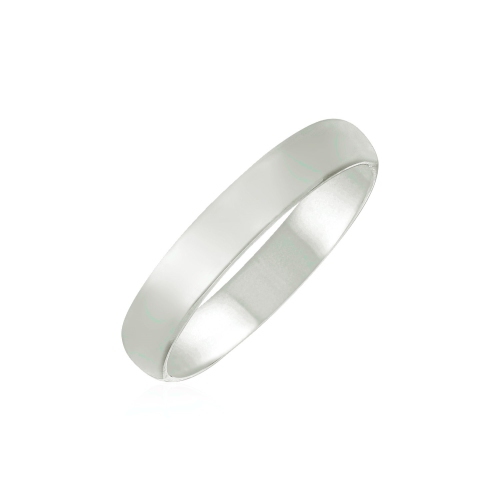
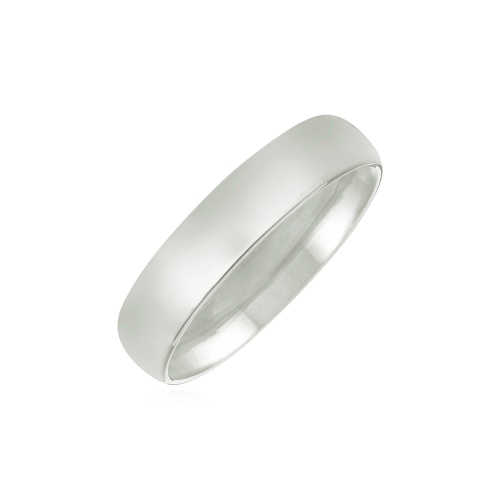
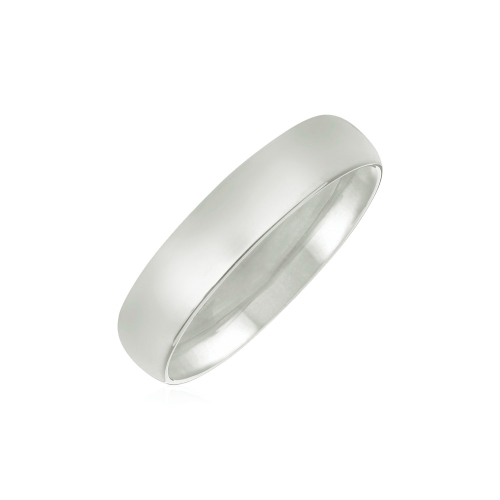


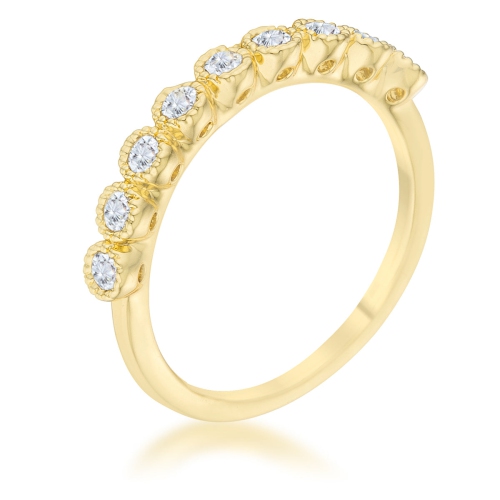
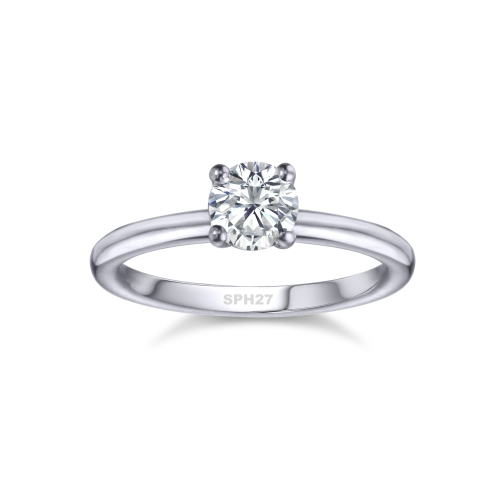
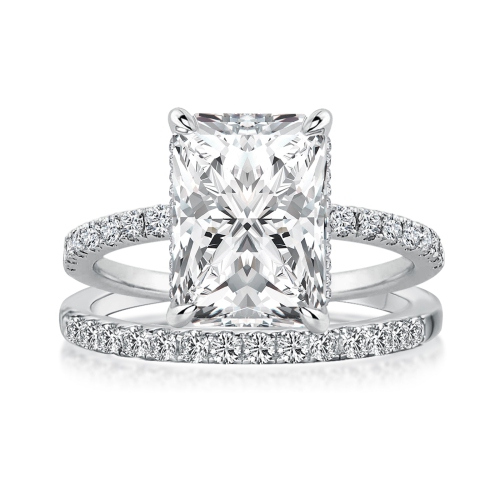
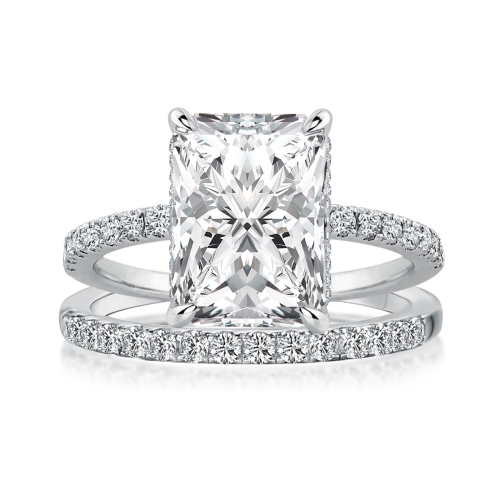
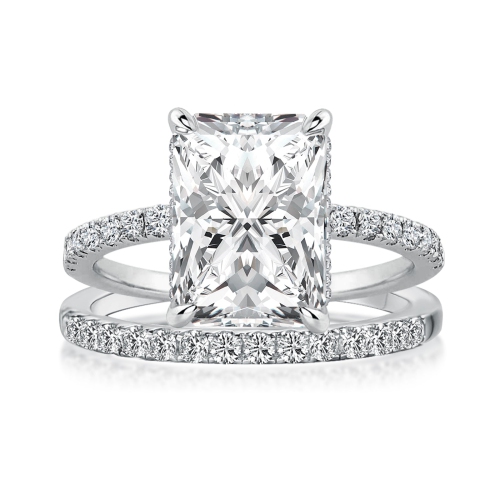
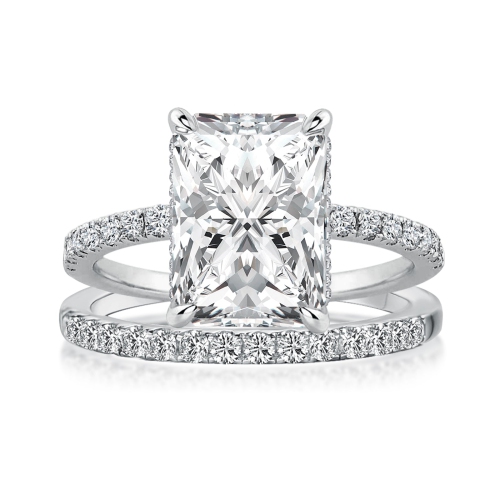
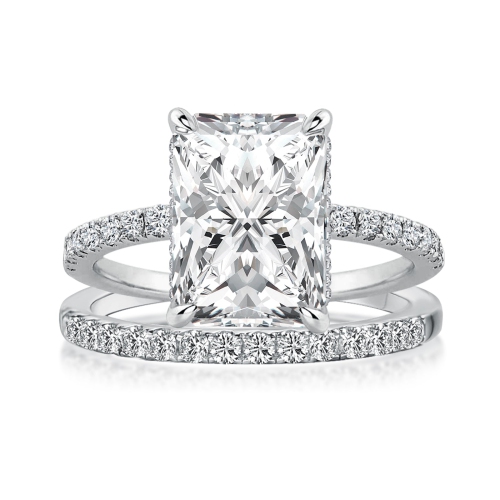


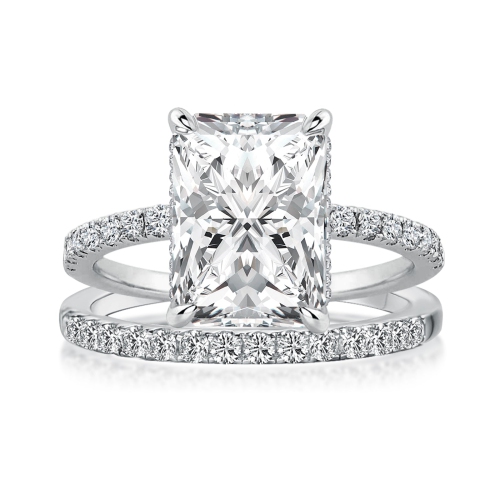
The details behind a bright finish and comfortable fit
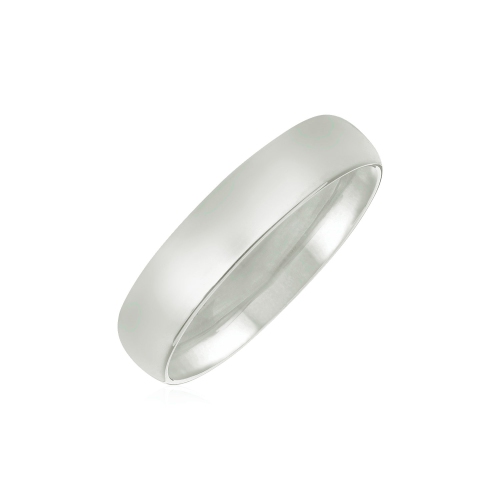
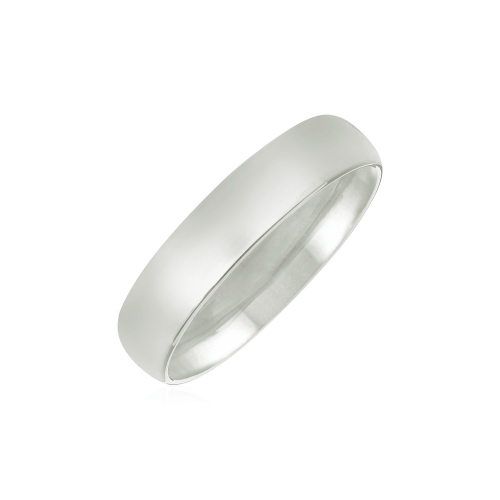
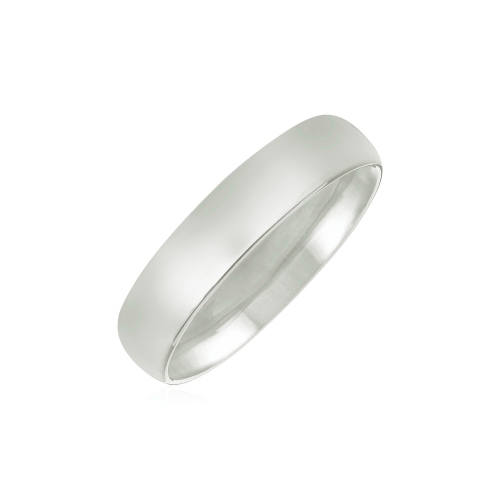
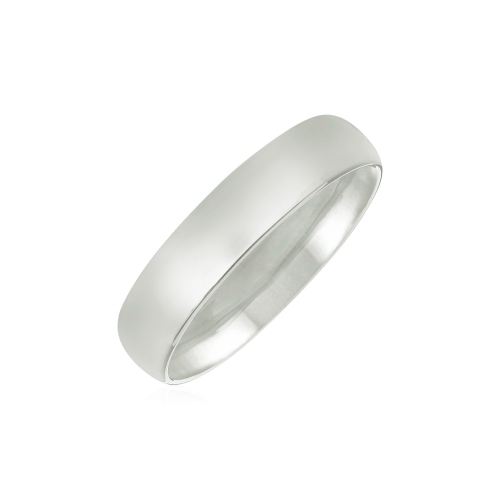
White gold band rings pair the familiar warmth and significance of gold jewellery with a bright, silvery-white appearance. Their continuous shape suits wedding rings, anniversary gifts, commitment rings, and everyday accessories, with designs ranging from slender stacking bands to broad, substantial profiles. White gold is an alloy made by combining yellow gold with other metals, which may include palladium, silver, or nickel, to lighten its colour and adjust its working properties. The karat marking describes the proportion of pure gold: 10K contains approximately 41.7% gold, 14K contains approximately 58.3%, and 18K contains 75%. These numbers identify gold content rather than guaranteeing a particular level of scratch resistance, since the alloy mixture, construction, and finish also affect wear. Many white gold rings have a rhodium plating that gives the surface a crisp, bright-white finish. As that plating wears, a slightly warmer undertone may become visible, particularly along the underside of a band where it touches everyday surfaces. This is a normal characteristic of many rhodium-plated rings, not necessarily a defect. Anyone with a known nickel sensitivity should check the stated alloy composition rather than assume that all white gold is nickel-free; a surface coating does not establish what metals are underneath. Solid gold and gold-plated jewellery also differ in construction, so the material description matters as much as the colour. A solid white gold band has gold alloy throughout, whereas a white-gold-plated band has a layer over a different base metal. For shoppers drawn to a clean, understated look, an unadorned band lets the shape and finish carry the design. Diamond accents, engraved details, and sculpted edges bring additional character without changing the basic band silhouette. People comparing rings specifically for a marriage ceremony can explore White Gold Wedding Bands, where the symbolism of an unbroken circle meets the practical considerations of a ring intended for frequent wear. The same white gold aesthetic also works beyond bridal jewellery, whether worn alone on the right hand or alongside meaningful rings collected over time.
Width, profile, and interior shape all influence how a white gold band looks and feels on the hand. A narrow band around 1.5 to 2 mm wide creates a delicate line and can leave room for neighbouring rings, while widths around 3 to 4 mm offer a more noticeable presence without necessarily feeling broad. Bands around 6 to 8 mm wide cover more of the finger and often appeal to someone who prefers a substantial silhouette. These measurements describe width, not thickness; two rings with the same width can differ considerably in weight, height, and sturdiness. A very slim band may be more prone to bending if its construction is also thin, especially during activities that place pressure on the hand. Domed profiles have a rounded outer surface, while flat profiles create a straighter, more architectural outline. Bevelled edges add a defined border, and rounded edges can feel smoother against adjacent fingers. A comfort-fit interior is curved rather than flat against the finger, which can make a wider band easier to slide over the knuckle, although sizing still depends on the individual design. Wider rings often feel snugger than narrow rings in the same nominal size, making measurements taken with a similarly wide sizing ring particularly useful. A suitable fit should pass over the knuckle with some resistance and sit securely without pinching during ordinary hand movement. When pairing a band with an engagement ring, consider the height and shape of the setting as well as the finger size. A straight band may sit flush beside a raised setting but leave a gap beside a lower one; a contour or curved band can accommodate some protruding settings. Stacked rings also occupy more space together than either ring alone. High-polish surfaces reflect light sharply, while brushed and satin finishes soften reflections and give the metal a quieter appearance. Neither finish is immune to marks: polished bands can show fine scratches, and matte textures can gradually become smoother at frequent contact points. Matching rings need not have identical widths or finishes to share a cohesive look.
Daily routines are worth considering when choosing between a plain white gold band and one with stone-set or textured details. A smooth, low-profile ring generally has fewer places to catch on knitwear or gloves, making it a practical choice for someone who wants an unobtrusive accessory. Pavé bands use small stones held by tiny beads or prongs, while channel-set designs position stones between metal borders; both bring sparkle, but their settings still need inspection for wear or looseness. Eternity bands carry stones around the full circumference, which can limit resizing and place gemstones along the palm side of the hand. Plain bands are often more straightforward to resize, though the extent of any adjustment depends on the design, thickness, engraving, and construction. For a gift, confirming the recipient’s ring size and preferred finger helps avoid uncertainty, particularly with a wider band or a design that cannot easily be altered. An anniversary band might complement an existing wedding ring, while a simple polished band can mark a graduation, personal milestone, or lasting friendship without looking overtly bridal. Interior engraving adds a private detail, provided the ring has sufficient space and the design allows it. Care is usually straightforward, but it should suit every material in the ring. For plain white gold, lukewarm water, mild soap, and a soft cloth are generally appropriate; stone-set rings may need additional precautions depending on the gemstones and their treatments. Rinse carefully away from an open drain and dry with a soft, lint-free cloth. Abrasive cleaners can damage the finish, and chlorine or harsh household chemicals can harm gold alloys, so removing the ring before swimming or cleaning is sensible. Taking it off before lifting weights or handling heavy tools also reduces pressure, dents, and accidental bending. Store rings separately to limit rubbing against other jewellery. A jeweller can assess worn settings, advise on resizing, and determine whether rhodium replating would restore the desired colour. Thoughtful proportions, a comfortable fit, and care matched to the construction help a white gold band remain a familiar, wearable part of everyday life.
Top selling and popular products
-
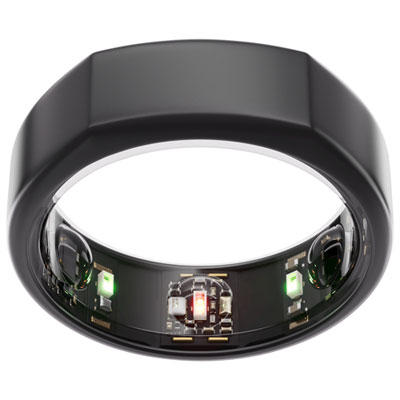 Your price for this item is $369.99
-
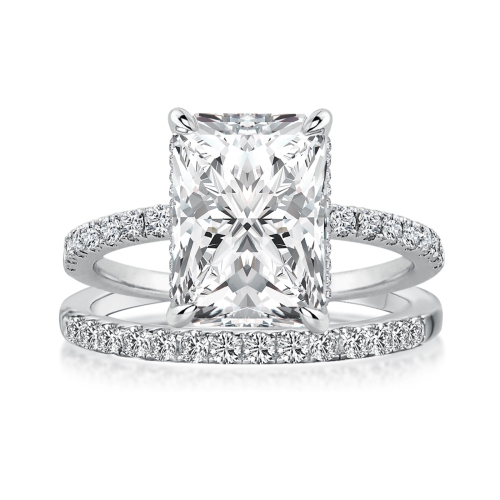 Your price for this item is $801.45
-
 Your price for this item is $133.2
-
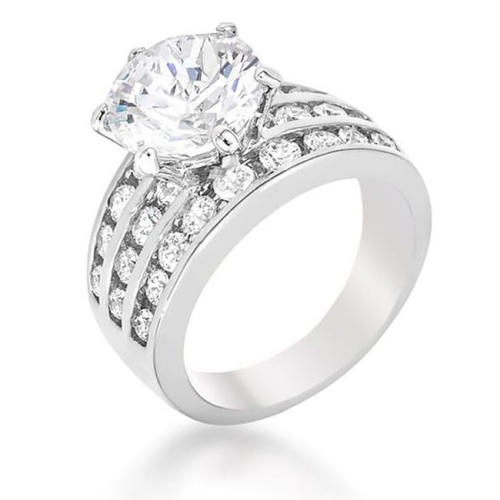 Your price for this item is $151.05
-
 Your price for this item is $123
-
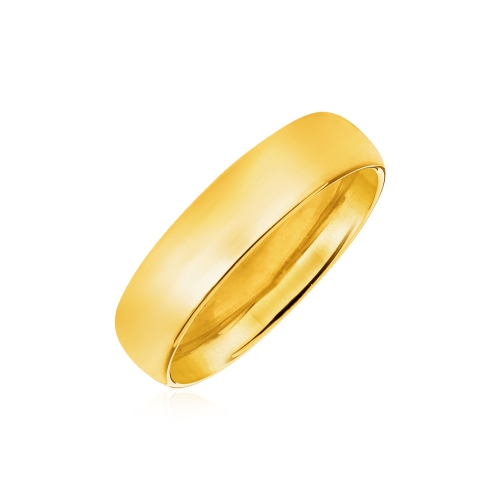 Your price for this item is $486.49
-
 Your price for this item is $135.75
-
 Your price for this item is $969
Discover more categories related to White Gold Band Rings

Top Collections:
Pokemon Centers, Best Cameras for Sports Photography, Kindle Devices, Samsung Galaxy Phones, Canon G7X Cameras, Pokémon 30th Celebration Cards, Refurbished Apple Laptops, iPhone 15 Apple, Laptops for Students, Budget Smartphones
Some products may be subject to Environmental Handling Fees
(EHF) depending on your province.
Learn more about EHFs.