White Gold Diamond Wedding Bands for Women
White gold diamond wedding bands for women offer a stunning combination of elegance and timeless beauty, perfect for celebrating one of life’s most cherished moments. With their brilliant sparkle and sophisticated design, these rings effortlessly complement any engagement ring or can be worn alone for a refined statement. Discover a wide selection of white gold diamond wedding bands for women designed to suit every style, from classic to contemporary, making it easy to find the perfect symbol of your everlasting love.
Sort
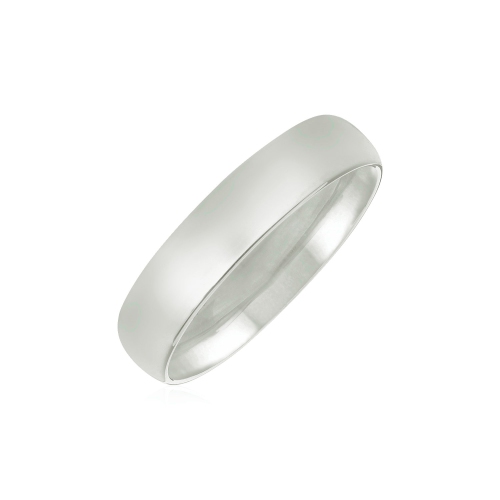
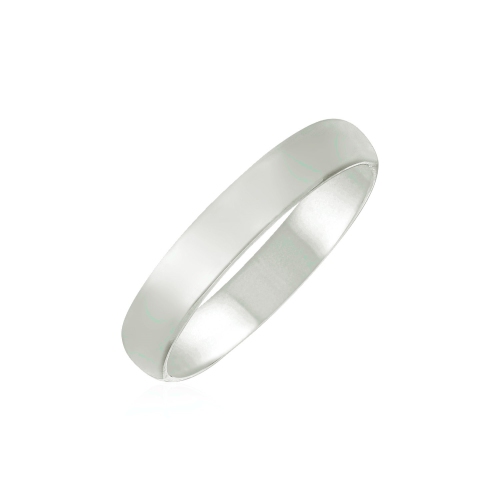
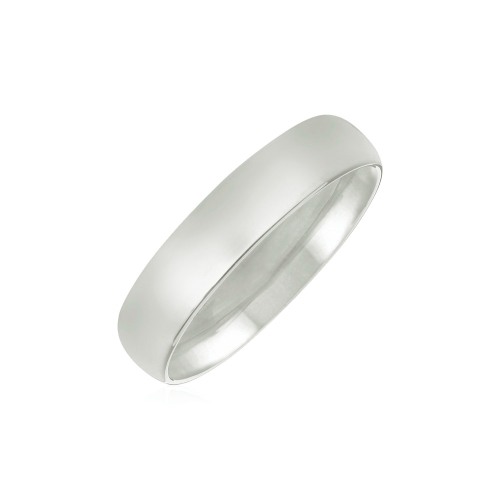
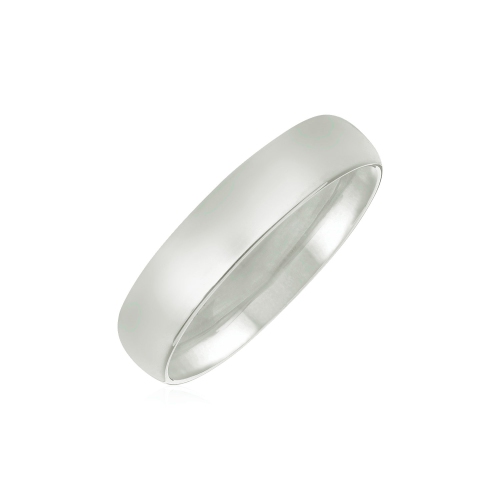
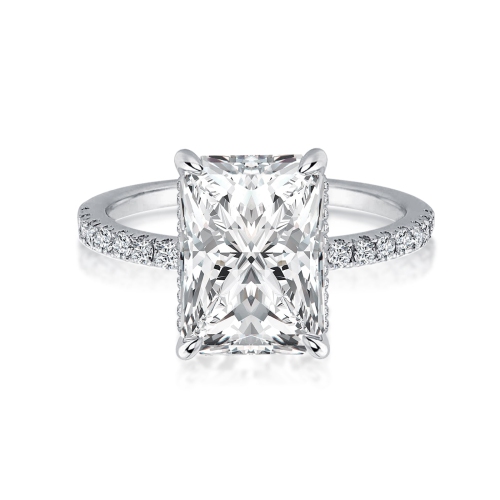
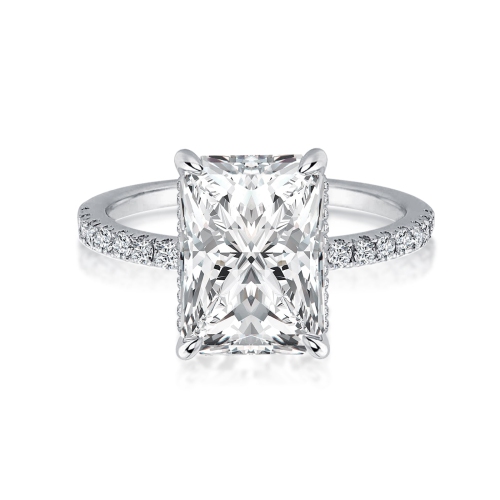
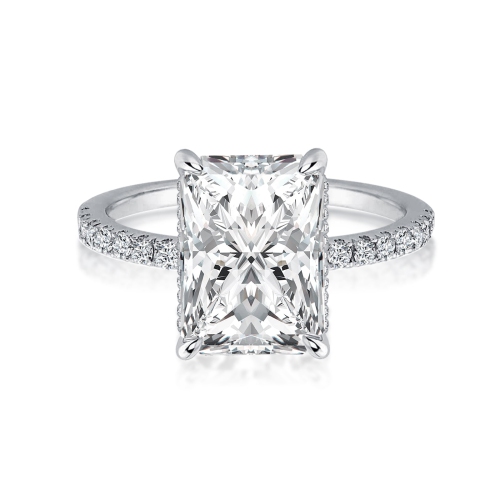
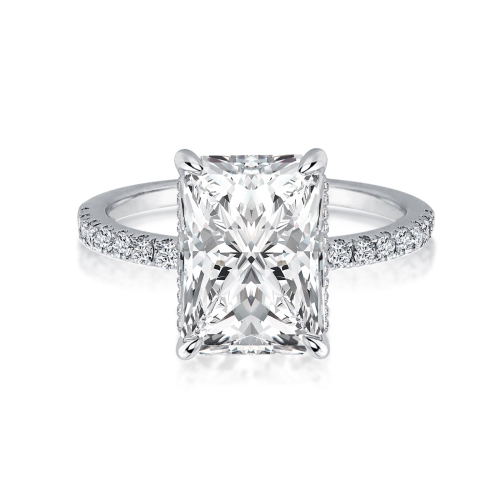
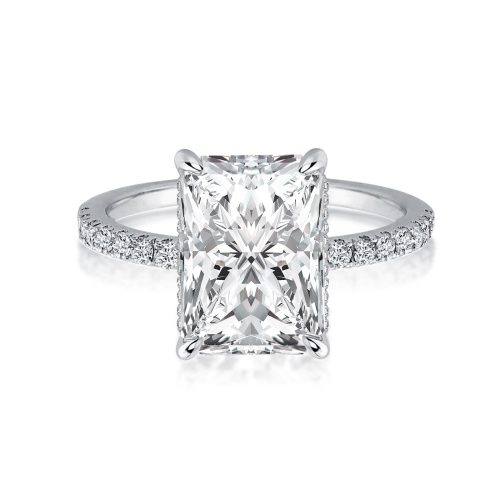
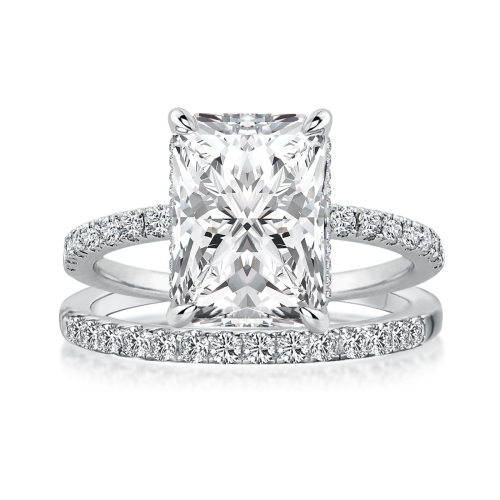
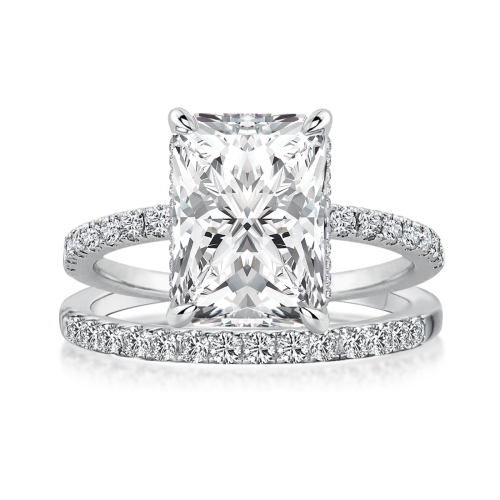
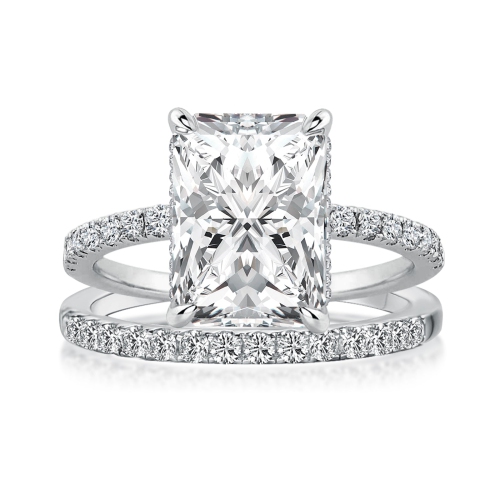
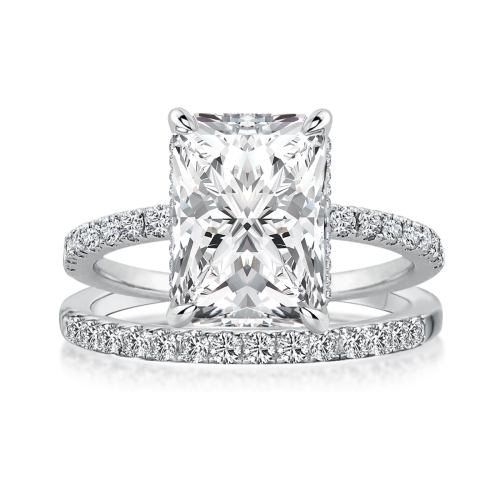
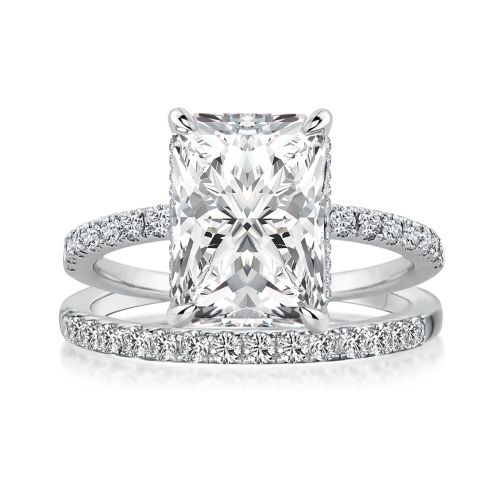
How diamond settings shape sparkle and everyday comfort
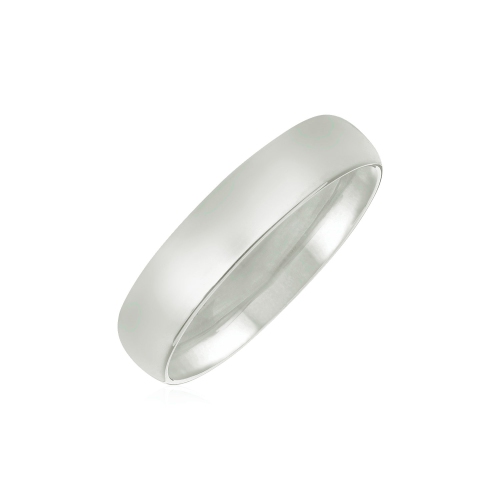
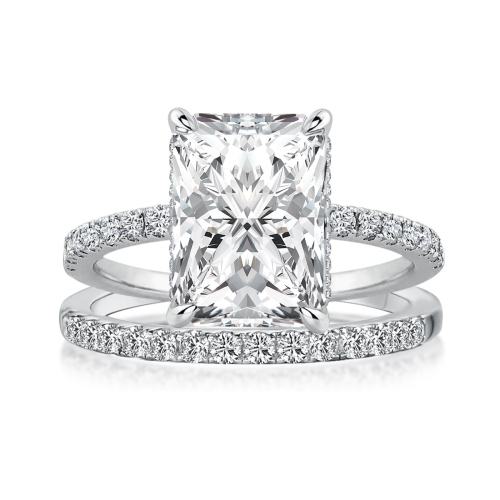
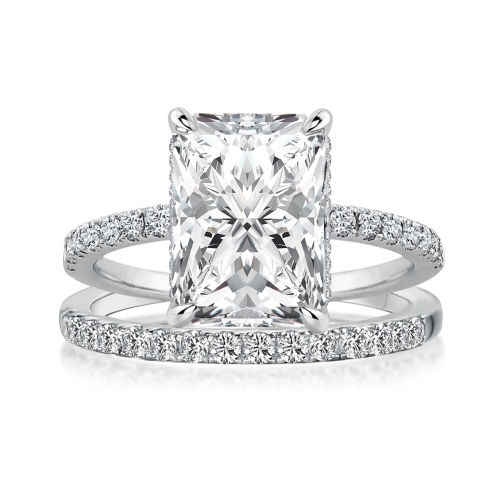
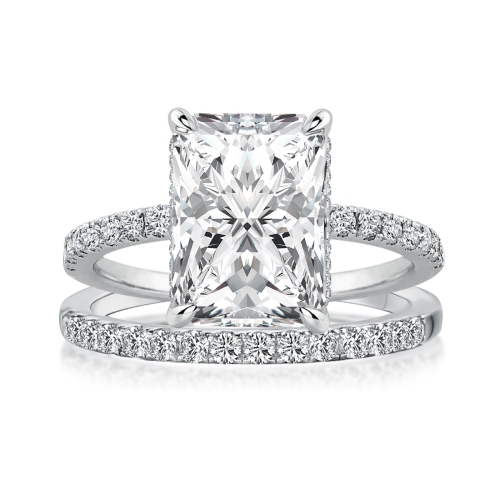
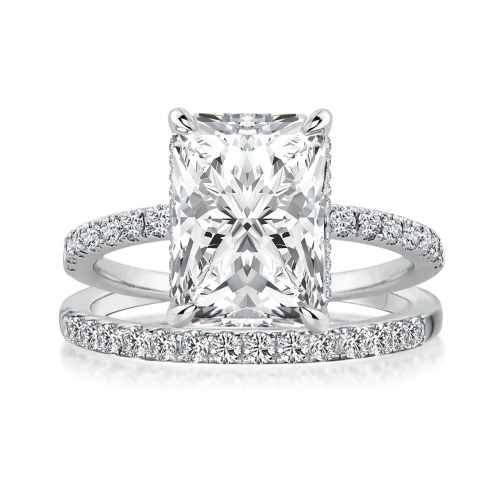
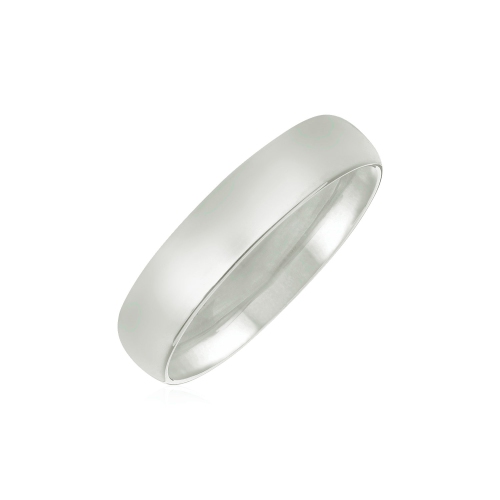
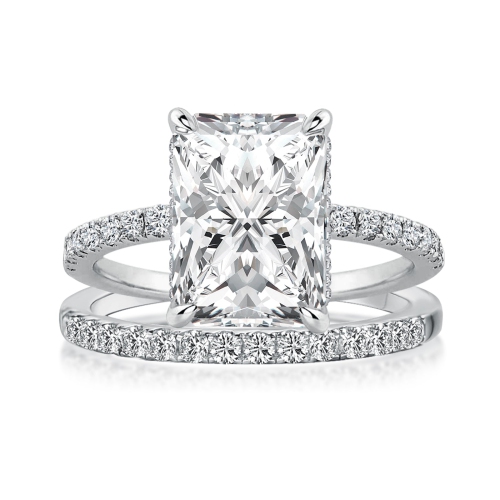
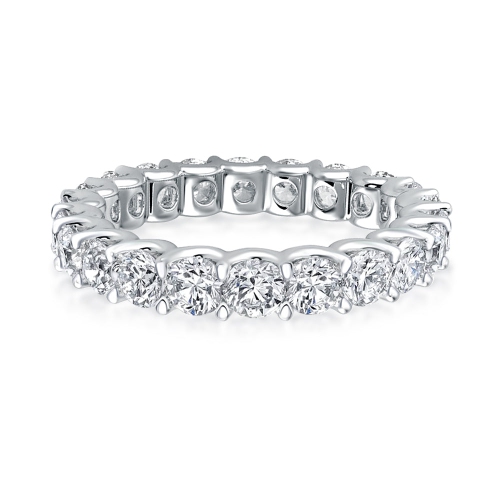
White gold diamond wedding bands for women pair the bright, silvery appearance of white gold with the sparkle of diamonds in designs made to mark a marriage and suit everyday wear. Their appeal ranges from a fine line of small stones to a wider band with a more pronounced presence on the hand. Common styles include half-eternity bands, with diamonds across the upper portion of the ring; full-eternity bands, with stones continuing around the entire circumference; and contoured bands shaped to sit beside an engagement ring. The setting affects both appearance and how the ring feels in daily use. Channel-set diamonds sit between two metal edges, creating a defined row with a relatively smooth outline. Pavé settings use small beads or prongs of metal to hold closely spaced diamonds, giving the surface a delicate, sparkling texture. Shared-prong designs place neighbouring stones close together with minimal metal between them, while bezel settings surround individual diamonds with a metal rim for a more outlined look. A half-eternity style leaves a plain section of gold beneath the finger, which can feel comfortable when gripping a steering wheel or carrying a bag. Full-eternity designs maintain their diamond detail when the ring turns, although stones on the underside face more contact with everyday surfaces. Neither arrangement is inherently the right choice for every wearer: the difference lies in the desired look, hand feel, and maintenance needs. A narrow band can add a discreet highlight beside an engagement ring, while a broader style may feel complete worn alone. These rings also have meaning beyond the wedding ceremony, making thoughtful anniversary gifts or symbols of a renewed commitment. For someone who prefers one ring rather than a bridal stack, a diamond wedding band offers a balance of ornament and simplicity, with the setting, width, and diamond coverage determining its overall character.
The materials behind that appearance deserve as much attention as the design. White gold is an alloy made by combining gold with other metals to achieve a paler colour and greater strength than pure gold. Common jewellery purities include 10K, 14K, and 18K, with the karat number indicating the proportion of gold rather than the quality of the diamonds. Higher gold content does not automatically make a wedding band better suited to everyday wear; hardness, scratch resistance, and comfort also depend on the alloy, construction, and setting. Many white gold rings have a rhodium finish that creates a bright white surface. As that finish wears, a slightly warmer underlying tone may appear, particularly on areas that rub against the hand or other objects. Periodic replating can restore the finish, though the interval varies with wear and the ring itself. Anyone with a known metal sensitivity should check the alloy details, since some white gold contains nickel, and a surface coating is not a permanent barrier. Diamond descriptions call for a separate distinction: total carat weight refers to the combined weight of all diamonds in a band, not the size of each stone. Two bands with the same total carat weight can look quite different if one uses numerous tiny diamonds and the other uses fewer, larger stones. Cut quality influences how diamonds handle light, while colour and clarity describe other aspects of their appearance. Consistency among neighbouring stones helps a row of diamonds look balanced. Natural and laboratory-grown diamonds share essentially the same chemical composition and physical properties, but their origins differ; the description should identify which is used. When coordinating a wedding band with an existing ring, the broader styles represented by Women's White Gold Diamond Rings provide context for stone shapes, proportions, and setting details. A close visual match can create a unified pair, while a restrained contrast in diamond shape or band width can give each ring a distinct role.
Fit is particularly important for a wedding band expected to stay on through ordinary routines. A ring should pass over the knuckle with some resistance and rest securely at the base of the finger without pinching. Wider bands often feel tighter than narrow ones in the same stated size, and wearing several rings together increases the total width against the finger. A professional measurement using a similar band width is helpful, especially when choosing a full-eternity design, which can be difficult or impossible to resize depending on its construction. For a gift or surprise anniversary band, confirming the intended finger and having a reliable size measurement matters more than borrowing the size of a ring worn on another finger. The inside profile also affects comfort: gently rounded inner edges may feel smoother, while the height and edges of the setting influence contact with neighbouring fingers. When pairing rings, consider their side profiles as well as their appearance from above. A low-set engagement ring may leave a gap beside a straight wedding band, whereas a curved or notched band may sit closer. Settings should not press against exposed diamonds or rub persistently against delicate prongs. Day-to-day care helps preserve both the finish and the security of the stones. Diamonds resist scratching, but they can chip under a sharp impact, and gold settings can bend or wear. Removing a band before weight training, lifting heavy objects, or using abrasive cleaning products reduces avoidable strain. Store it separately from other jewellery so diamonds cannot scratch adjacent pieces. For many untreated diamond and white gold rings, gentle cleaning with mild soap, lukewarm water, and a soft brush removes lotion and residue; follow any care instructions specific to the ring. Rinse carefully over a bowl rather than an open drain and dry with a soft, lint-free cloth. Professional checks can identify worn prongs or loose stones, and a ring that begins catching on fabric deserves inspection before further wear. With a comfortable fit and suitable care, the band can retain its place as a personal, wearable reminder of the commitment it represents.
The materials behind that appearance deserve as much attention as the design. White gold is an alloy made by combining gold with other metals to achieve a paler colour and greater strength than pure gold. Common jewellery purities include 10K, 14K, and 18K, with the karat number indicating the proportion of gold rather than the quality of the diamonds. Higher gold content does not automatically make a wedding band better suited to everyday wear; hardness, scratch resistance, and comfort also depend on the alloy, construction, and setting. Many white gold rings have a rhodium finish that creates a bright white surface. As that finish wears, a slightly warmer underlying tone may appear, particularly on areas that rub against the hand or other objects. Periodic replating can restore the finish, though the interval varies with wear and the ring itself. Anyone with a known metal sensitivity should check the alloy details, since some white gold contains nickel, and a surface coating is not a permanent barrier. Diamond descriptions call for a separate distinction: total carat weight refers to the combined weight of all diamonds in a band, not the size of each stone. Two bands with the same total carat weight can look quite different if one uses numerous tiny diamonds and the other uses fewer, larger stones. Cut quality influences how diamonds handle light, while colour and clarity describe other aspects of their appearance. Consistency among neighbouring stones helps a row of diamonds look balanced. Natural and laboratory-grown diamonds share essentially the same chemical composition and physical properties, but their origins differ; the description should identify which is used. When coordinating a wedding band with an existing ring, the broader styles represented by Women's White Gold Diamond Rings provide context for stone shapes, proportions, and setting details. A close visual match can create a unified pair, while a restrained contrast in diamond shape or band width can give each ring a distinct role.
Fit is particularly important for a wedding band expected to stay on through ordinary routines. A ring should pass over the knuckle with some resistance and rest securely at the base of the finger without pinching. Wider bands often feel tighter than narrow ones in the same stated size, and wearing several rings together increases the total width against the finger. A professional measurement using a similar band width is helpful, especially when choosing a full-eternity design, which can be difficult or impossible to resize depending on its construction. For a gift or surprise anniversary band, confirming the intended finger and having a reliable size measurement matters more than borrowing the size of a ring worn on another finger. The inside profile also affects comfort: gently rounded inner edges may feel smoother, while the height and edges of the setting influence contact with neighbouring fingers. When pairing rings, consider their side profiles as well as their appearance from above. A low-set engagement ring may leave a gap beside a straight wedding band, whereas a curved or notched band may sit closer. Settings should not press against exposed diamonds or rub persistently against delicate prongs. Day-to-day care helps preserve both the finish and the security of the stones. Diamonds resist scratching, but they can chip under a sharp impact, and gold settings can bend or wear. Removing a band before weight training, lifting heavy objects, or using abrasive cleaning products reduces avoidable strain. Store it separately from other jewellery so diamonds cannot scratch adjacent pieces. For many untreated diamond and white gold rings, gentle cleaning with mild soap, lukewarm water, and a soft brush removes lotion and residue; follow any care instructions specific to the ring. Rinse carefully over a bowl rather than an open drain and dry with a soft, lint-free cloth. Professional checks can identify worn prongs or loose stones, and a ring that begins catching on fabric deserves inspection before further wear. With a comfortable fit and suitable care, the band can retain its place as a personal, wearable reminder of the commitment it represents.
Top selling and popular products
-
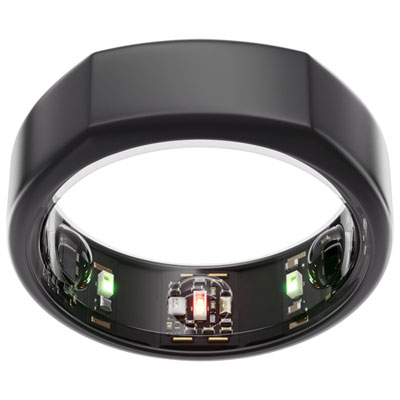 Your price for this item is $369.99
 -
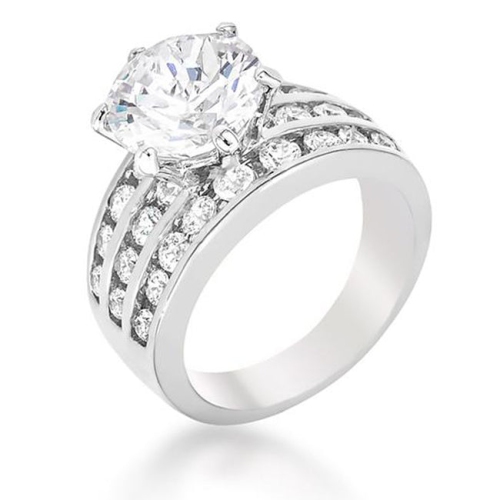 Your price for this item is $151.05
 -
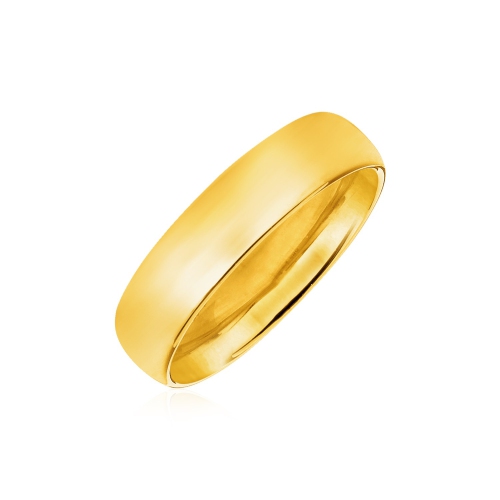 Your price for this item is $486.49
 -
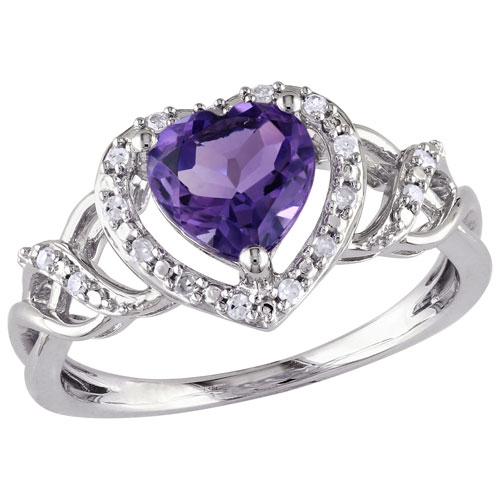 Your price for this item is $95
 -
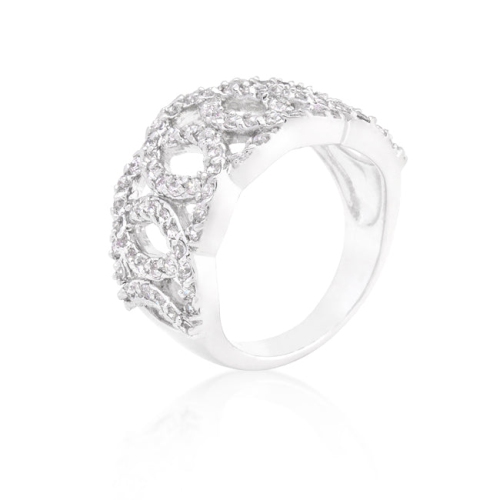 Your price for this item is $145.95
 -
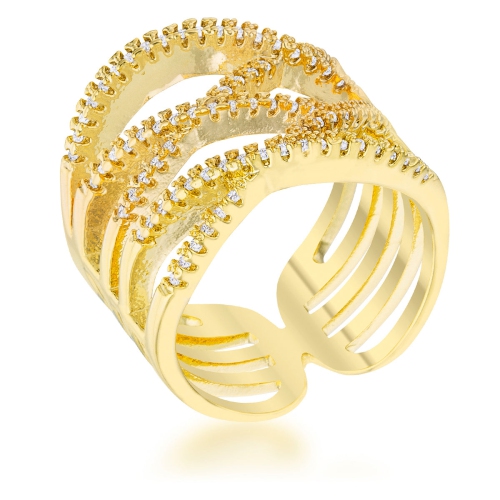 Your price for this item is $158.7
 -
 Your price for this item is $801.45
 -
 Your price for this item is $139.99
Discover more categories related to White Gold Diamond Wedding Bands for Women
Top Collections:
Pokemon Centers, Budget 4K TVs, Kindle Devices, Canon G7X Cameras, Apple iPhones 16, iPhone 15 Apple, Laptops for Business Work, Flip Phones, Xiaomi Phones, Refurbished Apple Laptops
Some products may be subject to Environmental Handling Fees
(EHF) depending on your province.
Learn more about EHFs.