Winter Gloves
If you live in a place that gets cold in the winter, you know that the right gear can make all the difference. From mittens to heated gear, here are some of the best winter gloves on the market today.
Sort
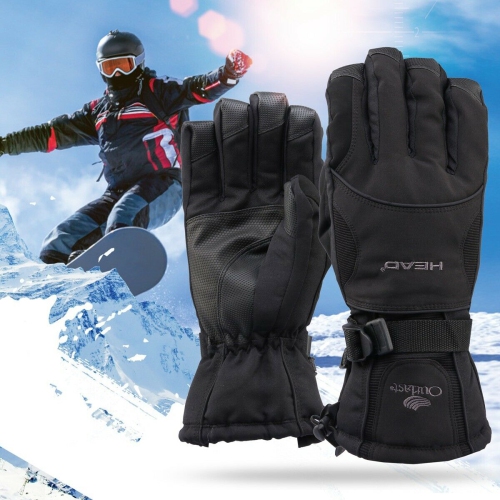

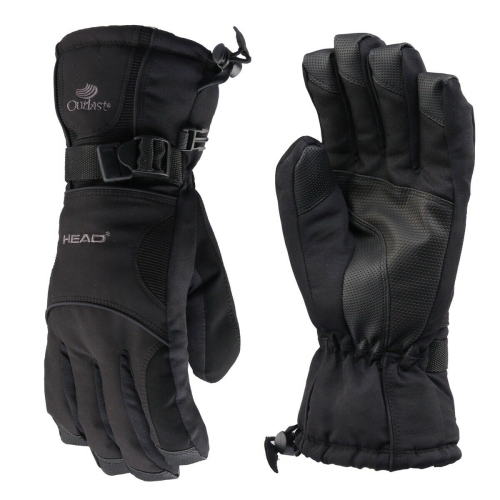
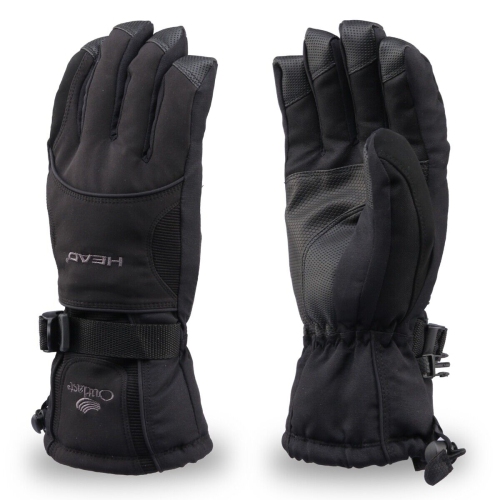
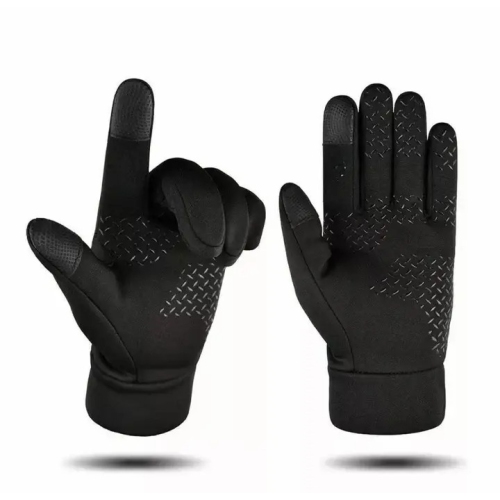
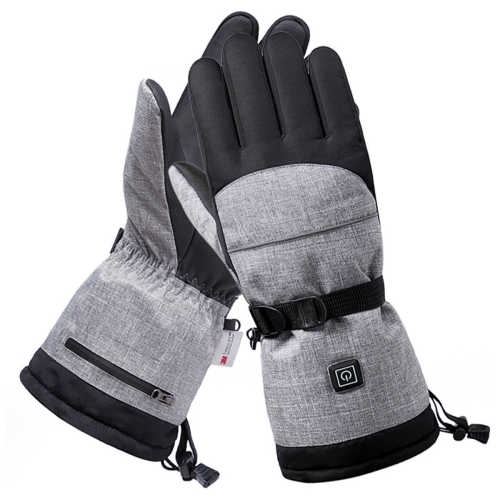

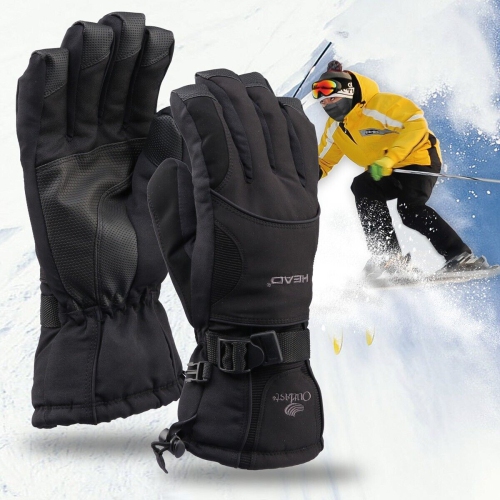


Warm hands depend on more than thick insulation
Winter gloves help keep hands warm while preserving the movement needed to hold a coffee cup, fasten a jacket, or grip a ski pole. Their suitability depends on the balance of insulation, weather protection, and dexterity rather than thickness alone. A lightly insulated pair can be comfortable for a brisk walk to the bus stop, while longer periods of standing outdoors generally call for more insulation and better protection from wind. Activity level matters because hands can become damp inside heavy gloves during snowshoeing or an energetic walk, then feel cold when movement slows. Breathable materials and moisture-managing linings help make that balance more comfortable. Wool offers warmth and can retain some insulating ability when damp, while fleece feels soft against the skin and dries relatively quickly. Synthetic insulation traps warmth without necessarily adding substantial weight, although its performance depends on the construction and amount used. Down provides warmth with little weight but needs effective protection from moisture to maintain its loft. The outer material has a separate role: tightly woven fabrics can reduce wind penetration, and a waterproof construction can help keep melting snow from reaching the lining. Water-resistant fabric is useful for brief contact with light snow but should not be assumed to provide the same protection as a waterproof glove. For everyday errands and short outings, winter knitted gloves offer a flexible feel that works well with casual clothing. An open knit alone, however, offers limited resistance to wind and wet snow unless it includes an additional lining or protective layer. Leather can provide a supple grip and stand up well to regular handling when properly cared for, though its resistance to moisture varies with the leather, treatment, and overall construction. These differences help explain why a comfortable commuting glove may feel quite different from one intended for skiing, shovelling, or spending extended time beside an outdoor rink.
Fit makes a noticeable difference to both warmth and control. Winter gloves should allow the fingers to bend naturally without pulling tightly across the knuckles or pressing against the fingertips. A little space around the fingers helps preserve insulating air, but too much loose material makes it harder to handle keys, adjust a zipper, or hold a phone securely. Gloves that fit too tightly can compress their insulation and restrict circulation, leaving hands less comfortable despite substantial padding. Finger length, palm width, and cuff shape all matter; a size label alone does not capture every difference in hand shape. A gently curved finger construction can reduce bunching when gripping handlebars or poles, while articulated panels may make a more heavily insulated glove easier to move in. Palm reinforcement is especially useful where repeated contact creates wear, such as carrying bags, using a shovel, or holding equipment. Textured palms and fingertips can improve grip, although performance still varies with the surface and whether it is wet or icy. Touchscreen-compatible fingertips offer a convenient way to check directions or answer a message without removing a glove, but sensitivity depends on the glove’s fit, its conductive material, and the device or screen protector. This feature does not necessarily provide the precision needed for typing a long message or operating small controls. Cuffs also influence comfort: a low-profile cuff can sit neatly beneath a coat sleeve, while a longer gauntlet can extend over the sleeve to help block drifting snow. Adjustable closures help secure that overlap without needing to be uncomfortably tight. Thin liners can add flexibility to a layered setup, provided the outer gloves have enough room to accommodate them without compressing the fingers. For children, cuffs that are easy to manage and closures that stay secure can make dressing for outdoor play less frustrating. A glove that a child can put on independently may be more practical for school routines than a complicated design, particularly when jacket sleeves and small fingers are already competing for space.
Everyday use puts winter gloves through repeated bending, rubbing, and contact with moisture, so construction and care have a direct effect on how long they remain comfortable. Even stitching, firmly attached closures, and reinforcement at high-contact areas can help a glove withstand frequent wear. Seams around the thumb and fingertips deserve attention because those areas flex whenever the hand grips or pinches. A lining that stays in place when the glove is removed is also useful, especially after hands become slightly damp. Cleaning requirements vary considerably between knit fabrics, technical shells, insulated designs, and leather, making the care label the right reference for washing and drying. Some fabric gloves tolerate a gentle machine wash, while others need handwashing or spot cleaning. Leather generally requires care suited to its finish, and washing it like a fabric glove can cause stiffness or damage. Strong heat from a radiator, fireplace, or dryer can also harm certain materials, adhesives, and waterproof components. Allowing gloves to dry thoroughly in a well-ventilated space helps prevent lingering dampness; removable liners, where included, can be dried separately according to their care instructions. Insulation should be fully dry before gloves are put away for an extended period. Intended use remains important even with careful maintenance. Walking the dog, waiting for transit, clearing a snowy path, and skiing expose hands to different combinations of movement, wind, and moisture. General winter gloves should not be treated as substitutes for task-specific protective equipment when work involves sharp edges, machinery, or other hazards. As gifts, they suit commuters, students, outdoor enthusiasts, and people who spend time watching winter sports, especially when the recipient’s hand size and usual activities are known. Someone who frequently uses a phone may appreciate touchscreen access, while a person who handles cold equipment may place greater value on grip and reinforcement. Matching those everyday habits with a comfortable fit makes winter gloves more useful than choosing by appearance or bulk alone.
Top selling and popular products
-
 Your price for this item is $49.99
-
 Your price for this item is $49.99
-
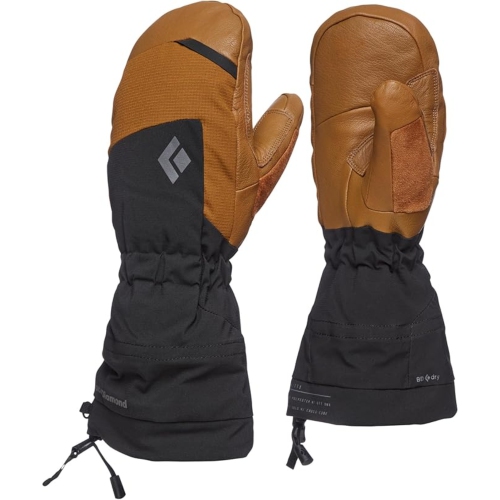 Your price for this item is $189.05
-
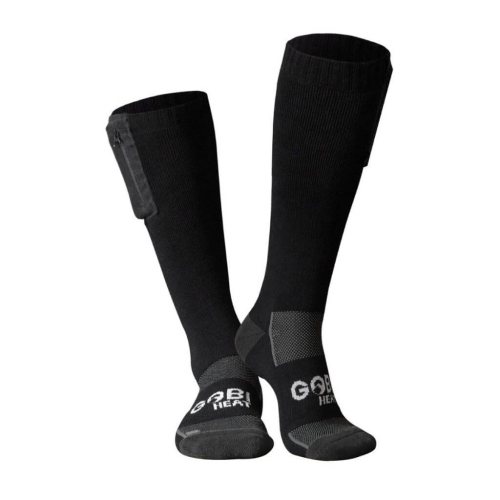 Your price for this item is $165
-
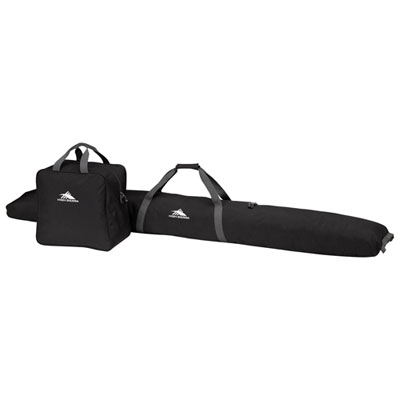 Your price for this item is $59.99
-
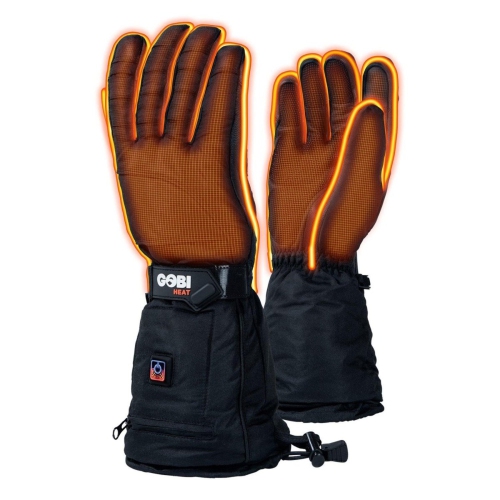 Your price for this item is $280
-
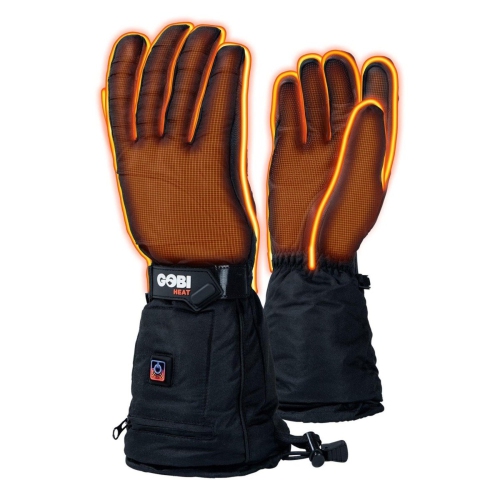 Your price for this item is $280
-
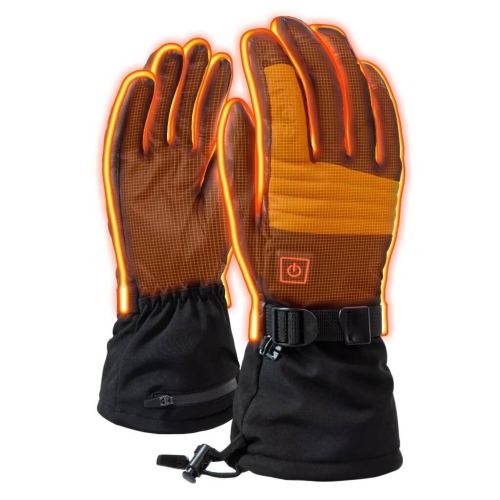 Your price for this item is $310
Discover more categories related to Winter Gloves
Top Collections:
Pokemon Centers, Best Cameras for Sports Photography, Kindle Devices, Samsung Galaxy Phones, Canon G7X Cameras, Pokémon 30th Celebration Cards, Refurbished Apple Laptops, iPhone 15 Apple, Laptops for Students, Budget Smartphones
Some products may be subject to Environmental Handling Fees
(EHF) depending on your province.
Learn more about EHFs.