Yellow Gold Chains
Elevate your style with the timeless elegance of yellow gold chains. These classic pieces are a versatile addition to any jewelry collection, offering a warm glow that complements both casual and formal attire. Whether you're looking for a subtle accent or a bold statement piece, yellow gold chains provide endless options to express your personal style. Discover the perfect chain to enhance your look, crafted with precision and designed to last. From delicate links to intricate patterns, explore a range of styles that capture the beauty and sophistication of yellow gold.
Sort










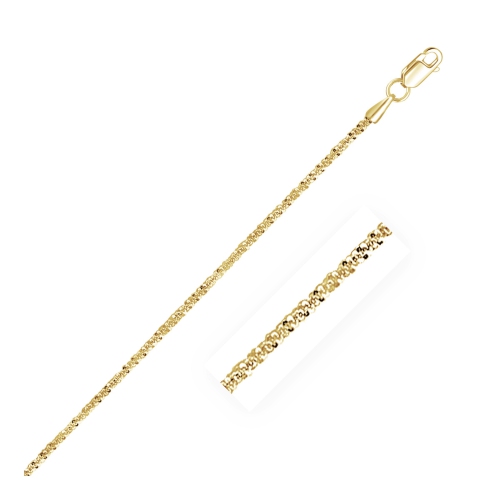


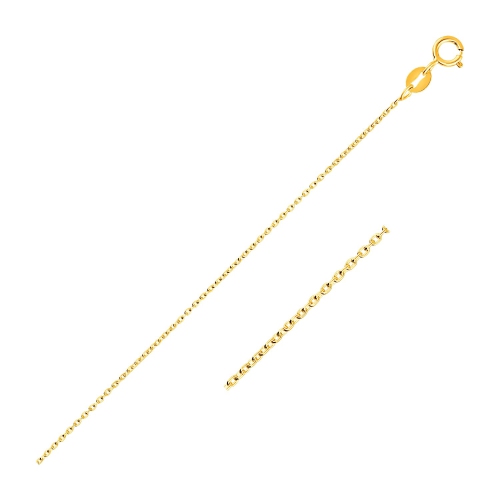
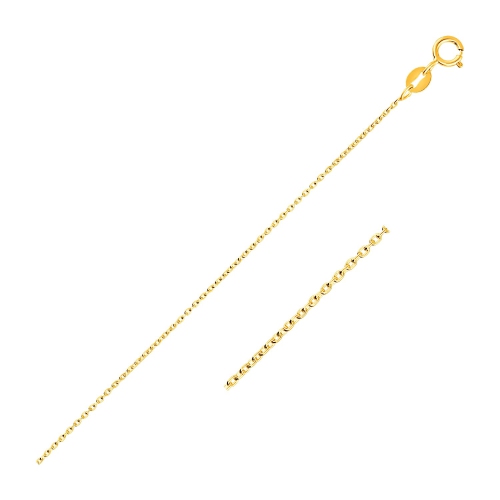


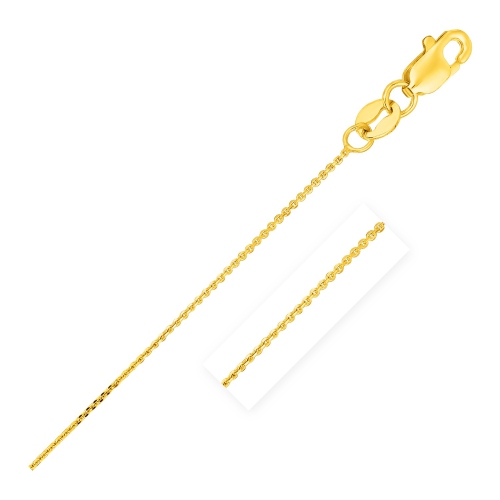


















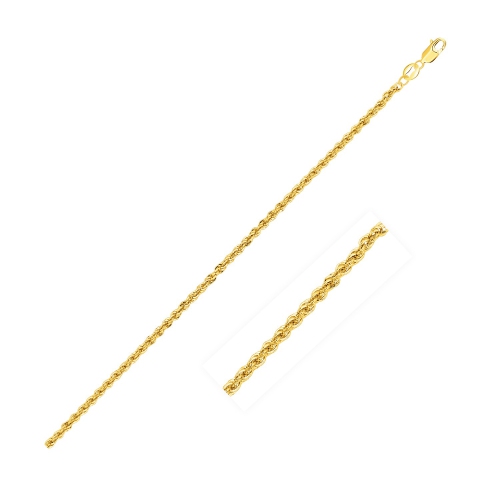


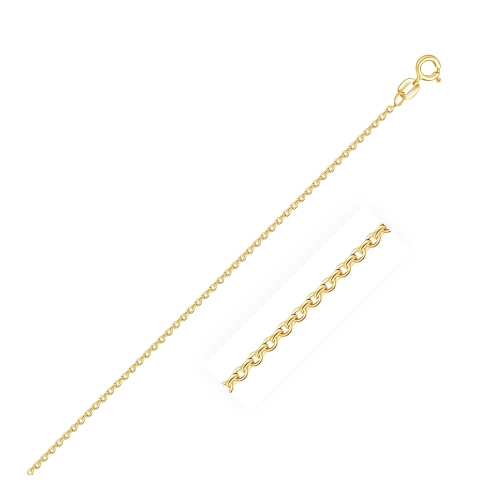

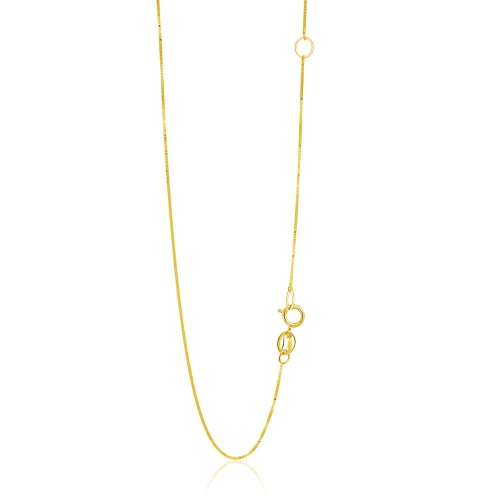
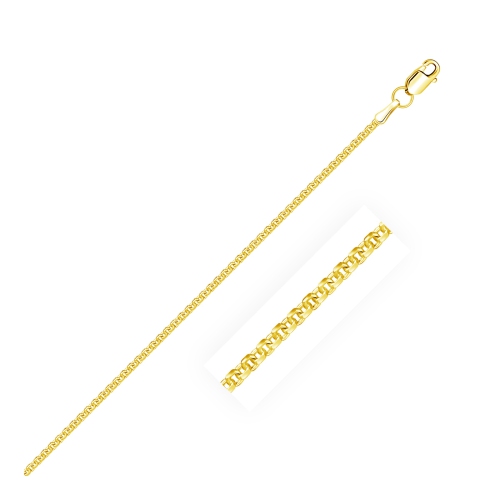


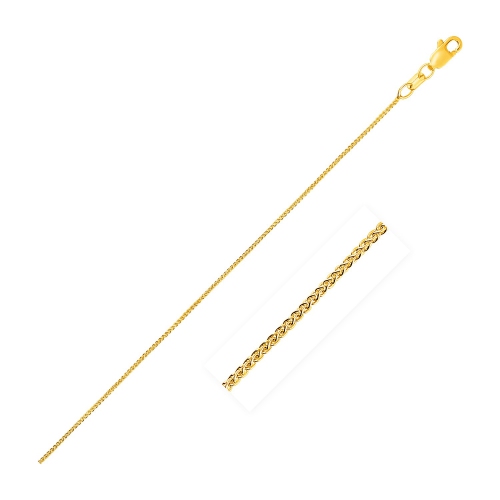


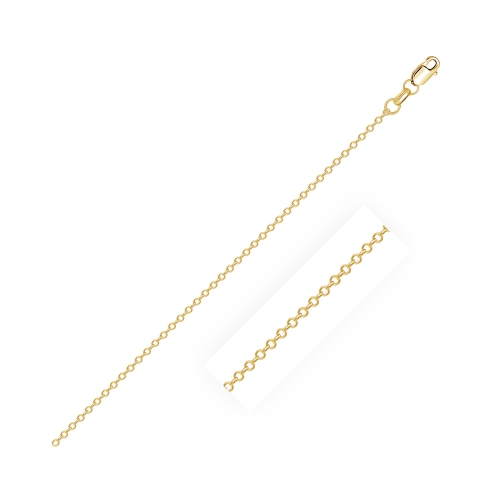
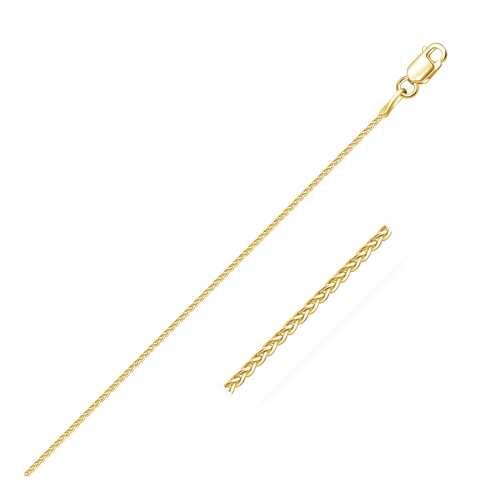


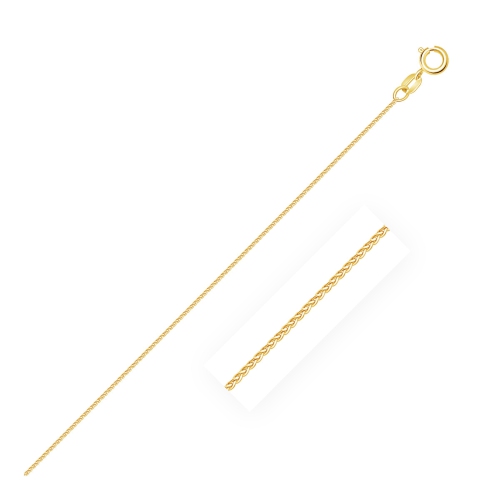






How link patterns shape a chain’s look and feel
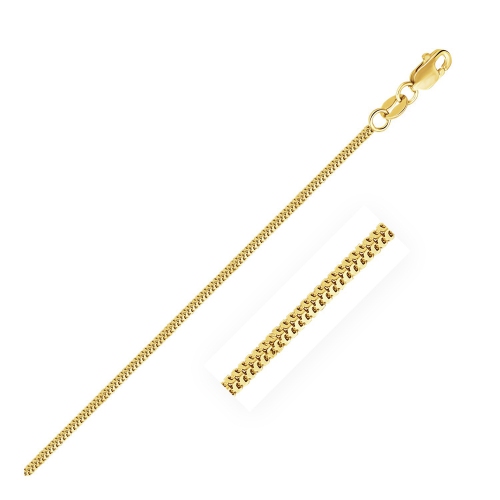
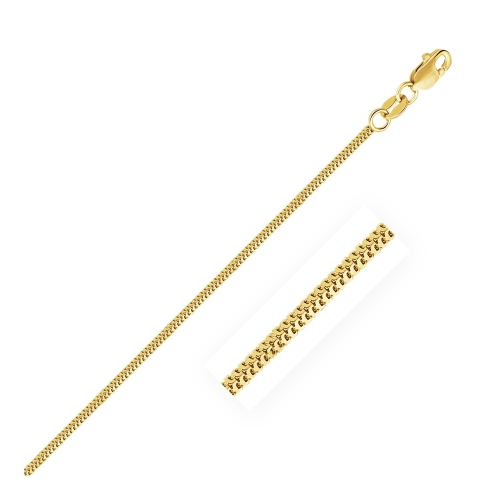
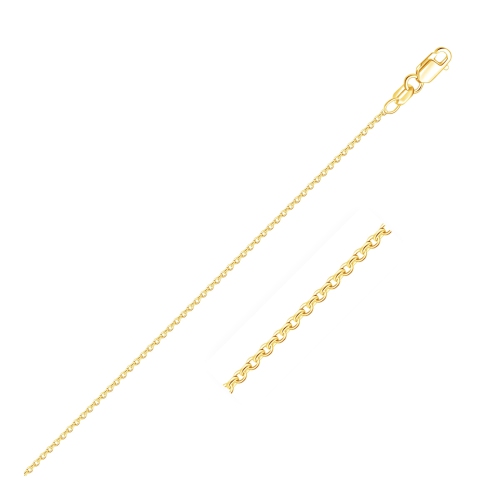
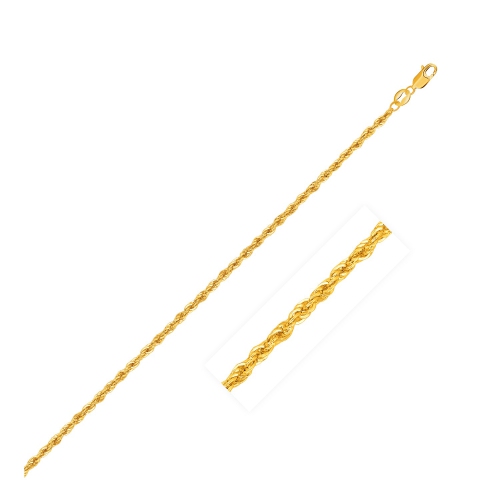
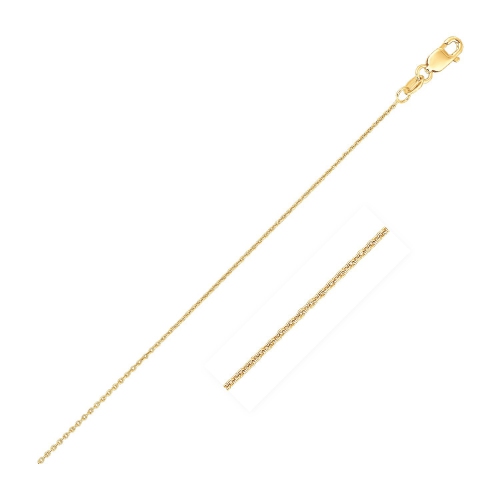
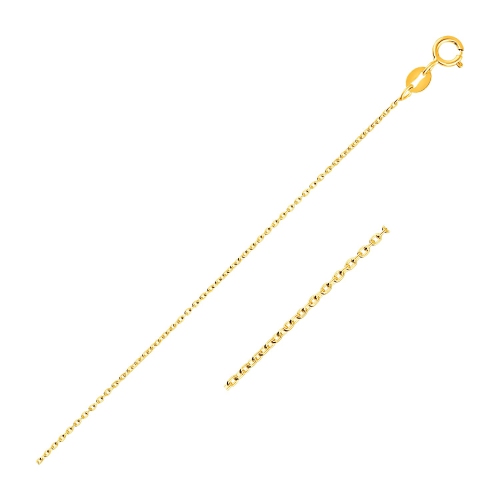
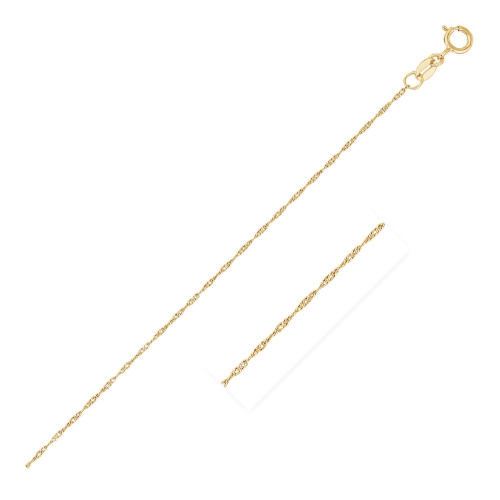
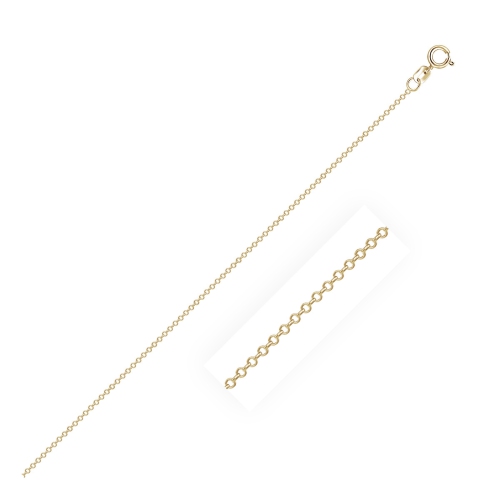
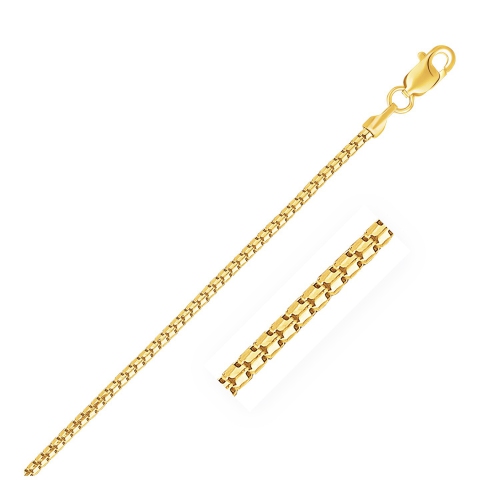
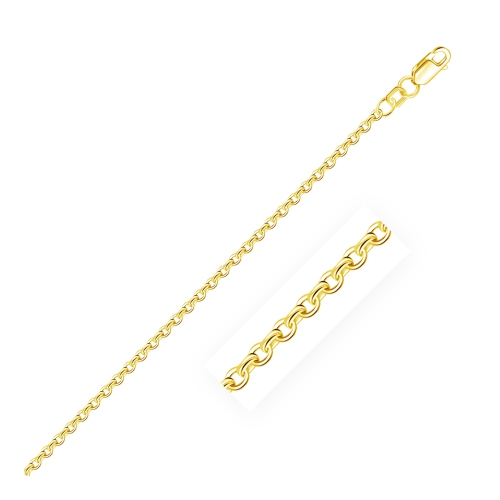
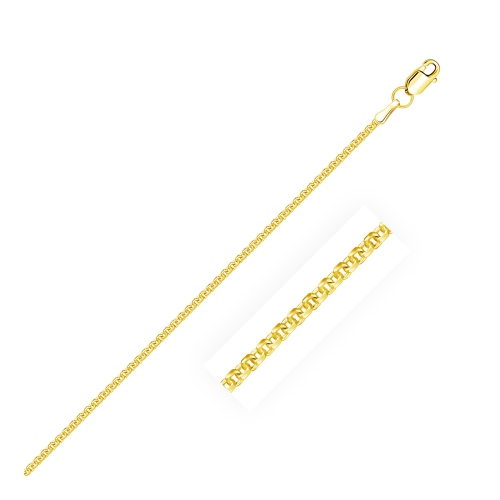
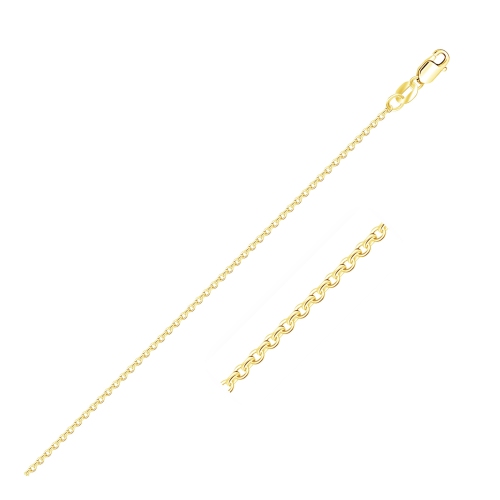
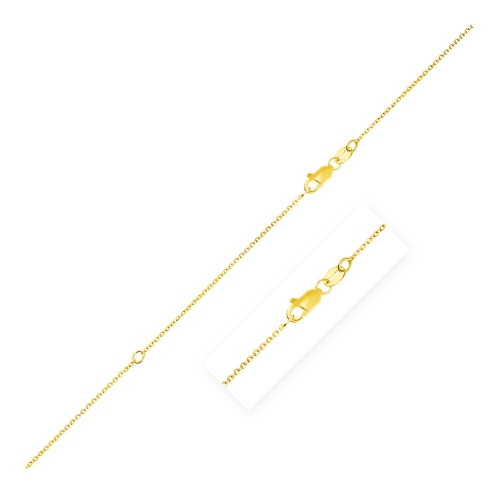
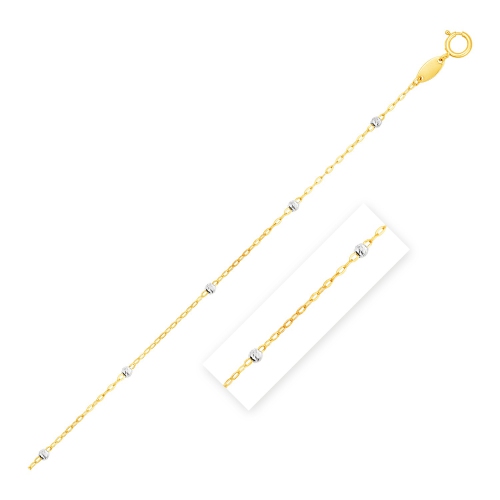
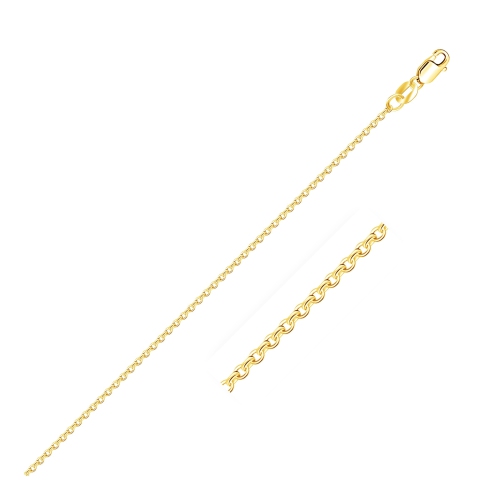
Yellow gold chains are necklaces made with gold or a gold surface finish, distinguished by their warm yellow colour and connected-link construction. Their appearance depends on the link pattern, width, length, and metal composition: a fine cable chain creates a subtle line at the collarbone, while a broad curb chain makes the links themselves the focal point. Curb chains have interlocking links shaped to lie relatively flat, giving them a smooth profile against a shirt or bare skin. Figaro chains alternate shorter links with an elongated link, creating a repeating pattern that adds interest without needing a pendant. Rope chains use closely arranged links to form a twisting, rope-like texture, with many small surfaces that catch the light as the wearer moves. Box chains feature squared links for a more geometric look, while cable chains have a straightforward sequence of oval or round links that works with many pendant styles. These differences affect both the visual weight and the way a chain feels. A polished, flat-link design can look crisp beside an open shirt collar; a textured rope chain brings more movement and sparkle to a simple crew-neck top. Yellow gold also pairs easily with a range of jewellery, from understated studs to a substantial watch, without requiring every piece to have the same finish or proportions. Chains can be worn by anyone, with personal style and fit offering more useful direction than gender labels alone. Some wearers prefer a single piece that becomes part of their everyday wardrobe, while others combine several lengths or add a meaningful charm. For a broader view of pendant-led designs and other necklace shapes, Yellow Gold Necklaces offers a related category to explore. A chain worn on its own keeps the emphasis on the gold tone and craftsmanship of the links, making even a relatively simple design visually distinctive.
Gold purity and construction help explain how yellow gold chains differ in feel, colour, and care requirements. Pure gold is naturally soft, so jewellery commonly combines it with other metals to improve hardness and make it better suited to regular wear. The karat marking describes the proportion of gold in that alloy: 10K contains approximately 41.7% gold, 14K contains approximately 58.3%, and 18K contains 75%. Higher gold content often produces a richer yellow appearance, although the precise colour also depends on the other metals in the alloy. Lower-karat gold is generally harder than higher-karat gold, but a chain’s durability cannot be judged by purity alone. Link thickness, joining quality, construction, and how the jewellery is worn all matter. An especially fine chain can be delicate regardless of its karat marking. Gold alloy throughout the chain is different from gold plating, which places a thin gold layer over another metal. Gold-filled jewellery has a bonded gold layer over a base metal and is also distinct from gold alloy throughout. Surface layers can wear with friction, so the material description matters more than colour alone. Solid and hollow link construction introduces another distinction: hollow links can create a substantial-looking chain with less weight, but they may dent or crush more easily and can be more difficult to repair. The word “solid” should therefore be read carefully in context, since gold content and whether a link has a hollow interior are separate questions. Metal sensitivities are another consideration. Yellow colour does not establish that a chain is suitable for sensitive skin; the full alloy, base metal, and clasp components may be relevant. For a piece intended to hold a pendant, the chain must also be appropriate for the pendant’s weight. The pendant’s bail needs enough clearance to pass over the chain’s end fitting and move freely without scraping or catching on the links.
Length and width determine where a yellow gold chain sits and how prominent it looks, but the same length can fit differently from person to person. An 18-inch chain may rest near the collarbone on one wearer and sit higher on another, depending on neck size and body proportions. A 20-inch or 22-inch chain generally falls lower, providing more space below the neckline, though measuring is more reliable than assuming a standard position. Comparing the intended length with a necklace that already fits comfortably can help, especially when choosing a gift. Width is usually measured in millimetres, and even a small change can make the difference between a delicate accent and a more substantial piece. For layering, distinct lengths give each chain room to show, while different textures add contrast; wearing several fine chains at nearly identical lengths can encourage tangling. Clasp size and operation deserve attention as well. A fastening that feels secure and is easy for the wearer to handle is more practical than one that proves frustrating each morning. Yellow gold chains can mark birthdays, graduations, anniversaries, or personal milestones, particularly when the style reflects jewellery the recipient already enjoys wearing. A chain chosen for daily use should suit everyday routines, including removal before exercise, swimming, or tasks that could snag the links. Even durable gold jewellery can stretch, scratch, or break under force. For many plain gold-alloy chains, gentle cleaning with lukewarm water, mild soap, and a soft brush helps lift residue from between links, followed by thorough rinsing and careful drying. Plated finishes, attached gemstones, and unusual constructions may need different treatment, so the maker’s care directions take precedence. Storing each chain separately, with its clasp fastened, helps limit knots and contact scratches. Occasional checks for thinning links, rough edges, and clasps that no longer close firmly can reveal wear before a chain is lost. With a comfortable fit and care suited to its construction, a yellow gold chain can become a familiar finishing touch rather than a piece reserved only for special occasions.
Top selling and popular products
-
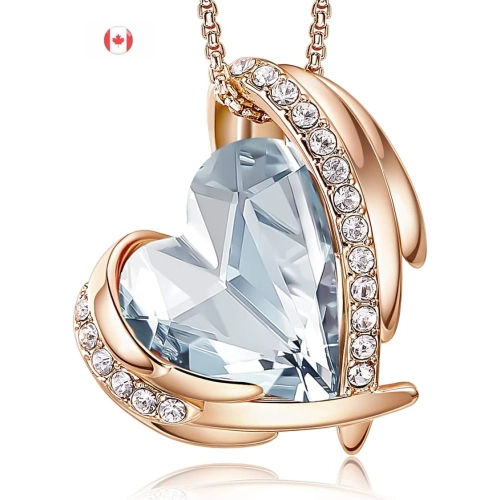 Your price for this item is $59.99
-
 Your price for this item is $1399.05
-
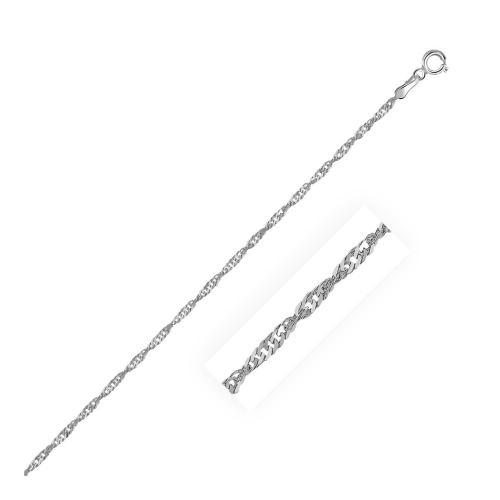 Your price for this item is $1967.36
-
 Your price for this item is $427.88
-
 Your price for this item is $1792.5
-
 Your price for this item is $1149.56
-
 Your price for this item is $344.55
-
 Your price for this item is $1201.24
Discover more categories related to Yellow Gold Chains

Top Collections:
Pokemon Centers, Best Cameras for Sports Photography, Kindle Devices, Samsung Galaxy Phones, Canon G7X Cameras, Pokémon 30th Celebration Cards, Refurbished Apple Laptops, iPhone 15 Apple, Laptops for Students, Budget Smartphones
Some products may be subject to Environmental Handling Fees
(EHF) depending on your province.
Learn more about EHFs.