Fitness Trackers for Rowing
Enhance your rowing experience with a fitness tracker designed specifically for rowing enthusiasts. Whether you're an avid rower or just getting started, a fitness tracker for rowing can help you monitor your performance, track your progress, and stay motivated. These devices offer tailored insights to help you improve your technique and achieve your fitness goals. Explore our selection of fitness trackers that cater to the unique demands of rowing, ensuring you get the most out of every stroke.
Sort


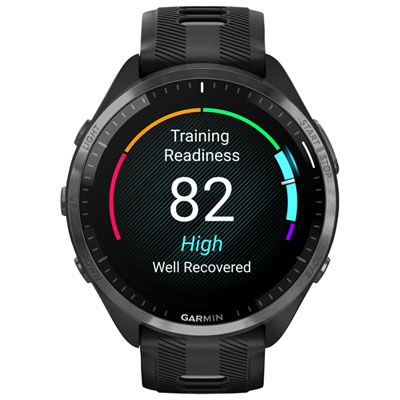
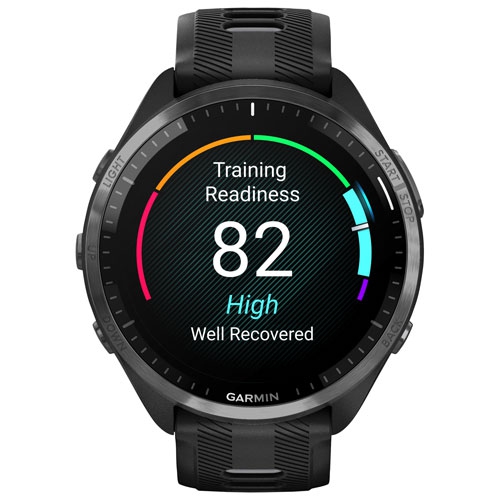
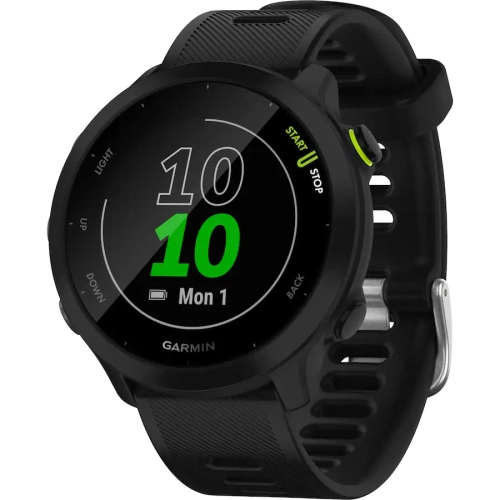
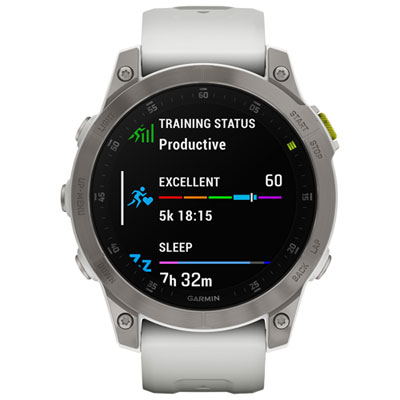


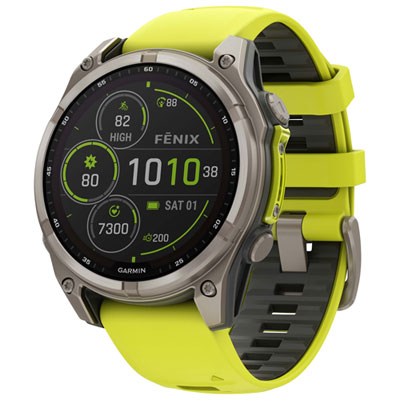
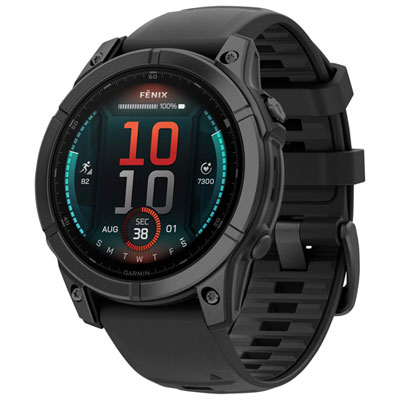


What your tracker can reveal about each rowing session
Fitness trackers for rowing bring workout timing, heart rate monitoring, and activity records together in a wearable that can follow a session from the first easy strokes to the final interval. The most useful choice depends on whether rowing takes place on an indoor machine, on the water, or alongside other activities such as walking and strength training. For occasional indoor sessions, a tracker with manual workout recording and continuous exercise heart rate monitoring may provide enough information to compare duration and effort over time. More detailed rowing analysis calls for a compatible wearable with a dedicated rowing profile, rather than a general activity mode that simply records elapsed time. Depending on the device and its supported connections, rowing features may include stroke count, stroke rate, distance, and pace. These measurements describe different aspects of a workout: stroke rate indicates strokes per minute, while rowing pace is commonly expressed as the time needed to cover 500 metres. A higher stroke rate does not automatically mean a faster pace, since technique and the force applied to each stroke also matter. Indoors, the rowing machine is usually the primary source for distance and pace; a wrist tracker cannot be assumed to reproduce those figures independently. Transferring machine data requires a supported connection or app integration, and a rowing workout profile alone does not guarantee that capability. On the water, built-in GPS can record a route and estimate distance and speed, while connected GPS relies on a paired phone. GPS does not measure distance travelled on a stationary rowing machine. For a rower alternating steady sessions with short, harder efforts, interval timers and clear lap controls can be more practical than a long list of advanced statistics. A readable workout screen also makes a difference: elapsed time, heart rate, and interval progress should be easy to distinguish during a brief glance between efforts. A tracker that presents the information a rower actually uses is often a better match than one whose extra features add complexity without supporting the session.
Fit is particularly important for rowing because the wrist repeatedly changes position while the hands maintain contact with the handle or oars. A compact case, smooth edges, and an adjustable band can help a fitness tracker sit comfortably without pressing into the back of the hand. Soft silicone bands are commonly used for exercise because they tolerate sweat and are straightforward to clean, although comfort depends on the band design and individual skin sensitivity. Woven bands can feel flexible and light, but may retain moisture longer and need additional drying time. Case materials also affect the experience: lightweight polymer can reduce bulk, while metal adds a different feel and may increase weight. Neither material alone determines overall durability, which also depends on construction, lens protection, and the intended use. For optical heart rate readings, the sensor generally needs steady contact with the skin, with the tracker worn snugly above the wrist bone according to its fitting instructions. Tightening a band excessively is not a reliable way to improve accuracy and can become uncomfortable during longer sessions. Rowing presents a particular challenge for wrist-based heart rate sensors because gripping, forearm tension, and wrist movement can interfere with readings. A delayed rise during a hard interval or an unexpected dip does not necessarily reflect a true change in effort. For training that depends on closely tracking heart rate zones, a compatible chest strap can provide more consistent exercise readings, but the wearable, strap, and any connected rowing machine must support the relevant connection. Bluetooth support by itself does not establish that every accessory will work with every tracker. Heart rate trends are useful for comparing similar sessions, while calorie estimates and other calculated scores are best treated as approximations rather than exact measurements. For someone returning to regular exercise, a comfortable tracker that reliably records session length may be more useful than detailed performance analysis. For an experienced rower following structured intervals, external sensor support and accessible workout controls may take priority.
Everyday usability helps determine whether a rowing tracker becomes part of a routine or spends most sessions in a gym bag. Physical buttons can make starting, pausing, or marking an interval easier when fingers are damp, while a touchscreen lock may prevent accidental inputs. Display size should be balanced against wrist comfort: larger figures can be easier to read, but a bulky case may feel intrusive during repeated strokes. Battery expectations should reflect the features used during exercise, since GPS, an always-on display, and continuous sensor use can shorten the time between charges. Someone recording several workouts between charging opportunities may value longer exercise battery life, while a short daily session may fit comfortably around a regular charging routine. Water resistance matters for sweat and incidental splashes, but the stated rating and manufacturer’s instructions determine which activities are appropriate; a water-resistant tracker should not automatically be treated as suitable for swimming or immersion. After rowing, cleaning the band and case as directed, drying them thoroughly, and allowing the skin beneath the band to dry can help maintain comfort. Charging contacts should be clean and dry before connection, and abrasive cleaners can damage finishes or seals. A replaceable band can also make it easier to maintain a comfortable fit as the original band wears. Beyond the workout itself, phone compatibility and app features affect how useful the recorded information becomes. A clear training history can help distinguish a longer steady row from a shorter interval session, particularly when the app allows notes about resistance settings or how the effort felt. Supported data sharing may bring rowing and other exercise into one record, although duplicate workouts can appear when several apps sync the same session. Rowers who also want to follow daily walking activity may find Step Trackers With Heart Rate Monitoring for Fitness Tracking relevant to their broader routine, but step totals are not a measure of rowing performance. As a gift for a recreational rower or fitness enthusiast, a tracker is most useful when its wrist fit, phone compatibility, and workout features match the recipient’s habits. The lasting value lies in making sessions easier to record and compare, without getting in the way of the stroke.
Top selling and popular products
-
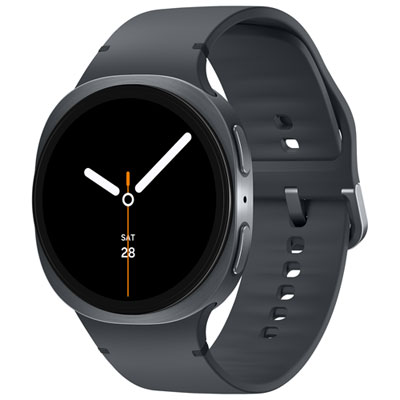 Your price for this item is $349.99
-
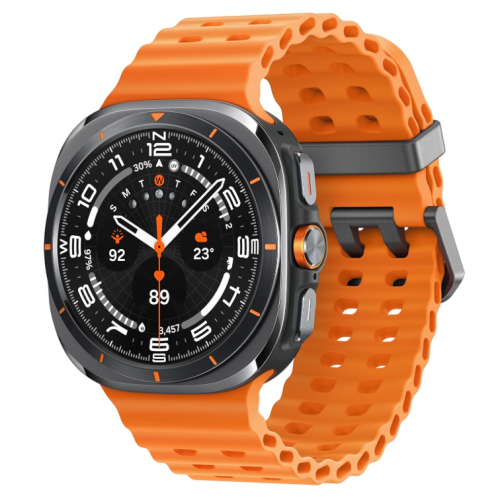 Your price for this item is $579.99
-
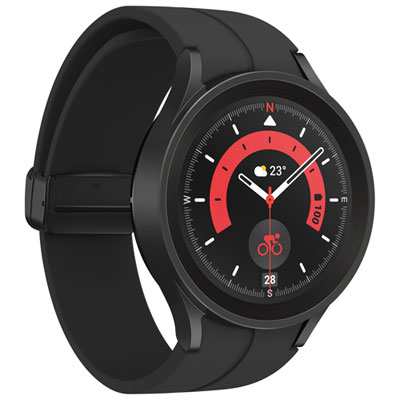 Your price for this item is $569.97
-
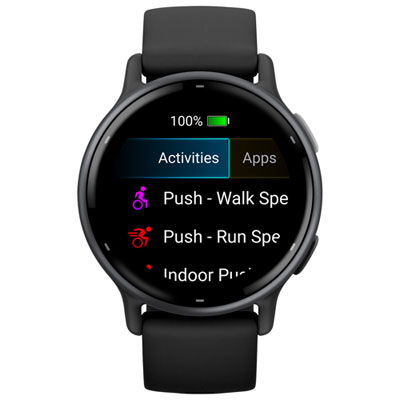 Your price for this item is $349.99
-
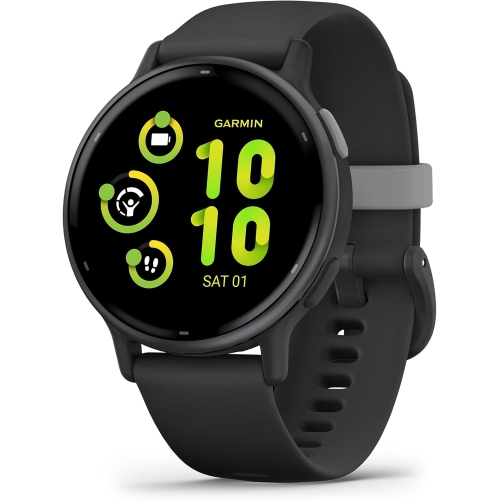 Your price for this item is $371.79
-
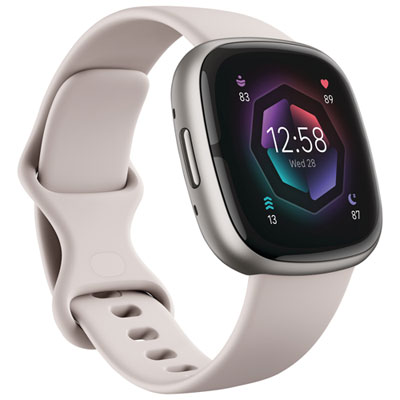 Your price for this item is $329.99
-
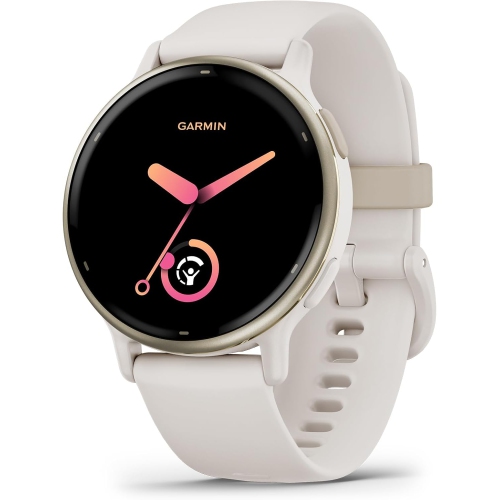 Your price for this item is $319
-
 Your price for this item is $659.99
Discover more categories related to Fitness Trackers for Rowing


Top Collections:
Pokemon Centers, Kindle Devices, Best Budget Office Chairs, Canon G7X Cameras, Apple iPhones 16, Samsung Galaxy Phones, Refurbished Apple Laptops, Laptops for Students, iPhone 15 Apple, Budget Smartphones
Some products may be subject to Environmental Handling Fees
(EHF) depending on your province.
Learn more about EHFs.