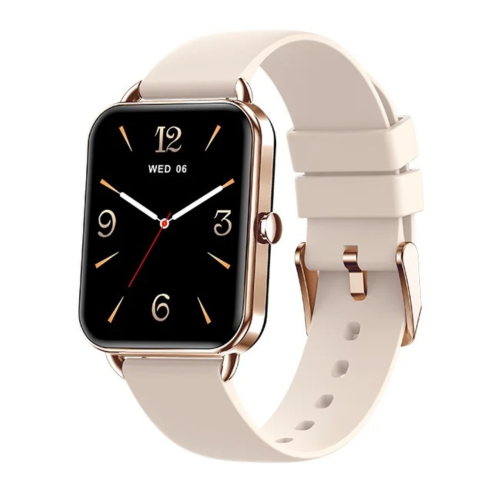
Best Fitness Trackers for Aerobics

Find your workout rhythm with the best fitness trackers for aerobics, ranked by user review ratings. Whether you’re stepping, dancing, or powering through a cardio class, explore options with features such as heart rate monitoring, activity tracking, and calorie burn estimates to help you follow your progress and stay motivated.

Read More

What to look for in fitness trackers for aerobics

1. Workout Tracking

Look for aerobics, cardio, or dance workout modes that match your classes. Session duration, heart rate, and estimated calories burned can help you compare workouts, though available metrics vary by model.

2. Heart Rate Monitoring

Continuous heart rate tracking can help you gauge workout intensity during aerobics. A clear heart rate zone display is useful for checking your effort at a glance, although rapid arm movements and a loose fit can affect readings.

3. Comfort and Durability

Choose a lightweight tracker with an adjustable band that stays secure during jumps and arm movements. Check the manufacturer’s sweat and water-resistance guidance to ensure it suits your workouts.

4. Battery Life and Compatibility

Compare battery life with continuous heart rate tracking enabled, as this can shorten time between charges. Make sure the tracker works with your smartphone and check whether workout history, progress reports, or other features require a paid subscription.
  1. 1

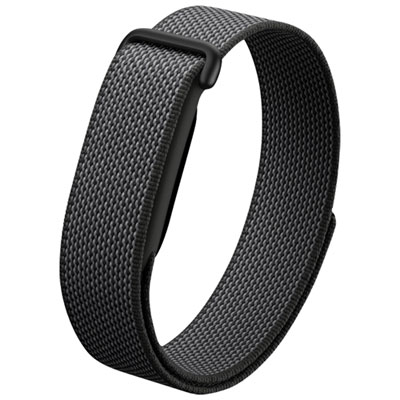
    Google Fitbit Air Screenless Fitness Tracker with Heart Rate Monitor - Obsidian

    About this product

    A screenless obsidian fitness tracker offering heart rate monitoring, 40+ exercise modes, and personalized coaching.

    What customers like

    • Lightweight and comfortable
    • Accurate activity and sleep tracking
    • Long battery life
    • Good value for the price
    • Simple and user-friendly design
    (324)
    $129.99 Your price for this item is $129.99
  2. 2

    Garmin vívoactive 5 Active AMOLED 42mm Bluetooth Fitness GPS Smartwatch - Orchid

    About this product

    A bright, on-wrist coach with heart rate monitor and fitness trackers for better health and wellness.

    What customers like

    • Wide range of features
    • Long battery life
    • Accurate tracking and metrics
    • User-friendly interface
    • Comfortable to wear
    (1,548)
    $349.99 Your price for this item is $349.99
  3. 3

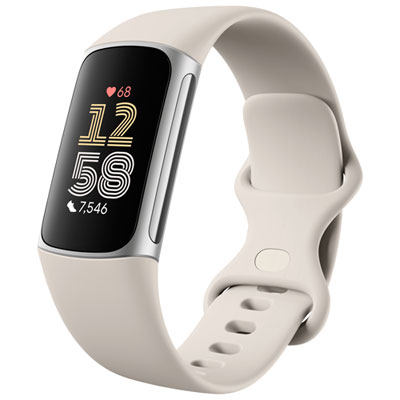
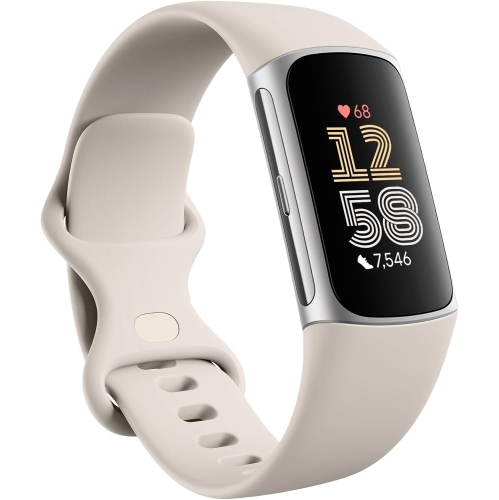
    Google Fitbit Charge 6 Fitness Tracker with Heart Rate Monitor & Sleep Tracking – Built-in GPS – Silver/Porcelain

    About this product

    A silver fitness tracker offering GPS, heart rate monitoring, sleep tracking, and Google app integration.

    What customers like

    • Accurate heart rate and sleep monitoring
    • Comfortable and lightweight design
    • Long battery life and fast charging
    • Easy setup and user-friendly interface
    • Comprehensive health and fitness tracking
    (727)
    $219.99 Your price for this item is $219.99
  4. 4

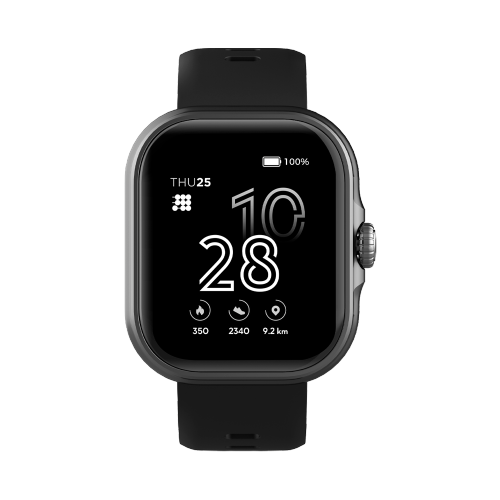
    CUBITT Viva /fitness Tracker 1.78 Inch Amoled Smartwatch With Bluetooth Calling, Connected Gps, Heart Rate Monitor

    About this product

    A versatile smartwatch with AMOLED touchscreen, Bluetooth calling, built-in GPS, health monitoring, and waterproof design.

    (5)
    $99.99 Your price for this item is $99.99
  5. 5

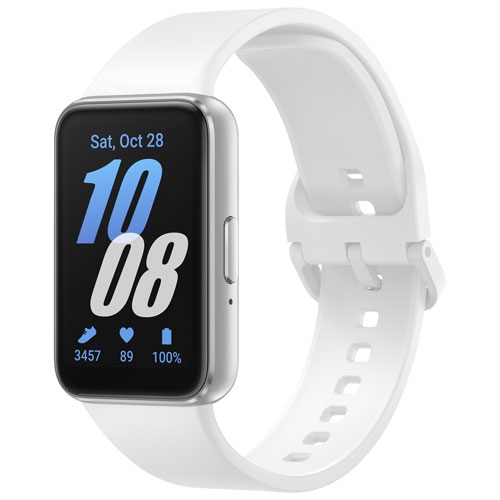
    SAMSUNG - Fitness Tracker With Heart Rate Monitor & Sleep Tracking – Connected Gps – In Silver

    About this product

    A sleek silver fitness tracker that monitors heart rate, blood oxygen, sleep, stress, and auto-detects workouts.

    (4)
    $69.95
    SAVE $15
    Your price for this item is $69.95
  6. 6

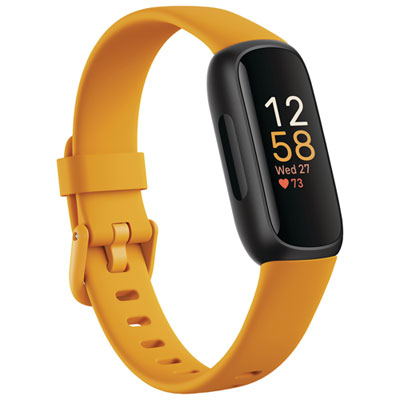
    Fitbit Fitness Tracker with Heart Rate Monitor & Sleep Tracking – Connected GPS – Morning Glow

    About this product

    A vibrant Morning Glow fitness tracker that monitors heart rate, sleep quality, skin temperature, and blood oxygen.

    (17)
    $129.99 Your price for this item is $129.99
  7. 7

    FITBIT - Google Charge 6 Fitness Tracker With Heart Rate Monitor & Sleep Tracking – Built-In Gps – Porcelain

    About this product

    A sleek silver and white fitness tracker with built-in GPS, heart rate monitoring, and sleep tracking.

    (1)
    $194.99
    SAVE $25
    Your price for this item is $194.99
  8. 8

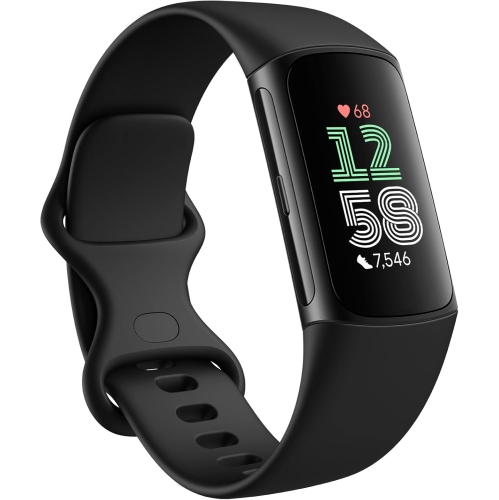
    FITBIT - Charge 6 Fitness Tracker With Heart Rate Monitor & Sleep Tracking – Built-In Gps – In Black

    About this product

    A advanced health and fitness tracker by FITBIT, perfect for tracking your daily activities.

    (3)
    $184.99
    SAVE $65
    Your price for this item is $184.99
  9. 9

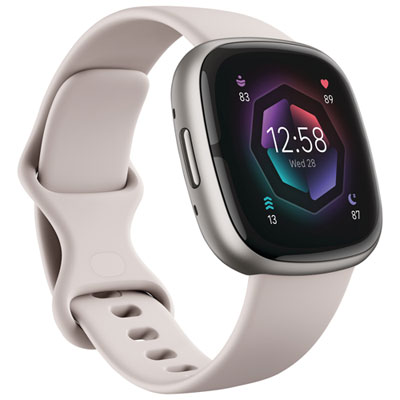
    Google Fitbit Versa 4 AMOLED Smartwatch with Bluetooth Calling, Built-in GPS, Heart Rate Monitor, Pink Sand

    About this product

    A pink smartwatch offering real-time fitness tracking, heart rate monitoring, and over 40 exercise modes.

    What customers like

    • Easy to use with clear, readable display
    • Good value for money with useful features
    • Comfortable fit with sleek, simple design
    • Long battery life and quick charging
    • Accurate fitness and heart rate tracking
    (93)
    $259.99 Your price for this item is $259.99

Why fit and heart rate tracking matter mid-routine

The best fitness trackers for aerobics combine a secure, lightweight fit with useful heart rate tracking, clear workout summaries, and controls that are easy to use while moving. Aerobics can involve everything from steady, low-impact steps to quick changes of direction, overhead arm movements, and energetic dance combinations, so comfort and consistent tracking matter more than a long list of unrelated features. A slim fitness band can feel unobtrusive during a crowded studio class, while a larger, watch-style display can make it easier to check elapsed time or heart rate between combinations. Continuous heart rate monitoring helps show how effort changes from the warm-up through the busiest part of a routine and into the cool-down. Wrist-based readings are estimates, however, and rapid arm movements, a loose strap, or gripping equipment can affect their accuracy. Heart rate zones can add context to a workout, particularly when interpreted alongside breathing and perceived effort rather than treated as a target that must always be reached. Dedicated cardio, dance, aerobics, or interval workout modes, where supported, help organize sessions separately from everyday steps. A general cardio mode can also be useful when a tracker does not include a named aerobics activity. For a participant who alternates marching steps with short bursts of jumping, an accessible workout timer and a readable heart rate screen may be more valuable than detailed outdoor navigation. Someone attending longer, steady-paced classes may prefer a simple summary showing duration and heart rate trends. Step counts and estimated calorie expenditure provide additional context, but neither captures every side step, arm sequence, or change in intensity accurately. The most useful tracker makes it easy to compare similar sessions over time without turning every class into a competition. That balance suits beginners building a regular routine as well as experienced participants who want a clearer picture of their weekly activity.

Fit becomes especially important once a class moves beyond the warm-up. A tracker should sit snugly against the wrist without pinching, sliding towards the hand, or leaving the strap uncomfortably tight as the body warms up. Many devices are designed to be worn slightly above the wrist bone during exercise; the manufacturer’s fit instructions offer the best starting point for the particular design. Adjustable straps with closely spaced sizing options help maintain sensor contact, while a secure fastening reduces distracting movement during jumping jacks, grapevine steps, and overhead reaches. Soft silicone bands are often practical for sweaty sessions because they are flexible and generally straightforward to wipe clean. Woven nylon straps can feel softer and more breathable against the skin, although they may hold moisture and take longer to dry. Metal bands tend to be heavier and may feel less comfortable during repeated wrist movements or floor exercises. Replaceable straps can be helpful for people who prefer one material for workouts and another for everyday wear, provided the replacement is compatible with the tracker. Case thickness matters too: a lower-profile design is less likely to press into the back of the hand during movements with a bent wrist. Durability includes the display, strap connections, and fastening, not just the case. Scratch-resistant glass may help with everyday scuffs, but it does not make a tracker immune to knocks against studio equipment or a locker door. Sweat resistance and water resistance should be checked against the manufacturer’s stated rating and permitted activities. A device suited to perspiration or occasional splashes is not automatically appropriate for aqua aerobics, swimming, hot showers, or steam rooms. After a workout, cleaning the band and case as directed, drying them thoroughly, and allowing the skin beneath the strap to dry can help maintain comfort. Charging contacts should also be clean and dry before the device goes back on its charger.

Everyday usability often determines whether a fitness tracker becomes part of a lasting aerobics routine or stays in a gym bag. A bright, uncluttered screen is easier to glance at under studio lighting, and sufficiently large numbers help when there is only a moment between movements. Physical buttons can be useful when damp fingertips make touch controls less responsive, while a screen lock may prevent accidental taps during an active routine. Vibration alerts, where available, can signal a timer or an intensity threshold without adding noise to a class, though some people prefer to silence notifications and focus on the instructor’s cues. Battery life deserves attention in the context of actual use: continuous monitoring, an always-on display, and other active features can shorten the interval between charges. A tracker that fits naturally into a charging routine is easier to keep ready for an early class or a workout after work. Smartphone compatibility also matters, since workout history, settings, and some features may depend on a companion app and a supported operating system. Clear summaries that separate active sessions from daily movement can help reveal patterns, such as attending more consistently or completing a familiar routine with a steadier effort. For people whose exercise extends beyond aerobics, Best Fitness Trackers for Working Out brings together options for a broader mix of activities. Features such as strength-training profiles, connected or built-in GPS, and compatibility with an external heart rate sensor may be relevant to a mixed routine, but they are not essential for every indoor class. During the cooler months, a comfortable tracker can support continuity between studio sessions, home dance workouts, and brisk walks. It can also make a thoughtful gift for someone who already enjoys group fitness, especially when their preferred strap size, phone compatibility, and interest in activity tracking are known. Whether worn by a newcomer learning the steps or a regular who rarely misses a favourite class, a well-suited fitness tracker supports the activity without distracting from the music, movement, and enjoyment that make aerobics worth returning to.
Read More

FAQ

Some products may be subject to Environmental Handling Fees (EHF) depending on your province. Learn more about EHFs.