Minimalist Fitness Trackers
Discover the perfect blend of style and functionality with a minimalist fitness tracker. Designed for those who appreciate simplicity and efficiency, these sleek devices seamlessly integrate into your daily routine while helping you stay on top of your fitness goals. Whether you're an avid athlete or just starting your wellness journey, a minimalist fitness tracker offers the essential tools to monitor your progress without any unnecessary distractions. Embrace the elegance of minimalism and elevate your fitness experience today.
Sort

Health insights without constant screen distractions
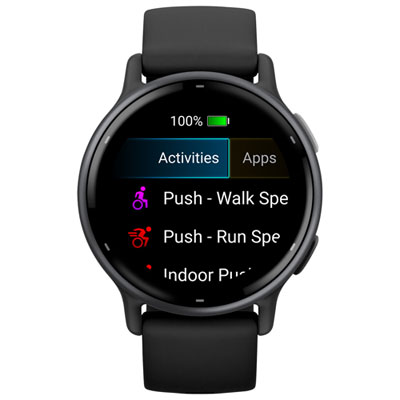
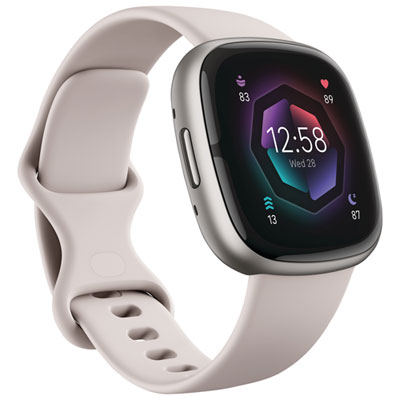
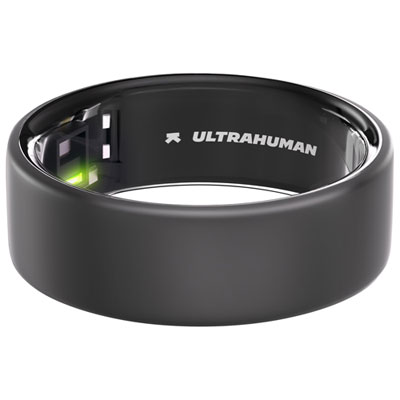
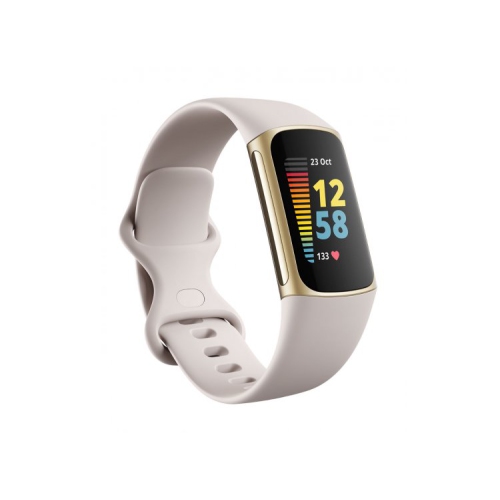
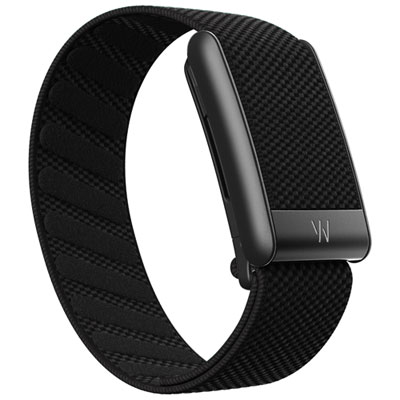
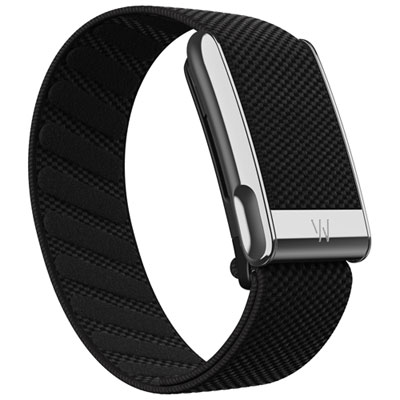
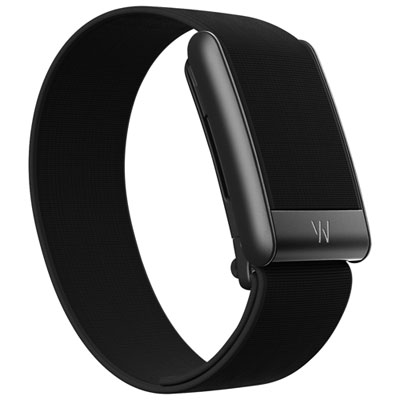
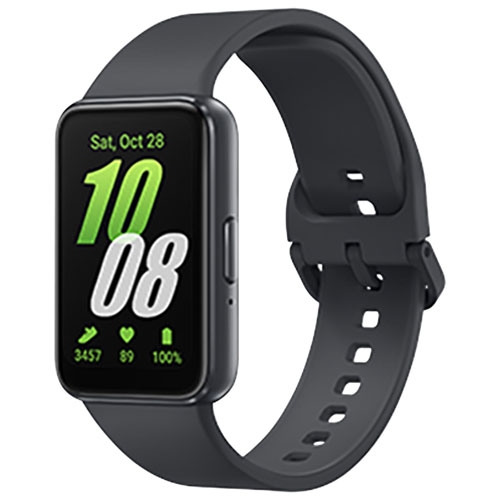
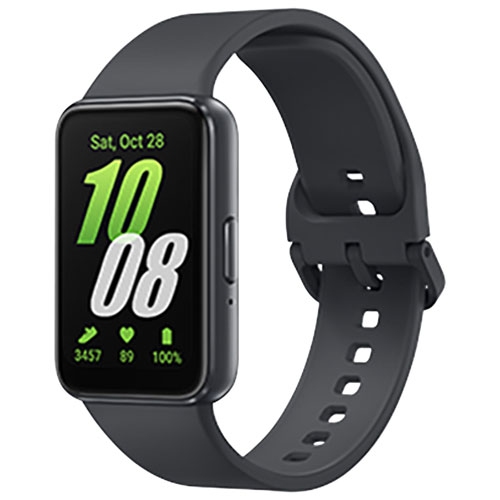
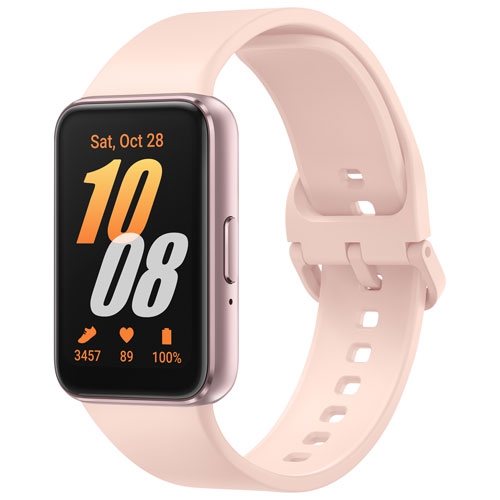
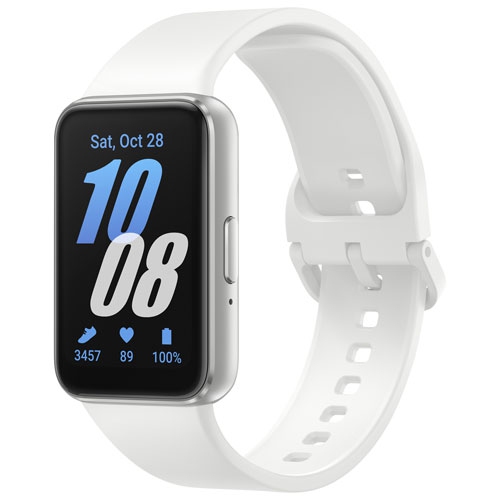
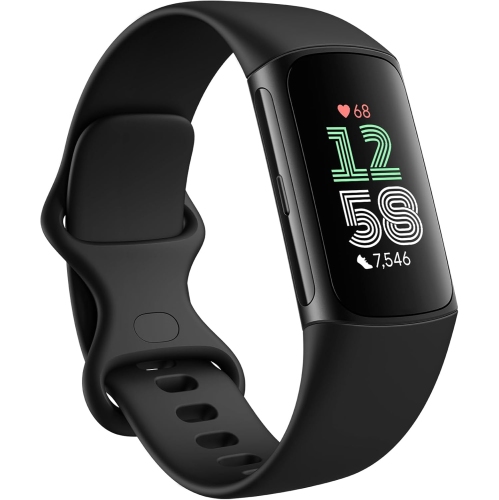
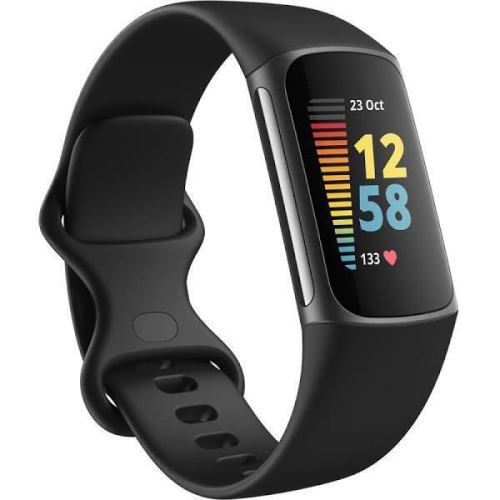
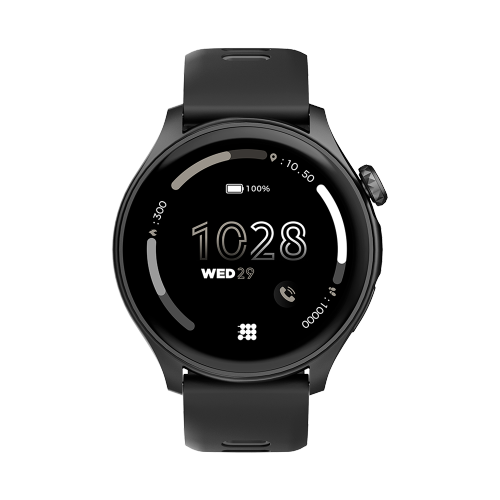
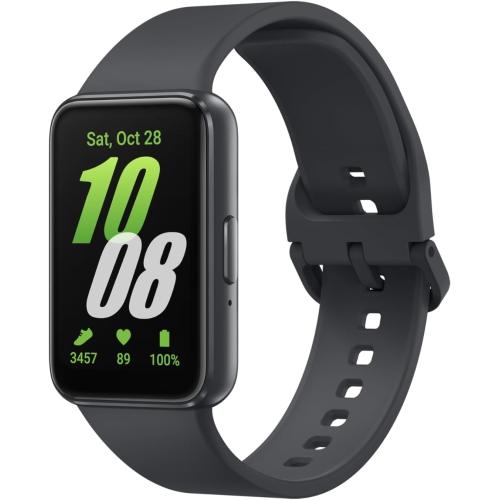
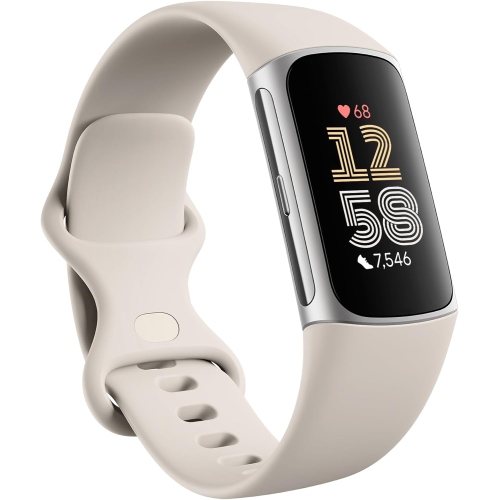
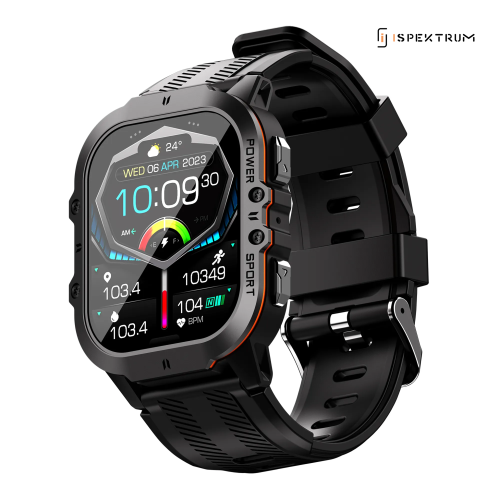
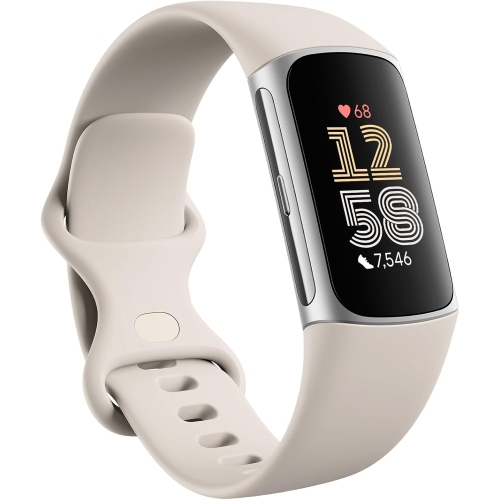
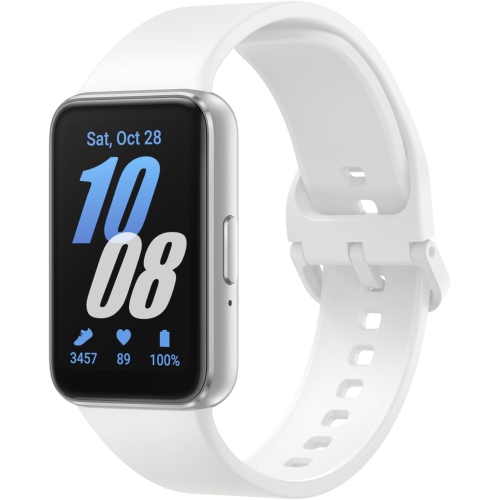
Minimalist fitness trackers are designed for people who want useful health and activity information without turning every walk, workout, or bedtime routine into another screen-based task. Their low-profile design may take the form of a slim wristband, a discreet fabric strap, or a lightweight smart ring, with some models offering no display at all. Instead of showing constant notifications, these devices collect information in the background and present it through a companion app when you choose to check in. Depending on the device, tracked information may include daily steps, distance, active minutes, heart rate, resting heart rate, sleep duration, sleep stages, breathing patterns, workout intensity, recovery, and other wellness trends. This screenless approach can be especially appealing when you want to stay focused during a training session, keep your phone out of reach at work, or settle into the evening without a bright display on your wrist. A minimalist tracker can also suit someone who prefers jewellery-like accessories or a barely noticeable band rather than a traditional smartwatch. If you would like an at-a-glance display for time, notifications, or workout information, browse Simple Fitness Watches for a related option with a more watch-like format.
When choosing among minimalist fitness trackers, start with the form factor that fits naturally into your routine. A ring can be comfortable for sleep and passive recovery tracking, although sizing is important and some people prefer to remove rings during strength training or certain activities. A wristband is familiar, easy to put on, and often well suited to everyday step counting, heart-rate monitoring, and guided activity goals. Fabric straps can feel light and flexible, while some are designed to be worn higher on the arm for exercise heart-rate readings. Consider whether the device includes a display, since a screenless tracker keeps distractions to a minimum but means you will review information in the phone app later. Battery life is another practical detail: longer-lasting devices reduce charging interruptions, which can be helpful when wearing a tracker overnight to build a consistent picture of sleep. Check the charging method, water resistance, fit options, and compatibility with your smartphone before making a choice. It is also worth looking closely at the companion app. Clear graphs, understandable summaries, useful trend comparisons, and easy data export can make a bigger difference than an impressive list of sensors. Some platforms include coaching, personalised prompts, readiness scores, or deeper sleep and recovery analysis, while others provide straightforward activity summaries. Certain advanced insights may require a monthly or annual subscription, so compare the ongoing cost with the features you expect to use. For heart-rate accuracy during running, interval training, or other demanding workouts, a wrist-based or upper-arm design may be more suitable than a ring, while a ring or soft band may be a comfortable choice for sleep and general wellness tracking.
Minimalist fitness trackers can support many different routines because they do not require an all-or-nothing approach to exercise. Someone returning to regular movement might use daily step goals and active-minute reminders as gentle prompts for a lunch-hour walk, a trip around the neighbourhood, or a few extra flights of stairs. A runner may review heart-rate patterns and workout duration after training, while a cyclist, gym-goer, or fitness class participant may use the app to compare effort across sessions. Sleep and recovery features can help identify personal patterns, such as feeling more rested after a consistent bedtime or noticing that demanding workouts are easier to manage when rest days are included. These devices are not a replacement for professional medical advice or diagnostic equipment, and health readings can vary with fit, movement, skin contact, and activity type. They are best used as a convenient way to notice trends and support conversations with a qualified health professional when needed. Their understated appearance also makes them thoughtful gifts for a person beginning a walking routine, improving sleep habits, training for a recreational event, or looking for a quieter alternative to a smartwatch. During warmer weather, a lightweight tracker can accompany outdoor walks, hikes, and casual bike rides, while during the cooler months it can help maintain indoor workout habits and everyday movement goals. Before purchasing, think about comfort over a full day and night, the metrics that matter most, app and phone compatibility, charging habits, subscription requirements, and whether the recipient prefers a discreet accessory or visible workout feedback.
When choosing among minimalist fitness trackers, start with the form factor that fits naturally into your routine. A ring can be comfortable for sleep and passive recovery tracking, although sizing is important and some people prefer to remove rings during strength training or certain activities. A wristband is familiar, easy to put on, and often well suited to everyday step counting, heart-rate monitoring, and guided activity goals. Fabric straps can feel light and flexible, while some are designed to be worn higher on the arm for exercise heart-rate readings. Consider whether the device includes a display, since a screenless tracker keeps distractions to a minimum but means you will review information in the phone app later. Battery life is another practical detail: longer-lasting devices reduce charging interruptions, which can be helpful when wearing a tracker overnight to build a consistent picture of sleep. Check the charging method, water resistance, fit options, and compatibility with your smartphone before making a choice. It is also worth looking closely at the companion app. Clear graphs, understandable summaries, useful trend comparisons, and easy data export can make a bigger difference than an impressive list of sensors. Some platforms include coaching, personalised prompts, readiness scores, or deeper sleep and recovery analysis, while others provide straightforward activity summaries. Certain advanced insights may require a monthly or annual subscription, so compare the ongoing cost with the features you expect to use. For heart-rate accuracy during running, interval training, or other demanding workouts, a wrist-based or upper-arm design may be more suitable than a ring, while a ring or soft band may be a comfortable choice for sleep and general wellness tracking.
Minimalist fitness trackers can support many different routines because they do not require an all-or-nothing approach to exercise. Someone returning to regular movement might use daily step goals and active-minute reminders as gentle prompts for a lunch-hour walk, a trip around the neighbourhood, or a few extra flights of stairs. A runner may review heart-rate patterns and workout duration after training, while a cyclist, gym-goer, or fitness class participant may use the app to compare effort across sessions. Sleep and recovery features can help identify personal patterns, such as feeling more rested after a consistent bedtime or noticing that demanding workouts are easier to manage when rest days are included. These devices are not a replacement for professional medical advice or diagnostic equipment, and health readings can vary with fit, movement, skin contact, and activity type. They are best used as a convenient way to notice trends and support conversations with a qualified health professional when needed. Their understated appearance also makes them thoughtful gifts for a person beginning a walking routine, improving sleep habits, training for a recreational event, or looking for a quieter alternative to a smartwatch. During warmer weather, a lightweight tracker can accompany outdoor walks, hikes, and casual bike rides, while during the cooler months it can help maintain indoor workout habits and everyday movement goals. Before purchasing, think about comfort over a full day and night, the metrics that matter most, app and phone compatibility, charging habits, subscription requirements, and whether the recipient prefers a discreet accessory or visible workout feedback.
Top selling and popular products
-
 Your price for this item is $219.99
 -
 Your price for this item is $199.99
 -
 Your price for this item is $199.99
 -
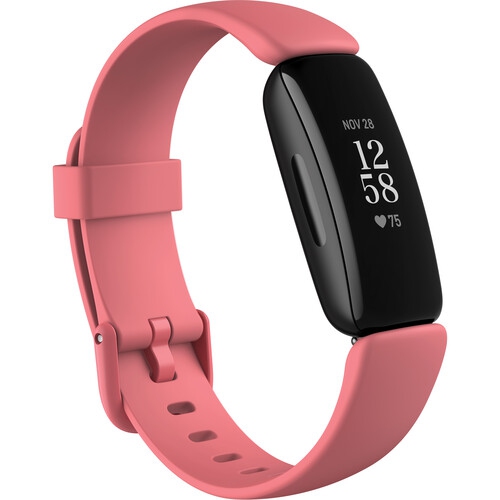 Your price for this item is $99
 -
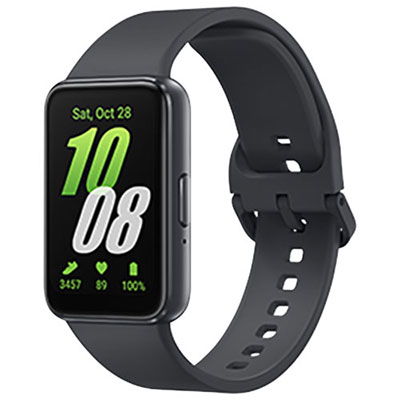 Your price for this item is $79.99
 -
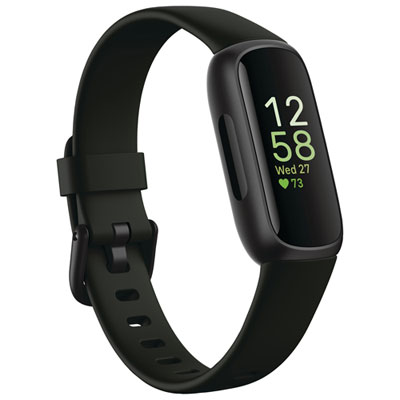 Your price for this item is $129.99
 -
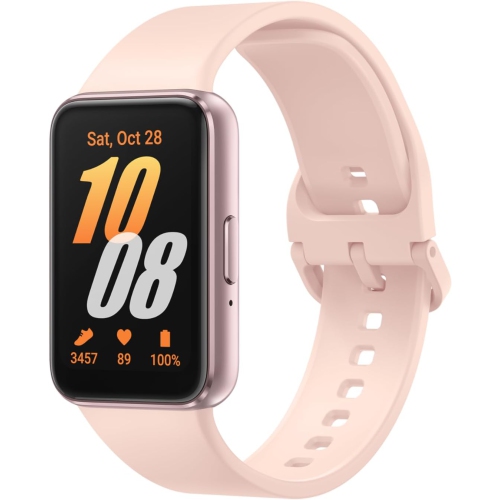 Your price for this item is $79
 -
 Your price for this item is $67
Discover more categories related to Minimalist Fitness Trackers
Top Collections:
Pokemon Centers, Best Cameras for Sports Photography, Kindle Devices, Samsung Galaxy Phones, Canon G7X Cameras, Pokémon 30th Celebration Cards, Refurbished Apple Laptops, iPhone 15 Apple, Laptops for Students, Budget Smartphones
Some products may be subject to Environmental Handling Fees
(EHF) depending on your province.
Learn more about EHFs.