Cardio Workout Gym Machines
Elevate your fitness routine with our diverse selection of cardio workout gym machines, designed to help you reach your health goals from the comfort of your home or gym. Whether you're looking to boost endurance, burn calories, or simply enjoy a heart-pumping workout, our range of equipment caters to every fitness level and preference. Discover machines that offer innovative technology and ergonomic designs, ensuring a smooth and effective workout experience. With options that fit any space and budget, finding the perfect cardio workout gym machine has never been easier.
Sort
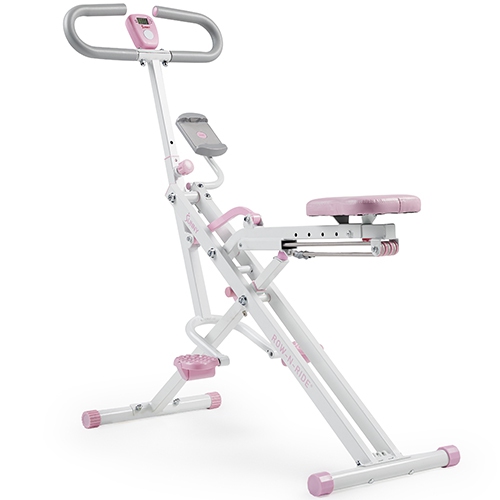


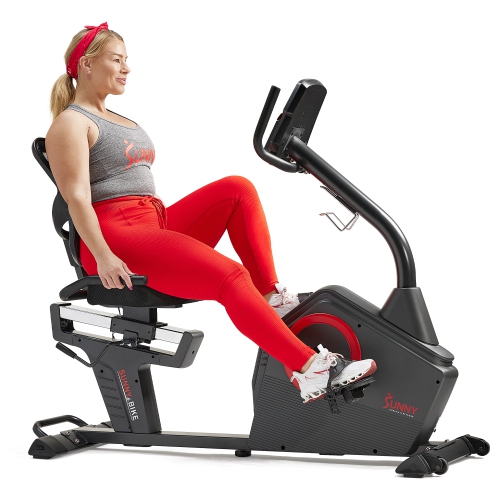
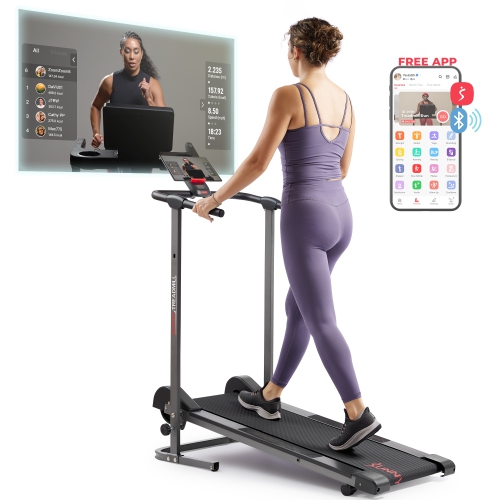
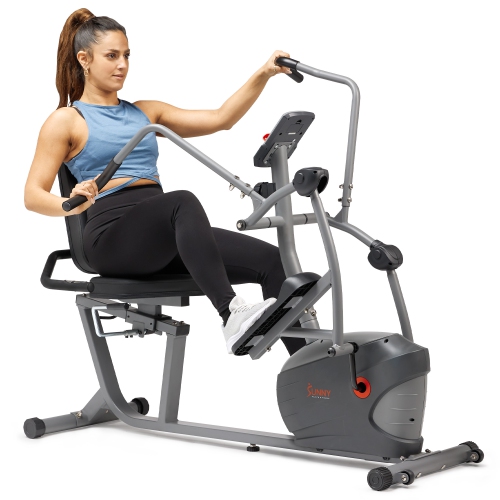





How movement and fit shape your cardio routine
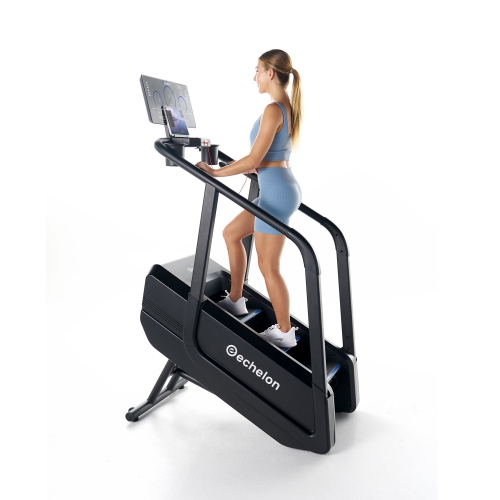
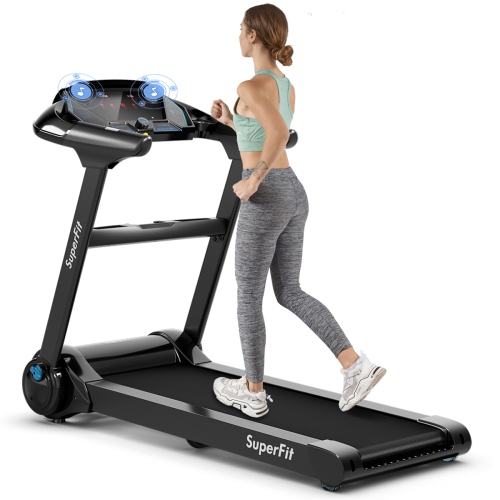
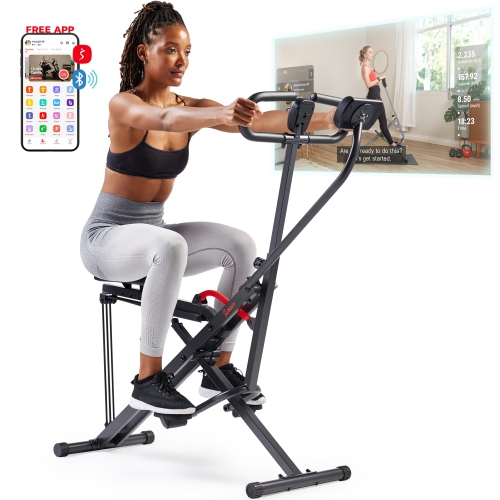
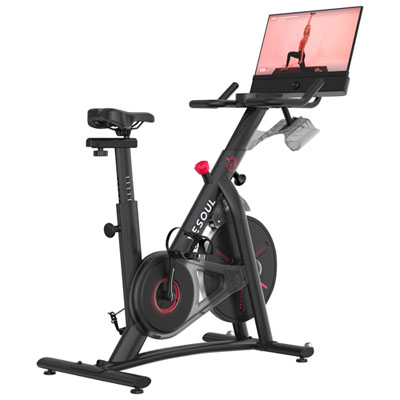
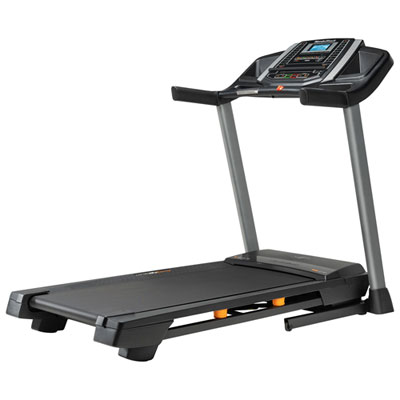
Cardio workout gym machines support aerobic exercise through repeatable movements such as walking, running, pedalling, rowing, and stepping. They are designed to raise your heart rate and help build cardiovascular endurance, with adjustable settings that make room for different fitness levels and workout styles. The main categories include treadmills, stationary bikes, elliptical trainers, rowing machines, and stair climbers, each offering a distinct movement and feel. Treadmills use a moving belt for walking, jogging, or running, while speed controls and, on equipped models, incline adjustments let you vary the effort without changing machines. A comfortable walking pace suits a steady session, while faster speeds and climbing settings create more demanding workouts. Stationary bikes offer seated, low-impact exercise, with resistance that changes how hard each pedal stroke feels. Upright bikes place the rider over the pedals, recumbent bikes provide a backrest and a more reclined seating position, and indoor cycling bikes typically support a forward-leaning riding posture. Elliptical trainers move the feet along a guided path without the repeated landing impact of running; designs with moving handles also bring the upper body into the movement. Rowing machines combine a leg drive, a controlled lean through the torso, and an arm pull, engaging several major muscle groups in a seated workout. Stair climbers and steppers emphasize repeated climbing movements, placing sustained demands on the legs while challenging aerobic endurance. These differences matter for beginners establishing a routine, experienced exercisers adding variety, and households where several people share the same workout space. Low-impact equipment can be appealing to people who prefer less jarring movement, although comfort depends on fit, technique, and individual needs. No single category is the best match for everyone: a runner may value a long treadmill deck, while someone who enjoys seated exercise may feel more at home on a bike or rower. Equipment that feels comfortable and offers an enjoyable movement is often easier to make part of a regular routine.
The physical fit of cardio equipment is just as important as its resistance range or display. A treadmill’s usable belt length and width affect how freely you can stride, especially when moving from walking to running. On a stationary bike, seat height, fore-and-aft adjustment, handlebar position, and pedal placement influence whether the riding position feels relaxed or cramped. A recumbent seat needs enough adjustment to let the legs extend comfortably without locking the knees. Elliptical stride length, pedal spacing, and handle reach affect how natural the motion feels, while a rowing machine needs sufficient rail travel for the user’s leg length and enough room behind the seat for the complete stroke. User height and maximum supported weight are separate specifications, and both deserve attention when equipment will be shared. Space planning also includes more than the machine’s listed footprint. A treadmill needs the safety clearances specified by its manufacturer, a rower needs room throughout its full movement, and an elliptical or stair climber raises the user above floor level, making ceiling height relevant. Folding frames, upright storage designs, and transport wheels can make a multipurpose room easier to manage, but stored dimensions do not describe the space required during exercise. Stability comes from the overall design, including frame construction, base width, levelling feet, and how the machine sits on the floor. Steel frames are common, while aluminium components, protective finishes, and well-supported joints may also contribute to durability. Seat padding, upholstery, pedal surfaces, and grips affect everyday comfort and how easily contact areas can be wiped clean. Intended use matters, too: equipment designed for personal home workouts may have different operating limits from machines rated for frequent shared or commercial use. A household with back-to-back workouts benefits from considering permitted session lengths, adjustment convenience, and the demands placed on moving parts. Floor protection and noise also deserve attention in shared living spaces. A suitable equipment mat can help protect flooring, but it does not replace a level surface or eliminate vibration transmitted through a building.
Workout features help translate those physical differences into an experience that suits your routine. Clear controls, readable displays, and accessible resistance adjustments can be more useful during exercise than a long list of settings that are difficult to reach. Common readouts include elapsed time, speed, distance, and estimated calories, while some machines also display cadence, incline, power, or heart rate. Calorie estimates are approximate rather than precise measurements, and heart-rate readings from built-in sensors can vary. Preset workouts may adjust speed, incline, or resistance automatically, while manual modes allow a steady pace or changes chosen by the user. Magnetic resistance systems are often associated with a smooth, quieter feel, whereas air-resistance bikes and rowers typically become more demanding as effort increases and produce noticeable fan noise. Water-resistance rowers offer a different sound and stroke feel, with care requirements specific to their tanks. Connected features, where included, may support workout tracking, app integration, or virtual sessions; device compatibility and any separate service requirements affect how those features can be used. For shoppers whose goals include weight management, Cardio Machines for Weight Loss brings together equipment for aerobic activity, which can contribute to energy expenditure as part of a broader routine that includes nutrition, rest, and consistent movement. Everyday usability also depends on straightforward care. Sweat on handles, seats, and consoles is easier to manage when surfaces are cleaned according to the manufacturer’s directions, and dry contact surfaces help maintain a comfortable grip. Belts, rails, pedals, fasteners, and resistance systems have different inspection and maintenance requirements; lubrication should only be applied where specified, using the recommended type. Accessible service information and replacement wear parts can matter over years of use. Safety features such as treadmill stop keys, secure adjustment mechanisms, and stable handholds support appropriate use, but moving equipment still needs to be kept clear of children, pets, and loose objects. Comfortable movement, practical controls, suitable dimensions, and manageable upkeep all help cardio machines fit into everyday life.
Top selling and popular products
-
 Your price for this item is $234.99
-
 Your price for this item is $1249.99
-
 Your price for this item is $1099.99
-
 Your price for this item is $799.99
-
 Your price for this item is $2501.98
-
 Your price for this item is $889.99
-
 Your price for this item is $714.99
-
 Your price for this item is $2899.99
Discover more categories related to Cardio Workout Gym Machines

Top Collections:
Pokemon Centers, Kindle Devices, Best Budget Office Chairs, Canon G7X Cameras, Apple iPhones 16, Samsung Galaxy Phones, Refurbished Apple Laptops, Laptops for Students, iPhone 15 Apple, Budget Smartphones
Some products may be subject to Environmental Handling Fees
(EHF) depending on your province.
Learn more about EHFs.