Fitness Trampolines
A trampoline is a great way to get in shape, and it's also a lot of fun. It's the perfect workout tool for people who love to jump, and it's also great for exercising with your family or friends. Here are some of the best fitness trampolines on the market.
Sort
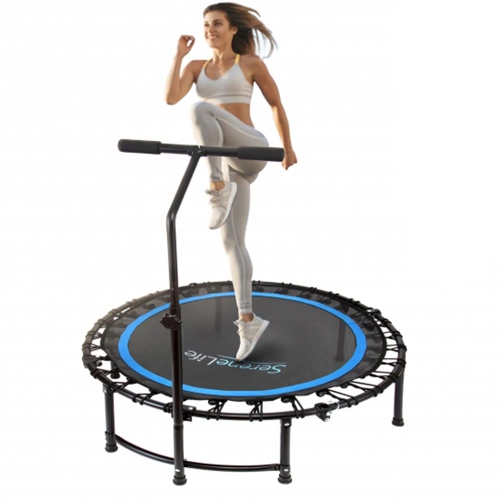
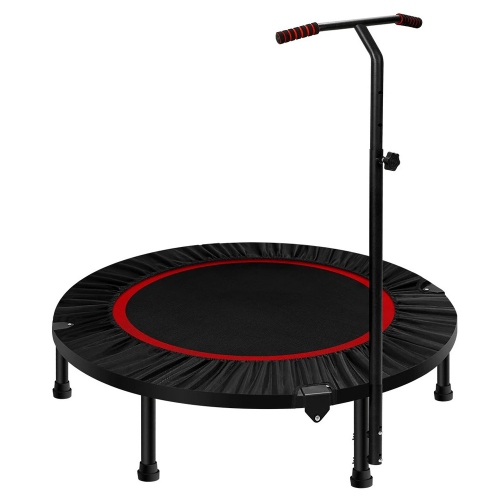
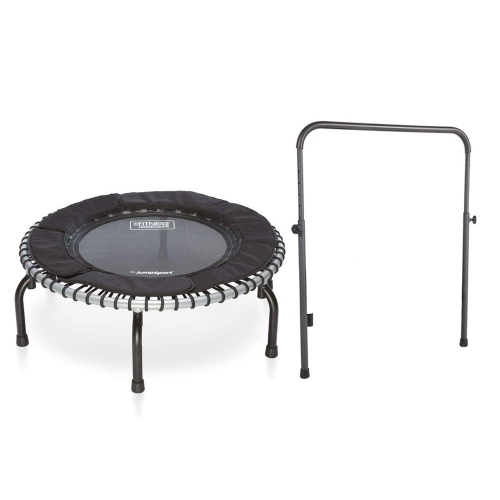
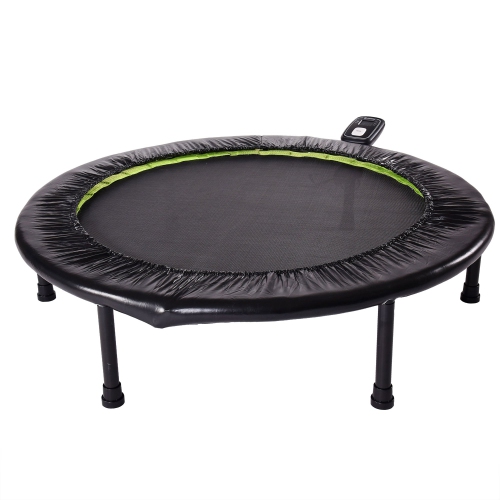
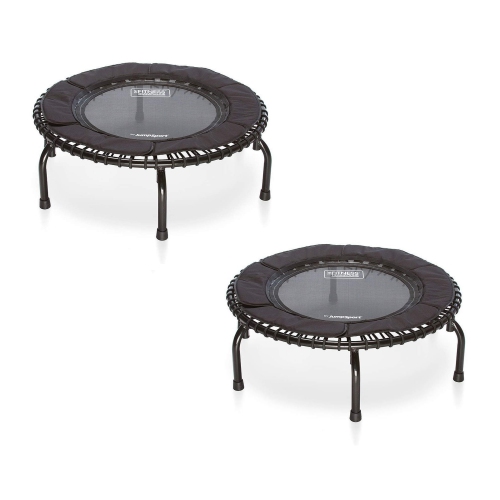
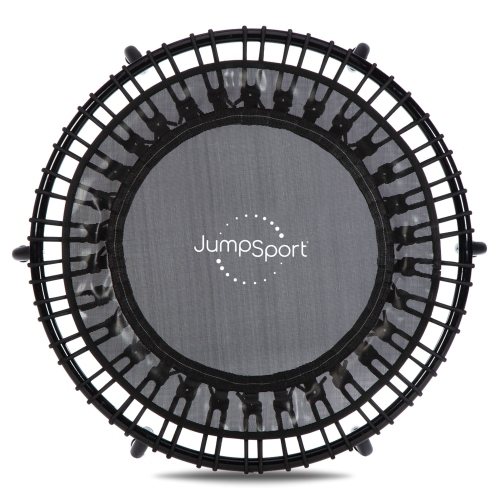
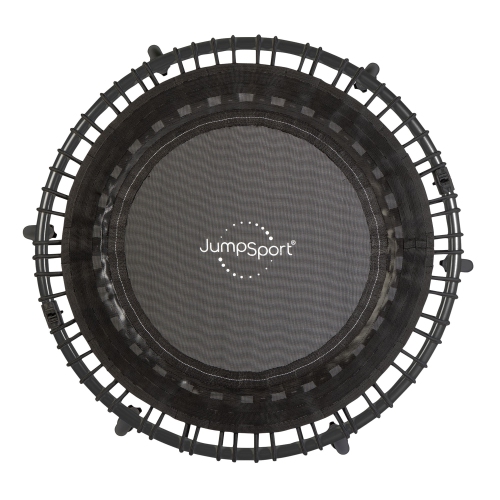
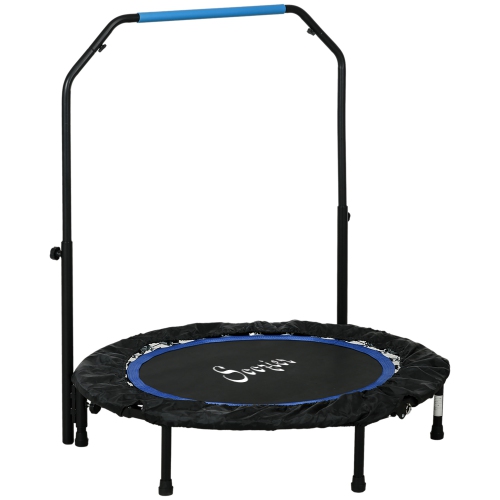
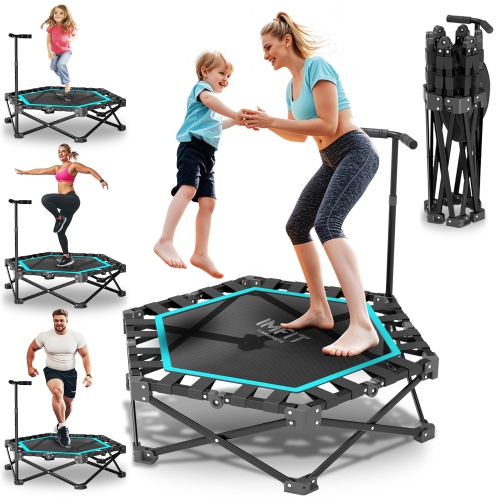
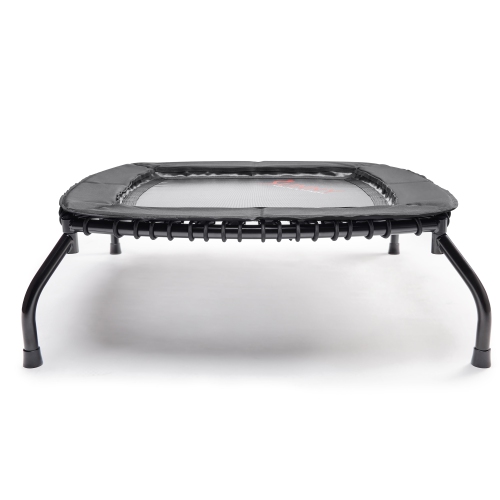
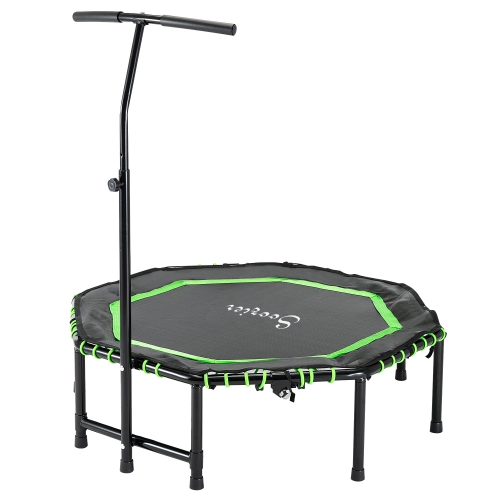
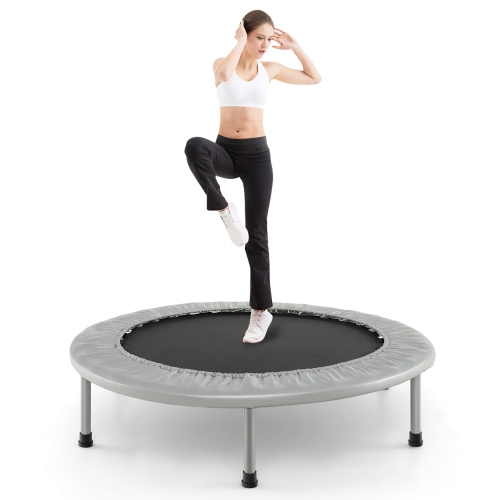
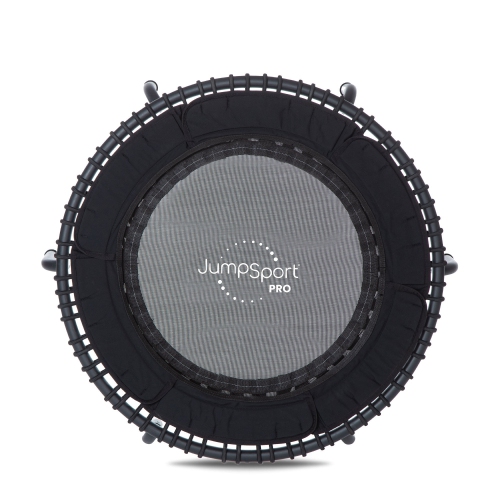
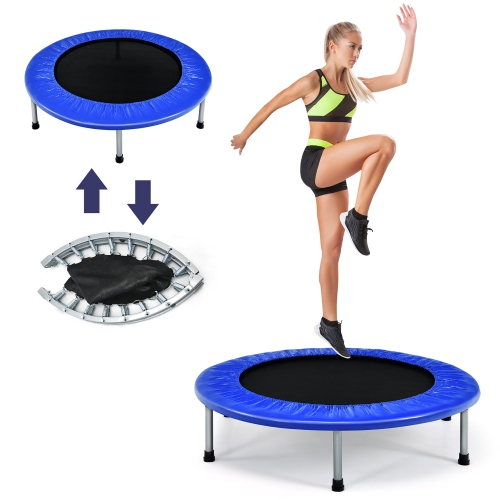
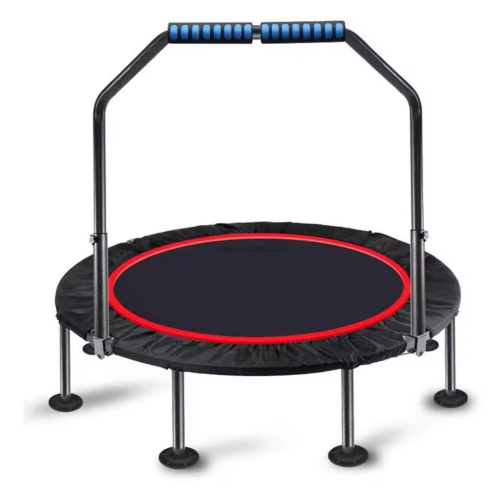
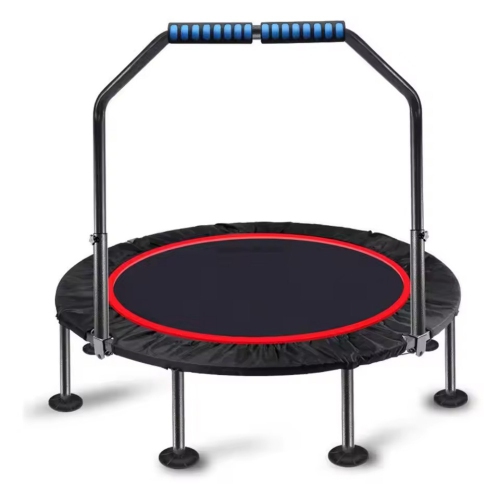
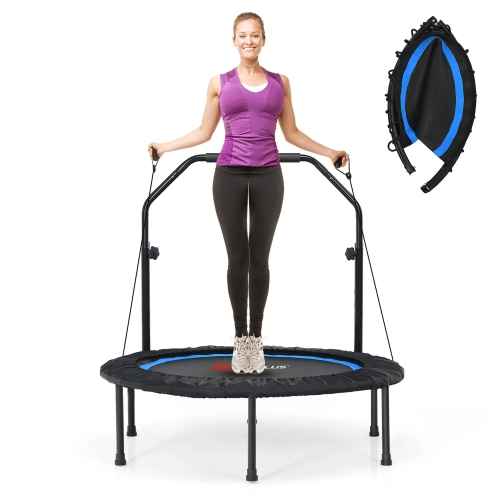
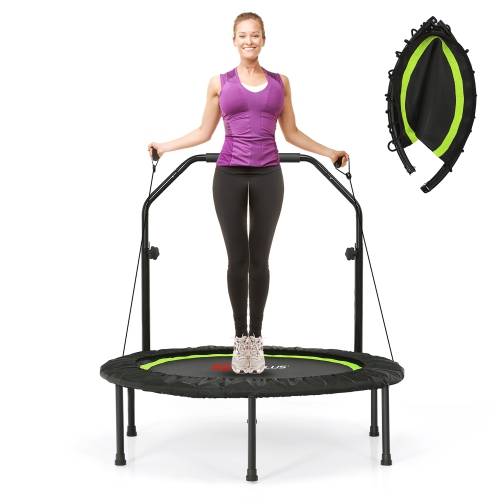
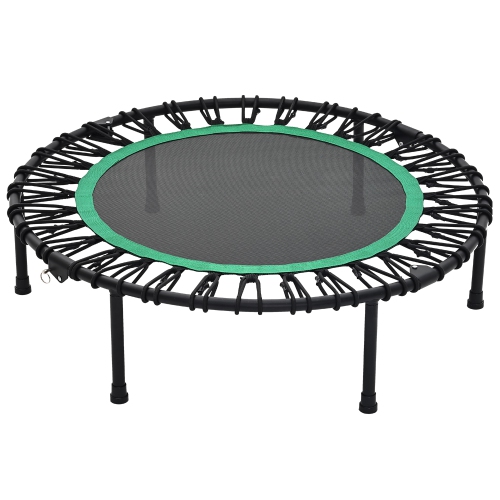
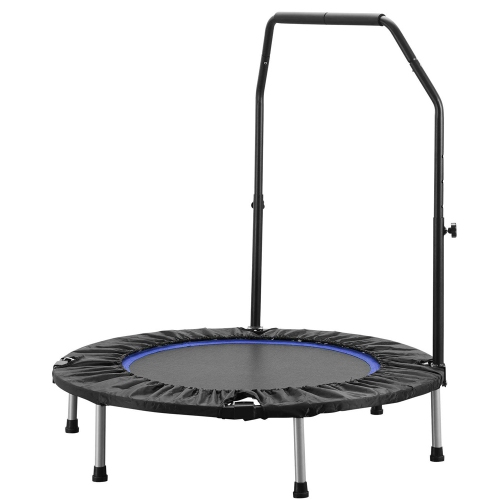
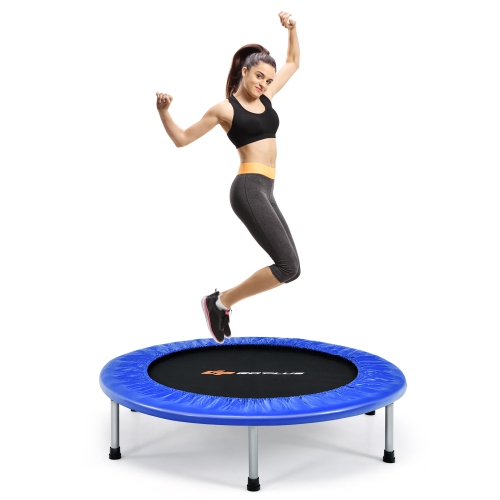
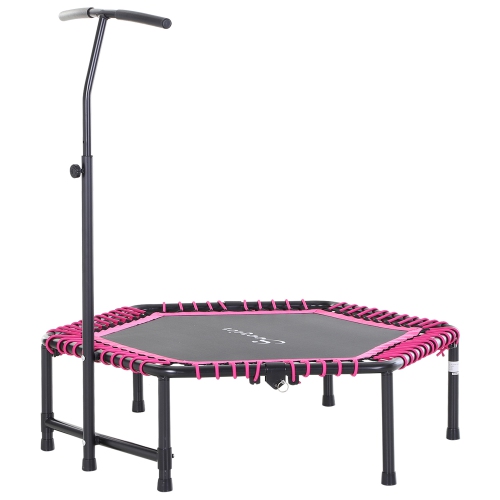
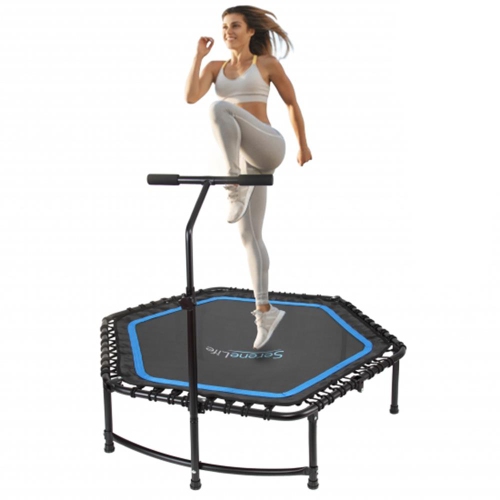
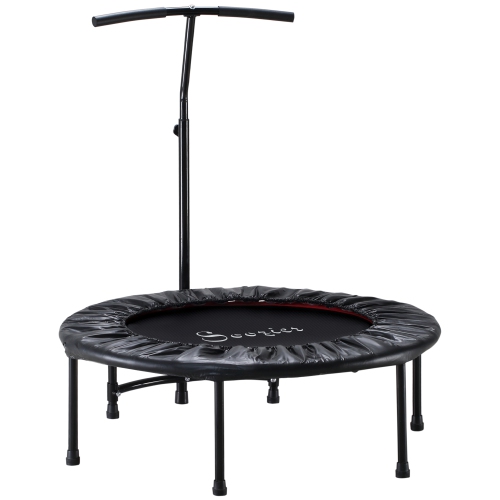
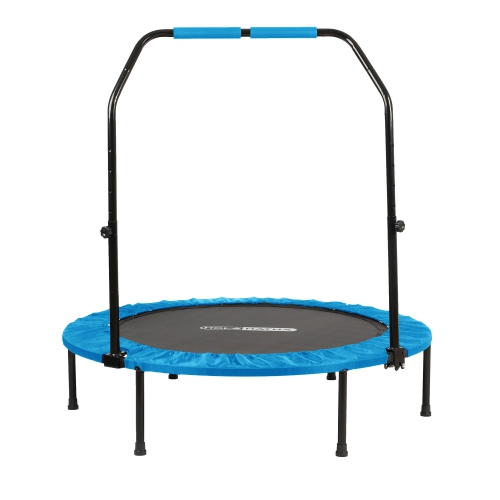
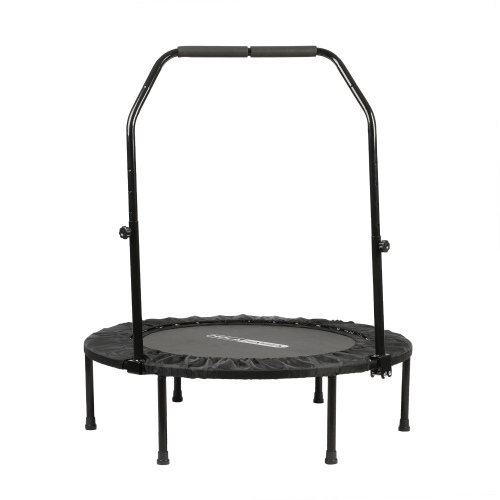
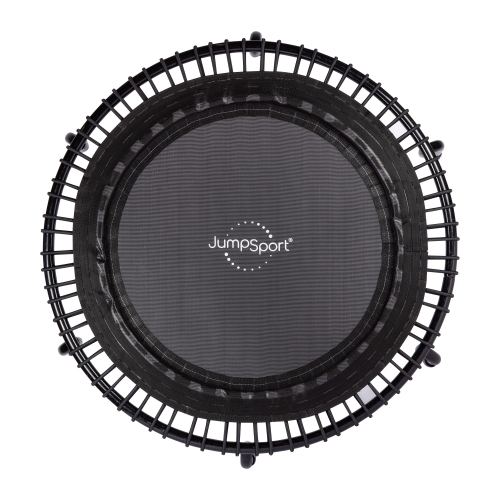
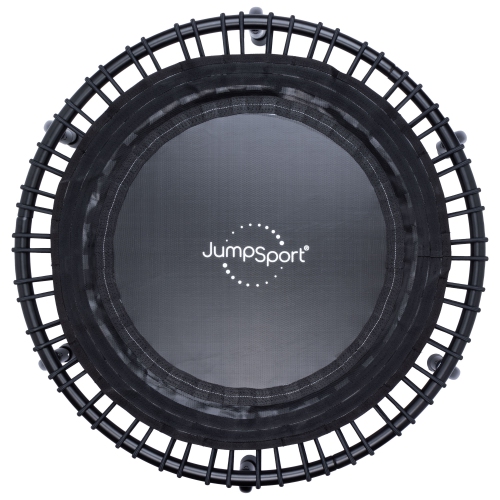
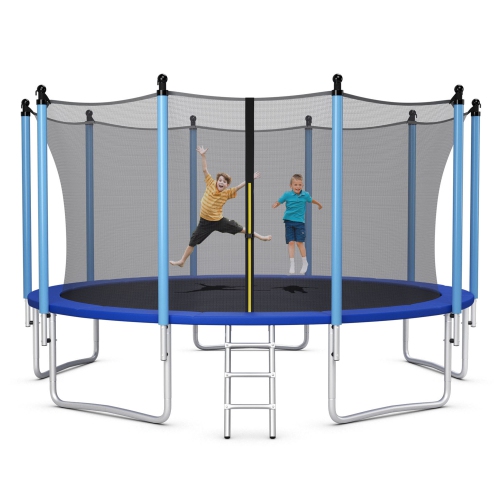
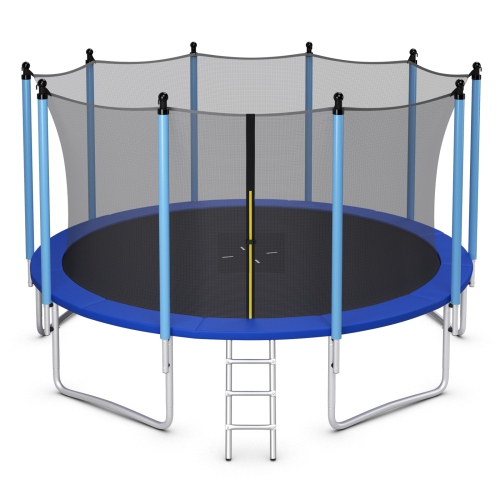
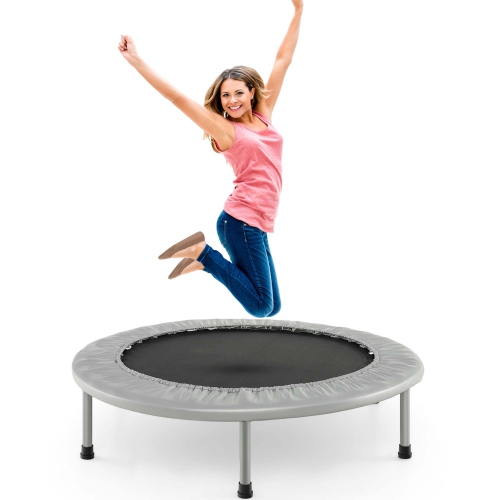
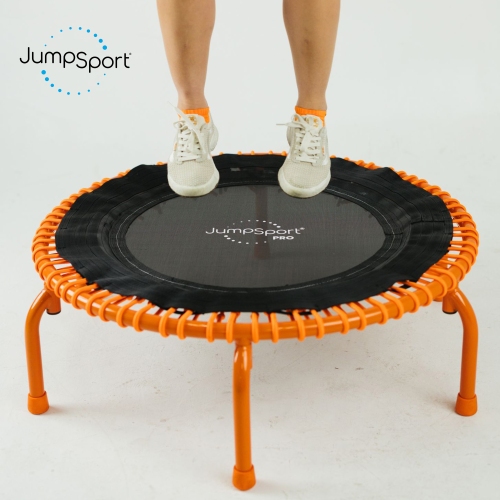
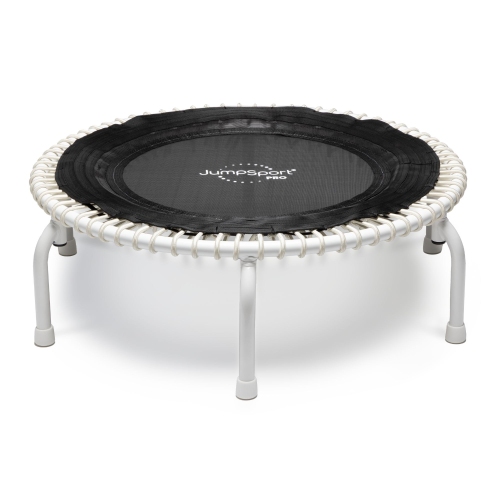
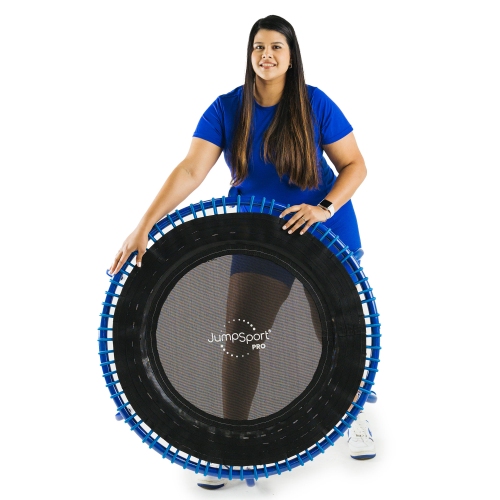
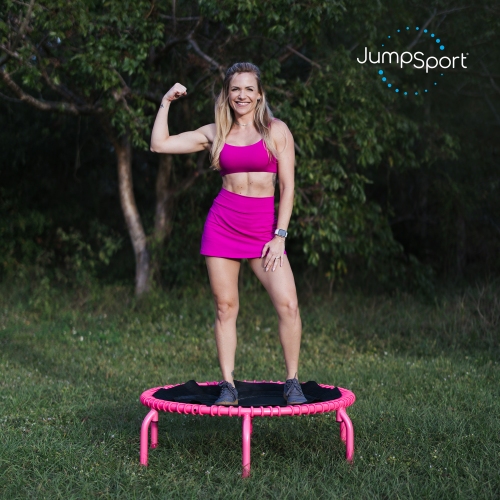
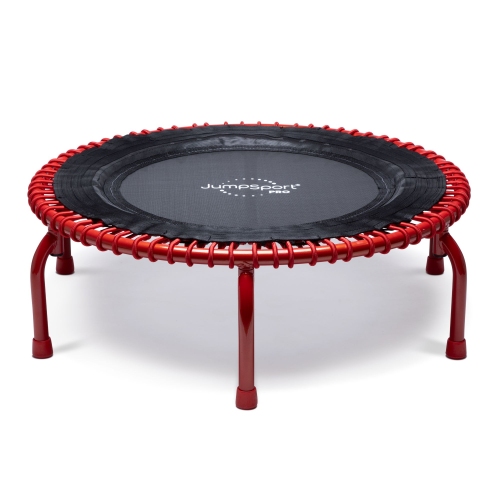
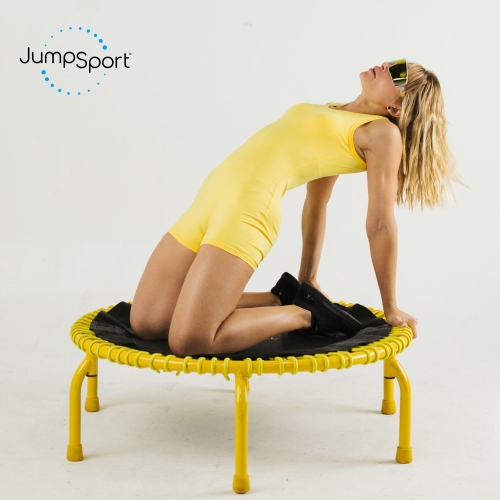
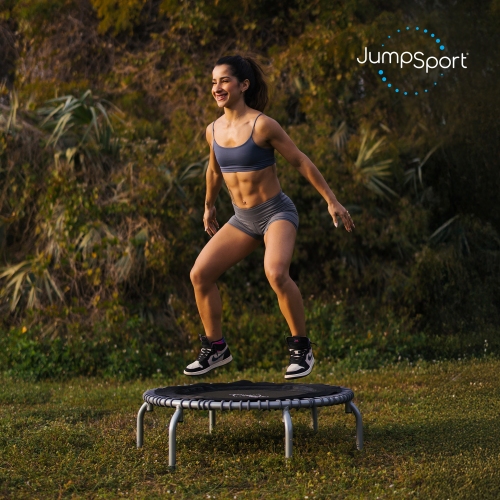
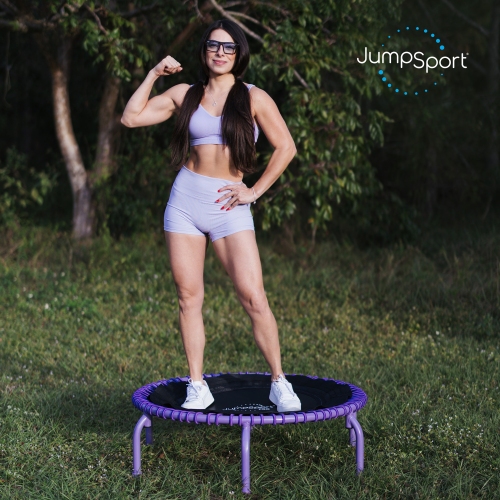
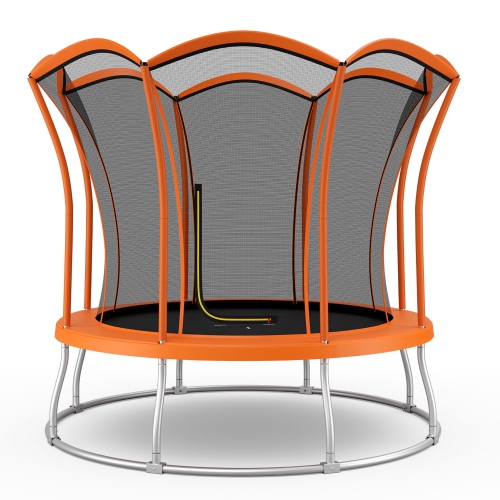
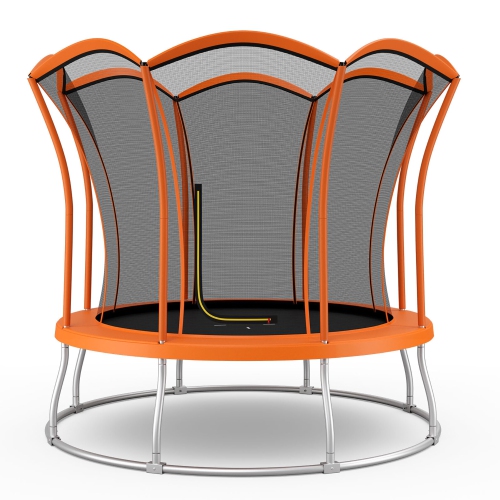
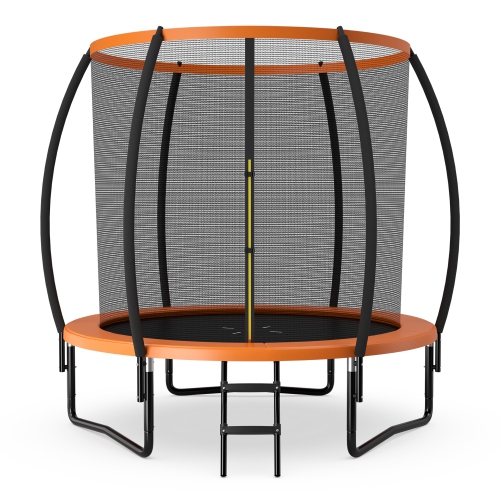

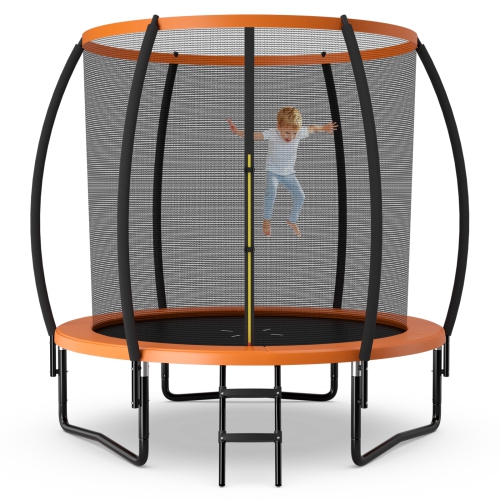
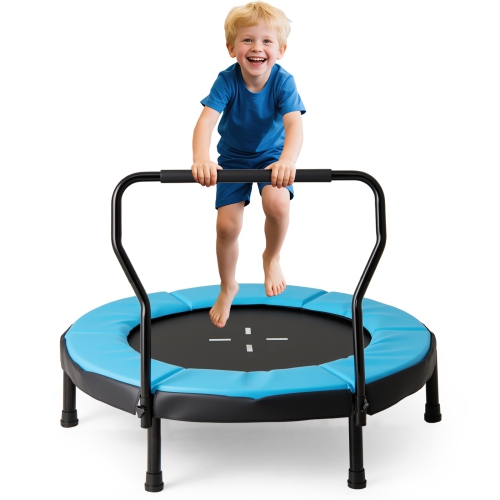
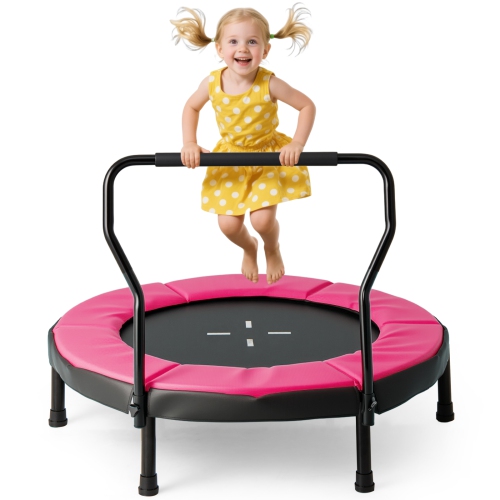
Compact indoor workouts with controlled, low-impact bouncing
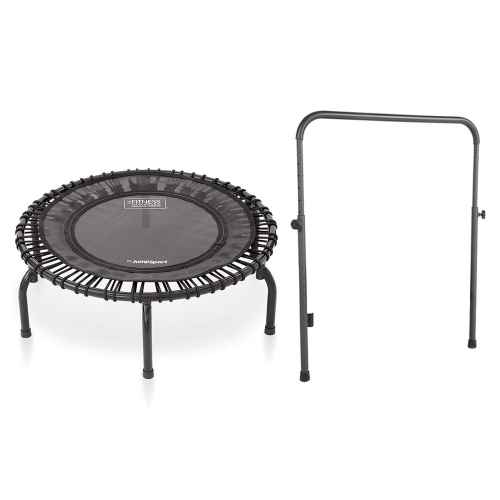
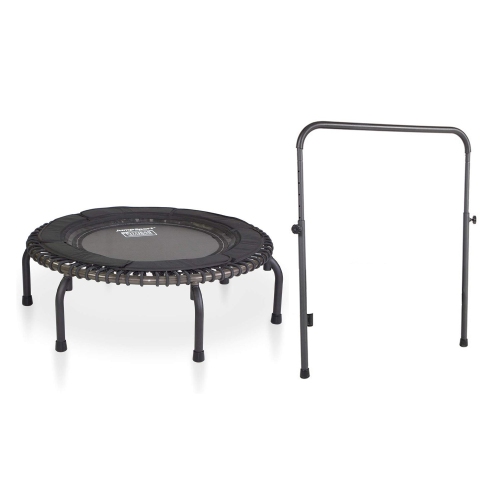
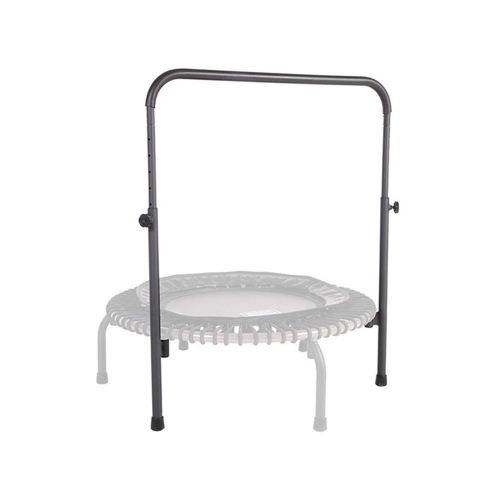
Fitness trampolines, also known as rebounders, are compact mini-trampolines designed for individual indoor workouts. Their smaller jumping surface makes them easier to fit into a home gym, living room, bedroom, or apartment than a full-size trampoline, while still providing a lively way to add movement to your routine. Rebounding can support low-impact cardio because the flexible mat and suspension system absorb some of the force created by each bounce, which may feel gentler on the knees, hips, and back than running on pavement. It is still important to choose activities that suit your own fitness level and to speak with a health professional if you have an injury, balance concern, or medical condition. A basic rebounder workout may include small, controlled health bounces, alternating heel lifts, marching, side-to-side steps, and gentle jumping jacks. These movements can raise your heart rate, challenge your balance, and engage your core as you work to stay centred on the mat. Unlike high jumps on a large outdoor trampoline, fitness trampoline exercises generally focus on keeping the feet close to the surface and maintaining steady control. Beginners may want to start with five to 10 minutes of easy bouncing, using flat-footed movements and gradually increasing the duration as their muscles become accustomed to the activity. Holding a wall or choosing a model with a handlebar can provide additional confidence while learning proper form. Keep your knees softly bent, maintain an upright posture, and avoid bouncing higher than feels comfortable. A clear area around the trampoline is also essential, with enough overhead space for your movements and a stable, level floor beneath the frame. Wear supportive athletic shoes if recommended by the manufacturer, or follow the care and use instructions supplied with the equipment.
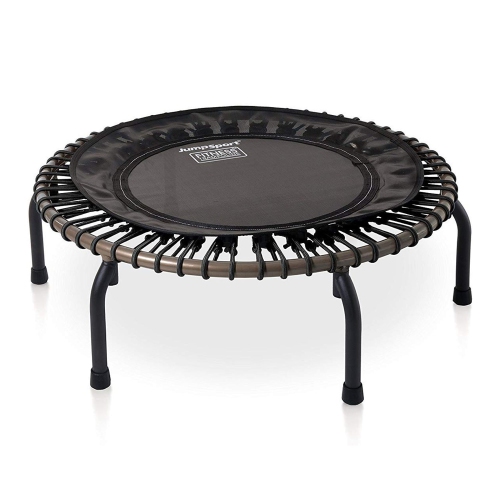
When comparing fitness trampolines, begin with the frame size, mat diameter, and available floor space. A larger jumping surface can feel more forgiving during movement, while a compact model may be more convenient for apartments, multipurpose rooms, or homes where exercise equipment needs to be stored after each session. Foldable frames or removable legs can make a rebounder easier to move between rooms and tuck away during the cooler months, although the folded dimensions and storage weight are worth checking before purchase. Pay close attention to the suspension design. Some fitness trampolines use metal springs, while others use elastic resistance bands or bungee-style cords. Springs can provide a familiar, responsive bounce, while bungee systems are often selected for a quieter feel and smooth, controlled movement. The tension should match the user’s size, comfort, and intended workout style; a surface that feels too firm may be uncomfortable, while one that is too soft can make balance more difficult. Weight capacity is another important detail. Choose a trampoline that comfortably supports the intended user rather than relying on the maximum limit as a target. If more than one person in the household plans to use it, select a capacity and construction suited to the heaviest user, and allow only one person on the trampoline at a time. A padded frame, secure leg design, and non-slip feet can help the equipment remain steady during exercise. An adjustable handlebar may be especially useful for beginners, older adults working on balance, or anyone who prefers extra support during marching and low-impact routines. If noise is a concern, consider the suspension type, floor surface, and placement; a carpeted exercise area or protective mat may help reduce vibration, but the trampoline should never be placed on an uneven or slippery surface. Storage features, replacement parts, assembly requirements, and cleaning instructions can also make a meaningful difference to everyday convenience.
Fitness trampolines can suit people who want a practical way to add cardio and balance work to a home routine without dedicating an entire room to exercise equipment. They may appeal to beginners easing into regular movement, experienced fitness enthusiasts adding variety to interval sessions, or busy households looking for an activity that can be used in short bursts throughout the day. A few minutes of controlled bouncing between tasks can feel more approachable than setting aside time for a long workout, while a longer session can be paired with marching patterns, bodyweight movements, stretching, or guided rebounder classes. Many users enjoy the playful sensation of bouncing, which can make indoor exercise feel less repetitive, especially when outdoor conditions are wet, windy, or cold. Fitness trampolines can also be thoughtful gifts for someone setting up a home gym, moving into a smaller space, or looking for a new way to stay active during the cooler months. Before giving one as a gift, consider the recipient’s available floor space, preferred exercise style, balance needs, and ability to move or assemble the equipment. These products are intended for individual exercise rather than group play, and children should use them only when the equipment is specifically designed for their age and under appropriate supervision. Keep pets, furniture, and other obstacles away from the workout area, inspect the mat, frame, legs, and suspension components regularly, and stop using the trampoline if any part is loose, damaged, or unusually noisy. For outdoor recreation and larger backyard play equipment, explore Backyard Trampolines. A fitness trampoline is best chosen as part of a realistic routine: select a stable design that fits your space, begin with manageable movements, and build consistency through comfortable, controlled sessions.
When comparing fitness trampolines, begin with the frame size, mat diameter, and available floor space. A larger jumping surface can feel more forgiving during movement, while a compact model may be more convenient for apartments, multipurpose rooms, or homes where exercise equipment needs to be stored after each session. Foldable frames or removable legs can make a rebounder easier to move between rooms and tuck away during the cooler months, although the folded dimensions and storage weight are worth checking before purchase. Pay close attention to the suspension design. Some fitness trampolines use metal springs, while others use elastic resistance bands or bungee-style cords. Springs can provide a familiar, responsive bounce, while bungee systems are often selected for a quieter feel and smooth, controlled movement. The tension should match the user’s size, comfort, and intended workout style; a surface that feels too firm may be uncomfortable, while one that is too soft can make balance more difficult. Weight capacity is another important detail. Choose a trampoline that comfortably supports the intended user rather than relying on the maximum limit as a target. If more than one person in the household plans to use it, select a capacity and construction suited to the heaviest user, and allow only one person on the trampoline at a time. A padded frame, secure leg design, and non-slip feet can help the equipment remain steady during exercise. An adjustable handlebar may be especially useful for beginners, older adults working on balance, or anyone who prefers extra support during marching and low-impact routines. If noise is a concern, consider the suspension type, floor surface, and placement; a carpeted exercise area or protective mat may help reduce vibration, but the trampoline should never be placed on an uneven or slippery surface. Storage features, replacement parts, assembly requirements, and cleaning instructions can also make a meaningful difference to everyday convenience.
Fitness trampolines can suit people who want a practical way to add cardio and balance work to a home routine without dedicating an entire room to exercise equipment. They may appeal to beginners easing into regular movement, experienced fitness enthusiasts adding variety to interval sessions, or busy households looking for an activity that can be used in short bursts throughout the day. A few minutes of controlled bouncing between tasks can feel more approachable than setting aside time for a long workout, while a longer session can be paired with marching patterns, bodyweight movements, stretching, or guided rebounder classes. Many users enjoy the playful sensation of bouncing, which can make indoor exercise feel less repetitive, especially when outdoor conditions are wet, windy, or cold. Fitness trampolines can also be thoughtful gifts for someone setting up a home gym, moving into a smaller space, or looking for a new way to stay active during the cooler months. Before giving one as a gift, consider the recipient’s available floor space, preferred exercise style, balance needs, and ability to move or assemble the equipment. These products are intended for individual exercise rather than group play, and children should use them only when the equipment is specifically designed for their age and under appropriate supervision. Keep pets, furniture, and other obstacles away from the workout area, inspect the mat, frame, legs, and suspension components regularly, and stop using the trampoline if any part is loose, damaged, or unusually noisy. For outdoor recreation and larger backyard play equipment, explore Backyard Trampolines. A fitness trampoline is best chosen as part of a realistic routine: select a stable design that fits your space, begin with manageable movements, and build consistency through comfortable, controlled sessions.
Top selling and popular products
-
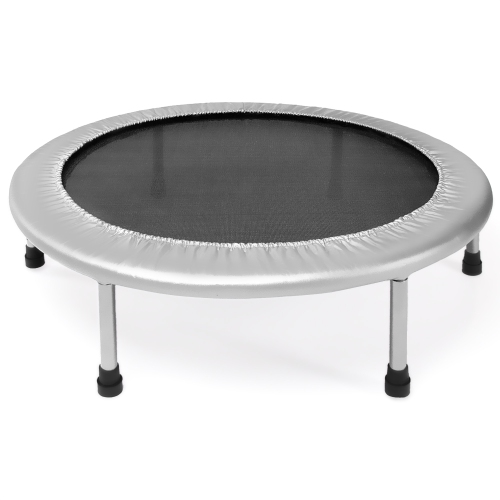 Your price for this item is $82.99
 -
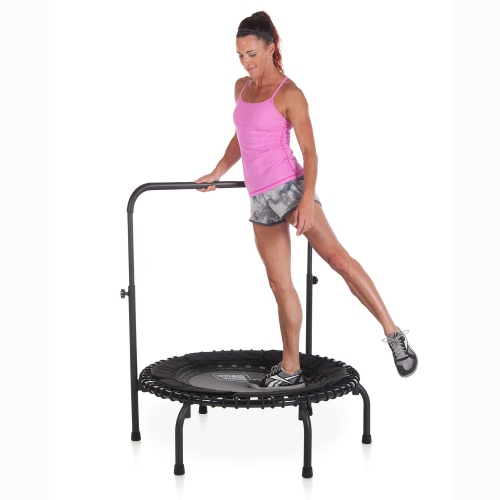 Your price for this item is $679.99
 -
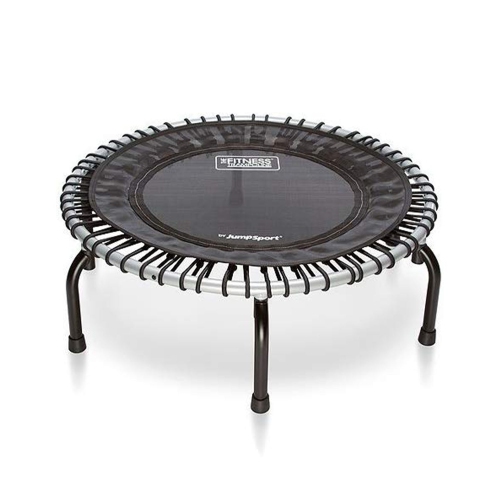 Your price for this item is $811.99
 -
 Your price for this item is $630.99
 -
 Your price for this item is $803.99
 -
 Your price for this item is $930.99
 -
 Your price for this item is $191.99
 -
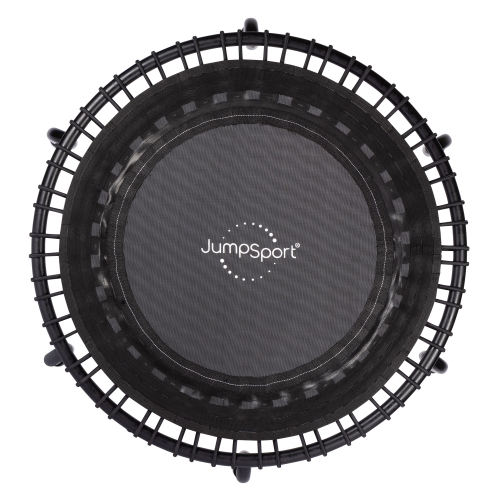 Your price for this item is $661.99
Discover more categories related to Fitness Trampolines

Top Collections:
Pokemon Centers, Kindle Devices, Best Budget Office Chairs, Apple iPhones 16, Best Laptops for Writers, iPhone 15 Apple, Canon G7X Cameras, Refurbished Apple Laptops, Alarm Clock, Motorola Razr Phones
Some products may be subject to Environmental Handling Fees
(EHF) depending on your province.
Learn more about EHFs.