Fitness Trampoline for Adults
Elevate your home workout routine with a Fitness Trampoline for Adults, designed to add variety and excitement to your exercise regimen. Perfect for those seeking a dynamic way to stay active, these trampolines offer an engaging solution for cardio sessions, balance training, and more. Whether you're setting up a dedicated fitness space or looking to maximize your living area, you'll find options that fit seamlessly into any environment. Explore the selection of Fitness Trampolines for Adults and discover new ways to achieve your fitness goals.
Sort
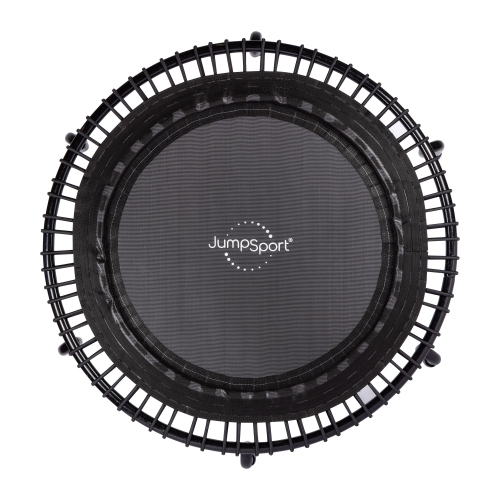
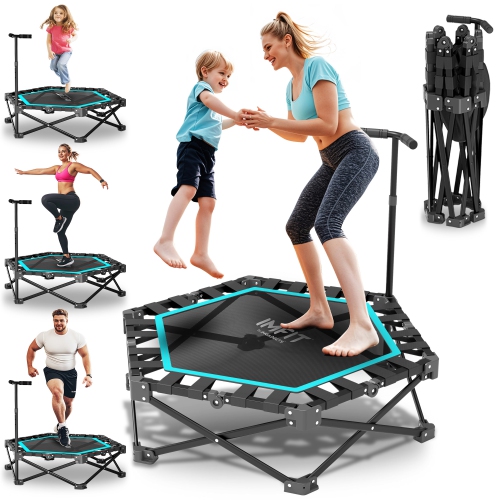
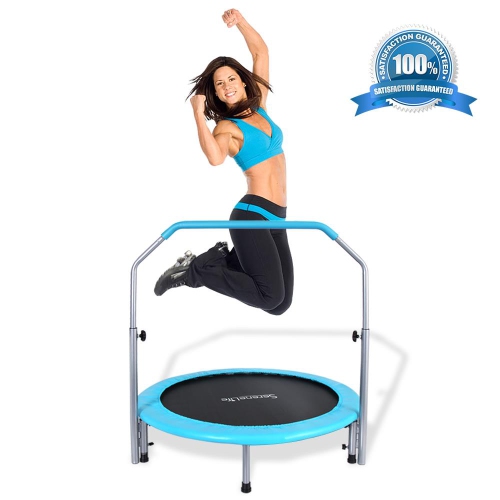
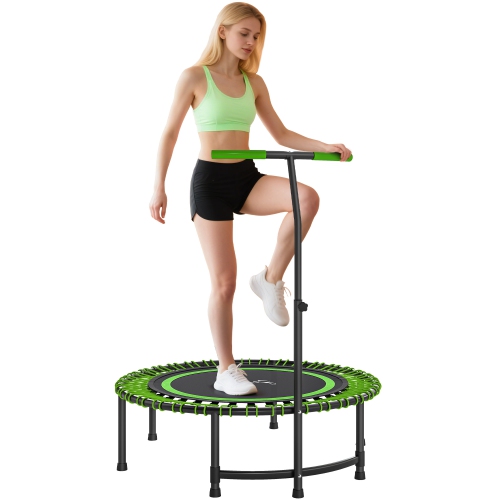
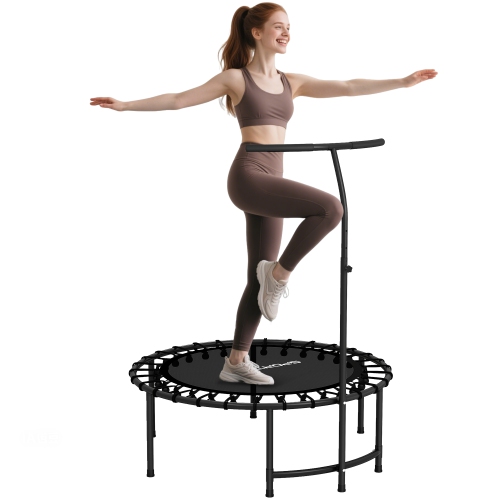
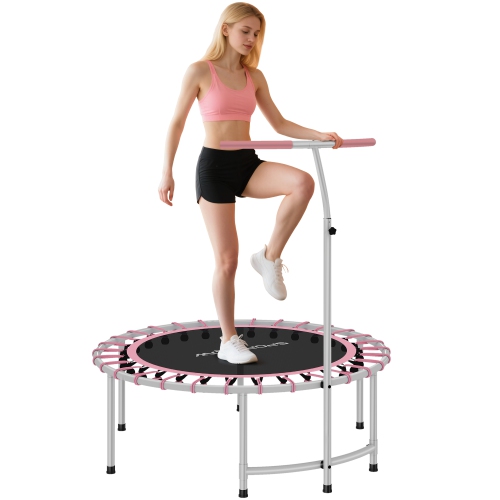
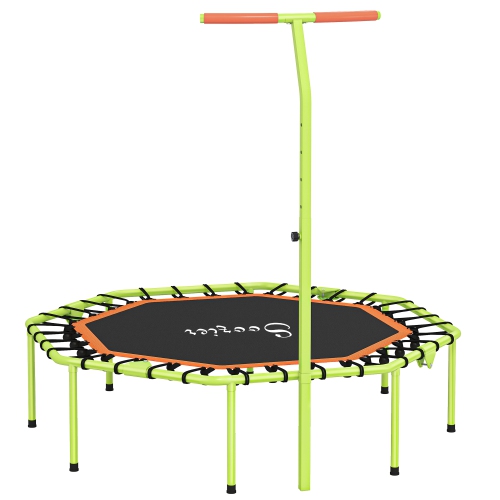
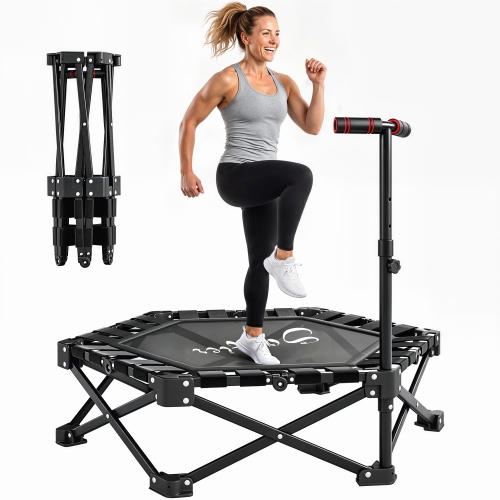
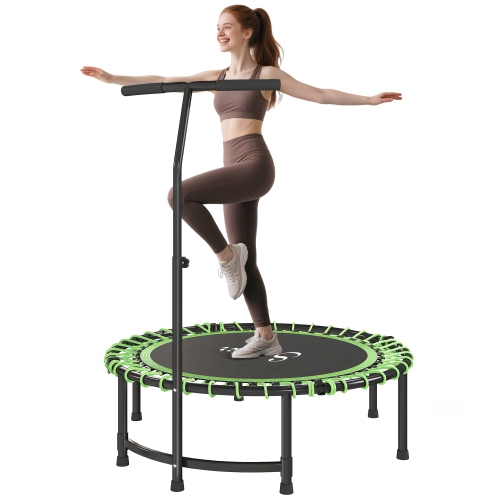
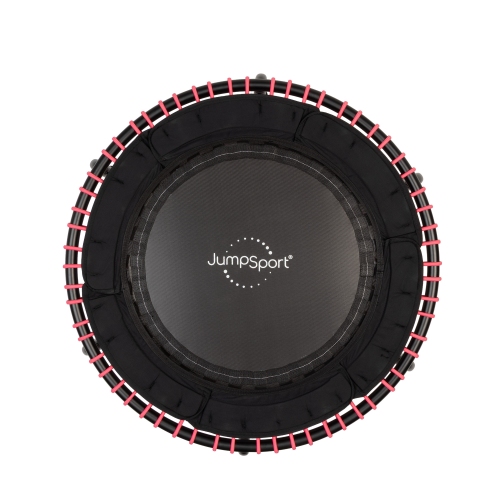
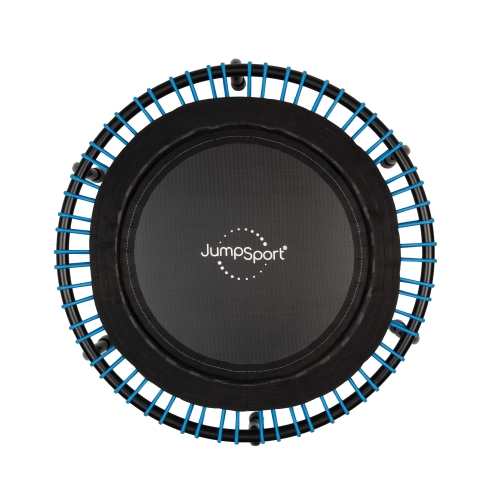
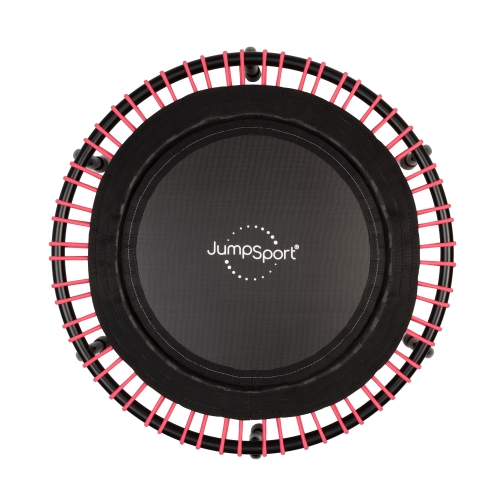
A higher bounce isn't the key to rebounding
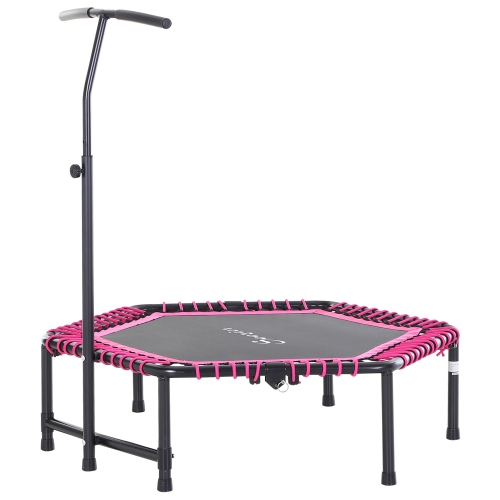
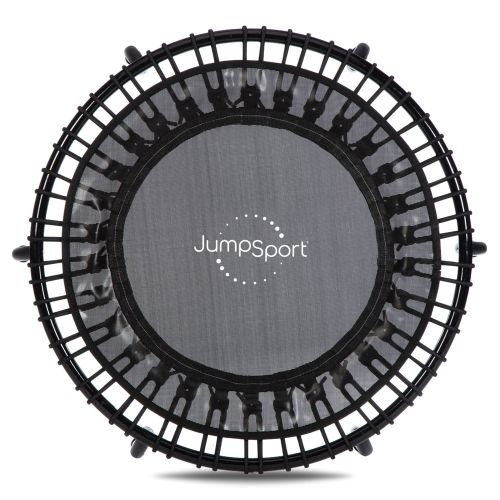
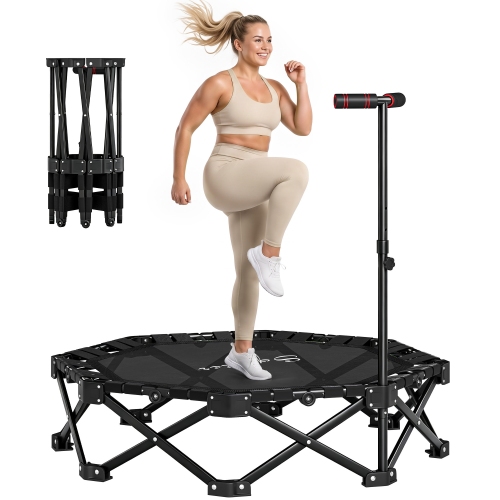
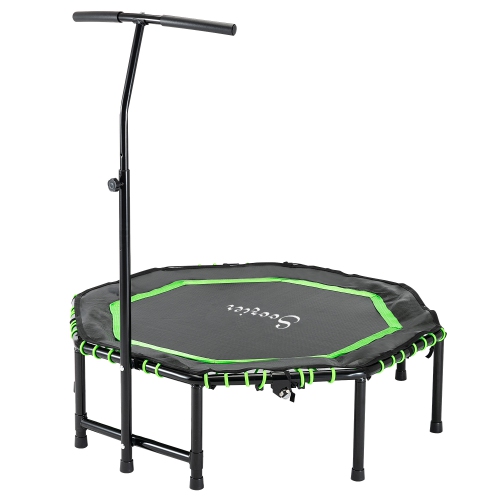
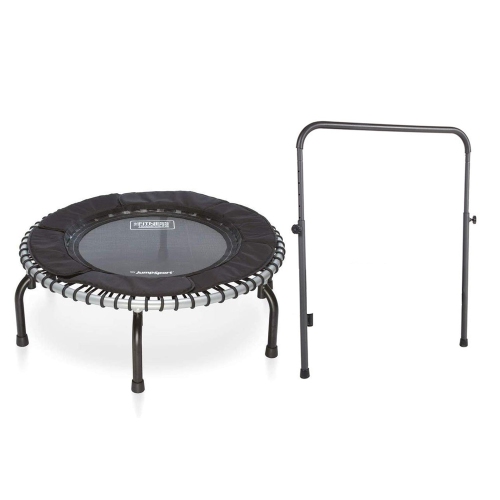
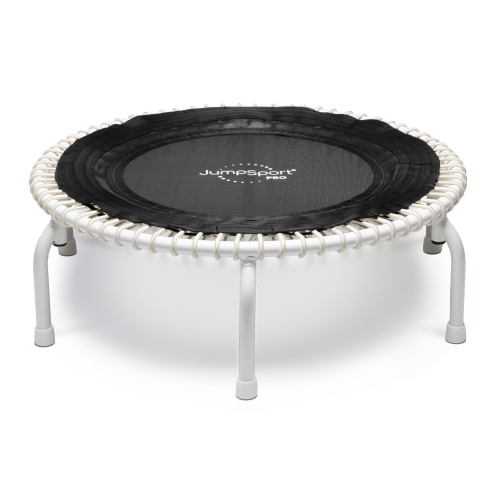
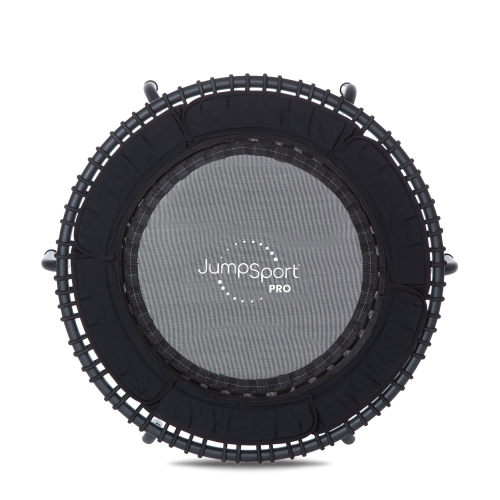
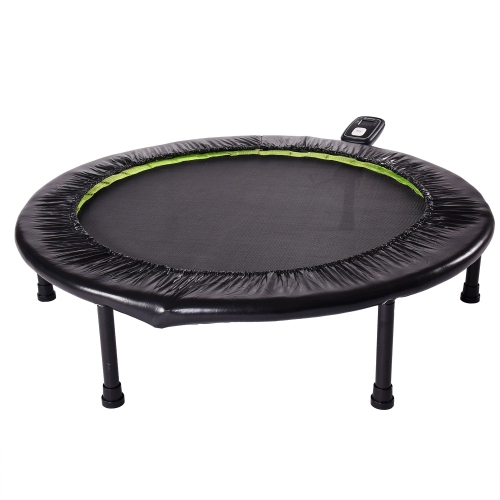
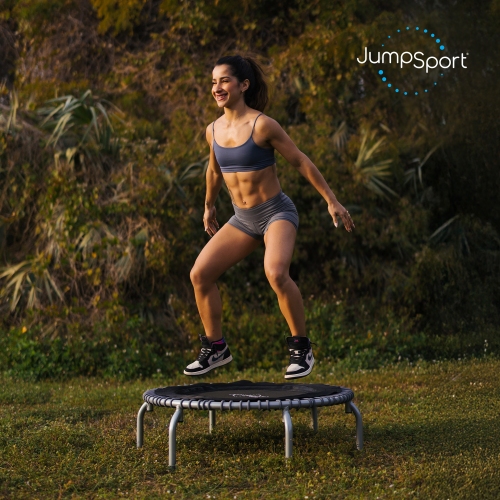
A fitness trampoline for adults, often called a rebounder, is a compact exercise platform with a flexible jumping surface supported by springs or elastic cords. It is designed for controlled bouncing and movement rather than the high jumps associated with larger recreational trampolines. Rebounding can support cardiovascular exercise, challenge balance and coordination, and engage the legs and core as the body responds to the moving surface. Because the mat yields underfoot, it can soften landings compared with jumping on a hard floor, although the experience still depends on the trampoline’s suspension, the user’s technique, and individual comfort. These trampolines suit adults who enjoy rhythmic movement, want variety in a home workout, or prefer exercise equipment that allows different levels of effort without complicated controls. A gentle session might involve small, steady rebounds with the feet remaining close to the mat, while a more demanding workout could include a quicker pace, alternating steps, and coordinated arm movements. The distinction is important: a higher bounce is not necessary for a worthwhile session, and controlled movement generally makes better use of a compact exercise surface. For someone who spends much of the day seated, a rebounder can offer an active break between longer periods at a desk. For a regular exerciser, it can add a different movement pattern alongside strength training, walking, or cycling. It does not replace every form of exercise, but its combination of rhythm, balance, and adjustable effort gives it a practical role in a varied routine. The sensation underfoot matters as much as the workout itself. Some adults prefer a firmer, quicker response that feels predictable during brisk stepping, while others enjoy a deeper, gentler bounce. A comfortable match allows the user to remain centred, maintain an upright posture, and move with control rather than struggle against the surface.
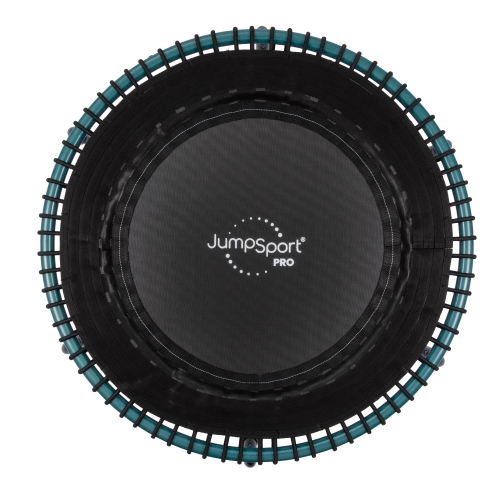
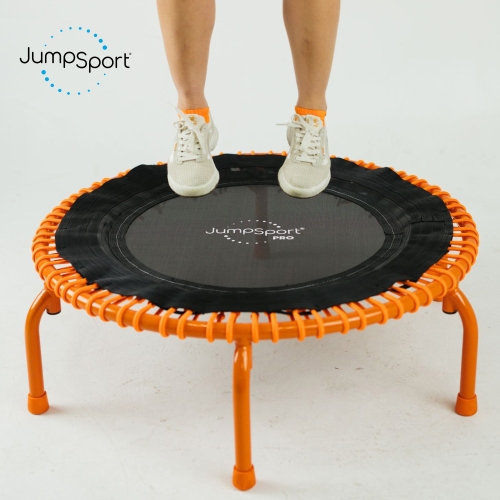
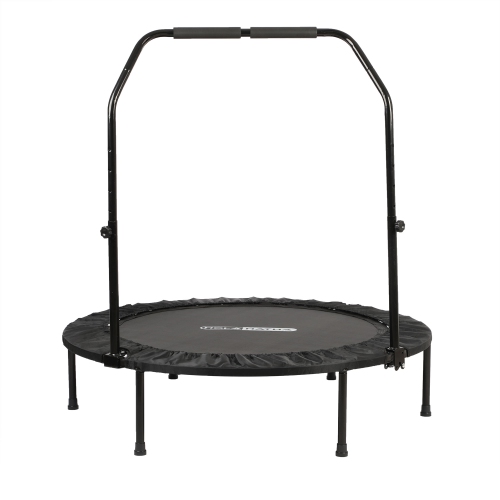
The design differences among Fitness Trampolines affect how they feel, fit into a room, and stand up to repeated use. Steel frames are common, providing a rigid structure around the jumping surface, while woven mats, often made from polypropylene, are designed to flex under repeated loading. Springs and elastic cords create different suspension characteristics, but neither system has one universal feel: tension, construction, and user weight all influence the response. Metal springs may produce noticeable mechanical sound, while cord-based suspension can offer a quieter bounce; frame connections, flooring, and movement also contribute to noise. In a shared home or apartment, the sound reaching a neighbouring room can matter just as much as the sound heard beside the trampoline. Rubber-tipped feet can help protect suitable flooring and limit movement, but the frame still needs a level, stable surface. An equipment mat may help protect the floor when permitted by the manufacturer, provided it does not make the setup soft or unsteady. Overall dimensions deserve careful attention because the frame extends beyond the usable jumping area. A wider mat may give more room for alternating steps, while a compact frame may be easier to place in a multipurpose room. The full setup also needs open space around it and sufficient overhead clearance for the user’s height and movement, away from ceiling fans, light fixtures, and furniture edges. Maximum user weight is another essential specification; a larger-looking trampoline is not automatically rated for a heavier adult. Handlebar designs can provide a point of contact for certain movements, with adjustable height helping accommodate different users, but a bar is not a substitute for balance or safe technique. Folding frames and removable legs can make storage more manageable, although hinges, locking mechanisms, and the effort required to fold the frame deserve consideration. A rebounder that is easy to set out and put away is more likely to fit naturally into everyday life than one that makes every session feel like a furniture rearrangement.
Durability depends on both construction and the way a fitness trampoline is used and maintained. Repeated bouncing places stress on the mat, attachment points, suspension, legs, and frame joints, so secure connections and clear care instructions are valuable parts of the overall design. Before use, the mat should sit evenly, the legs should be firmly attached, and any folding sections or handlebar fittings should be locked as directed. Fraying fabric, damaged cords, stretched or broken springs, loose hardware, or an uneven frame are reasons to stop using the trampoline until the issue is resolved according to the manufacturer’s instructions. Keeping the surface free of dust, grit, and moisture helps preserve traction and makes wear easier to notice. Cleaning usually calls for a gentle approach rather than harsh chemicals, with the manufacturer’s directions determining which products and methods are appropriate. Storage matters too: an indoor rebounder belongs in a dry location where the mat and suspension will not be pressed against sharp objects or distorted beneath heavy belongings. During exercise, fitted clothing that allows free movement and footwear consistent with the manufacturer’s guidance can help keep the experience comfortable and predictable. One adult at a time, controlled rebounds, and a clear area away from children and pets are sensible foundations for home use. Anyone with concerns about balance, joint comfort, a recent injury, or whether rebounding is appropriate for their health should seek advice from a qualified healthcare professional before starting. As a gift, an adult fitness trampoline is best suited to someone who has expressed an interest in this kind of movement and has enough room to use it safely. The recipient’s height, weight, storage space, and preferred workout style matter more than a decorative detail or an ambitious exercise plan. A well-matched rebounder offers a straightforward place to move, whether the goal is a brief activity break, a music-led cardio session, or another enjoyable element in an established home fitness routine.
Top selling and popular products
-
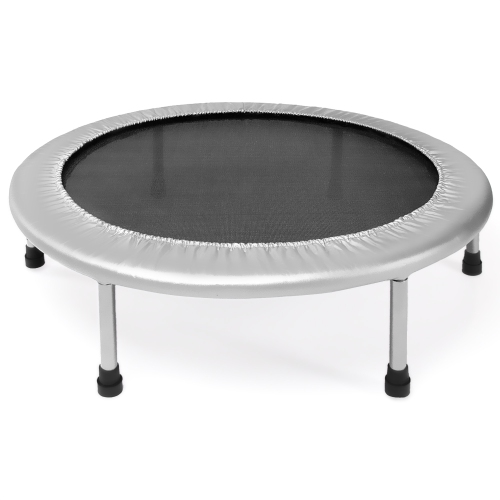 Your price for this item is $104.99
-
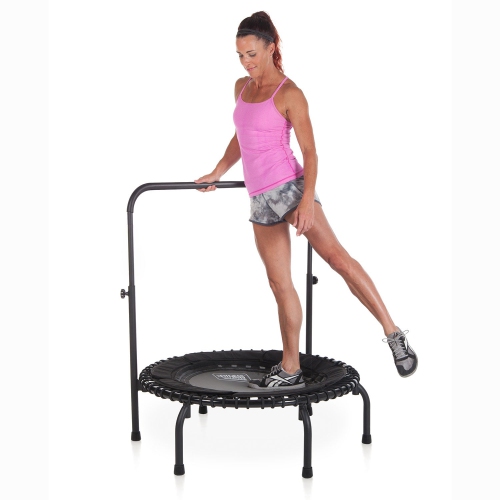 Your price for this item is $784.99
-
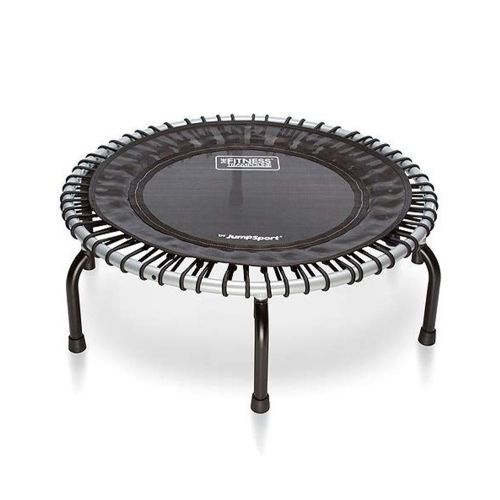 Your price for this item is $1017.99
-
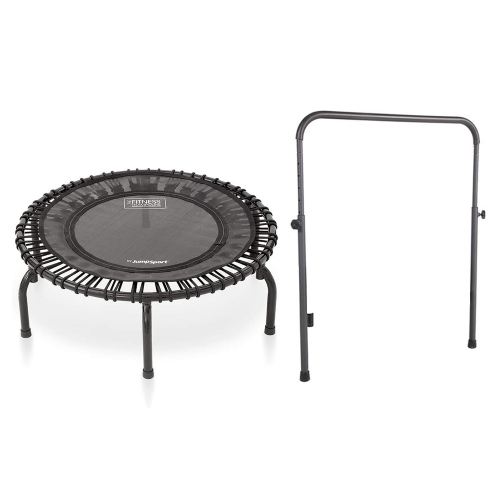 Your price for this item is $769.99
-
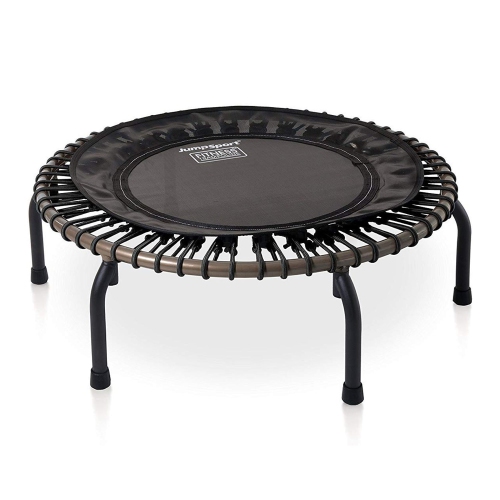 Your price for this item is $1094.99
-
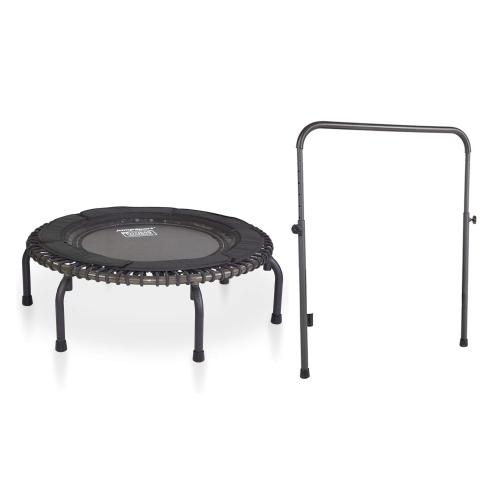 Your price for this item is $1027.99
-
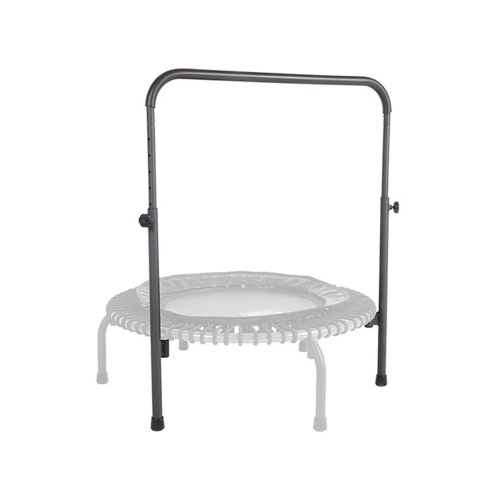 Your price for this item is $219.99
-
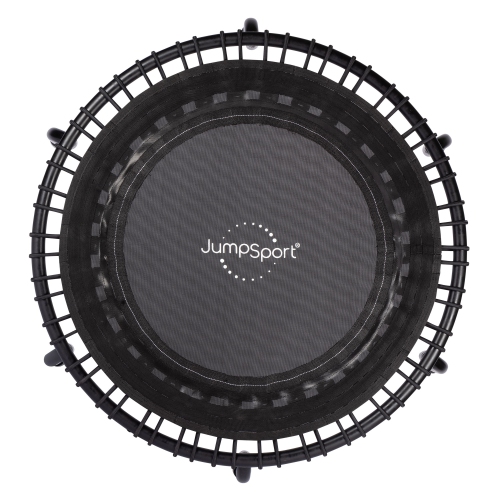 Your price for this item is $761.99
Discover more categories related to Fitness Trampoline for Adults
Top Collections:
Best Black Friday Deals This Year, Best Black Friday Deals On Electronics, Kindle Devices, Pokemon Centers, Best Black Friday Deals On Apple Products, Best Cameras for Sports Photography, Dyson Airwrap, Pokémon 30th Celebration Cards, Apple iPhone 17 Pro, Canon G7X Cameras
Some products may be subject to Environmental Handling Fees
(EHF) depending on your province.
Learn more about EHFs.