Mini Black Flashlight
Perfect for a variety of situations, a mini black flashlight is an essential tool to have on hand. Whether you're camping, hiking, or just need a reliable light source at home, these compact flashlights offer convenience and portability. Their sleek black design ensures they blend seamlessly with your gear while providing powerful illumination when you need it most. Explore our selection of mini black flashlights to find the perfect companion for all your adventures and everyday needs.
Sort
UV output matters more than a black finish
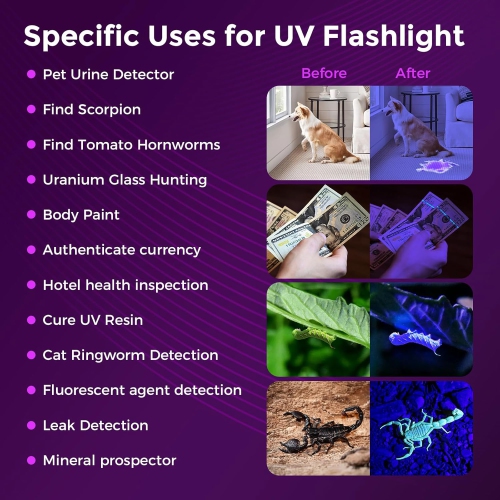
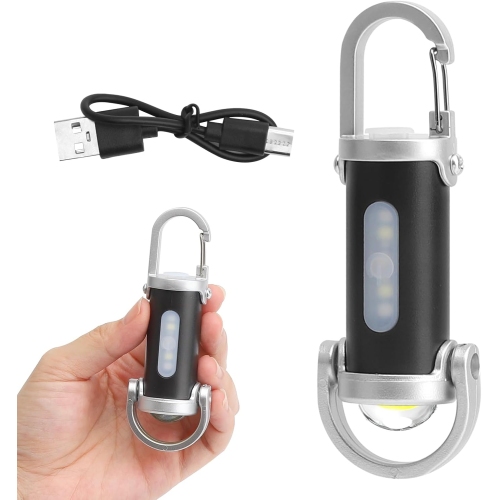
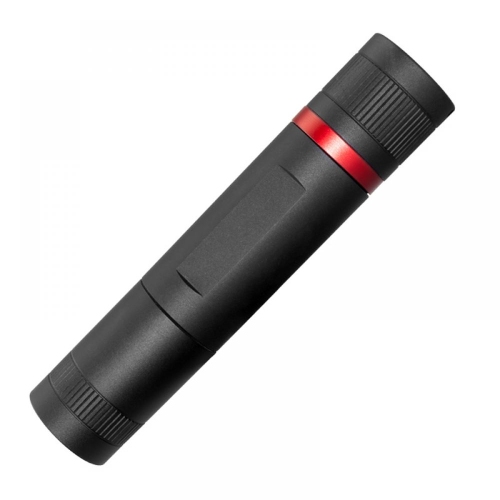
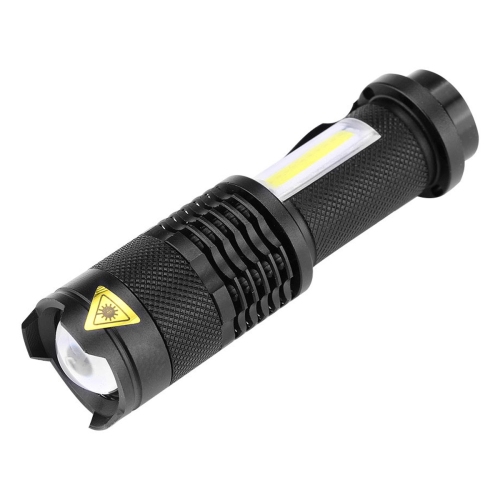
A mini black flashlight can refer to a small flashlight with a black body, but for stain detection, mineral viewing, and similar inspection tasks, the key feature is ultraviolet output, often described as a black light. A black finish alone does not mean a flashlight emits UV light. Mini UV flashlights use ultraviolet LEDs to make certain substances fluoresce, producing a visible glow that can reveal details ordinary lighting misses. Their compact size makes them useful for checking a patch of carpet beside a pet’s bed, examining a mineral specimen, or inspecting a fluorescent security marking. They fit easily into a drawer, tool pouch, or travel organizer without taking up the space of a full-sized inspection lamp. Common UV wavelengths include 365 nm and 395 nm, and that distinction matters more than the colour of the casing. A 395 nm flashlight generally produces a noticeable violet glow alongside its ultraviolet output, while a 365 nm model typically produces less visible violet light. An optical filter on some 365 nm designs further reduces visible light, which can help fluorescent details stand out. Neither wavelength makes every stain or material glow: results depend on the substance, the surface beneath it, surrounding light, and the flashlight’s output. For pet owners, a small UV flashlight can help locate areas worth cleaning, particularly dried residues that are difficult to see under normal room lighting. Carpet treatments, detergents, adhesives, and other household materials may also fluoresce, so a glowing spot is a clue rather than proof of pet urine. The same limitation applies when inspecting a hotel room or upholstered furniture: UV light cannot establish whether a surface is hygienic, identify a substance with certainty, or reveal all contamination. A pocket-sized black light is most useful as a focused inspection tool, with findings checked against what is visible under ordinary light. For illuminating a path, reading a label, or finding a dropped screw, white-light Mini LED Flashlights serve a different purpose and are generally the more suitable choice.
The construction of a mini UV flashlight influences how comfortably it carries and how well it holds up to repeated use. Anodized aluminum housings offer a useful balance of low weight and resistance to everyday abrasion, while polymer bodies can provide a light, comfortable grip. A black surface may be matte, textured, or smooth, and raised grip patterns make a narrow barrel easier to hold securely. Pocket fit involves more than overall length: a wider lamp head can create a noticeable bulge, while a slim body may sit neatly beside a pen in a small utility pouch. A pocket clip or lanyard attachment can keep the flashlight accessible, although the security of those fittings matters when carrying it on a bag or belt. Switch placement also changes the feel of use. A tail switch may be easy to locate by touch, while a side button can suit a pencil-like grip during close inspection. A recessed switch or lockout feature helps limit accidental activation inside a bag. For checking a broad section of carpet, a wider beam reduces the need for repeated passes; for looking at a small marking or a mineral’s surface, a narrower beam can make positioning easier. Neither LED count nor the amount of visible purple light reliably indicates how effective a UV flashlight will be. Wavelength, optical design, working distance, and the material being inspected all affect the result. Power options deserve similar attention. Replaceable batteries allow a fresh set to be fitted without waiting for charging, while a rechargeable design can suit frequent household or workshop use. USB-C charging is convenient when supported, but connector type alone does not establish charging speed or runtime. Manufacturer runtime figures may reflect a particular operating mode, and output can decline as the battery runs down. For longer inspection sessions, a slightly larger grip and a clearly accessible switch may be more comfortable than the smallest possible body. Impact-resistance and water-resistance ratings, where specified, offer more useful durability information than rugged styling alone.
Beyond household inspections, mini black light flashlights appeal to mineral collectors, hobbyists, maintenance workers, and adults who enjoy examining fluorescent details. Some minerals respond strongly to longwave UV, while others need a different wavelength or do not fluoresce at all, so a compact black light will not reveal the same effect in every specimen. Fluorescent inks and certain security features may also become visible, but the expected response depends on the marking and its intended inspection wavelength; a UV flashlight alone cannot authenticate a document or object. In craft work, some UV-curing resins respond to wavelengths supplied by handheld lights, but curing requires a compatible wavelength, adequate irradiance, and sufficient exposure throughout the material. A mini inspection flashlight should not be assumed to replace a purpose-built curing lamp. Resin depth, pigments, and shadows can leave material incompletely cured even when the surface feels firm, making the resin manufacturer’s directions essential. Safe handling matters across all these uses. Never look directly into the beam or aim it at another person’s or an animal’s eyes, and avoid exposing skin unnecessarily. A dim-looking UV beam is not evidence of low output. Follow the flashlight manufacturer’s precautions, including any requirements for UV-rated eye protection; ordinary clear glasses should not be assumed to provide suitable protection. These tools are not germicidal devices and should not be treated as toys. For care, keep the lens free of fingerprints and dust with a clean, soft cloth, and follow the specified cleaning method rather than applying household solvents. A scratched or dirty lens can interfere with the beam and make inspection less consistent. Keep battery contacts clean and dry, use only the supported battery type, and remove replaceable batteries before extended storage if the manufacturer advises it. A protective pouch can prevent keys and loose tools from rubbing against the lens. As a practical gift, a mini UV flashlight can suit a pet owner, mineral enthusiast, or craft hobbyist when its wavelength and capabilities match the recipient’s interests. Clear specifications and straightforward controls help make that small tool genuinely useful.
The construction of a mini UV flashlight influences how comfortably it carries and how well it holds up to repeated use. Anodized aluminum housings offer a useful balance of low weight and resistance to everyday abrasion, while polymer bodies can provide a light, comfortable grip. A black surface may be matte, textured, or smooth, and raised grip patterns make a narrow barrel easier to hold securely. Pocket fit involves more than overall length: a wider lamp head can create a noticeable bulge, while a slim body may sit neatly beside a pen in a small utility pouch. A pocket clip or lanyard attachment can keep the flashlight accessible, although the security of those fittings matters when carrying it on a bag or belt. Switch placement also changes the feel of use. A tail switch may be easy to locate by touch, while a side button can suit a pencil-like grip during close inspection. A recessed switch or lockout feature helps limit accidental activation inside a bag. For checking a broad section of carpet, a wider beam reduces the need for repeated passes; for looking at a small marking or a mineral’s surface, a narrower beam can make positioning easier. Neither LED count nor the amount of visible purple light reliably indicates how effective a UV flashlight will be. Wavelength, optical design, working distance, and the material being inspected all affect the result. Power options deserve similar attention. Replaceable batteries allow a fresh set to be fitted without waiting for charging, while a rechargeable design can suit frequent household or workshop use. USB-C charging is convenient when supported, but connector type alone does not establish charging speed or runtime. Manufacturer runtime figures may reflect a particular operating mode, and output can decline as the battery runs down. For longer inspection sessions, a slightly larger grip and a clearly accessible switch may be more comfortable than the smallest possible body. Impact-resistance and water-resistance ratings, where specified, offer more useful durability information than rugged styling alone.
Beyond household inspections, mini black light flashlights appeal to mineral collectors, hobbyists, maintenance workers, and adults who enjoy examining fluorescent details. Some minerals respond strongly to longwave UV, while others need a different wavelength or do not fluoresce at all, so a compact black light will not reveal the same effect in every specimen. Fluorescent inks and certain security features may also become visible, but the expected response depends on the marking and its intended inspection wavelength; a UV flashlight alone cannot authenticate a document or object. In craft work, some UV-curing resins respond to wavelengths supplied by handheld lights, but curing requires a compatible wavelength, adequate irradiance, and sufficient exposure throughout the material. A mini inspection flashlight should not be assumed to replace a purpose-built curing lamp. Resin depth, pigments, and shadows can leave material incompletely cured even when the surface feels firm, making the resin manufacturer’s directions essential. Safe handling matters across all these uses. Never look directly into the beam or aim it at another person’s or an animal’s eyes, and avoid exposing skin unnecessarily. A dim-looking UV beam is not evidence of low output. Follow the flashlight manufacturer’s precautions, including any requirements for UV-rated eye protection; ordinary clear glasses should not be assumed to provide suitable protection. These tools are not germicidal devices and should not be treated as toys. For care, keep the lens free of fingerprints and dust with a clean, soft cloth, and follow the specified cleaning method rather than applying household solvents. A scratched or dirty lens can interfere with the beam and make inspection less consistent. Keep battery contacts clean and dry, use only the supported battery type, and remove replaceable batteries before extended storage if the manufacturer advises it. A protective pouch can prevent keys and loose tools from rubbing against the lens. As a practical gift, a mini UV flashlight can suit a pet owner, mineral enthusiast, or craft hobbyist when its wavelength and capabilities match the recipient’s interests. Clear specifications and straightforward controls help make that small tool genuinely useful.
Top selling and popular products
-
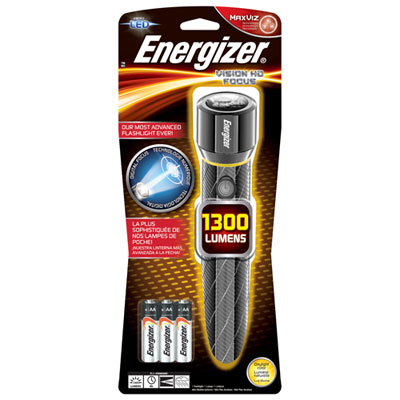 Your price for this item is $19.97
 -
 Your price for this item is $129.99
 -
 Your price for this item is $39.99
 -
 Your price for this item is $51.99
 -
 Your price for this item is $107.99
 -
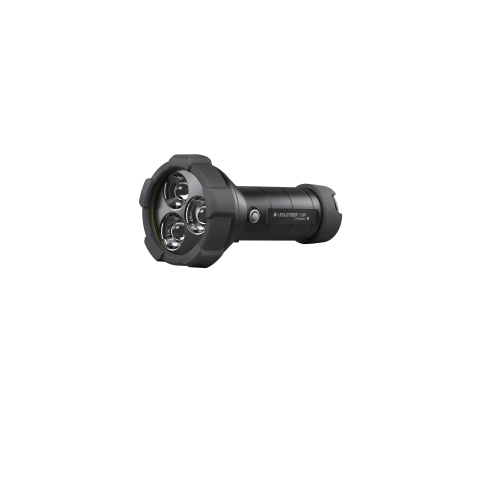 Your price for this item is $287.93
 -
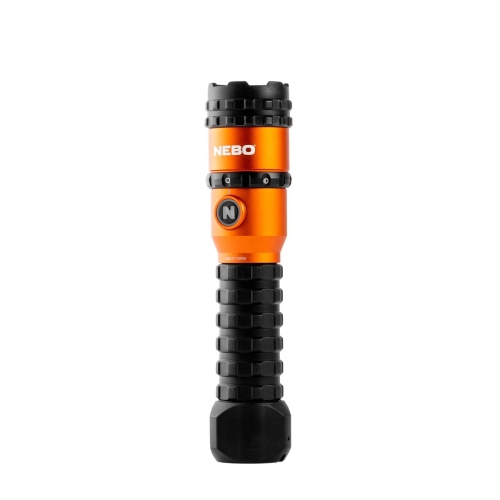 Your price for this item is $124.99
 -
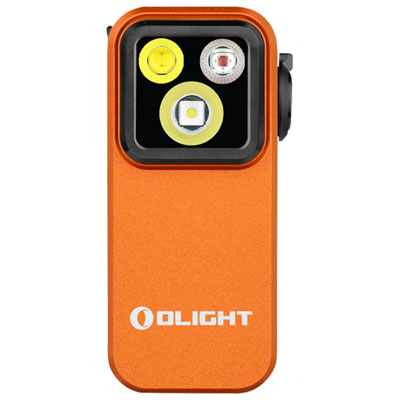 Your price for this item is $49.99
Discover more categories related to Mini Black Flashlight
Top Collections:
Pokemon Centers, Kindle Devices, Best Budget Office Chairs, Apple iPhones 16, Best Laptops for Writers, iPhone 15 Apple, Canon G7X Cameras, Refurbished Apple Laptops, Alarm Clock, Motorola Razr Phones
Some products may be subject to Environmental Handling Fees
(EHF) depending on your province.
Learn more about EHFs.