Flashlight Black
A flashlight is a portable, hand-held device that produces a strong, narrow beam of light. Flashlights are commonly used to illuminate dark places or to provide general illumination. Here are some of the best black flashlights on the market.
Sort
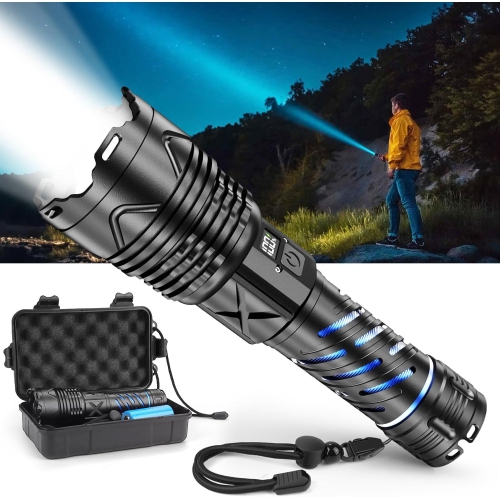
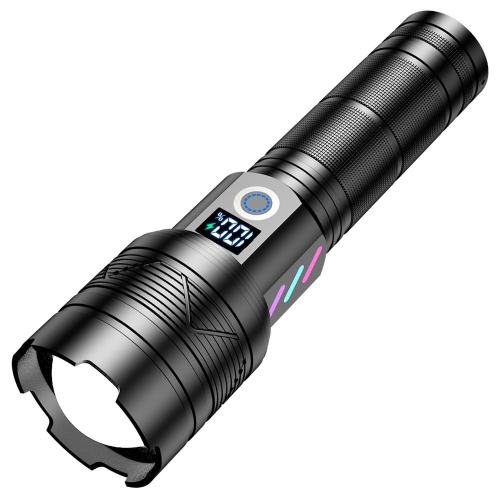
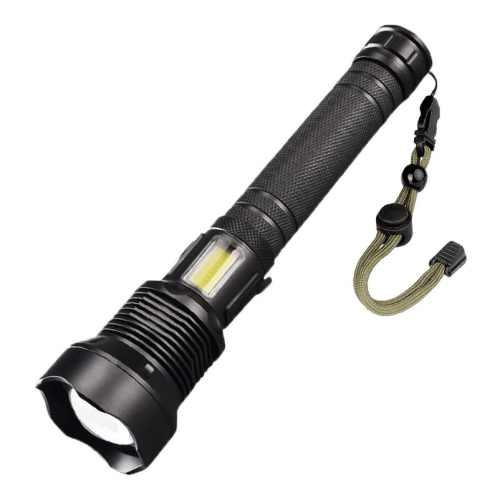
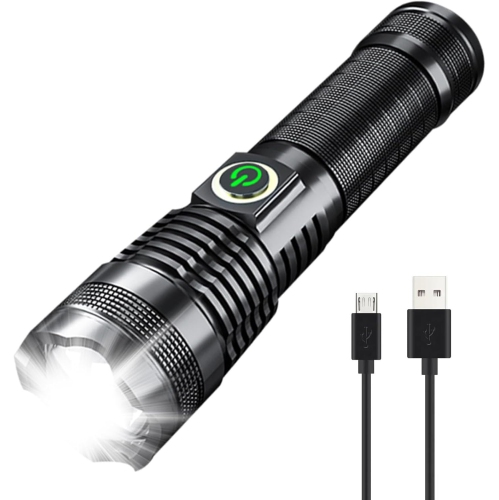
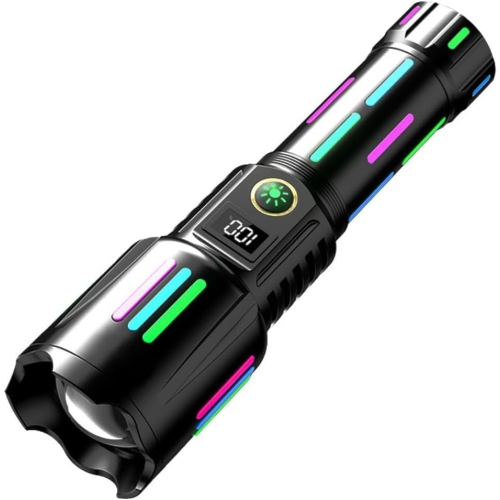
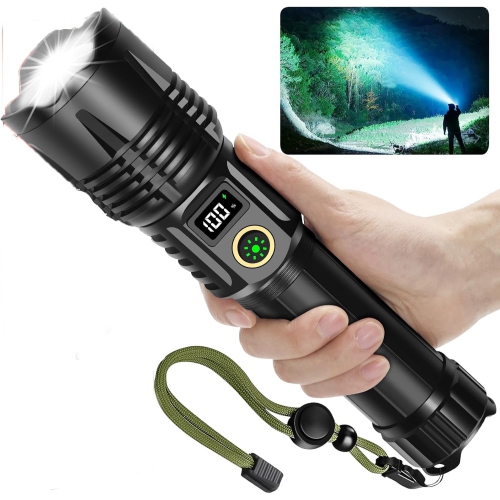
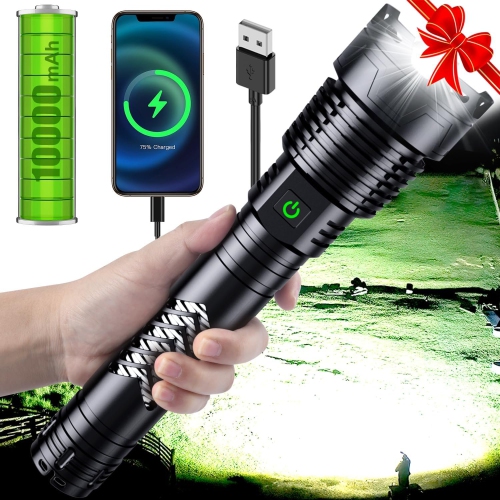
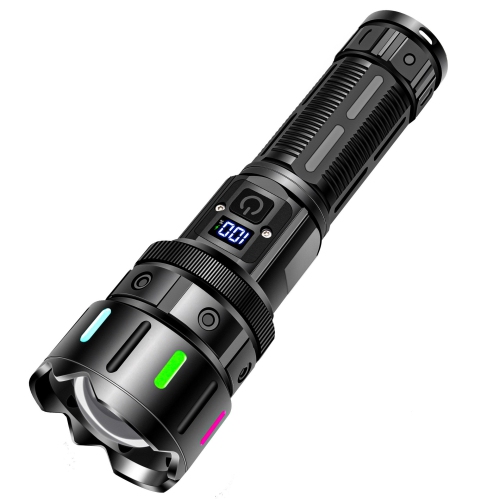
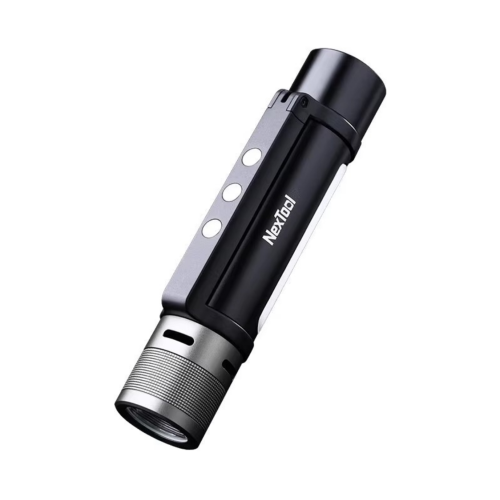
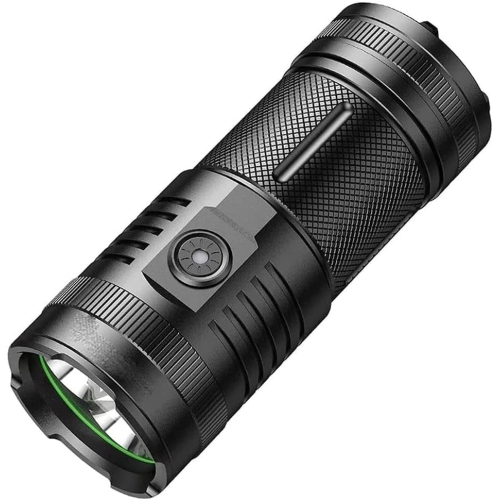
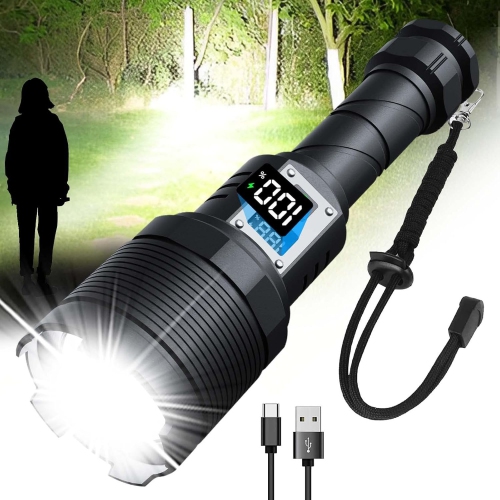
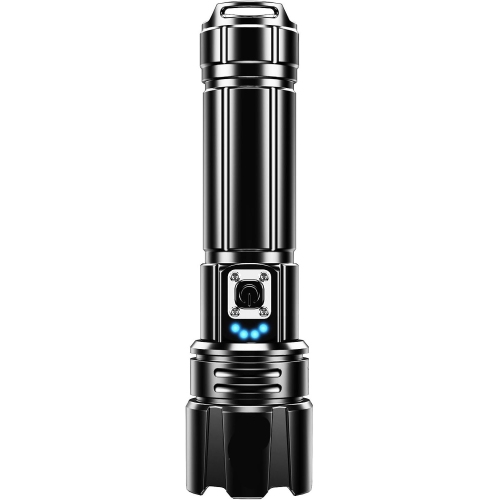
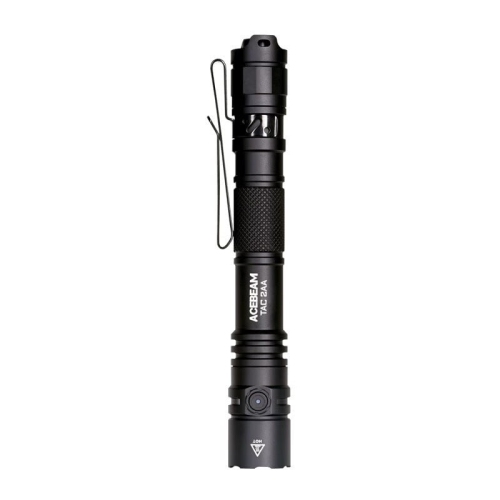
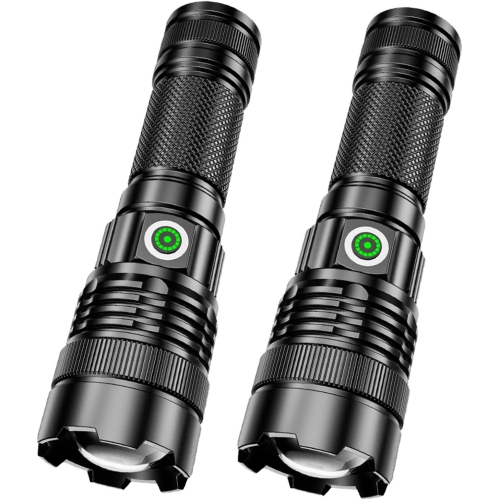
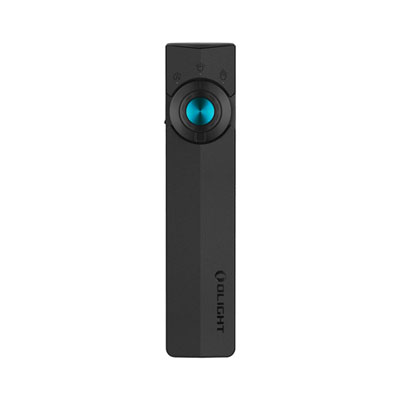
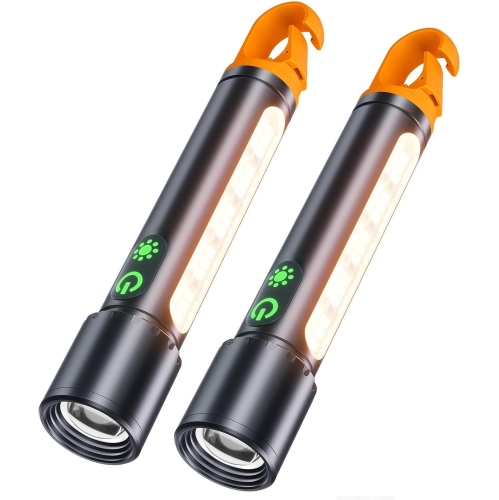
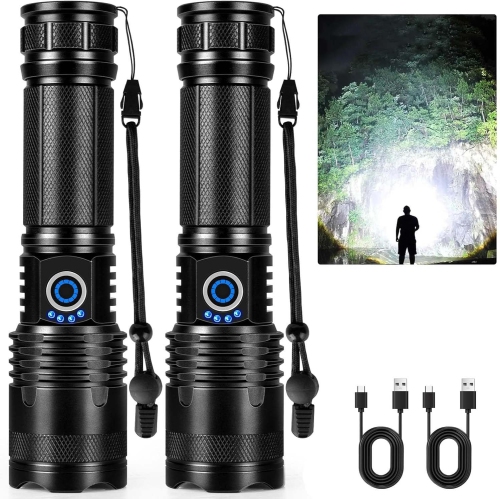
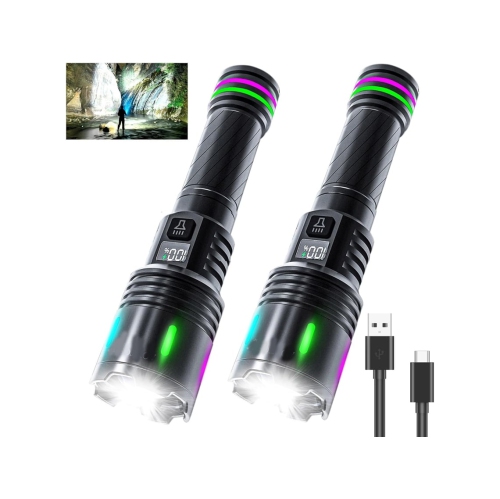
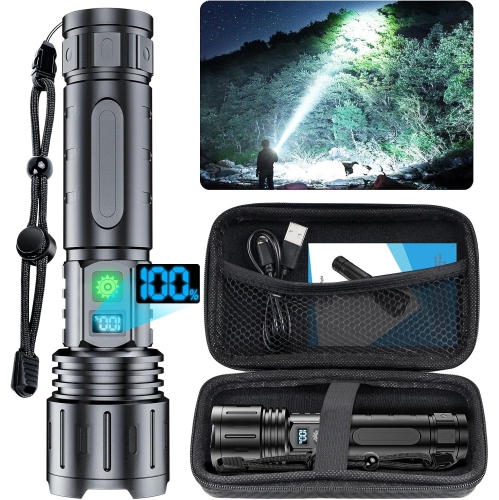
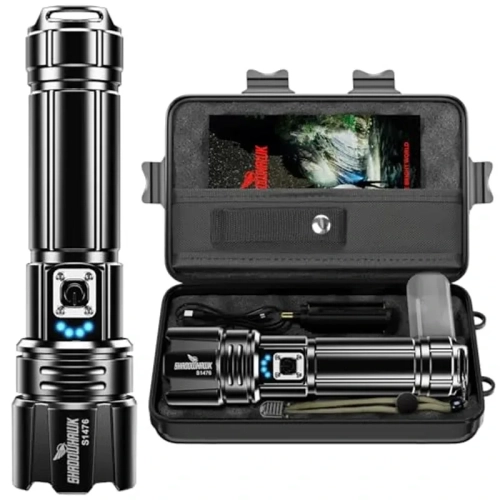
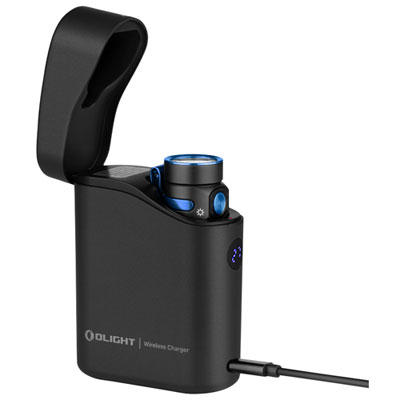
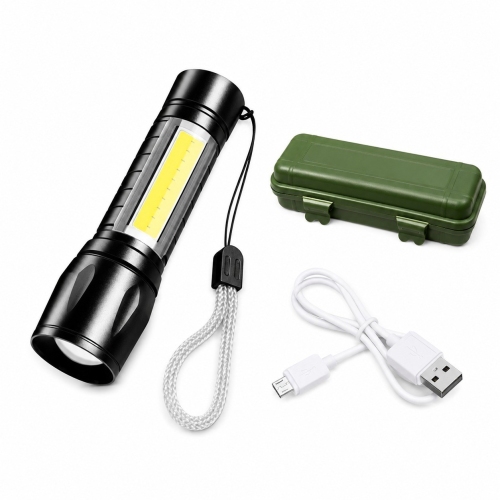
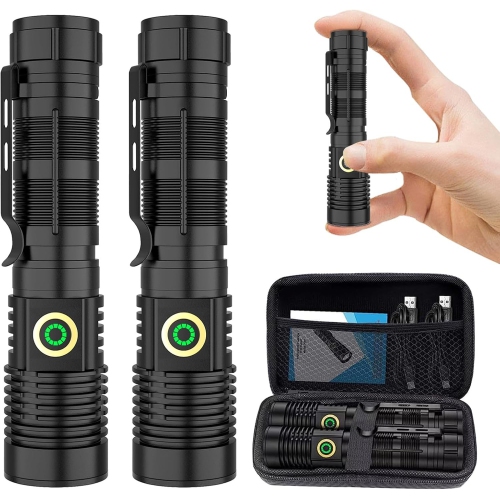
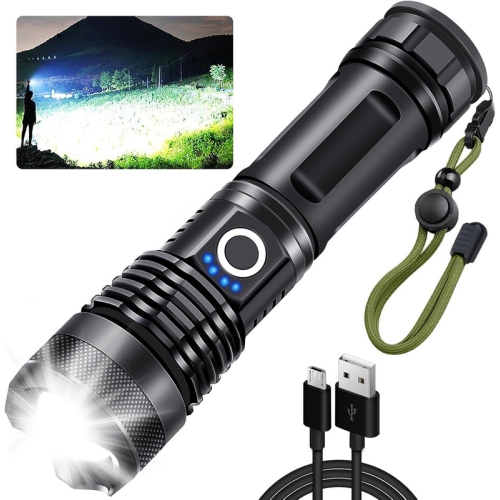
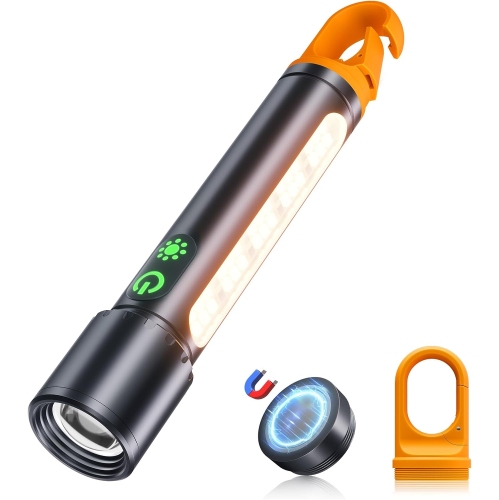
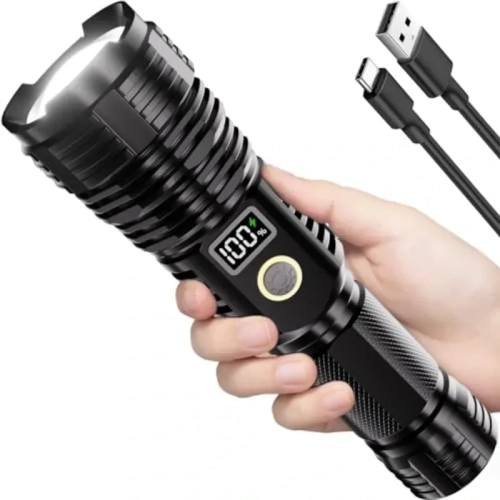
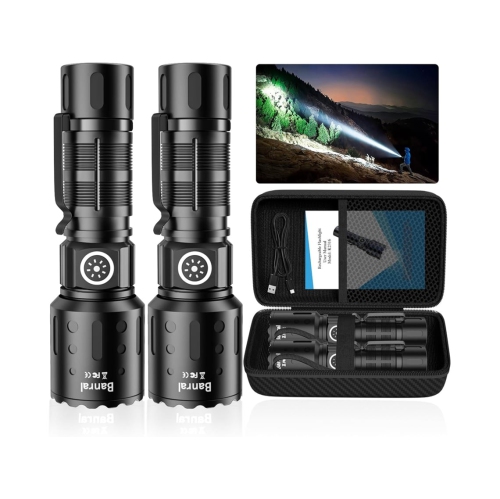
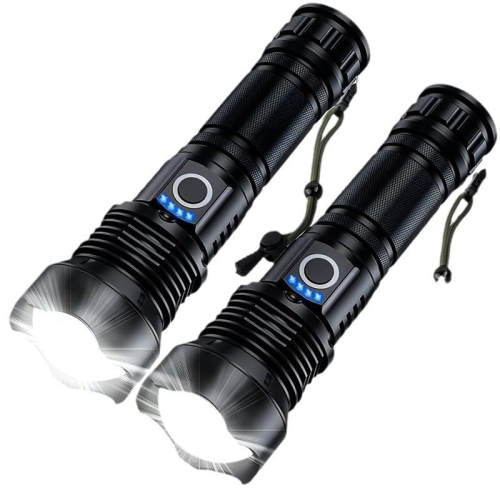
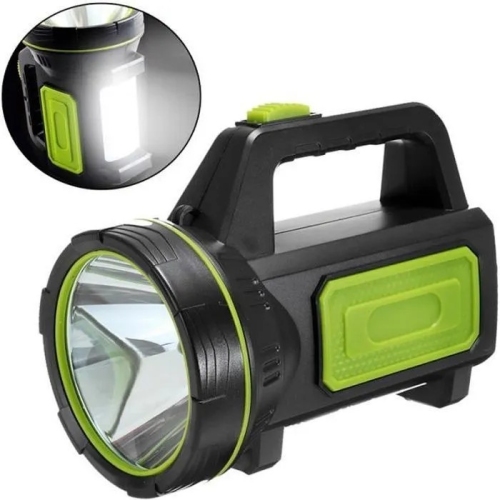
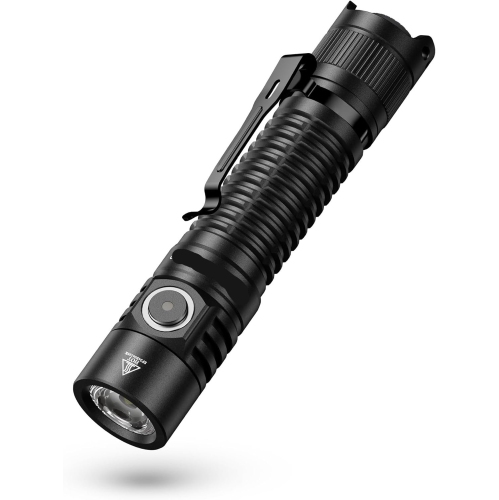
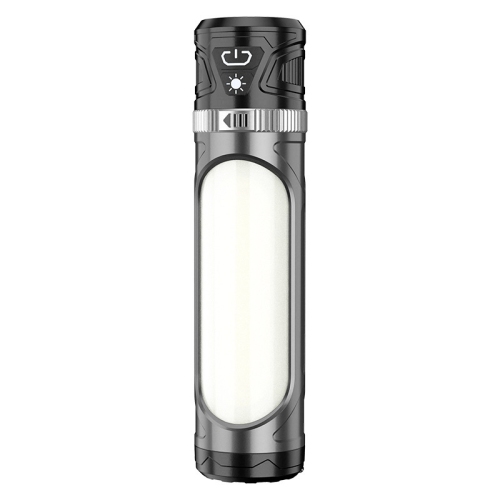
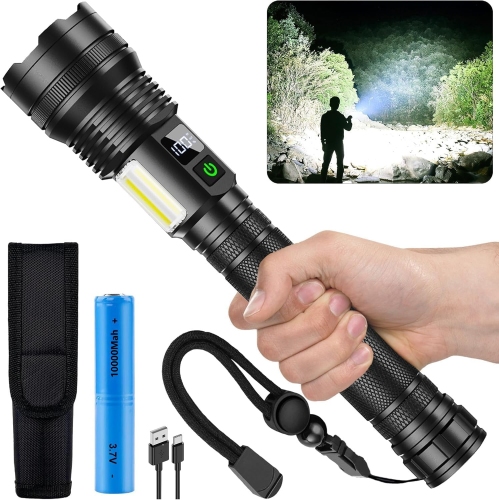
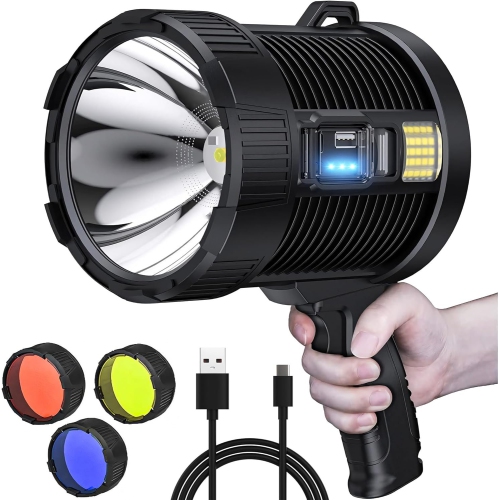
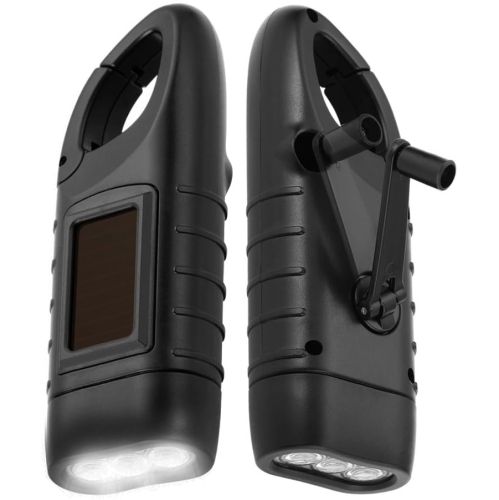
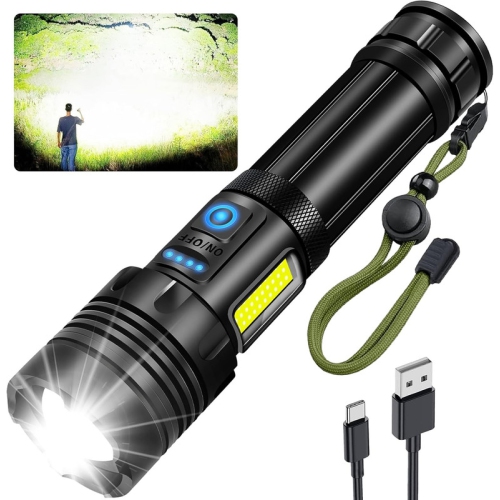
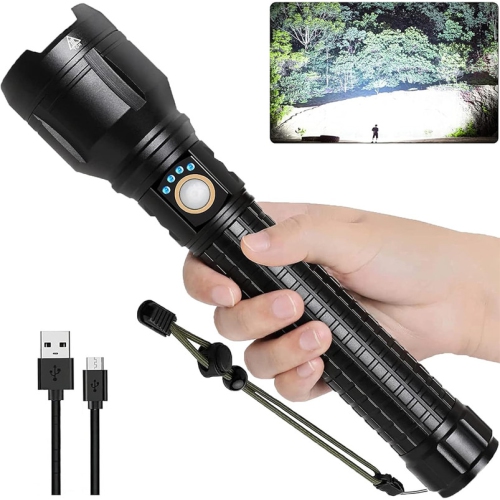
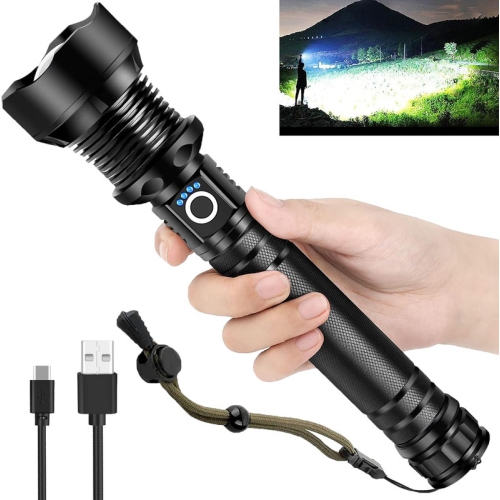
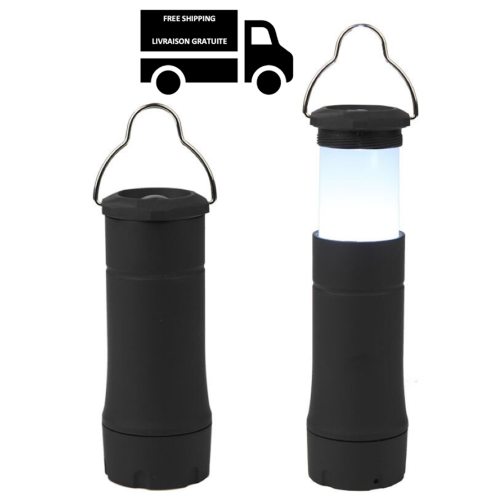
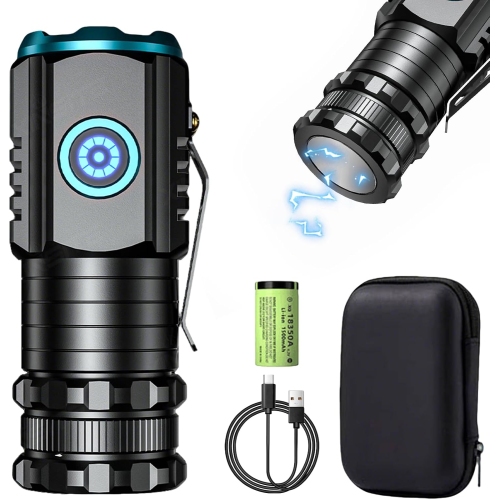
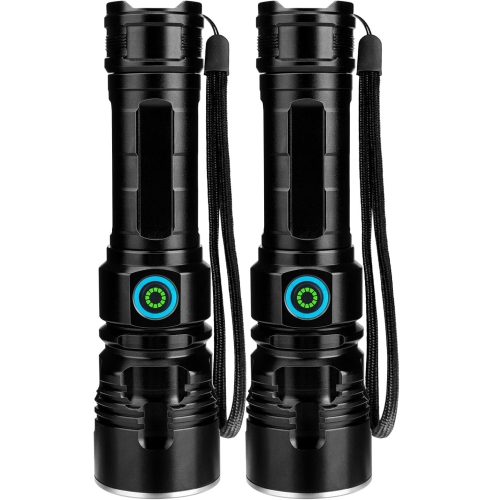
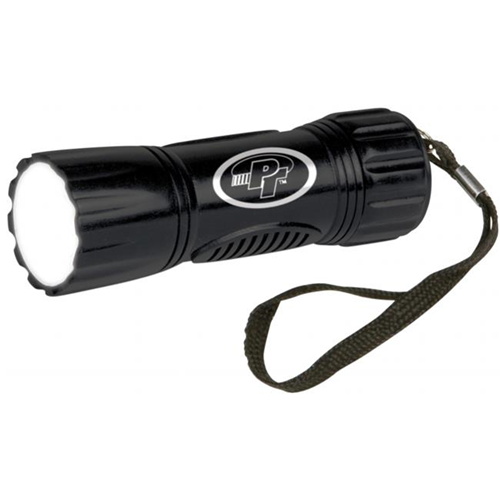
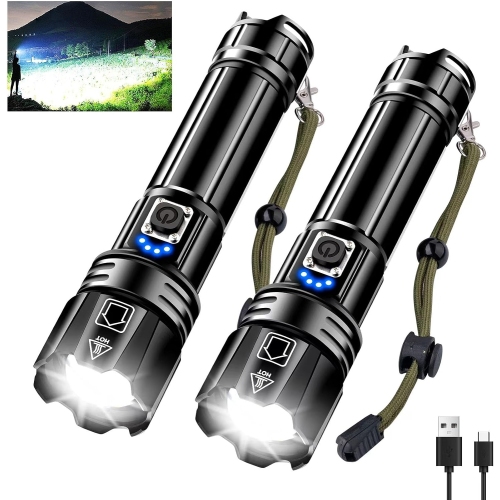
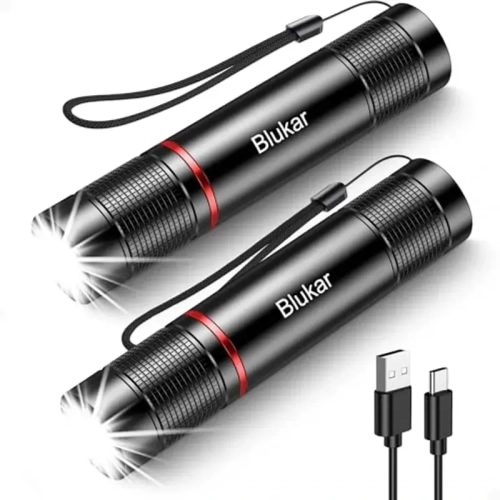
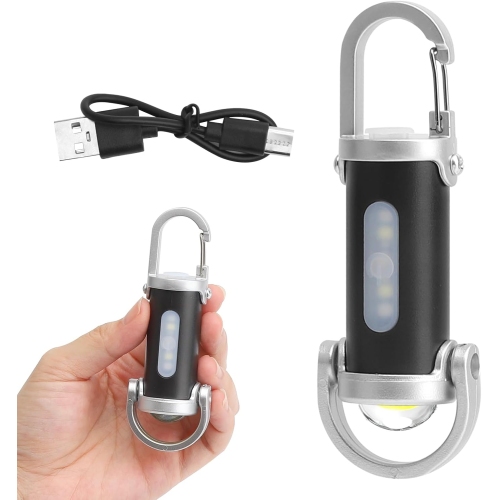
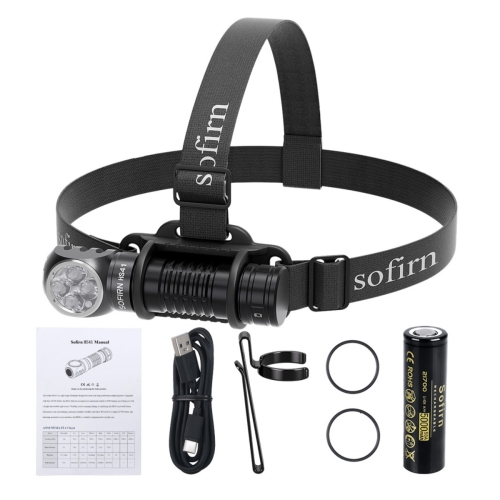
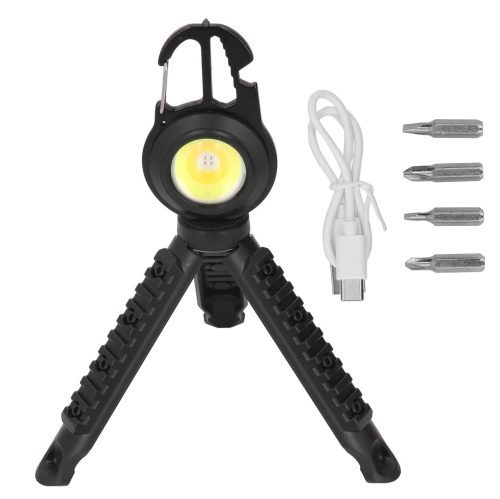
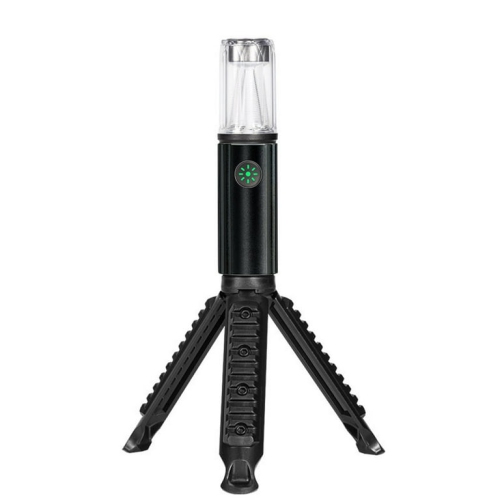
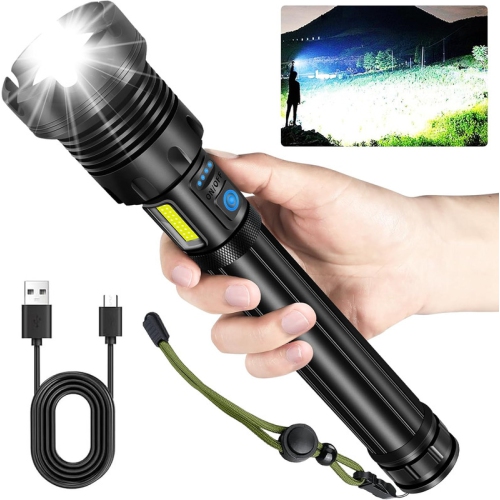
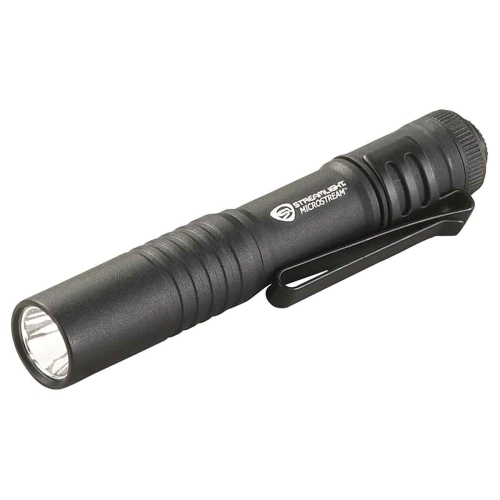
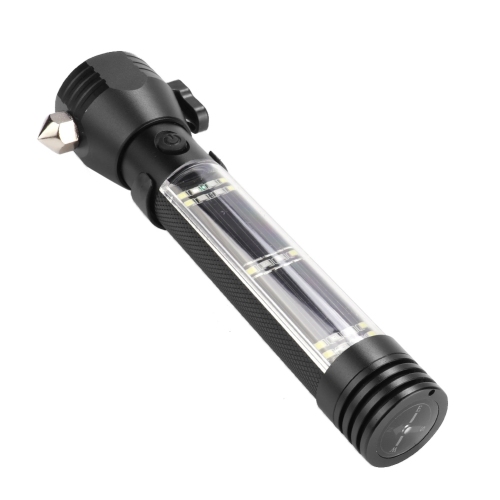
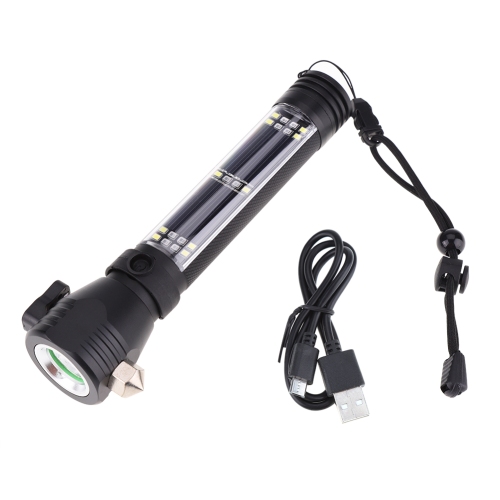
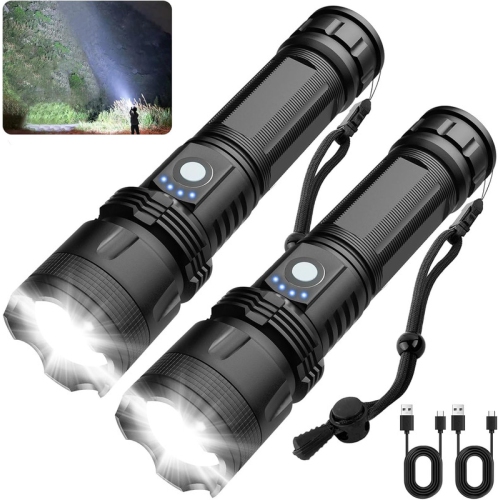
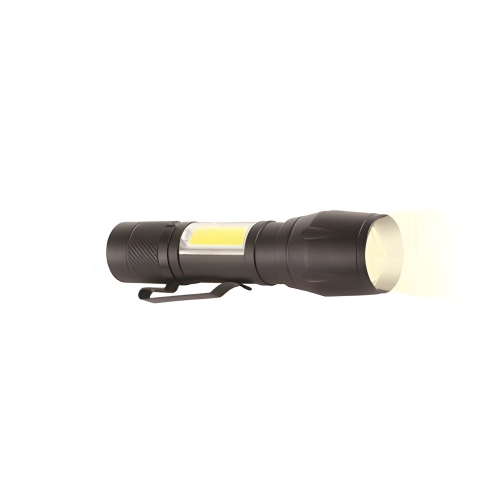
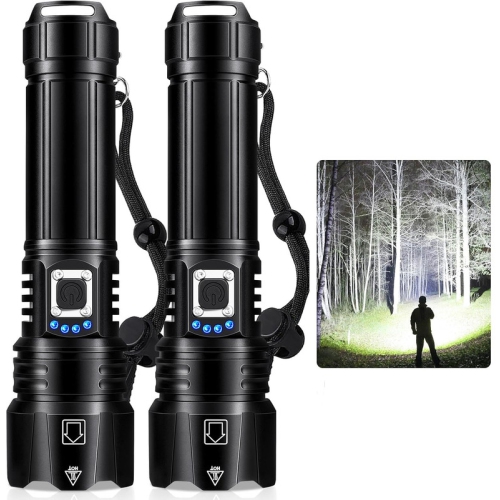
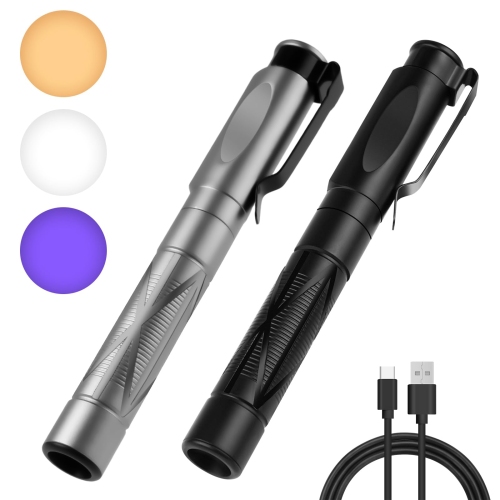
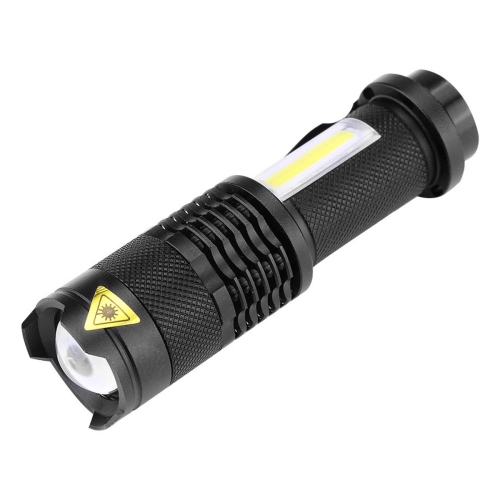
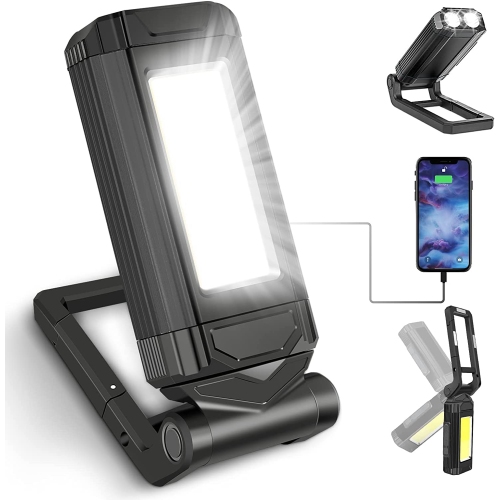
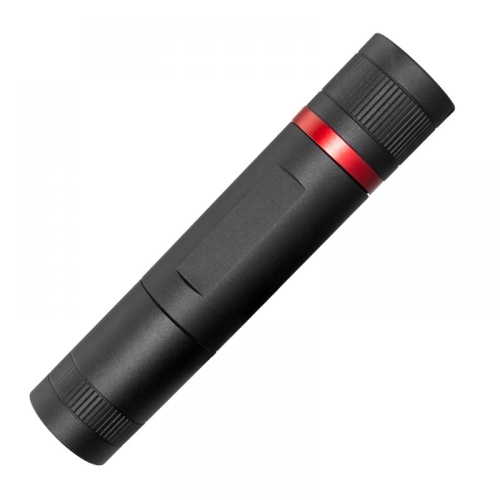
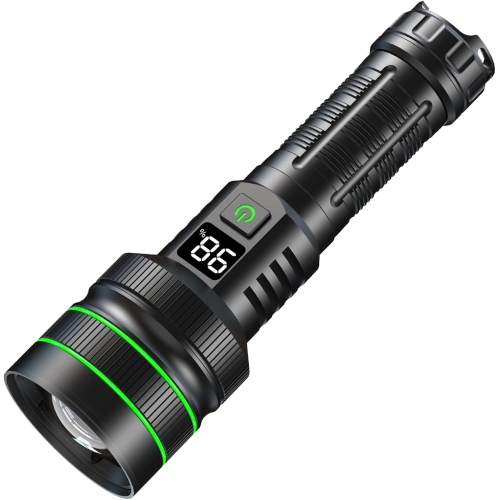
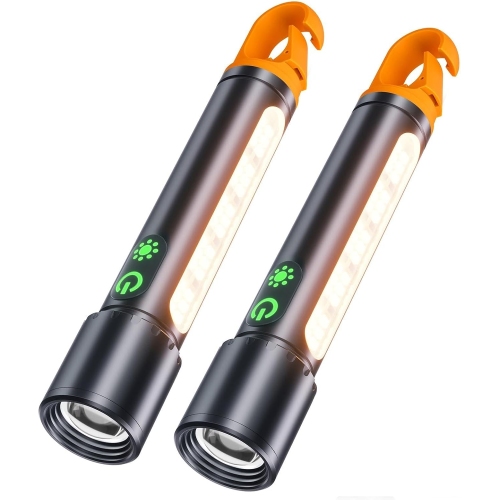
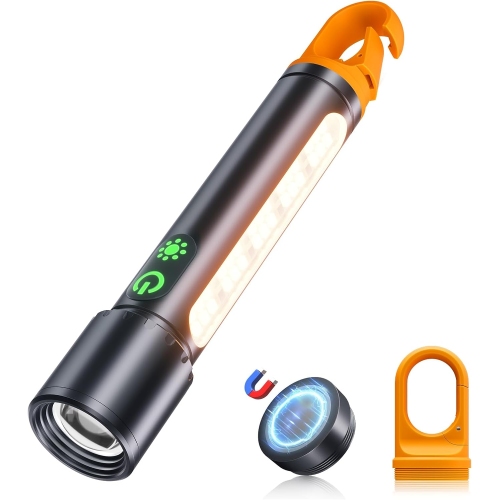
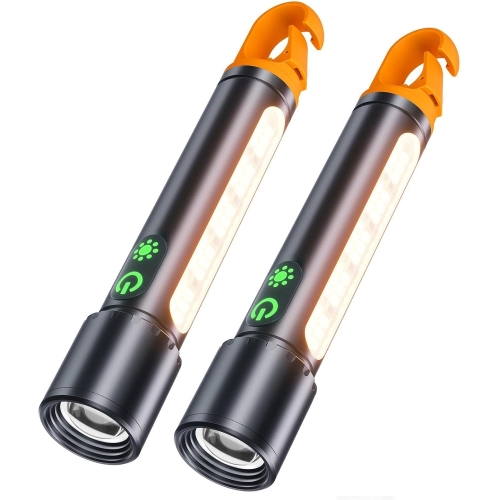
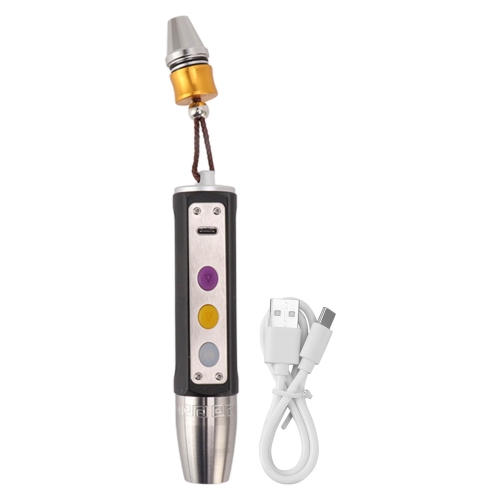
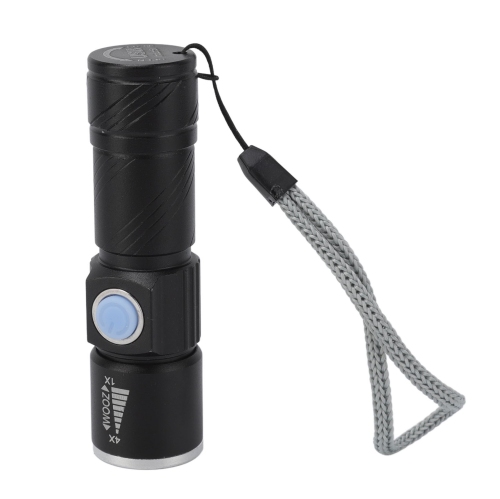
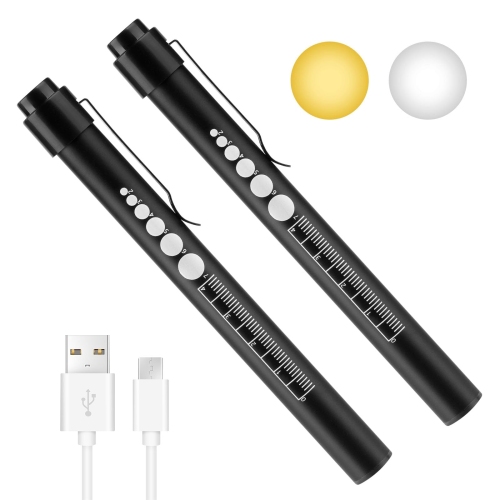
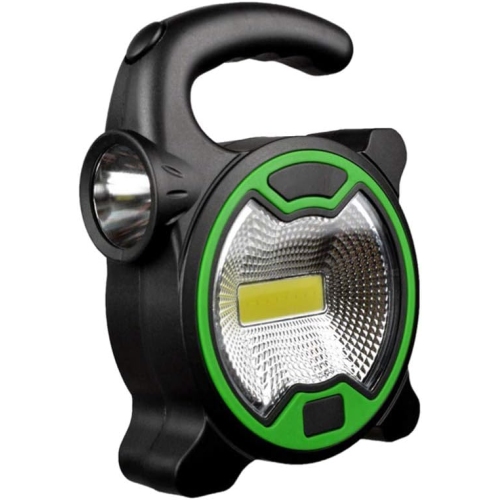
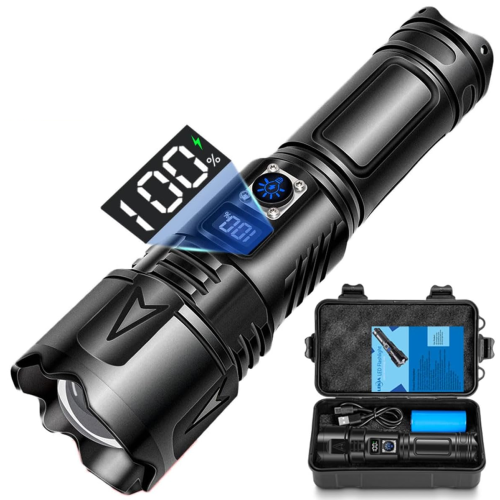
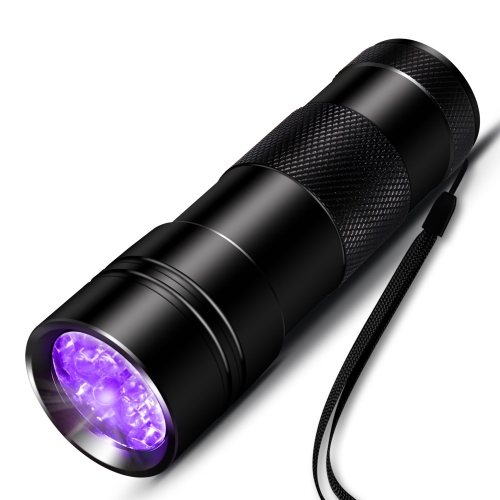
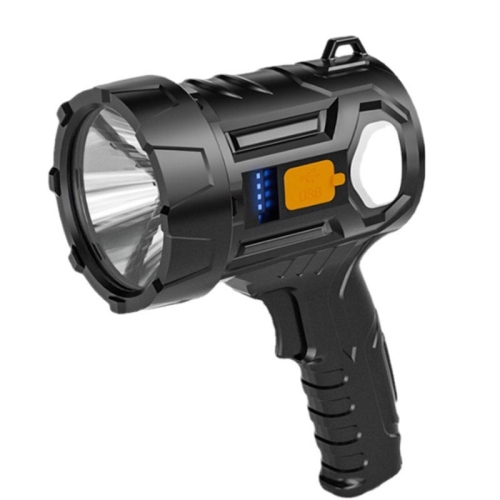
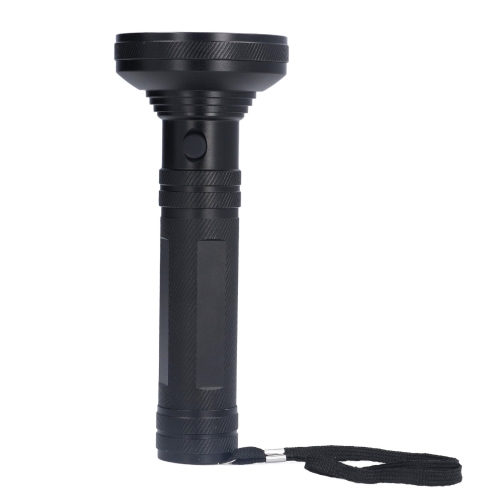
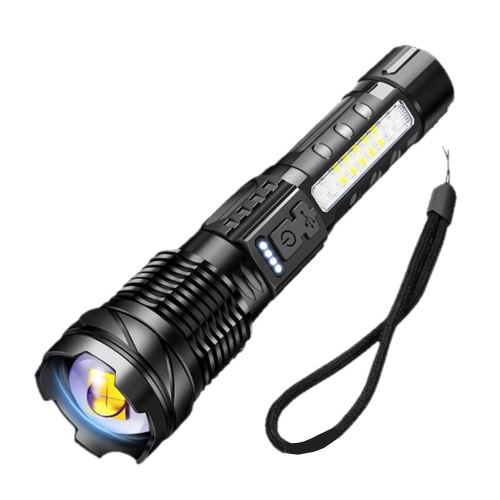
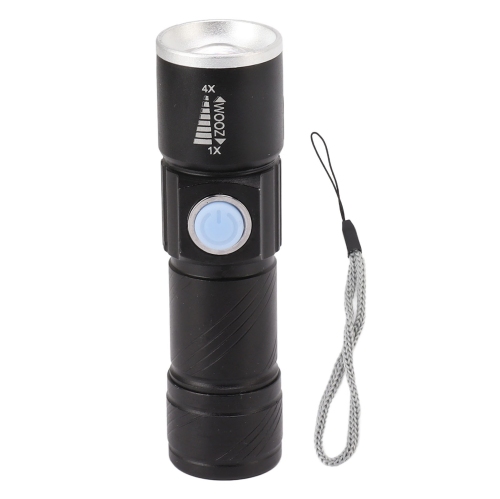

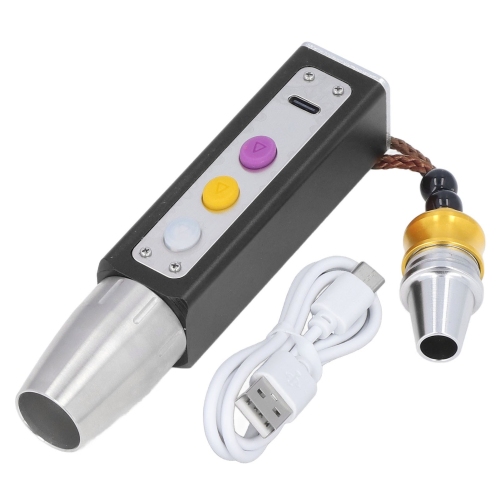
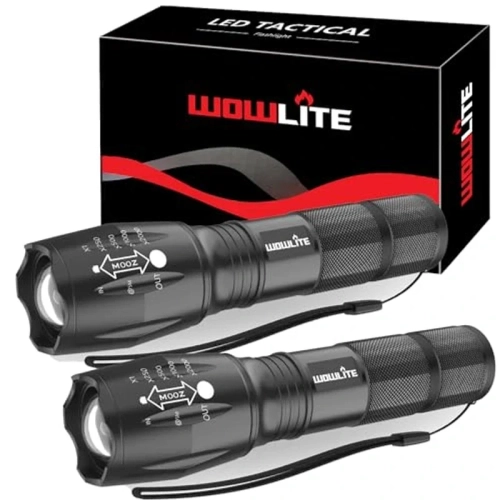
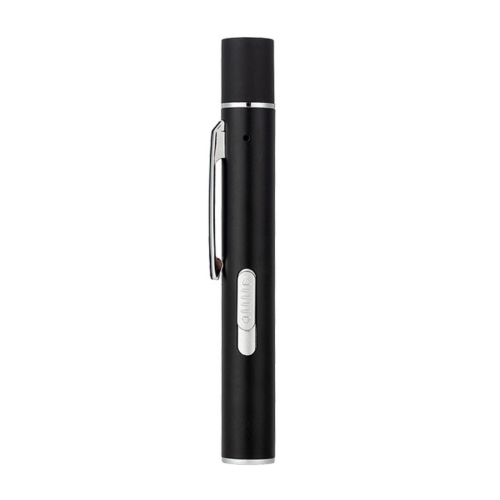
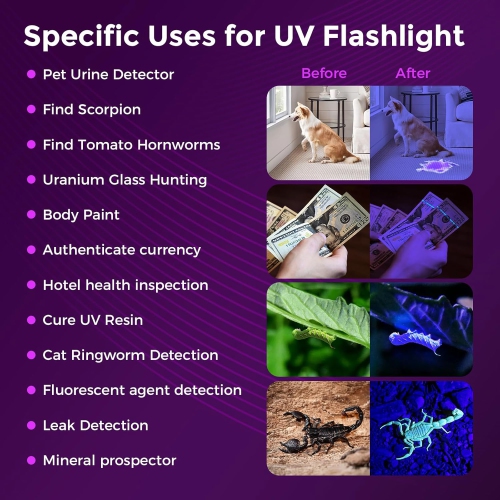
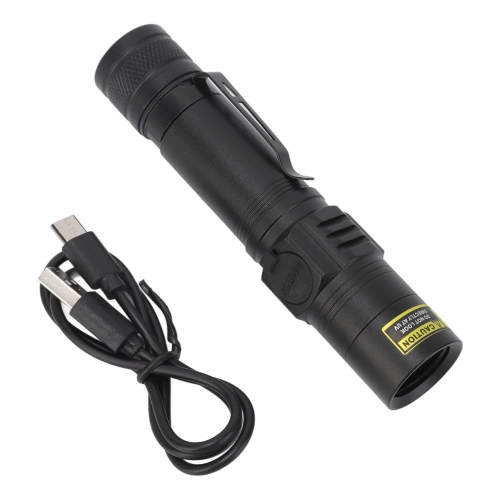

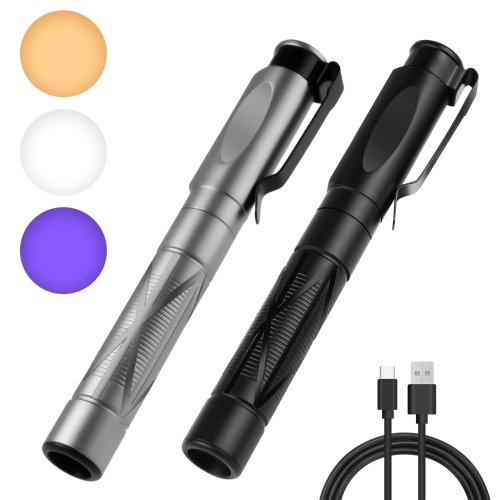
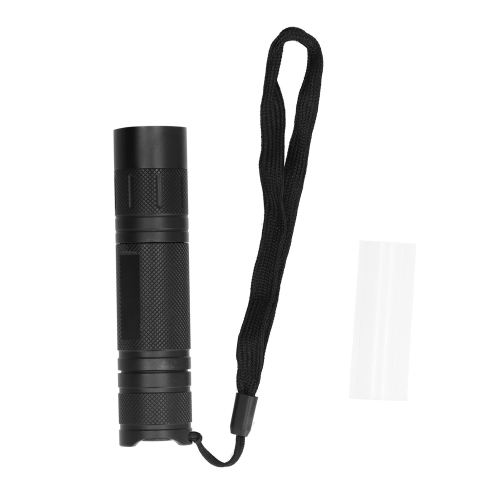

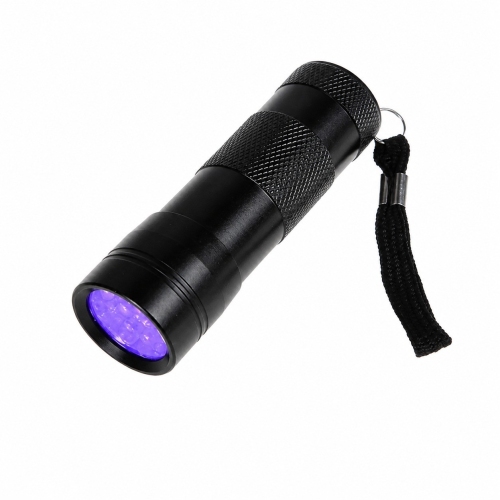
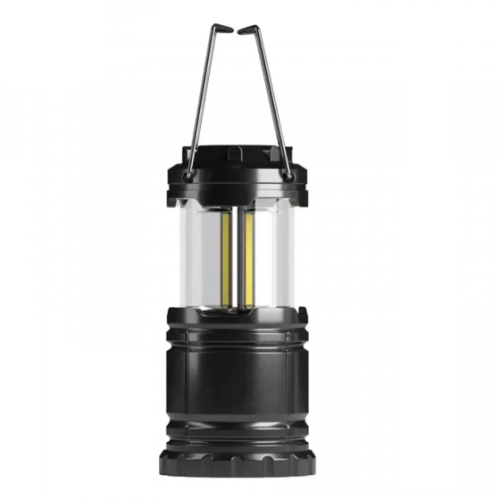
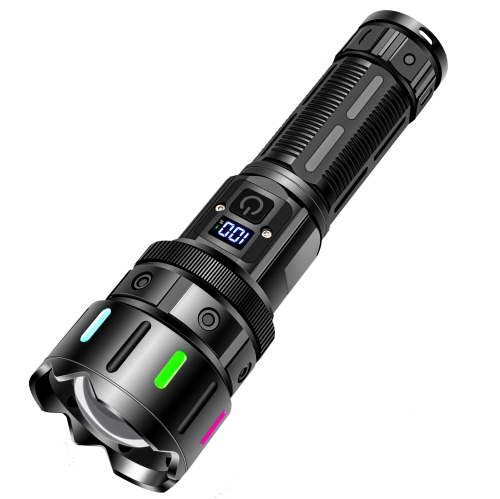
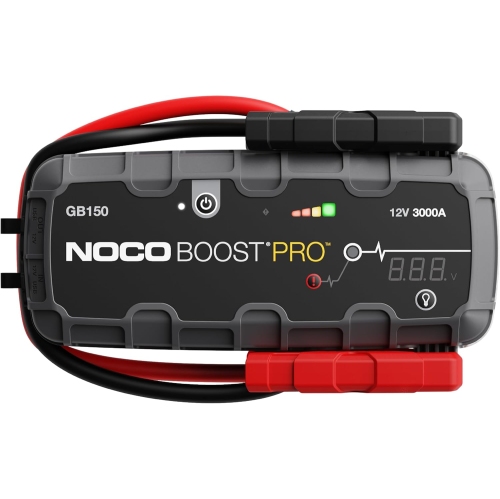
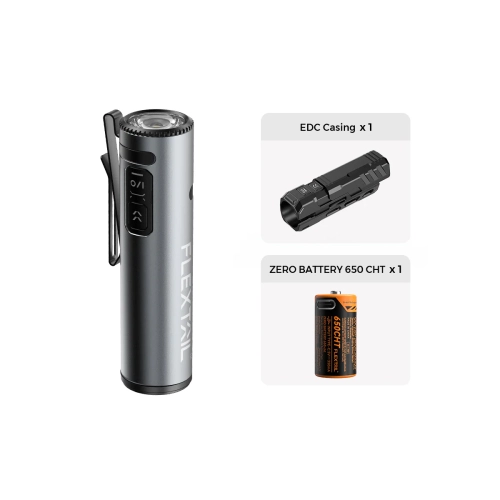
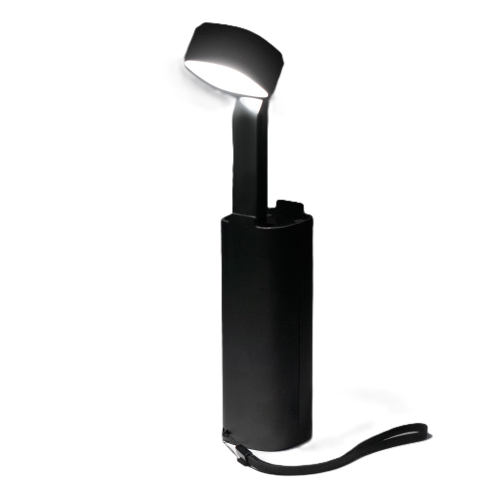
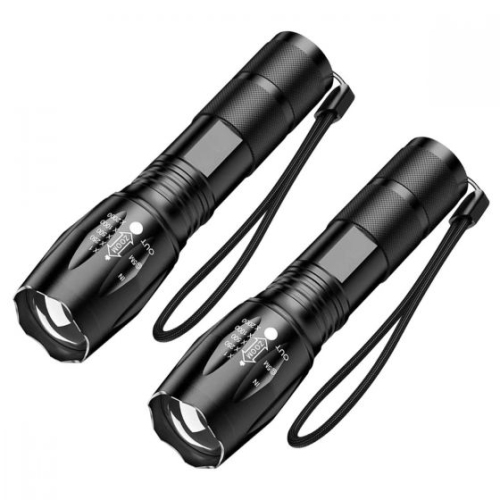
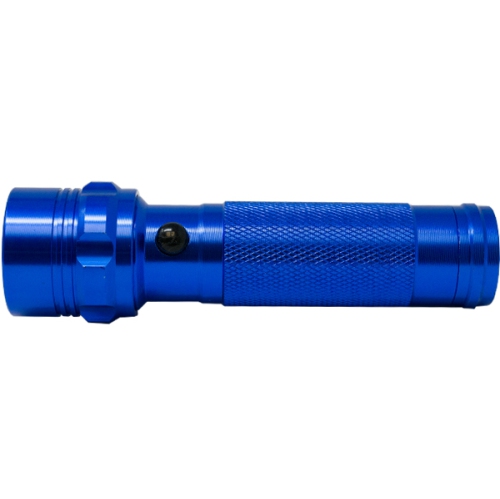
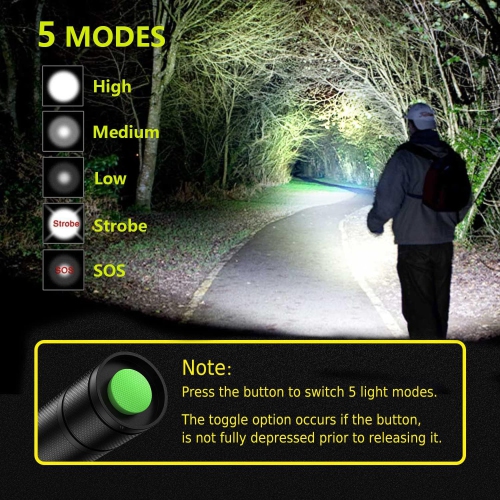
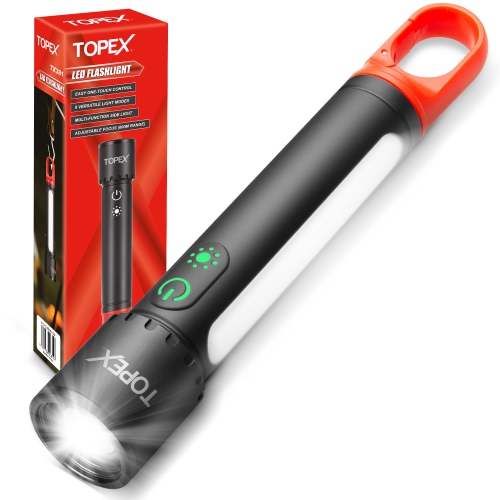

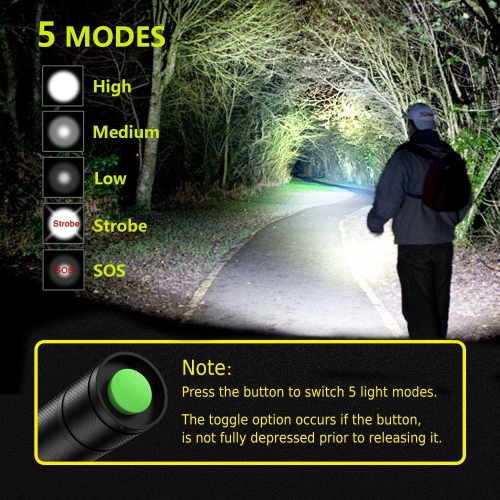
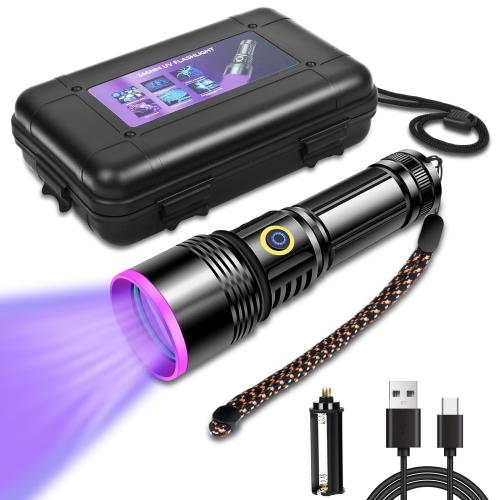
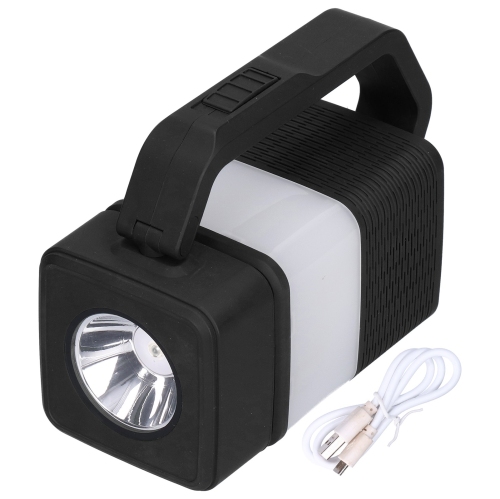
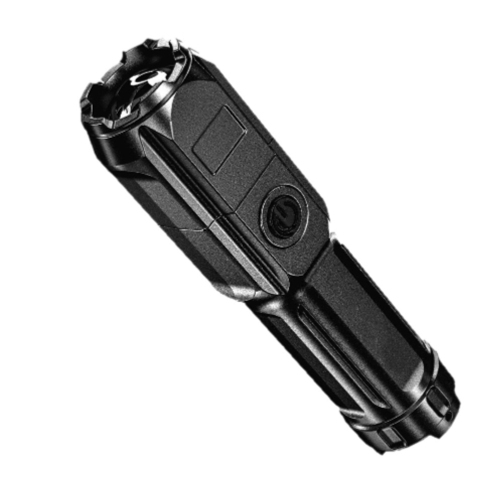

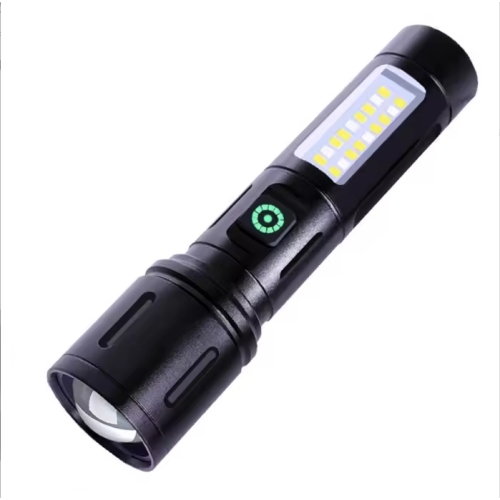
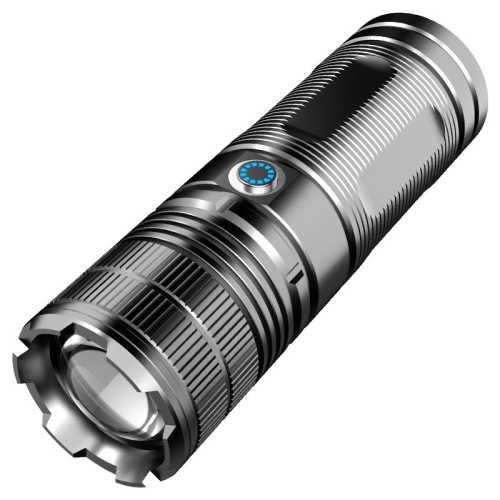
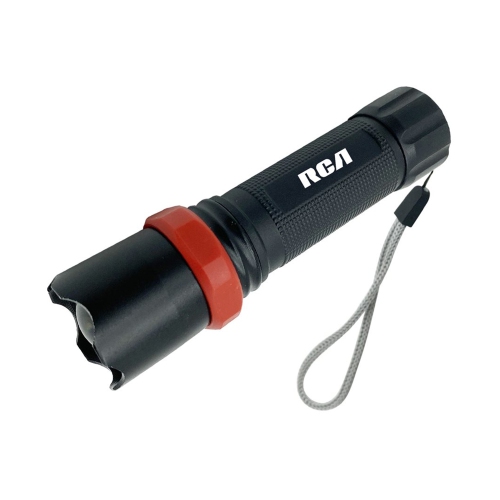
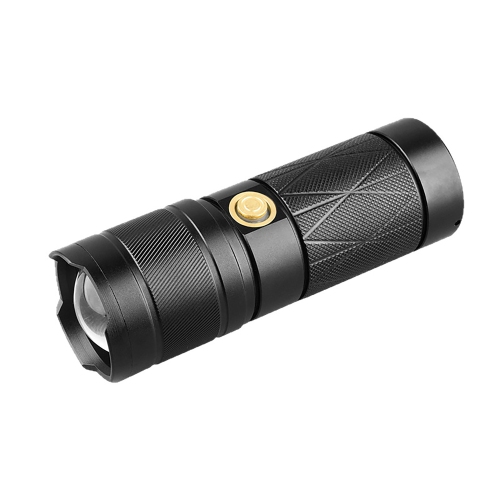
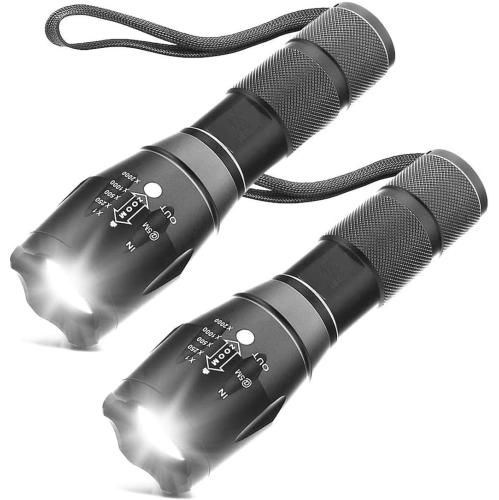
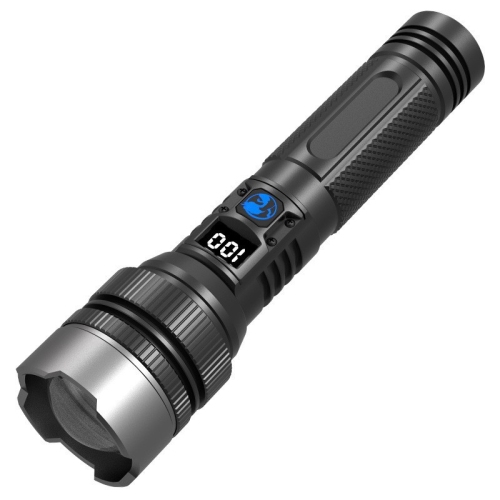
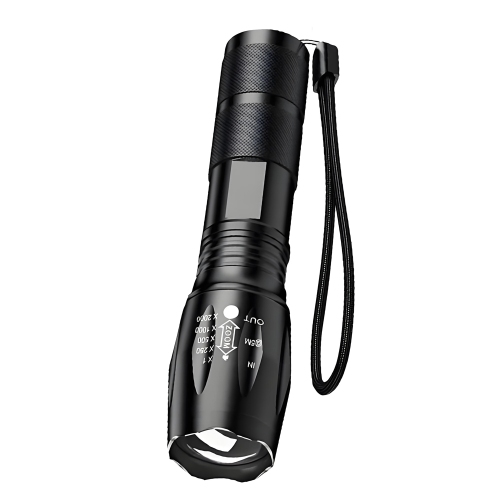
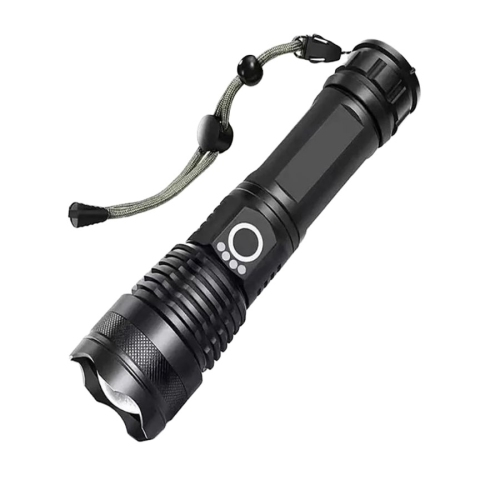
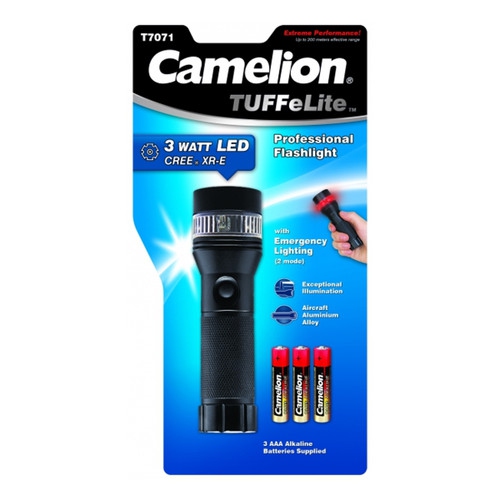
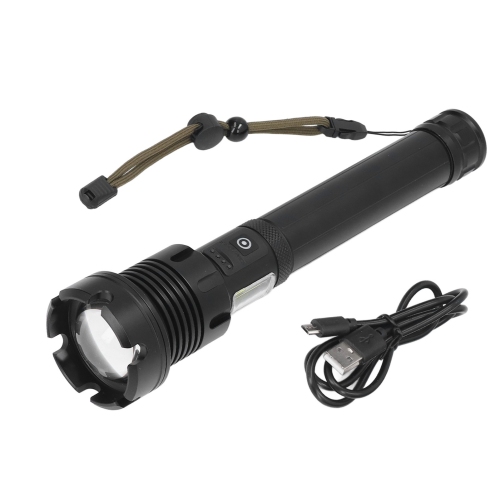
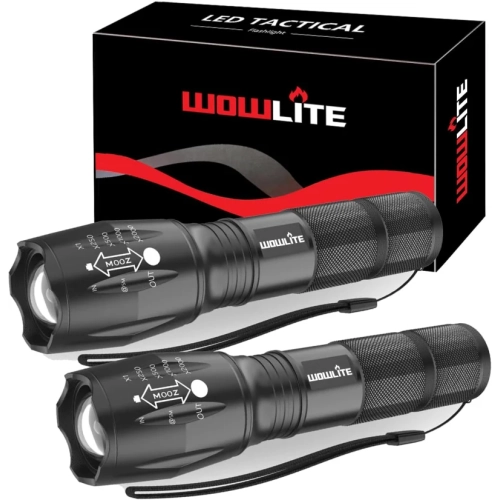
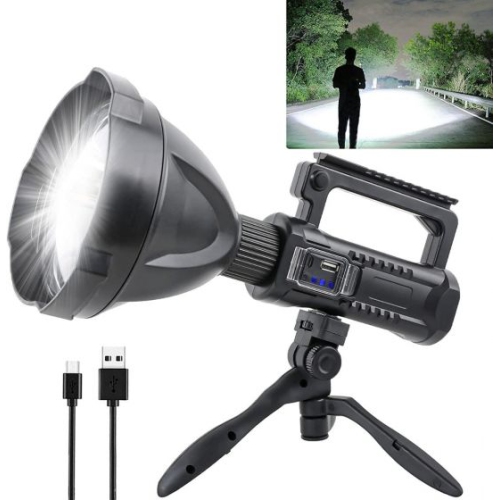
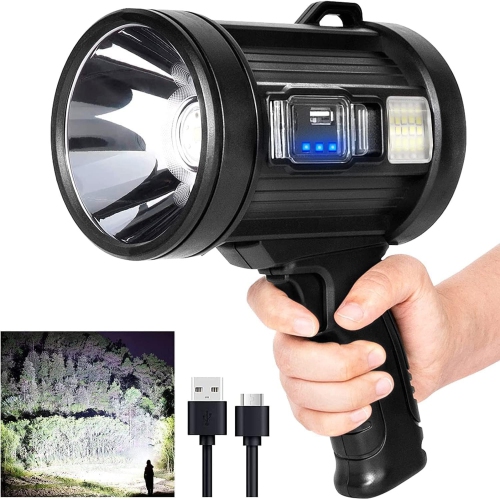
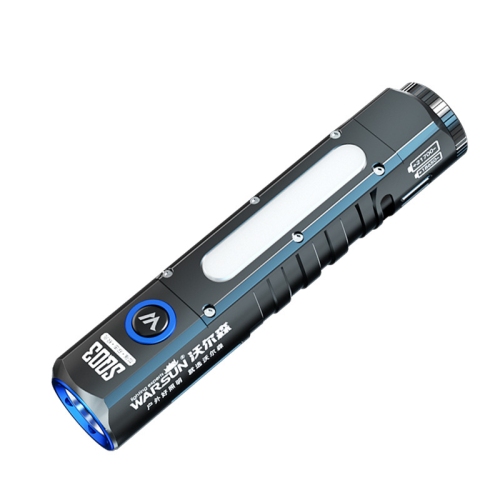
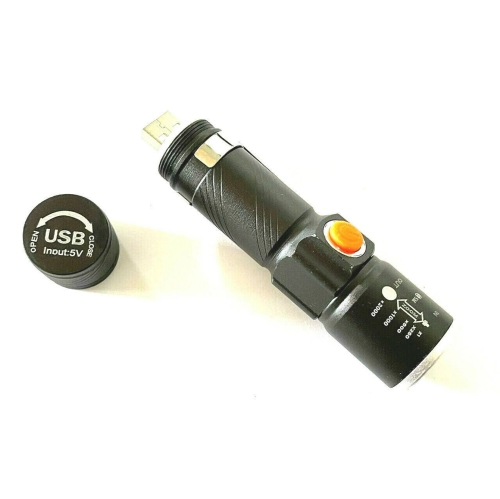
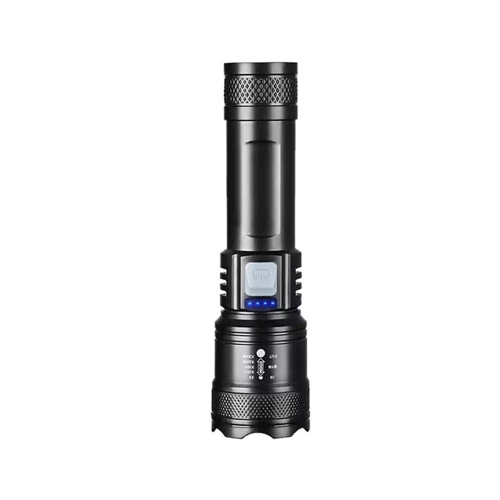
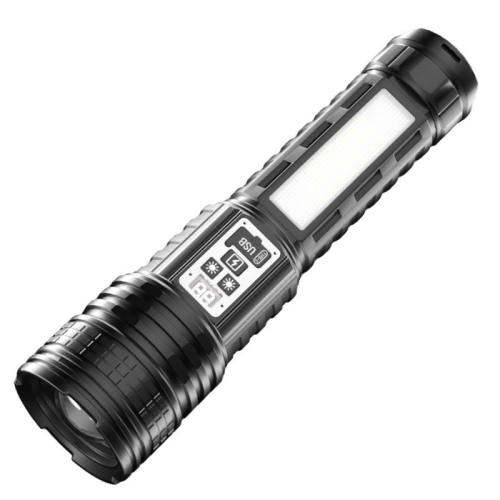
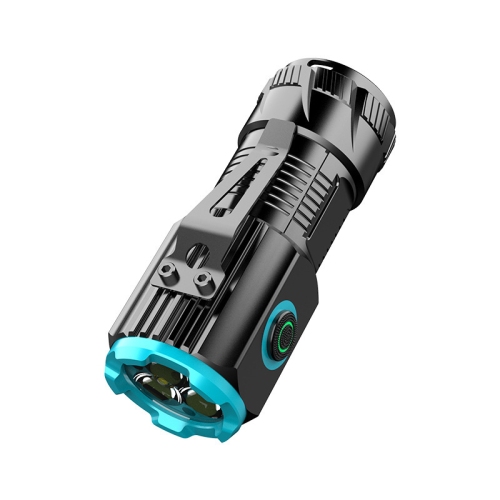
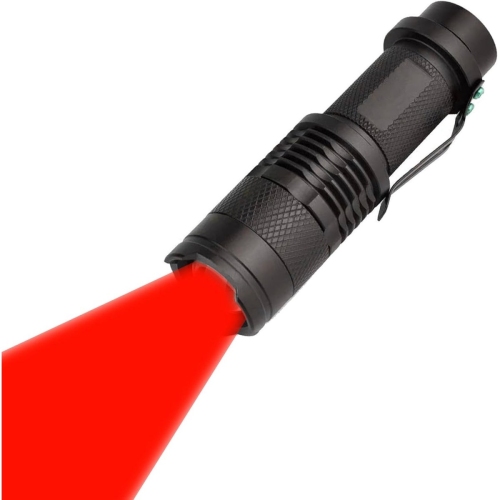
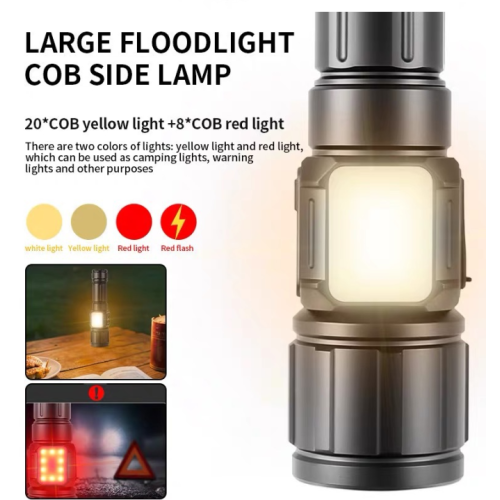
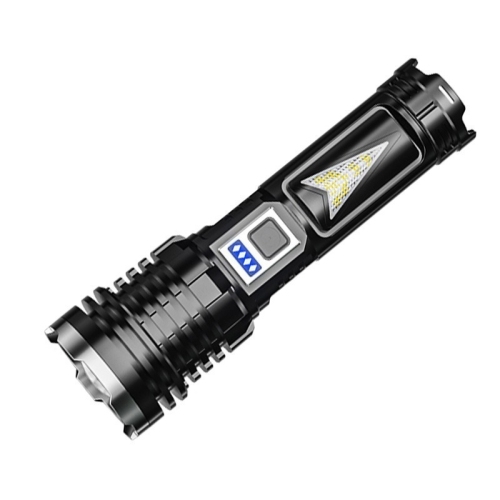
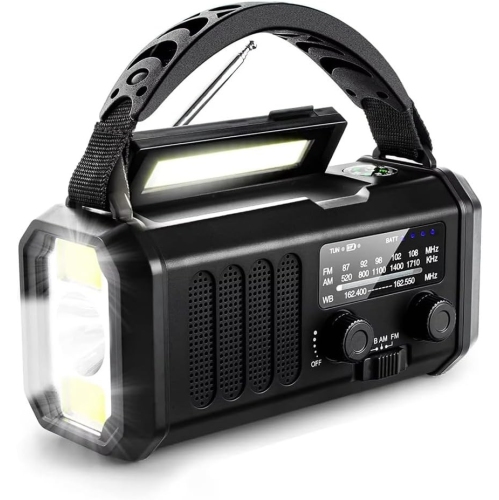
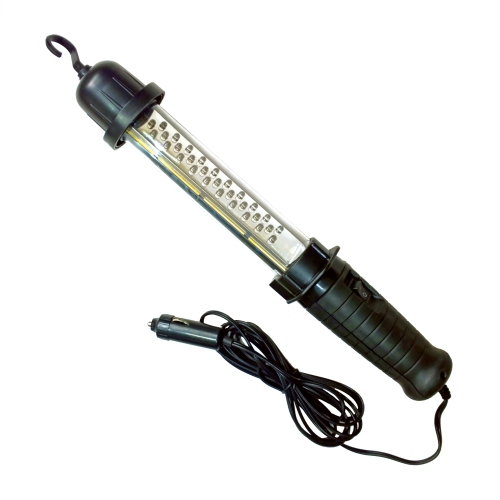
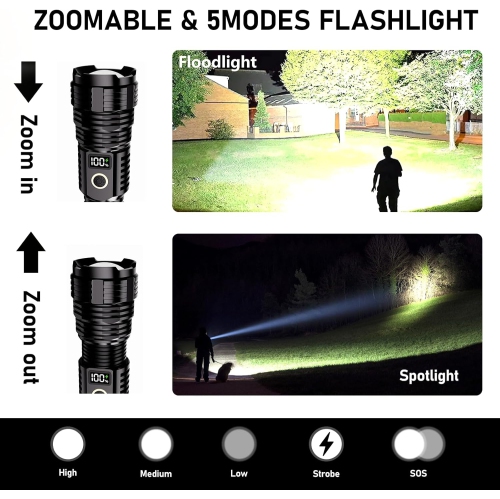
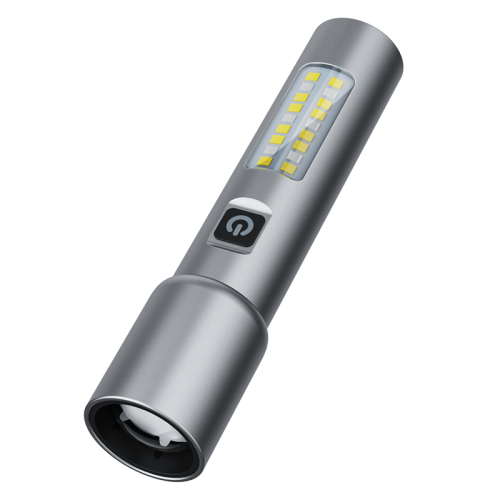
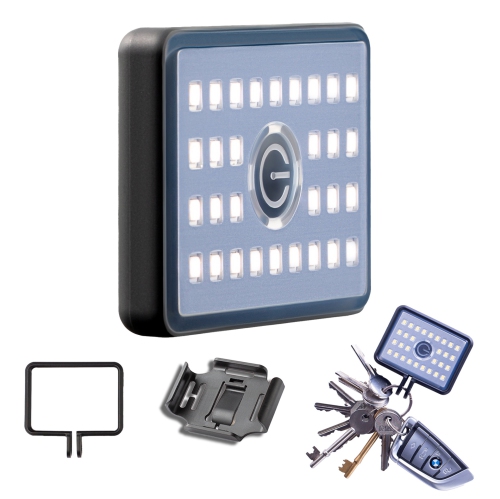
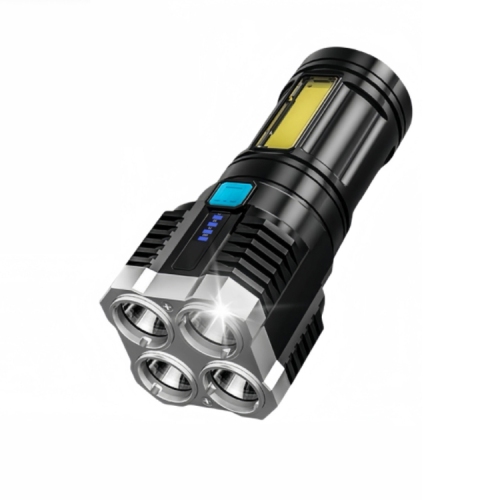
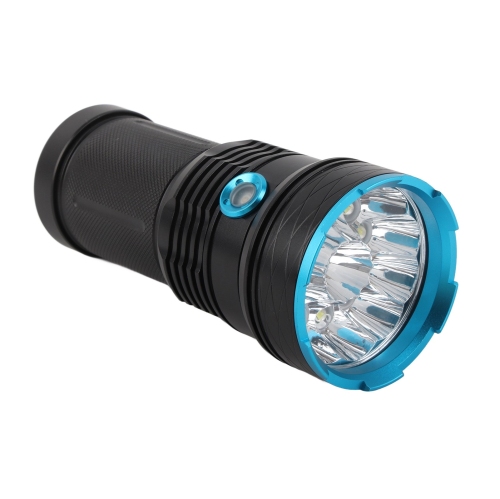
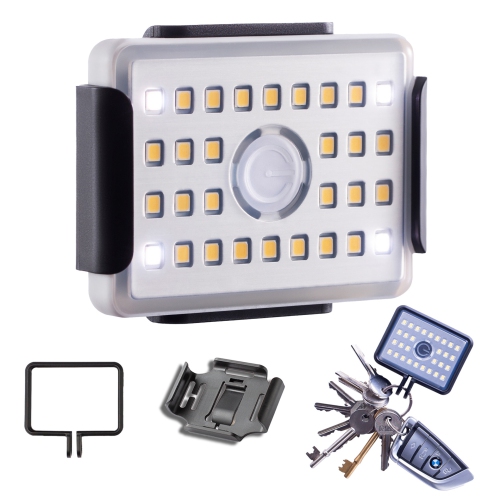
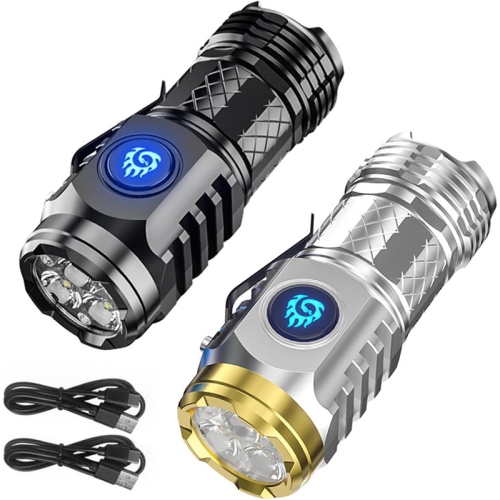
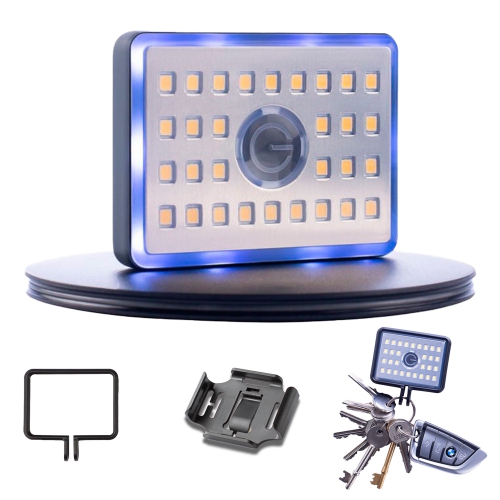
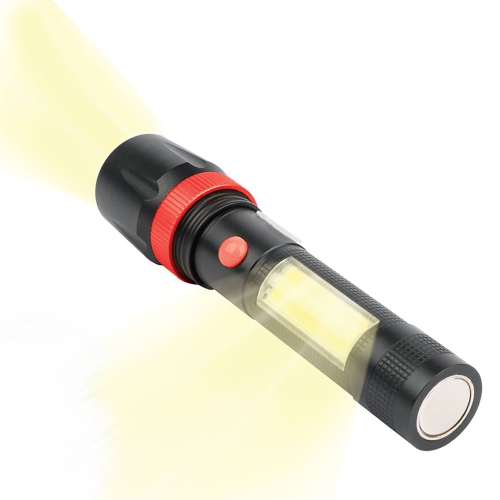
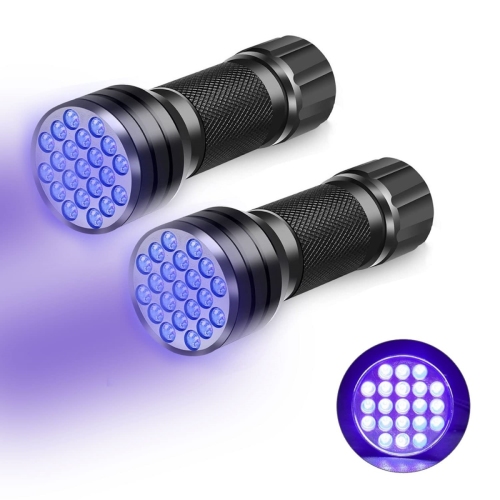
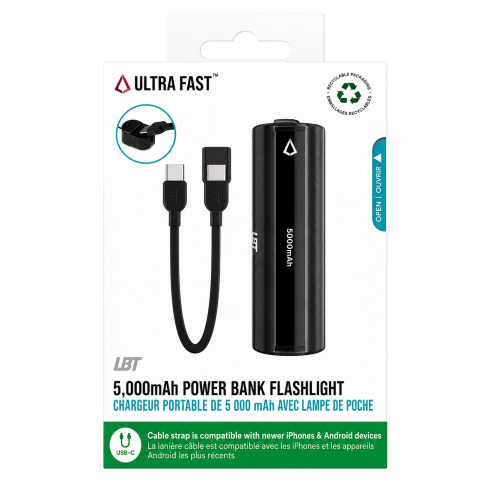
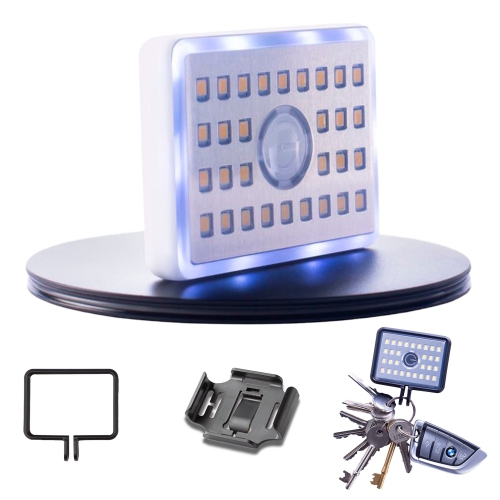
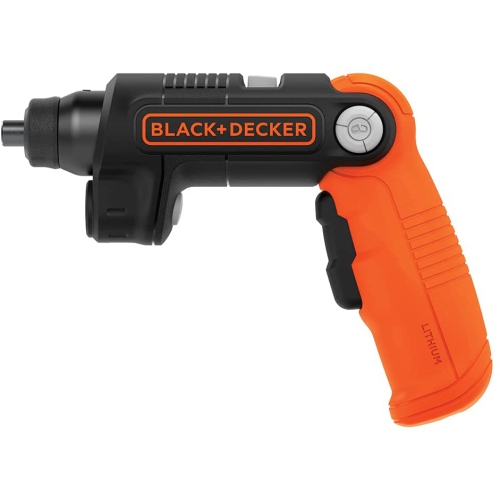

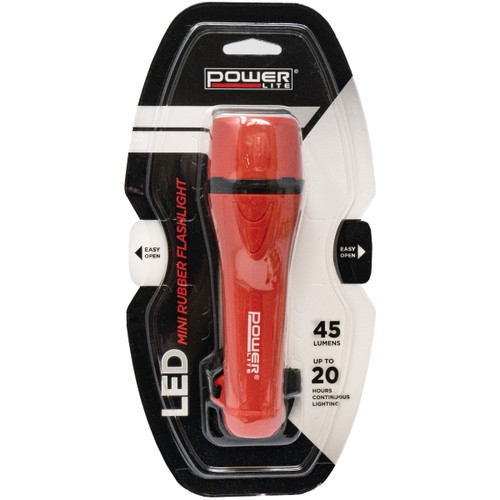

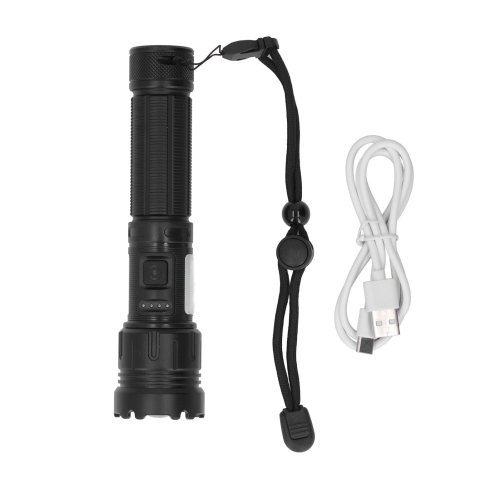
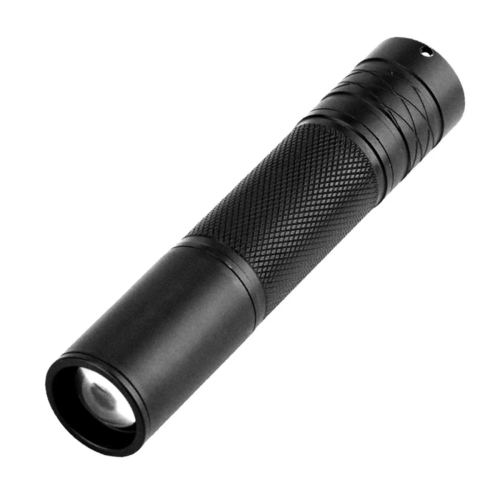
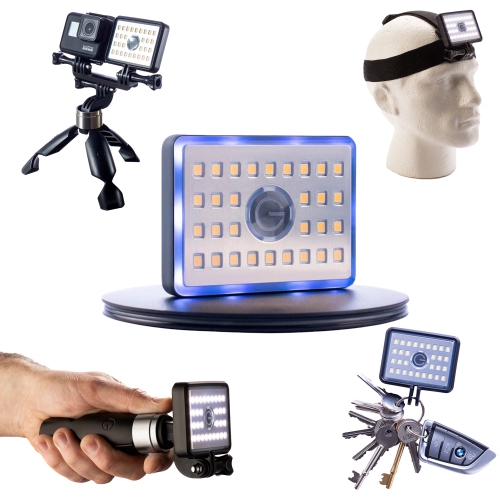
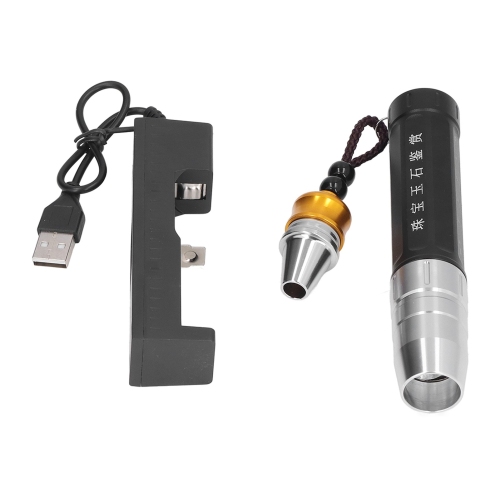

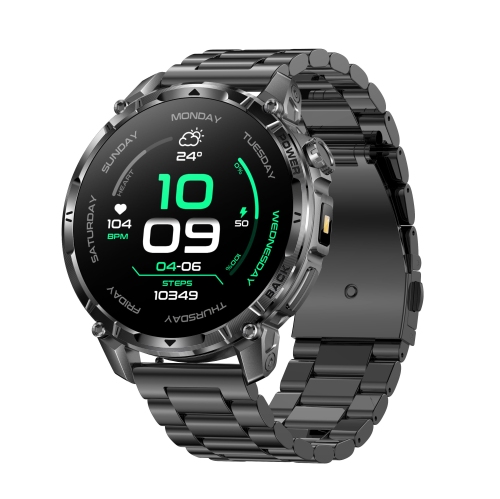
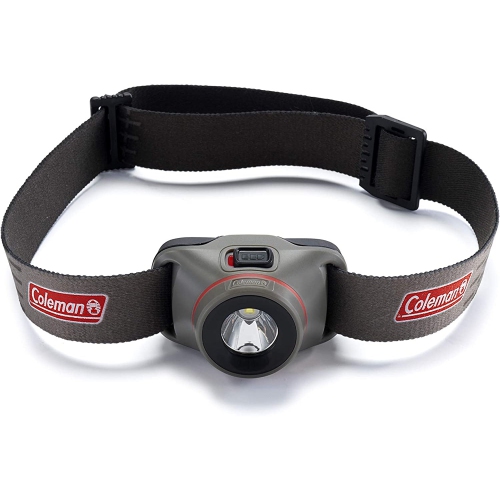
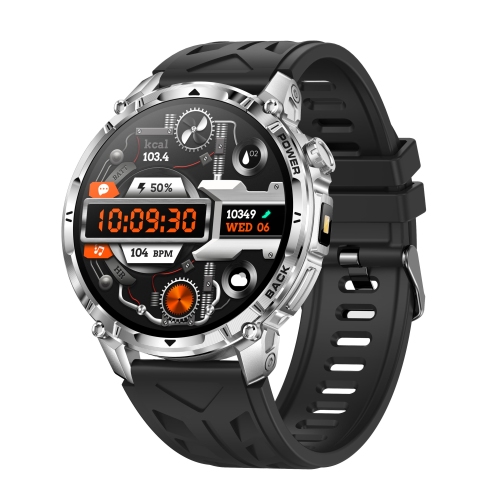
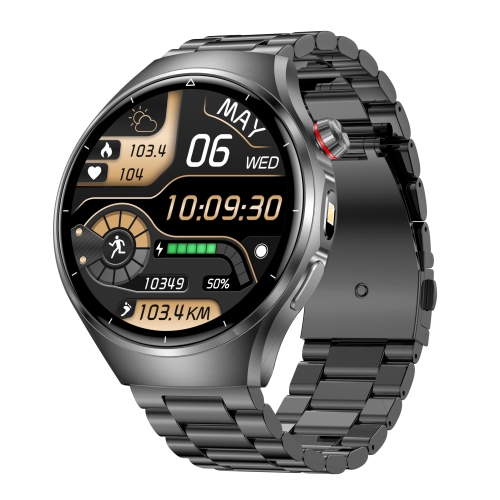
There’s more to a flashlight than its finish
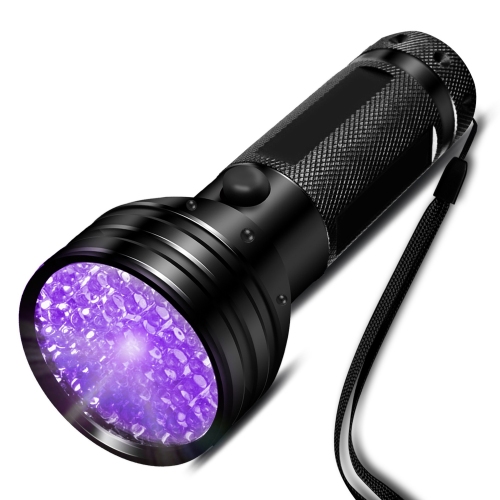
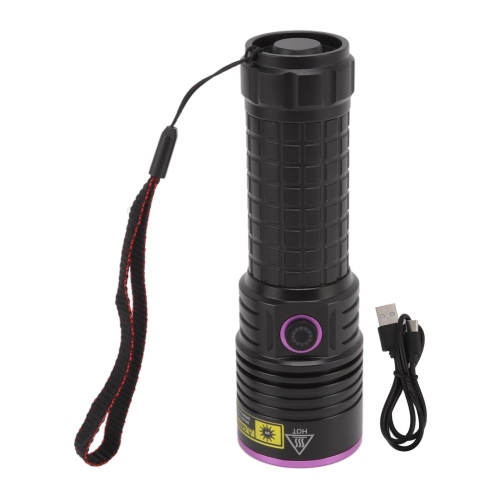
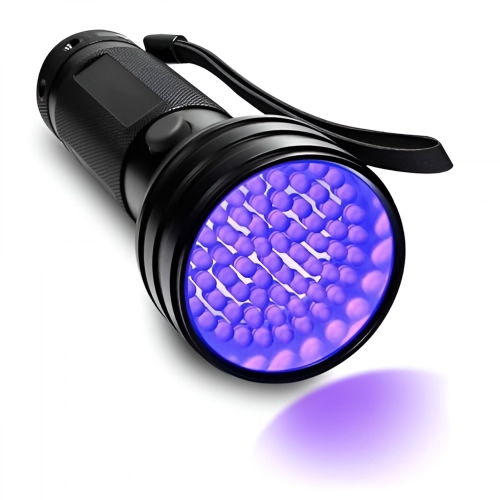
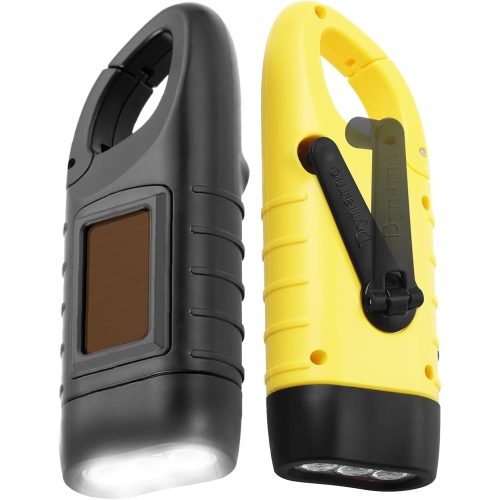
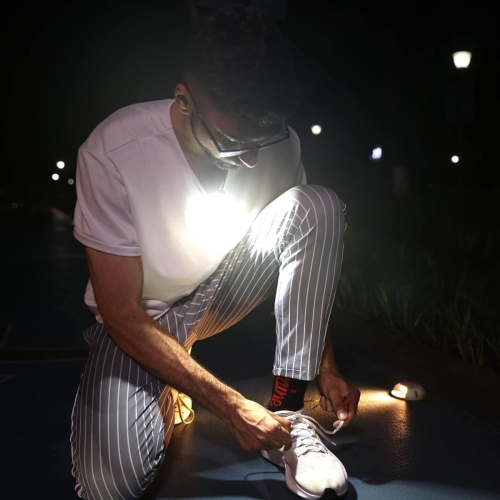
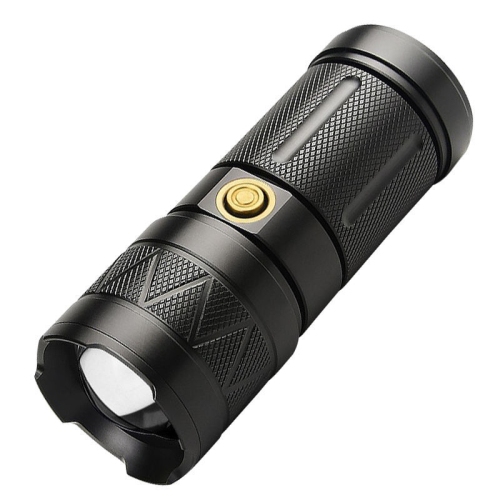
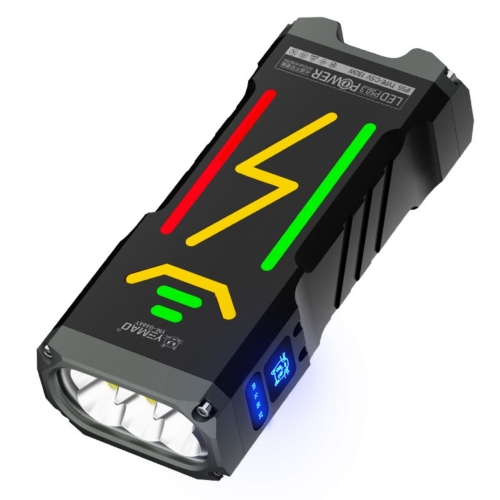
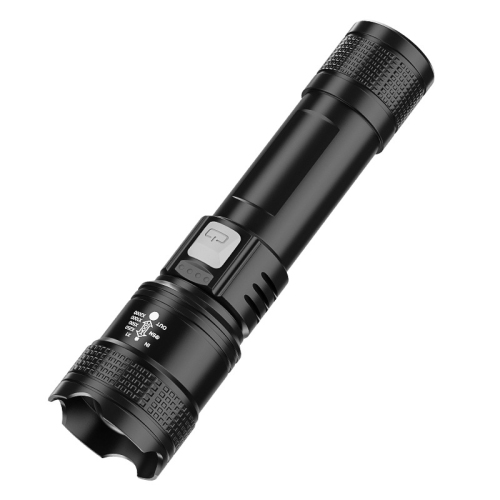
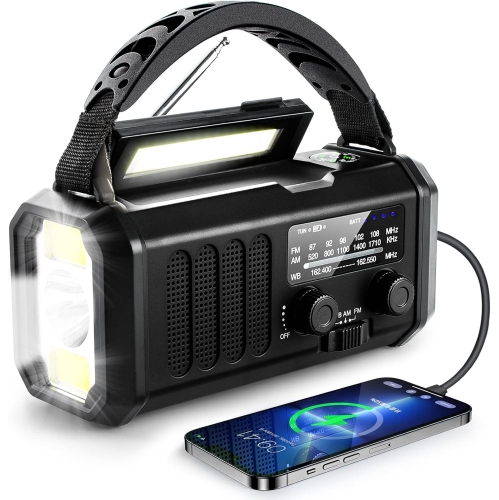
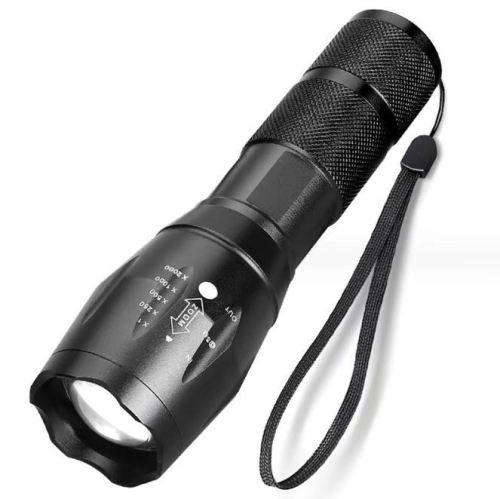
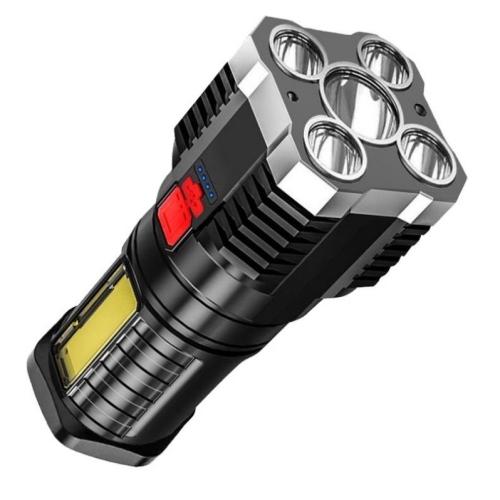
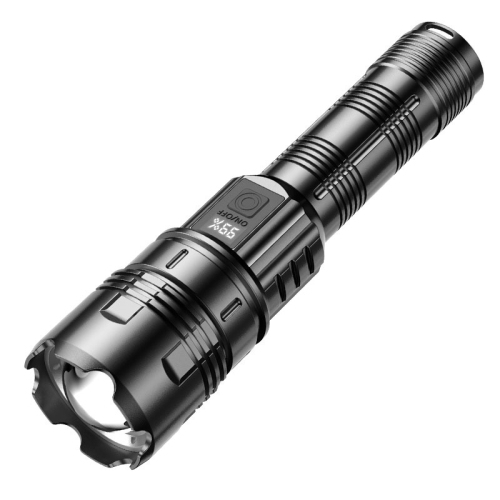
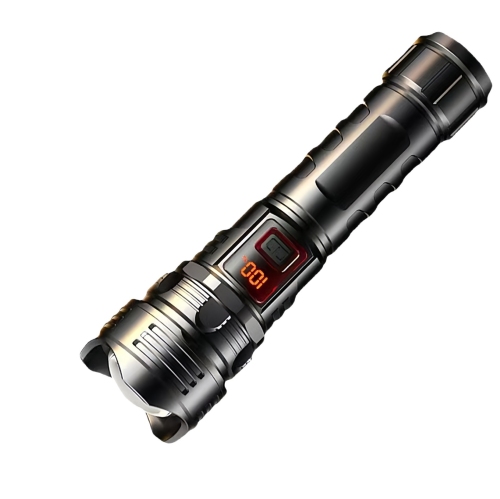
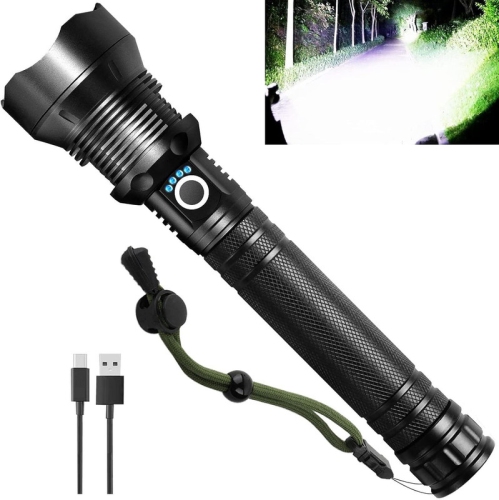
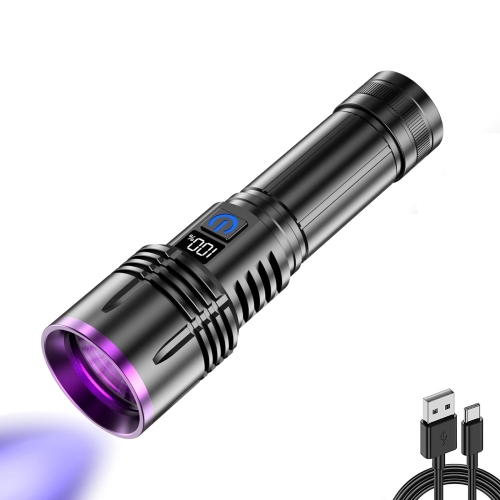
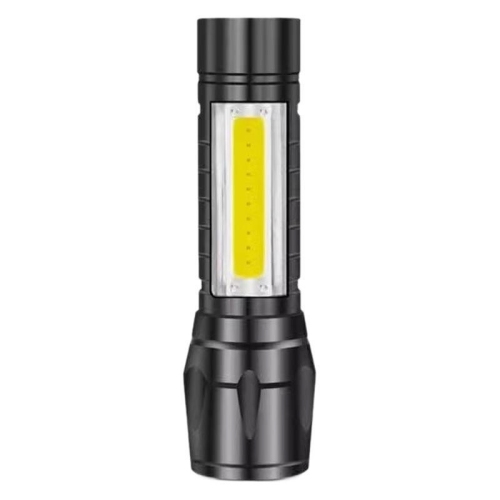
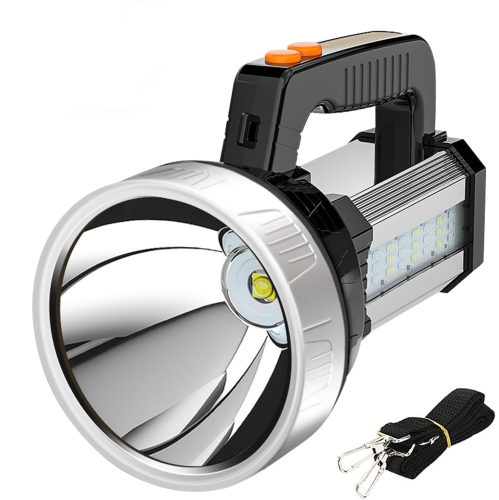
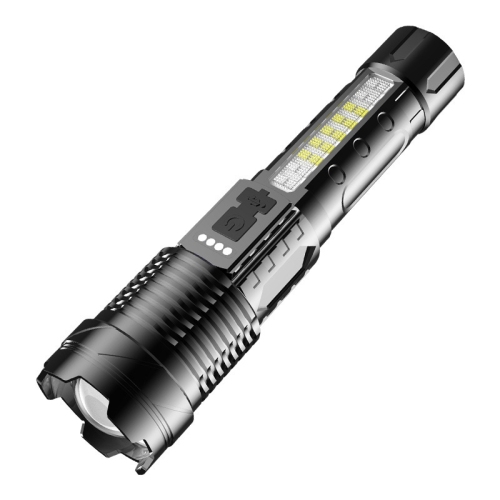
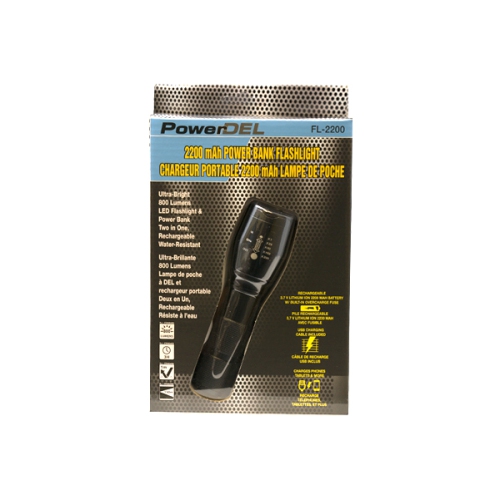
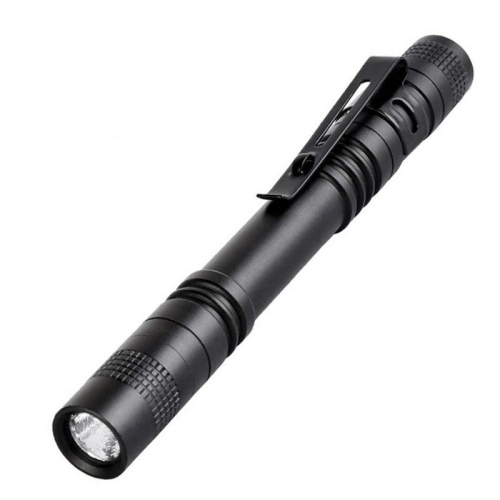
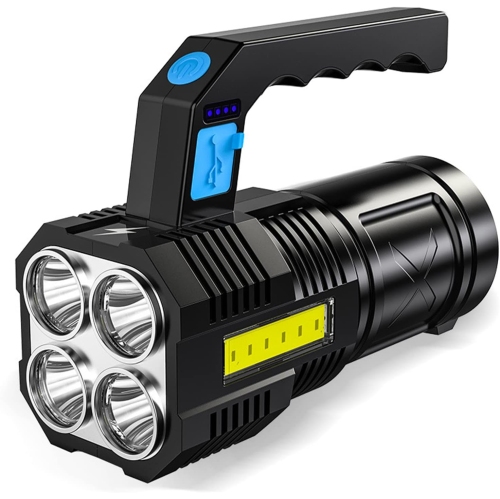
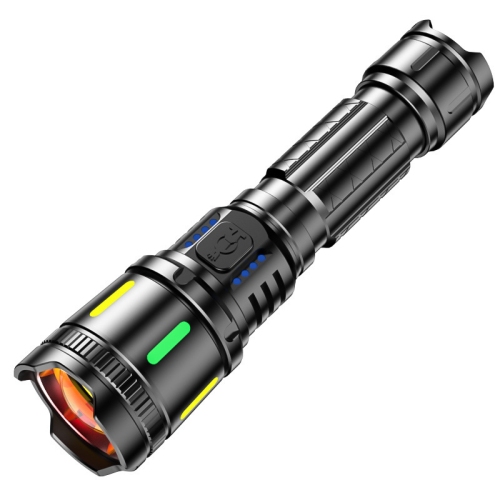
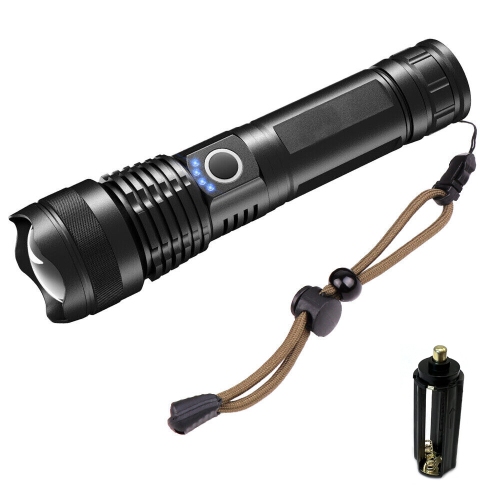
A black flashlight generally means a portable light with a black exterior and a visible white beam. The colour describes the housing, not the light it produces. A UV blacklight flashlight is a separate type of tool that emits ultraviolet light to make certain materials fluoresce, so the distinction matters when comparing designs. For everyday illumination, a black-bodied flashlight offers a straightforward way to light a cupboard, check behind an appliance, find a dropped screw, or navigate a dark hallway during a power outage. Its usefulness depends much more on its size, beam, controls, and power source than on its finish. Aluminum housings can provide a solid feel without excessive weight, while moulded polymer bodies are often lightweight and comfortable to grip. An anodized finish can help protect an aluminum surface against wear, although pocket clips, keys, and repeated contact with hard surfaces may still leave marks. A matte black finish is less reflective than a polished surface, but colour alone does not indicate impact resistance or build quality. Fit in the hand is worth considering: a narrow barrel slips easily into a pocket, while a wider body may feel more secure during longer tasks. Textured grip sections, a wrist strap, and a switch that is easy to locate by touch can make a noticeable difference when one hand is occupied. A pocket clip keeps a compact light within reach, and a flat base may allow it to stand upright for hands-free illumination when the design supports that use. For a home toolkit, a little extra size can be acceptable; for a bag or everyday carry, weight and pocket space become more important. Comparing black-bodied designs with other Flash Lights helps put these practical differences in perspective, especially when deciding between a small backup light and a larger flashlight intended for extended use.
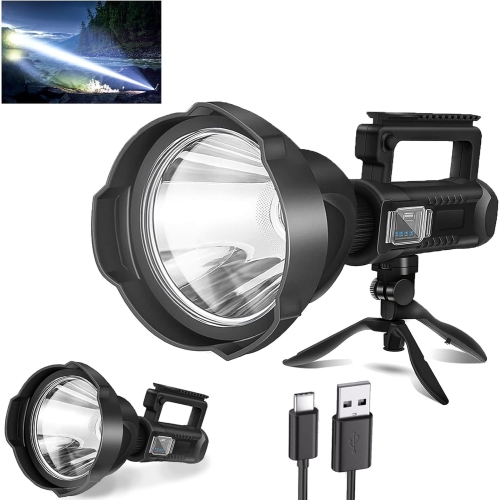
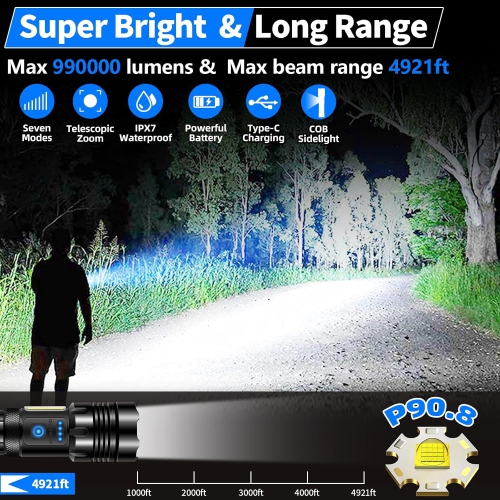
Beam shape is one of the most useful differences to understand. A broad flood beam spreads light across nearby surfaces, making it suitable for sorting through a storage area or inspecting the space beneath a sink. A focused beam concentrates more light ahead, helping illuminate a distant object without lighting everything around it equally. Some flashlights combine a bright centre with a softer surrounding spill, while adjustable-focus designs let the beam change between a wider spread and a narrower spot. Lumens describe total visible light output, but a higher lumen figure does not automatically mean better reach or a more comfortable view at close range. Beam intensity, usually expressed in candela, and the stated beam distance provide additional context. For close work, a lower setting can make small details easier to see without excessive glare from pale walls or shiny metal. Several well-spaced brightness levels are often more useful than a single very bright mode. Control layout matters, too: a tail switch can be easy to find with a thumb, whereas a side switch may suit a more relaxed grip. Straightforward access to ordinary lighting modes helps avoid cycling through flashing settings during routine tasks. Battery choice affects both convenience and upkeep. Replaceable batteries can suit a backup light, provided the correct type is kept on hand, while a rechargeable design can be convenient for frequent use. Check whether charging happens through a port on the flashlight or through a separate charger, and whether a built-in battery can eventually be replaced. Runtime figures need to be read alongside the brightness setting because maximum output may not remain constant throughout a charge. Water-resistance and impact-resistance ratings offer more meaningful durability information than a rugged appearance alone. Where an IP rating is specified, its stated limits matter; resistance to splashes is not the same as suitability for immersion. A secure charging-port cover, intact seals, and a firmly fitted battery compartment all contribute to dependable everyday use.
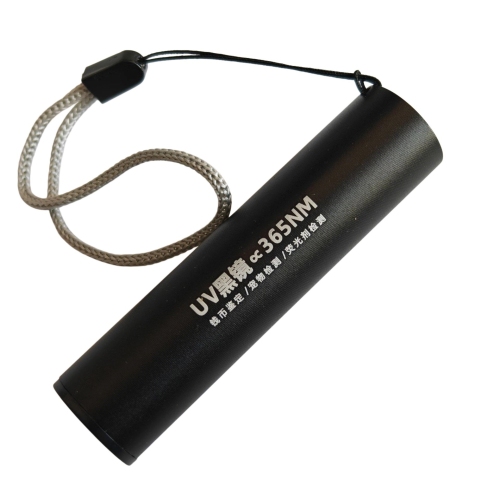
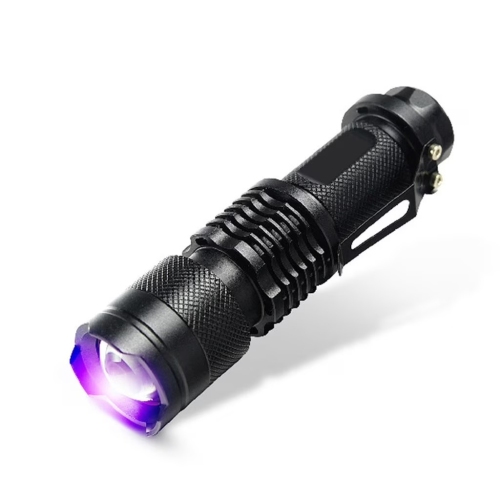
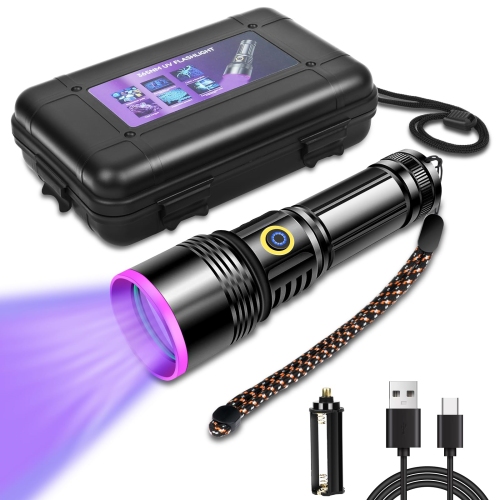
A UV blacklight flashlight serves a different purpose from ordinary white-light illumination. It can help reveal fluorescent markings, some mineral features, and residues that are difficult to notice under normal lighting. Pet owners may use one to help locate areas needing closer inspection, while hobbyists may use ultraviolet light to examine collections or materials with fluorescent properties. Results depend on the surface, the substance, the wavelength, and the amount of surrounding light. Not every stain glows, and many unrelated materials can fluoresce, so a glowing patch is not proof of a particular substance. Likewise, fluorescence does not establish that a surface is clean or that a document is authentic. UV flashlights commonly specify a wavelength, with 365 nm and 395 nm being familiar examples; these can produce different amounts of visible violet light and different results with fluorescent materials. Matching the wavelength to the intended task is more useful than assuming all blacklights work alike. Ultraviolet light is not a substitute for a general-purpose flashlight, and it should not be treated as a disinfecting tool unless the device is specifically designed and validated for that purpose. Avoid directing UV light towards eyes or skin, follow the manufacturer's precautions, and use any specified protective eyewear. For either type of flashlight, routine care starts with wiping the housing clean, keeping the lens free of grit, and inspecting seals and battery contacts as directed. Use only compatible batteries and charging equipment, and keep loose batteries away from metal objects that could bridge their terminals. For longer storage, follow the manufacturer's battery-removal instructions. As a practical gift, a black flashlight can suit someone setting up a first home, organizing a toolkit, or maintaining a hobby workspace. A comfortable grip, simple controls, and a power source that fits the recipient's routine usually matter more than an imposing appearance or an unusually high brightness claim.
Top selling and popular products
-
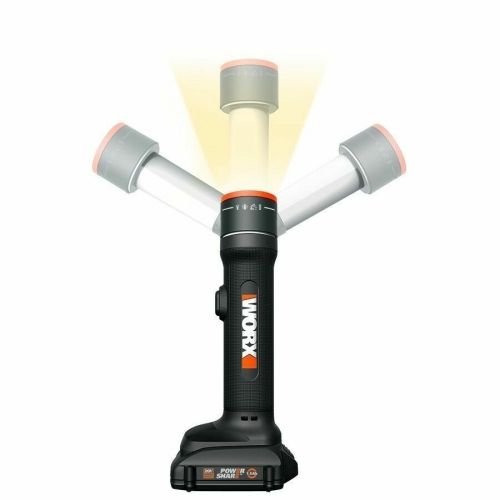 Your price for this item is $129.99
-
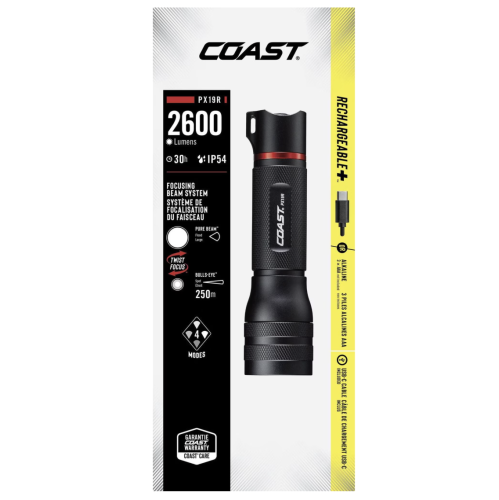 Your price for this item is $39.99
-
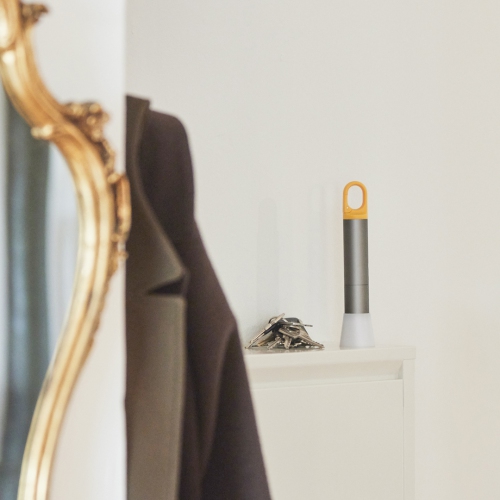 Your price for this item is $64.99
-
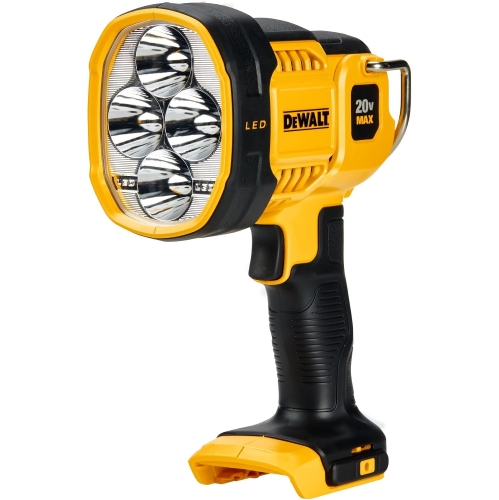 Your price for this item is $74.99
-
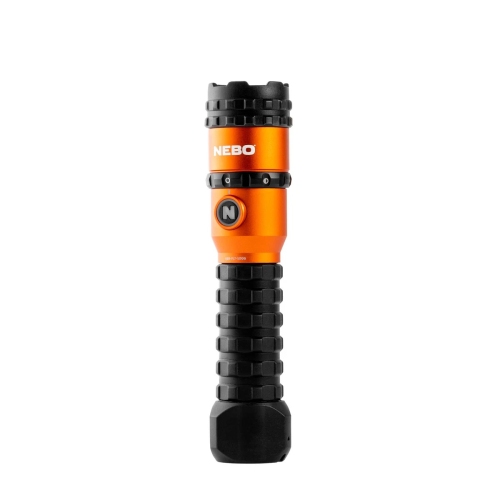 Your price for this item is $104.99
-
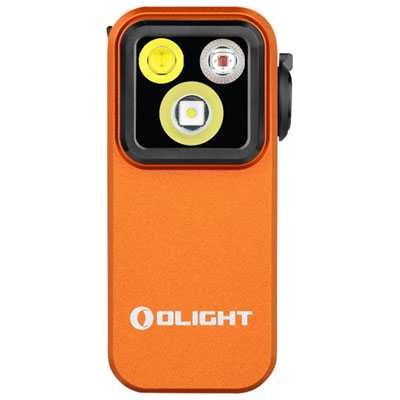 Your price for this item is $49.99
-
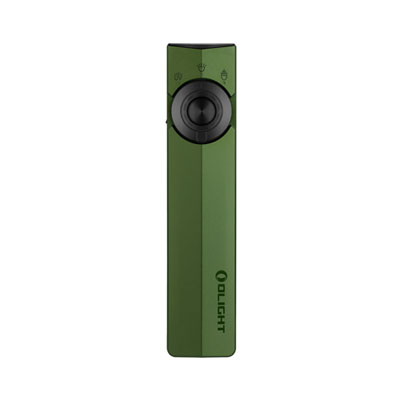 Your price for this item is $139.99
-
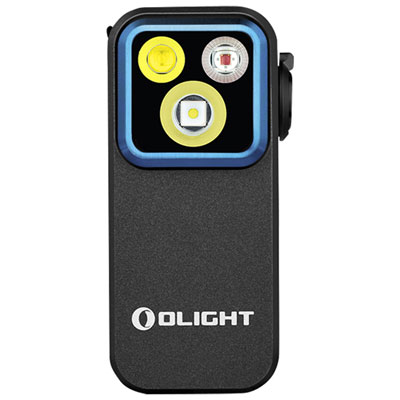 Your price for this item is $49.99
Discover more categories related to Flashlight Black

Top Collections:
Best Black Friday Deals This Year, Best Black Friday Deals On Electronics, Kindle Devices, Pokemon Centers, Best Black Friday Deals On Apple Products, Best Cameras for Sports Photography, Dyson Airwrap, Pokémon 30th Celebration Cards, Apple iPhone 17 Pro, Canon G7X Cameras
Some products may be subject to Environmental Handling Fees
(EHF) depending on your province.
Learn more about EHFs.