Full HD Laser Projectors

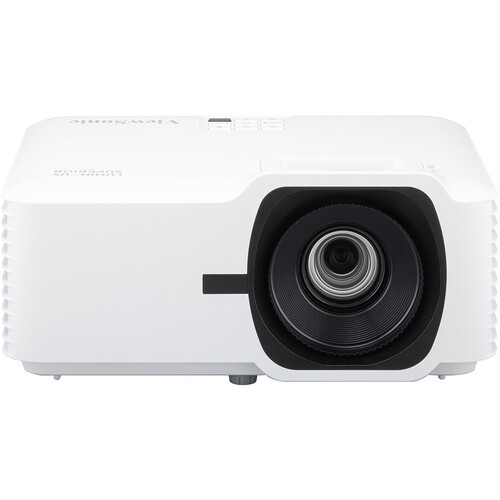
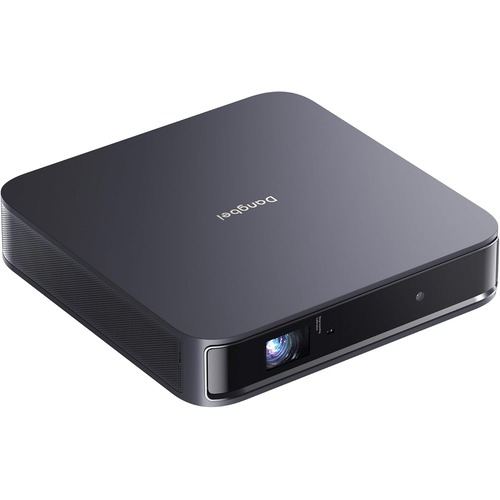
Full HD laser projectors pair 1080p resolution with a laser light source for movies, shows, and presentations. Compare brightness, throw distance, and connection options to find a model that suits your room, planned screen size, and the devices you want to connect.
Read More

Sort

Big-screen viewing depends on more than resolution

Full HD laser projectors combine 1920 x 1080 resolution with a laser-based light source for large-screen viewing at home, in a classroom, or in a presentation space. Full HD resolution is well suited to 1080p films, television, sports, games, and presentations, while the projected image size gives viewers more flexibility than a fixed-size display. Laser illumination can offer a long rated operating life and reduce the need for routine lamp replacement, making light-source lifespan a useful consideration for frequent use. Resolution and illumination serve different purposes: Full HD describes the image’s pixel count, while laser refers to the light source. Sharpness, colour accuracy, contrast, and motion handling still depend on the projector’s design, settings, and viewing conditions. For film fans, families, educators, and presenters, choosing among full HD laser projectors means balancing image quality with the space, source devices, and content they plan to use.

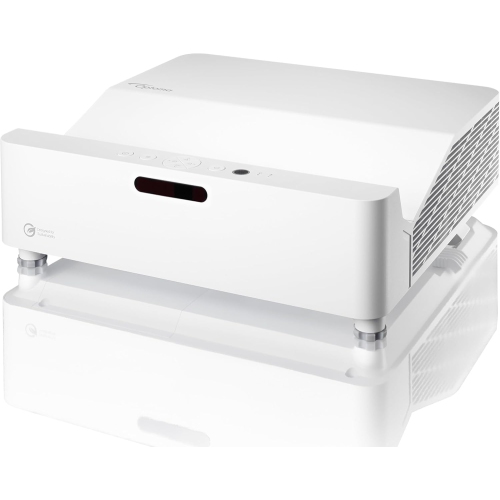
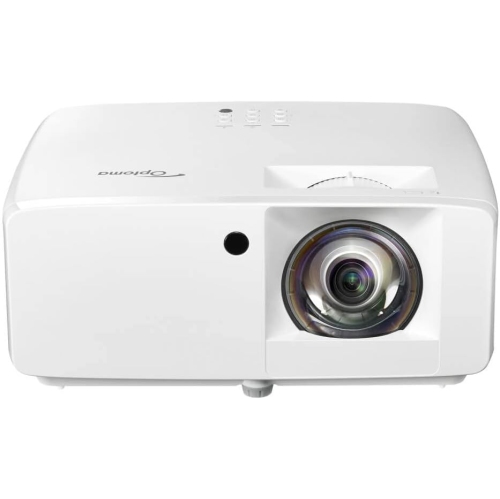
Room layout and ambient light have a major influence on how a projected image looks. A darker room helps preserve contrast and shadow detail, while a space with windows or overhead lighting places greater demands on brightness. When comparing brightness ratings, look for measurements that use the same recognized standard, such as ANSI or ISO lumens, rather than treating differently measured figures as directly interchangeable. Image size matters too, since spreading the light over a larger area can make the picture appear less bright. Throw distance determines how far the projector needs to sit from the screen to produce a particular image size, so standard, short-throw, and ultra-short-throw designs have different placement requirements. Screen compatibility is especially important with ultra-short-throw setups. Optical zoom and lens shift, where offered, can make positioning more flexible; digital keystone correction can help straighten an image but may reduce usable detail. A suitable projection screen, comfortable seating distance, clear ventilation space, and an appropriate mounting location all contribute to a practical setup.

Connections and everyday features help determine how easily a projector fits into an existing entertainment or presentation system. Check that its inputs support the devices you intend to connect, whether that means a streaming player, game console, laptop, or AV receiver. HDMI compatibility, supported signal formats, and audio connections are worth comparing alongside resolution. Acceptance of a 4K input does not make a projector’s native image 4K, and HDR signal support alone does not establish how much contrast or brightness it can display. For gaming, input lag and supported refresh rates at 1080p can be more relevant than features aimed mainly at film viewing. Built-in speakers may be convenient for occasional use, while external audio can better suit larger rooms or a more immersive setup. Wireless connectivity, streaming features, and app support vary, so confirm whether the functions you want are built in or require another device. Operating noise, startup behaviour, control options, and maintenance requirements also deserve attention, particularly when the projector will be used regularly or positioned close to the seating area.

Read More

FAQ

Some products may be subject to Environmental Handling Fees (EHF) depending on your province. Learn more about EHFs.