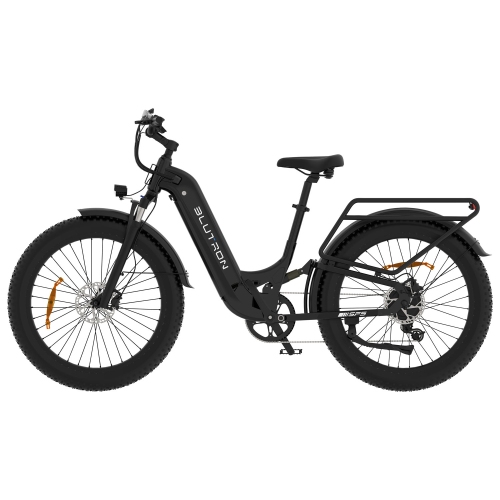
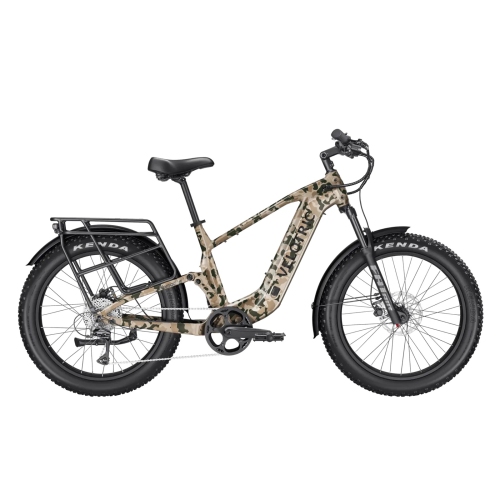
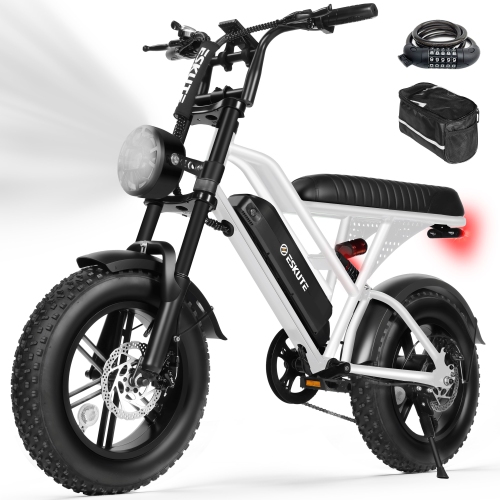
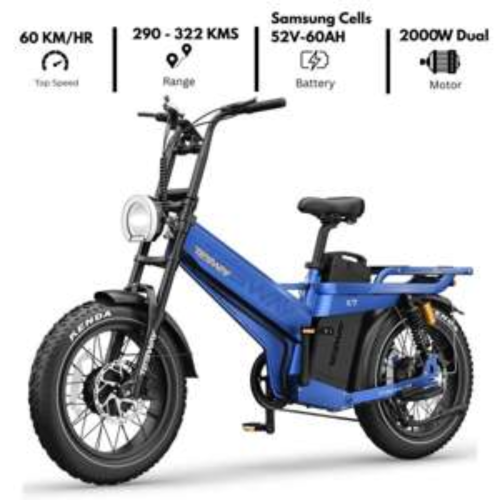
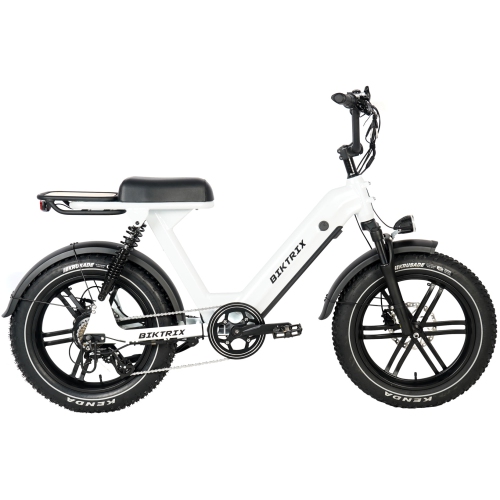
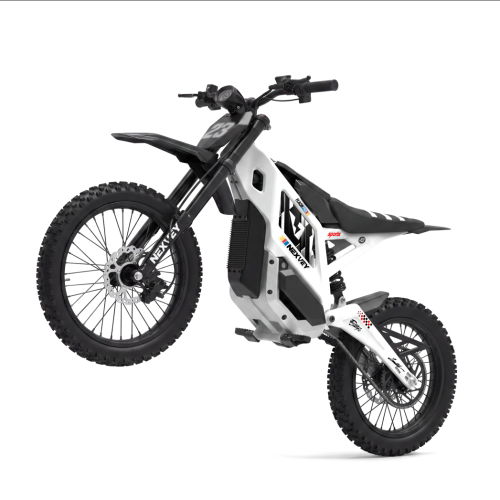
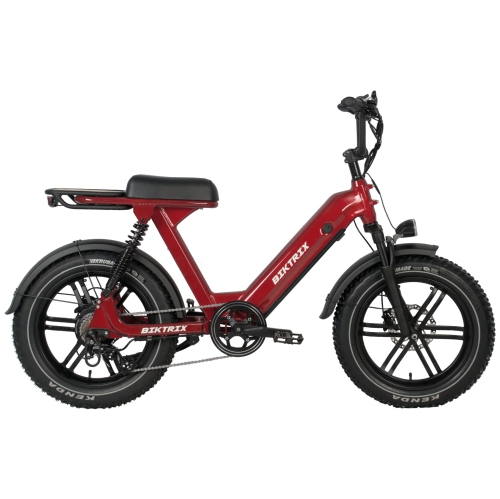
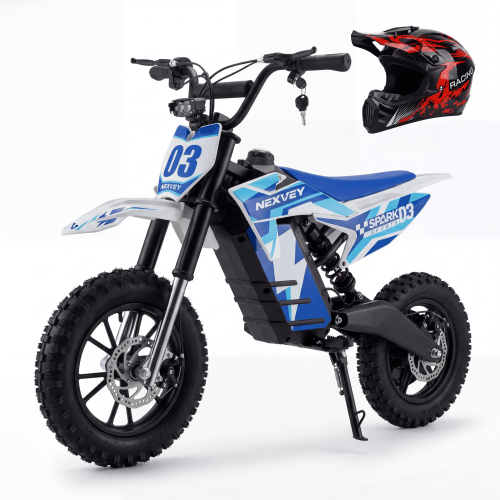
Full Suspension Fat Tire Electric Bikes

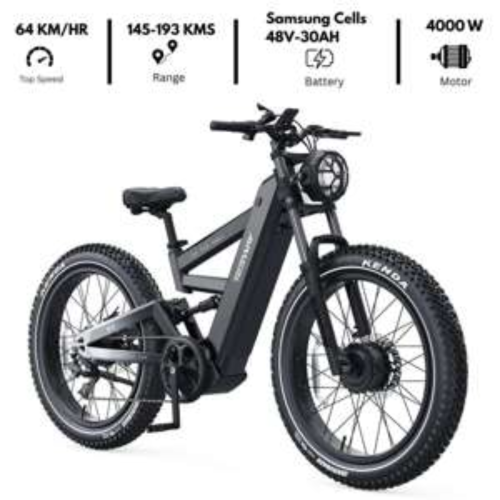
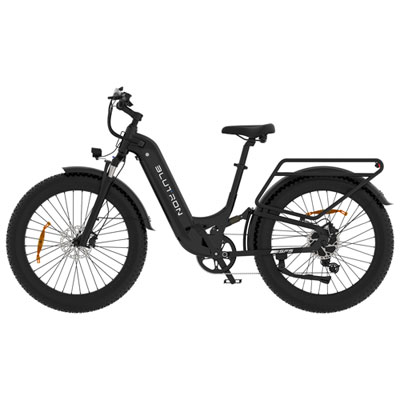
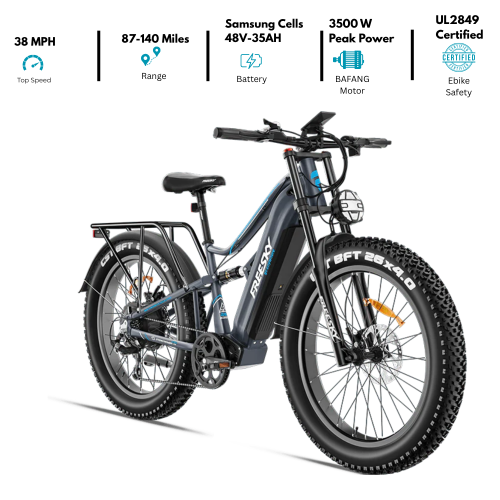
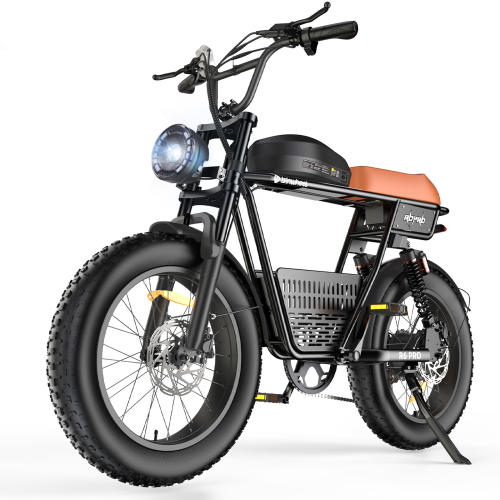
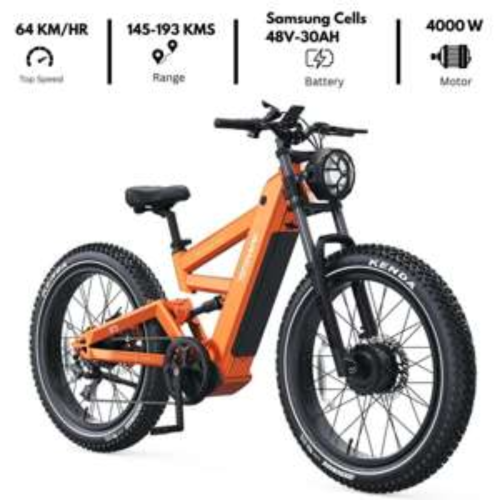
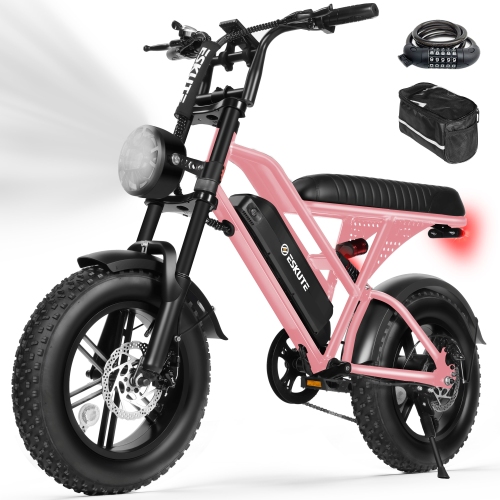
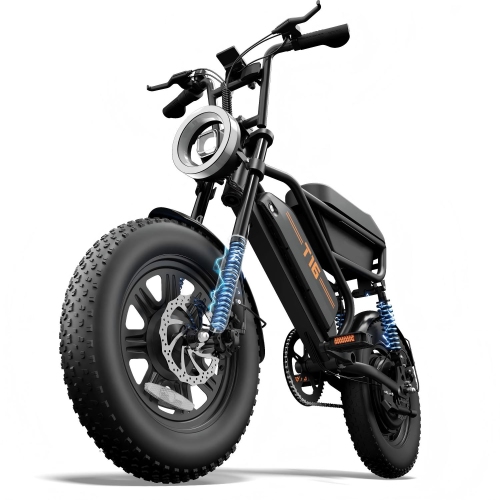
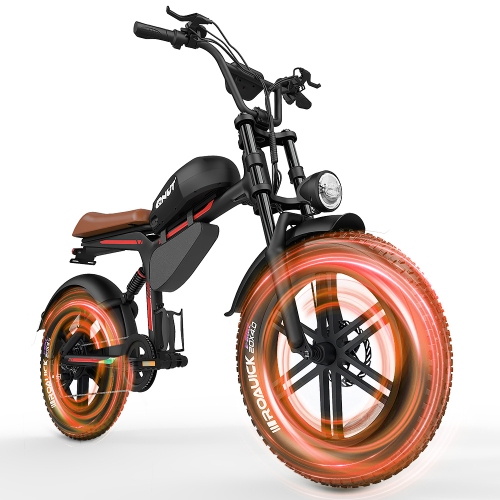
Explore full suspension fat tire electric bikes with front and rear suspension to help smooth out bumps and wide tires for added traction on uneven terrain. When comparing these electric bikes, consider motor assistance, battery range, frame fit, and bike weight to find an option suited to your routes and riding needs.
Sort

How wide tires and suspension soften rough rides

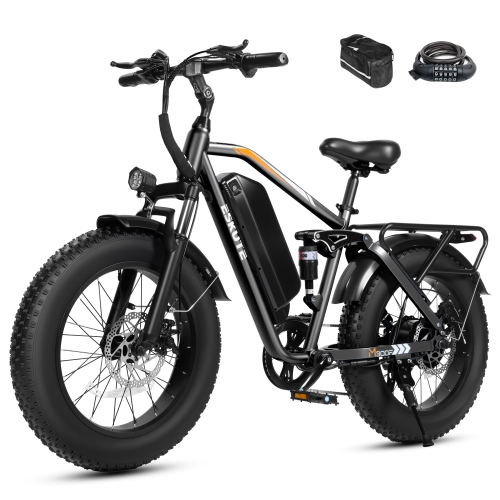
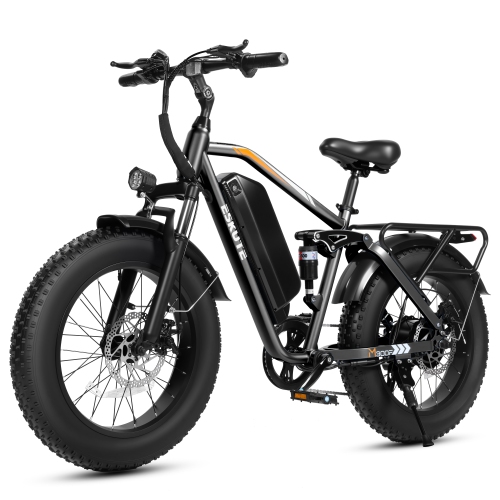
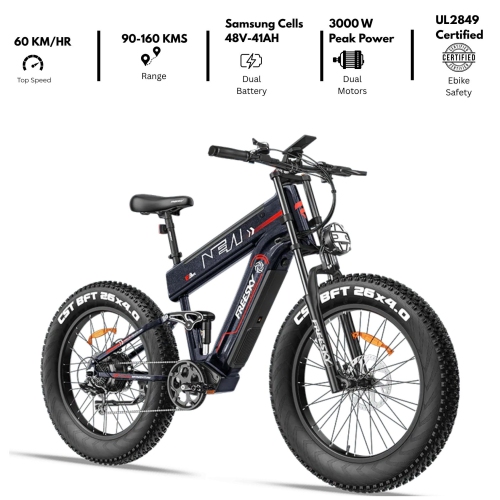
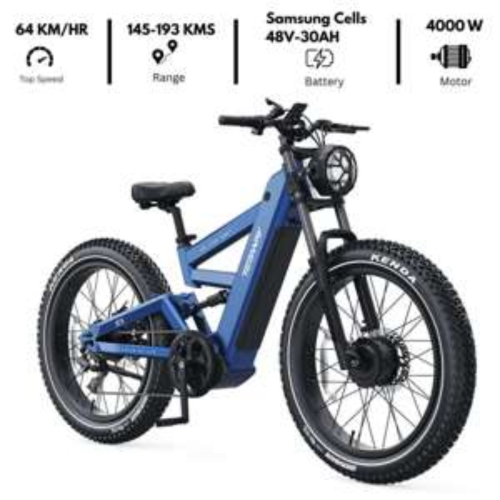
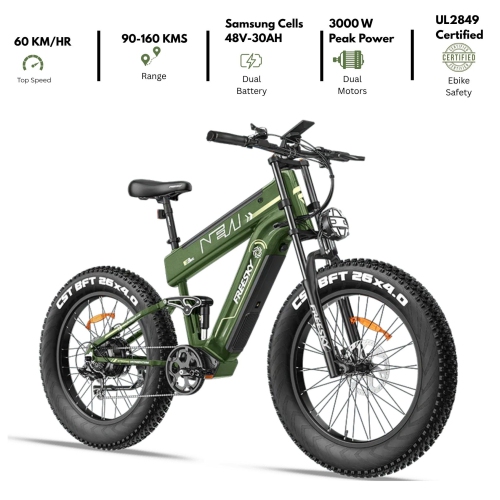
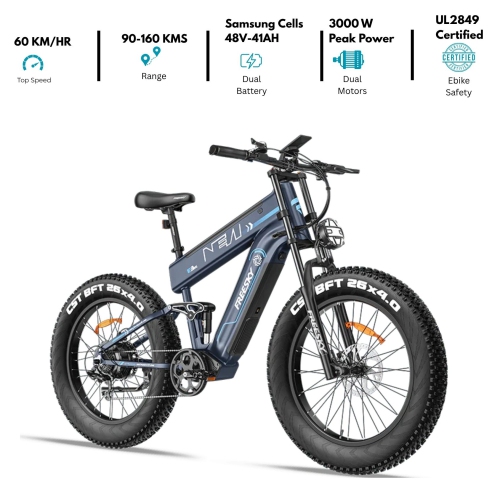
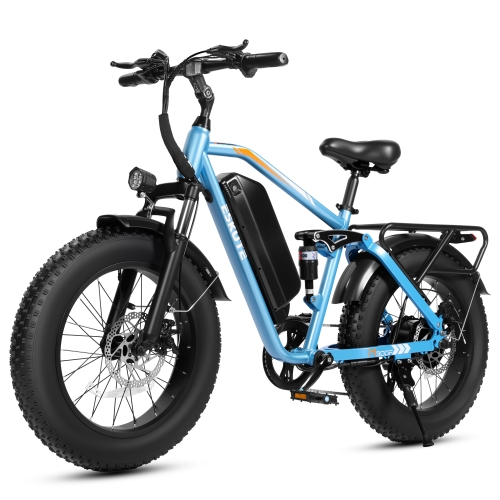
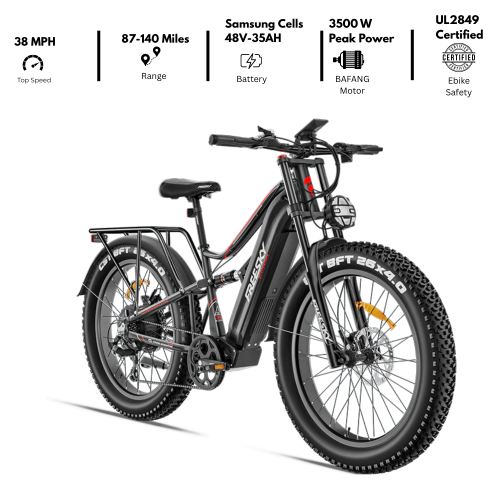
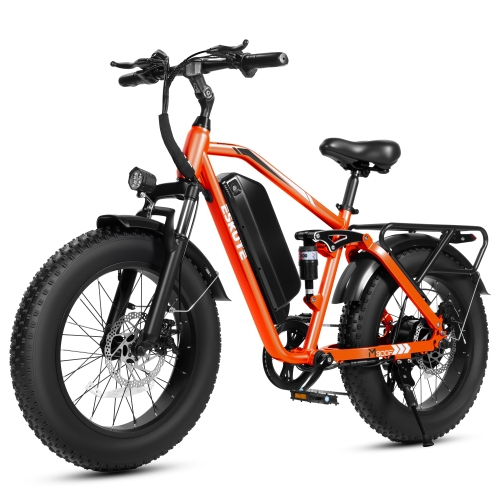
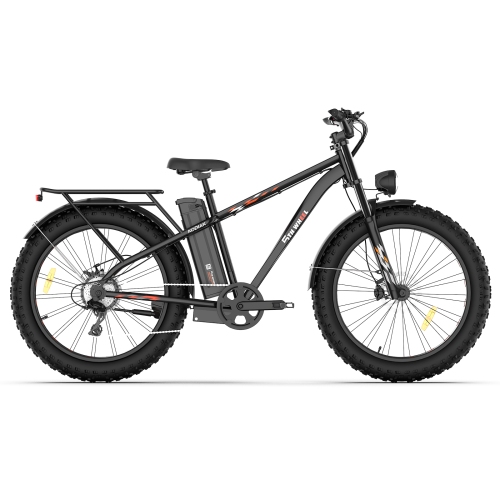
Full suspension fat tire electric bikes bring together wide tires, front and rear suspension, and powered pedalling assistance for riders who want a more forgiving ride across uneven ground. A suspension fork helps absorb impacts at the front wheel, while a rear shock allows the back wheel to move through bumps without passing every jolt directly to the saddle. Wide tires add another layer of cushioning, with a broad contact patch that can provide useful traction on loose gravel, packed dirt, and other permitted riding surfaces. These features work together, but they do different jobs: tire pressure affects how the tire conforms to the ground, while suspension travel and damping influence how the bike responds to repeated bumps and larger impacts. On a stretch of root-lined trail or a rough access road, a well-matched setup can help the wheels maintain contact with the surface and make the ride feel less abrupt. Within the broader Electric Fat Bikes category, full suspension designs are particularly relevant to riders whose routes include uneven terrain rather than smooth pavement alone. They can also suit recreational outings that combine neighbourhood streets with permitted gravel paths, although their wider tires and additional suspension components generally bring more weight and rolling resistance than a simpler pavement-focused bicycle. Not every full suspension model is intended for technical mountain biking, jumps, or steep descents; frame design, component ratings, and the manufacturer’s stated use matter more than an aggressive-looking silhouette. Motor assistance can make sustained pedalling and climbs more manageable, but it does not replace braking technique, balance, or sound judgement. Local rules also shape where an electric bike can be ridden. Provincial requirements, municipal bylaws, and individual trail policies may treat motor output, assisted speed, throttle operation, and rider age differently, so a route that permits conventional bicycles may not permit every type of electric bike.
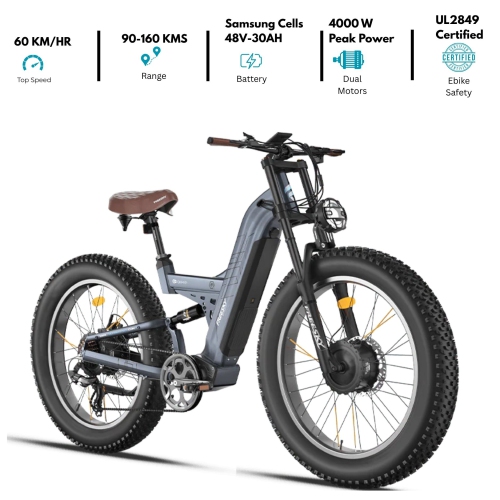
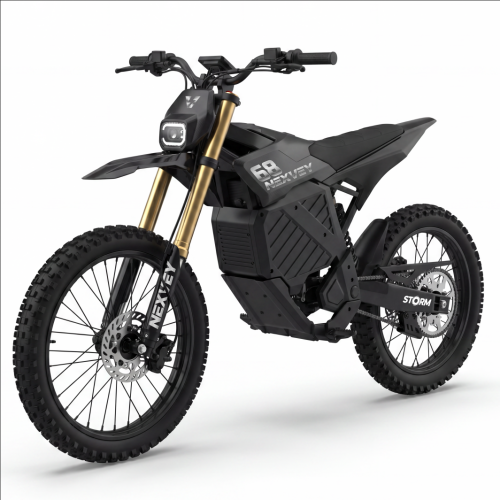
Fit and handling are especially important on a bicycle with substantial tires, a battery, and moving suspension parts. Frame size is only part of the picture: reach to the handlebar, standover clearance, saddle adjustment, and the rider’s ability to put a foot down all influence comfort and confidence. A step-through frame may make mounting easier for some riders, while a higher top tube changes the space available when getting on and off. Wheel diameter and tire width also affect how large a bike feels, particularly during tight turns, slow manoeuvres, or stops on sloping ground. Suspension setup needs to account for rider weight and any carried load; suitable sag and rebound settings help the bike use its travel without feeling excessively soft or springy. Air-sprung and coil-sprung systems have different adjustment and servicing needs, and the presence of a rear shock alone does not indicate how much adjustment is possible. Aluminium is a common frame material, but durability depends on the complete design, construction quality, load limits, and intended use rather than material alone. Wider tires require compatible rims and appropriate inflation, with pressure kept within the limits specified for the tire, rim, and bicycle. Too little pressure can leave the tire poorly supported, while too much can make rough surfaces feel harsher. Braking deserves equal attention because the combined weight of bike, rider, and cargo must be brought under control. Disc brakes are common, with hydraulic and mechanical systems offering different lever feel and maintenance requirements. Comfortable lever reach matters when frequent braking is part of the ride. For errands or longer outings, cargo capacity includes more than the strength of a rack: the bike’s total permitted load and the compatibility of accessories with its moving rear suspension also matter. As a gift, this category is best suited to a recipient whose measurements, riding plans, storage space, and comfort handling a heavier bicycle are already understood.

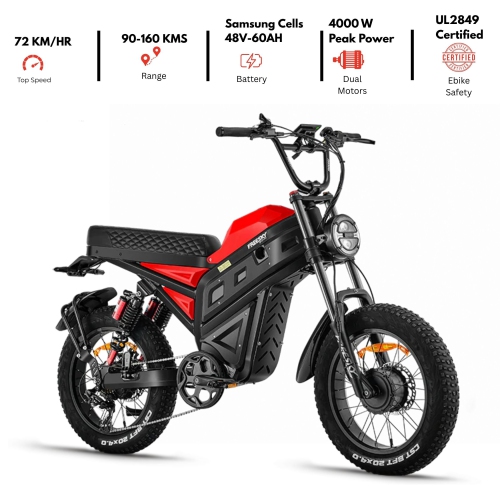
Motor behaviour and battery capacity influence everyday use as much as the suspension does. Hub-drive and mid-drive systems deliver assistance in different ways, and the most suitable arrangement depends on the terrain, gearing, and riding style. A mid-drive motor works through the bicycle’s drivetrain, making appropriate gear selection important on climbs, while a hub motor applies power at the wheel. Assistance controlled by a torque sensor can respond to pedalling effort, whereas cadence-based systems respond to pedal movement; the smoothness of either setup depends on its implementation. Battery capacity expressed in watt-hours gives useful context, but it is not a guaranteed distance figure. Rider and cargo weight, elevation changes, surface resistance, tire pressure, assistance level, and the number of starts all affect how far a charge may carry a rider. A route with frequent climbs and loose sections asks more of the battery than an uninterrupted ride on firm, level ground. Removable batteries can simplify charging and carrying, although access, locking arrangements, and lifting weight vary by design. Charging should follow the manufacturer’s instructions, using the specified charger and an appropriate location, with damaged batteries kept out of use. Recognized electrical safety certification is another meaningful consideration for the battery and drive system. Routine care extends beyond charging: grit on a chain, dirt around suspension seals, and worn brake pads can all affect performance. Gentle cleaning, suitable drivetrain lubrication, and scheduled suspension servicing help protect components, while high-pressure washing can force water and debris past seals. Periodic checks of tire condition, wheel security, fasteners, and braking performance are particularly worthwhile on a bike regularly used over rough ground. Ownership also includes moving and storing the bicycle when it is not being ridden. Stairs, narrow doorways, vehicle rack weight limits, and tire-tray width can pose practical challenges. A bike that fits the rider, the route, and the space at home is easier to enjoy beyond the ride itself.

FAQ

Some products may be subject to Environmental Handling Fees (EHF) depending on your province. Learn more about EHFs.